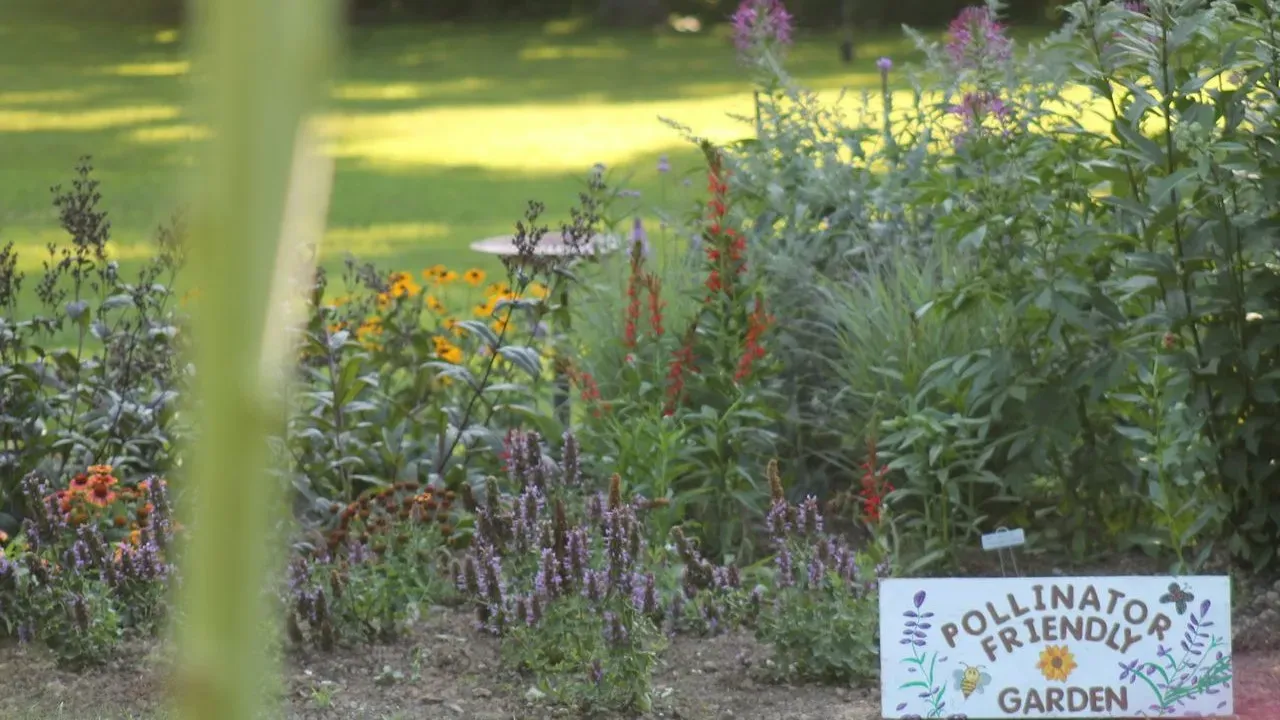

Mill Creek, Washington – Lila’s garden has drawn fresh interest since its appearance on a recent community tour. The space continues to stand out for its sustained color and steady flow of pollinators, offering visitors a clear example of what sustained planning can achieve in a residential setting. A second visit reveals how the same beds maintain their draw without major changes.
Why the Garden Stands Out
The tour brought new eyes to the property, yet the real story lies in what remains visible weeks later. Beds that once caught attention during the event still support active insect traffic and layered blooms. This consistency points to choices made with both visual impact and ecological function in mind.
Observers noted the absence of long bare stretches even as seasons shift. The layout appears to favor plants that overlap in bloom time, reducing gaps that often appear in less coordinated plantings. Such continuity keeps the garden working for wildlife rather than resting between peaks.
Practical Steps Behind the Results
Success here stems from repeated attention to plant selection and placement rather than single dramatic additions. Groupings that combine different heights and textures create depth while providing varied nectar sources. The result is a setting that feels full without appearing crowded.
Maintenance stays focused on supporting existing growth instead of constant replacement. Soil health and timely deadheading help extend flowering periods, which in turn sustains pollinator visits. These habits translate directly to other yards seeking similar outcomes.
Benefits for Pollinators and Gardeners Alike
Pollinators respond to reliable resources, and this garden supplies them across multiple months. The activity benefits the plants through better pollination while giving observers a living demonstration of habitat value. Homeowners gain both aesthetic reward and a measurable contribution to local insect populations.
Residents who toured the space left with ideas they could test on their own properties. The example shows that modest adjustments in plant choice and spacing can produce noticeable changes without requiring large budgets or extensive redesigns. The payoff appears in both color duration and wildlife response.
Applying the Approach Elsewhere
Gardeners elsewhere can begin by mapping bloom times for their region and selecting varieties that fill sequential slots. Layering early, mid, and late performers reduces downtime and supports a broader range of visitors. Observation over one full season helps refine the mix.
Starting small allows testing before scaling. A single bed or border can reveal what works locally, then inform larger efforts. The Mill Creek example illustrates that steady, incremental decisions compound into a garden that performs for both people and pollinators over time.
What matters now: Thoughtful plant timing and placement deliver lasting color and pollinator support with modest ongoing effort.
AI Disclaimer: This article was created with the assistance of AI tools and reviewed by a human editor.