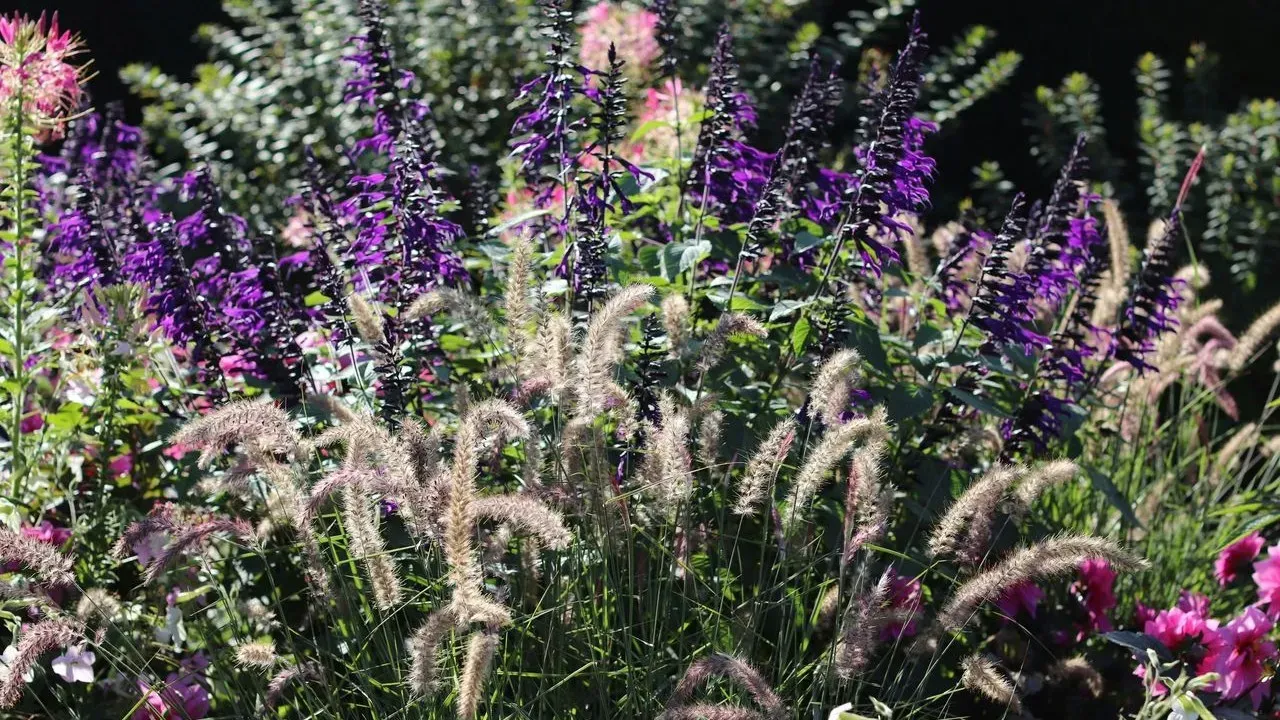

Kaleb Wyse of Wyse Guide has completed the first stage of a two-part project to establish a large perennial bed in full sun. The work centers on nearly 300 plants selected for durability and seasonal interest rather than constant attention. Preparation included soil amendment with organic compost, followed by careful planting that incorporates a starter product to support root development.
Plant Choices That Deliver Structure and Color
The selected perennials combine varied foliage, bloom times, and growth habits to maintain visual appeal even outside peak flowering periods. Reliable options such as Caradonna Salvia and Summer Magic Nepeta provide early and mid-season interest, while later bloomers like Munstead Dark Red Sedum extend color into fall. Structural elements appear through plants such as Big Blue Eryngium and Karl Foerster Grass, which add height and texture without requiring staking. These varieties were chosen in part for their tolerance of sun, heat, and drier conditions once roots are established. The overall mix avoids plants that demand frequent division or support, reducing long-term labor. Smaller starter plants and plugs were used alongside larger specimens to balance cost and establishment speed.
Planning for Continuous Interest and Easy Care
Effective design begins with attention to foliage contrast, stem color, and plant height rather than blooms alone. Early-, mid-, and late-season flowering types are combined so the bed remains engaging from spring through autumn. Sturdy selections that withstand wind and limited water help limit interventions after the first year. Smaller, more affordable plants often prove practical because they adapt quickly and require less initial watering. Container size at purchase matters less than matching plant availability and budget to the desired timeline for a filled appearance. The result is a bed that looks intentional yet natural without rigid symmetry.
Grouping and Planting for Cohesive Results
Plants are arranged in informal clusters of five or seven to create visible pockets of texture and color. These groupings repeat across the bed at irregular intervals, producing a connected feel without mechanical repetition. The method yields what Wyse describes as organized looseness that still reads as deliberate. An auger attached to a drill speeds hole preparation even in compacted soil. Each planting site receives a measured amount of Bio-tone Starter Plus mixed into the backfill to introduce beneficial microbes and nutrients. The same process applies whether the bed covers a large area or a modest corner of a yard.
Practical Outcomes for Any Scale
The techniques demonstrated remain consistent regardless of project size. Soil preparation with Land & Sea Gourmet Compost, thoughtful plant selection, and consistent use of starter amendments give each perennial a stronger foundation for long-term performance. Gardeners can adapt the same steps to smaller spaces while expecting similar reductions in ongoing maintenance. The approach shows how initial investment in planning and soil health translates into a bed that sustains itself with minimal additional input. Part two of the series will cover further development of the same planting.
AI Disclaimer: This article was created with the assistance of AI tools and reviewed by a human editor.