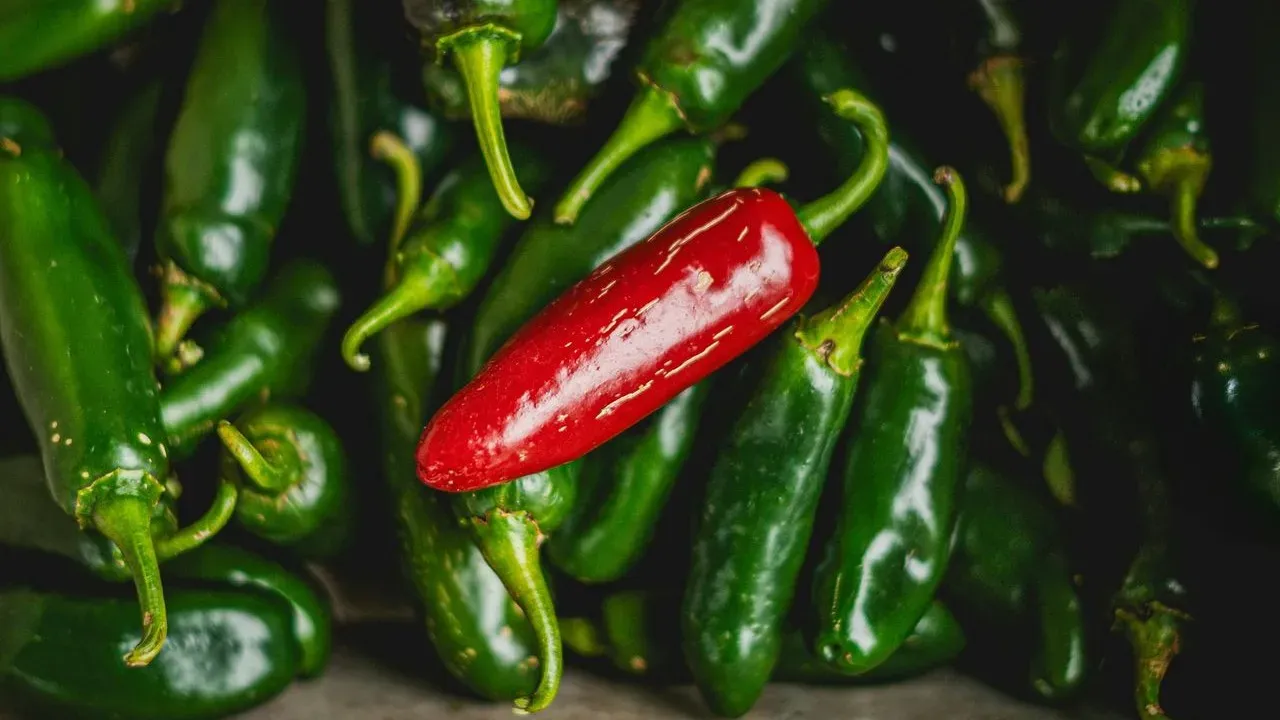

Public health investigators have connected a multistate Salmonella outbreak to fresh jalapeño peppers imported from Mexico. The cases emerged rapidly during the summer months and have prompted immediate recalls along with changes at major restaurant chains. Officials continue to monitor distribution networks while noting that many infections likely go unreported.
Scale of Illnesses and Geographic Reach
At least 345 people across 27 states have fallen ill in connection with the contaminated peppers. Thirty-six individuals required hospitalization, though no deaths have been recorded so far. Illness onset dates range from June 19 to July 19, and authorities expect the actual total to exceed the confirmed count because mild cases often escape detection.
Colorado and Minnesota report the highest numbers of confirmed infections. Cases have also appeared in states including California, Illinois, Michigan, North Carolina, Texas, Virginia, Washington, and Wisconsin. The wide distribution reflects the peppers’ path through commercial supply chains serving both restaurants and retail outlets.
Tracing the Peppers to Their Origin
Investigators determined that the jalapeños originated from growers in Sinaloa, Mexico. Coast Citrus Distributors of California handled their importation and distribution within the United States. The company has issued a recall for the affected lots, and federal agencies are urging all foodservice operators and retailers to remove the product from shelves and kitchens.
Epidemiological interviews revealed that many patients had eaten at Chipotle or other Mexican-style restaurants shortly before becoming ill. Both Chipotle and QDOBA quickly pulled the implicated peppers from their menus and switched to suppliers in different growing regions. Officials now consider those chains no longer an active source of exposure.
Restaurant Responses and Supply Chain Adjustments
Restaurant chains acted swiftly once the link became clear. Replacement peppers arrived from alternate sources, reducing the immediate risk to diners. The moves illustrate how quickly large operators can alter sourcing when public health data points to a specific item.
Yet the investigation remains open. The CDC and FDA continue to map additional distribution routes to identify any remaining retail or foodservice locations that may still hold recalled product. At this stage, no broader ongoing risk has been identified with foods currently served at the affected chains.
Symptoms, Risks, and Historical Context
Salmonella infection typically produces diarrhea, fever, and abdominal cramps within six hours to six days after exposure. Most healthy adults recover within a week without medical intervention. Young children, older adults, and people with weakened immune systems face greater chances of severe illness that may require hospital care.
This event echoes a major 2008 outbreak that also involved imported jalapeño and serrano peppers. In that earlier incident, initial suspicion focused on tomatoes before investigators pinpointed the peppers as the vehicle. The parallels underscore persistent challenges in tracing produce through complex international supply lines.
What Consumers and Home Cooks Should Consider
Anyone who purchased fresh jalapeños recently should check for any recall notices from retailers or suppliers. Discarding suspect peppers and thoroughly cleaning surfaces that contacted them can help limit household exposure. Public health messaging continues to emphasize that proper handling reduces but does not eliminate risk when contamination has already occurred upstream.
Key points to remember:
– 345 confirmed cases across 27 states
– Linked to jalapeños grown in Sinaloa, Mexico
– Recalls issued; restaurants have switched suppliers
– Investigation ongoing; true case count likely higher
– Standard food safety practices remain essential
The current outbreak serves as a reminder that even common kitchen staples can carry unexpected risks when grown and shipped across borders. Continued vigilance by regulators, distributors, and consumers alike will determine how quickly the situation resolves and what lessons emerge for future produce safety.
AI Disclaimer: This article was created with the assistance of AI tools and reviewed by a human editor.