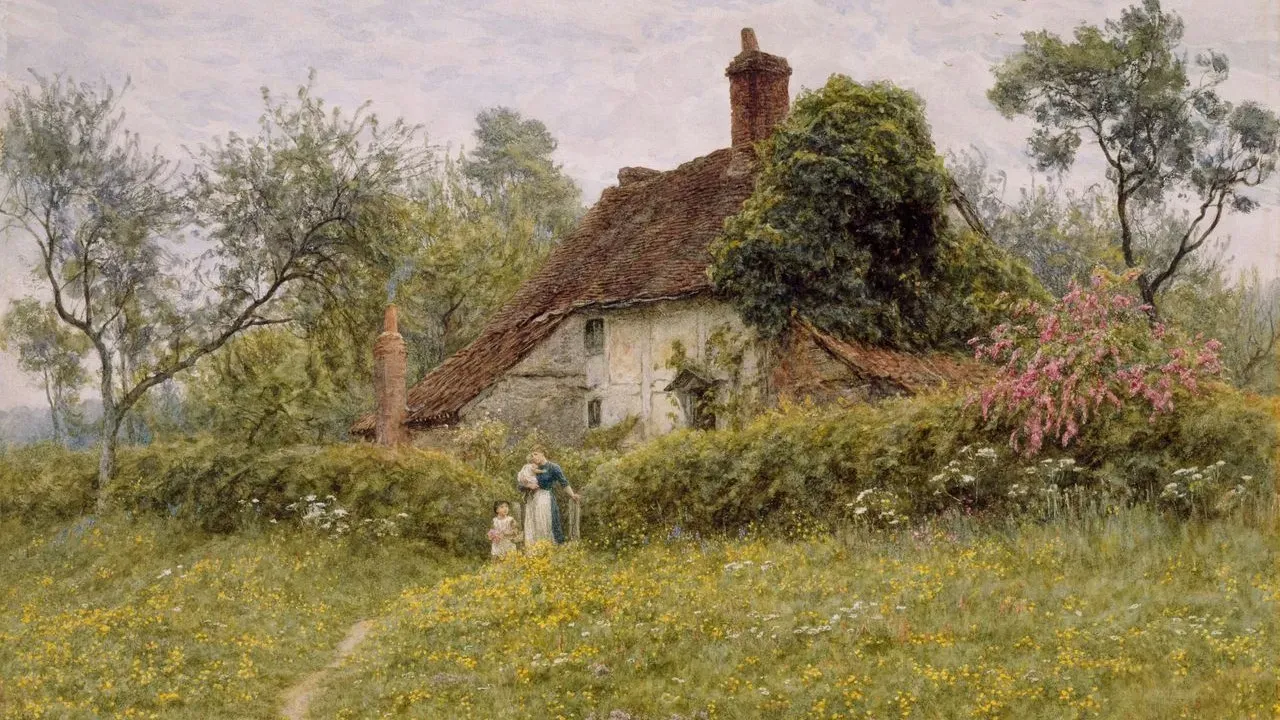

Suffolk, England, hosts a garden that quietly challenges conventional planting wisdom. A single backyard space unites the structured charm of classic cottage borders with the loose, flowing energy of prairie favorites. The result is a living landscape that supports abundant wildlife while remaining deeply enjoyable for its human visitors. This approach grew from years of hands-on experience rather than formal training.
Childhood Roots Shape a Distinct Vision
The gardener began working outdoors as a child, assisting parents with their own plots. Those early lessons in soil, seasons, and plant care laid the groundwork for an independent project years later. What started as simple help evolved into a personal commitment to create something both beautiful and functional. The Suffolk setting provided the right conditions for experimentation without the constraints of a larger estate. Over time, the focus shifted from basic maintenance to deliberate design choices. The gardener sought to move beyond familiar patterns and explore combinations that felt fresh yet grounded in proven horticultural principles. This progression reflects a common path among dedicated amateurs who refine their skills through observation and trial.
Two Planting Traditions Find Common Ground
Classic cottage planting emphasizes layered perennials, roses, and herbs arranged in informal yet orderly beds. Prairie favorites, by contrast, favor tall grasses and bold wildflowers that evoke open landscapes and seasonal movement. Bringing these together required careful attention to height, color, and bloom times so neither style overwhelmed the other. The combination produces visual depth that changes with the seasons. Early summer might highlight cottage roses and delphiniums, while late summer brings the swaying seed heads and warm tones typical of prairie species. Such layering extends interest across months and reduces the need for constant replanting.
Wildlife Gains a Reliable Habitat
The blended approach creates multiple layers of cover and food sources. Dense cottage-style planting offers shelter for smaller birds and insects, while prairie elements supply seeds and late-season nectar. The overall effect turns the garden into a year-round resource rather than a seasonal display. Visitors notice the increased activity of pollinators and other creatures that thrive in the varied structure. The space remains welcoming for people as well, with paths and seating areas integrated among the plants. This dual purpose demonstrates how aesthetic goals and ecological benefits can reinforce each other without compromise.
Practical Takeaways for Other Gardeners
Home gardeners can apply similar principles by starting with a clear base style and then introducing contrasting elements in measured doses. Observing how plants interact over a full growing season helps refine placements and avoid overcrowding. Soil preparation and consistent watering remain essential regardless of the chosen mix. The Suffolk example shows that successful gardens often emerge from personal history and patient observation rather than rigid rules. Those willing to test combinations that feel slightly at odds may discover unexpected harmony and greater resilience in their own plots.
AI Disclaimer: This article was created with the assistance of AI tools and reviewed by a human editor.