
Snacking has a complicated reputation. For decades, it was treated as the enemy of any weight loss effort, something to be avoided rather than planned. The science tells a different story. When snacks are built around protein, they can actively work in your favor, helping control hunger, steady energy levels, and reduce the urge to overeat at the next meal.
High-protein snacks have gained real traction as a weight loss strategy because of their potential to enhance satiety, reduce overall caloric intake, and improve body composition. The key is knowing which snacks actually deliver on that promise. These eight options are consistently recommended by registered dietitians, backed by nutritional data, and practical enough to fit into real life.
1. Greek Yogurt
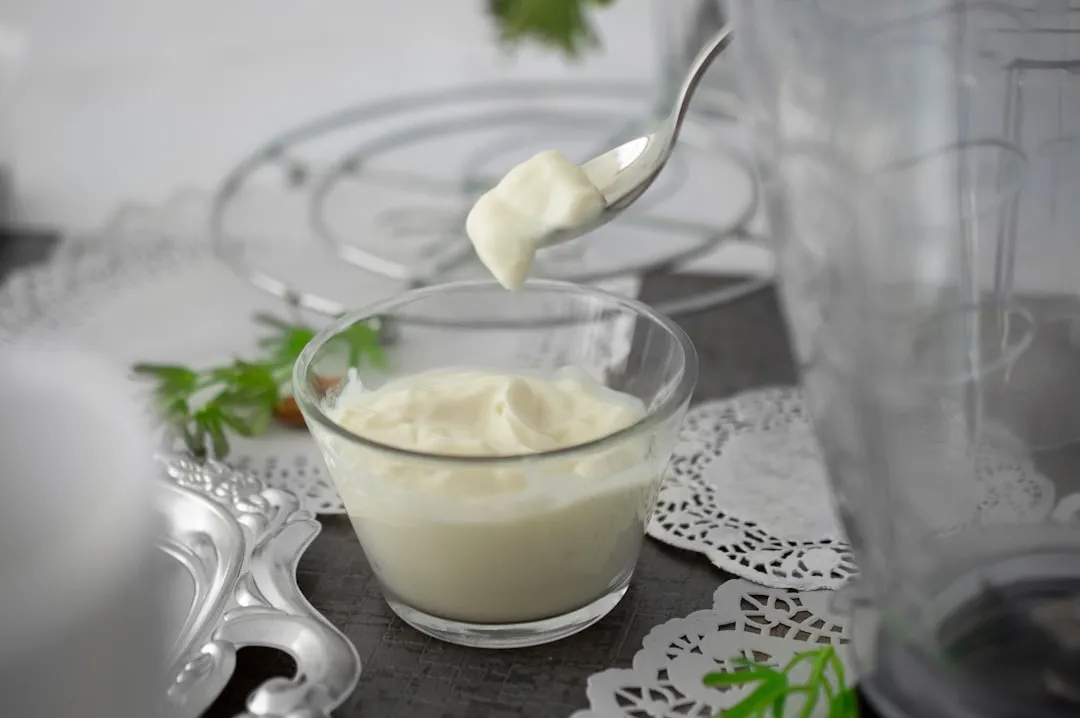
If there’s one snack that dietitians return to again and again, it’s Greek yogurt. Just one six-ounce container of plain, nonfat Greek yogurt packs around 18 grams of high-quality protein. That’s a meaningful amount for a snack that takes about 30 seconds to prep.
Research published in 2025 found that Greek yogurt induced a statistically significant increase in satiety 30 minutes after consumption, making it one of the more well-studied options on this list. Greek yogurt also contains probiotics, live bacteria that support your gut and have been linked to weight management benefits.
A comparison of high-protein yogurt snacks with high-fat snacks like crackers and chocolate revealed that the yogurt snack led to greater reductions in afternoon hunger, delayed eating initiation, and participants consuming fewer calories at dinner. Choose plain varieties and add fresh fruit rather than reaching for flavored versions, which often carry a surprising amount of added sugar.
2. Hard-Boiled Eggs
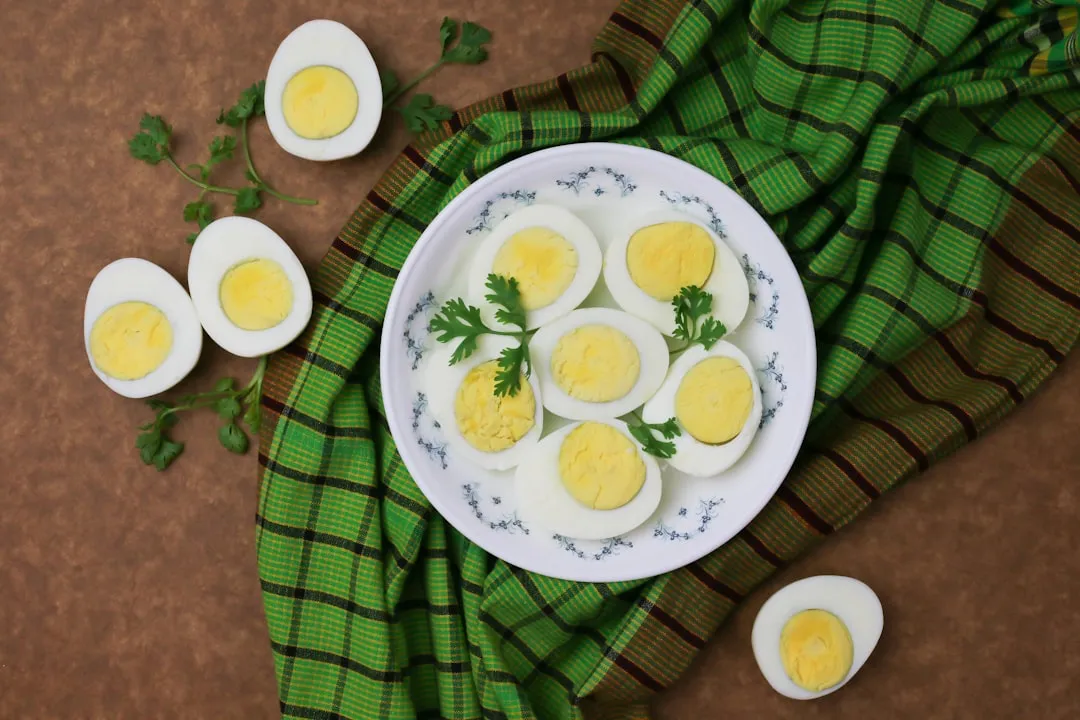
Hard-boiled eggs are one of the most affordable, portable, and genuinely filling snacks available. One large hard-boiled egg provides 6 grams of protein for just 77 calories, which makes pairing two of them an easy way to hit a satisfying protein target without a large calorie investment.
Eggs boast one of the highest-quality forms of protein, readily available to the body for uses like muscle building and repair. Because eggs’ protein promotes satiety, they may help with weight management, particularly when paired with fiber-rich vegetables.
Eggs are naturally rich in vitamin D, which supports healthy bones and immune function, and are loaded with vitamin B12, which supports brain and nerve function. The yolk is where most of those micronutrients live, so skipping it to save calories isn’t always worth the trade-off.
3. Cottage Cheese
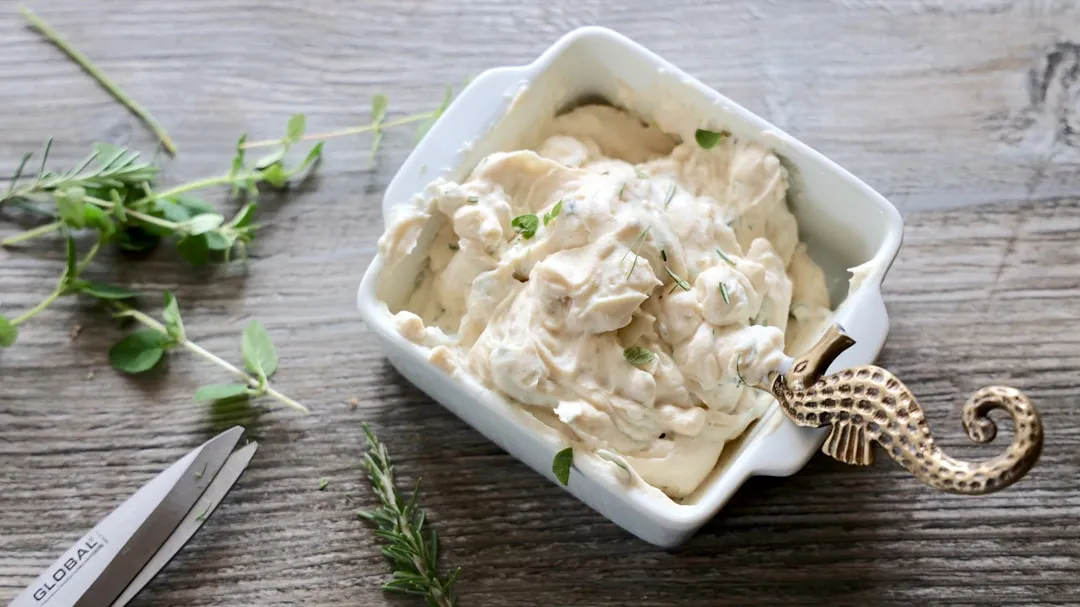
Cottage cheese has had a genuine resurgence in the last few years, and the nutrition case behind it is solid. A half-cup of low-fat cottage cheese delivers 12 grams of protein for just 90 calories. Scale that up to a full cup and you’re looking at roughly 24 grams of protein for around 180 calories, one of the better protein-to-calorie ratios of any whole food snack.
Cottage cheese is an excellent source of complete protein to support healthy muscles and calcium to help maintain strong, healthy bones. Its casein protein digests slowly, which supports muscle recovery overnight without spiking insulin, making it a particularly sensible evening snack.
In addition to protein, cottage cheese provides key nutrients including calcium and phosphorus, which are important for bone health, as well as B vitamins, which help convert food into usable energy. Some newer varieties also include added live cultures, so checking the label for probiotics is worth the extra few seconds.
4. Edamame
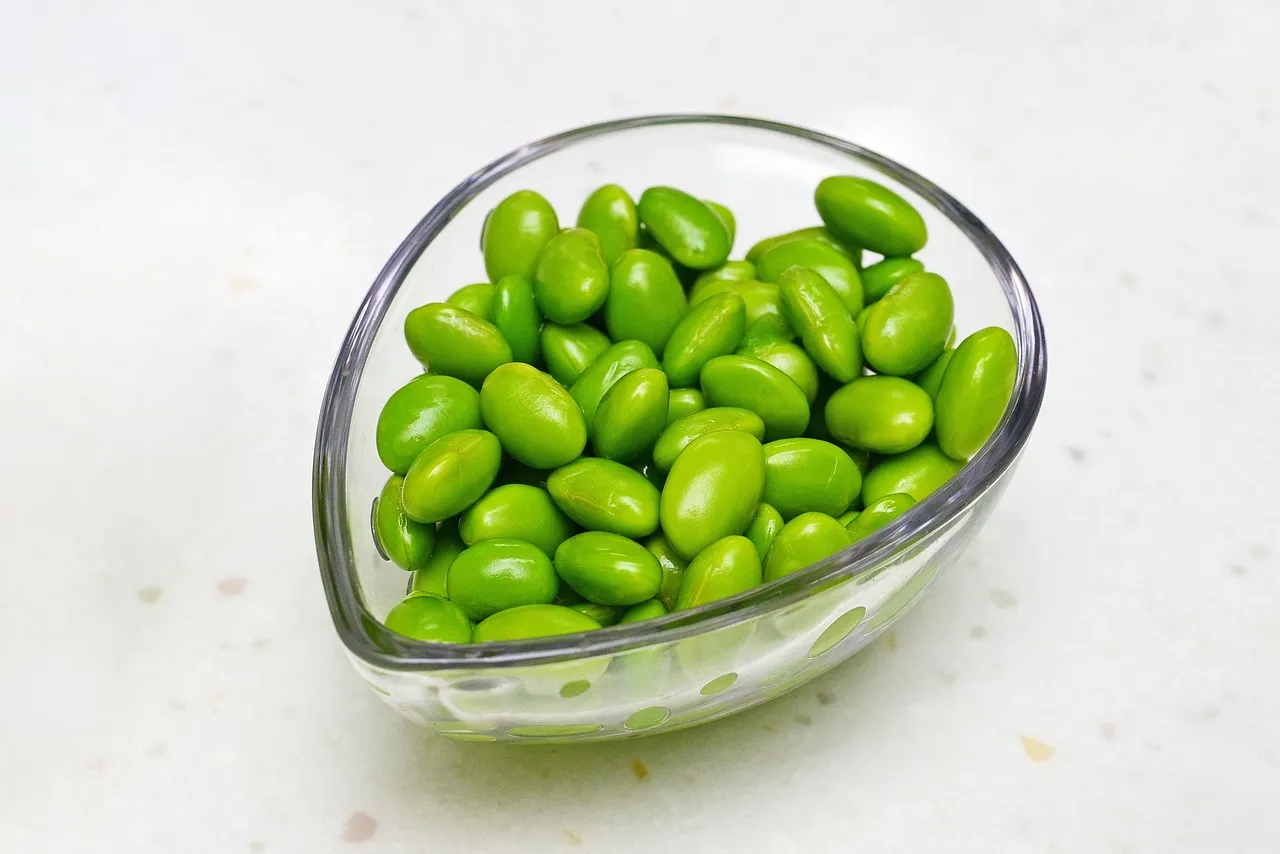
Edamame is one of the rare plant-based snacks that genuinely competes with animal sources on protein. Edamame, or immature soybeans, are among the beans with the most protein, and one half-cup of boiled, shelled edamame delivers 9 grams of protein for just 110 calories. That’s a strong number for a plant-based option.
Edamame also provides essential omega-3 fatty acids, which support heart and brain health, and it’s rich in flavonoids, plant compounds with anti-inflammatory properties. Edamame is one of the healthiest high-protein plant-based foods, and the sushi staple is also rich in gut-healthy fiber and vitamins.
Frozen edamame is widely available, inexpensive, and takes only a few minutes to prepare. A light sprinkle of sea salt is all most people need. It’s a genuinely satisfying snack that works equally well at a desk or on a meal prep tray.
5. Jerky (Beef or Turkey)
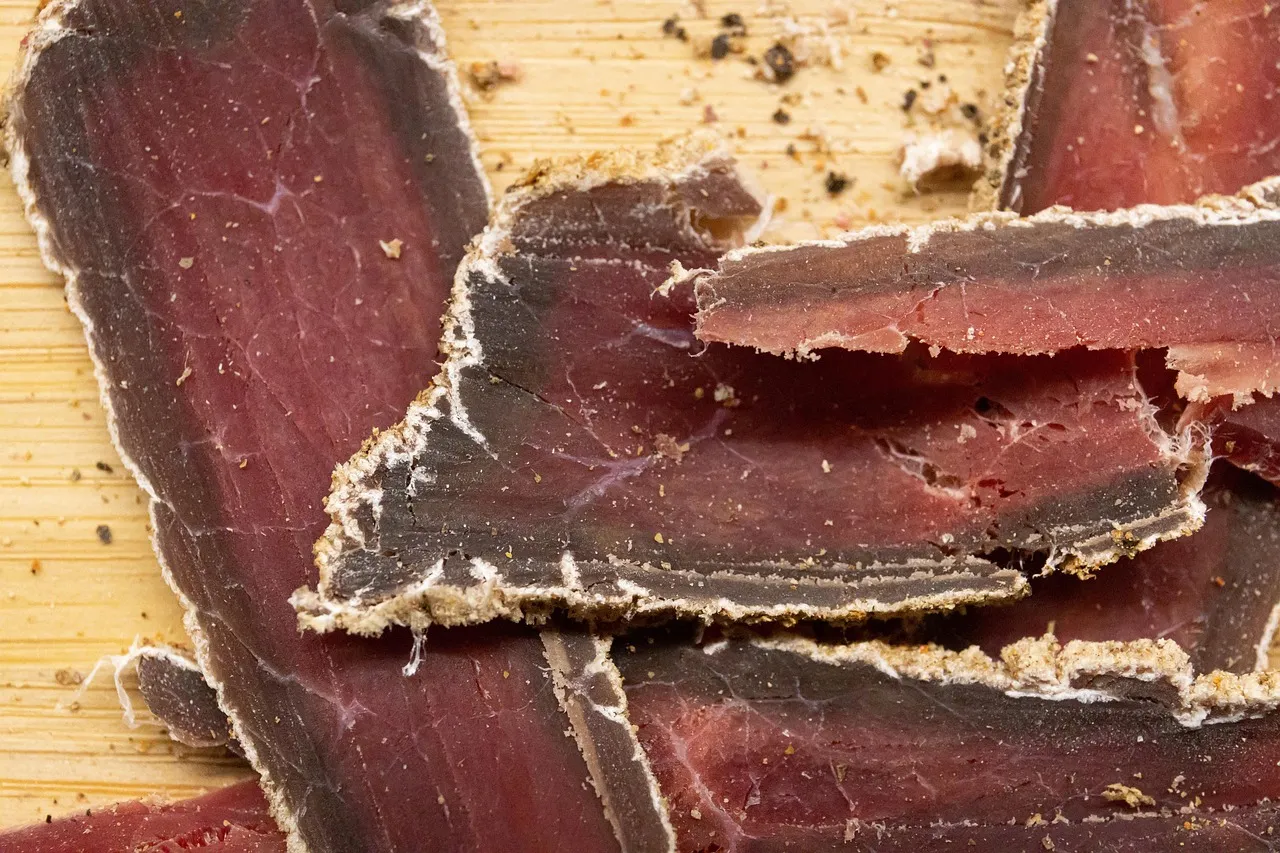
Jerky’s shelf stability and portability make it stand out in a category where most high-protein options require refrigeration. Beef jerky is an excellent source of protein and is typically low in calories and carbohydrates. Beef, turkey, chicken, or salmon jerky provides a satisfying savory snack that has a long shelf life.
Turkey jerky is a portable snack that works well for travel, workdays, or situations where fresh food isn’t available, and a one-ounce serving typically provides around 9 to 12 grams of protein. Beef jerky lands in a similar range. Beef jerky, for instance, contains an impressive 9 grams of protein per ounce.
Since some varieties can be high in sodium, checking labels can help you choose a better option for regular snacking. Look for jerky with short ingredient lists and minimal added sugar. The cleaner the label, the closer you are to getting real protein without unnecessary additives.
6. String Cheese

String cheese tends to fly under the radar in conversations about serious nutrition, but it earns its place consistently. String cheese is easy to grab and go, satisfying, and portable, providing 7 grams of protein per stick. A single part-skim mozzarella string cheese comes in under 100 calories.
Another way to maximize the snack is to wrap an ounce of deli turkey around the string cheese to add an additional 6 grams of protein. That combination pushes the total protein count to roughly 13 grams for a snack that still fits comfortably into a weight loss calorie range.
This combination also provides calcium for strong bones and a quick energy source, making it a practical snack for busy, active days. Pair the cheese with a few raw vegetables and you’ve added fiber to the mix, which helps close the satiety loop even further.
7. Mixed Nuts
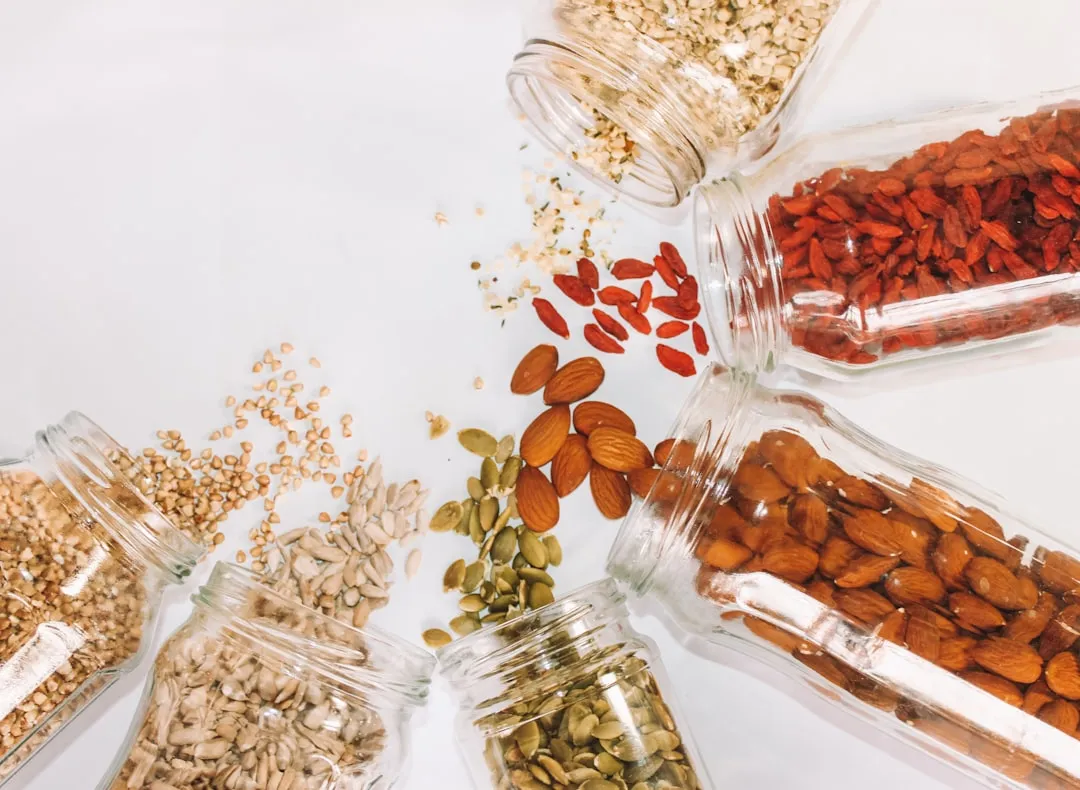
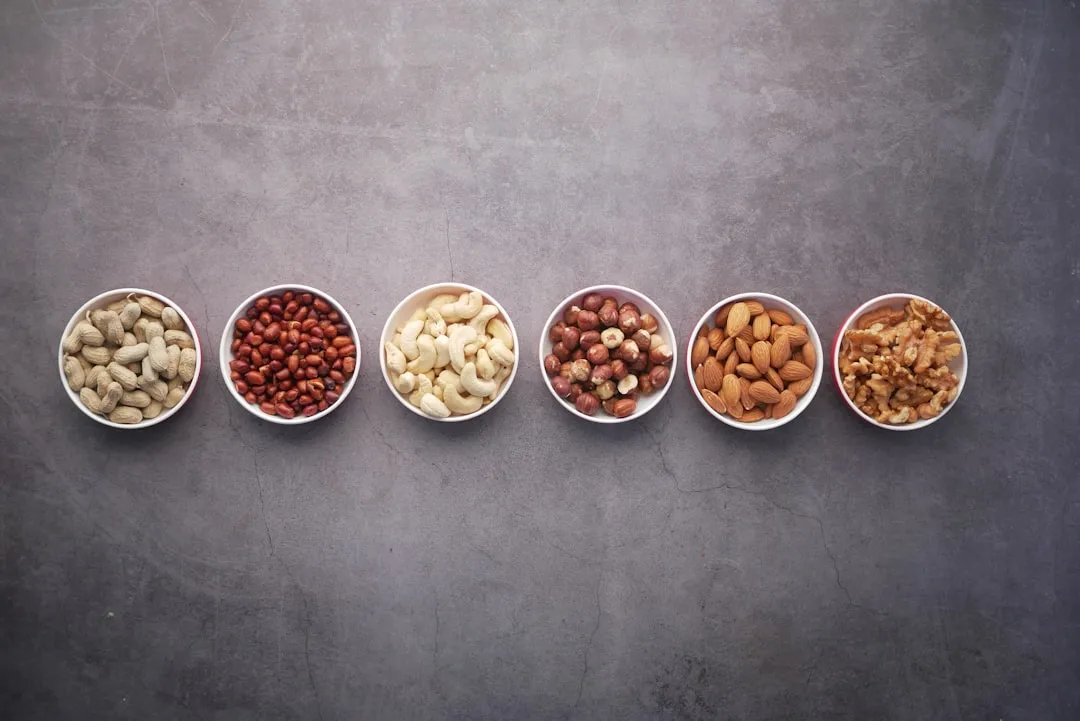
Nuts often get dismissed by people watching calories, but the research on them in a weight loss context is more nuanced than the calorie count alone suggests. Mixed tree nuts are an excellent source of protein and healthy fat, both of which contribute meaningfully to satiety. A randomized, controlled study in 95 overweight individuals who consumed mixed tree nuts as part of a reduced-calorie diet showed significant weight loss over 12 weeks compared to baseline.
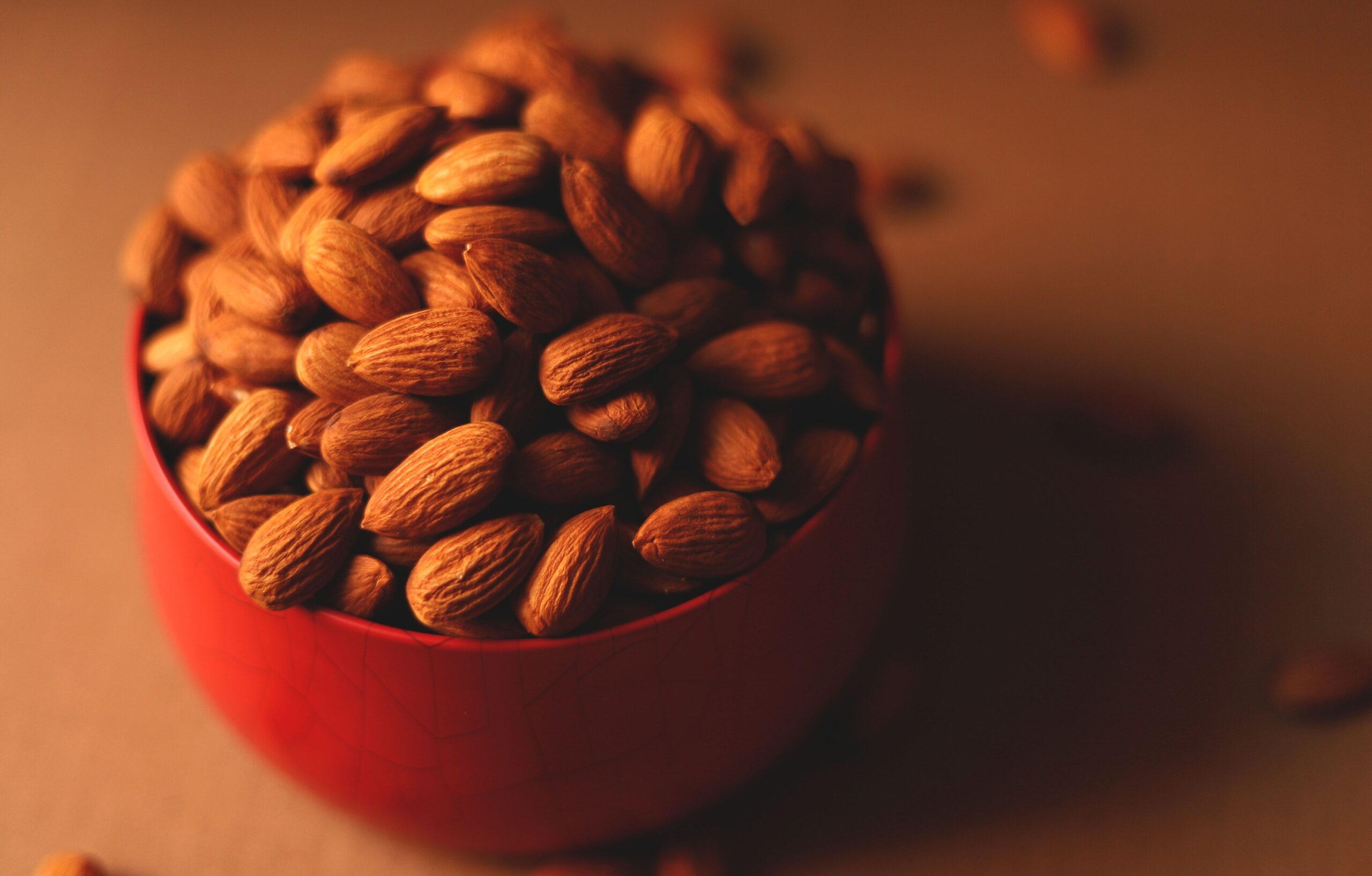
Pairing snack foods high in fiber with food high in protein can help with weight loss by keeping you fuller longer. Nuts accomplish exactly that combination on their own. A small handful of almonds, for example, delivers protein, fiber, and healthy fats in one package.
A useful general target is 10 to 20 grams of protein per snack; below 10 grams, the satiety effect is modest, while above 20 grams begins to cross into meal territory for most people. A serving of mixed nuts lands on the lower end of that range, so pairing them with another small protein source can round out the snack more effectively.
8. Canned Tuna or Tuna Pouches
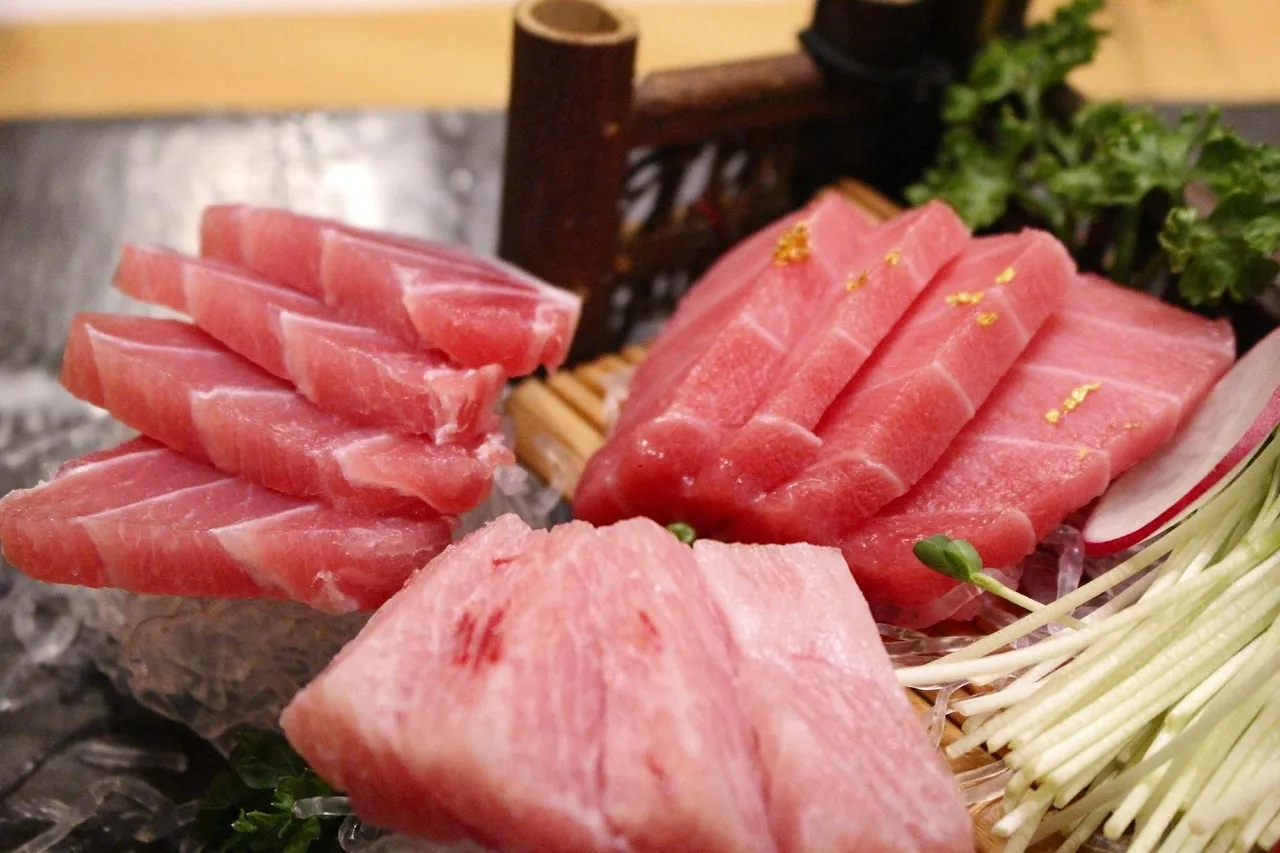
Few snacks deliver as much protein per calorie as canned or pouch tuna. Tuna is a protein-rich option that can be prepared in minutes, and a standard three-ounce serving contains around 20 to 22 grams of protein. That’s closer to meal-level protein in a snack-sized portion.
Hard-boiled eggs, plain Greek yogurt, cottage cheese, canned tuna, edamame, and roasted chickpeas consistently rank at the top because they are affordable, minimally processed, and genuinely filling. Tuna pouches, in particular, require no can opener and no draining, making them one of the more practical options when you’re away from a kitchen.
A single-serve pouch of tuna mixed with a tablespoon of Greek yogurt instead of mayo, some lemon juice, and diced celery, served on thick cucumber rounds, delivers roughly 25 grams of protein and takes about three minutes to prepare. Watch sodium on certain canned varieties, and opt for tuna packed in water rather than oil if you’re keeping calories tight.
Why Protein Actually Works for Weight Loss
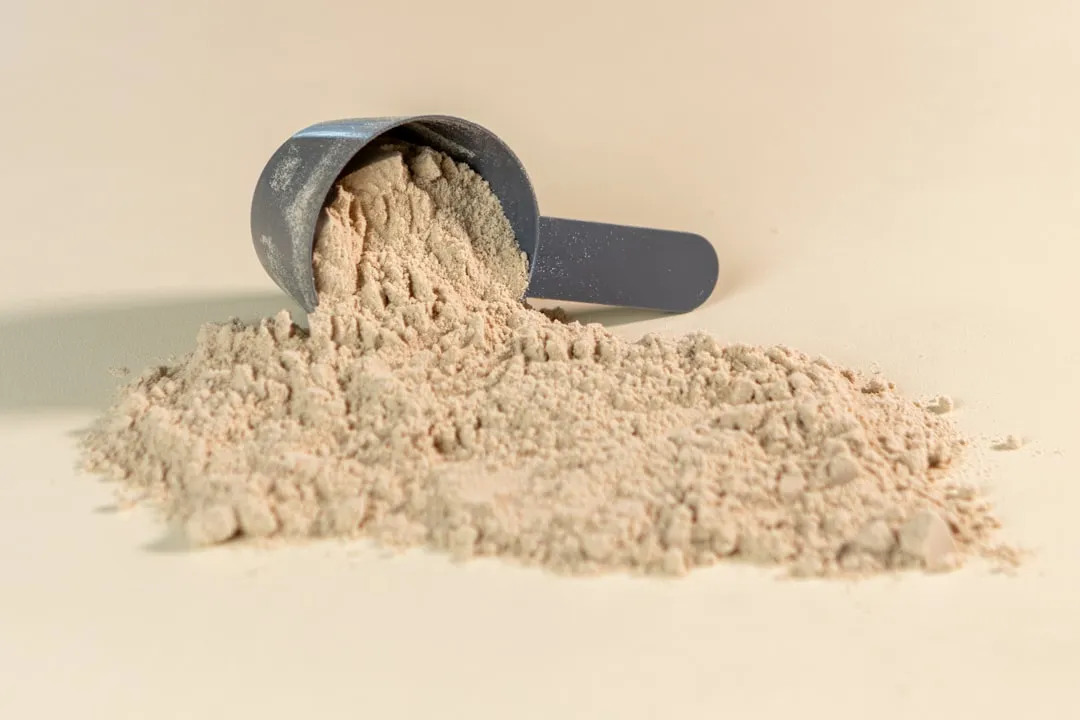
It’s worth understanding the mechanism behind why these snacks matter, rather than just following a list. Protein requires substantial energy to digest and absorb, meaning your body burns more calories to process protein-rich foods than it does for carbohydrates or fats, and protein also helps maintain calorie-burning muscle for a more efficient metabolism.
Protein-rich foods influence the release of hunger-related hormones like ghrelin, which decreases when protein intake is sufficient, and protein also enhances the release of peptide YY and GLP-1, two hormones that actively promote satiety. These are real physiological changes, not just a feeling of willpower.
The USDA’s Dietary Guidelines for Americans 2025-2030 recommend moderately increasing protein intake to 1.2 to 1.6 grams per kilogram of bodyweight each day, which is a meaningful increase from the previous recommendation. Snacks are a practical way to close that gap, particularly for people who already eat lean at breakfast and lunch.
How to Pick the Right Snack for You
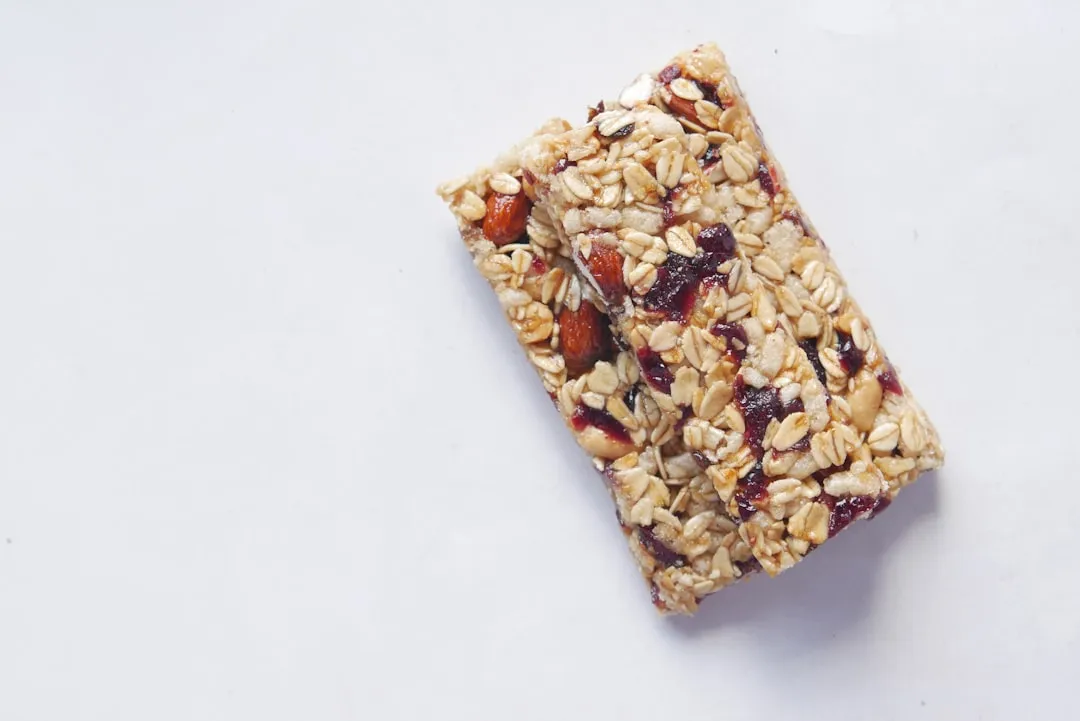
Not every person needs the same snack, and context matters more than people realize. There’s no perfect protein number for snacks, and it will look different for everyone; someone aiming for 125 grams of protein per day may want to include more protein at snack time than someone aiming for 90 grams.
The timing of protein intake is also important for maximizing its benefits. Research suggests that spreading protein intake evenly across meals is more effective for muscle maintenance and weight management than consuming large amounts in a single sitting. That means the snack between meals is actually doing real work, not just filling a gap.
A snack earns its place in a weight loss eating plan through its nutrient-to-calorie ratio, and protein, fiber, and added sugar are the three label numbers that cut through all the marketing noise. Keep those three numbers in focus and the choices become much easier to navigate.
Final Thoughts
The snacks that show up most consistently on dietitian-recommended lists are not exotic or expensive. Greek yogurt, eggs, cottage cheese, edamame, jerky, string cheese, nuts, and tuna are all widely available, reasonably priced, and grounded in real nutritional evidence.
What they share is a high protein-to-calorie ratio and a practical quality that makes them easy to reach for when hunger actually strikes. That last part matters more than most nutrition advice acknowledges.
Weight loss rarely breaks down over one missed workout or one poor meal. It often breaks down at 3pm on a Tuesday when the only options visible are a bag of chips or nothing. Having a solid, protein-forward snack ready changes that equation in a quiet but meaningful way.
AI Disclaimer: This article was created with the assistance of AI tools and reviewed by a human editor.