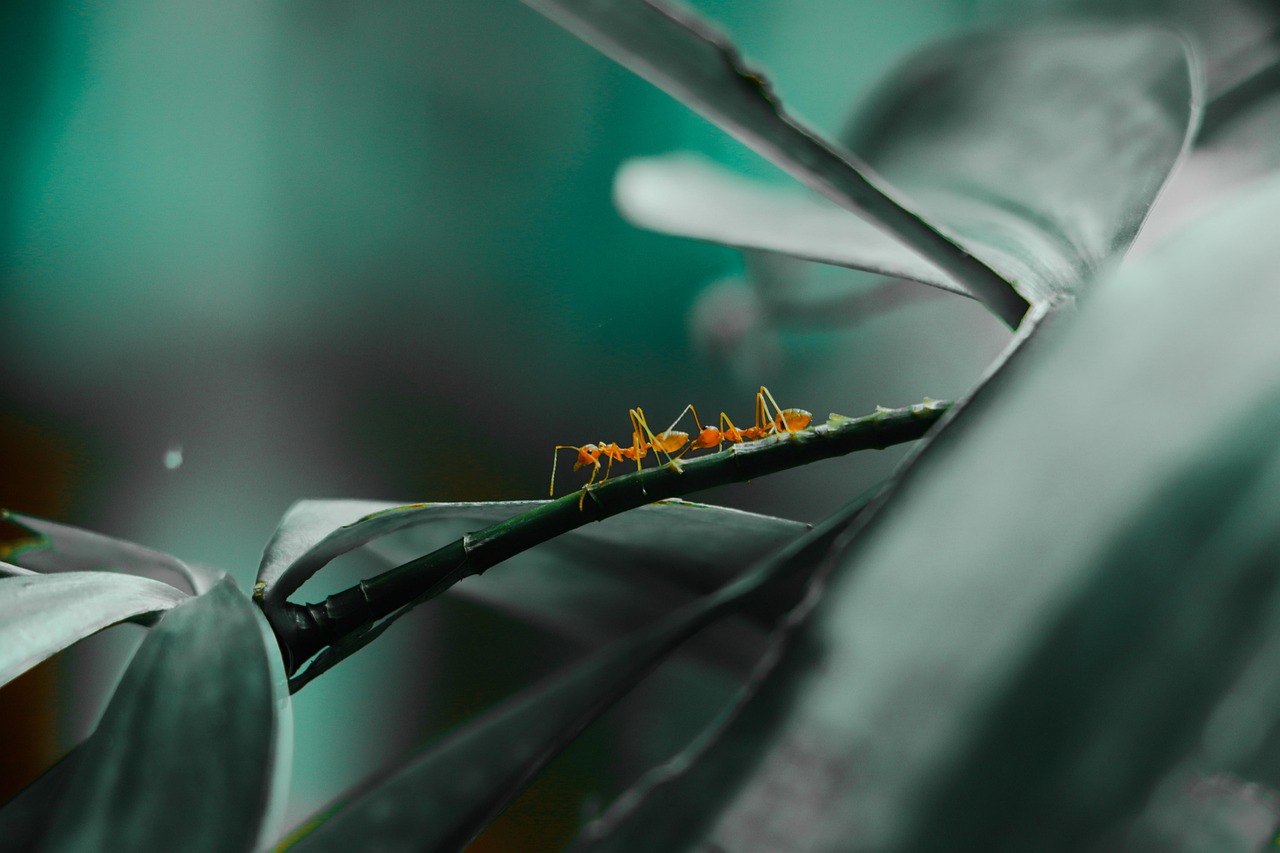

Most people swat ants away from their garden flowers without a second thought. It turns out that for thousands of plant species, those tiny insects are not a nuisance at all. They are essential partners in one of nature’s quieter, more extraordinary reproductive arrangements.
This relationship between ants and flowering plants is far older and more widespread than most people realize. It works through a set of surprisingly specific chemical and physical cues that plants have spent millions of years perfecting. The story, once you look closely, is genuinely strange.
What Myrmecochory Actually Means
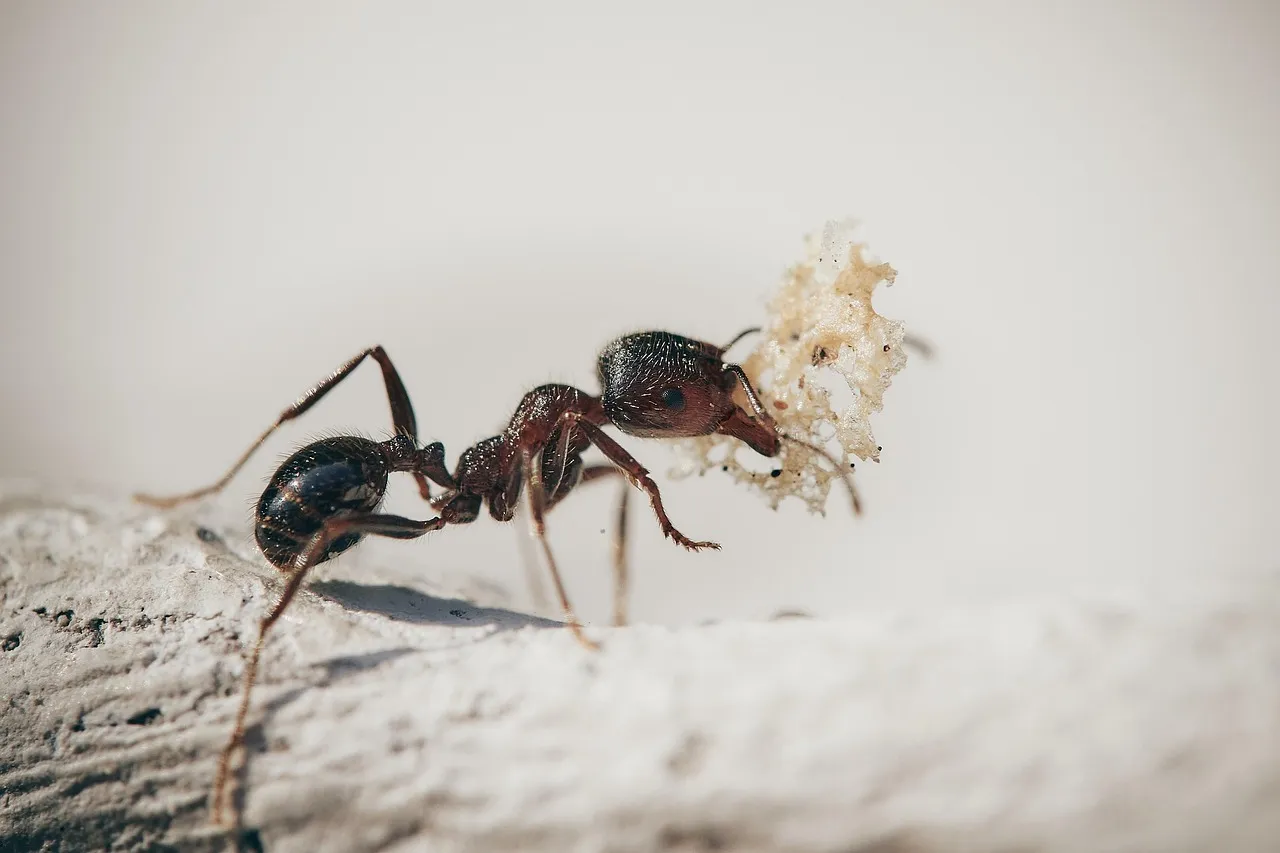
Myrmecochory is seed dispersal by ants, a mutualistic interaction in which ants attracted by seed appendages take seeds away from the parental plant location, where seeds usually have better development odds. The word comes from the Greek for “ant” and “spread,” and scientists have been documenting the phenomenon across multiple continents for well over a century. Seed dispersal is a fundamental life history trait in plants, and the recent surge of interest in myrmecochory has added greatly to knowledge on the ecology of seed dispersal and ant-plant mutualisms.
A plant-animal relationship that benefits both the plant and the animal while harming neither is known as mutualism, and myrmecochory is one of the more interesting examples of this. What makes it strange is how the plant, a rooted, apparently passive organism, has effectively recruited an army of insects to do its reproductive work.
The Lure: A Tiny Structure Called the Elaiosome
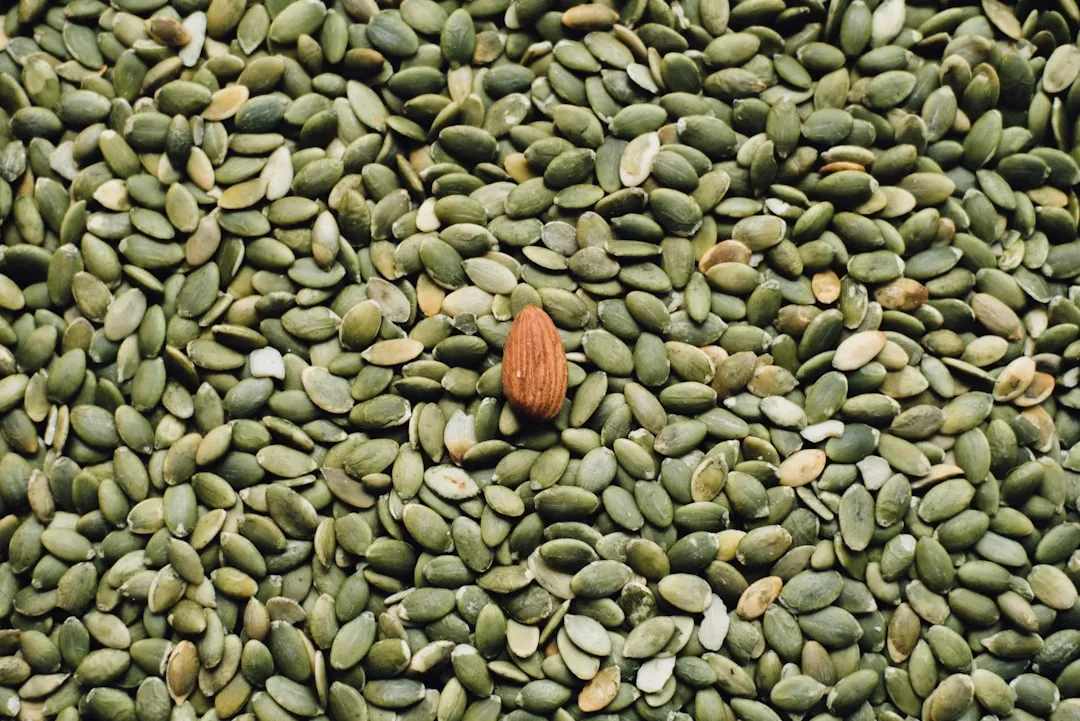
Myrmecochory is mediated by elaiosomes, lipid-rich seed appendages that attract ants and serve as rewards for dispersal. These are small, fleshy structures attached to the outside of the seed, and they are remarkably effective bait. These seeds have “fat bodies” called elaiosomes, a lipid and protein-rich, oily attachment to the outside of the seed, and this fatty food closely matches that of the insects that ants would naturally prefer to eat.
Plants that use ants to disperse their seeds have a fat-filled structure on the seed exterior called an elaiosome, which is a super snack for an ant, and these structures are rich in lipids, amino acids, and other nutrients. In short, the plant has essentially invented a food reward that is almost irresistible to foraging ants. The seed itself is left completely intact and undigested after the elaiosome is consumed.
How Many Plants Actually Rely on This
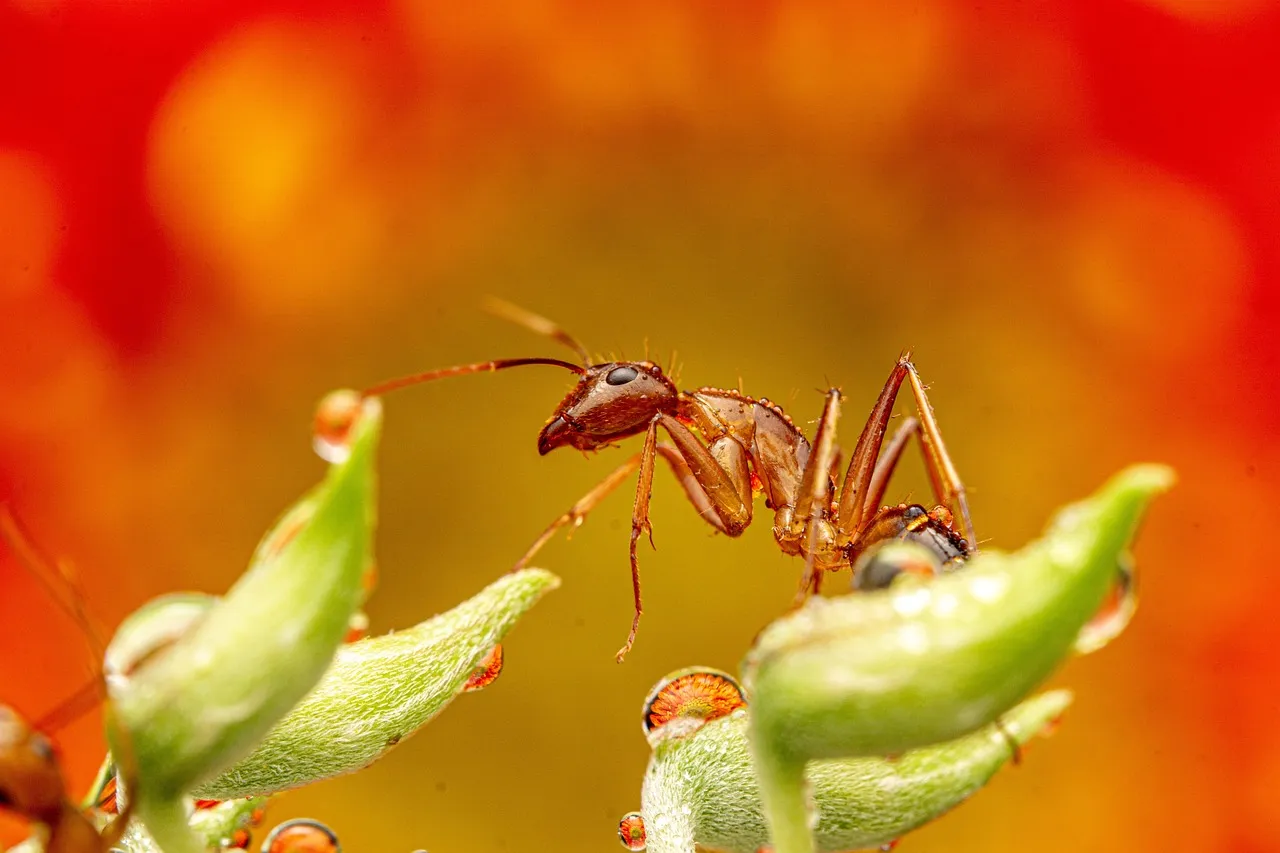
Myrmecochory occurs worldwide, with over 11,000 plant species depending on this partnership. That is not a minor ecological footnote. Elaiosomes have been found in over 11,000 plant species across 77 flowering plant families.
In the deciduous forests of eastern North America, approximately one third of non-woody understory species rely on ants to disperse their seeds, and it is estimated that roughly 55 to 60 percent of understory stems got to where they are growing thanks to ant activity. That scale of ecological influence from a single insect group is hard to overstate. The relatively low physiological and energetic costs of producing an elaiosome and the consistent selective benefits of myrmecochory explain the numerous evolutionary and developmental origins of myrmecochory in flowering plants.
The Wildflowers That Depend on Ants Most Heavily
By a process known as myrmecochory, ants act as the seed-dispersers of a number of familiar forest spring wildflowers, including white and red trilliums, wild ginger, bloodroot, Dutchman’s breeches, trout lily, trailing arbutus, and various species of hepatica and violet, all of which depend on ant colonies to spread their progeny across the forest floor. These are exactly the species you might encounter on a quiet walk through eastern woodland in spring.
Each bloodroot seed produces an elaiosome, an attachment containing lipids, amino acids, and other nutrients, and attracted to these nutrients, ants carry the seeds back to their nests and feed the elaiosomes to their larvae. The seed itself gets carried along for the ride, deposited somewhere new once the meal is claimed.
The Underground “Compost Pile” That Seeds Call Home
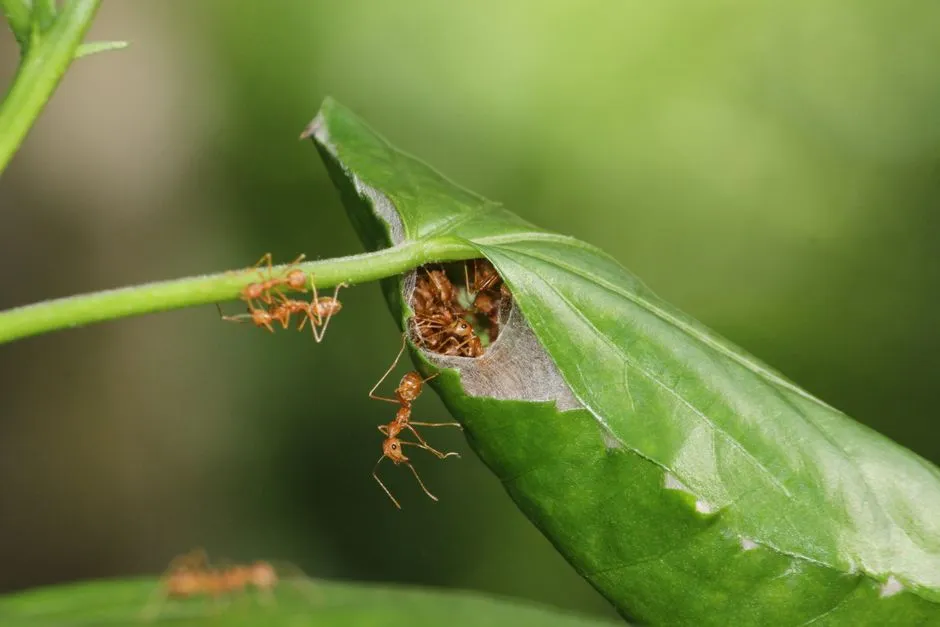
Ants find elaiosomes irresistible and collect and bring them down into their subterranean colony, where they strip off the elaiosome, eat it, and discard the seed into their “compost pile,” a moist, dark environment ideal for germination. This is the part of the story that most surprises people. The ant nest is not a dead end for the plant. It is actually a rather good place to begin growing.
The ants may also discard seeds in nutrient-rich areas within the colony, further enhancing germination success, and thanks to the ants, seeds are buried in nourishing soil and protected from predators such as slugs and mice who would eat the entire seed, not just the elaiosome. The plant, in effect, gets planted by an insect that had no intention of gardening.
Which Ants Do Most of the Work
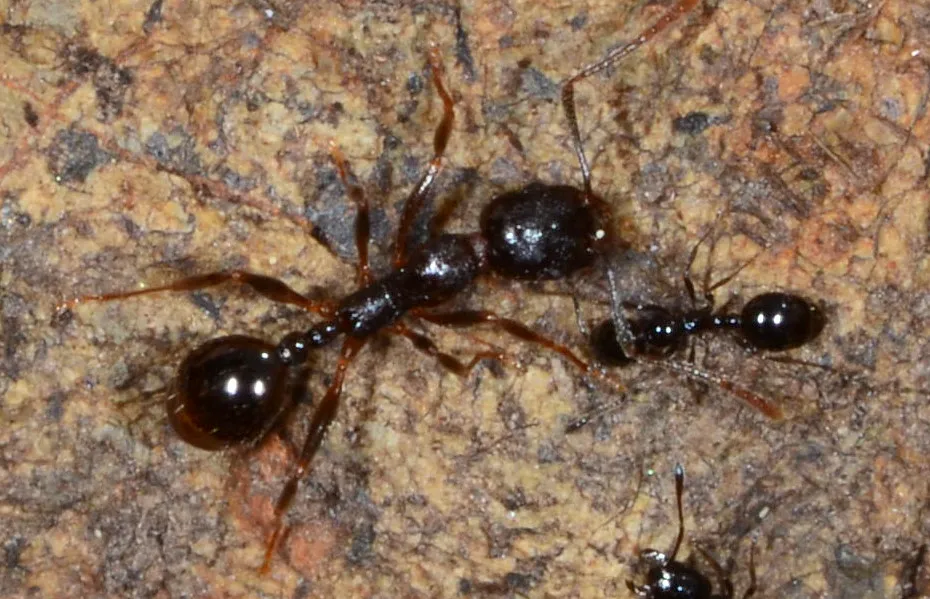
In eastern North America, ants in the genus Aphaenogaster are the species doing the majority of the work, and Aphaenogaster ants nest in leaf litter and woody debris on the ground. Not every ant species is equally useful, and research has made clear that the quality of the partnership varies considerably depending on which ant shows up first.
Ant species differ in the quality of their dispersal services and can be divided into two disperser guilds: ants with larger bodies, solitary foraging, and not feeding on elaiosomes in situ belong to high-quality dispersers, in contrast to low-quality dispersers with smaller bodies, recruit foraging, and feeding on elaiosomes in situ. A 2024 study published in PLOS One confirmed that not all ant species benefit plants, and the mechanisms of those divergent outcomes are still unclear, especially from the perspective of microbial third parties.
Ants as Actual Pollinators: A Rarer Phenomenon
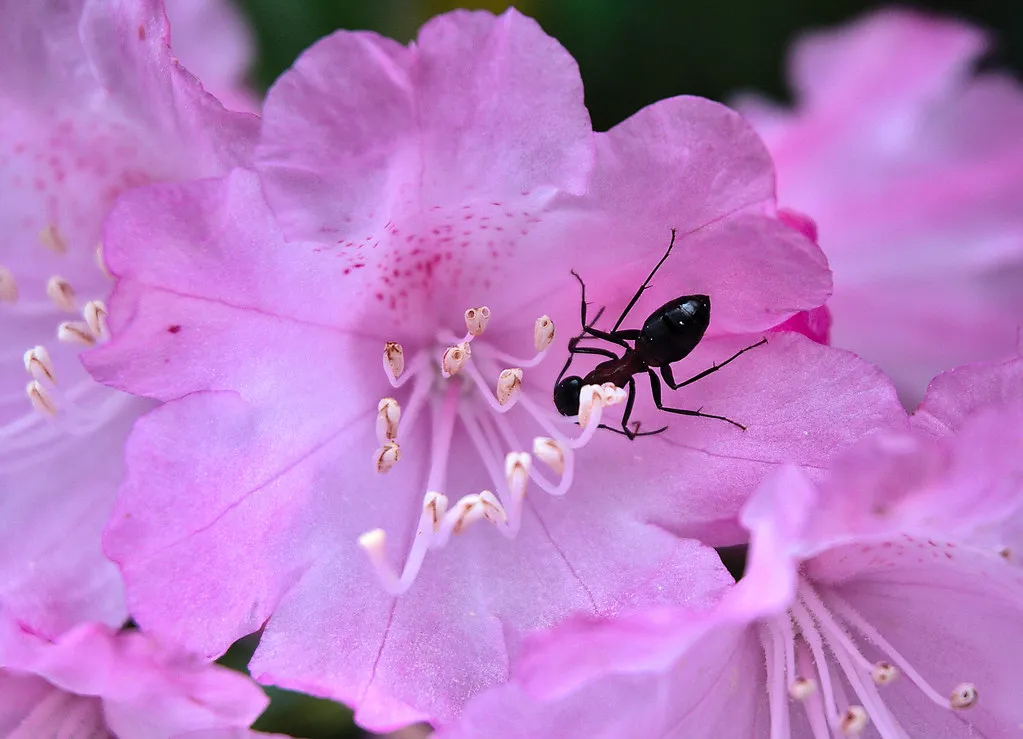
Ants are frequent floral visitors, but their impact on plant reproductive fitness is rarely acknowledged. Beyond seed dispersal, a smaller group of plants has evolved to use ants for something even more unexpected: direct pollination. Ant pollination is a rare mutualistic association and reports of ants as effective pollinators are limited to a few studies.
Ants generally forage for flowers in quest of nectar and other sustenance, and in doing so they pollinate the flowers that they encounter. The challenge, however, is a chemical one. Some ants and their larvae secrete a natural substance that acts as an antibiotic, which protects ants from bacterial and fungal infections, but unfortunately for the flowers visited by these ants, this secretion also kills a pollen grain very rapidly when it comes in contact with this natural antibiotic.
The Smokebush Flower That Cracked the Code
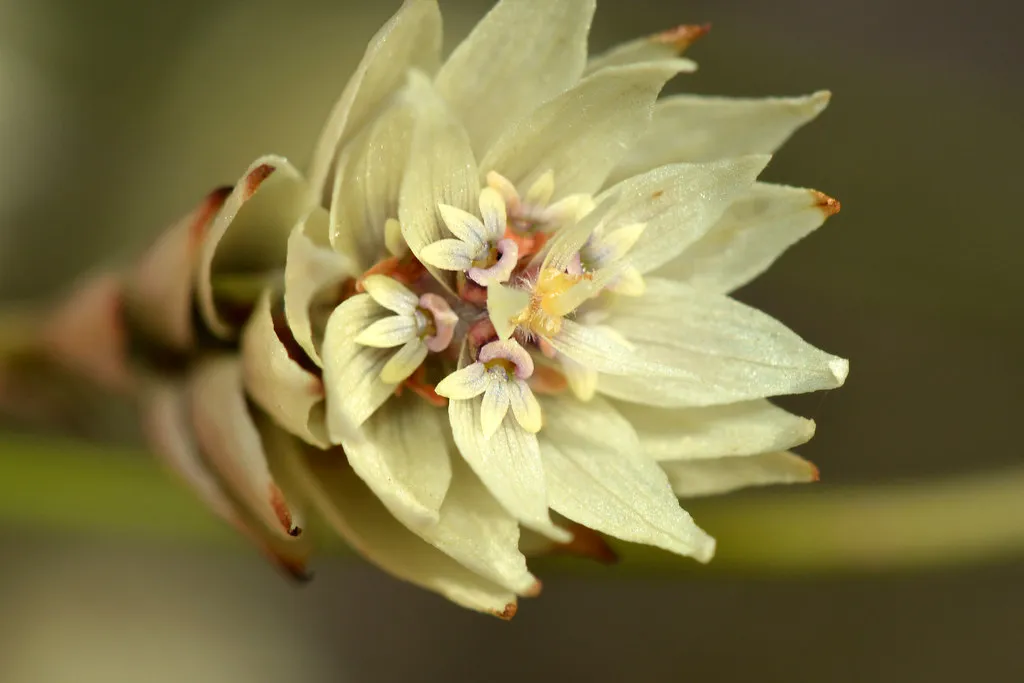
Ants are usually considered a menace for flowering plants as they secrete an antimicrobial fluid that destroys the pollen grain, and they produce this to stop other pollinating insects from approaching the flower and sapping their resources. However, a group of plants known as the Smokebush family, Conospermum, has adapted a way to use this to their advantage.
Pollen of Conospermum undulatum had a germination rate after contact with ants of around 80 percent, which did not differ from the effect of bees; in contrast, the other plant species tested showed a drop in the germination rate to around 10 percent following ant treatments. Although ants were generalist visitors, they carried a pollen load with 68 to 86 percent of suitable grains, and ants significantly contributed to the seed set of Conospermum undulatum. This is a plant that effectively evolved around the very chemical weapon that was supposed to exclude ants from pollination.
The Dispersal Pattern Is More Complex Than Expected
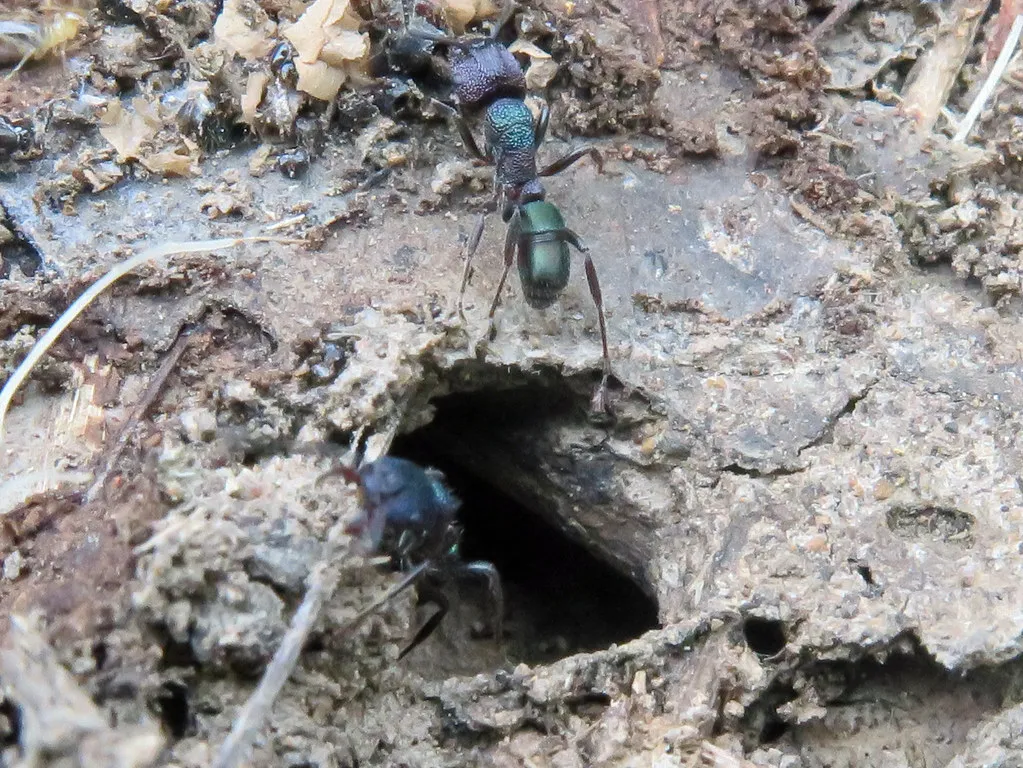
Research using automated monitoring found that all retrieved seeds are rejected from the nest in a clustered pattern, and, surprisingly, seeds are also frequently redispersed within the arena afterwards, despite lacking an elaiosome, suggesting that the dispersal pattern might be more complex and dynamic than expected. Seeds do not simply travel from plant to nest and stop there.
Ants dropped the majority of diaspores during the dispersal, which reduces clustering of seeds, while several were carried into anthills, which are disturbed microsites presumably favorable for germination in competitive habitats. The system has more nuance than a single transaction between insect and plant. Multiple rounds of movement, accidental drops, and secondary dispersal all contribute to where a plant eventually grows.
When the Partnership Breaks Down
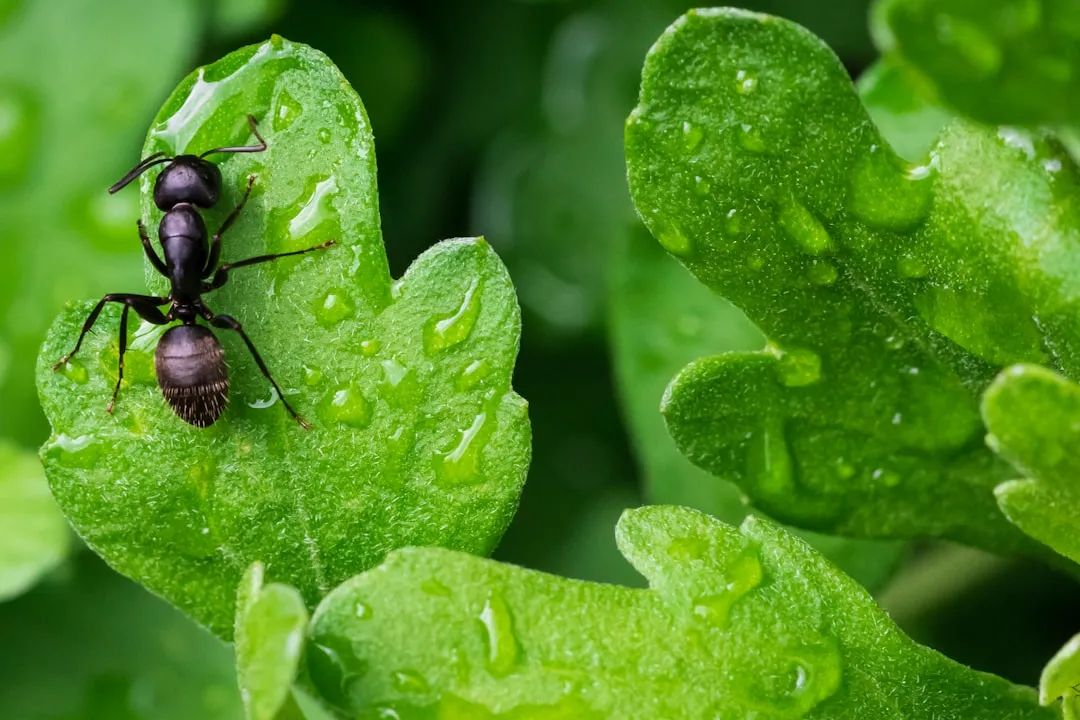
Not all ant species benefit plants, and the mechanisms of those divergent outcomes are still unclear. Habitat disruption is a growing concern. Aphaenogaster ants may be particularly impacted by practices like plowing that disturb the soil and their nesting sites.
In introduced regions, granivorous ants eagerly consume both elaiosomes and seeds, demonstrating how an evolutionary adaptation can be maladaptive in the wrong ecological context. When the wrong ant species becomes dominant, whether through invasive spread or local extinction of native ants, the carefully evolved plant-ant contract effectively collapses. This novel incorporation of chemical and microbial facets into myrmecochory will contribute to understanding the evolution and persistence of the myrmecochory mutualisms and can help scientists predict the consequences of global change-related disruptions.
A Partnership Written in Evolution
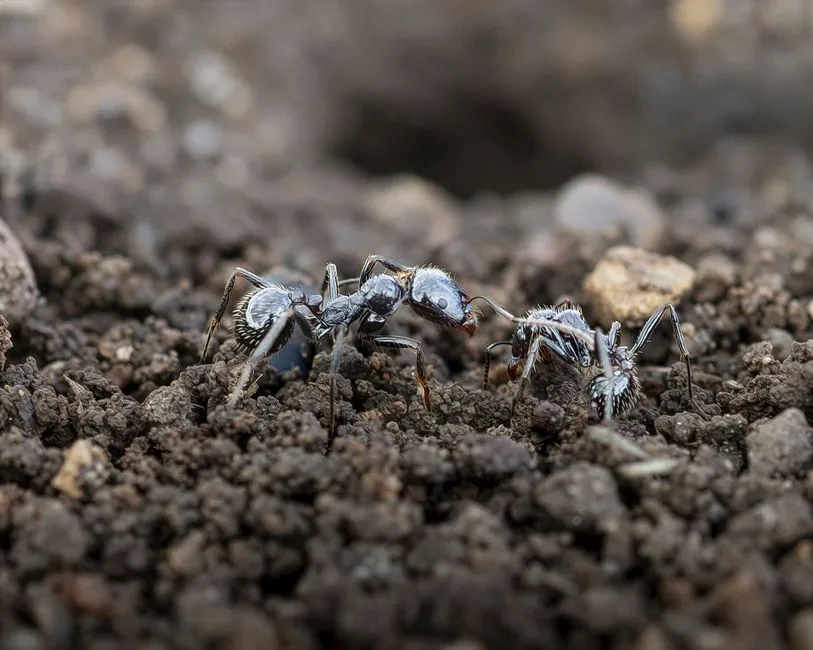
The numerous evolutionary and developmental origins of myrmecochory in flowering plants, driven by consistent selective benefits including dispersal, protection from seed predators and fire, and safe and nutrient-rich microsites, mean that elaiosomes provide one of the most dramatic examples of convergent evolution in biology. In other words, plants on different continents, with no shared ancestor, independently landed on the same solution: make a food reward small enough for an ant, attach it to a seed, and let the colony do the rest.
There is something almost elegant about the efficiency of it. A plant that cannot move has recruited one of the world’s most industrious and organized insects to carry its future across the forest floor. The ant gets a meal. The flower gets a future. Neither party plans it that way, but the result, accumulated over millions of years, is a partnership written quietly into the landscape of almost every woodland on earth.
AI Disclaimer: This article was created with the assistance of AI tools and reviewed by a human editor.