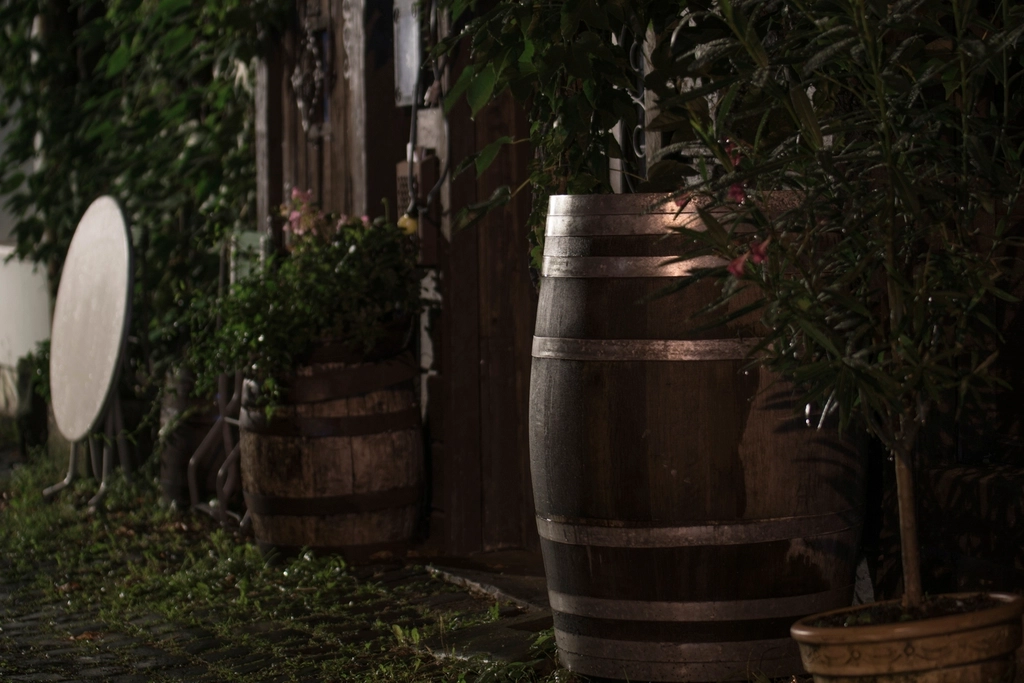

Rain barrels have become a popular fixture in eco-conscious yards, and for good reason. Harvesting rain in barrels is an earth-friendly practice that conserves water, reduces runoff that negatively impacts waterways, and benefits plants and soil. What most homeowners don’t plan for, though, is what happens when that barrel fills past its limit – and what moves in right after.
The overflow issue is deceptively easy to overlook. You set up the barrel, connect the downspout, and walk away satisfied. Then a few heavy rains arrive, and the problems quietly begin at ground level, one puddle at a time.
Why Overflow Creates the Perfect Breeding Conditions
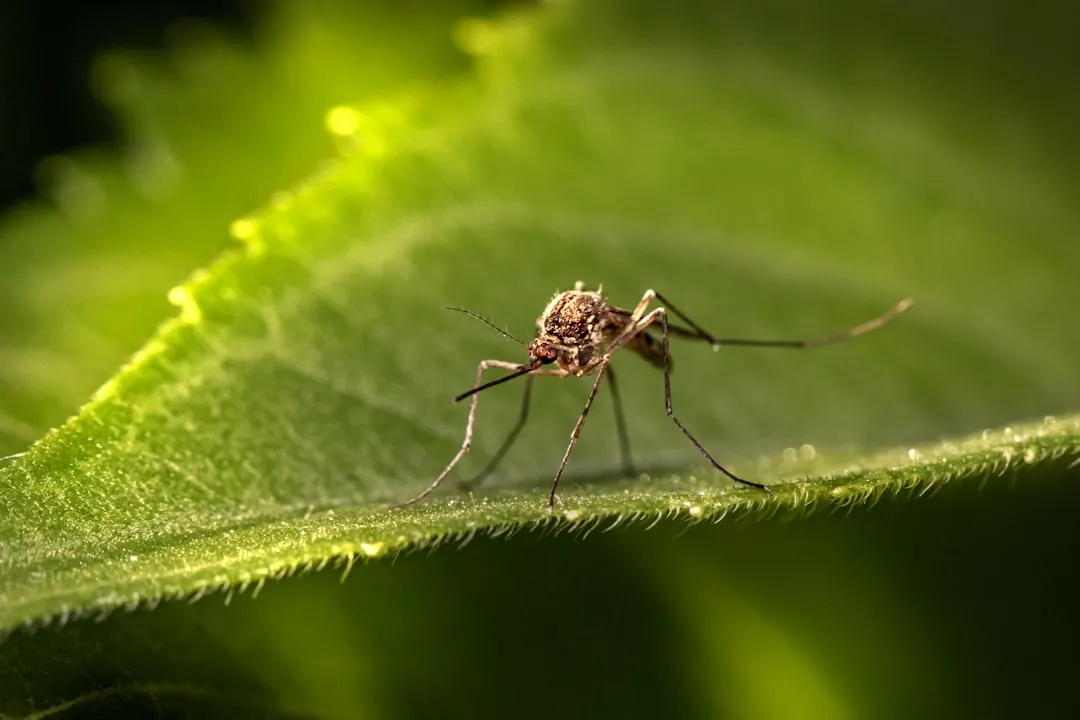
Standing water in rain barrels is an ideal breeding ground for mosquitoes. When a barrel overflows, that excess water doesn’t simply drain away cleanly. It pools around the barrel’s base, collects in low spots in the yard, and settles into any surface nearby.
Mosquitoes only need half an inch of standing water to lay their eggs, and in hot weather, they can progress from egg to biting adult in less than a week. That’s a remarkably short window – barely enough time to notice the puddle before the problem is already airborne.
The Overflow Port Is a Hidden Entry Point
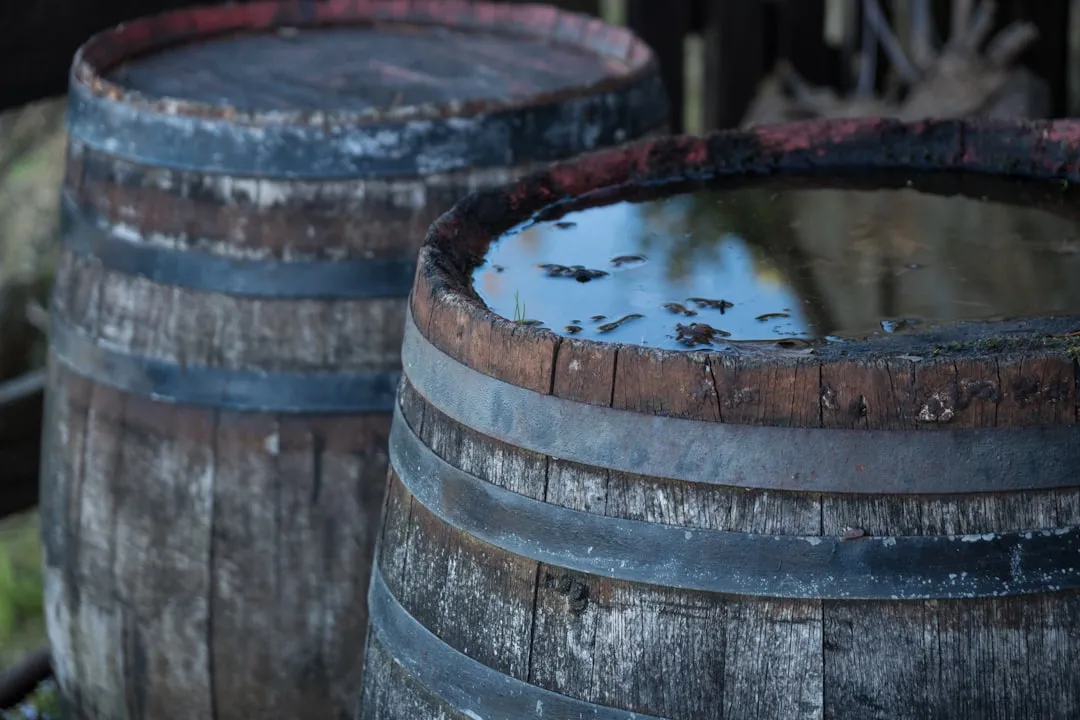
Your rain barrel has an overflow port to prevent it from getting too full, which is important, but it’s also another potential entry point for mosquitoes. Most homeowners screen the top of their barrel and consider the job done, completely forgetting about this secondary opening.
The overflow port helps keep water from filling above the intake screen, but if left open, it creates an access point for mosquitoes. If barrels don’t have a properly placed overflow to direct excess water, stored water will rise above the level of the screen, which will make it immediately ineffective in keeping mosquitoes at bay.
More Than Half of Rain Barrels Already Have a Problem
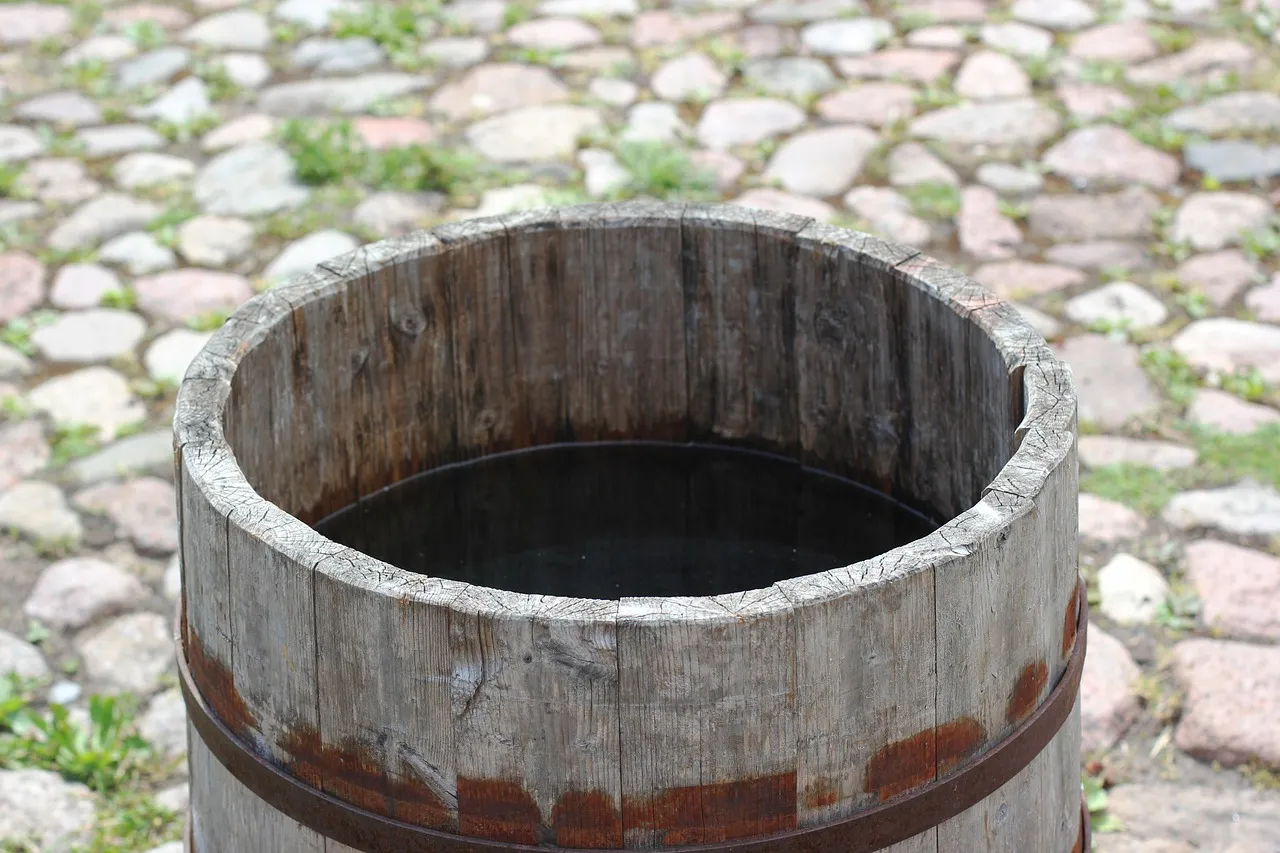
A study from the University of Illinois found that over half of the residential rain barrels surveyed had mosquito larvae inside – and that’s not just a nuisance, it’s a public health concern. This research, published in the Journal of Medical Entomology, looked at rain barrels across Champaign County.
The survey collected information about each of the rain barrels, including the types of mosquito prevention techniques they used, if any. The researchers’ statistical analysis revealed that mosquitoes were less likely to be found in rain barrels that had a mesh covering over the lid of the barrel. In other words, simple physical barriers make a measurable difference.
How Quickly the Mosquito Life Cycle Unfolds
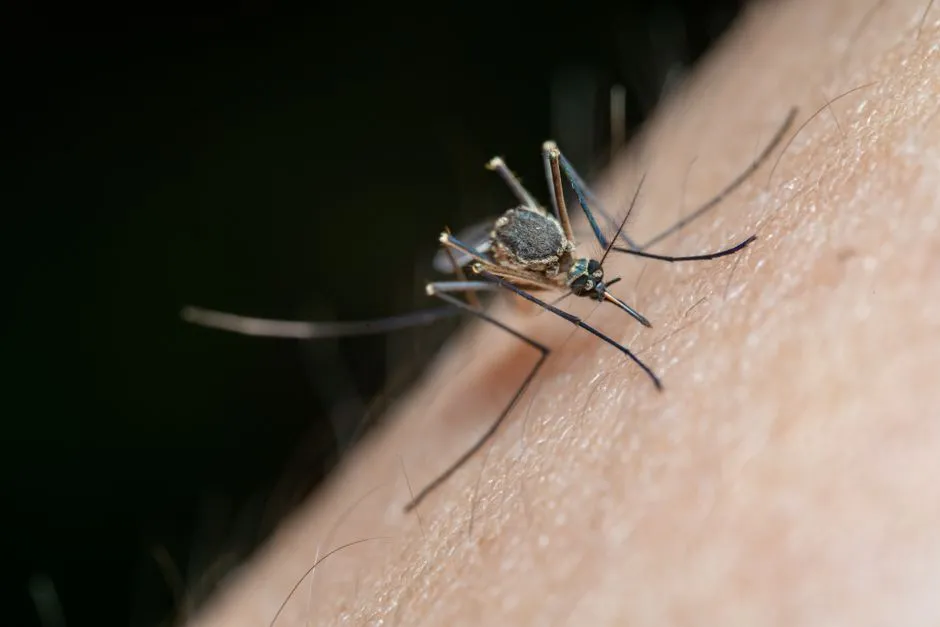
A female mosquito finds a suitable place to lay her eggs and can lay them in rafts of between 100 and 300 on the surface of standing water, or individually along the container’s inside edge, depending on her species. The scale of a single visit is sobering.
Within days, larvae hatch from those eggs. Mosquito larvae are often found at the surface of the water, where they breathe air and feed on algae and bacteria. They shed their skin four times as they grow over several days. Temperature significantly impacts mosquito development speed. At 70 to 75 degrees Fahrenheit, larvae mature in 10 to 14 days, while temperatures between 85 and 90 degrees can accelerate development to just 6 to 8 days.
The Water Pooling Around the Base Is Just as Dangerous
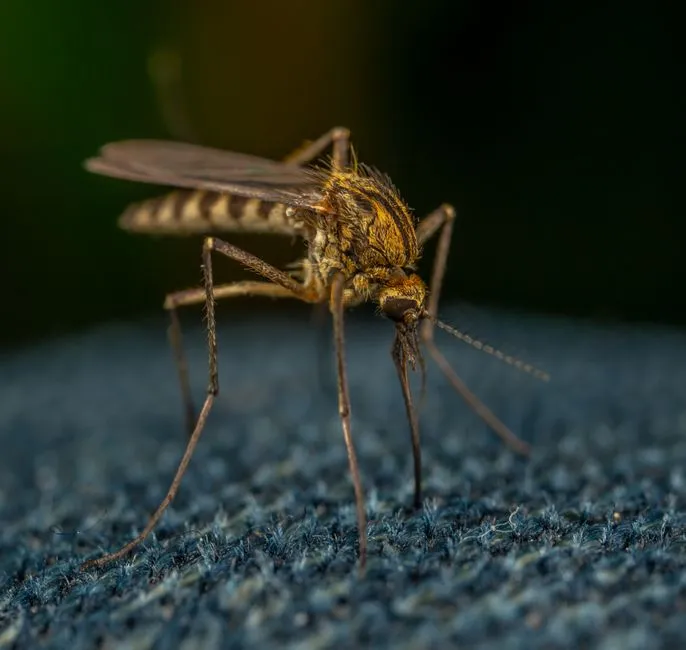
Frequently draining the tank is not always an effective control strategy because of the small amount of water that sits in the bottom of a properly designed tank – that 1 to 2 inches of water is adequate for mosquito breeding. The base of the barrel, and any overflow water that doesn’t fully evaporate, carries the same risk.
If possible, place your barrel on a surface that will soak up any water that overflows so it doesn’t pool and create a mosquito breeding habitat. Gravel beds, permeable pavers, or even a sloped soil grade can redirect overflow water away from flat, stagnant zones. This detail gets skipped far more often than it should.
Other Pests That Follow the Moisture
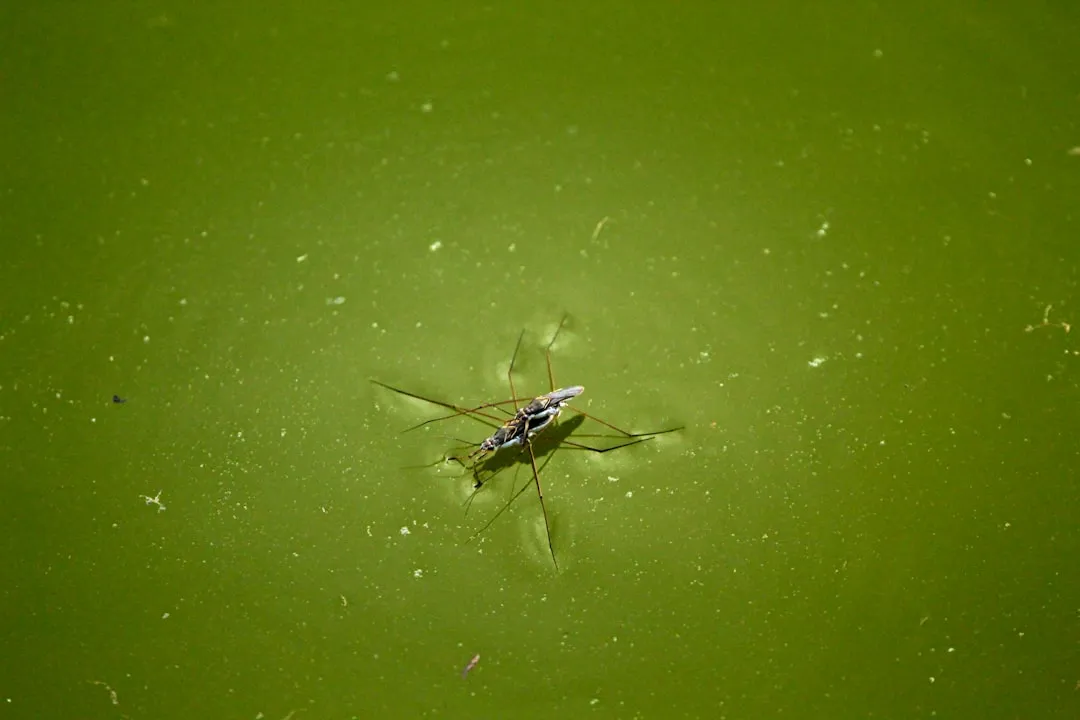
The universal mesh recommendation for rain barrel exclusion is no larger than 1mm, and this specification works for mosquito exclusion, gnats, midges, and most common flying rain barrel insects. The overflow, when left unscreened or poorly directed, can attract several pest types beyond mosquitoes alone.
Water striders, for instance, are not directly harmful to water quality or plants. However, their presence signals conditions such as algae growth and organic debris that may affect water quality and warrant inspection before using water on food crops. Organic buildup in and around an overflowing barrel creates a food chain that draws pests progressively deeper into your yard.
The Disease Risk Is Real and Documented
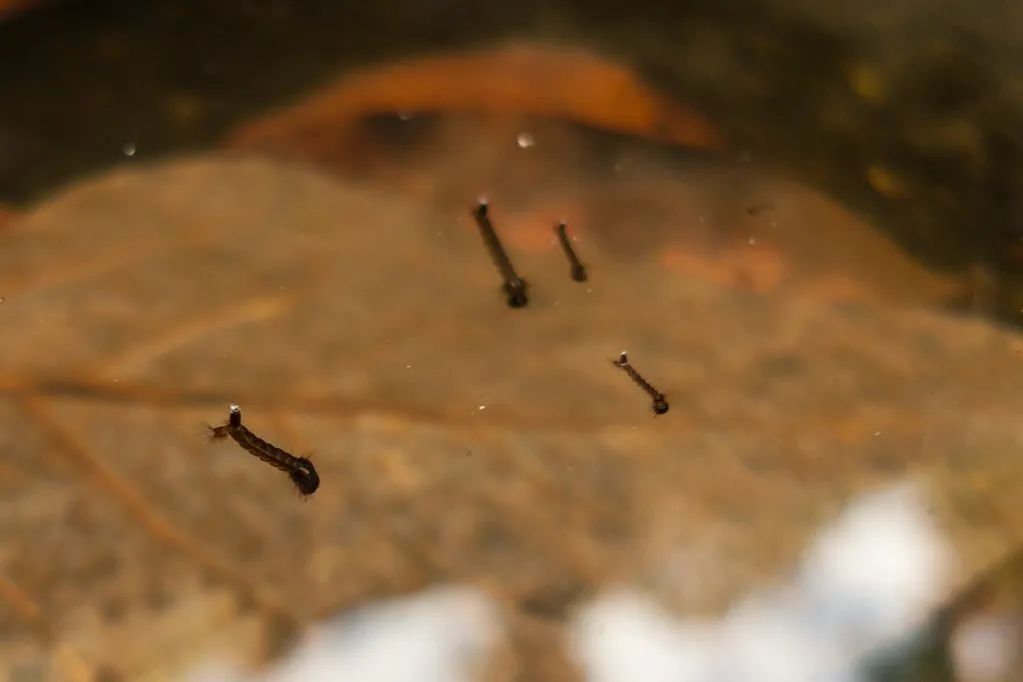
Standing water supports mosquito populations, which can increase the risk of deadly diseases. West Nile and dengue fever are two serious threats spread by these pests. These aren’t remote or rare risks. West Nile virus circulates across the continental United States each summer.
Mosquito bites can leave painful welts, and some mosquitoes can spread diseases caused by the West Nile, Zika, dengue, and yellow fever viruses. It takes seven to ten days from the time a mosquito lays her eggs until 100 to 400 larvae begin their life, possibly in your backyard. The size of the container of water doesn’t matter, as mosquito larvae and pupae are small.
What the Research Says Actually Works
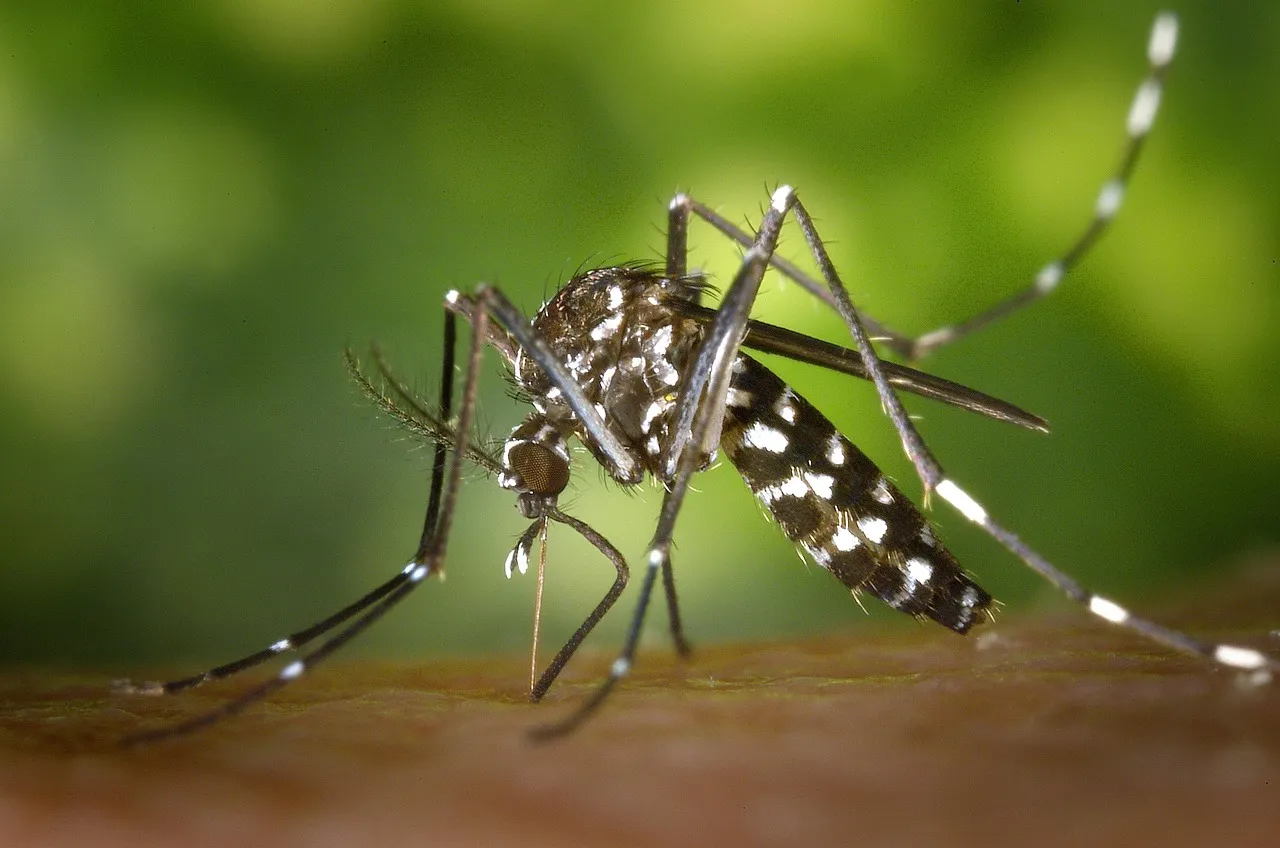
Many vector control specialists recommend treating container habitats with approved mosquito prevention methods, such as the bacterial insecticide Bacillus thuringiensis israelensis (Bti), chlorine, or even predators of mosquito larvae such as goldfish. Analysis of survey results indicated that these three water treatment methods were effective forms of mosquito prevention.
Bti dunks are one of the most effective and environmentally responsible options for controlling mosquito larvae in rain barrels. Bti is a naturally occurring bacterium that specifically targets mosquito larvae, as well as fungus gnats and black flies. It doesn’t harm other insects, pets, or people. You just toss one dunk into your barrel, and it slowly releases the Bti over about 30 days.
Screening and Maintenance Gaps That Enable the Problem
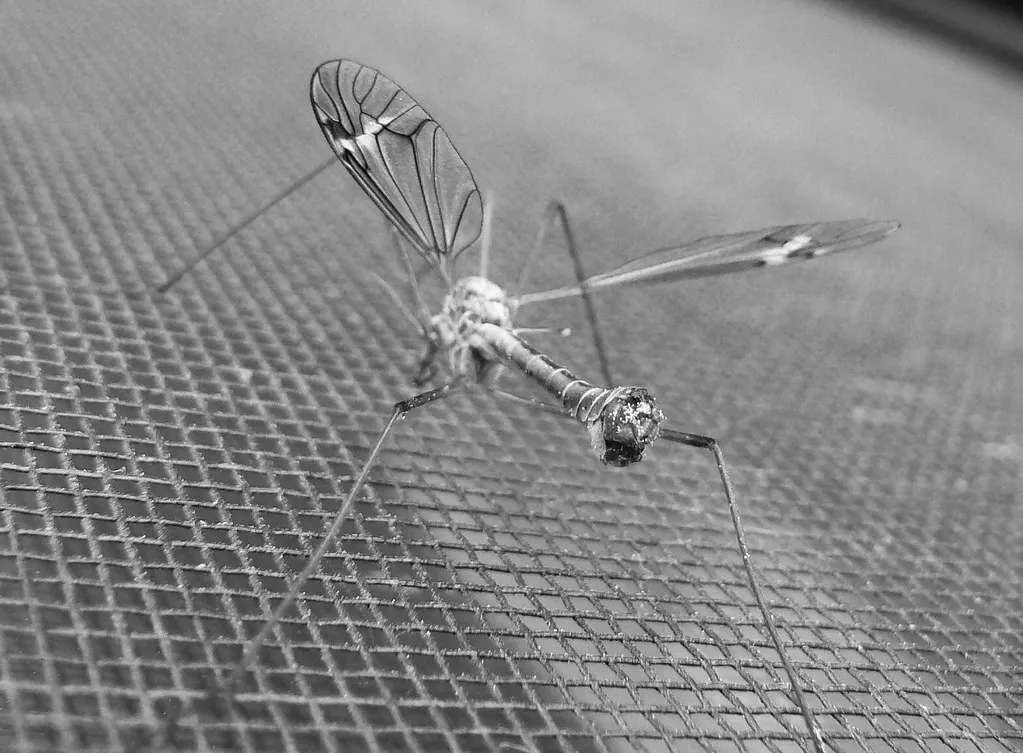
Be sure all openings, including the overflow, are covered with a screen. Regularly examine mosquito netting and replace any that is damaged. This is one of the most commonly skipped maintenance steps, and screens degrade faster than most people expect under repeated weather exposure.
Covering all openings, including inlet and outflow, with mosquito-proof screen – specifically 1/16th inch mesh, sometimes called “no-see-em screen” – will prevent adult mosquitoes from entering the barrel to lay their eggs. The overflow port specifically requires rigid mesh because flexible mesh can bow outward under water pressure, creating gaps that defeat the purpose.
Keeping the Barrel Emptied Is a Pest Control Strategy in Itself
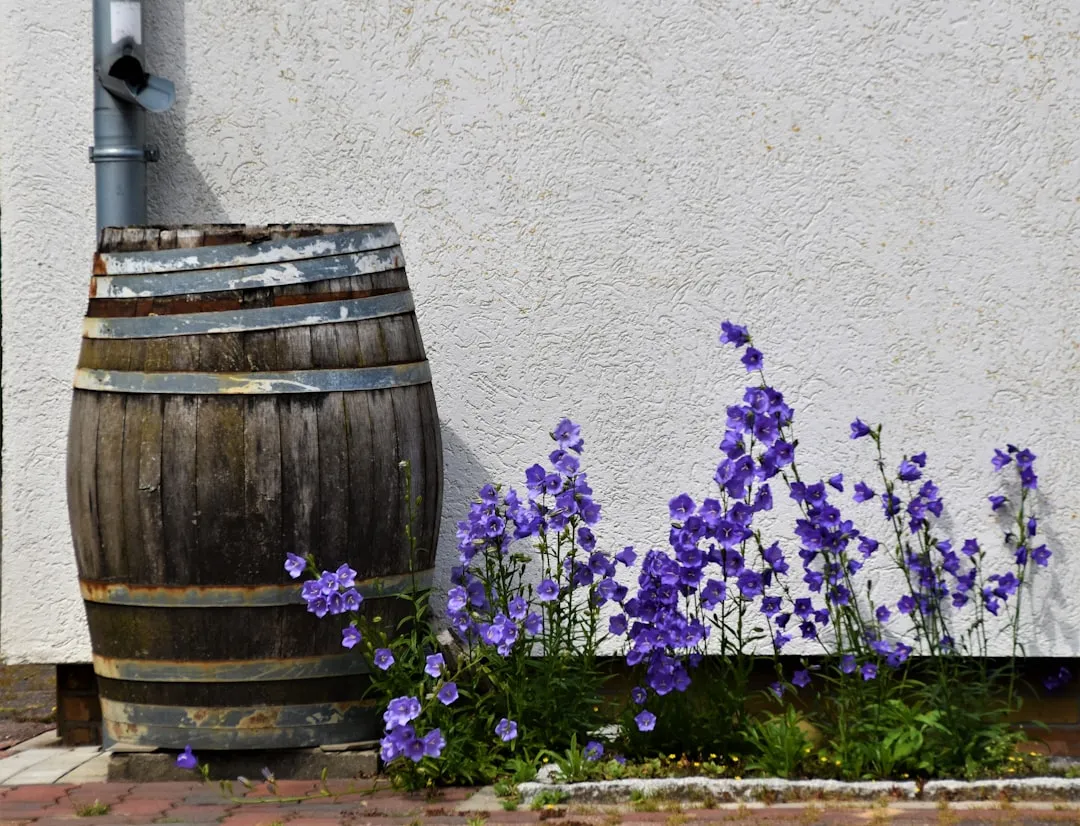
Rain barrels are not designed to safely store water for extended periods of time. After a rain event, use the water as soon as possible and keep your rain barrel completely dry until it rains again. This simple habit removes the standing water that makes pests possible in the first place.
Using the water for the garden or other intended uses shortly after a rain event ensures there is space to capture rainwater from the next event, while also depriving mosquitoes of habitat. Cleaning the barrel with a dilute bleach solution occasionally will remove available food for mosquito larvae and make the barrel less attractive to females looking for places to lay eggs. Rutgers Cooperative Extension has long recommended this routine as a baseline for safe barrel maintenance.
A Practical Fix That Doesn’t Require Starting Over
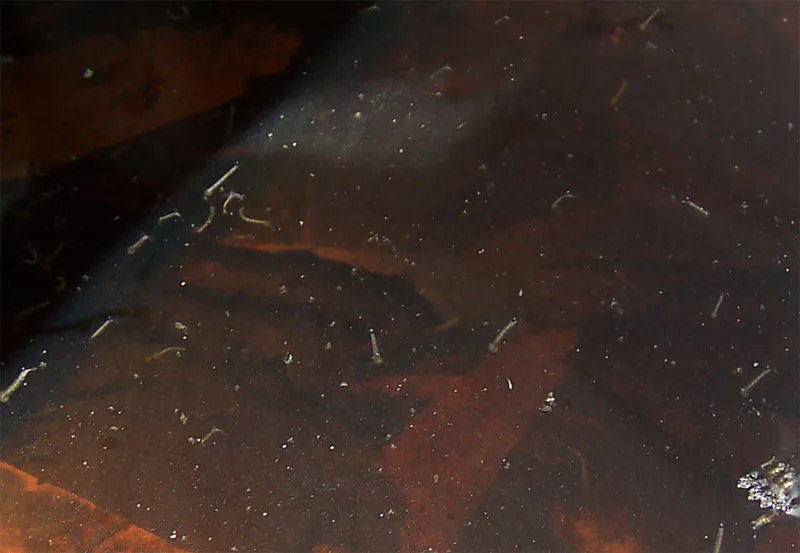
Checking overflow outlets regularly to ensure proper function during heavy rainfall events is important. Warning signs include visible larvae in water, increased adult mosquito activity around barrels, damaged or loose screening, and standing water in overflow areas. Most of these warning signs are visible on a casual walk past the barrel.
Ensuring that the area surrounding the rainwater harvesting system does not contribute to mosquito proliferation means removing all unintentional opportunities for standing water, no matter how small. A redirected overflow hose, tighter screening, and a regular use schedule solve the vast majority of overflow pest problems without replacing the barrel at all.
The Takeaway
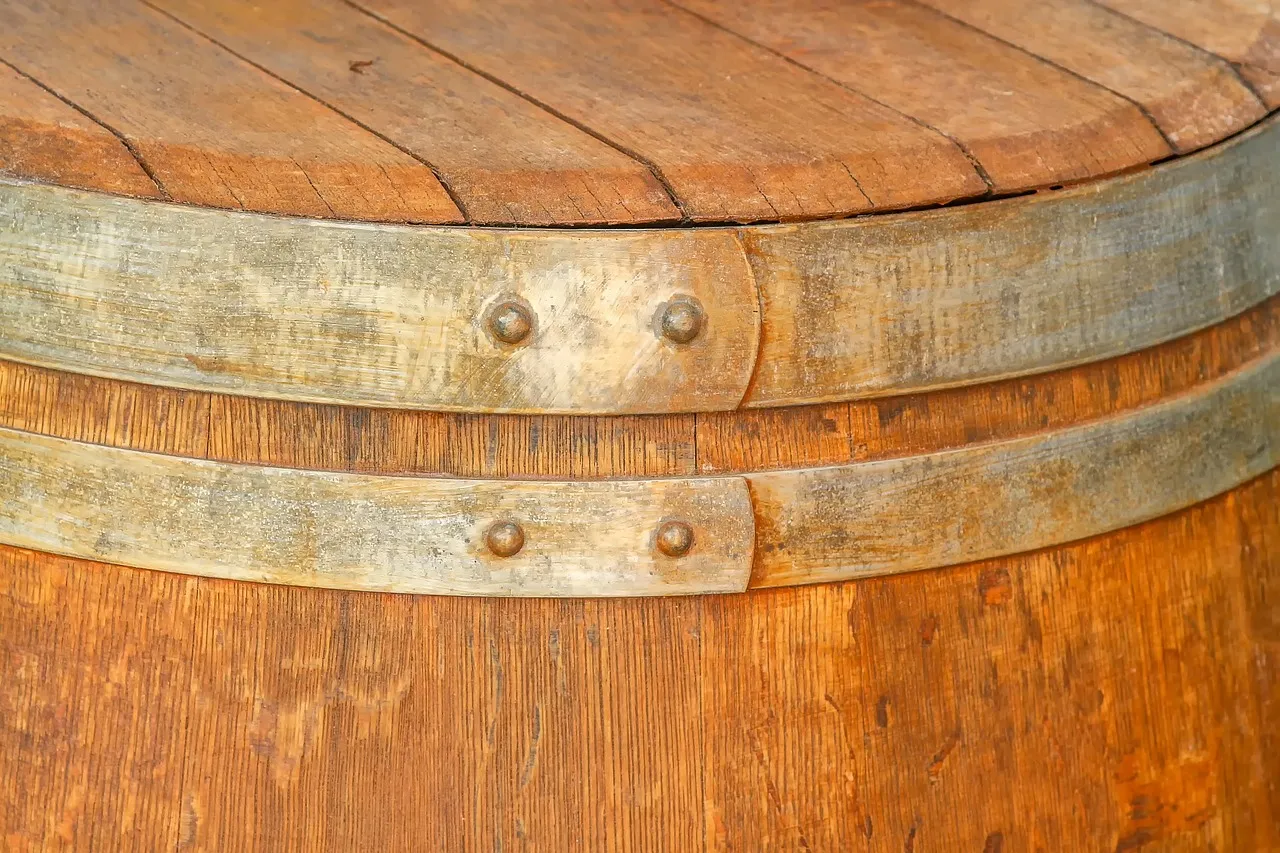
A rain barrel does genuine good, but only when it’s managed. The overflow is the step most people forget – and it’s precisely where a pest problem quietly begins. Screening every opening, using the water regularly, and placing the barrel on a surface that drains well are straightforward habits that keep the benefit intact while cutting off the risk entirely.
The irony of the overflowing rain barrel is that the problem isn’t the water you collected. It’s the water you let escape. Keep that in mind, and the barrel stays useful instead of becoming the most productive mosquito habitat in your yard.
AI Disclaimer: This article was created with the assistance of AI tools and reviewed by a human editor.