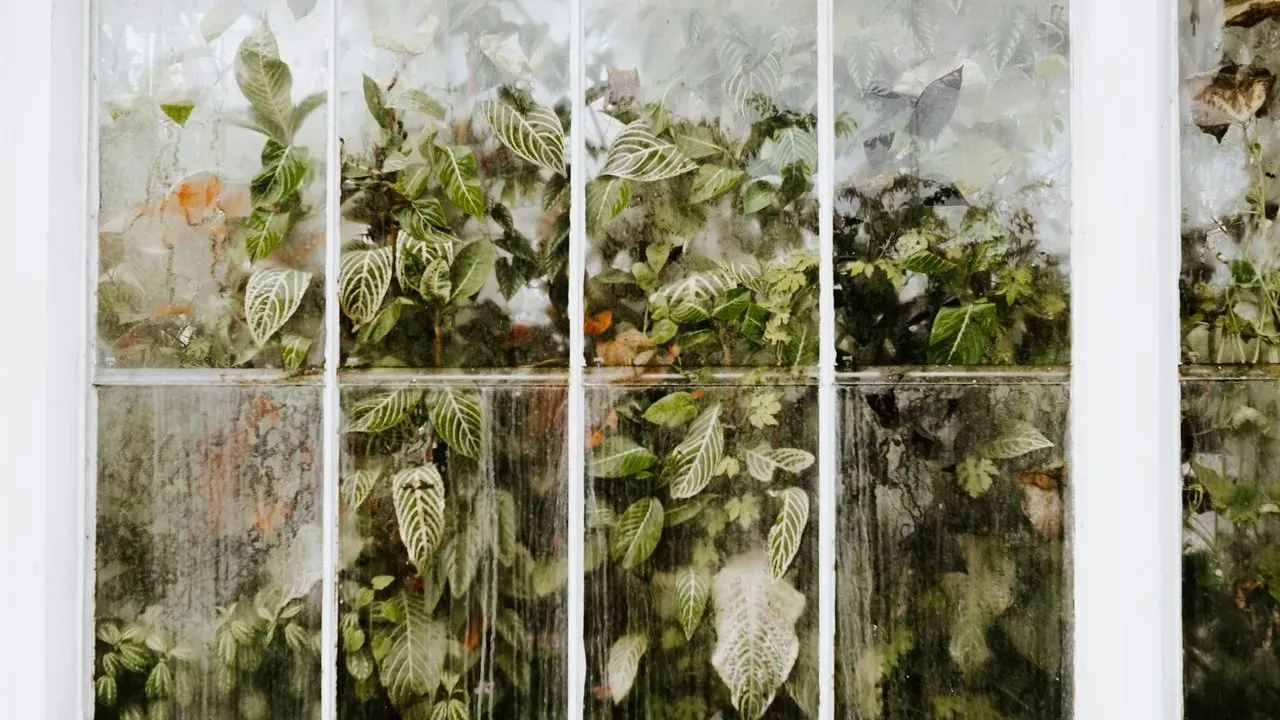

Home gardeners frequently watch their harvests cut short by early frosts or late springs, limiting the amount of fresh produce they can gather each year. Commercial greenhouses can solve the problem, yet their cost often places them out of reach for many households. Instead, a practical alternative has taken hold: simple structures assembled from materials already on hand or available at little or no expense. These builds allow growers to protect crops and lengthen the productive window without major outlays.
The Practical Payoff of a Longer Season
A modest greenhouse changes the calendar for vegetable and herb production. Plants that would otherwise stop at the first cold snap continue to yield tomatoes, greens, and peppers well into cooler months. Families gain more consistent access to home-grown food, which reduces trips to the market and supports steadier meal planning. The approach also lets gardeners experiment with varieties that need extra warmth, expanding what can be grown in a given climate. Over time, the added output compounds. One season of protected growth can supply enough extra produce for preserving or sharing, turning a small backyard plot into a more reliable source of nutrition. Gardeners who adopt these low-cost methods report fewer losses from weather swings and greater confidence in their annual planning.
Materials That Keep Expenses Minimal
Successful builds rely on items that many people already discard or can obtain locally. Old windows salvaged from renovations provide ready-made glazing. Discarded PVC pipes or wooden pallets form frames that stand up to basic weather exposure. Heavy-duty plastic sheeting, often left over from construction projects, serves as an effective covering when secured properly. Additional options include metal conduit from hardware clearance bins and recycled containers for raised beds inside the structure. These components require only basic fasteners and tools most households keep on hand. The emphasis stays on reuse rather than new purchases, which keeps total spending close to zero for many projects.
Design Choices That Match Different Needs
Simple hoop styles work well for quick setup and easy relocation. A series of arched supports covered with sheeting creates an enclosed space large enough for several rows of plants. Lean-to versions attached to an existing shed or garage wall reduce the amount of new framing required while still offering protection. Cold-frame hybrids, built lower to the ground with hinged lids, suit gardeners focused on seedlings or overwintering. Each option scales to the available space and the builder’s experience level. The common thread is adaptability: the structure fits the site rather than demanding a fixed blueprint.
Key Steps Before Breaking Ground
Site selection comes first. A level spot with good sun exposure and some wind protection improves performance from the start. Checking local rules on small accessory structures prevents later issues with neighbors or permits. Builders then gather materials and sketch a basic layout that accounts for door access and ventilation. Starting small reduces risk and allows adjustments after the first season. Regular monitoring of temperature and humidity inside the enclosure helps maintain healthy growing conditions without added equipment. This method brings season extension within reach for a wider range of households. It turns everyday discards into functional tools that support steadier food production year after year.
AI Disclaimer: This article was created with the assistance of AI tools and reviewed by a human editor.