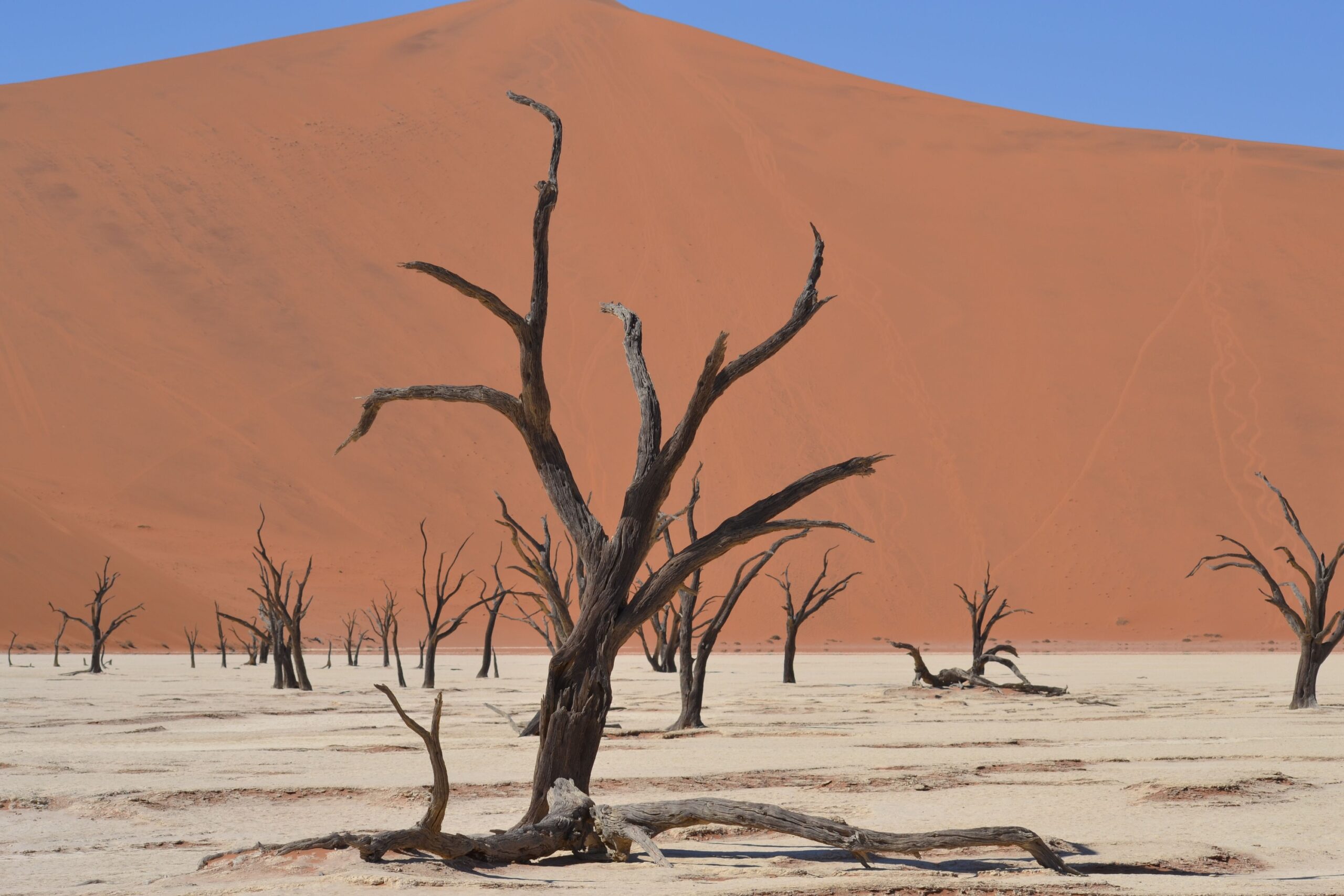

Most of us think of memory as something that belongs to brains. Yet out in the world’s forests, trees are doing something that, by any reasonable description, looks a lot like remembering. They carry imprints of past dry spells, wet years, and repeated stress events deep inside their wood, their leaves, and even their DNA. The effects of a drought that ended years ago can still shape how a tree grows, breathes, and responds to the next dry season.
Scientists have been untangling this phenomenon with increasing precision, and recent findings paint a surprisingly complex picture. It’s not mystical, but it isn’t simple either. Here is what the research actually shows.
What “Legacy Effects” Actually Mean
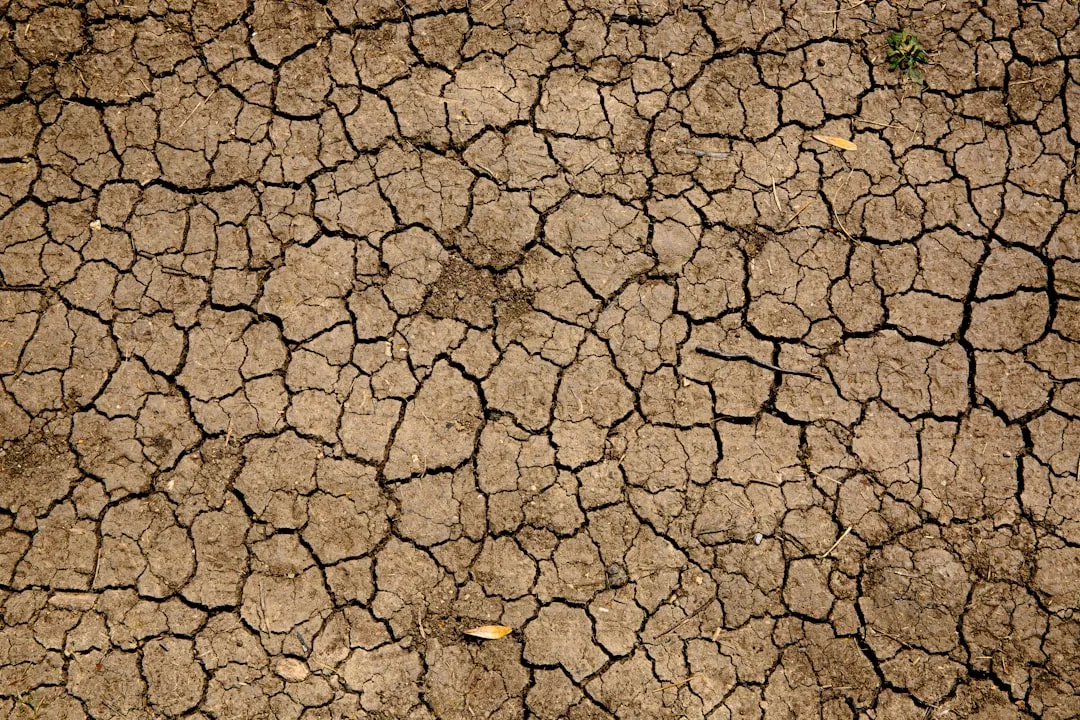
Structural changes in trees persist after a drought has passed and continue to influence growth and stress tolerance for many years. Known as “legacy effects,” these lingering post-drought impacts represent an ecological memory of past climatic conditions at both the tree and forest level. The term sounds abstract, but the mechanics are quite physical. Tree structure and function are constrained by and acclimate to climatic conditions, and drought limits plant growth and carbon acquisition in ways that can result in effects lasting well beyond the period of water stress.
Drought can impact terrestrial ecosystems concurrently but also lagged in time through these legacy effects, which have been identified in parameters such as tree radial growth and satellite-based greenness. In simpler terms, a tree that suffered through a serious drought three years ago may still be growing differently today because of it.
The Wood Itself Holds the Record
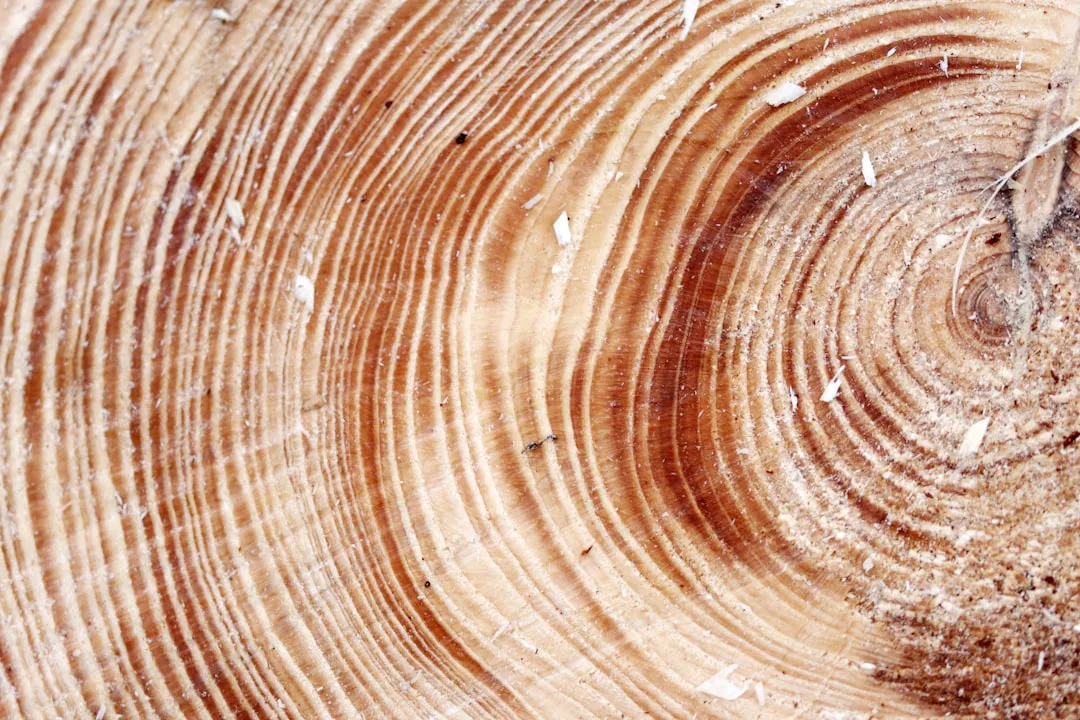
Tree rings provide a valuable archive of long-term annual growth responses to climate at the individual tree level, and are often used to study the response of trees to extreme drought. Each ring is not just a timestamp; it carries chemical and structural information about what the tree experienced that year. Trees experiencing drought alter their leaves, wood, and roots in ways that prime them for continued dry conditions, and wood under drought might have smaller cells that are less vulnerable to future damage, while roots might increase relative to leaf area.
The response to past drought stress can be derived from tree rings, which researchers call “dendrophenotypes,” sampled from trees growing in natural conditions. These microscopic anatomical fingerprints written inside the wood are giving scientists a detailed, year-by-year account of how trees cope, adjust, and carry forward the memory of hard times.
The Pfynwald Experiment: Two Decades of Evidence
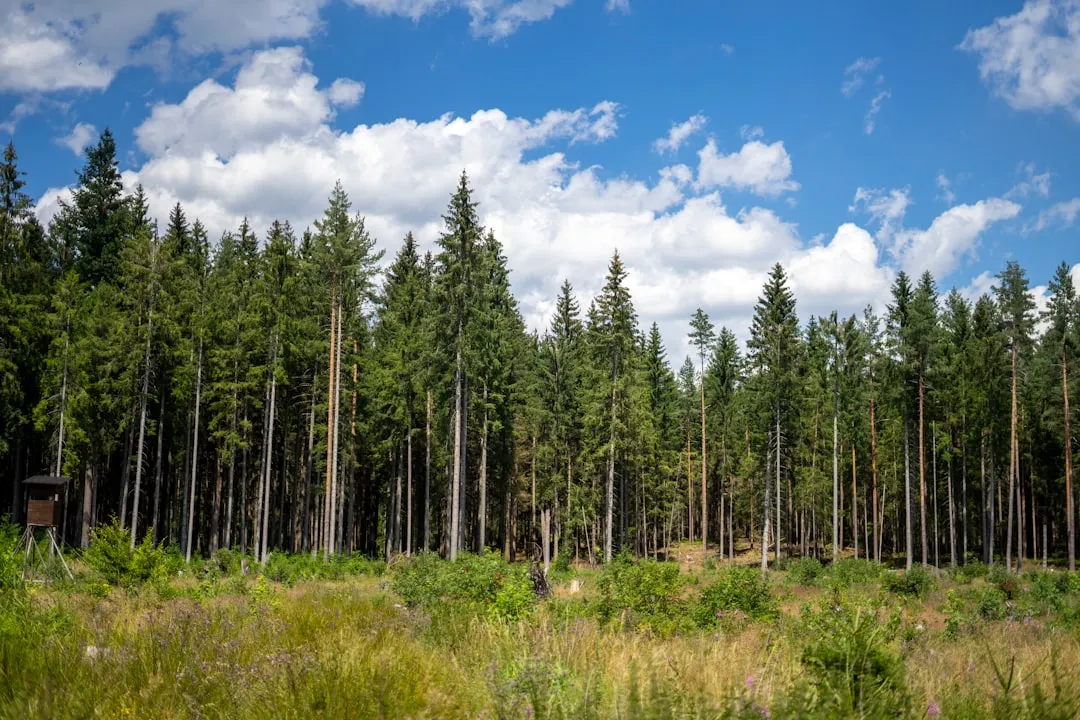
As the largest contiguous pine forest in Switzerland, the Pfyn forest in Canton Valais offers ideal conditions for long-term drought research, and a WSL research team set up a long-term experiment intended to last 30 years in this forest. Launched in 2003, it is one of the most detailed studies of its kind in the world. The test area comprises approximately 800 trees over a surface of 1.2 hectares divided into eight plots, and between April and October, four of these plots are irrigated by a sprinkler system providing an additional 600 millimeters of water annually.
The Pfynwald experiment has shown that trees survived at higher rates in irrigated plots, and after 17 years of irrigation, the team found that irrigation didn’t just help trees survive dry phases – it also increased their growth rates. The takeaway is striking: trees that experienced relative water abundance were structurally different from their drought-stressed neighbors even after conditions normalized. In the Pfynwald, as in other dry Alpine valleys, Scots pines are dying out while young oak trees, some only waist-high, are taking their place.
Trees That Remember Wet Times Are More Vulnerable
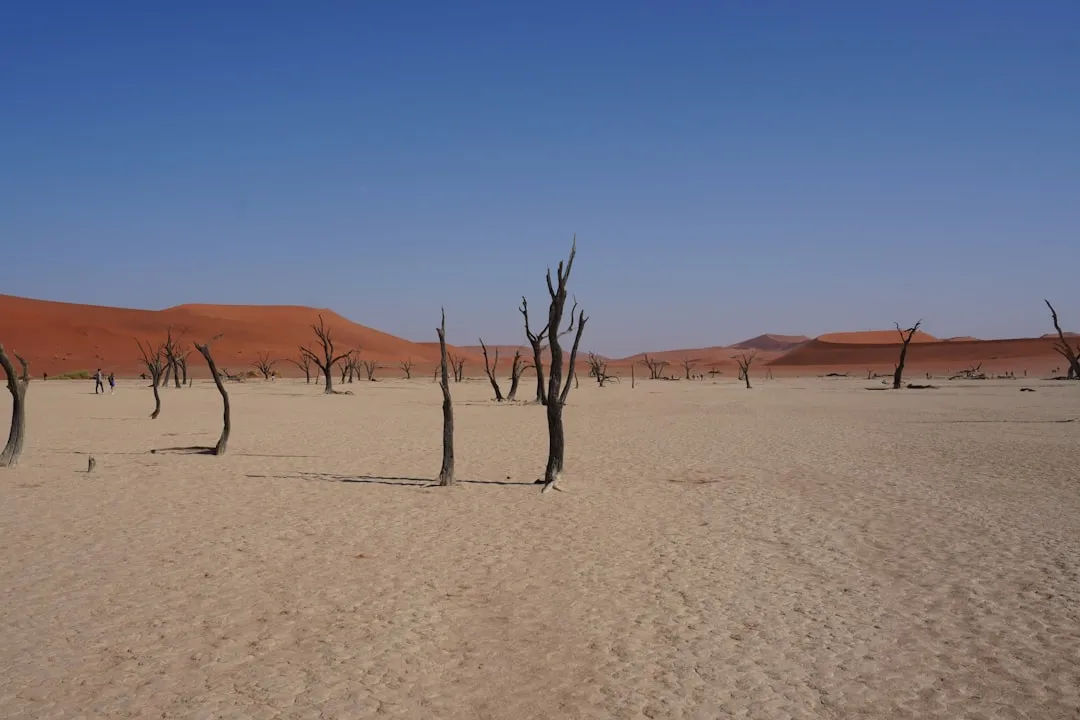
Old trees may have grown through entire millennia that were wetter than the past 20 years. This matters enormously because those trees built their internal architecture around water availability that no longer exists. Research has found that trees can remember times when water was plentiful, and that this memory continues to shape their growth for many years after wet phases end.
Mature trees acclimating to an increasingly dry world may be at a disadvantage compared to young trees that have known only chronic drought, though young trees may be capable of thriving in sites of drought-related forest decline especially if planted while larger individuals are still present. Without a legacy of past water abundance, trees in future forests may be better equipped to cope with a rapidly changing climate. It’s a counterintuitive finding: in this case, having never known abundance might be an advantage.
Epigenetic Memory: The Molecular Mechanism

Epigenetic memory, unlike the slow process of natural selection, allows trees to quickly adjust to challenges in their surroundings. Epigenetic memories are formed when trees experience stress such as temperature fluctuations, radiation exposure, and insect attacks, and these memories can influence future responses and may even be passed on to subsequent generations. This is perhaps the most remarkable part of the story.
Using methylation-sensitive PCR, researchers detected differences in PCR products from drought-stressed and control trees, indicating that epigenetic differentiation had occurred. The epigenetic differences between drought and control treatments were significantly higher than genetic differentiation in the same trees. Trees in the drought treatments also showed evidence for phenotypic change, where basal area growth and stem survival gradually increased, leading researchers to conclude that trees have the capacity to acclimate rapidly to environmental change through epigenetic modifications.
Poplar Trees Show Multi-Year Molecular Memory
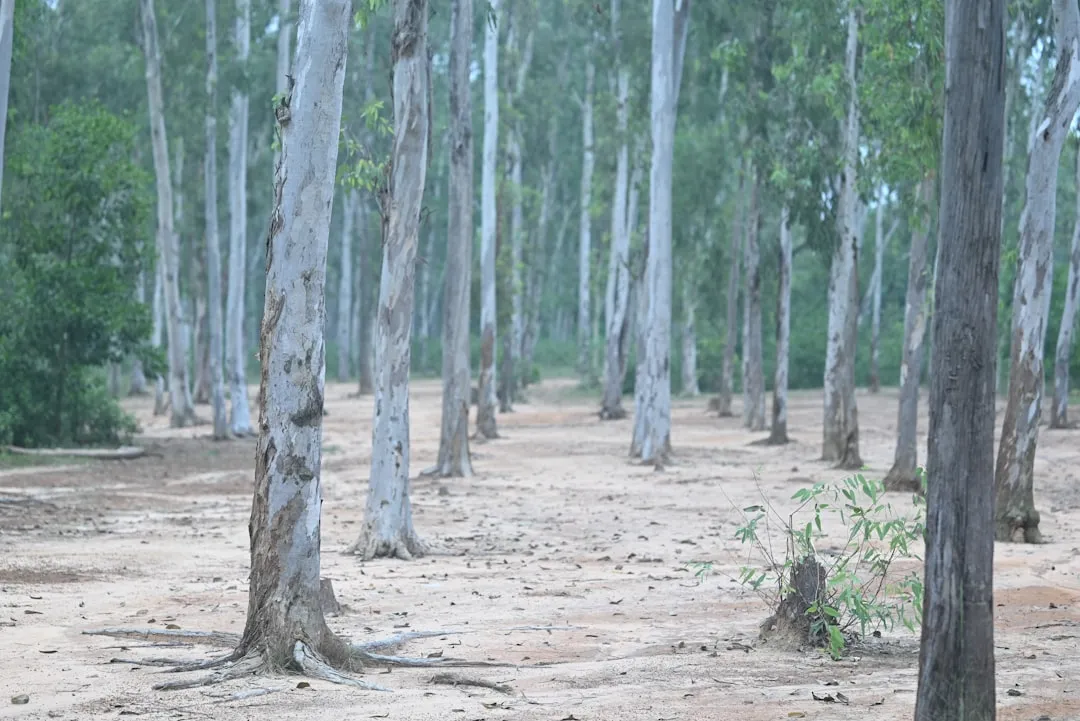
Understanding how perennial plants such as trees perceive, integrate, and memorize repeated environmental stresses like water deficit is crucial in the context of climate change, and recent research investigated short-term and trans-annual memory of water deficit in cambium-derived tissues of poplars. The results were clear. Researchers found persistent changes in hormone profiles, gene expression, and DNA methylation one week after stress relief, consistent with the definition of a multi-layered molecular short-term stress memory, with distinct adaptive strategies between genotypes demonstrating that both genetic and epigenetic backgrounds drive stress memory.
Trees exposed to water deficit in Year 1 displayed distinct physiological and molecular responses upon re-exposure in Year 2. This cross-year memory is significant. It suggests the drought experience doesn’t simply fade when rain returns; it rewires how the tree will respond next time.
How Needles and Canopies Adapt
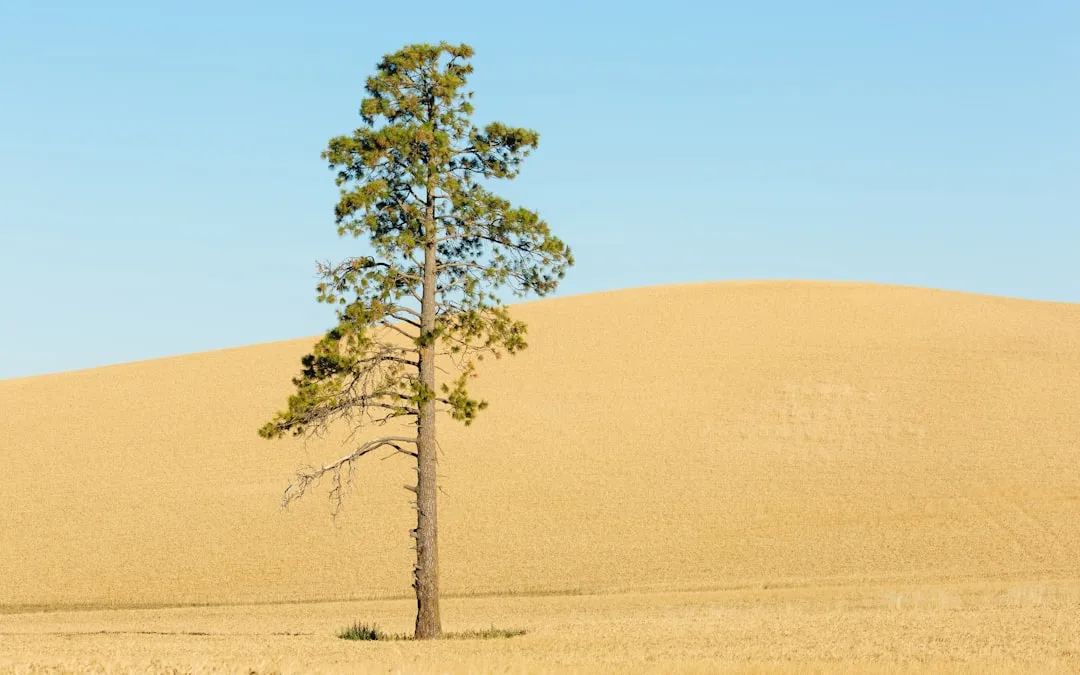
Spruce trees that experience long-term droughts are more resistant to future droughts owing to an impressive ability to adjust their canopies to save water, though trees may suffer when they’ve known only wet conditions and are blindsided by droughts. The canopy adjustment is a visible, measurable sign of remembered stress. Drought-exposed spruce grew much shorter shoots and shorter and fewer needles in spring, and together with the natural loss of old needles, the trees lost about 60 percent of their total needle area over the course of the experiment, making their canopies less dense.
A leaner canopy means less water lost through transpiration, which is a direct structural response to scarcity. It’s not a conscious choice – it’s the tree’s physiology responding to chemical signals that carry the imprint of past experience, reshaping the tree from the outside in.
Grapevines and Other Plants Show Similar Patterns
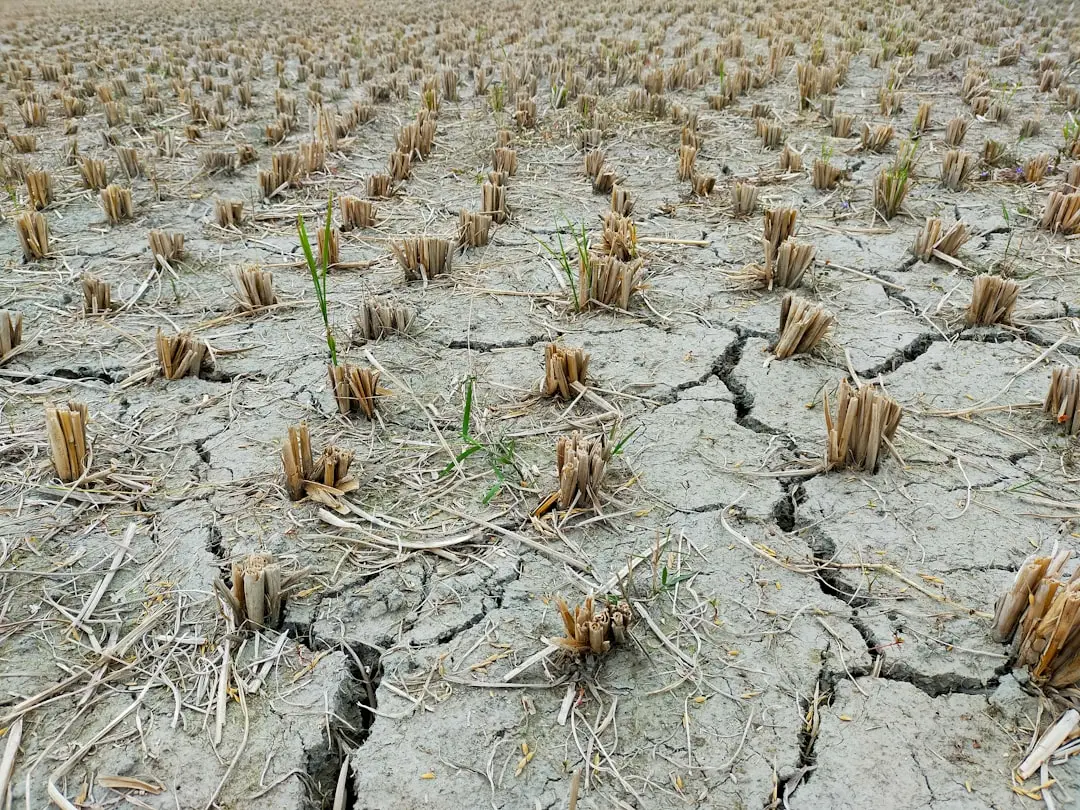
Grapevines with a drought history showed increased water use efficiency in a non-water-limited season, in coordination with morpho-anatomical modifications of leaf, xylem anatomy, and stomata, suggesting significant drought legacies. The phenomenon is not limited to forest trees. Crops like maize and soybeans can also “remember” past droughts, making them more resilient when drought conditions return, suggesting that plant memory might be a broader phenomenon affecting various species across ecosystems.
This broader pattern across species suggests drought memory is a fundamental feature of plant biology, shaped over millions of years of evolution. The ability to carry a physiological record of past stress and use it to prepare for future events appears to be deeply wired into how plants function.
What Tree Rings Reveal About the Western U.S. Megadrought

An emerging field of tree-ring science found that the West’s two-decade drought is inextricably linked to rising temperatures. Tree rings from across the American West have served as a natural archive of climate going back centuries. A study’s authors concluded that the two-decade period from 2000 to 2020 was the warmest in half a millennium.
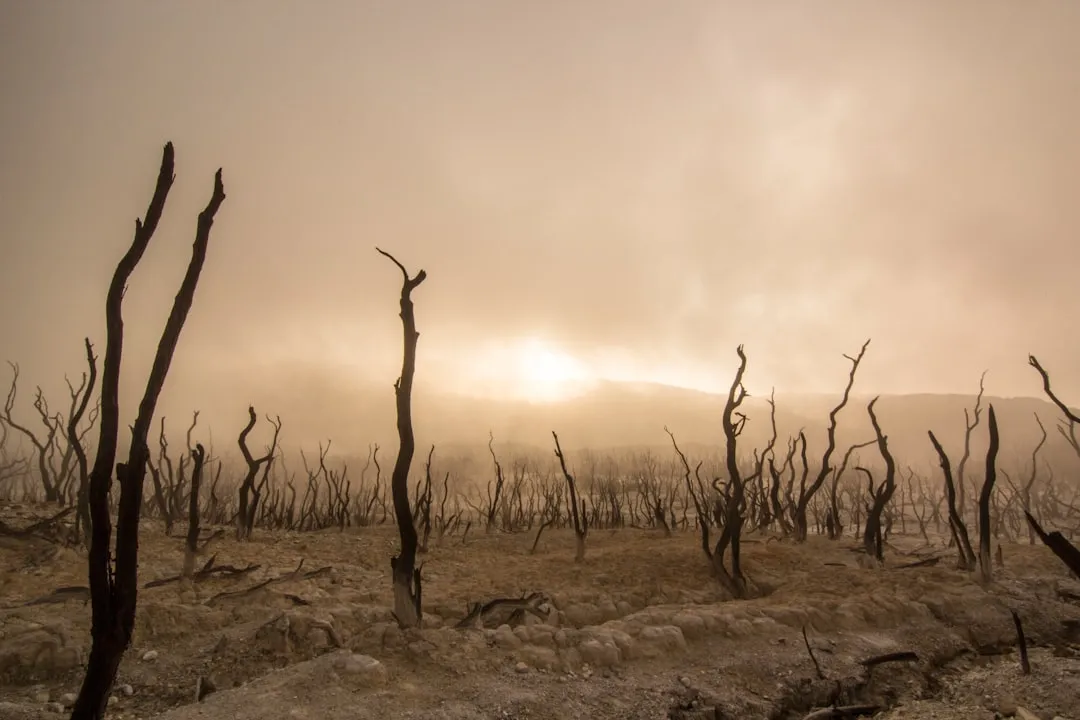
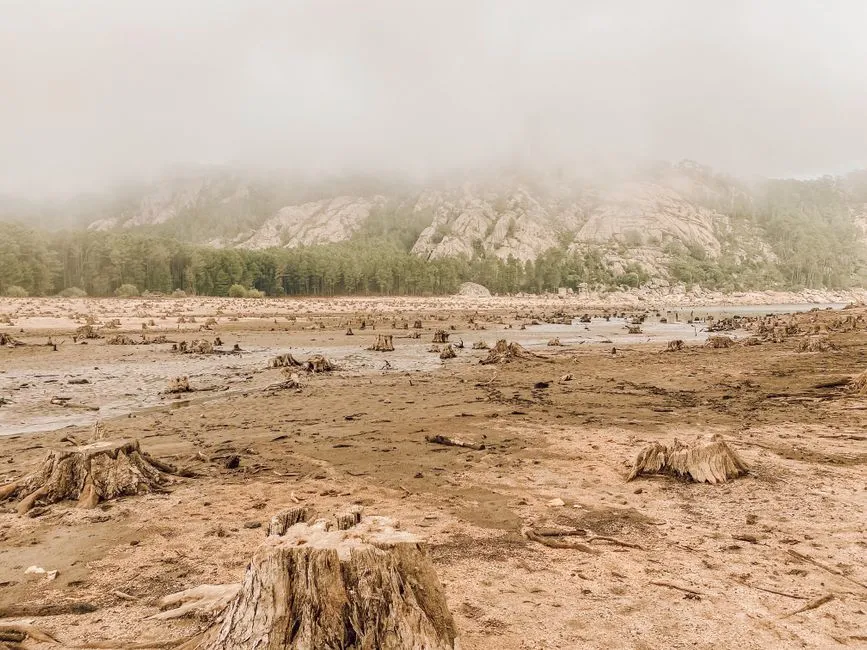
Over the past 25 years, trees have been dying due to the effects of climate change around the world, and in Africa, Asia, North America, South America, and Europe, drought stress amplified by heat is killing trees that have survived for centuries. The memory encoded in their rings also tells us what is being lost – and how unprecedented current conditions truly are relative to anything living trees have previously experienced.
Soil Microbes Extend the Memory Beyond the Tree Itself
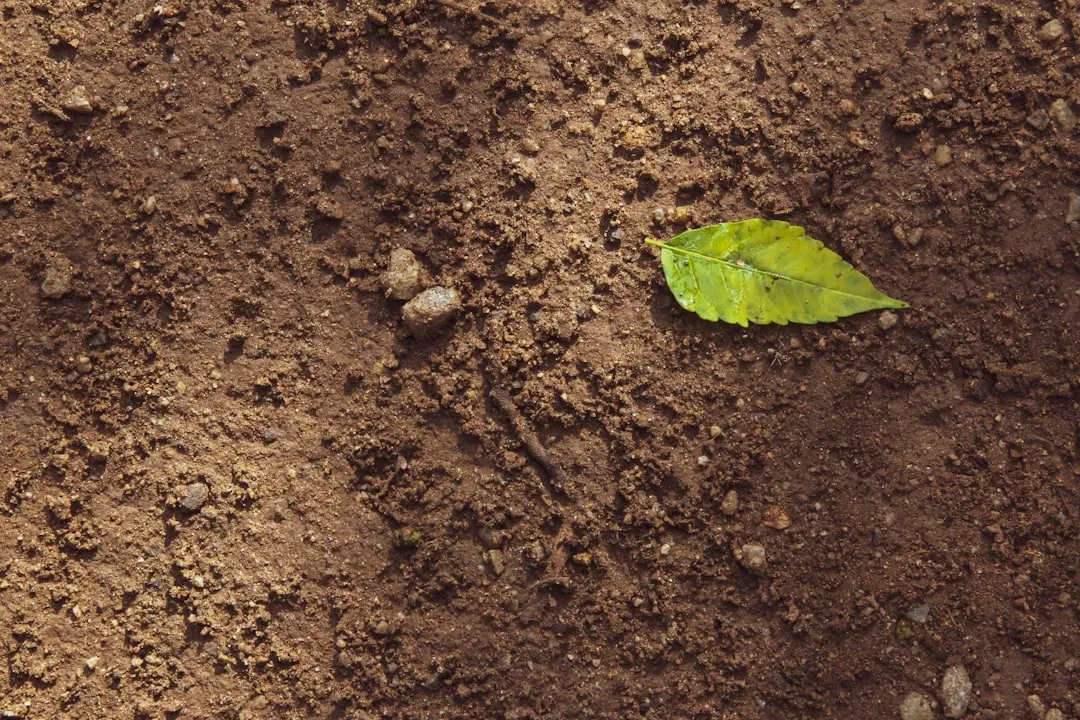
New research has found that microbial communities in soil have the capacity to remember and adapt to past environmental events, helping plants withstand drought stress, and experts from the University of Nottingham found that soil microbes carry a long-term memory of past climate that can shape how some plants respond to new droughts. This is an important and often overlooked layer of the system. A tree’s drought memory isn’t just stored inside the tree – it is also held in the living soil around its roots.
Researchers investigated how long-term differences in rainfall shape soil microbes and whether these changes influence how plants respond to future droughts, analyzing soils from six prairies in Kansas that experience very different levels of rainfall and identifying specific microbes and microbial genes linked to rainfall history. The forest floor, it turns out, is itself a kind of archive.
What This Means for Forest Management
In contrast to annual crops, forest trees persist on natural landscapes and experience environmental variation within and across seasons, years, and even decades or centuries, and most forest tree species are undomesticated and typically grown on variable landscapes with no irrigation, meaning they must rely on their inherent ability to alter growth and physiology to mitigate the effects of changing stressors. This reality makes the science of drought memory practically urgent for the people who manage forests.
Understanding drought legacy effects allows forest managers to choose species suitable for areas subject to increases in temperature and drought, and the diversity of tree species, the presence of dense forest cover, and the creation of water retention ditches in the soil are all factors that promote better water retention. Research makes scientists optimistic that young trees of today, which have never known 20th-century rainfall, have not shaped their structure around water abundance and thus may be better equipped to survive in a chronically dry world.
A Quiet Kind of Intelligence
None of this requires us to claim that trees are conscious or that they deliberate. What the evidence does show is something almost as striking: the biological systems inside a tree are sensitive enough, and durable enough, to carry functional information about past conditions forward in time – influencing how that tree responds to the world years or even decades later.
As droughts grow more frequent and more severe with ongoing climate change, understanding this embedded memory becomes genuinely important, not just as a scientific curiosity but as a foundation for how we decide which trees to plant, where, and why. The forest has been keeping records all along. We’re only now learning how to read them.
AI Disclaimer: This article was created with the assistance of AI tools and reviewed by a human editor.