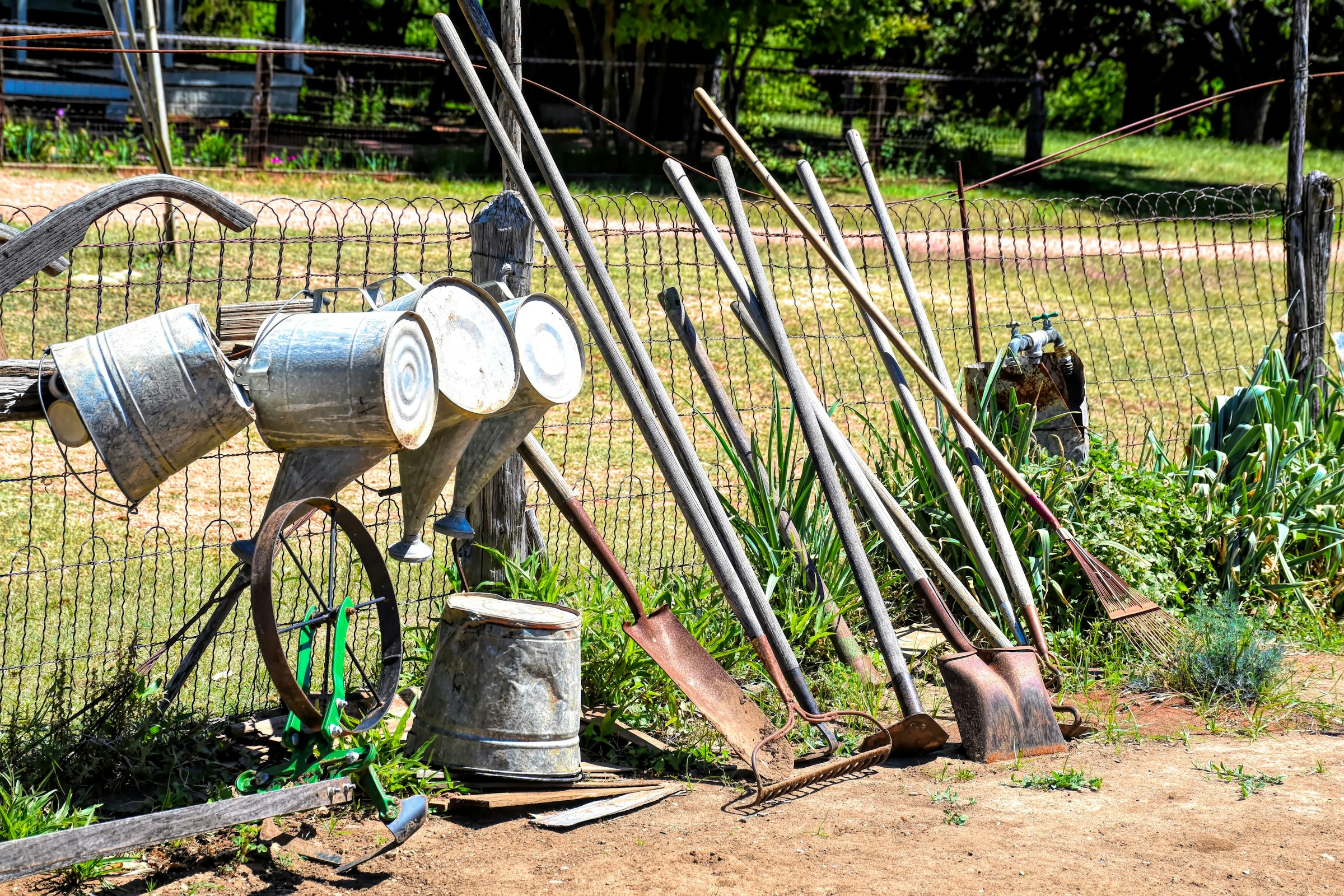

Millions of people garden every weekend without giving much thought to the tools in their hands. A little rust on the shovel, a few corroded edges on the trowel – it all seems harmless enough. The problem is that the habit of reaching for those neglected, deteriorating tools isn’t just a minor inconvenience. It can quietly set the stage for a medical emergency.
What’s actually happening in your soil, and on those rusty surfaces, is more complicated than most gardeners realize. The risks are real, verified by medical data, and surprisingly easy to reduce once you understand them.
The Scale of Garden Tool Injuries Is Larger Than You’d Think
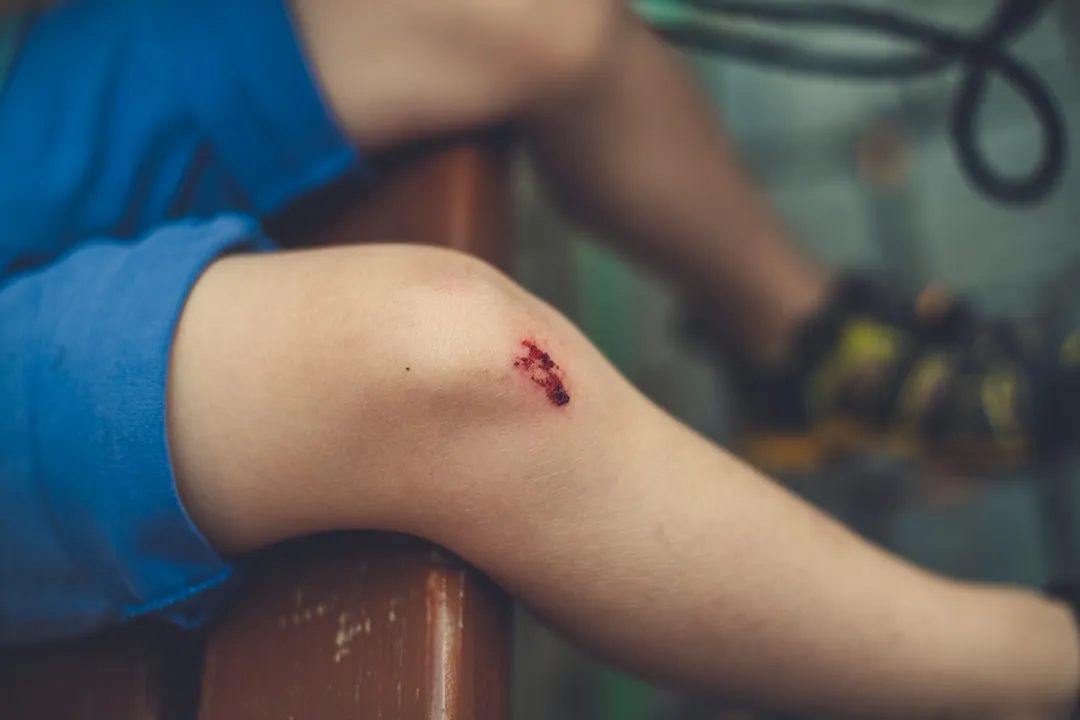
According to the Consumer Product Safety Commission (CPSC), emergency rooms treat more than 400,000 outdoor garden tool-related accidents each year. That’s a staggering number for an activity most people think of as gentle and low-risk. Many of those visits involve cuts, puncture wounds, and lacerations from tools that were in poor condition.
The most common injuries from gardening include cuts, puncture wounds, back pain, wrist pain, insect bites, sunburn, and eye injuries from debris or chemicals. Of these, the cuts and puncture wounds from corroded or dull tools carry the most serious infection potential. A sharp, clean tool cuts cleanly; a rusty, jagged one tears tissue and drives contaminants deeper.
Rust Itself Isn’t the Real Problem – What Lives Around It Is
Rust does not cause tetanus. Many people grow up believing they will get tetanus from stepping on a rusty nail, and while a puncture wound from a nail is something to take seriously, you don’t get tetanus from rust. That’s one of the most persistent myths in home safety, and it matters because it gives people the wrong idea about where the real danger lies.
Puncture wounds from rusty nails, screws, or barbed wire are often associated with tetanus risk, but it’s not the rust itself that’s the culprit. Tetanus bacteria thrive in environments lacking oxygen, such as soil, dust, and feces. Rust, however, creates a rough surface that can harbor dirt and debris, increasing the likelihood of bacterial contamination. When a rusty object pierces the skin, it can drive these contaminants deep into tissues, creating an ideal anaerobic environment for tetanus spores to germinate and produce toxins.
The Bacteria Living in Your Garden Soil

The most common and well-known infection risk is tetanus, caused by Clostridium tetani, which lives in soil and manure. Infections occur through contamination of cuts and scrapes caused by things in contact with the soil, such as garden tools or rose thorns. This is a bacteria that doesn’t need light or oxygen to survive, which makes garden soil a particularly hospitable home for it.
The bacteria make spores so they can survive harsh environments. The spores of Clostridium tetani exhibit exceptional resistance to elevated temperatures, various antiseptic agents, and prolonged boiling. When conditions are favorable, these spores germinate. In practical terms, this means the bacteria can be sitting dormant in your flower bed for years, waiting for exactly the kind of wound that a rough or rusty garden tool can cause.
Gardening Is One of the Most Common Sources of Tetanus Cases
The CDC reports that a third of all tetanus cases originate from gardening injuries. That’s a significant share of cases tied directly to an everyday hobby. Two recent reports from the US Centers for Disease Control and Prevention found hundreds of tetanus cases and dozens of deaths over 15 years, along with four cases in children in 2024 alone.
Where reported, roughly seven in ten injuries that led to tetanus infection occurred in the home and garden setting. These aren’t industrial accidents or extreme outdoor situations. They’re the ordinary scrapes and punctures that happen when people tend their yards without thinking about what’s already in the soil or on their tools.
What Tetanus Actually Does to the Body

Tetanus is a bacterial infection caused by Clostridium tetani, a type of bacteria that lives in soil, dust, and animal feces. When these bacteria enter the body through a cut or puncture, they release a toxin that affects the nervous system. Tetanus causes painful muscle stiffness, difficulty swallowing, and severe spasms. The experience is far more serious than many people imagine from its casual mention in everyday conversation.
Tetanus is the most dangerous of these infections and is characterized by uncontrollable, intense muscle spasms. Classically, but not always, some of the first affected muscles are those that close the jaw, giving the infection the nickname “lockjaw.” The typical incubation period is eight days, but some reported cases have emerged up to three weeks after exposure. Tetanus is fatal in about 10% of cases but causes muscle spasms, fever, and trouble swallowing in all cases.
Even Small Wounds from Garden Tools Are a Real Concern
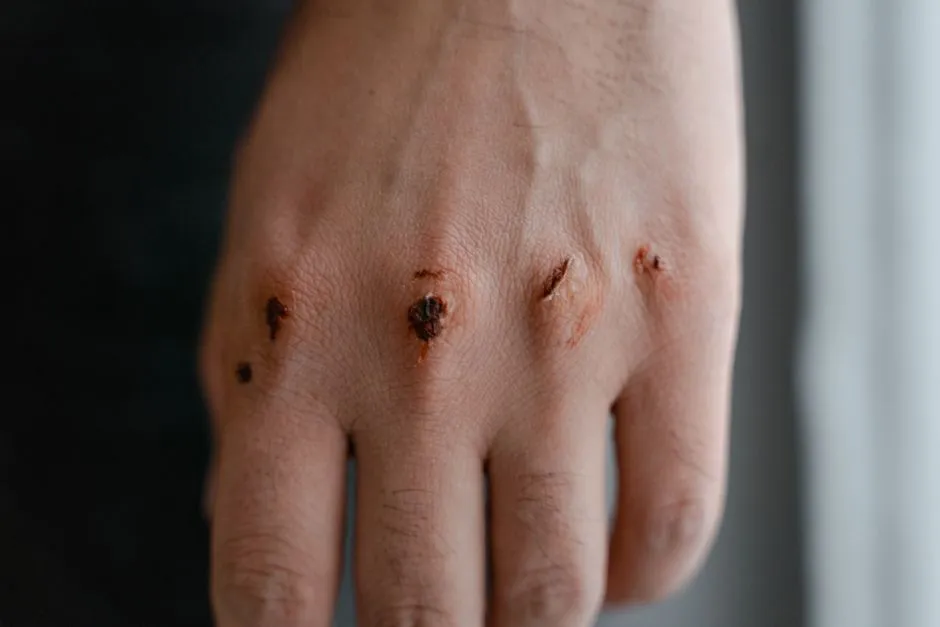
Tetanus is a dangerous infection, and it doesn’t take an emergency room-level injury to contract it. Even small wounds – like splinters, bug bites, or garden scratches – can let in the bacteria. This is a critical point that most gardeners miss entirely.
Many kinds of injuries can lead to tetanus. Puncture wounds are a classic example, but lacerations, fractures that break the skin, burns, crush injuries, and even relatively minor cuts can also pose a risk if they are contaminated with dirt or debris. A glancing scrape from a rusty trowel edge while turning compost is the exact kind of low-drama moment that people brush off and then forget about.
How Rusty Tools Become More Dangerous Over Time
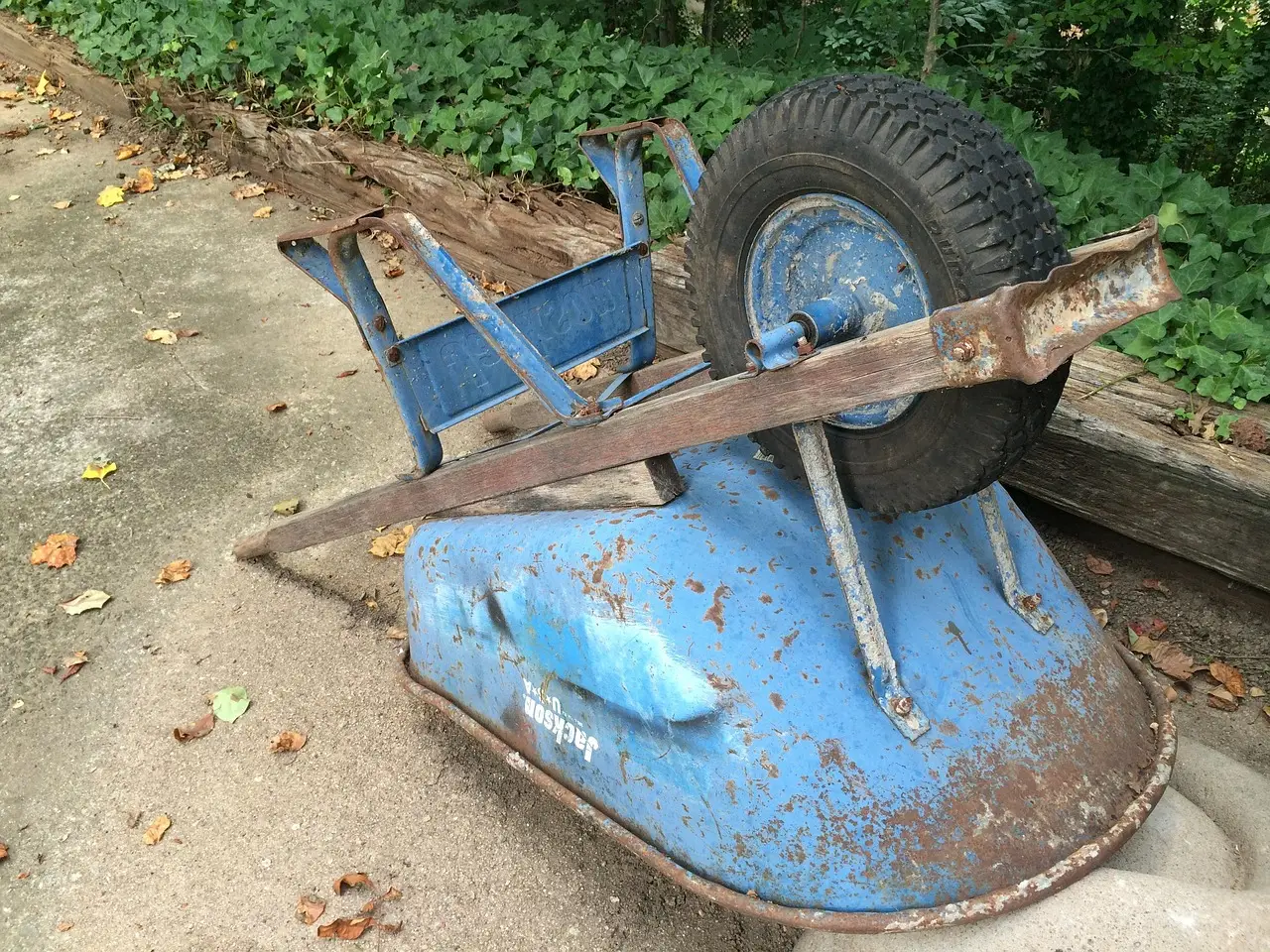
Over time, rust can form on garden tools, reducing their effectiveness and potentially compromising safety. A corroded blade doesn’t just perform poorly – its uneven, pitted surface is significantly harder to clean and disinfect than a smooth, well-maintained one. Using rusted pruners, shears, knives, or loppers can result in torn plant tissue, poor cuts that invite disease, and even injuries from slipping or jagged edges.
Rust forms through oxidation when moisture meets metal. If tools are stored damp or dirty, corrosion begins and weakens the metal over time. A shovel left leaning against a shed wall after rain, or a trowel tossed into a bucket and forgotten for weeks – these are the habits that gradually transform useful tools into hazards.
Who Is Most at Risk from Rusty Tool Injuries
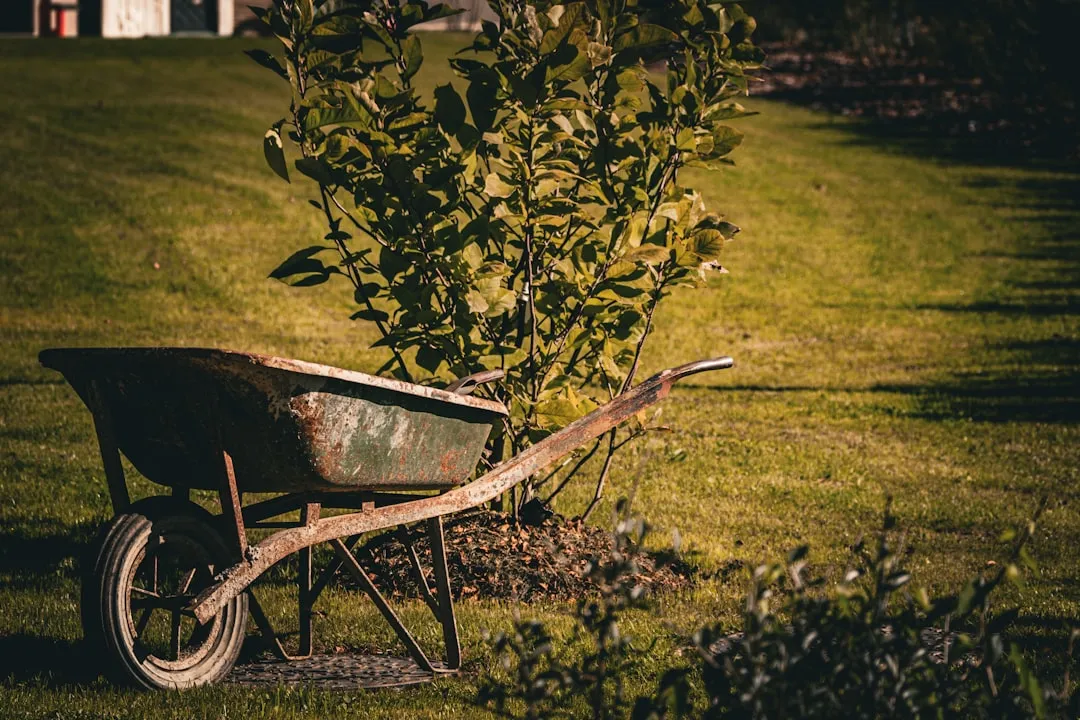
Tetanus is a bacterial infection caused by Clostridium tetani, which is commonly found in soil and can enter the body through cuts, wounds, or other breaks in the skin. While it’s possible for anyone to contract tetanus, those who work outdoors or engage in activities that involve handling soil, such as gardening or construction, are at a higher risk.
Children and the elderly are at greater risk due to reduced immunity. Only a small fraction of tetanus cases occur in people who are age-appropriately immunized, which means vaccination status remains the single most protective factor. People who haven’t kept up with boosters, or who genuinely don’t know when they last had one, face a meaningfully higher risk every time they grab a corroded rake.
When to Actually Go to the ER – and When Urgent Care Will Do

You should worry if the cut is deep, won’t stop bleeding, or becomes red, swollen, or painful. These might need medical attention. Go to the ER for deep wounds, uncontrolled bleeding, bone exposure, numbness, or if you can’t move a part of your body. These are the clear markers that separate a manageable cut from something more urgent.
If you have any symptoms of tetanus, go to the nearest emergency room. Tetanus can be dangerous without proper treatment. For less severe wounds where tetanus vaccination may simply be outdated, talking to your healthcare provider or visiting an urgent care clinic is often sufficient. An urgent care facility or your primary care provider’s office can give you the booster at the same time as treating your injury.
How to Clean and Protect Your Garden Tools – and Yourself
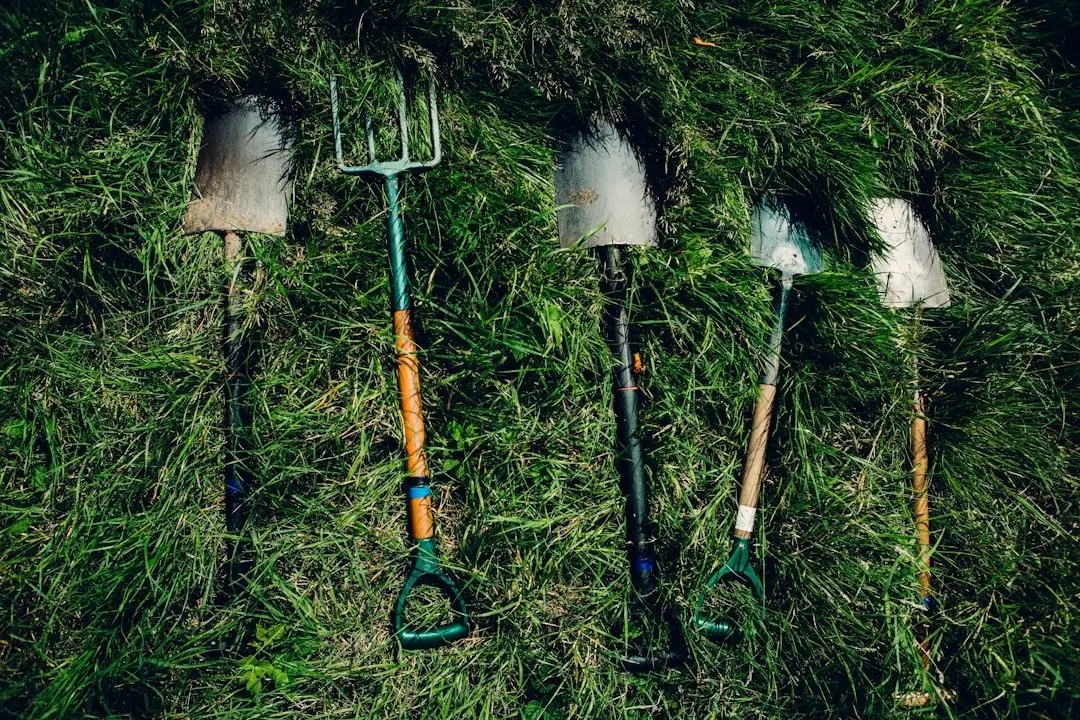
A simple and effective way to take the rust off your gardening tools is an overnight soak in vinegar. The acetic acid in vinegar will break down the rust and make it easier to scrub away. For more persistent corrosion, steel wool is effective for removing stubborn spots and rust, and a scrub brush is helpful for broader surfaces.
If rust spots have gone all the way through the metal, those tools are done and no longer safe to use. Adding a light coating of oil after every clean protects the metal from the elements and prevents further rusting. Beyond the tools themselves, protection from the tetanus vaccine decreases over time, so the CDC recommends getting a routine tetanus shot every 10 years – and if you suffer a high-risk wound involving soil contamination, the CDC recommends receiving a tetanus vaccine if your most recent vaccine is more than five years old.
The Habit Worth Changing Before the Next Season
There’s a certain kind of gardener who treats tool maintenance as an afterthought – something to deal with eventually, maybe at the end of the season or when things visibly fall apart. Many people neglect their tools, leaving them dirty, rusty, or dull. That habit is the one that quietly elevates risk every single time those tools come out of the shed.
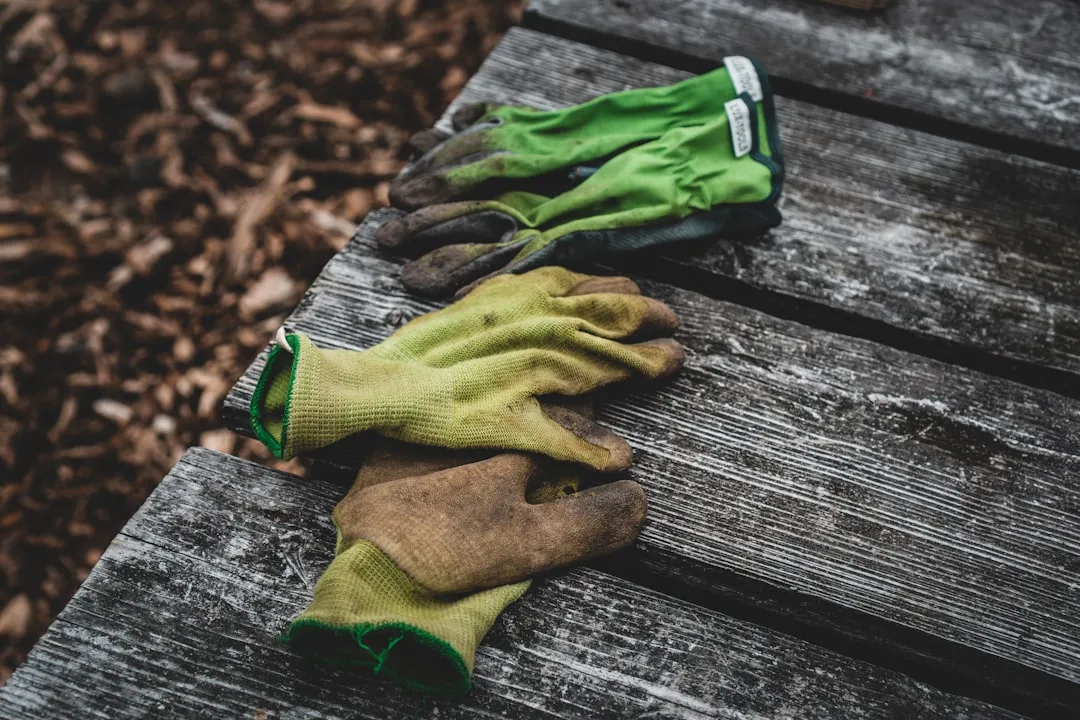
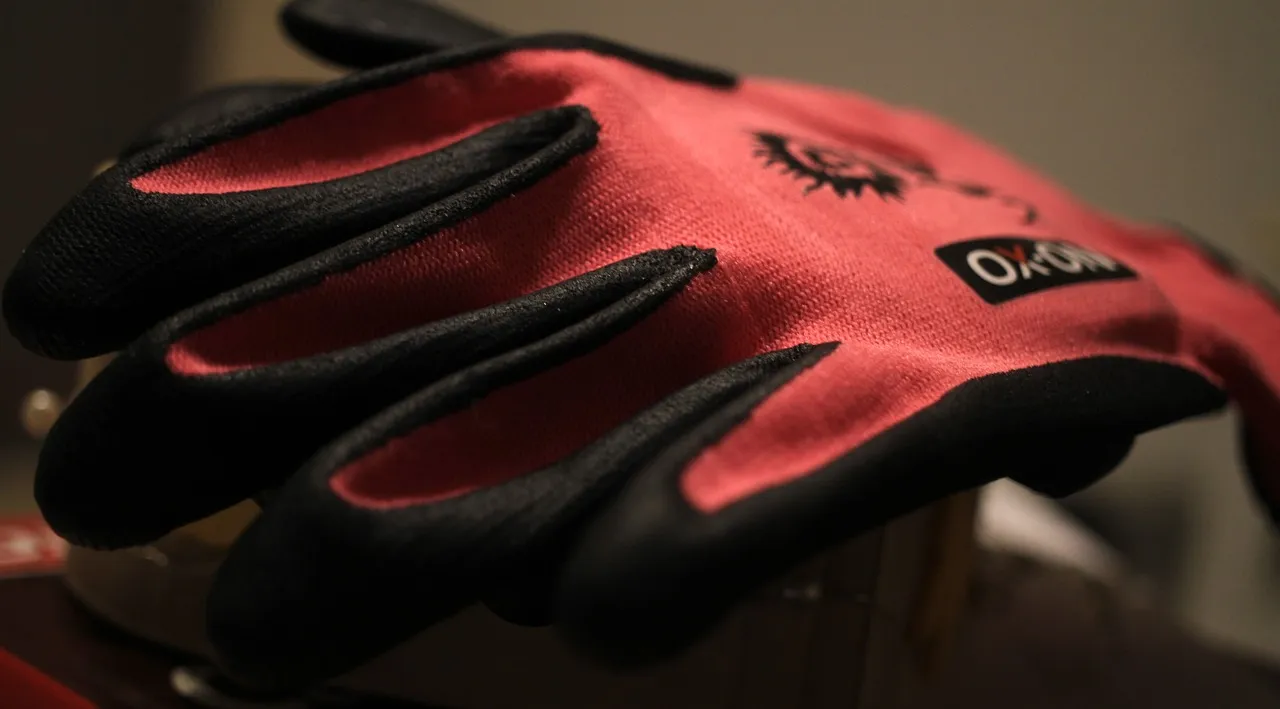
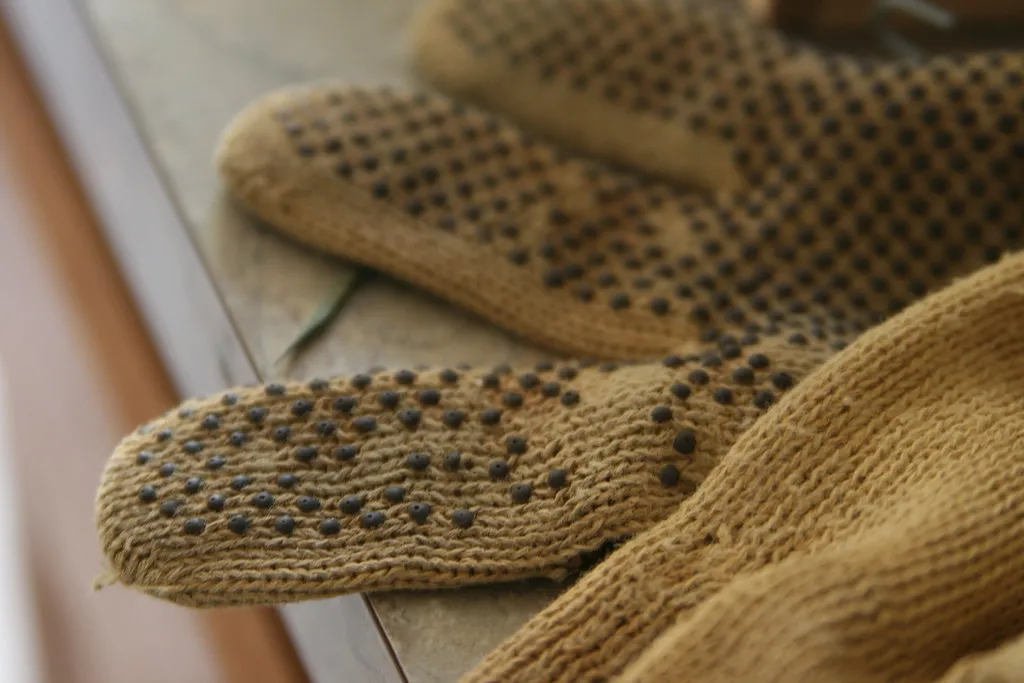
At the end of the day, it only takes a small scratch on your hand to pick up a potentially dangerous infection. Fortunately, it only takes a bar of soap and a basic pair of gardening gloves to protect yourself. Incorporating a few precautions into your routine will keep you safe and healthy to garden for many growing seasons to come. Check your tools, check your vaccination record, and treat the two as equally important parts of staying safe in the garden.
AI Disclaimer: This article was created with the assistance of AI tools and reviewed by a human editor.