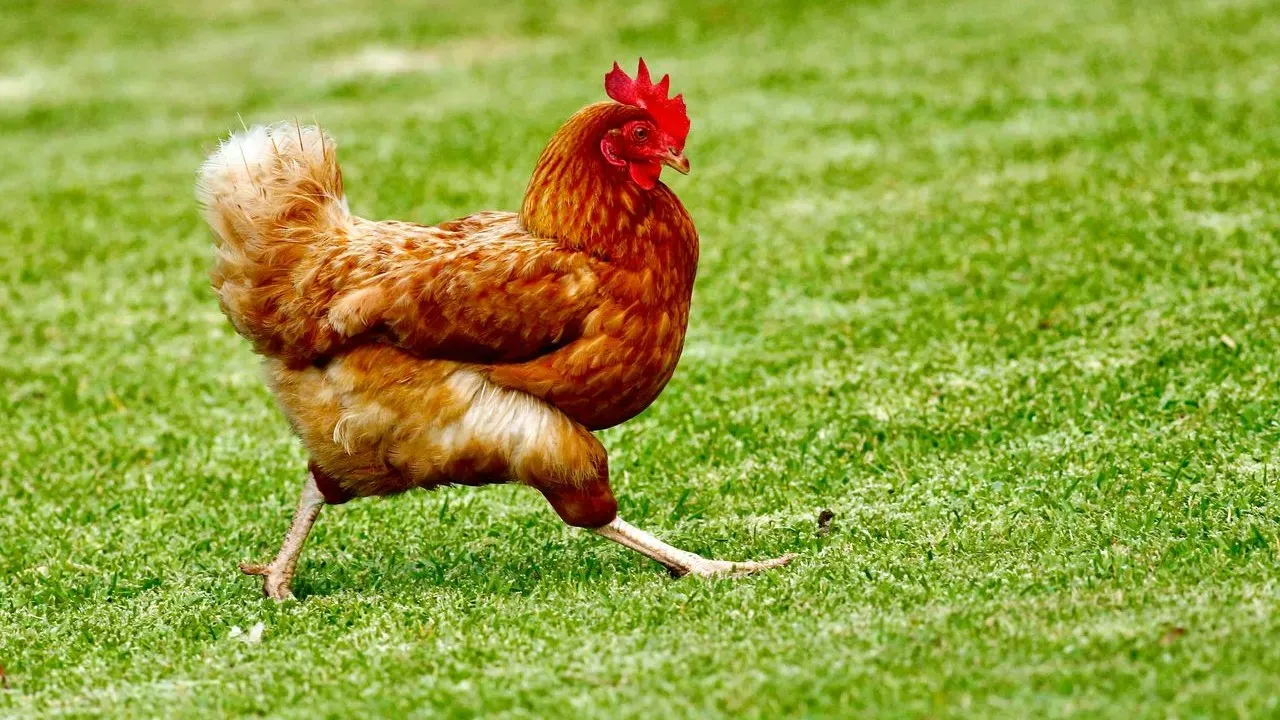

Backyard chicken keeping has grown steadily in recent years, bringing fresh eggs and a closer connection to food sources for many households. Yet one persistent issue continues to surprise new and experienced keepers alike: feather pecking that escalates into injury or stress within the flock. This behavior often signals underlying problems rather than simple meanness, and addressing it early can protect both the birds and the enjoyment of raising them.
Why the Behavior Matters to Keepers
Feather pecking disrupts the calm that most owners expect from their coops. When one or more birds target others, the entire group can become unsettled, leading to reduced egg production and visible distress. The problem tends to appear suddenly, prompting keepers to wonder what changed in an otherwise stable setup. Many view chickens as low-maintenance additions to a garden or homestead, yet social dynamics within a flock require ongoing attention. Left unchecked, pecking can spread and turn a rewarding hobby into a source of concern. Understanding the shift from normal preening to harmful pecking helps owners respond before damage occurs.
Common Triggers Behind the Aggression
Stress ranks among the leading factors that spark feather pecking. Changes in routine, loud noises, or the introduction of new birds can unsettle the established order and prompt aggressive responses. Overcrowding compounds the issue by limiting personal space and increasing competition for resources. Diet deficiencies also play a significant role. A lack of protein, certain vitamins, or minerals can drive birds to seek nutrients from the feathers of flock mates. Boredom adds another layer, especially in confined runs where chickens have little to occupy their active minds and natural foraging instincts. Environmental factors such as poor ventilation, extreme temperatures, or inadequate lighting further heighten tension. When these elements combine, even a previously peaceful group may develop the habit quickly.
Recognizing Early Signs in Your Own Flock
Keepers who monitor their birds regularly often notice subtle changes first. Missing feathers around the neck, back, or tail areas usually appear before more serious wounds develop. Affected chickens may also show reluctance to approach the feeder or appear withdrawn during daily activities. Observing the group during feeding and roosting times reveals which birds initiate the pecking and which ones receive it. Noting the timing, such as after a weather shift or feed change, provides useful clues about the root cause. Early detection allows for targeted adjustments rather than broad, reactive measures.
Practical Steps to Restore Calm
Increasing space per bird often brings immediate relief by reducing competition and stress. Providing additional perches, dust-bathing areas, and scattered feed encourages natural behaviors that distract from pecking. Adjusting the diet to ensure balanced nutrition, including higher protein options during molt periods, addresses deficiencies that may be driving the behavior. Enrichment items like hanging cabbage or treat dispensers help combat boredom in smaller runs. Separating persistent offenders temporarily while the rest of the flock heals can break the cycle without permanent removal. Consistent lighting schedules and proper coop ventilation support overall well-being and lower the likelihood of recurrence.
Building a More Resilient Setup Over Time
Long-term success comes from routine evaluation of the entire environment rather than one-time fixes. Regular health checks, gradual introductions of new birds, and seasonal adjustments to housing keep the flock balanced. Many keepers find that maintaining a slightly larger run than minimum recommendations prevents problems from returning. The effort invested in understanding these dynamics pays off in healthier birds and a more satisfying experience for the keeper. With thoughtful management, feather pecking becomes a manageable aspect of flock life instead of an ongoing worry.
AI Disclaimer: This article was created with the assistance of AI tools and reviewed by a human editor.