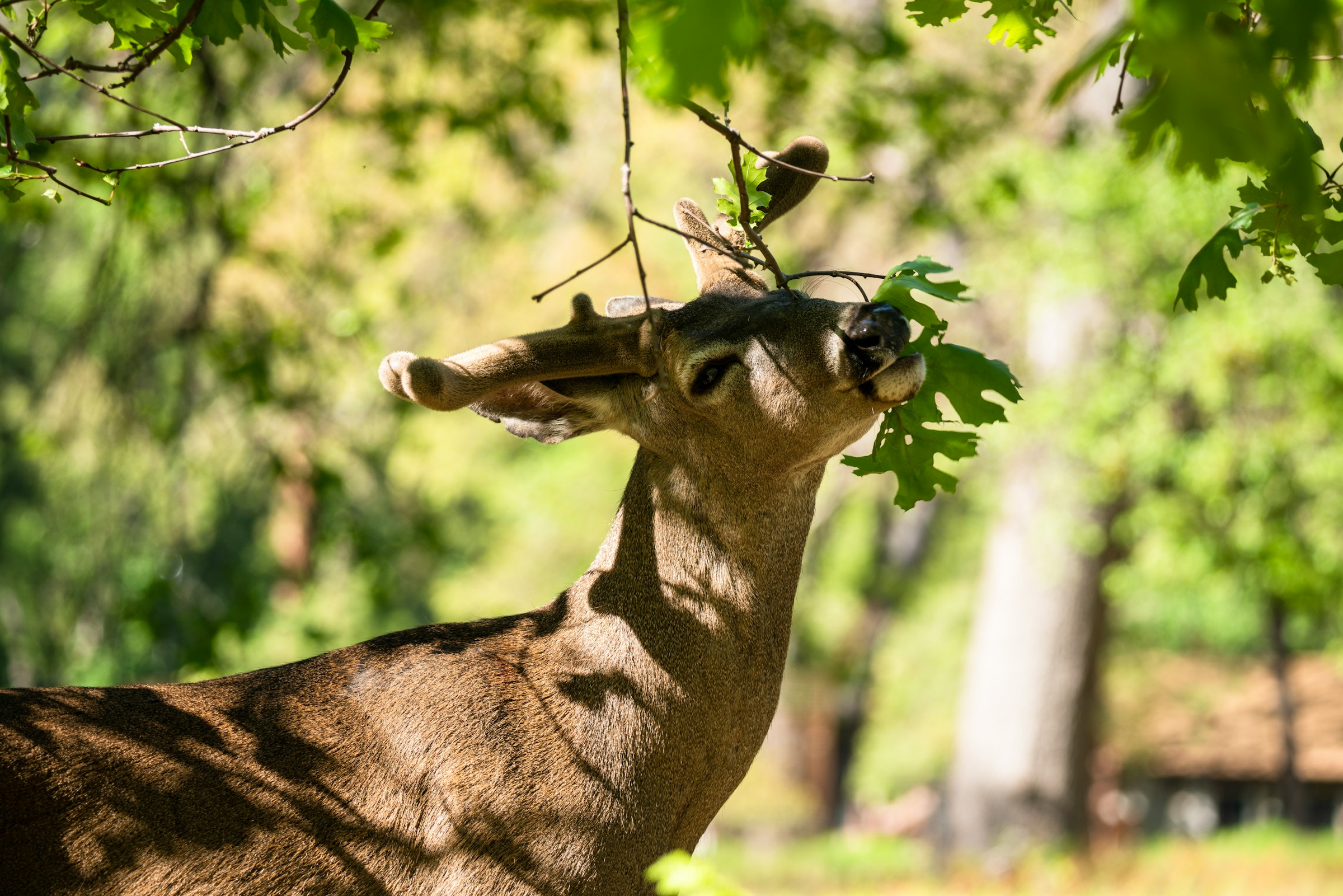

Plants don’t move. They can’t run from a hungry caterpillar, swat away a beetle, or retreat from an encroaching fungus. Yet over hundreds of millions of years, they’ve developed some of the most intricate, layered defense systems in the natural world. Some of those strategies are obvious: thorns, toxins, bitter compounds that make a leaf taste like a mistake.
Others are far stranger. Some plants have evolved to look like they’ve already been eaten, already been colonized, or already been claimed. They fake damage. They wear the marks of injury as a shield. It sounds counterintuitive, but the logic, once unpacked, is quietly brilliant.
The Concept of Plant Mimicry and Why It Matters
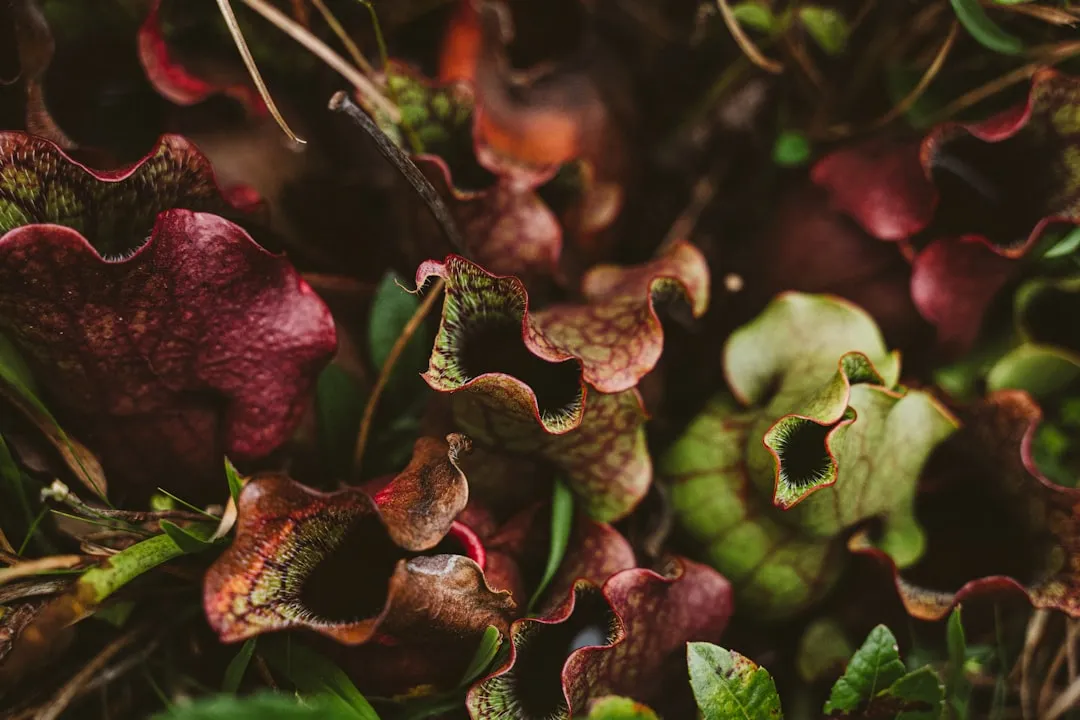
Mimicry in plants is an adaptive strategy where a plant evolves to resemble another organism, structure, or phenomenon, thereby deceiving a third party, such as an herbivore or pollinator, to gain a fitness advantage. This phenomenon, driven by natural selection, allows plants to exploit perceptual biases in animals without producing costly defenses or rewards themselves.
Unlike animal mimicry, which often involves mobility, plant mimicry relies on static traits like leaf shape, color, odor, or floral morphology, and it can target multiple models simultaneously in some cases. Plant mimicry is broadly classified into protective and exploitative forms, with protective mimicry deterring herbivores through deception and exploitative mimicry manipulating pollinators or seed dispersers.
Mimicry in animals is rather common, whereas documented cases in plants are rare, and the associated benefits are seldom elucidated. That rarity makes each confirmed case all the more compelling for researchers studying plant ecology and evolution.
Passiflora and the Art of the Fake Egg
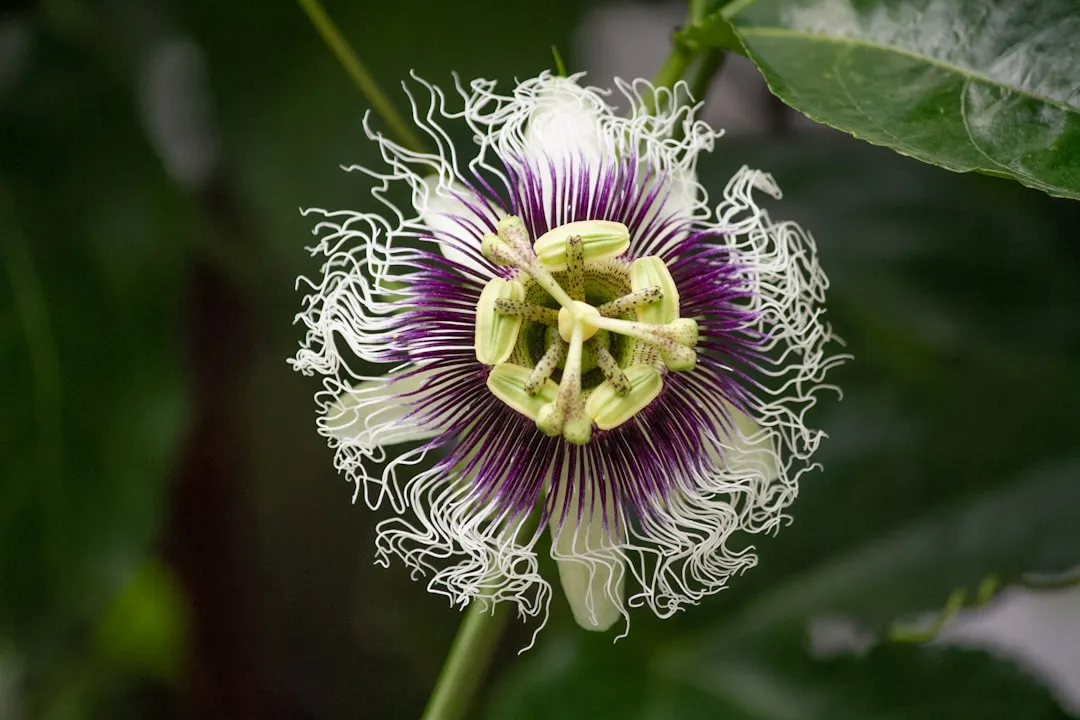
A striking example is the production by Passiflora species, native to Central and South America, of leaves with yellow spots. These spots closely resemble the eggs of Heliconius butterflies, the very insects whose larvae devastate Passiflora leaves.
The trait has evolved within the long-term arms race between Passiflora and Heliconius, where butterflies’ visual discrimination drives refinement of the mimics, while plants gain protection specifically against these specialist herbivores.
Gilbert’s well-illustrated review of the issue in the genus Passiflora explained the multitudes of defense from Heliconius caterpillars, which include bodyguards in the shape of ants attracted by extrafloral nectar secretion, changing leaf shape with time, mimicking non-host plants when the plants are juvenile, and having hooked trichomes that capture caterpillars. The fake egg strategy is just one layer in a remarkably deep defensive toolkit.
How Boquila Trifoliolata Disguises Itself as Its Host
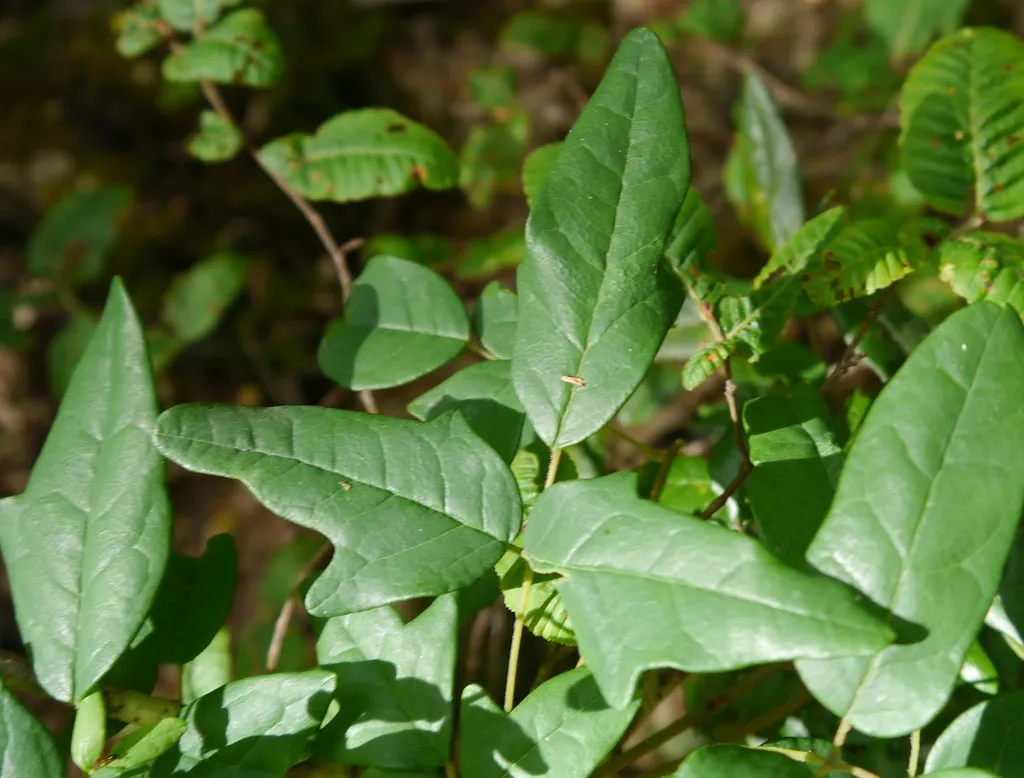
The woody vine Boquila trifoliolata, a climbing plant endemic to a temperate rainforest, mimics the leaves of its supporting trees in terms of size, shape, color, orientation, petiole length, and tip spininess. Sequential leaf mimicry even occurs when a single individual vine is associated with different tree species.
Leaves of unsupported vines differed from leaves of climbing plants closely associated with tree foliage, and consistent with an herbivory-avoidance hypothesis, leaf herbivory on unsupported vines was greater than that on vines climbing on trees. The disguise genuinely works.
This is a form of Batesian mimicry, where B. trifoliolata is harmless but resembles a less palatable or harmful plant to ward off herbivory species and pests. It’s a passive deception, but highly effective at the ecosystem level.
Damage-Associated Molecular Patterns: How Plants Read Their Own Wounds
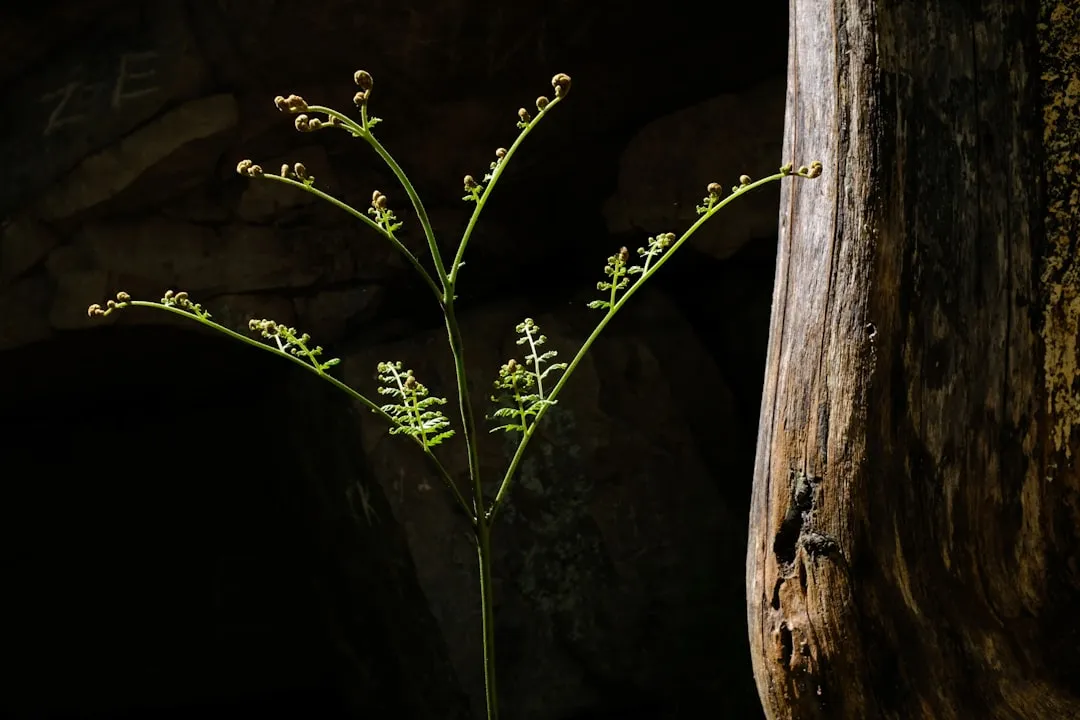
Plants are able to sense injured tissue as an altered self and induce responses similar to those activated by pathogen infection. Endogenous molecules released from wounded tissue may act as Damage-Associated Molecular Patterns (DAMPs) that activate the plant’s innate immunity.
Damaged-self recognition occurs when plants perceive molecular signals of damage: degraded plant molecules or molecules localized outside their original compartment. In other words, a plant recognizes its own broken pieces as a distress signal.
Plant-derived immune inducers are typically activated by injury or pathogen infestation and elicit local or systemic immune responses. These inducers, generated after tissue damage, can therefore be classified as damage-associated molecular patterns. This internal alarm system is the foundation on which injury mimicry as a defense rests.
The Role of Jasmonic Acid in Wound Signaling
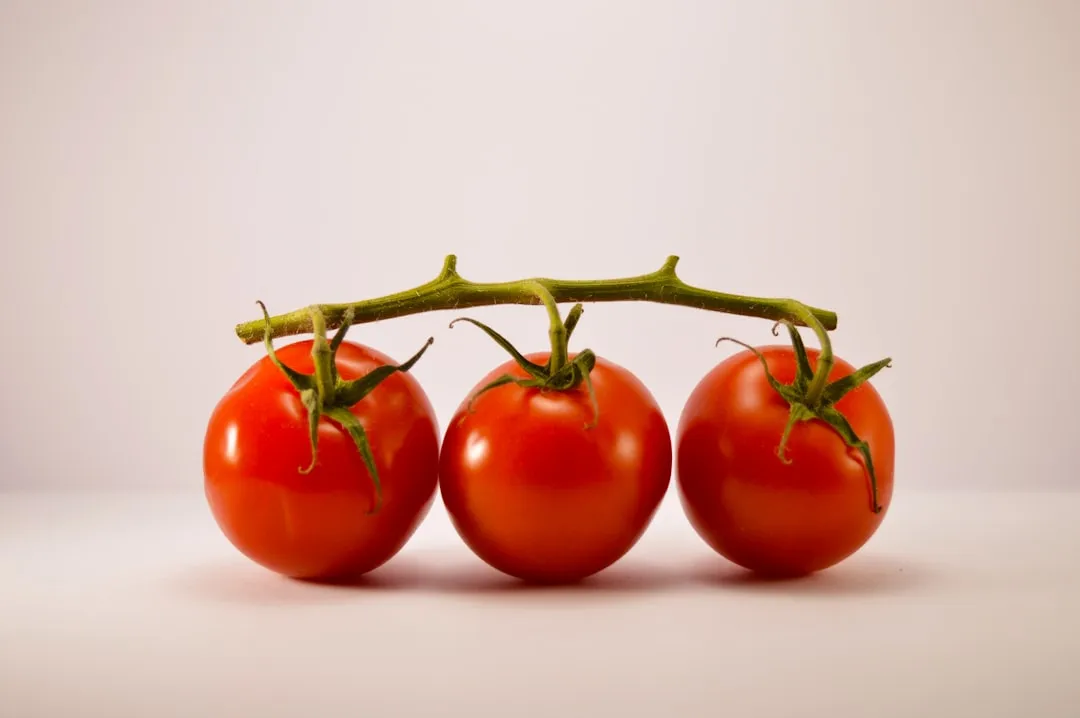
Plants rely on jasmonic acid (JA)-induced responses primarily as a defense against necrotrophic pathogens and herbivores, as well as wounding. JA is one of the most critical chemical messengers in the entire plant defense network.
Plants respond to mechanical wounding or herbivore attack with a complex scenario of sequential, antagonistic or synergistic action of different signals leading to defense gene expression. Tomato plants have been used as a model system since the peptide systemin and the lipid-derived jasmonic acid were recognized as essential signals in wound-induced gene expression.
Grafting experiments conducted with mutants defective in systemic wound signaling indicate that systemin functions at or near the wound site to trigger the production of JA, which in turn acts non-cell autonomously to promote systemic defense responses. The location of JA biosynthetic enzymes within the vascular bundles supports a role for jasmonates as phloem-mobile signals.
Systemic Defense: Protecting Leaves That Haven’t Been Touched Yet
Higher plants have evolved sophisticated mechanisms to cope with the threat of herbivores that rapidly destroy plant tissues. A common strategy employed by species throughout the plant kingdom is the wound-induced expression of foliar compounds that exert toxic or anti-feedant effects on herbivores, or of volatile substances that act indirectly by attracting parasitoids and predators of the herbivore.
A fascinating feature of these inducible defensive traits is their occurrence in undamaged leaves that are located at considerable distances from the initial site of attack. The plant essentially broadcasts an internal emergency signal before further damage arrives.
Wound-induced responses are both rapid, such as the oxidative burst and the expression of defense-related genes, and late, such as the callose deposition and the accumulation of proteinase inhibitors and hydrolytic enzymes. This two-stage response buys the plant critical time.
Volatile Chemical Signals and Plant-to-Plant Communication

Herbivore-infested plants release volatile organic compounds (VOCs) which can initiate systemic defense reactions within the plant and contribute to plant-to-plant communication. This means the injury signal doesn’t stay private; it radiates outward to neighbors.
VOCs, especially Green Leaf Volatiles and Herbivore-Induced Plant Volatiles, deter herbivores and attract predators. Hexenal disrupts olfactory cues, while methyl jasmonate recruits parasitoids. VOCs also prime systemic defense in neighboring tissues.
Defensive chemical substances are secreted effectively at the wound site caused by herbivores on plants, and plants respond by producing VOCs which draw the natural enemies of the insects and phytopathogens. It’s a chemical distress call doubled as a recruitment signal for the plant’s own bodyguards.
Constitutive vs. Induced Mimicry: Two Very Different Strategies
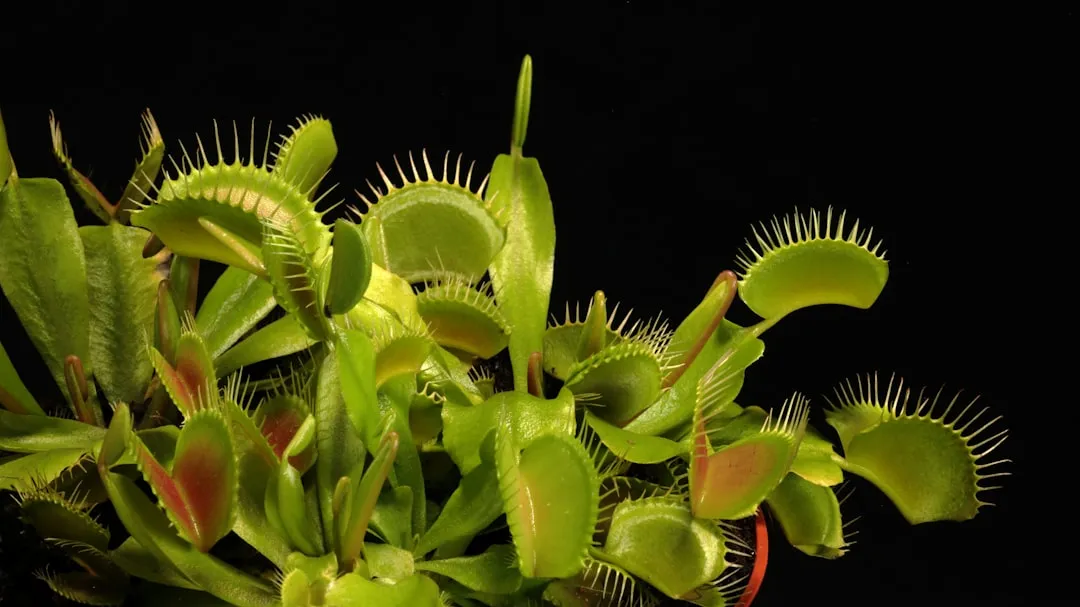
The large array of defensive mechanisms employed by plants may be either constitutive or induced, and include structural, chemical, olfactory, visual and even biotic ones. Understanding the difference matters, because mimicking injury can fall into either category.
Common constitutive defenses include the cuticle, cork, thorns, spines, trichomes, latex, toxins, and camouflage, masquerade, and mimicry. A plant like Passiflora carries its fake eggs permanently. There’s no trigger required; the deception is always on display.
Common induced defenses include wound cork, traumatic resin ducts, gummosis, PR proteins, protease inhibitors, jasmonates, and various volatiles. Induced defenses are more metabolically expensive, deployed only when the plant detects a genuine threat, which makes them a smarter energy investment in low-stress environments.
Artificial Induction: What Science Has Learned from Mimicking Plant Damage
Recent findings by Ali et al. (2024) suggest that identifying these pathways enables the artificial induction of plant defense systems through mimicking the damage patterns caused by mechanical damage, thereby providing a controlled and sustainable approach. This insight has direct implications for crop science.
Experiments with robotic mechanical wounding showed that repeated wounding alone can mimic herbivore damage in plants. Mechanical wounding is known to strongly elicit jasmonic acid biosynthesis and JA signaling. Researchers can now effectively trick plants into activating their defenses on demand.
Investigating cross-talk between JA and SA pathways offers promise for developing a unified approach, allowing for specific adjustments based on insect feeding patterns, contributing to innovative and sustainable pest control methods. Tailoring plant defense strategies based on insights into insect feeding patterns can facilitate the development of resistant cultivars, optimizing plant resistance to prevalent herbivores in specific regions.
The Evolutionary Arms Race That Keeps Escalating
Plants have evolved distinct defense strategies in response to a diverse range of chewing and sucking insect herbivory. While chewing insect herbivores, exemplified by caterpillars and beetles, cause visible tissue damage and induce jasmonic acid-mediated defense responses, sucking insects such as aphids and whiteflies delicately tap into the phloem sap and elicit salicylic acid-mediated defense responses.
Interaction with chewing or sucking insects is further complicated as both insects and insect-borne microbes produce elicitors and suppressors of plant defense, in which JA signaling is often the target. Due to the co-evolution of plants and pests, it is expected that every wound response is a potential target for suppression by pathogens and herbivores.
Herbivore-induced plant responses include direct defenses such as enhanced production of antinutritive proteins, toxic or deterrent non-volatile specialized metabolites, and indirect defenses such as low molecular weight volatiles that attract natural enemy bodyguards from higher trophic levels. Plants have never been passive participants in this arms race. They’ve simply been playing a longer, quieter game.
The Bigger Picture: What Injury Mimicry Reveals About Plant Intelligence
The idea that plants might “fake” anything runs against the instinct to see them as passive organisms. Yet the evidence accumulated through peer-reviewed research across decades paints a different picture. Plants track threats, process signals, and deploy layered responses that are genuinely sophisticated at the molecular level.
Plant cells exhibit a high level of developmental plasticity, enabling robust regenerative capabilities. Regeneration in plants is essential for the repair of mechanical damage, the replacement of injured organs, or recovery from herbivore feeding, all of which are vital for surviving in challenging environments. Defense and recovery are two sides of the same biological coin.
Defense responses activated by wounding are similar and overlapping with those activated by microbial patterns, indicating that both injury and pathogens are limited by plants in a similar manner. Whether a plant is genuinely hurt or deploying the appearance of damage to deter an attacker, the underlying molecular machinery is remarkably unified.
The Takeaway
Plant injury mimicry sits at a fascinating crossroads of ecology, chemistry, and evolutionary biology. From the yellow spots on a Passiflora leaf that fool butterflies into flying elsewhere, to the volatile chemical alarms that prime an entire neighborhood of plants, the strategies plants use to simulate or leverage the idea of damage are genuinely varied and deeply effective.
What’s most striking is that these traits didn’t appear overnight. They’re the products of slow, relentless selection pressure, refined over millions of years of conflict with insects, fungi, and competing plants. The more closely researchers look, the more sophisticated the strategies appear to be.
For agriculture and crop protection, that sophistication is now being treated as a resource rather than just a curiosity. If plants can be coaxed into activating their own injury-response defenses through controlled mechanical or chemical mimicry, the implications for sustainable pest management are considerable. Nature, it turns out, already built the solution. Science is still learning how to read the instructions.
AI Disclaimer: This article was created with the assistance of AI tools and reviewed by a human editor.