
Most gardeners, when they spot a crack running across their concrete birdbath, head straight for the bin. It feels like the practical move. The thing is leaking, it looks rough, and there are plenty of cheap replacements at the garden center. But tossing it out may be the less sensible option once you look at the full picture.
Restoring a cracked birdbath is almost always cheaper than buying new, kinder to the environment, and genuinely better for the birds that rely on it. What looks like garden debris might actually be worth an afternoon and a tube of epoxy.
The Real Reason It Cracked in the First Place
A concrete or stone birdbath is a common garden fixture, but exposure to the elements, particularly the freeze-thaw cycle, inevitably leads to cracks and leaks. Water seeps into the porous material, freezes, expands, and widens existing fissures, compromising the bath’s structural integrity and ability to hold water. This process is gradual and completely predictable, which matters because it means the cracking is not a sign of poor quality. It’s just physics.
Understanding why your concrete birdbath cracked is the first step to fixing it for good. The main culprits are freeze-thaw cycles and thermal shock. Once you recognize that the cause is environmental rather than structural failure, repair starts to make a lot more sense than replacement.
Birds Depend on Garden Water Sources More Than Most People Realize
Urban and suburban areas contain roughly three quarters fewer natural water sources than rural environments, making artificial water supplies essential for maintaining bird populations. That’s a striking gap. A birdbath sitting in a suburban garden is not just decoration. It is actively filling a void.
In urban and suburban environments, birds frequently rely on artificial sources like birdbaths, fountains, and even pet water bowls. These sources can be especially crucial during periods of drought or extreme temperatures. Consistent water availability supports breeding success by providing resources during nesting seasons when natural sources become scarce. Parent birds require reliable water access to maintain hydration while feeding nestlings.
The Freeze-Thaw Cycle Does Most of the Damage
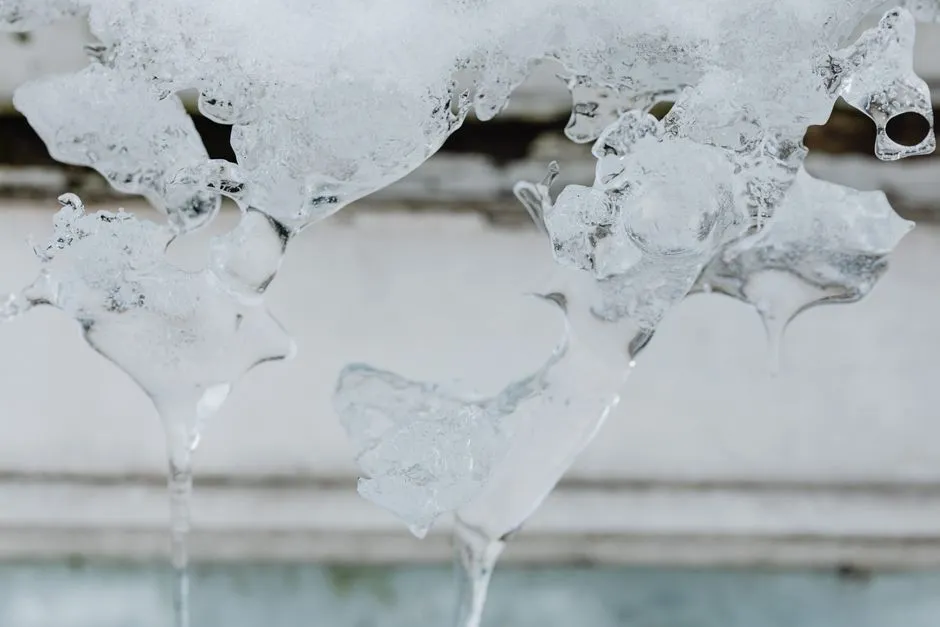
Cracks form because concrete is porous, water gets into the pores and pinholes in the concrete. When the water freezes, it expands and wears the concrete. Come springtime, you will notice cracks on the concrete birdbath. This pattern repeats every winter, which is why a bath that looked fine in autumn suddenly shows fresh damage in March.
The problem with any concrete shape that can hold water is that the moisture can get into the pores and freeze, chipping pieces away during the winter. This does not happen as much on flat shapes such as stepping stones, which have lasted well. The bowl shape is what makes birdbaths particularly vulnerable, since water collects and stays in contact with the concrete surface for longer periods.
Choosing the Right Repair Material Makes All the Difference
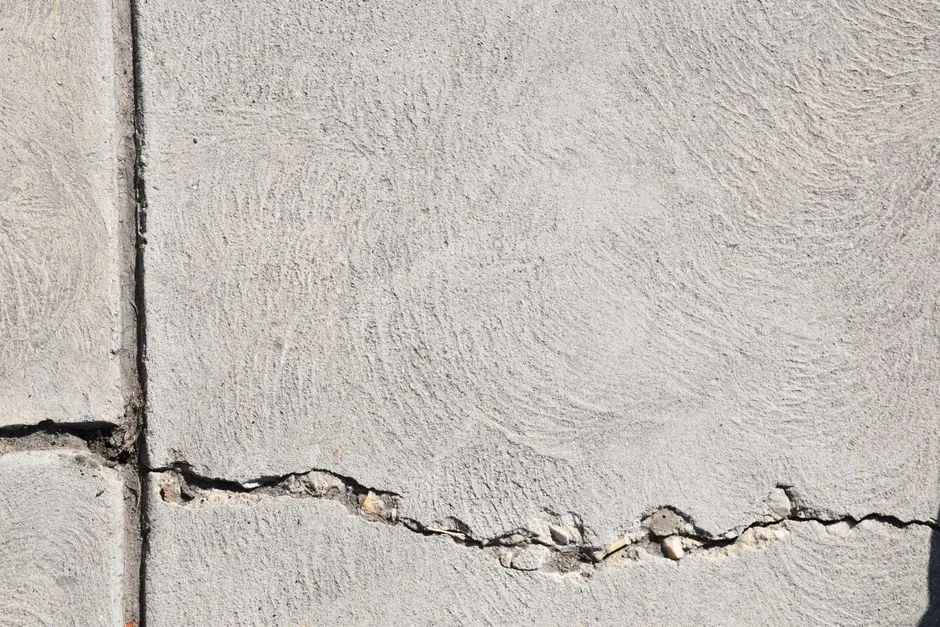
Selecting the correct repair compound depends on the nature of the damage. For minor, non-structural leaks and hairline cracks, a specialized concrete patching compound or a two-part epoxy is the most effective choice. Epoxy forms an extremely strong, waterproof bond suitable for structural breaks, such as a fractured pedestal, where two pieces must be held together under stress.
For simple leaks or cracks in the bowl, hydraulic cement is advantageous because it is engineered to set rapidly, often within three to five minutes, and is designed for areas in constant contact with water. This quick-setting property makes it excellent for immediate water-sealing but requires the user to work quickly. Grabbing the wrong product is the most common reason a DIY repair fails within a season.
How the Step-by-Step Repair Actually Works
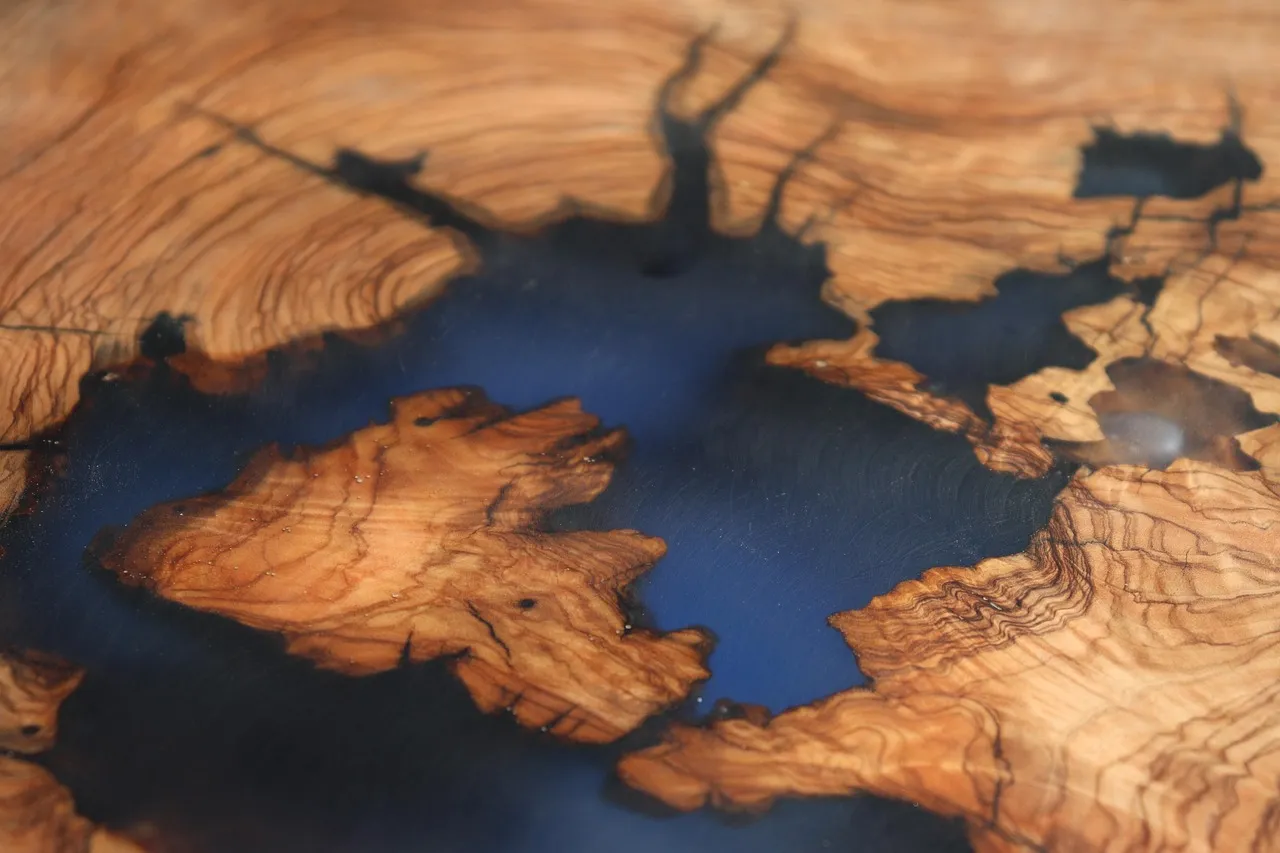
Widen cracks with an angle grinder or chisel to open them up for patching. Clean out loose debris and dust thoroughly with a wire brush and scraper. Apply an epoxy crack injection adhesive for deep cracks and allow it to harden fully. Apply mesh tape or fiberglass sheet over structural cracks for reinforcement. Fill and seal cracks with concrete patching compound, pressing it firmly into cracks. Smooth the patch flush with the surrounding surface, then apply concrete sealer over the entire surface.
The structural repair must be braced securely until the epoxy has fully cured, which can take 24 hours or more. For general resurfacing of the bowl, a polymer-modified concrete patch should be applied in thin layers, not exceeding a quarter-inch thick, to minimize cracking as it cures. Patience during the curing stage is what separates a repair that lasts years from one that fails within months.
Sealing Is the Step Most Gardeners Skip
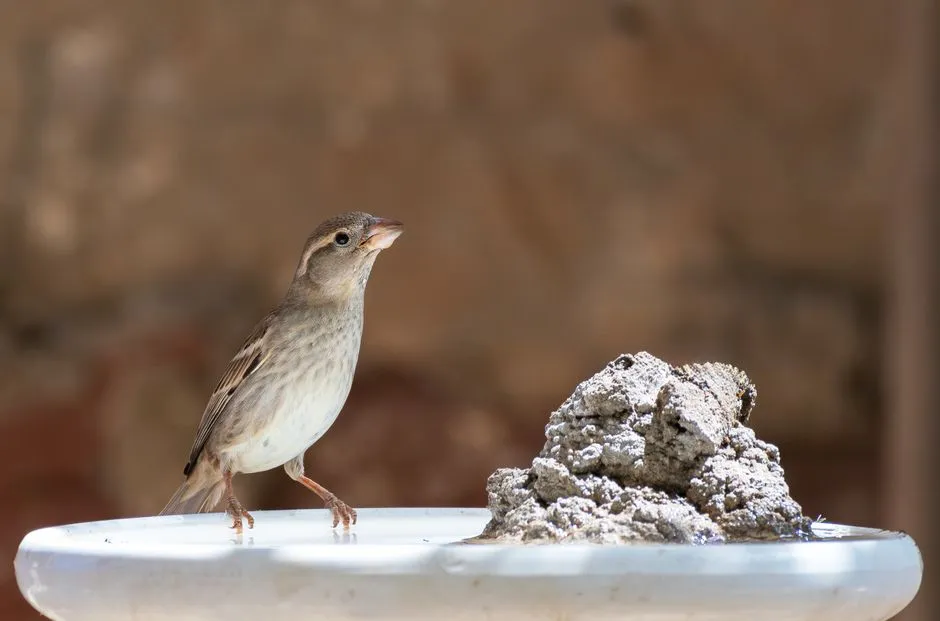
If you are repairing a concrete birdbath, it is a good idea to seal it with a food-safe concrete sealer to prevent water penetration and organic growth such as mould, mildew, and algae. Skipping this step essentially invites the same freeze-thaw damage to happen again within a few winters.
Make sure to use a product that is non-toxic and safe for birds, as some sealers can be harmful. GhostShield Siloxa-Tek 8510 is an example of a non-toxic sealer that does not change the colour or finish of the concrete. It is recommended to apply four wet-on-wet coats, which will make it easier to clean algae from the birdbath. A good sealer does quiet, invisible work. You won’t notice it’s there until you realize you haven’t had to re-repair anything.
Keeping the Water Safe for Birds After Repair
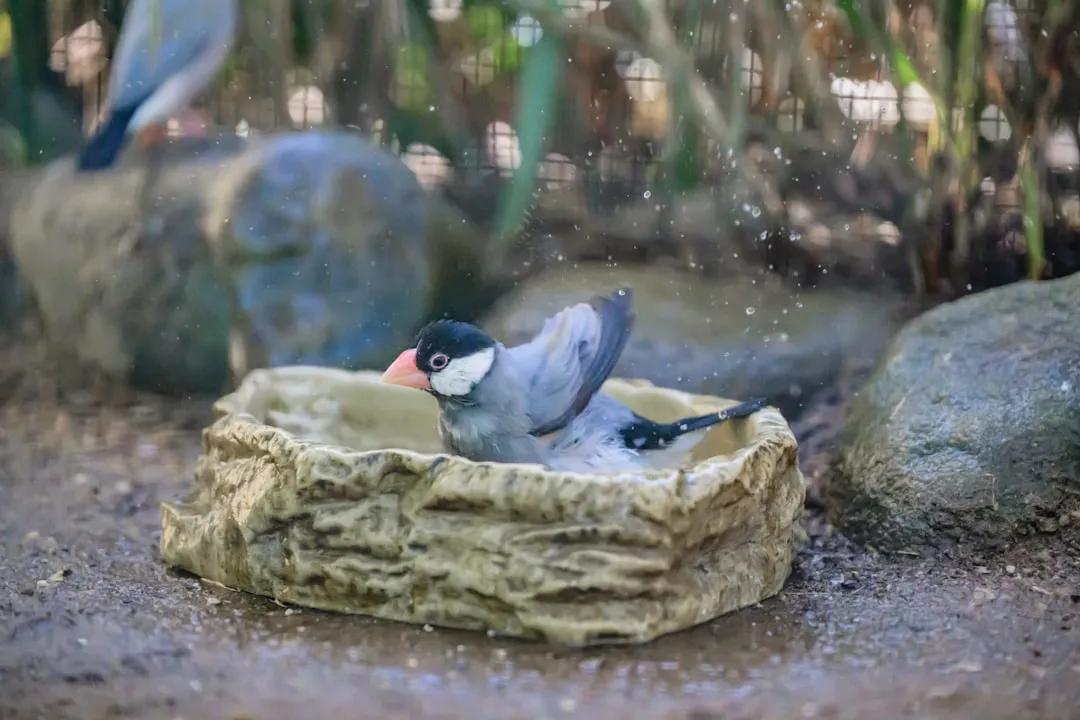
In order to keep the water fresh and healthy for birds, clean the birdbaths regularly in summer. This involves scrubbing out any bird droppings and algae. It’s important to change standing water regularly to avoid providing habitat for mosquito breeding. A restored birdbath that isn’t maintained is still a problem, just a different kind.
Contaminants in water, such as pesticides and heavy metals, can harm bird health. Ensuring access to clean water is crucial for the survival of bird populations. Fresh water changed every couple of days, combined with a quick scrub weekly, is genuinely enough to keep the bath functioning as safe wildlife habitat.
The Real Environmental Cost of Just Buying a New One
Replacing damaged concrete has traditionally been the solution, but it comes with hidden costs, both financially and environmentally. Demolition sends heavy slabs to landfills, while producing new concrete adds to carbon emissions. Portland cement manufacture accounts for approximately 8% of global CO2 emissions. That number puts even a small purchase like a birdbath into a different light.
On a lifecycle basis, concrete has the edge simply because it lasts longer. A concrete ornament that survives for 40 years has a much lower environmental cost per year than a resin piece replaced every 8 years. Landfill concrete disposal can cost between $30 to $100 per ton, which adds yet another reason to keep what you already have.
Older Concrete Birdbaths Are Often Better Built
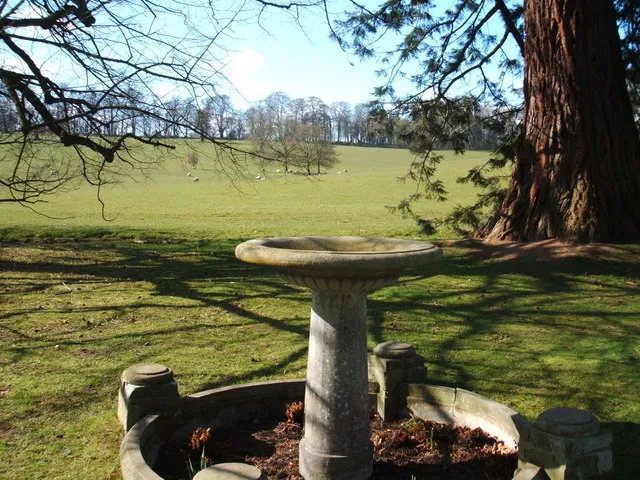
Concrete requires occasional attention but rewards it. Moss can be removed with a stiff brush and water if you prefer a cleaner look, or left to develop naturally if you prefer the aged effect. Many older birdbaths were cast with denser concrete mixes and thicker walls than what you find in mass-produced garden center stock today.
Durability is a form of sustainability. Buying less, more durably, has genuine environmental logic. There’s also something to be said for a bowl that has weathered twenty winters. It has earned its place in the garden, and a crack in the basin doesn’t change that.
When Replacement Actually Does Make Sense
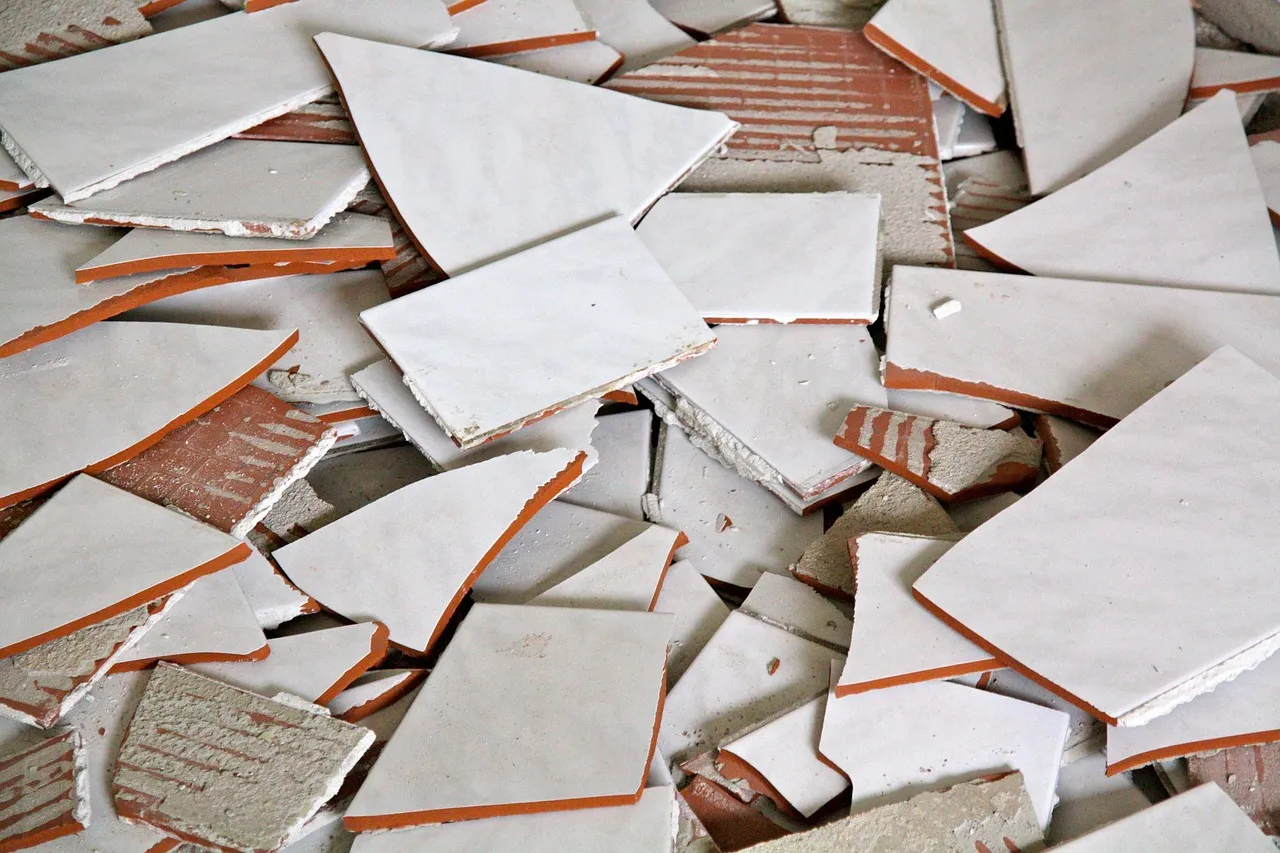
Not every birdbath is worth saving. If the pedestal has shattered into several fragments and the bowl has multiple deep structural fractures, the repair effort and materials may genuinely outweigh the value. Repairing these items requires a methodical approach that addresses the specific type of damage and utilizes the correct cementitious compound. If that compound costs nearly as much as a new birdbath and the damage is extensive, a replacement is a reasonable call.
If the birdbath is broken into several pieces, it’s best to use epoxy glue. Use a two-part epoxy to glue the pieces together. Once hard and dry you can resurface the bowl with concrete if needed. Even severe breaks are not always hopeless. The line between repairable and not is usually about whether you can reassemble the main structure into something stable enough to hold water again.
The Takeaway
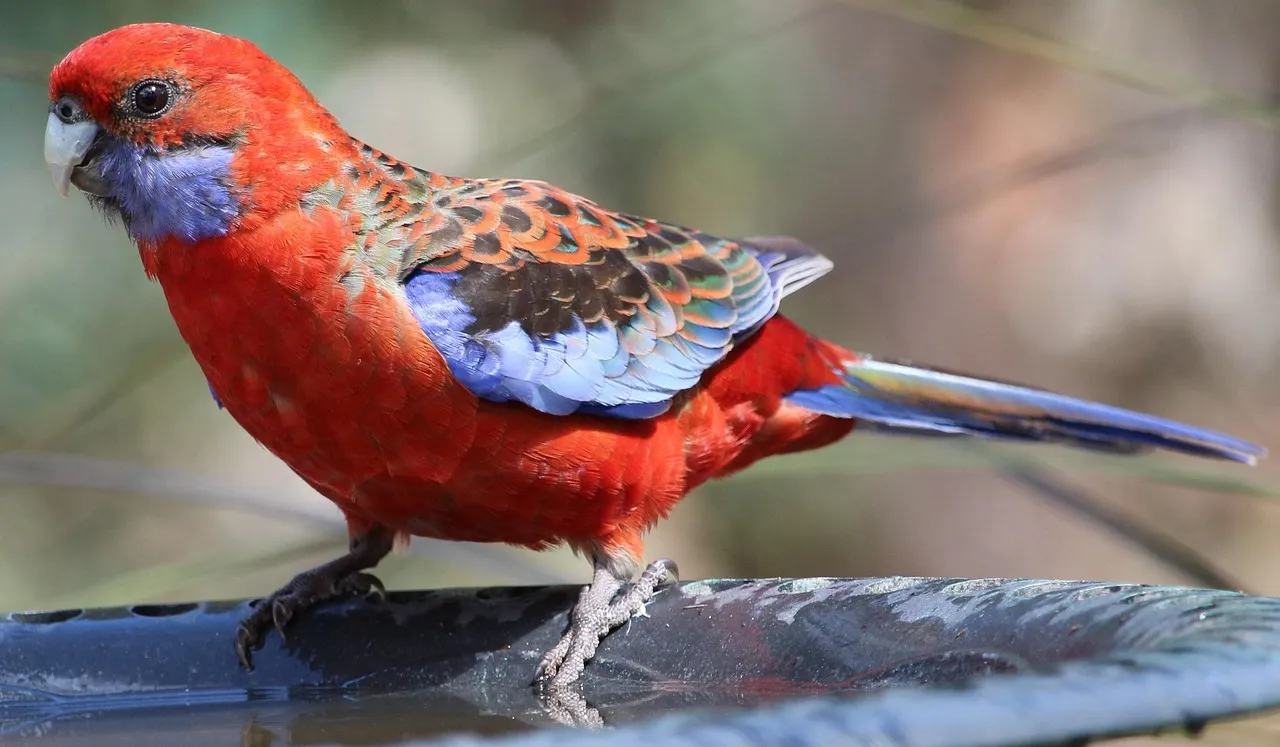
A cracked birdbath is easy to dismiss as garden clutter past its useful life. But the evidence points another way. Bird water features contribute directly to wildlife conservation by creating critical habitat resources in developed landscapes. Urban and suburban areas contain far fewer natural water sources than rural environments, making artificial water supplies essential for maintaining bird populations.
Repairing with the right hydraulic cement or epoxy, sealing properly, and keeping the water clean is a modest investment that pays back over many seasons. The birds in your neighborhood don’t know what hydraulic cement is, but they’ll find the freshly repaired bath all the same. That’s the whole point.
AI Disclaimer: This article was created with the assistance of AI tools and reviewed by a human editor.