

There’s something odd about a rusted garden tool sitting on a flea market table for fifty dollars when a shiny plastic replacement costs twenty. That kind of price gap usually signals one thing: collectors know something the casual buyer doesn’t. With old hand-crank garden sprayers, that gap is very real, and it’s been widening.
These tools were built for honest work. The fact that many still function perfectly after six, seven, or even eight decades says something about how they were originally made. The story behind their value is part material, part history, and part a growing frustration with what replaced them.
What Exactly Is a Hand-Crank Garden Sprayer?

The term covers a specific style of manual garden tool that uses a turning crank mechanism to drive a fan or impeller, dispersing powder, dust, or liquid pesticide across plants. Unlike a simple pump sprayer where you press a plunger repeatedly, the crank creates continuous motion, producing a more consistent output with less physical effort. Antique models like the Hudson manual hand-crank insecticide sprayer feature rugged, heavy cast-metal construction with a painted wood handle.
These tools were common in American home gardens from roughly the 1930s through the 1970s, handling everything from vegetable garden pest control to orchard dusting. They were used to spray liquid pesticides and disinfectants onto plants, and the crank mechanism was considered a practical improvement over the single-stroke pump for larger plots. The distinction matters to collectors because it separates these pieces from the far more common pump-style sprayers.
The Hudson Brand and Its Place in Garden History

The Hudson brand produced all-brass hand pump sprayers that fitted onto a quart jar, with spray tips that adjusted for direction and texture, wooden handles, and rubber hoses, and were made in Chicago, USA. Hudson became one of the most recognized names in American garden spraying equipment, and their products spanned several decades and materials. Vintage Hudson sprayers appear across decades including the 1930s, 1940s, 1950s, and 1960s, in materials ranging from brass, copper, tin, metal, and glass, with the majority dating to the 1950s.
The brand also produced crank-style dusters, which are now among the rarer finds. The wheel-and-pinion distribution mechanism on well-preserved examples still turns smoothly, and substantial construction means no cracks in the casting. For collectors, a working crank mechanism on a Hudson duster is a meaningful find, not just a decorative one.
Why the Build Quality Still Holds Up
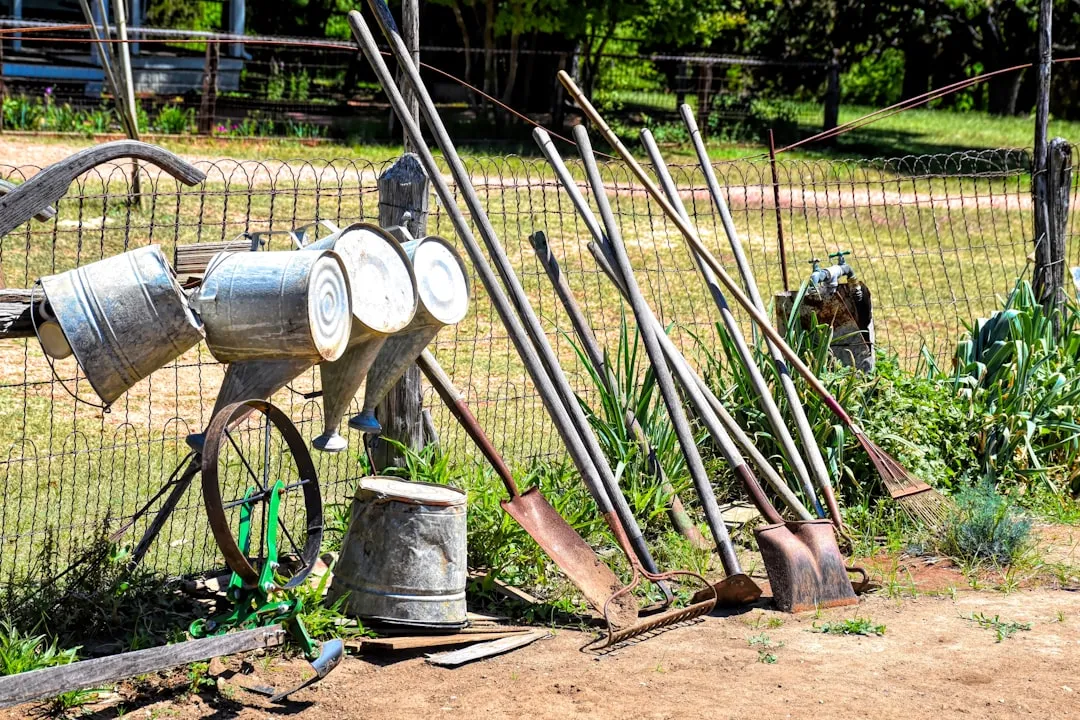
Vintage garden items were often made with solid hardwood, cast iron, brass, or heavy-gauge steel, and their craftsmanship, durability, and history make them stand out from many modern replacements. That point is hard to argue when you hold one of these old tools. The weight alone tells the story. A mid-century hand-crank duster built from cast metal simply does not compare in feel to a plastic-bodied modern unit.
Brass and copper were often used for decorative elements and watering implements, especially during the Victorian era, and these materials develop a distinctive patina over time. That patina, far from being a flaw, is now considered part of the piece’s character and authenticity. Collectors often look for tools that still have their original finish and minimal repairs, as authenticity is key, and modern reproductions don’t have the same weight, balance, or aging.
The Collector Market in 2025 and 2026
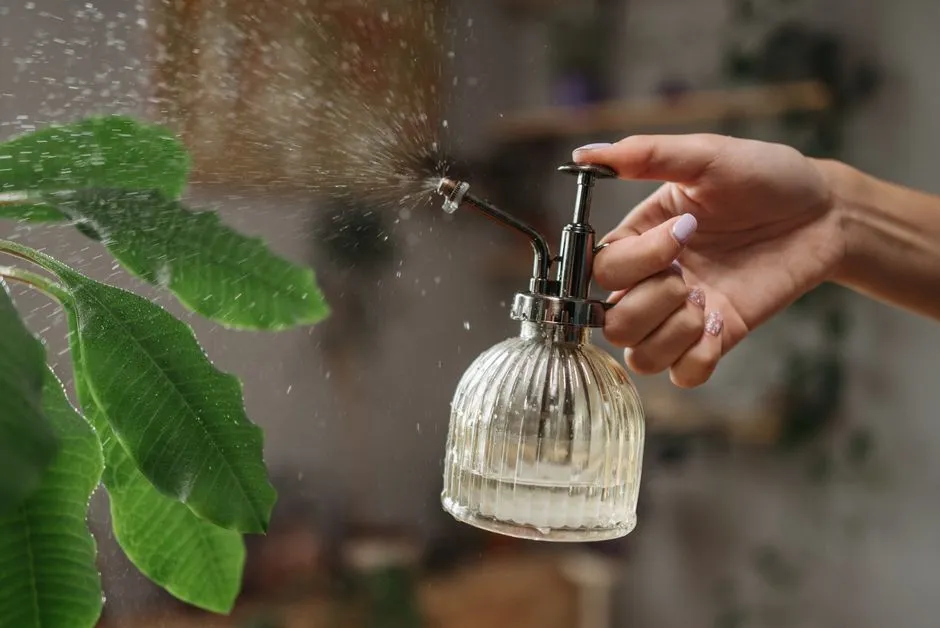
Brass and copper hand-pump garden sprayers are favorites with many collectors, and even if they’re no longer used in the garden, their polished metal, wood handles, and mechanical parts make them attractive display pieces, with original components and visible maker’s marks increasing their appeal. Demand has remained steady, driven partly by the broader antique garden tool market and partly by interior decorators looking for authentic industrial accents.
Older hand-pump garden sprayers, especially brass or copper ones, are another category collectors often look for, as these tools were made to be used but many also have attractive details that make them interesting display pieces, and maker’s marks, original parts, and working components can all add to the value, with even non-functioning intact sprayers often worth more than people expect.
Where These Pieces Turn Up
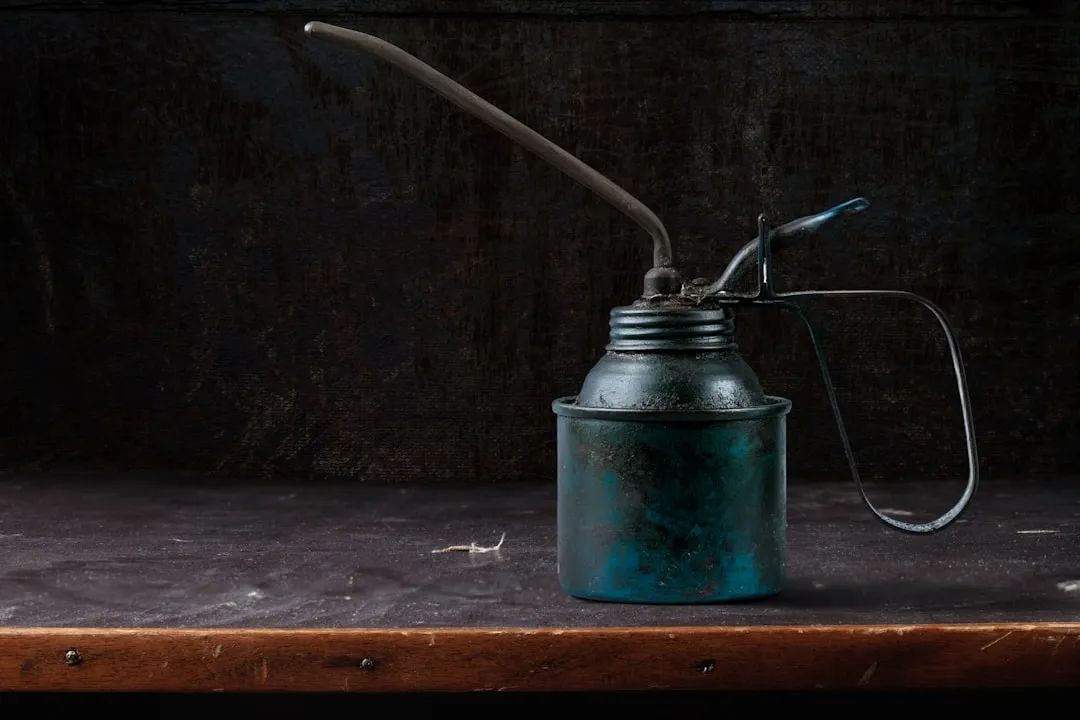
Vintage pump sprayers appear across collector and decorator markets, with unique brass, glass, and metal designs available from antique to farmhouse styles. Estate sales remain one of the best places to find them underpriced, since most sellers don’t specialize in garden antiques and may not recognize what they have. These pieces are often overlooked simply because they are heavy, dirty, or tucked away in corners of sheds, garages, or old garden beds.
Vintage metal sprayers with hand pumps originating from mid-century manufacturers appear in international collector markets, including platforms like Etsy and eBay where geographic origin, material, and decade of manufacture are all used to filter listings. Vintage and handcrafted pump bug sprayers appeal to both collectors and gardeners, with antique metal and glass designs drawing consistent interest.
What Makes One Example Worth More Than Another
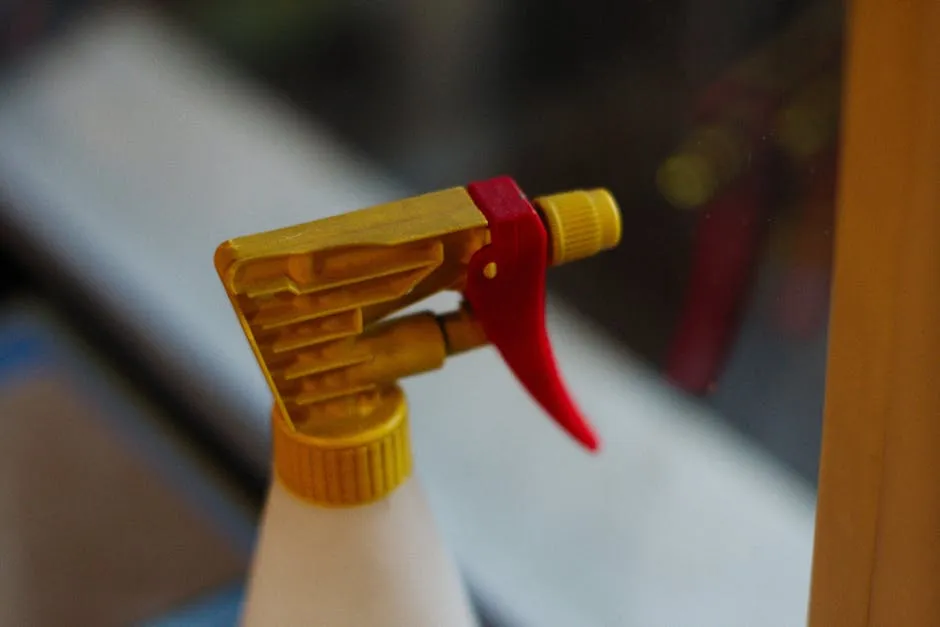
Several key factors influence the value of antique garden tools, with age playing a central role, as older tools, particularly pre-1900 examples, are generally more valuable, and rarity matters significantly, since uncommon tools or those from small manufacturers typically command higher prices than mass-produced items. For hand-crank sprayers specifically, the crank mechanism itself is the deciding factor. A complete, working crank with its original pinion wheel intact is worth considerably more than a cosmetically similar piece with a frozen or broken mechanism.
Early brass or copper hand-pump sprayers are considered a hidden gem, with decorative details and maker’s marks making a big difference, and fully intact models with functioning components being especially desirable. Wooden handles that remain uncracked and unrepaired also push the price up noticeably. Replacement handles, even well-matched ones, reduce authenticity in the eyes of serious buyers.
How to Spot a Reproduction

The market for antique garden tools has led to many reproductions, and genuine antique tools show signs of use and wear, meaning tools that look too pristine may be reproductions. For crank sprayers, the casting quality is a reliable tell. Older cast-metal parts show tool marks, slight irregularities, and genuine surface texture that reproduction pieces struggle to replicate convincingly.
Modern reproductions often use materials that weren’t available during the purported period, which matters especially with hardware and internal components. Real mid-century crank sprayers used natural rubber seals, not silicone, and their internal parts reflect the manufacturing constraints of their era. When evaluating vintage garden tools, flip them over and look for stamped brand names, patent dates, or blacksmith marks.
Displaying and Restoring Without Losing Value
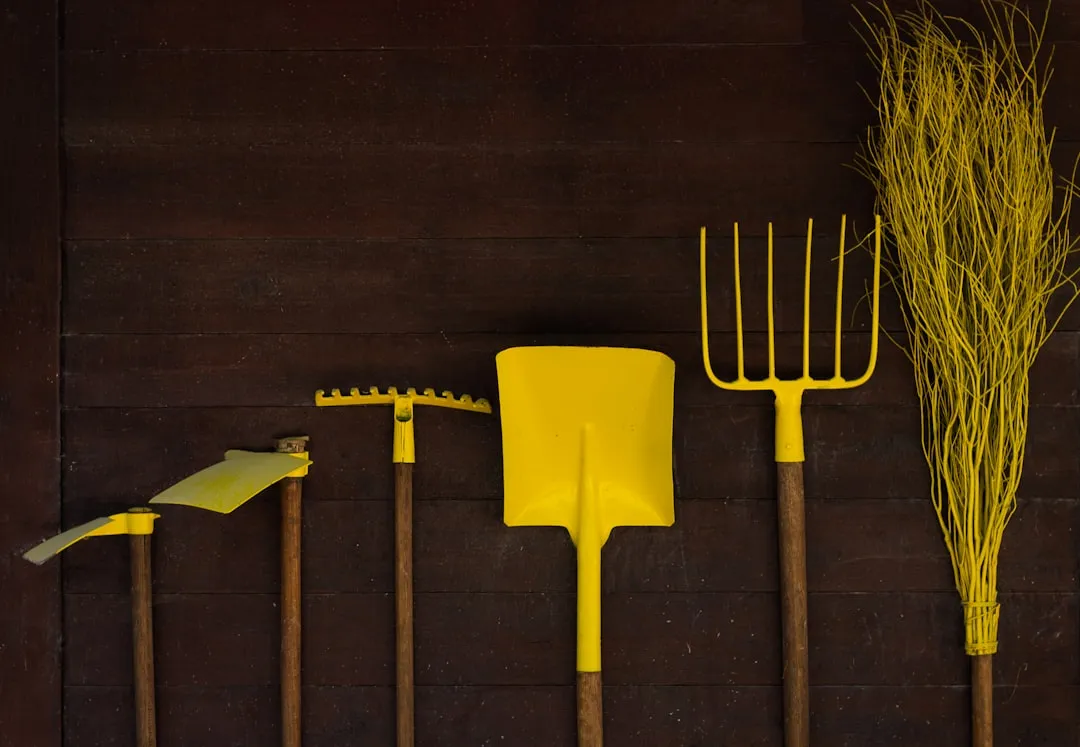
Original finishes and natural aging are generally preferred over fresh paint by collectors and dealers alike. This is a critical point for anyone tempted to clean up a find. A light wipe-down is reasonable, but stripping and repainting a hand-crank sprayer can cut its resale value significantly. The aged metal tells a story that fresh paint erases entirely.
Collectors usually prefer pieces with original wear rather than heavy repainting or obvious restoration. If restoration is necessary for structural reasons, keeping the original paint visible beneath any touch-up work is the more collector-friendly approach. For display purposes, these tools add an interesting industrial vibe to a garden or porch without needing any intervention at all.
The Difference Between Decorative Value and Tool Value
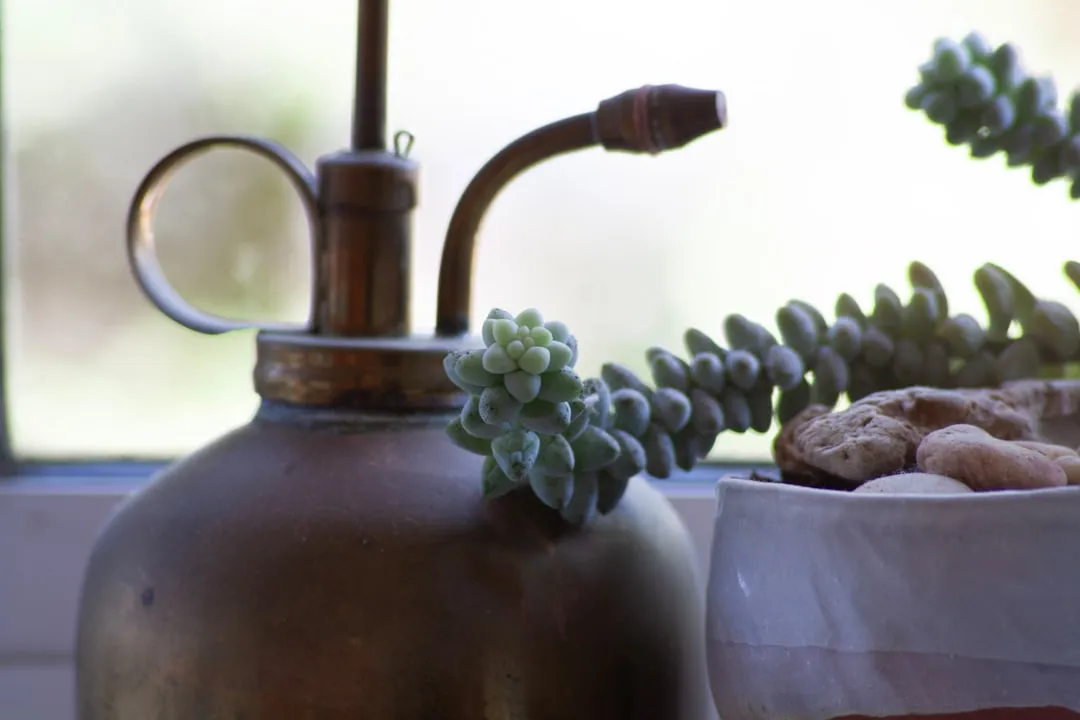
Not every buyer for these pieces is a collector. A growing segment of buyers are decorators and garden designers who want authentic objects for staging porches, potting sheds, and rustic interiors. Antique spray pumps appeal to gardeners, collectors, and decor enthusiasts, with brass, cast iron, and glass options ranging from functional misters to decorative pieces. That dual market, functional and decorative, actually supports prices from two directions simultaneously.
A hand-crank sprayer that still works has obvious appeal to the gardener who values chemical-free pest control or simply doesn’t trust cheap plastic hardware. One that doesn’t work still sells well as a display piece with genuine age. Sometimes a collection is worth more than individual pieces, and an old wooden toolbox filled with matching-era gardening tools has a sense of history that collectors enjoy, with keeping the original group together often making it more appealing than selling each tool separately.
The Practical Case for Actually Using One

Beyond the collector angle, there’s a straightforward argument for putting one of these back to work. The crank mechanism on a well-preserved example delivers consistent dust coverage across foliage in a way that requires minimal effort per pass. Older tools from the late 1800s through the early 1900s were often hand-forged or built to demanding standards, with solid construction, and wooden handles secured with brass rivets. That same durability applies to mid-century crank sprayers, which were built for repeated heavy use, not seasonal disposability.
Condition matters, but even tools with surface rust can hold value if the structure is solid and the handle is original. A light rust treatment and fresh lubrication on the crank mechanism is often all a dormant sprayer needs to return to full function. The irony is that bringing one back into active use is both the best way to appreciate it and, in many cases, the best advertisement for why it was worth more than the new one sitting next to it on the shelf.
The Quiet Takeaway
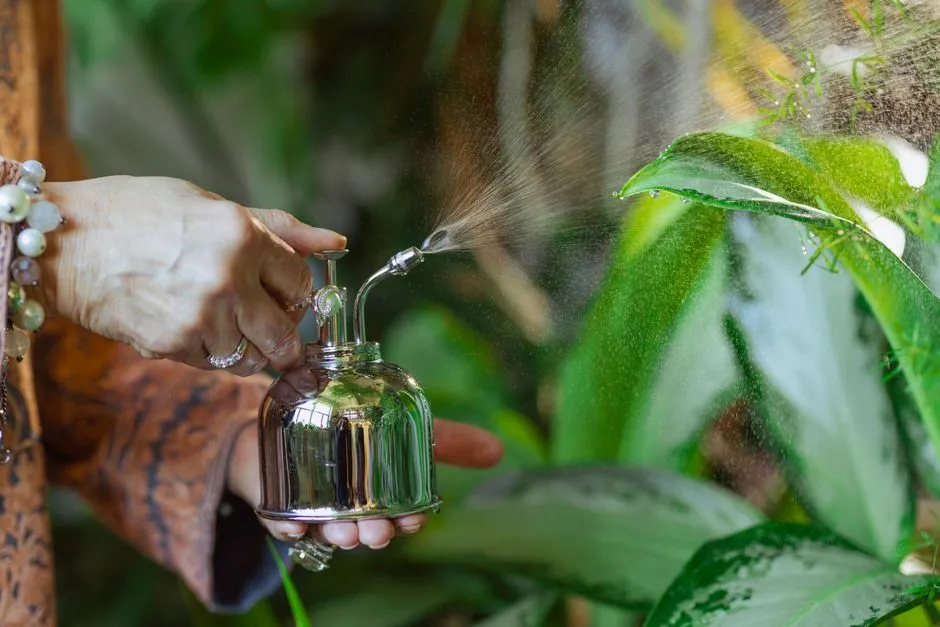
The hand-crank garden sprayer is one of those objects where age and quality align rather than conflict. It wasn’t built to be collectible. It was built to work, and it worked so well that it survived long enough to become collectible. That’s a different story than most antiques tell.
If one turns up at an estate sale with its crank intact, its handle original, and a maker’s mark stamped into the metal, the sensible response is not to pass it over because it looks old and worn. That wear is precisely the point. The fact that it outlasted several generations of plastic replacements is the clearest evidence of its worth.
AI Disclaimer: This article was created with the assistance of AI tools and reviewed by a human editor.