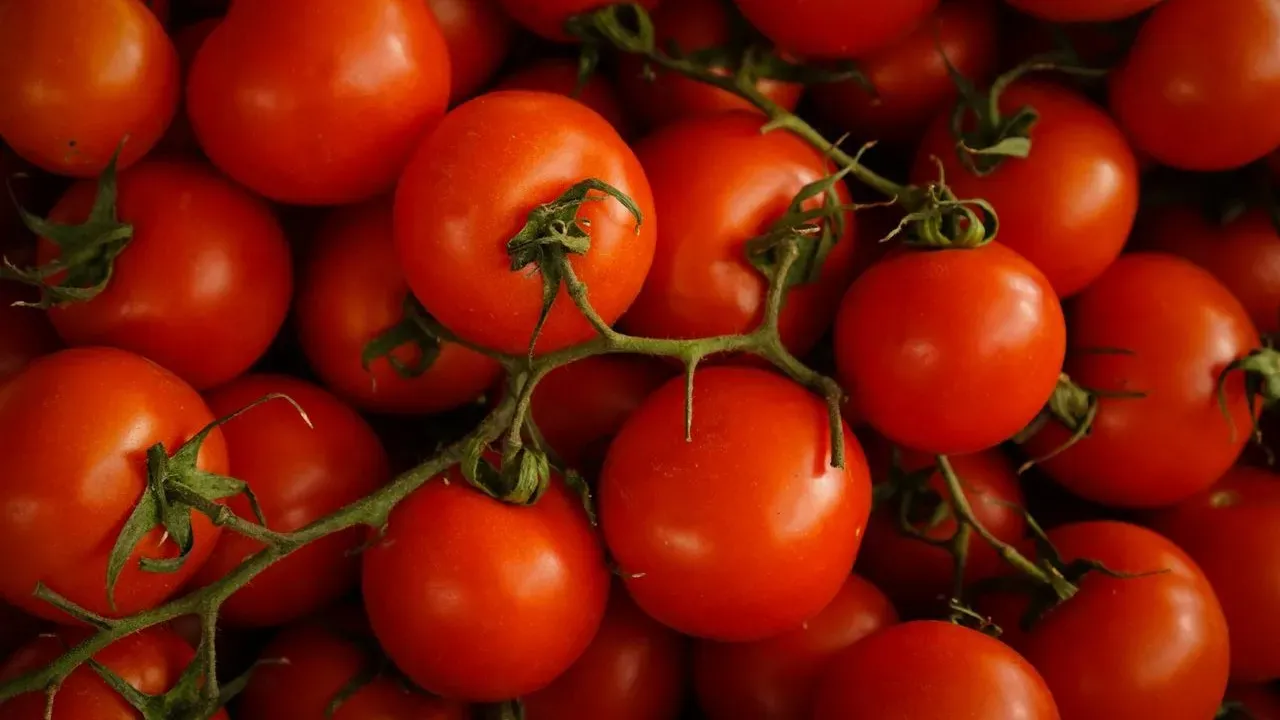

Home gardeners across the country face the same late-summer frustration when a promising harvest of homegrown tomatoes begins to soften or mold within days. The practical result is wasted effort and lost flavor at the peak of the season. Proper handling from the moment of picking can stretch usability from a couple of days to a week or more without special equipment.
The Cost of Quick Spoilage
Tomatoes picked at the height of ripeness carry high water content and thin skins that make them vulnerable once separated from the vine. A single overlooked soft spot can spread quickly in warm kitchen conditions, turning a full bowl into compost in short order. This timeline hits hardest for households that pick several pounds at once and cannot use them immediately in meals or canning projects.
Stakeholders include backyard growers who rely on the crop for fresh eating and small-scale preservers who need time to process batches. The consequence shows up in both the kitchen and the budget when produce must be replaced or discarded.
Handling at Harvest
Pick tomatoes when they show full color but still feel firm. Remove the stem carefully to avoid punctures that invite bacteria. Place fruit stem-side down on a plate or tray at room temperature. This position limits air exposure at the scar and slows the entry of mold and moisture loss.
Keep the tomatoes out of direct sunlight and away from ethylene-producing fruits such as bananas or apples. Check daily and separate any that show softening so the rest remain unaffected.
Short-Term Fresh Storage
Fully ripe tomatoes that will not be eaten within two days benefit from refrigeration. Move them to the crisper drawer once color and texture peak. Bring slices or whole fruit back to room temperature before serving to restore aroma and texture.
For an added barrier, a small piece of tape placed over the stem scar creates a simple seal that has been shown to extend freshness noticeably. Unripe fruit should stay at room temperature until it reaches full ripeness before any cooling step.
Options When the Crop Overwhelms
When daily use cannot keep pace with the harvest, roasting offers a practical bridge. Halve or quarter the tomatoes, season lightly, and roast until concentrated. Pack the cooled pieces in jars or containers with a thin layer of olive oil on top and store in the refrigerator for later use in sauces or spreads.
Freezing whole or roasted tomatoes provides another route for longer keeping. Thawed fruit works well in cooked dishes even if texture softens. These steps convert the immediate glut into usable portions that stretch the season without requiring advanced equipment.
Gardeners who adopt these steps report fewer losses and more consistent enjoyment of their own produce through the busiest weeks of harvest. The difference appears in both reduced waste and the simple satisfaction of reaching for a still-firm tomato days after picking.
AI Disclaimer: This article was created with the assistance of AI tools and reviewed by a human editor.