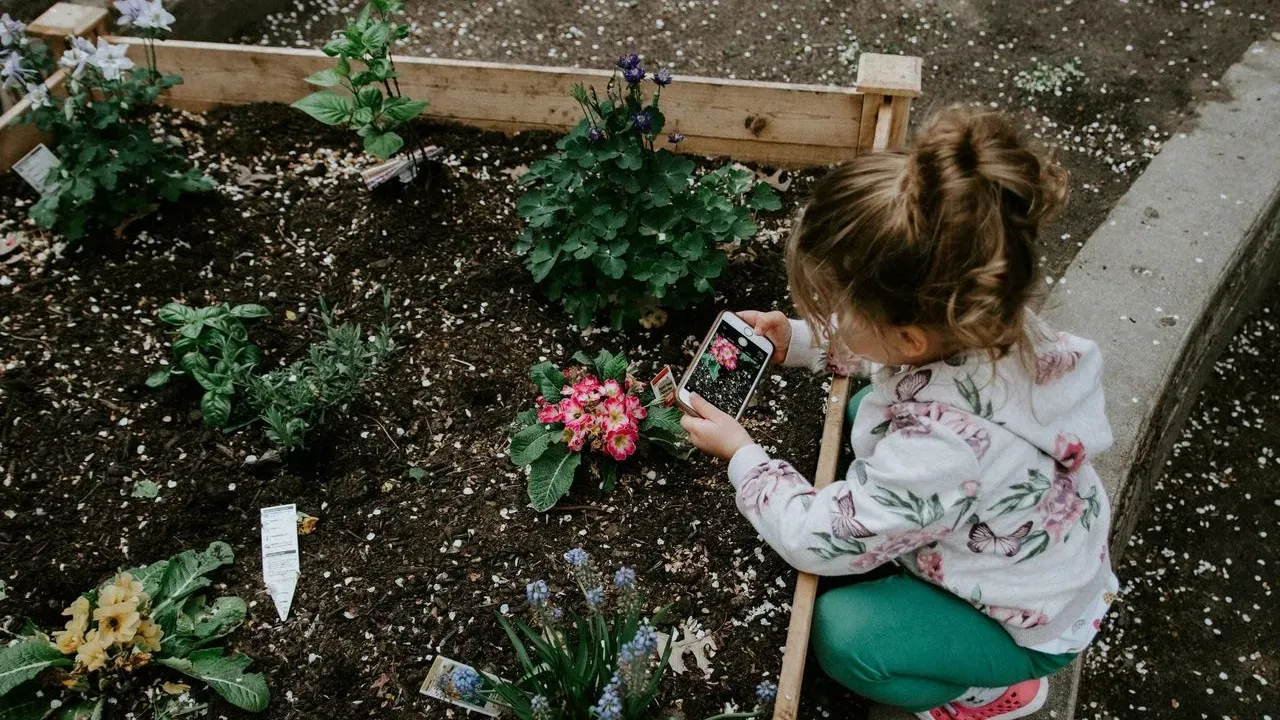

When parents separate, children often experience disruption in their daily routines and living situations. Time spent outdoors with plants and open spaces offers a steady alternative to indoor upheaval. These activities let kids engage directly with something they can influence at their own pace.
Reducing Daily Stress
Time in green areas tends to lower cortisol, the hormone linked to tension. Children who garden or play outside regularly show signs of calmer responses during periods of family change. Vigorous movement in these settings also channels frustration into physical effort rather than outbursts. Research points to improved focus and emotional balance when kids have consistent access to gardens or natural play areas. The effect appears tied to both the physical activity and the sensory input from soil, plants, and fresh air. Results vary by child and setting, yet the pattern holds across several studies of outdoor exposure.
Restoring Personal Control
Separation can leave children feeling they have little say over where they live or how their days unfold. A small garden plot or potted plant gives them a task they manage themselves. Watching seeds sprout or leaves grow provides visible proof of their efforts. This ownership builds confidence through simple, repeated actions. Children learn that consistent care produces results, even when larger parts of life feel uncertain. The process stays low pressure because plants respond on their own schedule rather than adult expectations.
Practicing Patience and Regulation
Nature moves slowly, which encourages children to accept that meaningful change takes time. A failed seedling becomes a low-stakes chance to talk about trying again without lasting harm. Garden rules, such as avoiding damage to young plants, translate into practice with self-control. Outdoor routines also create space for quiet observation. Kids notice details like insect activity or weather shifts that pull attention away from worries. These moments support steadier moods without requiring direct discussion of family matters.
Linking Two Households
Parents who maintain similar outdoor habits in each home give children a familiar thread between locations. Side-by-side gardening reduces the intensity of face-to-face talks and lets conversations happen more naturally. Shared tasks like watering or harvesting keep transitions smoother. The approach works best when both households treat the activity as routine rather than special. Consistency in these small practices reinforces a sense of continuity that indoor settings alone may not provide.
Key points to remember: Outdoor time lowers stress markers. Personal garden tasks restore agency. Nature teaches patience through real outcomes. Shared routines ease movement between homes.
Children benefit most when adults view these activities as steady support rather than quick fixes. Simple habits like tending a shared bed of flowers or exploring nearby woods often contribute more to daily balance than additional structured conversations.
AI Disclaimer: This article was created with the assistance of AI tools and reviewed by a human editor.