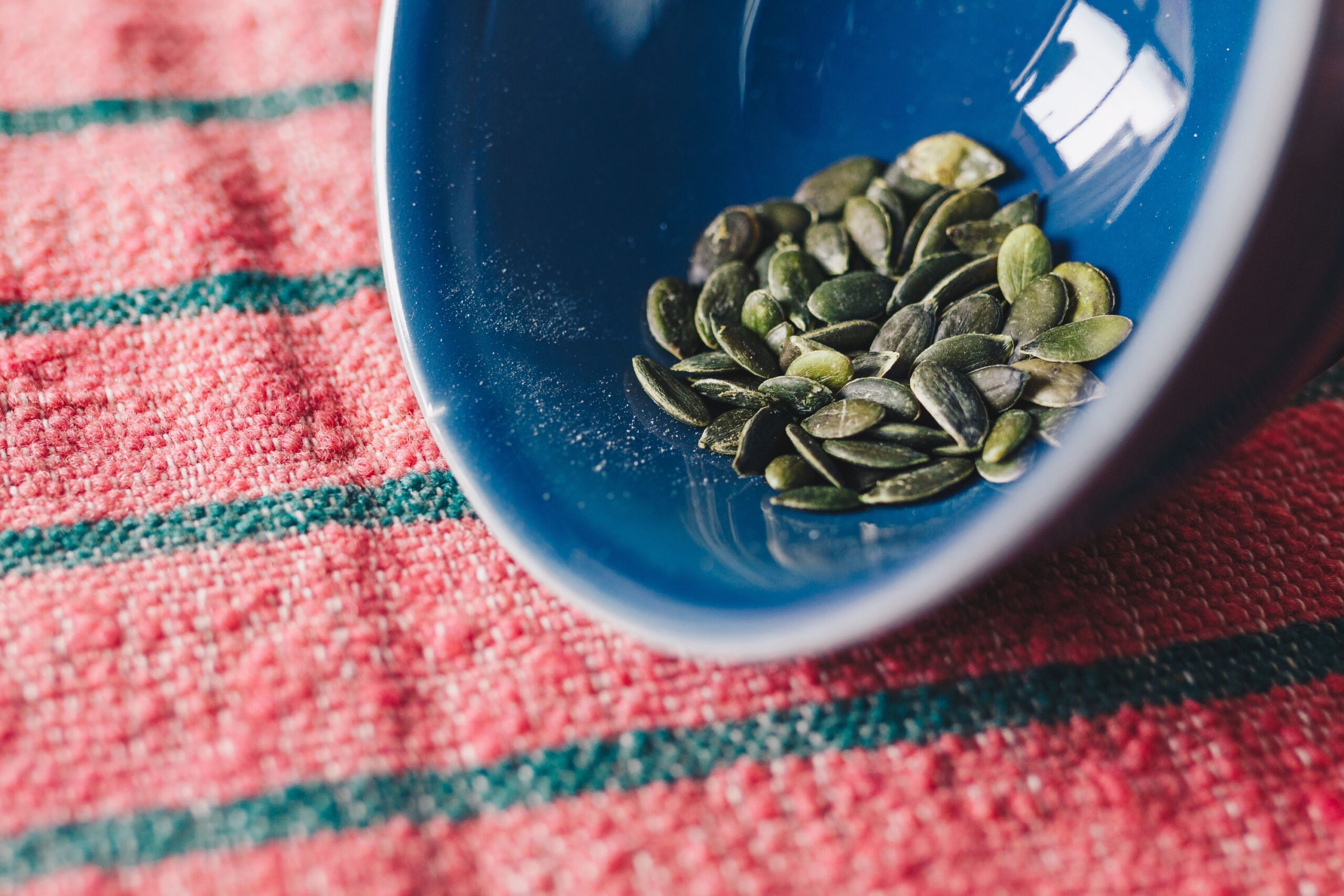

There was a time not so long ago when every serious home gardener kept a small collection of paper envelopes in a cool kitchen drawer. Inside those envelopes were this year’s harvest and next year’s promise. The practice was so ordinary that nobody thought to document it formally. Then, quietly, it disappeared.
The loss happened gradually through the 1950s and into the 1960s, as commercial seed companies expanded their catalogs and hybrid varieties promised bigger, more uniform harvests. In the 1950s, seed-saving and other self-reliance skills like hunting and food preservation were being abandoned as the postwar consumer economy reshaped daily life. What followed was the slow erosion of household knowledge that had taken generations to accumulate.
Why the 1950s Were a Turning Point for Seed Culture
For most of agricultural history, seed saving was a necessity. Gardeners and farmers carefully selected and stored the best seeds from their harvests, ensuring they had seed for planting in subsequent years. The knowledge of pollination, purity, harvesting, and storage of seeds was all part of survival and learned within the family and community.
The rise of commercially available seed resulted in a trend away from seed saving. Farmers and gardeners simply purchased new seed every year. The convenience was real. The cost, though, came later.
The Open-Pollination Principle They Lived By
Seed saving is the practice of harvesting, processing, storing, and replanting seeds from mature fruits, vegetables, grains, or flowers produced in a garden or field, typically from open-pollinated varieties that reproduce true to type across generations. This was the foundational rule of the postwar home garden, even if most gardeners never used that terminology.
Hybrid varieties, often labeled as F1, are the result of crosses between two parents. They are bred for yield, uniformity, or disease resistance. However, saving seeds from hybrids will not grow predictably and may carry weak or unwanted traits. The 1950s gardener understood this intuitively, and stuck to varieties that had been in the family for years.
Fermentation: The Forgotten Wet-Seed Trick
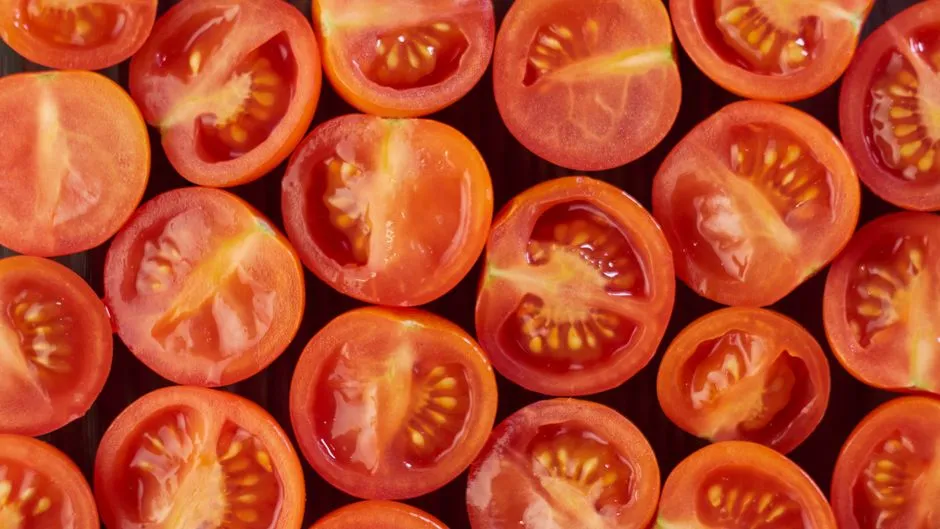
One of the most effective and least remembered methods from that era involves fermenting seeds before storage. Tomato seeds are encased in a gelatinous coating, but they are separated from that coating by fermentation, which mimics the natural rotting process and kills seed-borne diseases. Most gardeners today skip this step entirely.
Let ferment at room temperature for one to three days. The warmer the air, the faster the fermentation. Good seeds should drop to the bottom, and infertile seeds should float to the top with the pulp. Skim or pour off the pulp, mold, and undeveloped seeds, then pour the seeds through a fine strainer and rinse under running water until the seeds look clean. Simple, inexpensive, and remarkably effective.
Rafter Drying: Hanging Seed Heads the Old Way
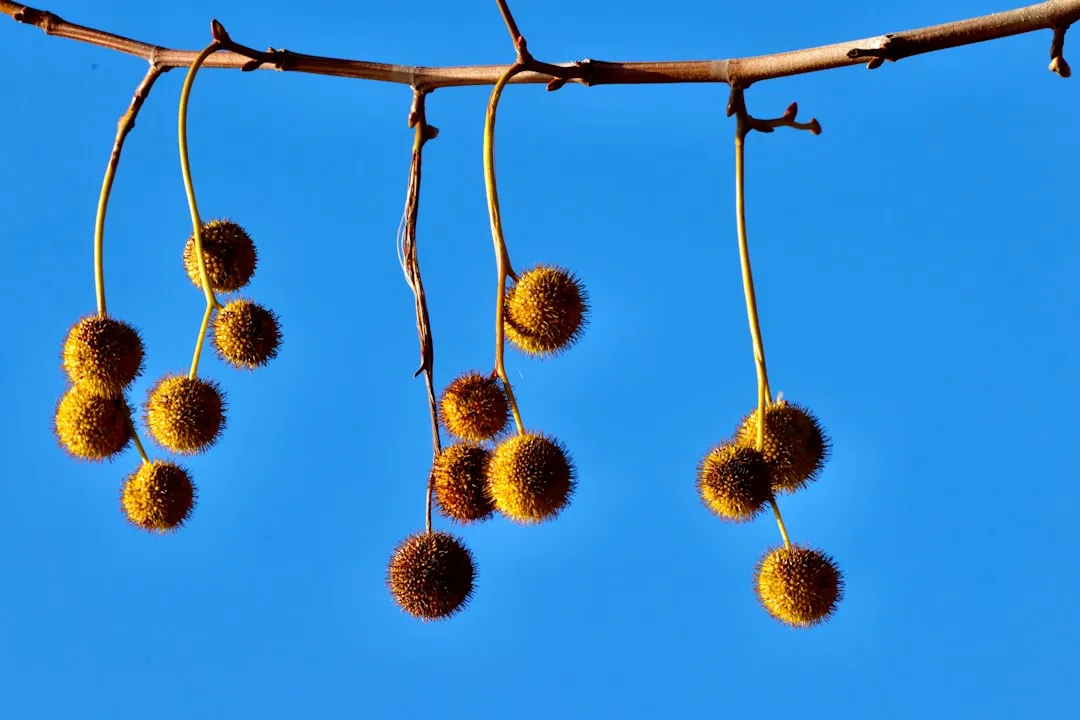
People have hung plants in rafters to dry over winter. In some traditions, people wove the plants with the seed pods still on them into baskets. This method kept seeds in a naturally ventilated, low-humidity environment without the need for any special equipment.
Hanging is one of the simplest methods used for saving specific seeds like maize, onions, garlic, gourds and more. It helps keep the seeds up high from the ground and sometimes in the presence of smoke near the wood stove or traditional ovens. The mild smoke acted as a subtle deterrent to insects and mold, a benefit that went largely unnoticed by those practicing it.
Selecting the Best Plant, Not Just the Best Fruit
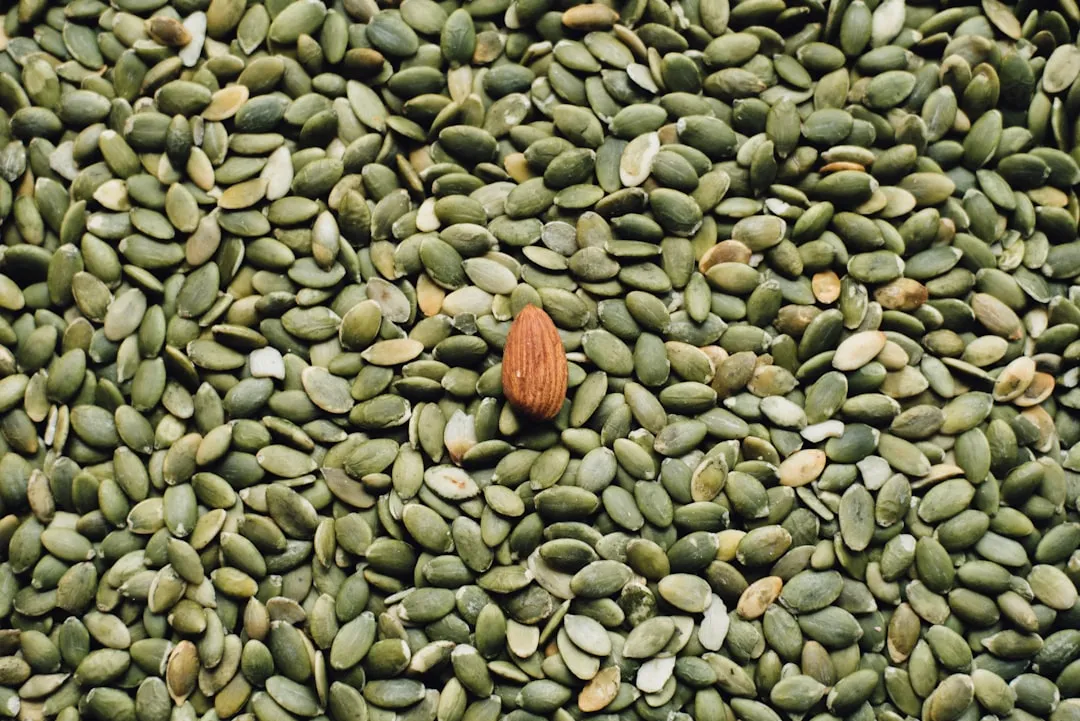
Until recently, every gardener in the world saved their own seed. They saved the seed of the plants that did best for them, and which they liked most. This is a small but crucial distinction. The selection was made at the plant level, not just based on the fruit that ended up on the dinner table.
Seed saving enables adaptation of crops to local soils, climates, and pests via ongoing selection, fostering resilience that uniform commercial hybrids often lack due to their engineered uniformity and one-time-use design. Over years, this quiet selection process built varieties that were intimately tuned to specific backyards and microclimates.
The Paper Envelope System and Proper Labeling
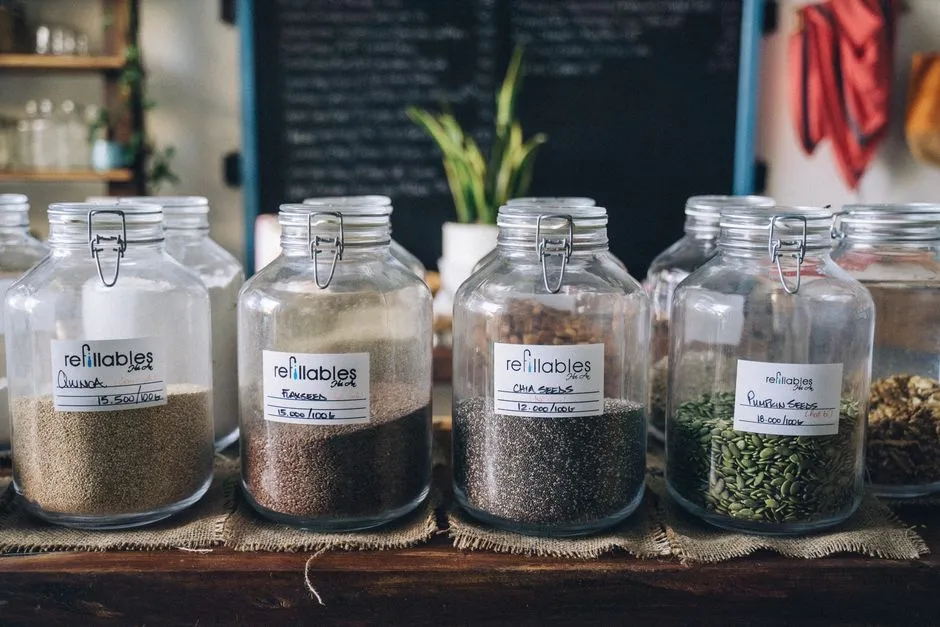
Paper envelopes inside a jar keep varieties separate and let you label date, variety, and notes. The postwar home gardener was meticulous about this. Envelopes were labeled with pencil in the year of harvest, the plant name, and sometimes a brief observation about its performance that season.
Saved seeds germinate best the season after harvest, then decline slowly. Onions and parsnips fade at one year, while tomatoes, peppers, and beans hold four to five years. Knowing which seeds aged gracefully versus which needed replacing annually was basic household knowledge. Today, most people would have to look it up.
Winnowing and Threshing: Dry-Seed Processing by Hand
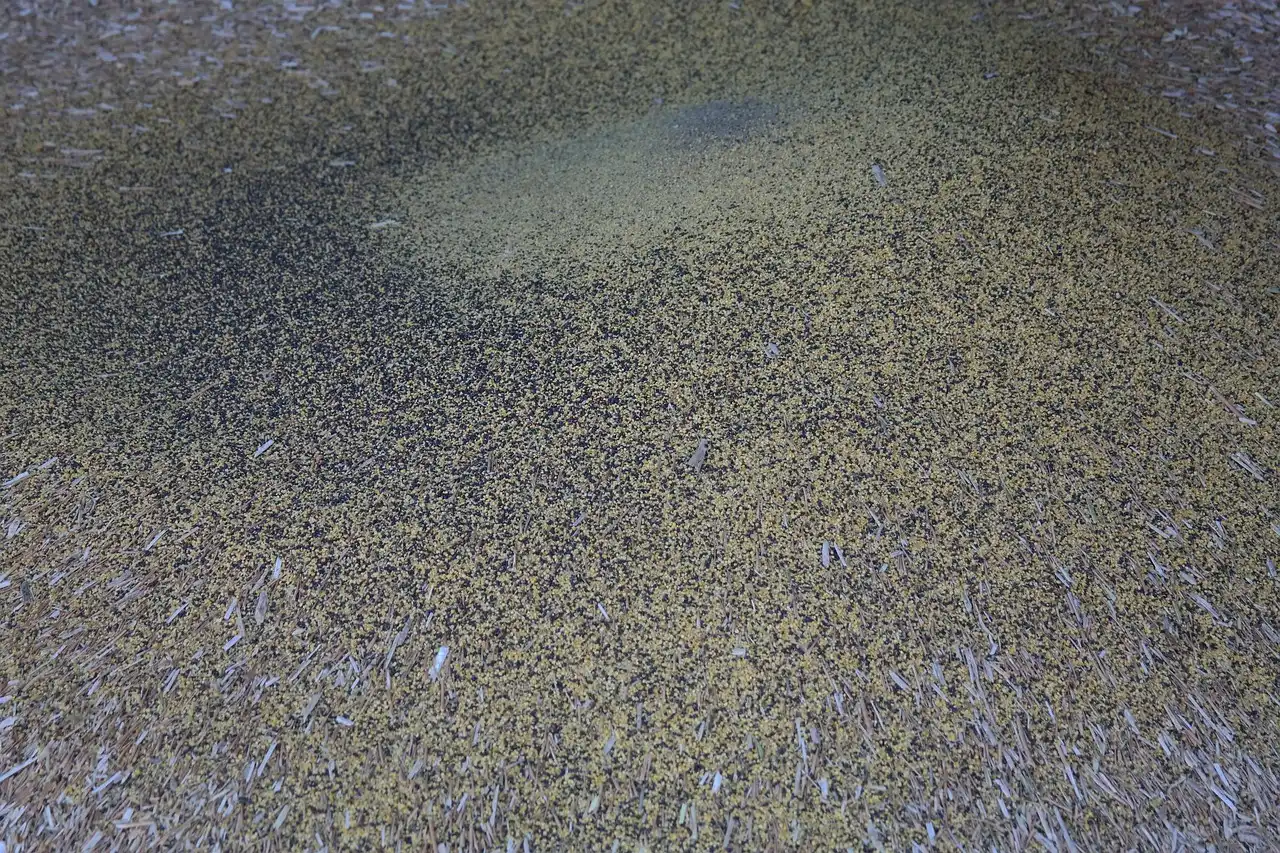
For bulk quantities, threshing is a suitable technique. You can begin by harvesting the plants or branches and threshing them with wooden sticks to separate the fruit. Winnowing then helps separate the chaff and healthy mature seeds. These were not exotic techniques. They were simply the afternoon’s work after a dry autumn harvest.
Place dried seed heads in a clean pillowcase and gently beat against a hard surface, or pour seeds between two containers outdoors on a breezy day to let wind carry away lighter chaff. No machinery required, no special tools. Just patience and a bit of wind.
The Cool, Dark Storage Rule That Still Holds Up
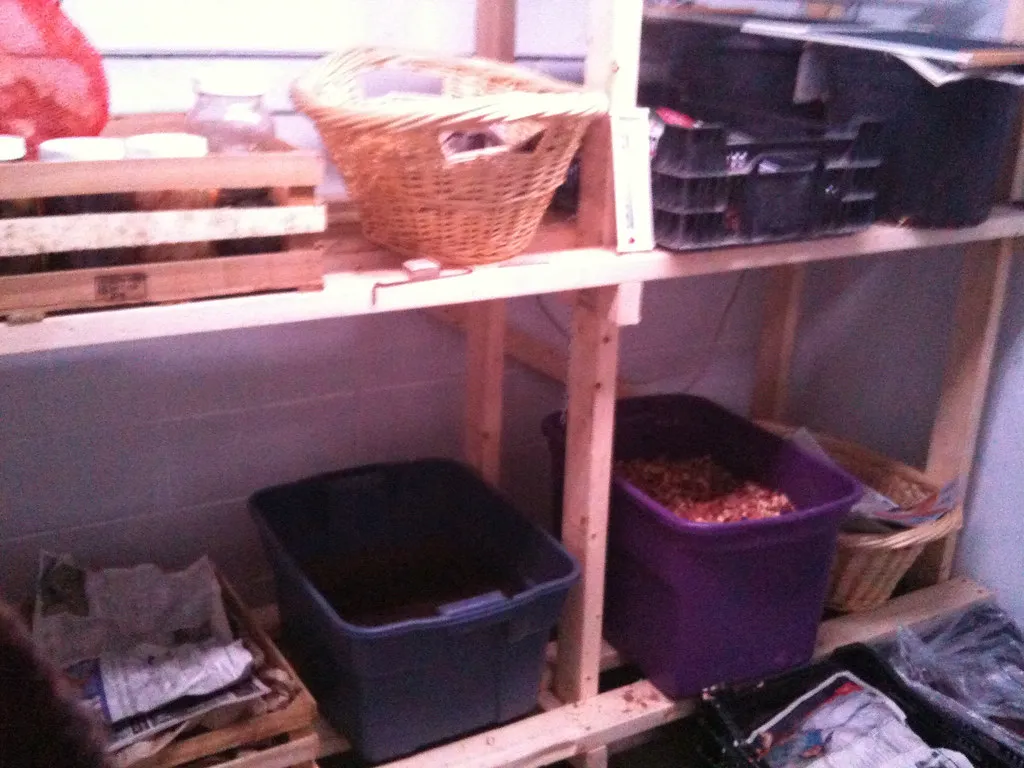
Seed saving requires isolating plants to prevent cross-pollination, selecting healthy specimens for desirable traits, and employing drying and viability-testing techniques to ensure germination rates above 80 to 90 percent under proper storage conditions like cool, dry environments. The 1950s root cellar or unheated pantry happened to be nearly ideal for this purpose.
Drying temperature should be kept below 90 degrees Fahrenheit, even and dry. Never speed up drying with heat, or you kill the germ. The storage rule is cool, dark, dry, and rodent-free. These guidelines have not changed in decades. The science simply confirms what earlier gardeners figured out by trial and error.
What Was Lost When the Habit Disappeared
The Food and Agriculture Organization estimates that approximately three quarters of crop genetic diversity was lost during the 20th century as farmers worldwide replaced local varieties with genetically uniform, high-yielding varieties. That figure is staggering when you hold it against the simple image of a kitchen drawer full of paper envelopes.
When a traditional crop variety disappears from farmers’ fields, we lose not just the physical seeds but thousands of years of evolutionary adaptation and human selection. These genetic resources contain valuable traits for disease resistance, environmental stress tolerance, and nutritional qualities that may be irreplaceable once lost.
The Quiet Revival That’s Been Building Since 2020
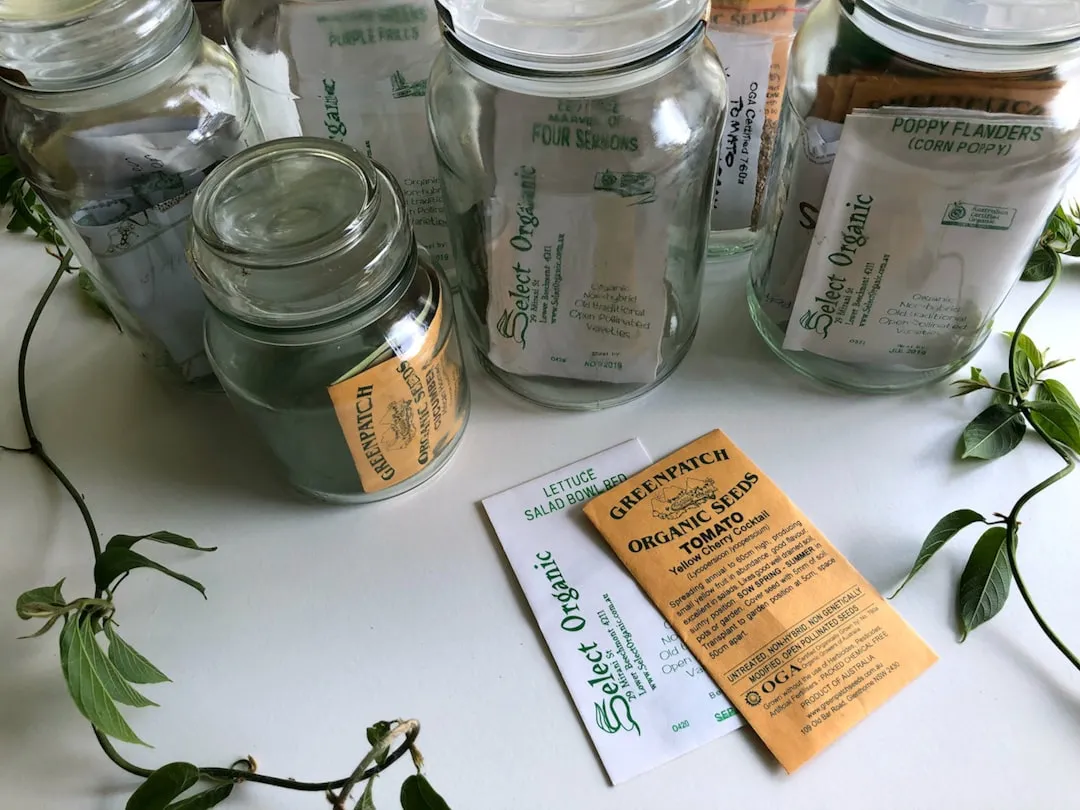
During the pandemic, interest in gardening spiked as people sought food independence and new hobbies. People rushed to buy seed packets, but often found them sold out. That shortage nudged many gardeners toward a realization: if you save your own seeds, you’re never at the mercy of a catalog backorder.
More than 50,000 individuals ordered seeds through the 2024 Seed Savers Exchange catalog or online store, where more than 600 open-pollinated varieties of vegetables, flowers, and herbs are available year-round. Seed Savers Exchange cares for a collection of over 20,000 different varieties of vegetables, herbs, and flowers, one of the largest and most unique seed collections of its kind. The movement, once niche, has found a genuinely broad audience.
How to Start Practicing the Method Today
Collecting the seeds of peas and beans is as simple as allowing the seed pods to develop and for the seeds inside to become hard, at which point the pod will be brown, dry, and ready to split open. The pods are then broken open, and the dry bean and pea seeds are removed and stored to be grown the next season. This is as close to zero-barrier gardening as it gets.
In a world where food insecurity is on the rise, seed saving empowers individuals and communities to grow their own food. This practice reduces reliance on commercial seed companies and allows communities to retain control over their food systems. Starting with just one or two varieties and building from there is precisely what those 1950s gardeners did. They didn’t set out to preserve biodiversity. They just didn’t want to run out of seeds.
Final Thoughts
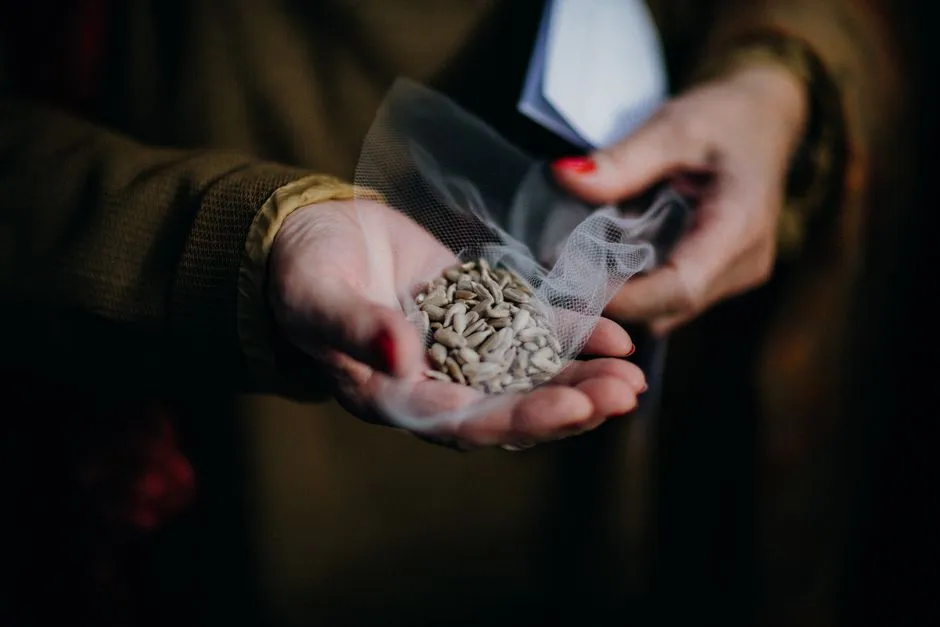
The 1950s seed-saving method was never actually a single technique. It was a collection of small, sensible habits, practiced without ceremony, that added up to something genuinely resilient. Fermentation for wet seeds, rafter drying for dry ones, cool dark storage, careful labeling, and patient plant selection. None of it was complicated.
Seeds are our oldest information banks. They store information about their surroundings that lets the plant select traits that will help them survive the changing patterns and predict upcoming ones. This helps preserve specific types of plants through uncertainties and thus helps distribute and mitigate risks, making it possible to stay prepared for disasters and climate change.
The method everyone forgot was never secret. It was just ordinary enough that people stopped paying attention to it. That might be the best reason to pick it back up.
AI Disclaimer: This article was created with the assistance of AI tools and reviewed by a human editor.