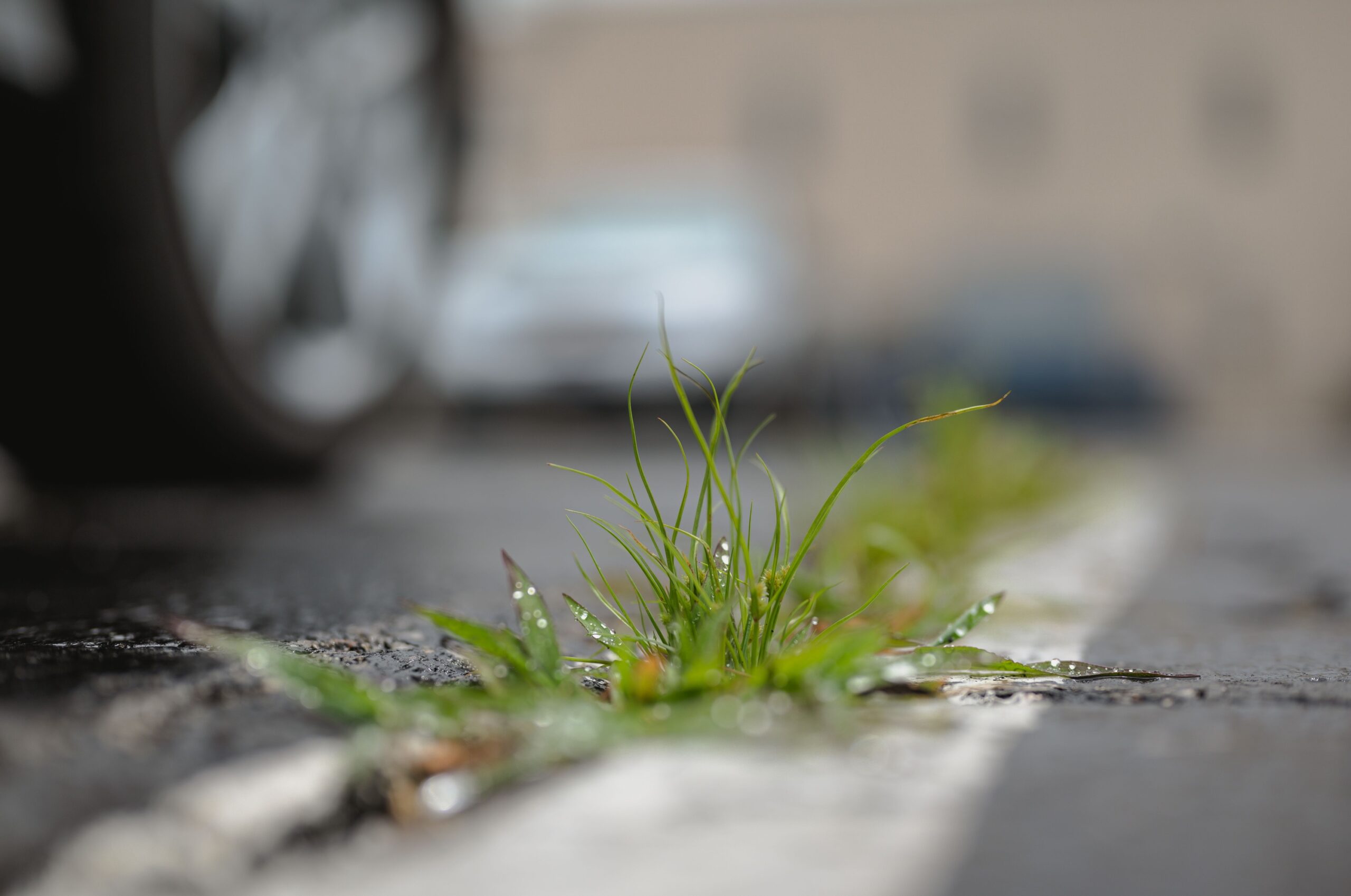

Most gardeners weed with the best of intentions. They get out there on a warm morning, gloves on, and start pulling, digging, and tidying. The garden looks better afterward, at least for a few days. Then the weeds return, sometimes thicker than before, and the whole cycle starts again.
What many people don’t realize is that some of the most common weeding habits are the very reason this cycle keeps repeating. Certain techniques don’t eliminate weeds so much as they scatter, stimulate, and multiply them. Understanding what goes wrong, and why, can save a lot of time and frustration across the entire growing season.
Tilling the Soil to “Clean It Up”
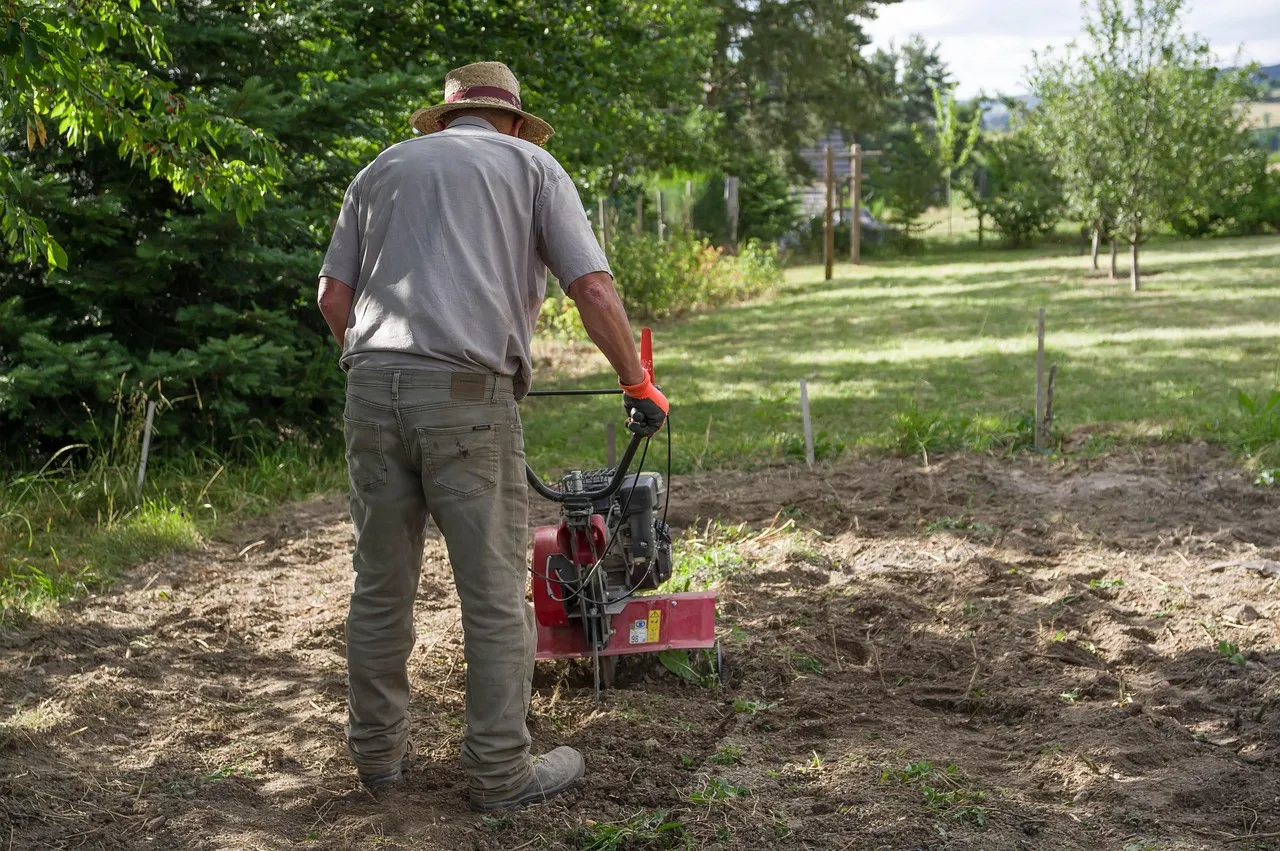
Reaching for the tiller when a garden bed looks overgrown is a completely understandable instinct. It seems logical: churn the weeds under, break them up, start fresh. The problem is that the soil beneath your feet is already loaded with dormant weed seeds, and tilling wakes them up.
Tilling, digging, and cultivating stir dormant weed seeds to the soil surface, encouraging them to sprout in the warmth and light there. This effect can be dramatic. The matter of when tillage happens affects the amount of weed seeds that germinate, when they germinate, and which species will be most prevalent, and the soil disturbance caused by tillage can stimulate the germination of some weed seeds.
Tilling and turning the soil can destroy existing weeds but also bring dormant seeds to the surface where they can germinate, exposing them to the sunlight and warm temperatures they need. So for every weed you chop under, you may be giving dozens of buried seeds the signal to sprout.
Rototilling Perennial Weeds with Rhizomes
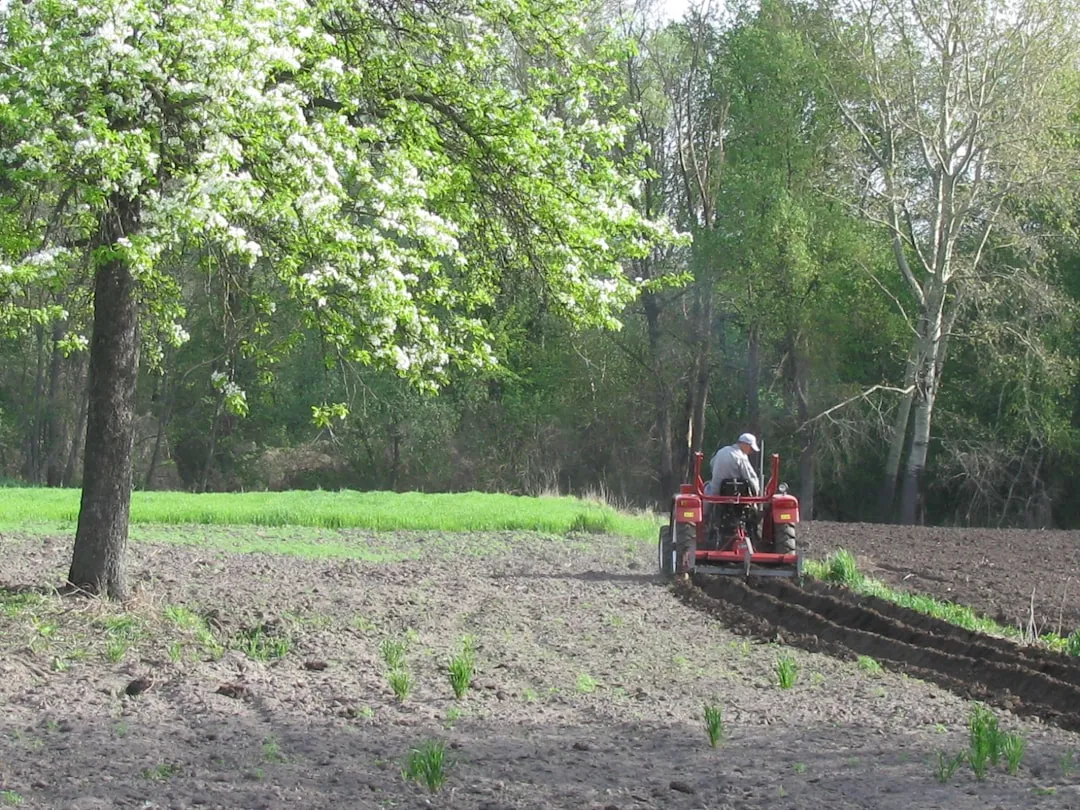
Tilling is especially counterproductive when the weeds in question spread through underground rhizomes. Plants like ground ivy, bindweed, and couch grass don’t need seeds to multiply. A single small piece of root left in the soil is enough to generate an entirely new plant.
Rototilling a plant with rhizomes will just compound the problem, and hoeing or cultivating to try to control a rhizomatous weed is no better, because you tend to make things worse by chopping up rhizomes into pieces and leaving most in the soil. Probably the worst way to try and control one of these plants is with a rototiller: it slices and dices rhizomes like nobody’s business, plus spreads the rhizome pieces everywhere.
Do not till perennial plants with rhizomatous roots, as tillage can break up the roots into smaller pieces, spreading patches throughout the field. The more aggressively you till, the more ground you help these weeds colonize.
Pulling Only the Stem and Leaving the Root
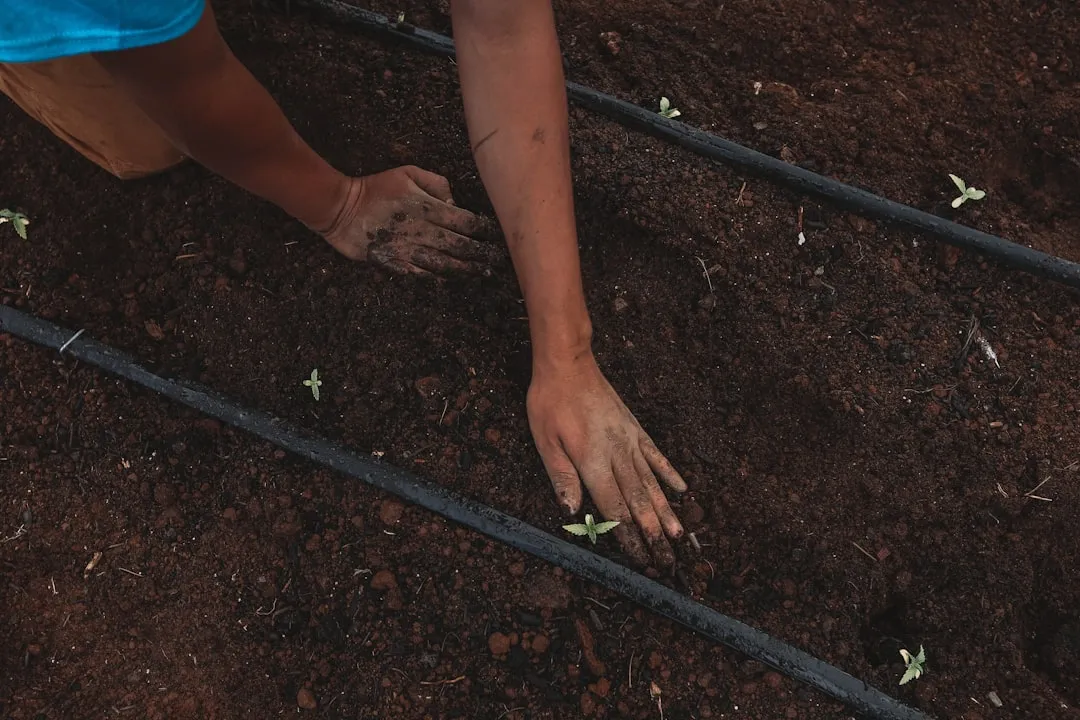
Hand-pulling is the go-to weeding method for most home gardeners, and when done correctly, it works well. The mistake most people make is pulling too quickly, snapping the stem off and leaving the root system intact below the soil.
Improper weeding will not just result in new weeds establishing, but will mean the roots of perennials will spread further, and your garden will become more weed-filled, with the plants you want overwhelmed and deprived of light, water and nutrients. If you pull off the top of the weed, the roots below will simply send out more growth elsewhere, multiplying your weed problem.
Dandelions, for example, have deep root systems, and even if you pull a couple of inches of the root, the weed is still alive, and by the time the growing season swings by, you’re back where you started. A weeding fork or trowel, rather than bare hands, is a much more reliable tool for getting the whole root out in one pass.
Leaving Pulled Weeds on the Soil Surface
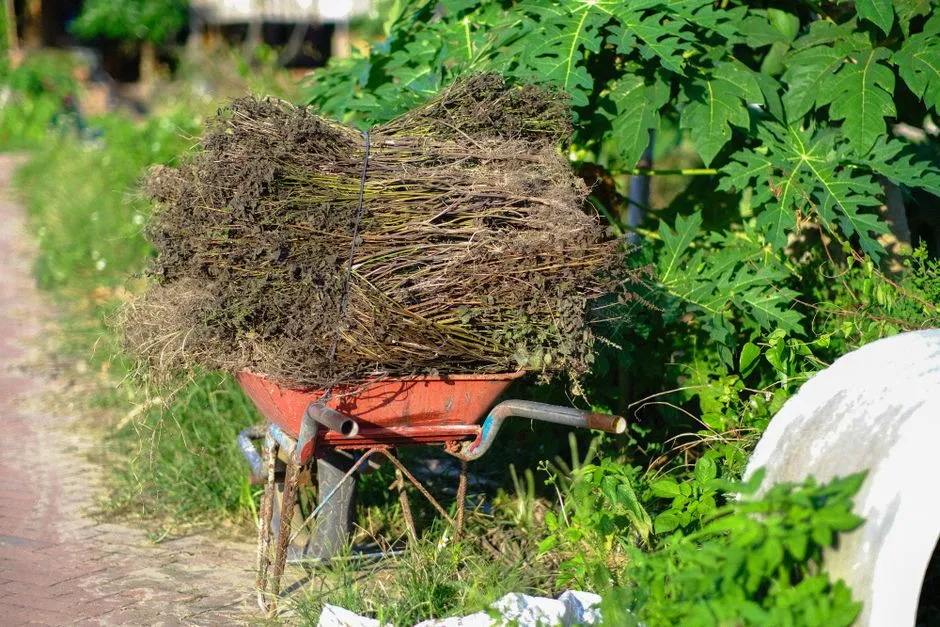
There’s a very common post-weeding habit that undoes a lot of hard work: leaving the pulled plants lying on the garden bed. It seems harmless, even useful, as if the weeds will just dry out and decompose. In practice, many of them don’t.
Many gardeners make the mistake of leaving pulled weeds on the soil surface, assuming they’ll dry out or decompose properly. However, even after being uprooted, weeds can still pose serious risks to your garden’s health. From regrowth to disease spread, these leftover plants can undo all your hard work.
Pulled weeds often carry mature seeds, and if left in the garden, wind, water, or foot traffic can scatter those seeds, leading to a new wave of unwanted growth. Additionally, some weeds are incredibly resilient, and if left on moist soil, they can re-establish themselves and continue growing, especially if roots remain intact.
Weeding Too Late in the Season
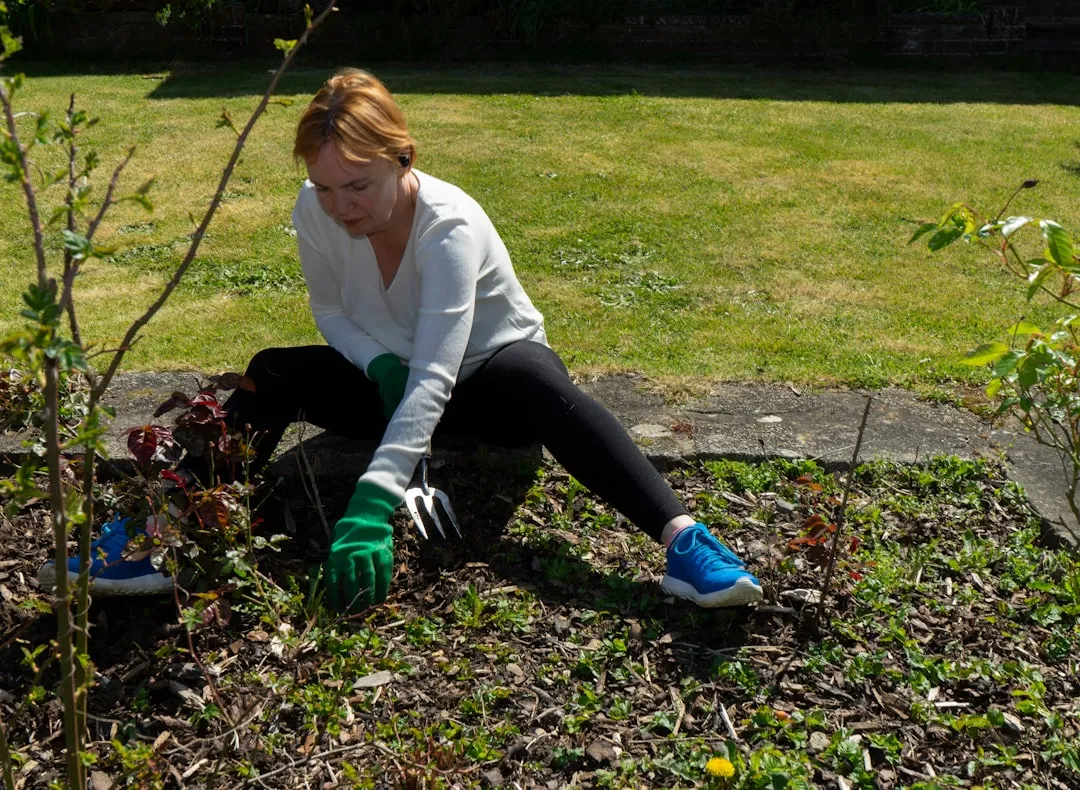
Timing matters enormously when it comes to weeding. Many gardeners wait until weeds are large and visible before addressing them, which means they often wait until after the plants have already begun producing seeds.
Many of the most common weeds of container nurseries flower and produce seeds within 30 days, and research suggests that you should be removing emerged weeds every two to three weeks, as this prevents rapid population growth and spread. Waiting longer than that can mean those weeds have already completed their reproductive mission.
Spotted spurge can produce flowers within 21 days after seeding, and in another 10 days will have mature seed pods ready to begin the next generation, with seeds forcefully expelled several feet from the mother plant. By the time some weeds look mature enough to pull, they’ve already scattered their seeds across the surrounding bed.
Trampling and Disturbing the Soil Around Weeds
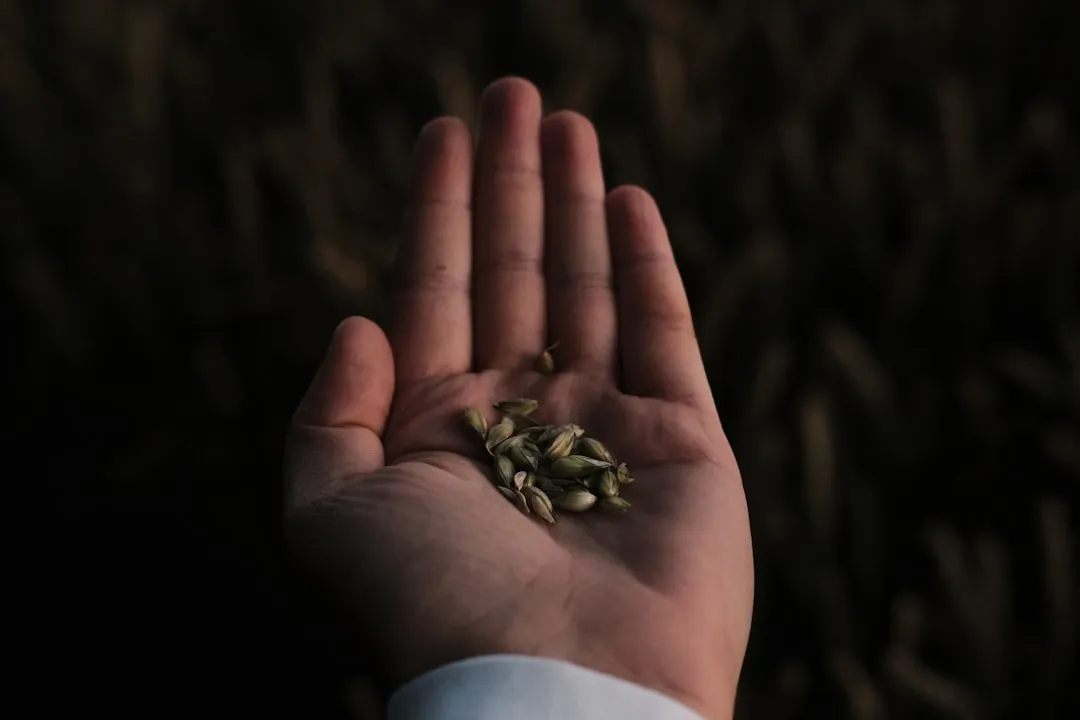
The act of walking through a weedy garden bed, or working around weeds without carefully removing them first, can be surprisingly effective at spreading seeds. Foot traffic distributes seeds across an area much wider than any single plant occupies.
Weeds can sometimes emerge in places they weren’t ever a problem before, possibly because you’ve been inadvertently spreading the seeds around yourself. Take care when gardening not to trample on weeds or disturb the soil around them, as this can cause seed dispersion.
This is especially relevant with weeds that have low-lying seed heads or sticky seeds that cling to clothing and shoe soles. Weed seeds can be dispersed through contaminated seed, irrigation water, tillage equipment, harvesters, transport of items such as crop produce, livestock, manure and other agricultural by-products, and even through seed adherence to vehicles. In a home garden, your own feet and tools play that same dispersal role.
Hoeing the Tops Off Perennial Weeds
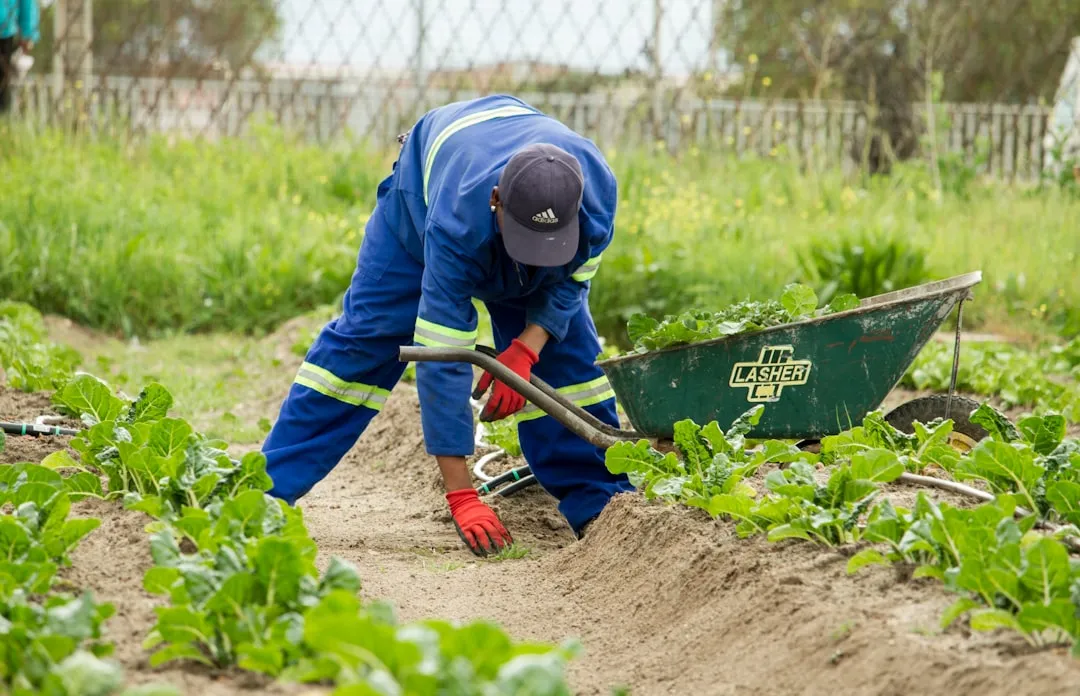
Hoeing is a satisfying and genuinely useful tool against young annual weeds, particularly on a dry and sunny day when the severed seedlings quickly wither. The problem comes when gardeners use the same technique on established perennial weeds, which respond very differently to that kind of surface disruption.
Hoeing the tops off perennial weeds makes them worse, as side buds that were laying dormant will be encouraged into growth. Instead, getting rid of perennial or established weeds right down to their roots is key.
Repeated cultivation of perennial weeds is necessary, but be careful not to chop up or leave behind plant pieces that can root and become new plants, multiplying the problem. A hoe is a great tool used at the right moment on the right type of weed. Against deep-rooted perennials, it can actually trigger more vigorous regrowth than if you had left the plant alone.
Waiting Too Long Between Weeding Sessions
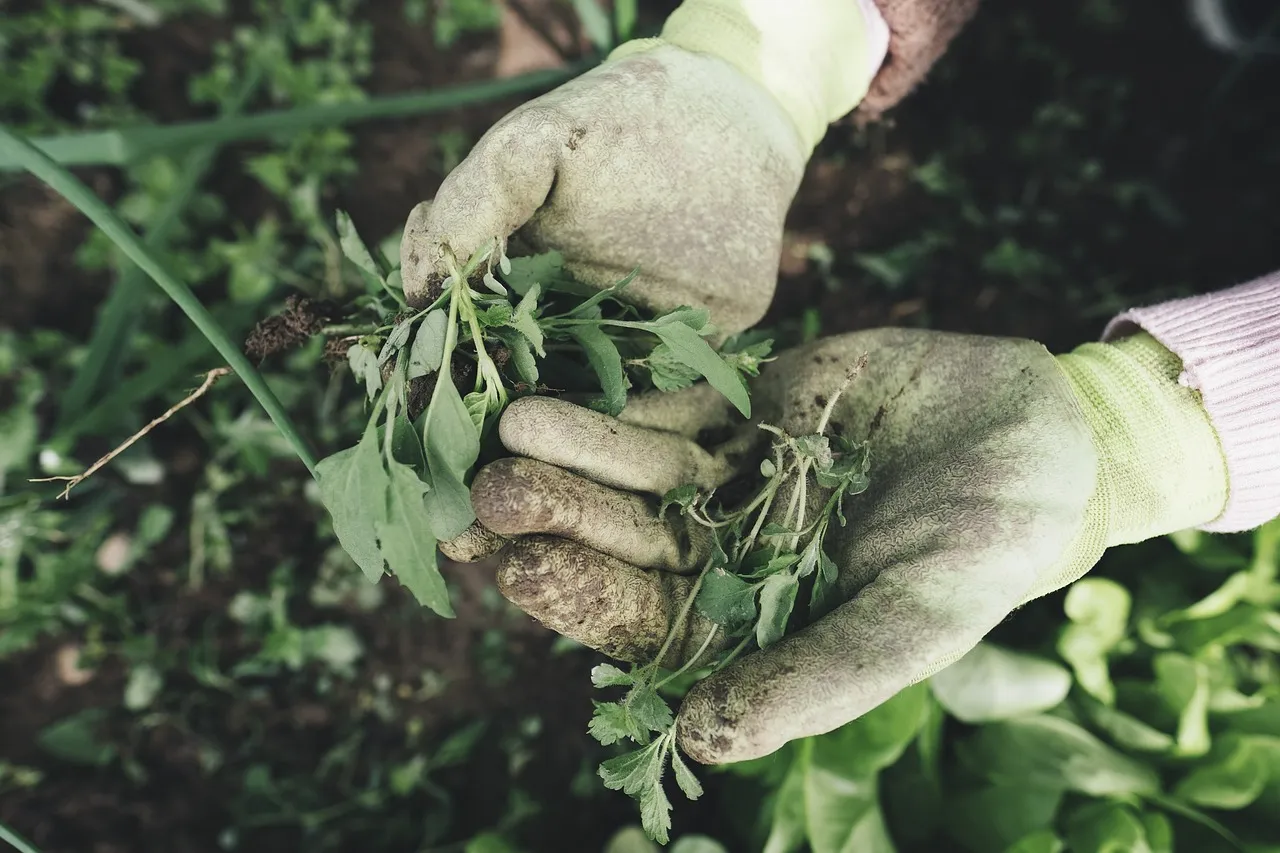
One large weeding session every few weeks feels efficient, but it often allows weeds to reach their most damaging and reproductive stage before they’re removed. Infrequent weeding means the weeds are almost always winning the timing game.
Weed seedlings are vulnerable to hoeing, hand pulling or rototilling, but mature weeds are more difficult to remove. Weed early and often, and if you keep weeds at a minimum, your vegetables, annuals and perennials have a better chance of flourishing.
Research suggests that you should be removing emerged weeds every two to three weeks, as this prevents rapid population growth and spread, and can reduce hand weeding labor costs by around forty percent. Consistency, even in short sessions, outperforms occasional marathon efforts almost every time.
Composting Seeding Weeds Improperly
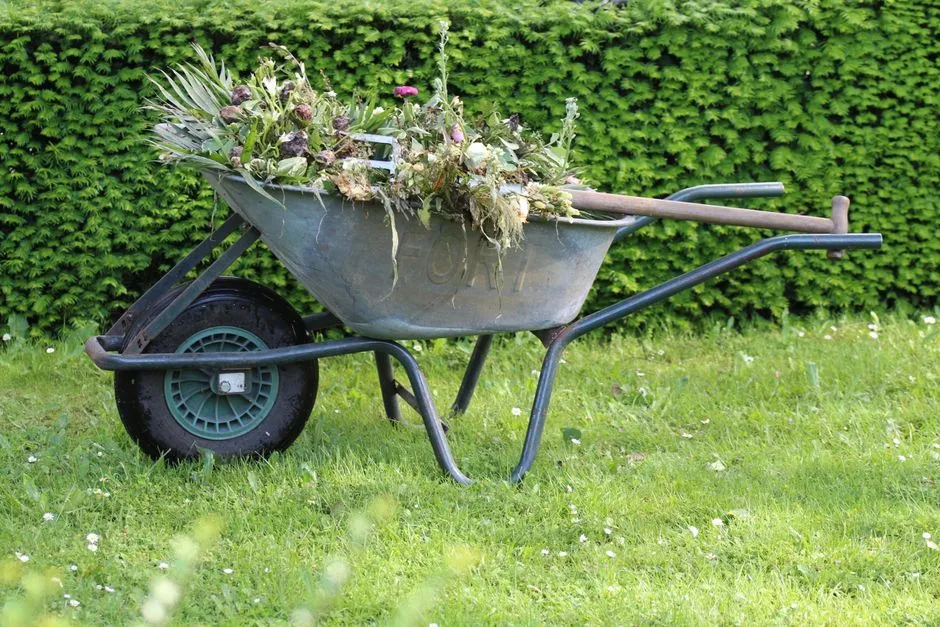
Many gardeners compost their pulled weeds, which seems like a responsible and circular approach to garden waste. It’s a good instinct, but it can backfire badly when weeds that have already gone to seed are tossed into a compost pile that doesn’t get hot enough to destroy those seeds.
Weeds can produce thousands of seeds per plant. For example, lamb’s-quarters can produce up to 75,000 seeds per plant. If those seeds survive in a cool compost pile and the compost is later spread back across garden beds, the problem is worse than if no composting had been done at all.
The safe handling of weeds that have seeded matters just as much as the weeding itself. If you can’t take them to a landfill and burning isn’t an option, you could spread the weeds under the sun to dry out before composting them. In cold weather, put the weeds in a garbage bag, add water, and leave them to rot. These extra steps are worth taking seriously.
Using Overhead Watering Right After Weeding
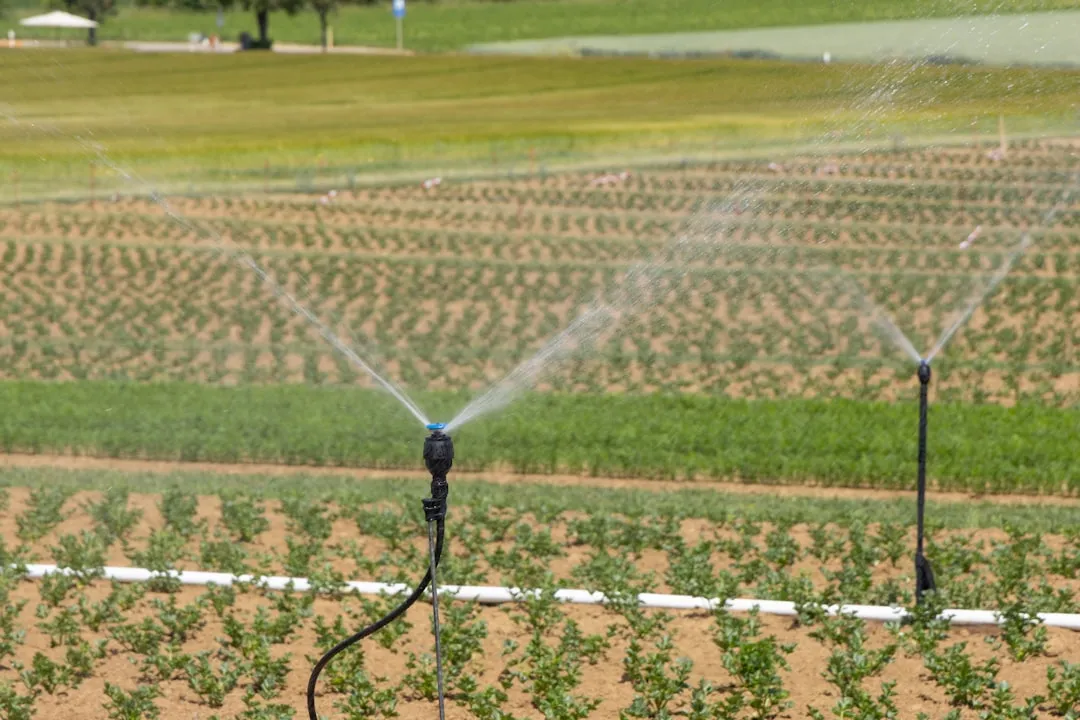
Overhead watering with a sprinkler or hose after a weeding session may seem like a natural finishing touch. The trouble is that it provides moisture evenly across the entire bed, which benefits any weed seeds that remain in the disturbed soil just as much as it benefits desirable plants.
Watering plants directly by hand, soaker hoses, or drip irrigation systems can help reduce weed growth in the vegetable garden, as unlike overhead watering with a sprinkler, this provides water directly to the plant and does not provide the moisture needed for weed seeds to germinate.
Be aware that watering plants with a watering can or hosepipe will mean that you are watering weeds too. If you are serious about gardening, consider investing in a soaker hose or drip line which sits beneath the soil and reaches the roots of plants, not those of newly-establishing weedlings. Switching irrigation methods is one of the most underrated improvements a gardener can make.
The Takeaway
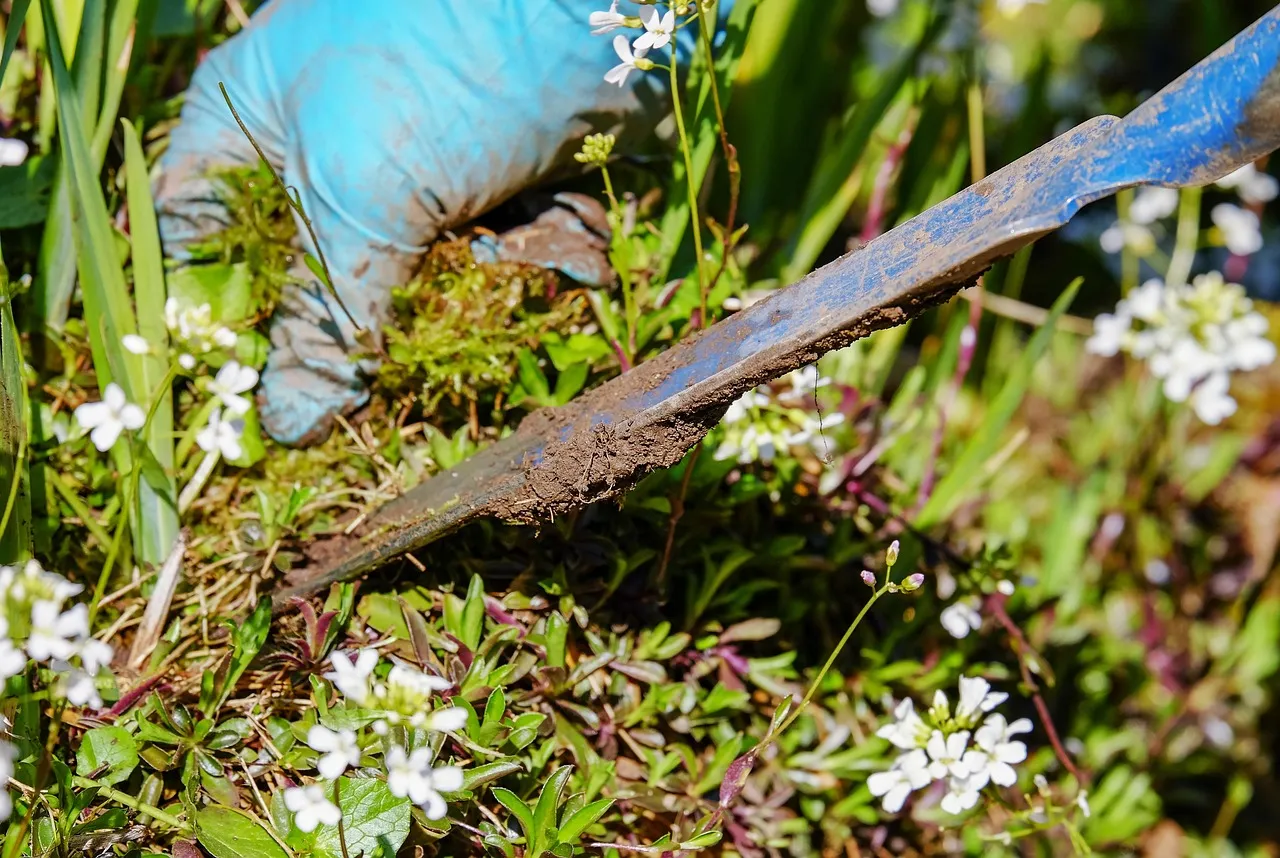
The most frustrating thing about these habits is how logical they all feel in the moment. Tilling looks productive. Pulling weeds looks thorough. Leaving them on the bed looks like a time-saver. Yet each of these approaches, done at the wrong time or in the wrong way, can actively make a weed problem worse.
The common thread running through all ten of these mistakes is timing and technique. Because weeds can evolve relatively quickly, researchers recommend a wide diversity of control tactics. No single habit, done carelessly and repeatedly, is going to win the long game against a garden full of weeds built by nature for speed and resilience.
Small adjustments, like weeding earlier, pulling more carefully, using targeted irrigation, and removing weeds from the property entirely, tend to compound in a gardener’s favor over a full season. The goal isn’t to work harder at weeding. It’s to stop accidentally working for the weeds.
AI Disclaimer: This article was created with the assistance of AI tools and reviewed by a human editor.