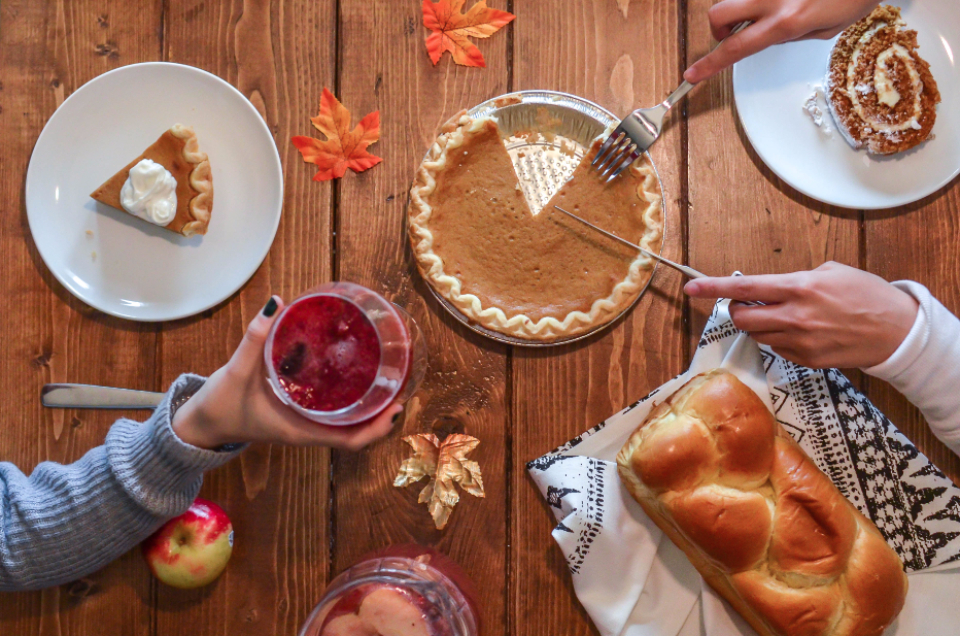

Thanksgiving is one of the few holidays where the menu itself becomes a source of negotiation, nostalgia, and outright disagreement. What gets served, what it’s called, and how it’s prepared can vary dramatically depending on which part of the country you grew up in. The food on the table isn’t just food. It’s identity.
These regional debates aren’t new, but they’re not going away either. Researchers who examined ingredient lists from close to 1.5 million recipes found in more than 107,000 cookbooks published in the United States between the late 1960s and 2024 found that food preferences run deep and stubbornly persist. Here are six table traditions that continue to divide regions, households, and dining room tables every November.
1. Stuffing vs. Dressing: A Name That Tells You Where Someone’s From
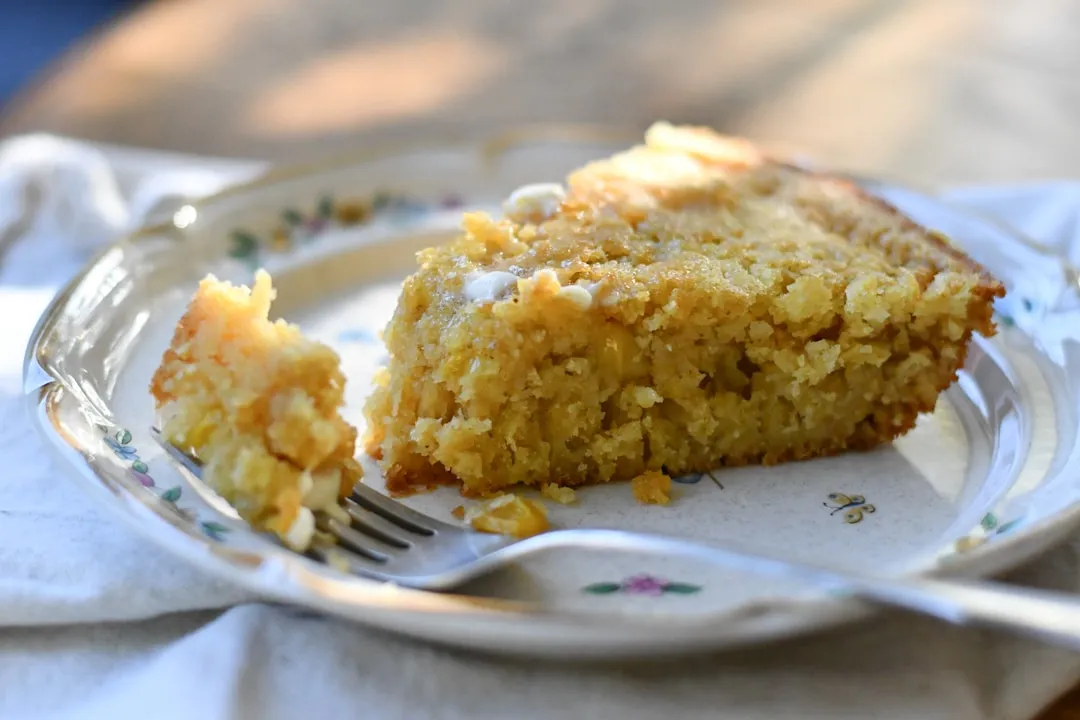
Ask someone what they’re serving alongside their turkey and the word they use will often tell you where they were raised. There are those who contend that “stuffing” gets cooked inside the bird and dressing is cooked alongside in a separate pan, but others believe the difference is more regional than technical: dressing is predominantly a Southern term, while stuffing is preferred in the North.
The Southern Living Test Kitchen explains that cornbread dressing became a staple in Southern holiday cooking because cornmeal was more accessible than wheat flour for much of the region’s history, and many Southerners would not consider bread cube stuffing to be true dressing.
According to Britannica, the term “dressing” became preferred by Southern cooks who felt the word “stuffing” sounded too crude for polite company, and over time, dressing became the common Southern term, especially once cornbread became the main base. Meanwhile, in many northern states, stuffing is usually made with white bread, sourdough, or store-bought cubes.
2. Marshmallows on Sweet Potatoes: Dessert or Side Dish?
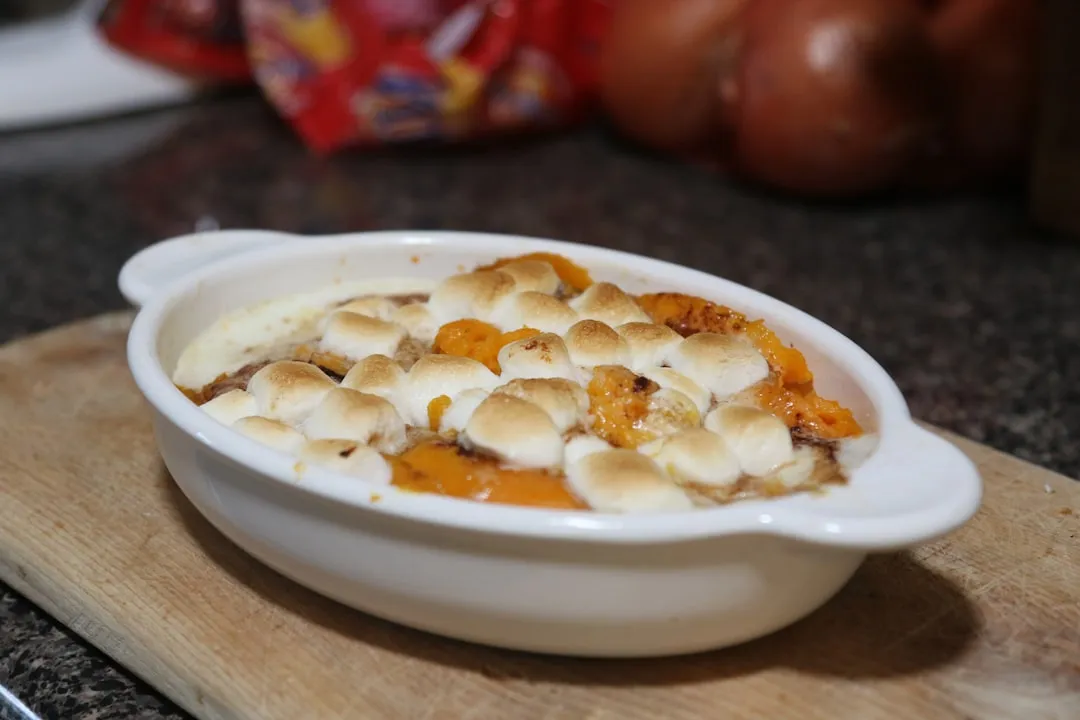
One of the holiday’s biggest divides is whether marshmallows belong on sweet potato dishes. About one-third say they prefer that whoever is cooking skip the marshmallows entirely, while roughly a quarter want them added. Another quarter don’t like sweet potato dishes at all.
There are real regional differences over marshmallows, according to poll data. Northeasterners are more likely than Midwesterners or Southerners to say no to them. The divide has historical roots too. Southerners “appeared to respect sweet potatoes too much to pair them with candy,” while Northerners “embraced marshmallows as the latest innovation,” according to Saveur.
With its warming spices and the peak of sweet potato harvest happening in late fall and winter, the combination has come to be an indulgent sign of Thanksgiving for more than 100 years. Still, the argument persists every single year, without much sign of a truce.
3. Pumpkin Pie vs. Sweet Potato Pie: A Dessert Table Divided
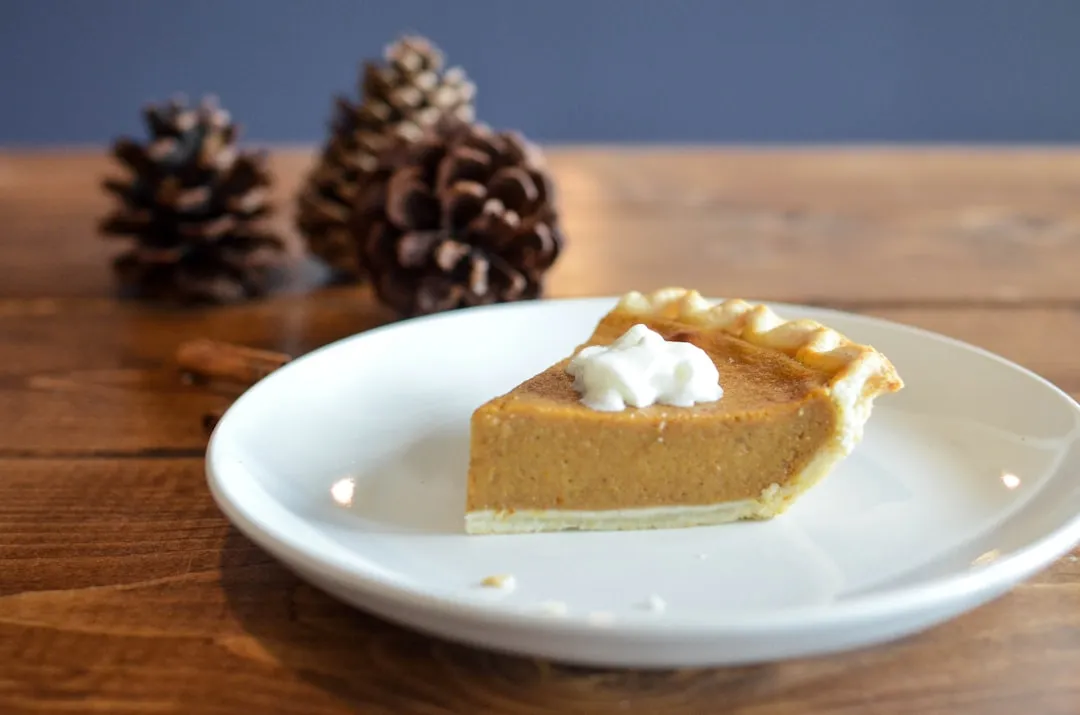
The divide tends to break down along regional and cultural lines: pumpkin pie is favored more in the northern part of the country, while sweet potato pie holds a stronger tradition in the South, particularly among Black Southern communities. Culinary historian Michael W. Twitty argues the debate is really about identity.
With limited access to sweet potatoes in the North, pumpkin reigned supreme in early American cooking. The tradition of pumpkin pie goes back centuries to the colonial period, and a recipe for pumpkin pie was included in the nation’s first cookbook, written in 1796 by Amelia Simmons.
Data analysis reveals that in the South, pumpkin pie is a safe bet, while the Northeast tends to favor both pumpkin and apple pie. Pecan pie is also a strong choice in the South. In national polling, pecan pie pulled in about seventeen percent of preferences, with apple pie right behind at fifteen percent and sweet potato pie at twelve percent.
4. Ham vs. Turkey: The South Plays a Different Game
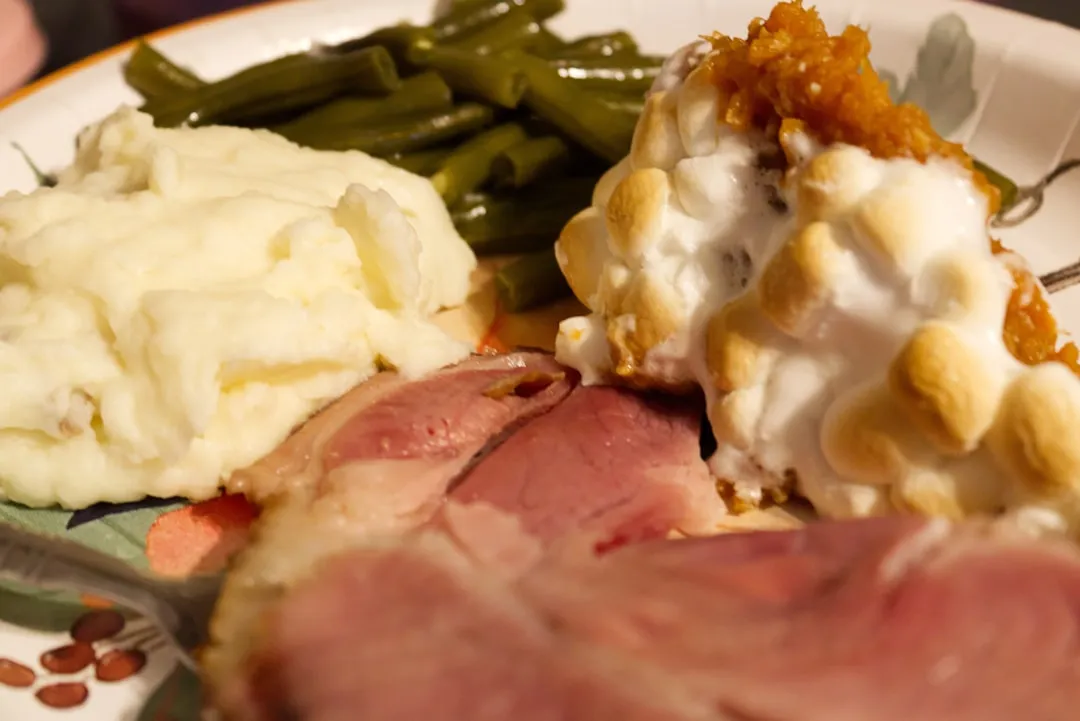
Most people assume turkey is universal. Turkey will be on most tables, and roughly seven in ten Americans expect to eat it at Thanksgiving. The picture gets more complicated when you zoom into specific regions, though.
While turkey is popular everywhere, regional variations run deep: Midwestern tables are more likely to feature mashed potatoes, breads, and pie, Southerners are more likely to serve ham and macaroni and cheese, and people from the Northeast are more likely to have cranberry sauce.
The tradition of serving ham alongside or even instead of turkey in the South reflects a longer agricultural history in the region, where hog farming was central to the economy and home cooking long before turkey became the national symbol. For many Southern families, a table without ham simply isn’t finished.
5. Canned Cranberry Sauce vs. Homemade: More Divided Than You’d Think
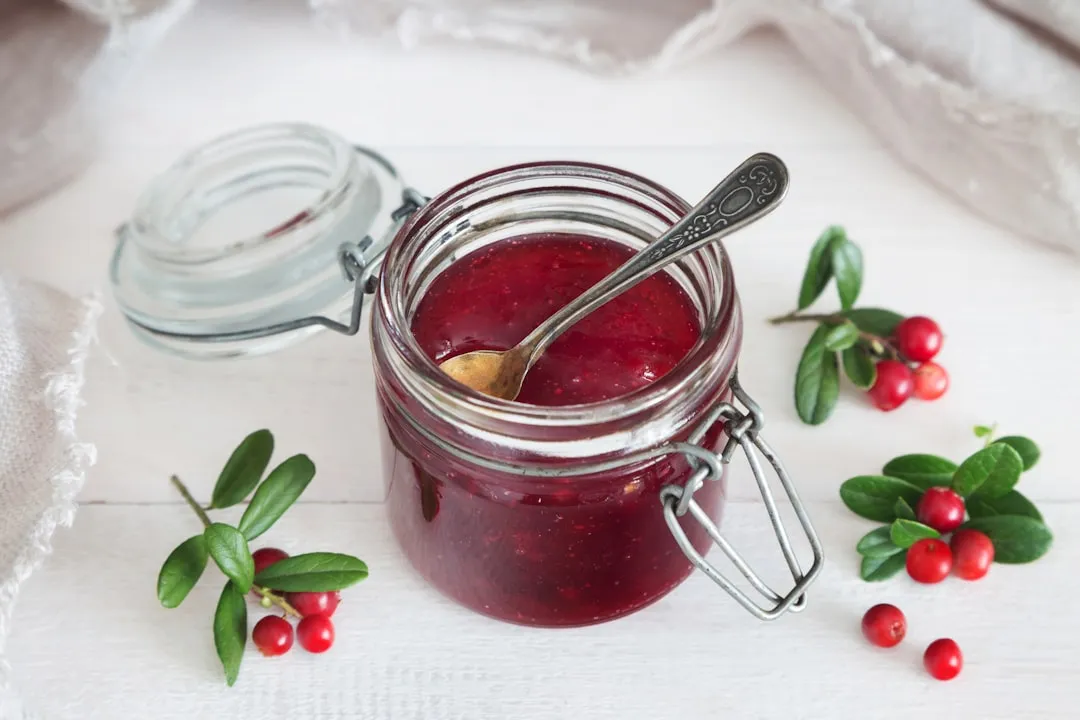
The can-shaped cranberry sauce that slides onto the plate with a satisfying thump has its defenders, and they’re not embarrassed about it. Among Americans overall, canned cranberry sauce actually beats fresh-made by a margin of twenty-eight percent to twenty percent, with another twenty-one percent saying they like both and twenty-seven percent liking neither, according to YouGov polling.
Cranberry sauce is also one of the most economically significant Thanksgiving items. Cranberry consumption peaks during Thanksgiving week, with about 80 million pounds consumed, which equals roughly twenty percent of annual U.S. cranberry use. Supply and demand play a real role in the debate, since prices shift considerably year to year.
Cranberry prices increased almost twelve percent year-over-year in 2024, which didn’t make the “homemade versus canned” argument any easier to settle. For families on tighter budgets, the can isn’t just tradition. It’s practical.
6. Macaroni and Cheese as a Thanksgiving Side: Regional Staple or Unexpected Guest?
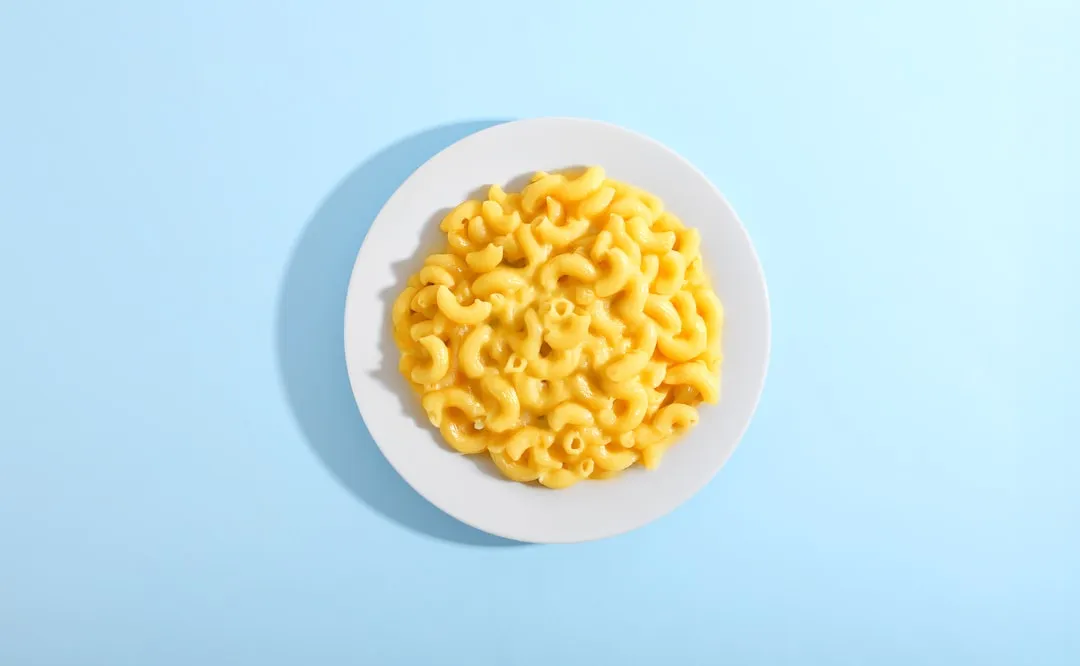
To much of the South and parts of the Mid-Atlantic, macaroni and cheese on the Thanksgiving table is completely expected, almost non-negotiable. To others, its presence raises eyebrows. This particular divide sits at the intersection of region, culture, and generation.
Gen Z shows a strong affinity for macaroni and cheese, ranking it among their Thanksgiving favorites, while Boomers are most likely to rank it among their least favorites. Conversely, Boomers are quite fond of stuffing and mashed potatoes, while Gen Z is most likely to rank stuffing as their least favorite dish.
The mac and cheese debate is particularly charged because it carries cultural weight in Black American food traditions, where it has long been a holiday centerpiece. This difference in opinion might indicate a shift in what future generations may view as a Thanksgiving must-have for their dinner spread. As the table demographics shift, so does the menu.
The Takeaway
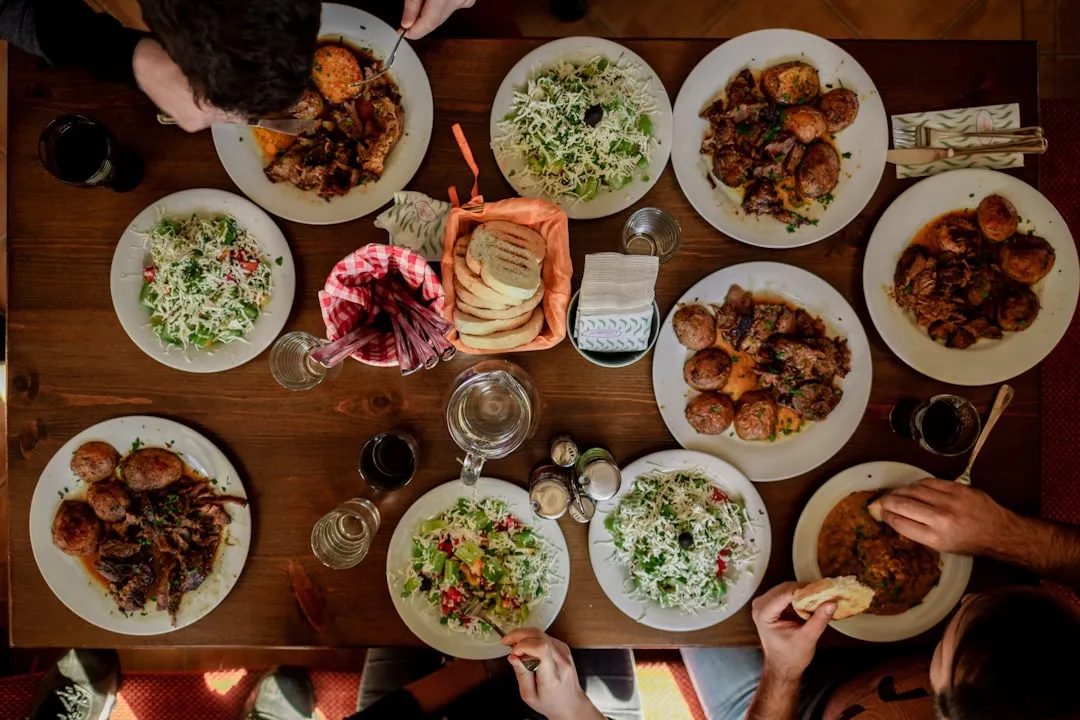
What makes these arguments so durable isn’t stubbornness, exactly. It’s that food connects people to place, to childhood, and to the people who cooked for them before. These heated debates over Thanksgiving staples reveal how deeply personal and culturally rooted food preferences can be. What feels “normal” in a dish is shaped by early experiences, and anything unfamiliar can seem almost offensive, even if it tastes good.
Roughly six in ten Americans now say Thanksgiving is more about spending quality time with loved ones than focusing on the meal or shopping, reflecting a cultural shift since the pandemic, according to Pew Research. That’s probably the right attitude. Still, the stuffing versus dressing debate will be back in November, right on schedule.
AI Disclaimer: This article was created with the assistance of AI tools and reviewed by a human editor.