
There’s a common assumption that cold weather ruins crops. Leave your carrots in the ground too long, the thinking goes, and you’ll pay for it. In reality, for certain vegetables, the first frost of the season isn’t a threat at all. It’s more like a flavor upgrade.
The science behind this is genuinely strange, and it explains why generations of gardeners have insisted on harvesting kale, Brussels sprouts, and root vegetables only after the temperature drops. What’s happening inside those plants is a survival story with a delicious twist.
It Starts with How Plants Store Energy
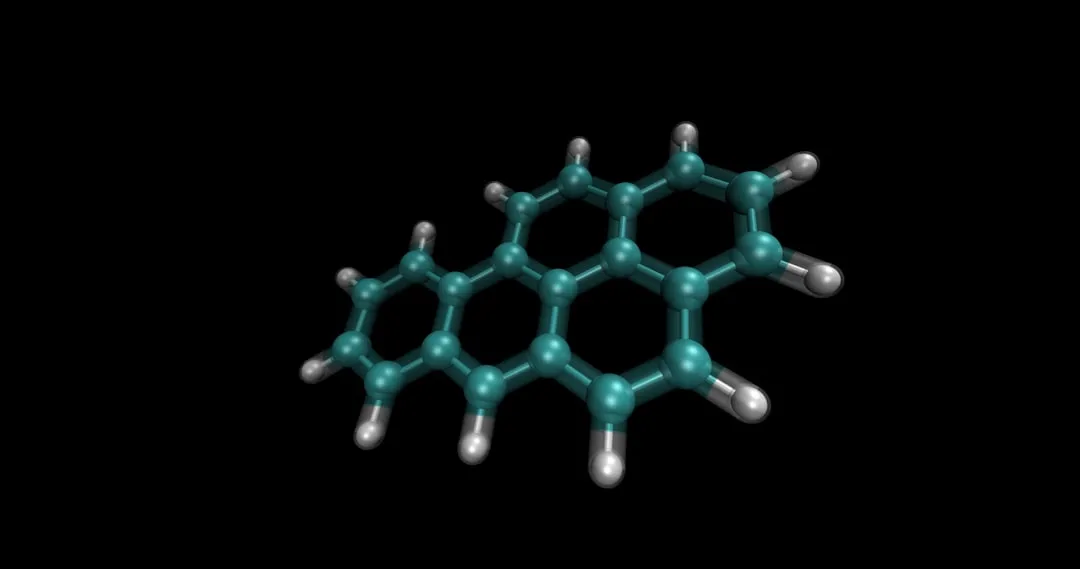
During photosynthesis, plants use light energy from the sun to produce carbohydrates, then store that energy in large carbohydrate chains known as starches during the warmer months. Think of starch as the plant’s savings account, a long-term reserve it builds up all summer long. That sugar is often stored as starch, which is essentially a long chain of glucose. Even though starch doesn’t taste sweet, that’s really what it is: a big chain of sugar.
In warm weather, these plants convert the sun’s abundant energy into easily stored long-chain carbohydrates, also known as starches. The sweetness locked inside them stays invisible to our taste buds until cold changes the equation entirely.
Cold Is a Threat, and Plants Know It
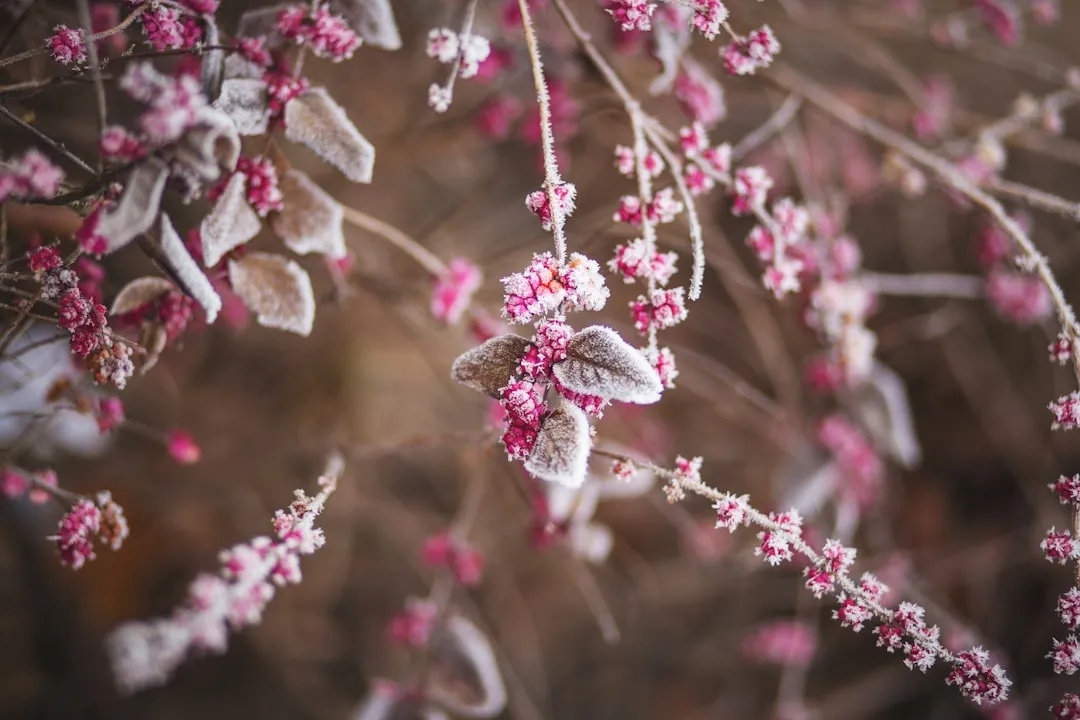
The answer to frost sweetening has to do with the plant’s natural defense mechanisms against freezing water molecules within its own cellular structure. When temperatures drop toward freezing, water inside plant cells can form ice crystals, and those crystals are damaging. The cold triggers a survival response, pushing certain vegetables, especially root crops and leafy greens, to convert stored starches into sugars, which act like natural antifreeze.
In response to cold temperatures, some plants break down their energy stores into “free” sugars, such as glucose and fructose, and stash them in their cells to guard against frost damage. Sugar dissolved in a cell makes it less susceptible to freezing in the same way that salting roads reduces ice. It’s an elegant, self-regulating mechanism that has evolved over a very long time.
The Science of “Cold-Induced Sweetening”
This is a phenomenon called cold-sweetening, according to UW-Madison horticulture professor Irwin Goldman. As plants produce sugars through photosynthesis, most are combined and stored in the plant as starches and other large polymers. When the temperature drops, that storage system goes into reverse. It may seem like an old wives’ tale that some vegetables get sweeter after a few frosts, but it’s a well-documented scientific phenomenon.
When vegetables are frosted, their internal starch is decomposed by amylase into sugar. Vegetables increase their own sugar concentration to prevent frost, so some vegetables are extra sweet and crispy after the cold. The enzyme amylase is the key player here, acting as a molecular scissors that cuts long starch chains into short, soluble, taste-able sugars.
How Sugar Protects the Plant’s Cells

As sugars accumulate, they can decrease the amount of ice formed in the cells and thus reduce dehydration of the plant. Sugars can also protect the cell membrane from freezing. This is not a passive process. In cold-tolerant plants, the metabolism of sugar produces energy, which is given off when the external conditions are cooler. This radiational effect helps the plant “stay warm.”
In winter-grown root vegetables like turnips, parsnips, and carrots, the sugar-to-starch ratio is greater than in ones grown in the higher temperatures of summer. That ratio shift is ultimately what you’re tasting when a late-autumn carrot tastes almost candy-like compared to a summer one.
Carrots: The Classic Example
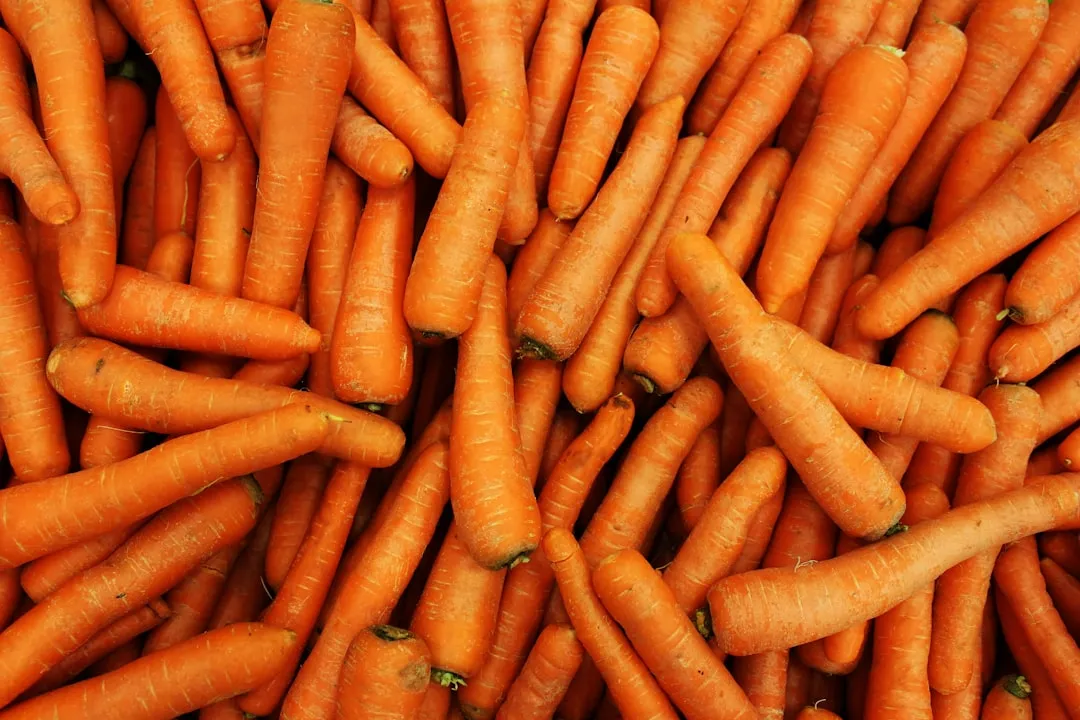
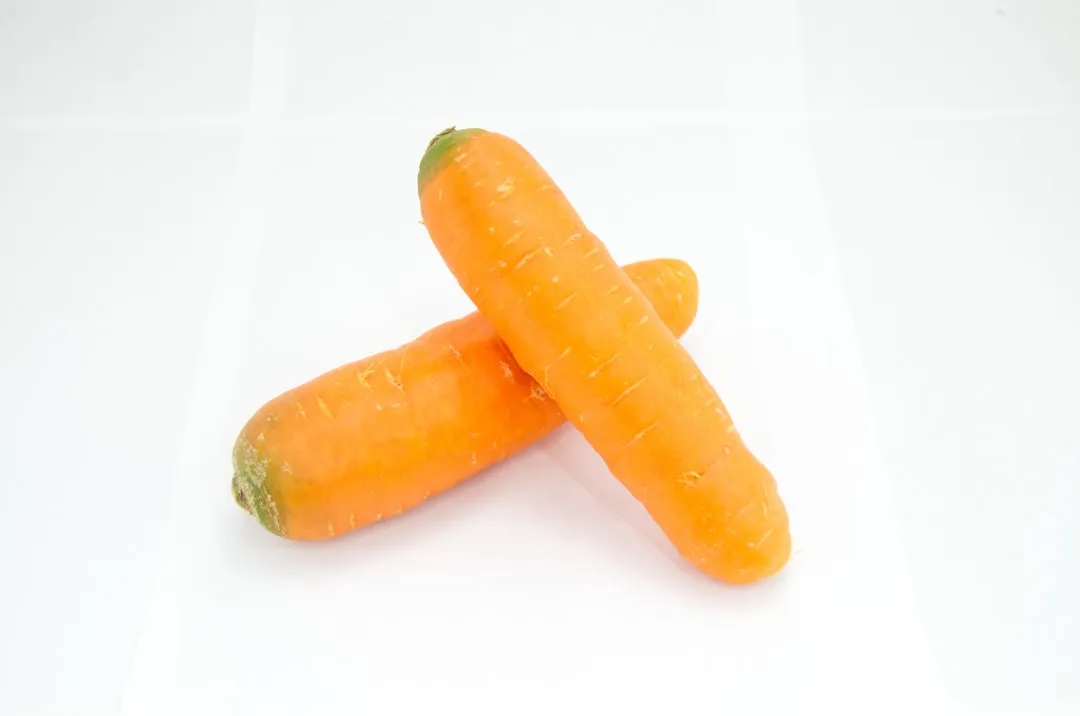
Carrots are the poster child of frost-sweetened vegetables. When the temperature drops, their starch reserves break down into glucose and fructose, giving that unmistakable sugary crunch. The transformation is real and measurable, not just a gardener’s imagination. Gardeners often claim that the best-tasting carrots come after the first frost, and they’re absolutely right. The colder it gets, as long as the ground doesn’t freeze solid, the sweeter these orange roots become.
The same goes for carrots, which end up tasting like carrot candy sticks if left in the ground over winter. It’s one of those cases where patience in the garden pays off in a surprisingly direct way at the table.
Kale, Brussels Sprouts, and the Brassica Family
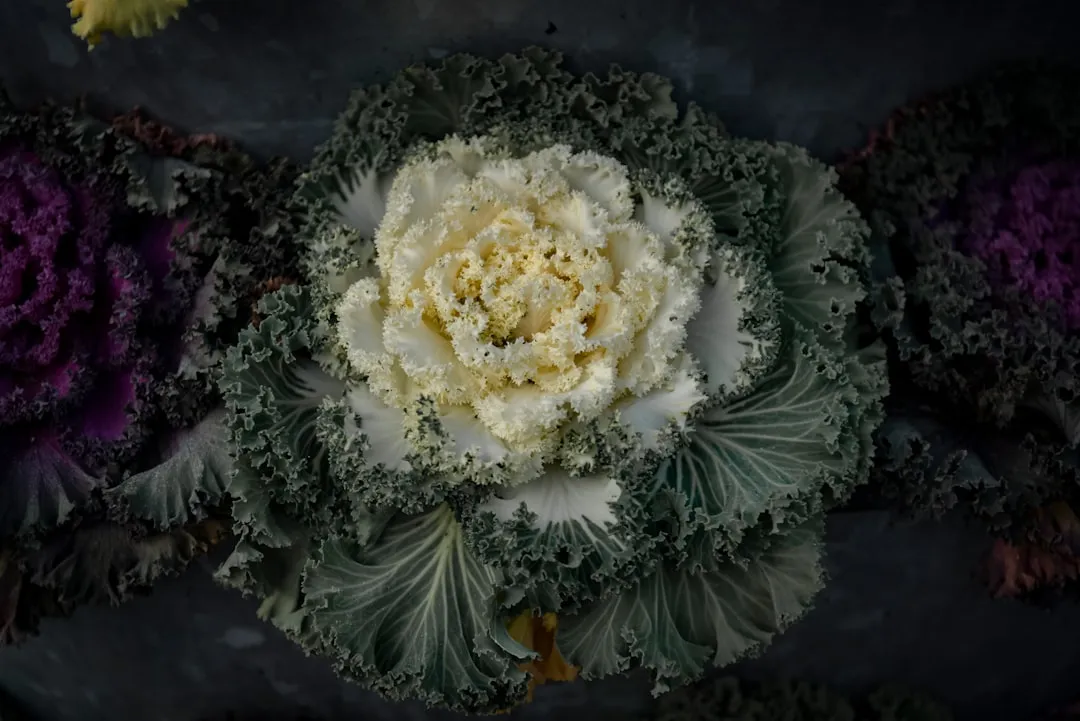
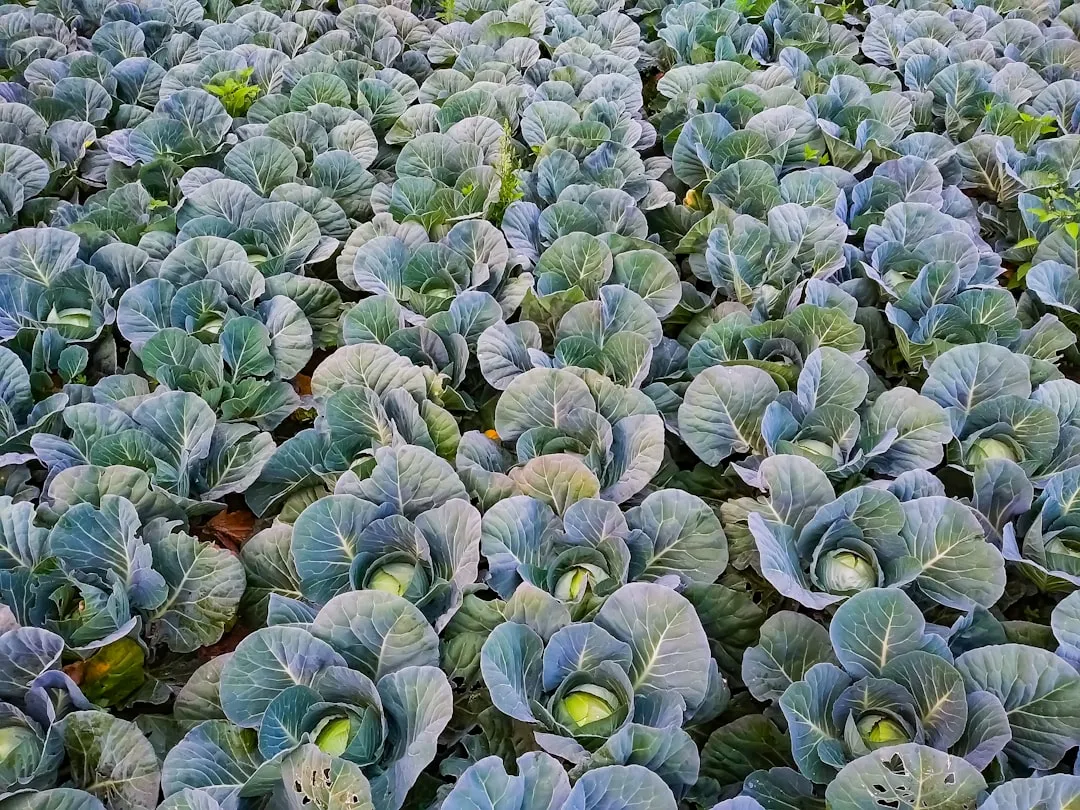
Members of the cabbage family are known for growing well in cooler temperatures and for being frost-tolerant. This family includes cabbage, broccoli, cauliflower, turnips, radishes, kale, chard, and Brussels sprouts. A few of these vegetables react to cold conditions and frost by producing sugars, which make these notoriously bitter vegetables taste rather sweet. Brussels sprouts and kale show this characteristic most prominently.
As temperatures drop, kale’s complex carbohydrates shift toward simple sugars, making it milder and less bitter. That’s why winter kale often tastes smoother compared to its summer counterpart. Many chefs and gardeners deliberately leave kale in the garden through light frosts to enhance its taste naturally. A 2026 study published in ScienceDirect confirmed that kale is a cold-tolerant leafy vegetable whose metabolic plasticity under frost stress is an active area of research.
Bitterness Fades Along with the Warmth
The plant prioritizes survival over defense, so it converts bitterness into sugars as a protective mechanism. This chemical shift makes winter vegetables more palatable and enjoyable. The bitterness in many brassicas comes partly from glucosinolates and other defensive compounds the plant produces when it feels no immediate threat. Cold stress redirects the plant’s chemistry toward sugar accumulation. Gardeners often report that frost-kissed greens are not only sweeter but also milder and smoother in taste.
Many people turn their noses up at turnips, beets, kale, and broccoli, thinking they’re too bitter, spicy, earthy, or otherwise unpalatable. Perhaps it’s because they’ve never tried them from a winter garden when they’re at their peak flavor. That bitterness isn’t permanent. It’s seasonal.
The Cold Sweetening That Backfires: Potatoes
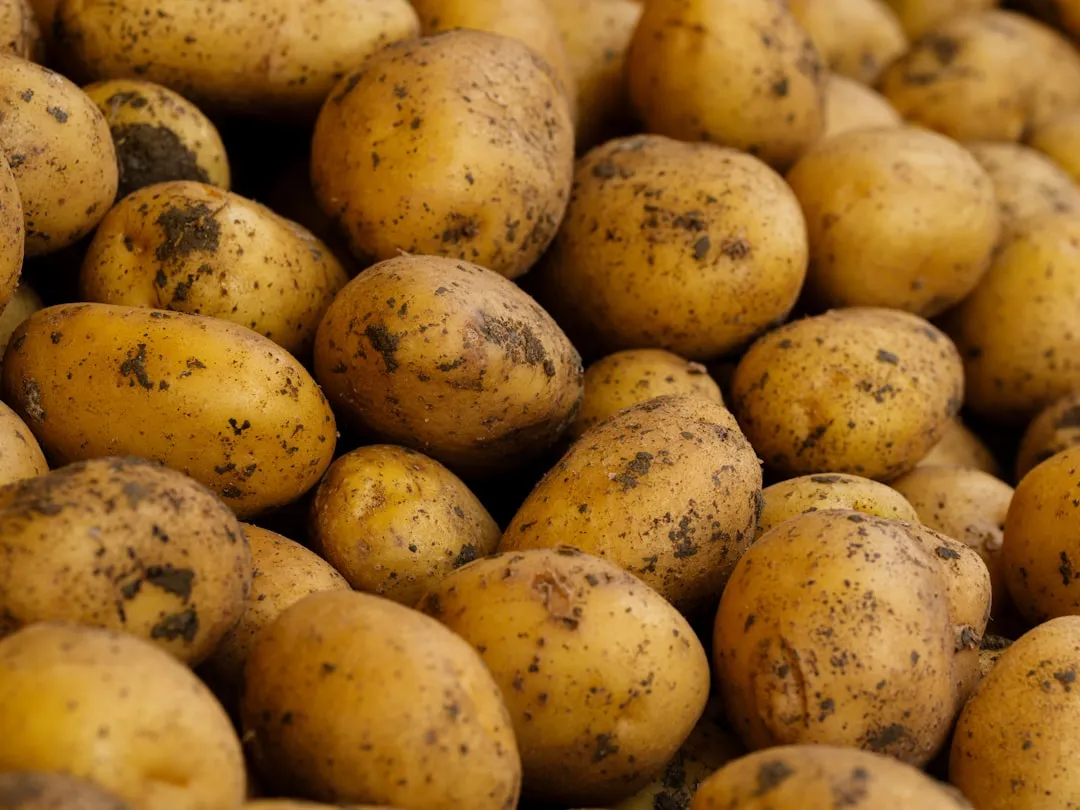
There is one plant for which winter sweetening is not beneficial: potatoes. Potatoes undergo the same cold sweetening process as all these other plants, but the result isn’t as sought after. Potatoes are prized for the starchiness they build up during the summer. Cold breaks that starch down into sugars, and that creates problems in the kitchen. Sugar conversion not only takes away those starches, it causes the flesh of the potato to turn dark brown when cooked.
Cooks may find that cold-stored potatoes turn brown when cooked due to caramelizing of the extra sugar. This can be avoided by moving cold potatoes to warmer storage areas to recondition them and allow the sugars to convert back to starch before cooking them. The same biological process that makes a carrot wonderful makes a potato frustrating.
Not Just Sweetness: Frost and Nutrition
Cold stress isn’t just about flavor. It also affects nutrition. When crops experience frost, they often increase the concentration of antioxidants and other protective nutrients. These compounds not only help the plant survive but also improve the health benefits for humans. So the winter harvest can be more nutritious, not just better tasting. That frosty carrot isn’t just sweeter, it’s also a powerhouse of vitamins and minerals.
This nutritional boost is a side effect of the plant’s emergency response. It’s pumping out protective chemistry to cope with the cold, and much of that chemistry happens to be good for us too.
Day Length Plays a Supporting Role
Photoperiodism is the ability of plants to use the length of daylight or darkness to trigger development or a modification of activities. In many organisms, photoperiodism causes seasonal activities like growth, flowering, reproduction, and dormancy. As days get shorter in autumn, this signal runs alongside temperature drops to prime cold-tolerant crops for their sweetening shift. Day length has a big impact on plant growth, and a good rule of thumb is to make sure your plants mature by the time you reach what gardeners call the Persephone Period, or when the day length drops below 10 hours.
Winter-hardy plants gradually accumulate cold tolerance, and by the time conditions get truly cold, those greens are swaddled in sugary safety from the cold. Temperature and light work together as seasonal signals, and plants read both with surprising accuracy.
Which Vegetables Benefit Most, and What to Do About It
This change doesn’t happen overnight, but as long as you pick your root vegetables sometime after the first frost of autumn, chances are good that they’ll taste a lot sweeter than if you’d picked them in the summer. Carrots, turnips, rutabagas, and beets are all roots that get sweet with frost. Some other vegetables that get sweet in winter are cole crops such as Brussels sprouts, broccoli, and kale, as well as most leafy greens.
If you have ever delayed harvesting vegetables in autumn, you probably already know many vegetables are not only fine to pick after a frost but taste even better. For many vegetables, so long as they didn’t freeze, the cool temperatures have improved the sweetness. The practical takeaway for gardeners is genuinely counterintuitive: don’t rush to harvest everything before the first cold snap. While autumn frosts wipe out warm-season crops like tomatoes and basil, they boost the sweetness of cold-season crops because cold temperatures cause them to concentrate simple sugars.
A Final Thought on Nature’s Own Sweetener
Plants don’t sweeten after frost as a gift to us. They do it purely to survive, converting starch into sugar as a last-ditch defense against cellular damage. We just happen to benefit from eating them at exactly that moment of biological stress. It’s one of those rare cases where a plant’s emergency response and our culinary pleasure align perfectly.
The next time a frost comes early and you’re tempted to rush out and save everything, consider leaving the kale, the carrots, and the Brussels sprouts right where they are. The cold isn’t your enemy. For the right vegetables, it’s the best seasoning you never had to buy.
AI Disclaimer: This article was created with the assistance of AI tools and reviewed by a human editor.