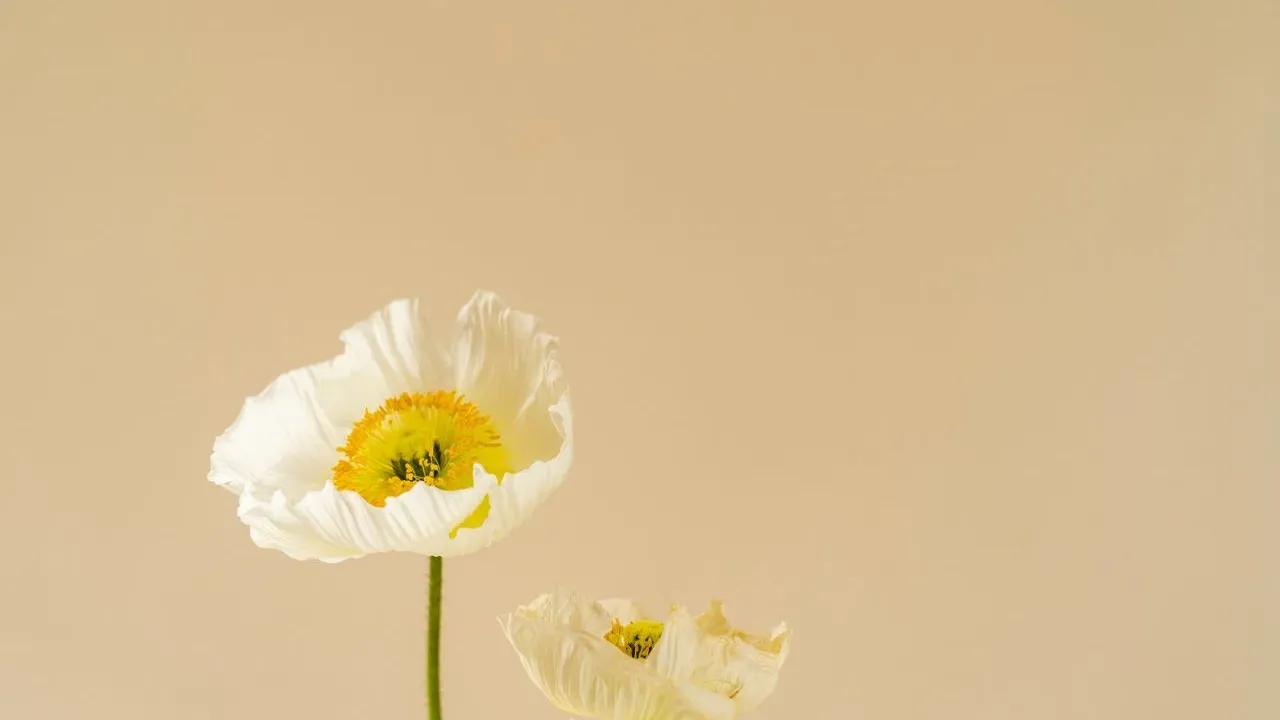

In Connecticut, flower farmer Jen has turned her fields into a direct source for colorful, seasonal arrangements. She gathers blooms alongside summer harvests from the same land and combines them into vases that capture the moment. This method keeps the process local and tied to the rhythm of the growing season.
Why Local Farm Arrangements Matter Now
Interest in flowers grown close to home has grown as people seek fresher options and clearer origins for what they bring indoors. Jen’s work shows one way a small operation can meet that interest without relying on distant suppliers. The result is arrangements that change with the weather and the calendar rather than following a fixed catalog.
Her approach also reflects a broader shift toward businesses that integrate multiple elements from a single site. Flowers and edible harvests share space and timing, which reduces waste and keeps the output varied throughout the months when both are available.
From Field to Finished Vase
Jen begins by walking the rows to select what is ready on any given day. She pairs open blooms with foliage, stems, and produce that complement one another in color and texture. The combinations stay simple enough to reflect what the land offers at that time.
Once gathered, the materials move quickly into arrangements that can stand on tables or counters. Because everything comes from the same fields, the vases carry a consistent character even as the specific ingredients shift week to week. The process stays hands-on from harvest through final placement.
Seasonal Timing and Practical Results
Summer brings the widest range of material, allowing longer stems and brighter mixes. Earlier and later months narrow the choices, which in turn shapes smaller or more focused designs. This built-in variation keeps the work responsive rather than repetitive.
Customers receive arrangements that feel current rather than generic. The farm benefits from using its full output instead of separating flowers from other crops. Both sides gain from a shorter path between ground and table.
What Matters Now
Jen’s model demonstrates how one Connecticut operation can deliver fresh, field-sourced arrangements without added layers of transport or storage. The method stays grounded in what the land produces and when it produces it. Readers interested in similar efforts can note the emphasis on timing and direct use of available material.
AI Disclaimer: This article was created with the assistance of AI tools and reviewed by a human editor.