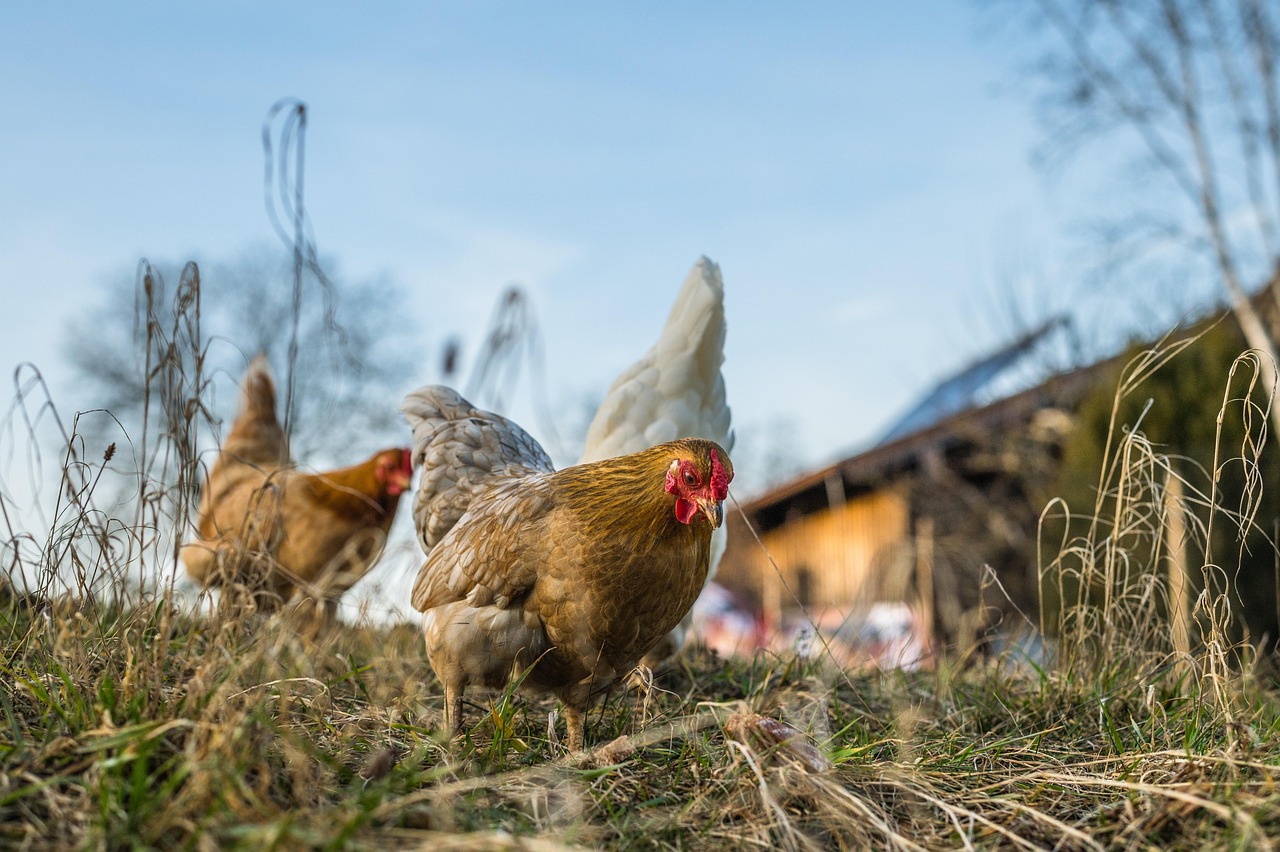

Something shifted in American backyards over the past couple of years, and it wasn’t just a passing pandemic quirk. The humble chicken coop, once associated almost exclusively with rural farmsteads, has quietly returned to the suburbs, the city edges, and even the tight lots of urban neighborhoods. The reasons are layered, from economics to aesthetics to a genuine rethinking of where food comes from.
This isn’t just anecdotal. The numbers back it up, and the coop designs people are choosing in 2026 look nothing like what their grandparents built. Here’s a closer look at what’s driving the comeback, what it looks like in practice, and why it seems to have staying power.
Egg Prices Lit the Fuse
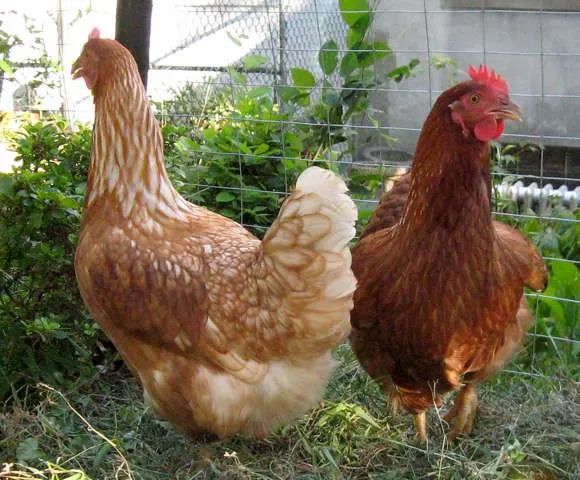
The surge in backyard chicken keeping didn’t happen in a vacuum. The average U.S. price for a dozen Grade A eggs hit $4.15 in December 2024, a roughly 65% increase from $2.51 in December 2023, fueling a surge in backyard chicken interest as a cost-saving measure. That kind of price spike gets people’s attention fast.
After avian flu wiped out commercial flocks, egg prices hit a record $6.23 per dozen in March 2025, according to the U.S. Bureau of Labor Statistics. For many households, that was the final push they needed to start thinking about their backyards differently.
Egg prices eventually came back down. The chickens didn’t leave. That’s because the appeal turned out to be bigger than the grocery bill. People discovered they actually liked keeping chickens, and that realization changed the whole trajectory of the trend.
The Coop Market Is Now a Serious Industry
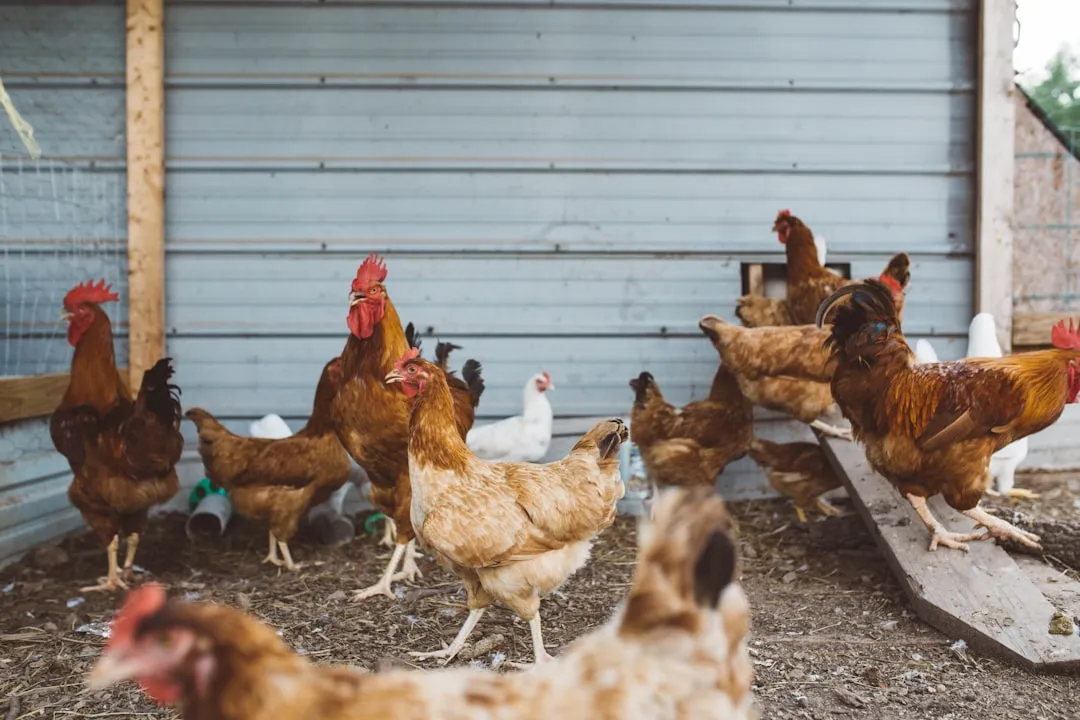
The global chicken coop market was estimated at nearly $15 billion in 2024. The industry is projected to grow from $16.53 billion in 2025 to $45.65 billion by 2035, exhibiting a compound annual growth rate of nearly 11% during that period. That’s not a hobby market. That’s a genuine industry in expansion mode.
The global chicken coop market is valued at USD 562.3 million in 2025 and is projected to climb to USD 907.2 million by 2035, according to Future Market Insights. Different research firms use varying scope definitions, but the directional consensus is clear: demand is rising significantly across all segments.
Increasing demand for poultry products, rising awareness about animal welfare, and growing adoption of backyard chicken farming are all contributing to market growth. Technological advancements such as automated chicken coops and smart feeding systems are also driving market expansion.
DIY Coop Plans Are Going Viral
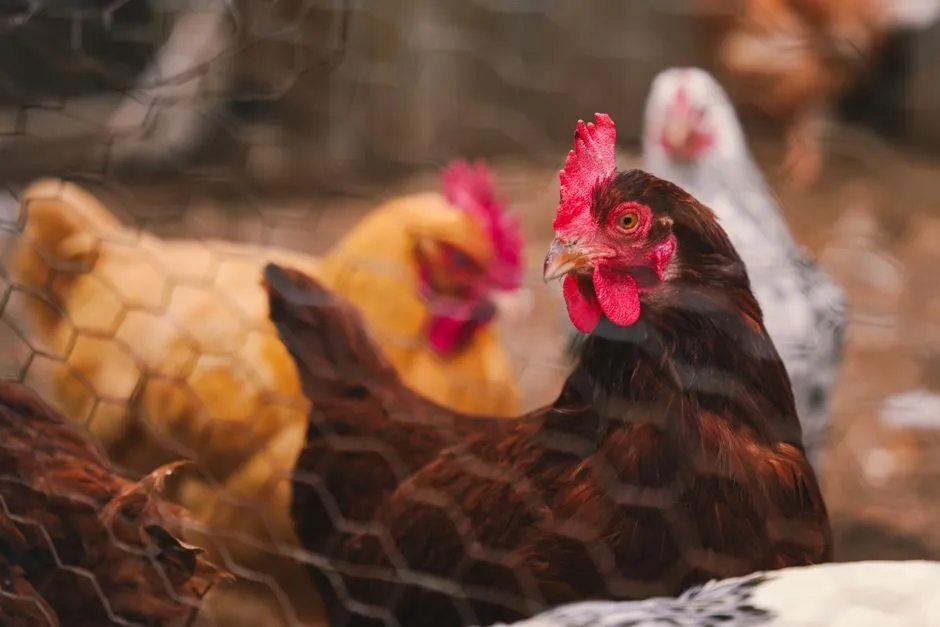
Research conducted by Australia-based real estate company Eden Emerald Buyers Agent found that searches for “easy DIY chicken coop plans” on Pinterest skyrocketed by 212% in the U.S. within the first three months of 2025. That’s a striking number for a single quarter, and it tells you a lot about where consumer energy was flowing.
More households are keeping chickens, according to the American Pet Products Association, with ownership rebounding in 2024 due to rising egg prices and avian flu disruptions in commercial egg supplies. Retailers felt it directly. Tractor Supply sold about 11 million chicks in 2024, and reported an uptick in new flock owners as well as a steady increase in business from existing customers.
The DIY wave matters because it signals something beyond convenience shopping. People are investing time, not just money, into understanding how to build and maintain a coop. That kind of commitment tends to stick.
Coop Design Has Gone Decidedly Modern

Backyard chicken keeping has shifted from rustic utility to intentional lifestyle design, and the coops reflect it. The weathered wood box nailed together on a Sunday afternoon isn’t the dominant image anymore. Today’s buyers want something that actually looks good in a yard.
The resurgence of urban farming has made modern chicken coops an essential element of contemporary backyard designs. These coops are not just functional spaces for raising poultry; they are also opportunities for creative expression, combining aesthetics with practicality.
Buyers today aren’t just looking for a wooden box. They want coops that protect birds from predators, make cleaning and egg collection simple, look good in a backyard setting, and support add-ons like automatic waterers, feeders, and climate-friendly features. That checklist reflects a buyer who has genuinely thought this through.
Modular Coops Are the New Standard
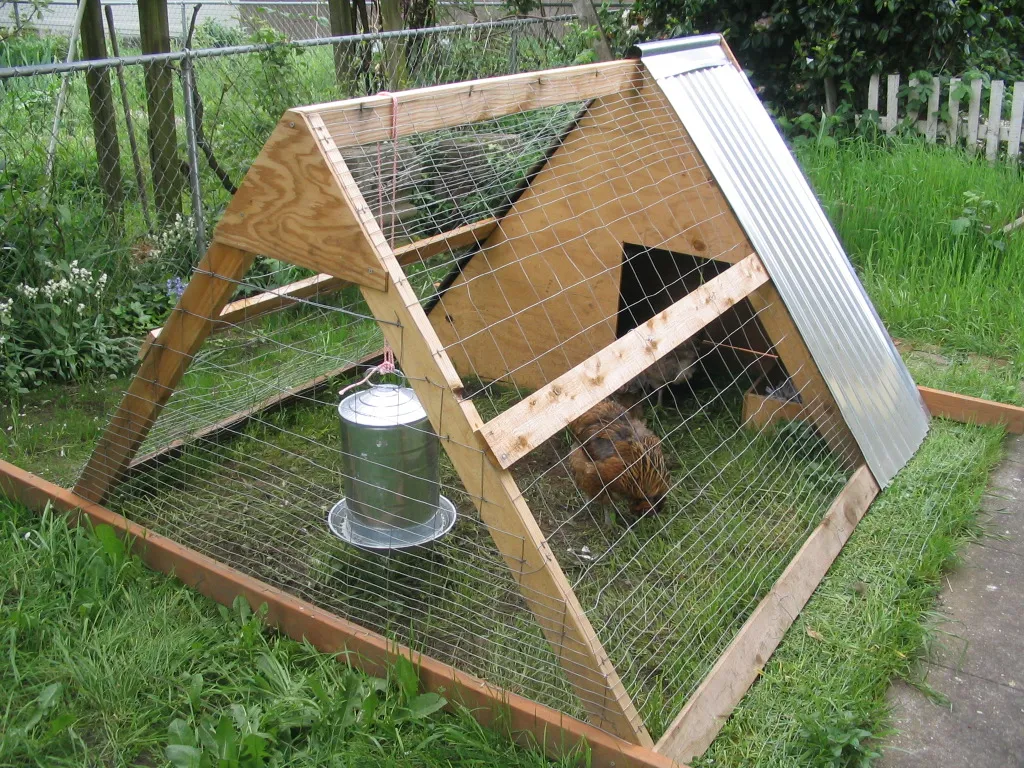
The modular chicken coop is quickly becoming one of the most talked-about trends in backyard poultry keeping. More and more manufacturers and DIY builders are moving away from traditional fixed structures and toward modular systems that can be expanded, reconfigured, relocated, and customized as a flock grows.
A modular coop is not one rigid structure. It is a system of interchangeable panels, sections, and components that bolt or clip together, making it possible to start small and scale up without ever tearing down what you already built. For first-time keepers who aren’t sure how committed they’ll be, that flexibility is genuinely reassuring.
In 2026, these designs are being built with recycled plastics, reclaimed wood, and increasingly integrated with smart sensors for temperature and humidity monitoring, a combination of sustainability and technology that fits where backyard chicken keeping is heading.
Smart Technology Is Moving Into the Coop
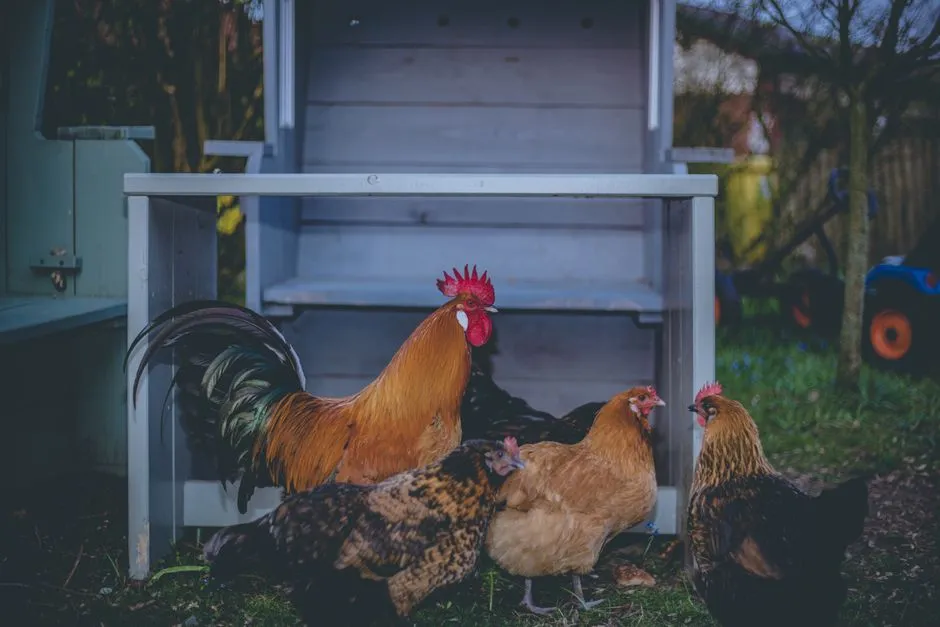
A survey of coop owners found that cleaning frequency is the top pain point for a significant majority. Meanwhile, tech adoption has crossed into poultry keeping: automated door openers, HD nest-cam feeds, and temperature-triggered ventilation are now considered baseline expectations rather than luxuries.
What is new in 2026 is how modular coop manufacturers are designing their panels with built-in sensor mounts, cable routing channels, and power connections that make adding smart monitoring seamless rather than an afterthought. For keepers who manage their flocks remotely during the workday or who live in climates with rapid temperature swings, this integration is a genuine game changer for animal welfare.
The combination of convenience and care is probably what makes the smart coop category compelling beyond the novelty. Fewer surprise problems, better visibility into what’s happening outside, and less daily guesswork all reduce the friction that causes new keepers to give up.
Cities Are Loosening the Rules
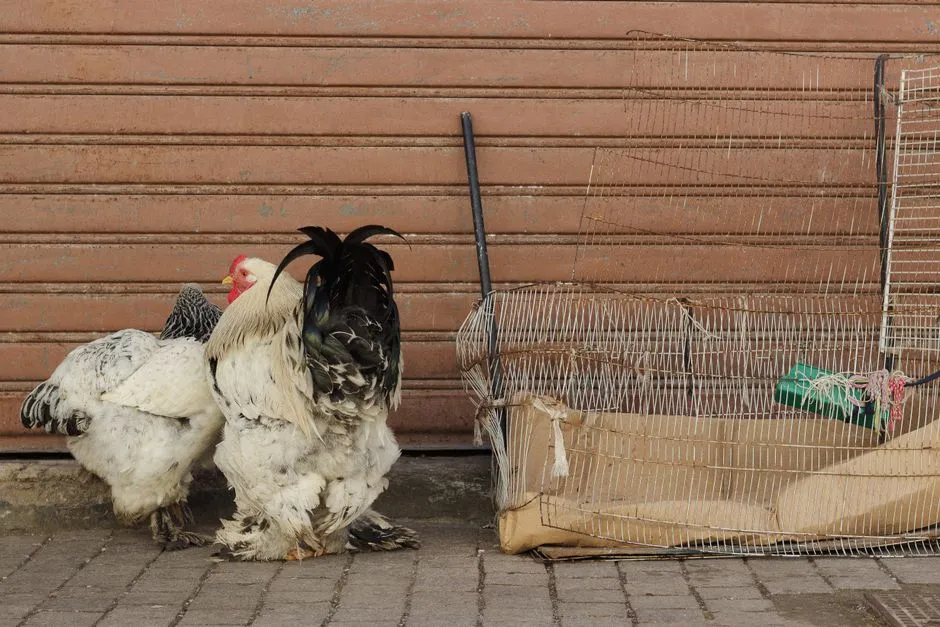
Urban chicken keeping has shifted from a niche hobby to a normalized practice. The 2020 to 2025 period saw more cities legalize or loosen restrictions than any previous five-year span. That regulatory shift has opened the door for a much wider range of households to participate.
Typical urban and suburban ordinances now allow three to six hens for standard residential lots under 10,000 square feet. Some jurisdictions scale limits to lot size, allowing four hens per 5,000 square feet, for example. The rules are still local and varied, but the trend leans toward permitting rather than prohibition.
City ordinances, not state or federal law, control whether you can raise chickens in urban areas. That means the landscape differs block by block in some places. Still, many cities have reversed their chicken bans due to public demand, a pattern that reflects how seriously local governments have taken the growing interest in backyard food production.
The Sustainability Case Is Genuine
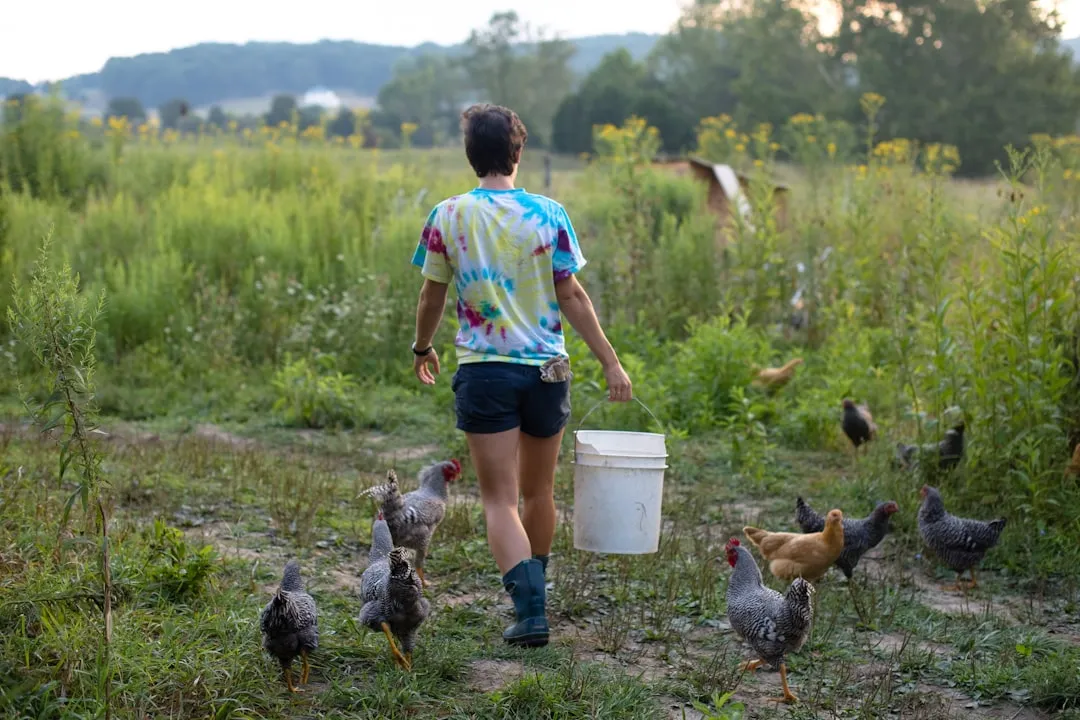
In a backyard ecosystem, chickens play a meaningful role. Their natural behavior, including scratching, pecking, and foraging, helps aerate soil and manage pests, reducing the need for harmful chemicals. Their manure, rich in nutrients, enhances compost, creating a productive garden cycle that minimizes waste.
Research from Penn State’s College of Agricultural Sciences shows that pasture-roaming chickens produce fresher eggs with more omega-3 fatty acids, vitamin A, and beta carotene, and less cholesterol and saturated fat. That nutritional difference matters to households already invested in eating more intentionally.
Backyard poultry farming typically involves raising small flocks within confined or semi-confined spaces adjoining residential areas or small farms. Unlike large-scale commercial operations, backyard systems prioritize diversity, animal welfare, ecological balance, and sustainability. The model isn’t just nostalgic. It aligns with where a lot of food values are heading.
Chickens Have Become Companions, Not Just Producers
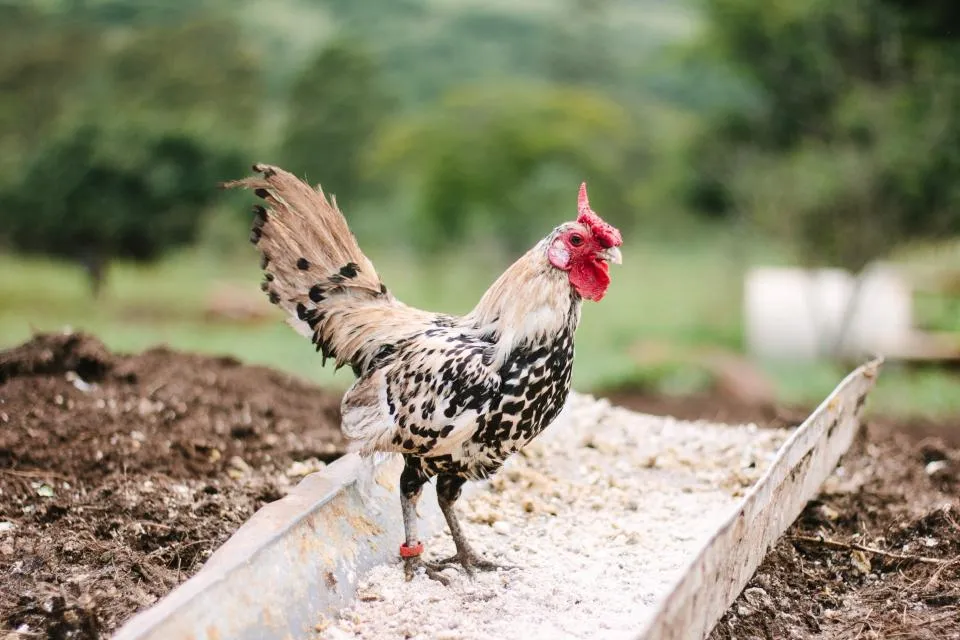
Flock owners frequently describe their birds as pets first and producers second. The birds have names. They get treats. They have personalities. That shift in framing matters, because it changes the calculus on commitment. People don’t give up on pets when egg prices stabilize.
Even celebrities like Martha Stewart, Jennifer Garner, and the Beckhams have shown off their pet chickens, which hasn’t hurt the trend. Cultural visibility like that reaches audiences who might never have considered the idea otherwise, and it normalizes what might have seemed eccentric a decade ago.
For many, chickens are more than utility birds. They’re part of a homestead lifestyle that values simplicity, connection to food, and even companionship. Social media communities and local co-ops have amplified the movement, turning chicken keeping into a cultural trend.
The Feed and Supply Market Confirms the Momentum
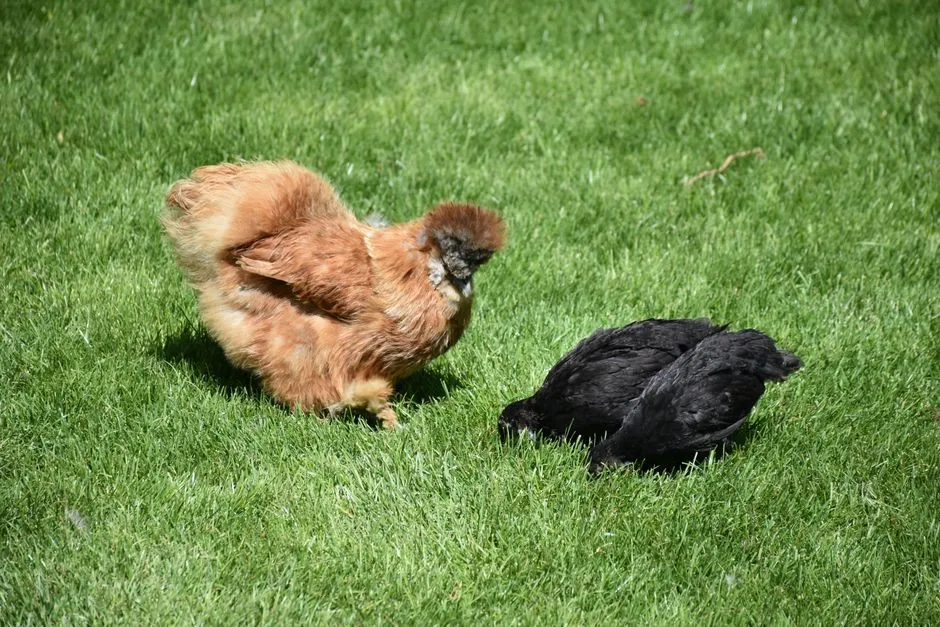
The North American backyard chicken feed market was valued at USD 1.2 billion in 2024 and is projected to grow from USD 1.3 billion in 2025 to USD 2.0 billion by 2033, reflecting a compound annual growth rate of approximately 6.2% during 2026 through 2033. Supply chains don’t scale like that for trends that are fading.
2025 is projected to be a record year for backyard chicken adoption, similar to the 2020 pandemic boom, with sales of chicken feed doubling since October 2024 amid ongoing egg shortages. Retailers across the country have reported inventory pressure as demand consistently runs ahead of restocking cycles.
Local entrepreneurs and longstanding businesses are experiencing record demand for chick sales, feed delivery, and support services, leading to business expansion and new job opportunities associated with urban farming. The economic ripple effect is real and measurable at the local level.
Why This Time Feels Different
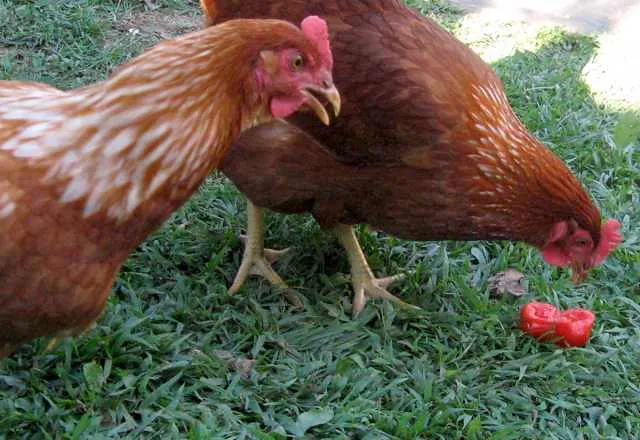
What distinguishes the current wave from previous surges in backyard chicken interest is its breadth. The pandemic version drew in people who were anxious and homebound. This version draws in people who have thought it through, weighed the regulations, priced out the coops, and made a deliberate choice.
Raising backyard chickens and growing your own organic food isn’t just a trend anymore. It’s a lifestyle shift. That framing captures something true: when a behavior survives the conditions that originally triggered it, it tends to become structural rather than seasonal.
The coop is no longer just a functional box at the edge of the yard. It’s a design object, a food system, a small act of independence from supply chains that have felt increasingly unreliable. Whether that’s enough to keep the momentum going long-term remains to be seen. The evidence so far, measured in market data, search volumes, and feed sales, suggests the answer is yes.
AI Disclaimer: This article was created with the assistance of AI tools and reviewed by a human editor.