
Walk into almost any garden center and you’ll find neatly bagged mulch in rich reds, deep blacks, and warm browns. It looks polished, tidy, and purposeful. Most gardeners reach for it without a second thought.
The question worth asking, though, is what exactly sits beneath that color. For ornamental beds, the stakes are relatively low. For vegetable gardens, the picture gets more complicated.
The Difference Between the Dye and the Wood Underneath
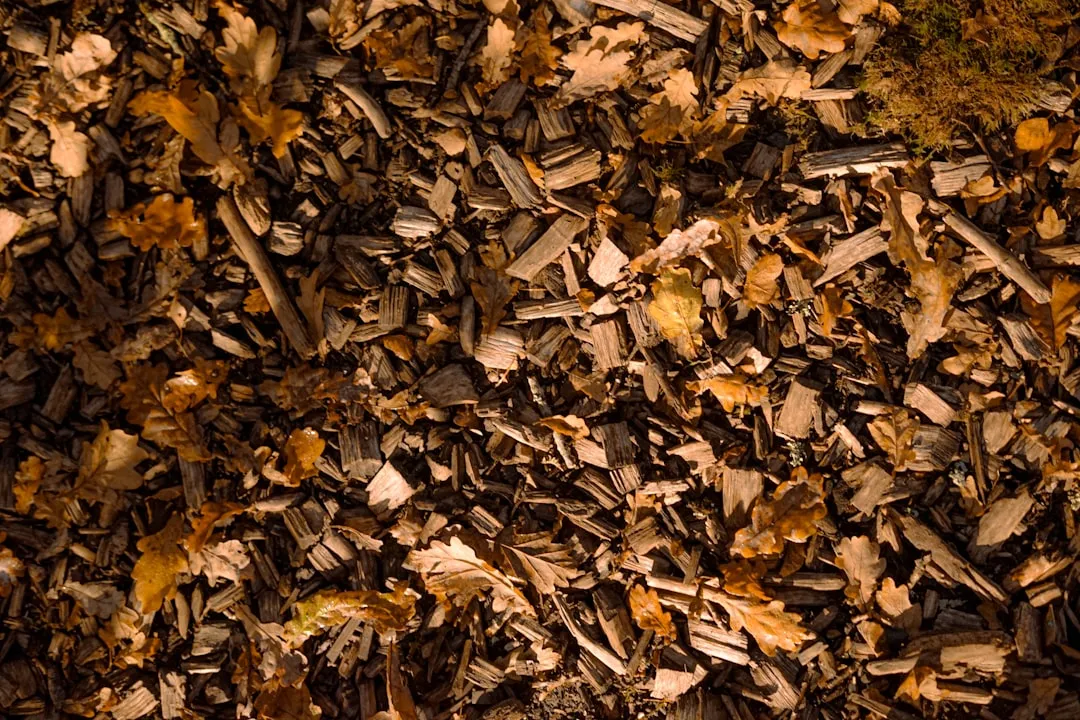
Here is the key distinction that often gets overlooked: the dye itself is generally safe. It’s the wood source that determines whether the mulch is actually safe. This is a critical point that tends to get lost when people focus only on the color of the product.
Common dyes used in colored mulch include carbon black, iron oxide, and vegetable-based colors. Most of these dyes are not harmful on their own. The real concern comes from what the wood was before it became mulch.
Recycled Wood: Where the Risk Really Lives
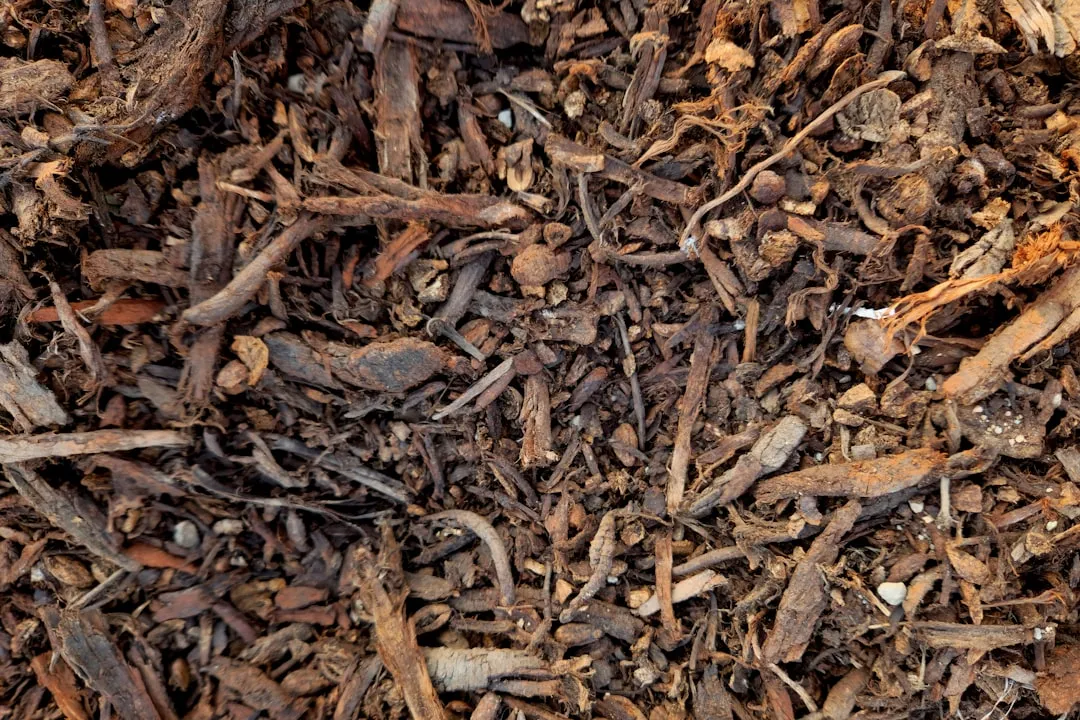
According to Naturescapes, dyed mulches are usually made up of recycled wood waste, which can include chemically treated wood. When it breaks down, this kind of mulch leaches dye and possible contaminants into the soil and can kill beneficial bacteria, earthworms, insects, and even the plants themselves.
While recycled wood may sound like a good idea because we tend to associate anything “green” with health, the problem is that it’s impossible to figure out exactly where that wood came from. It may have come from a construction site and been exposed to or treated with unknown chemicals.
The CCA Problem: Arsenic in Your Garden Soil
Recycled bits of treated wood can contain chromated copper arsenate, known as CCA. Using CCA to treat wood was banned in 2003, but this wood is still taken from demolitions and other sources and recycled into dyed mulches. The ban stopped new production, not the circulation of old material.
Studies have shown that there are leaching risks from the preservative components arsenic, chromium, and copper. These risks include contamination of soil and water, resulting in toxic effects to humans, animals, plants, and ecosystems. Published research has confirmed this concern repeatedly.
A study examining construction and demolition debris found that eighteen of the twenty-two samples collected leached arsenic at concentrations greater than Florida’s groundwater cleanup target level of 50 micrograms per liter. One colored mulch sample purchased from a retail outlet leached arsenic above that threshold, while mulch derived from virgin materials did not leach detectable arsenic.
What the Research Shows About Soil Contamination
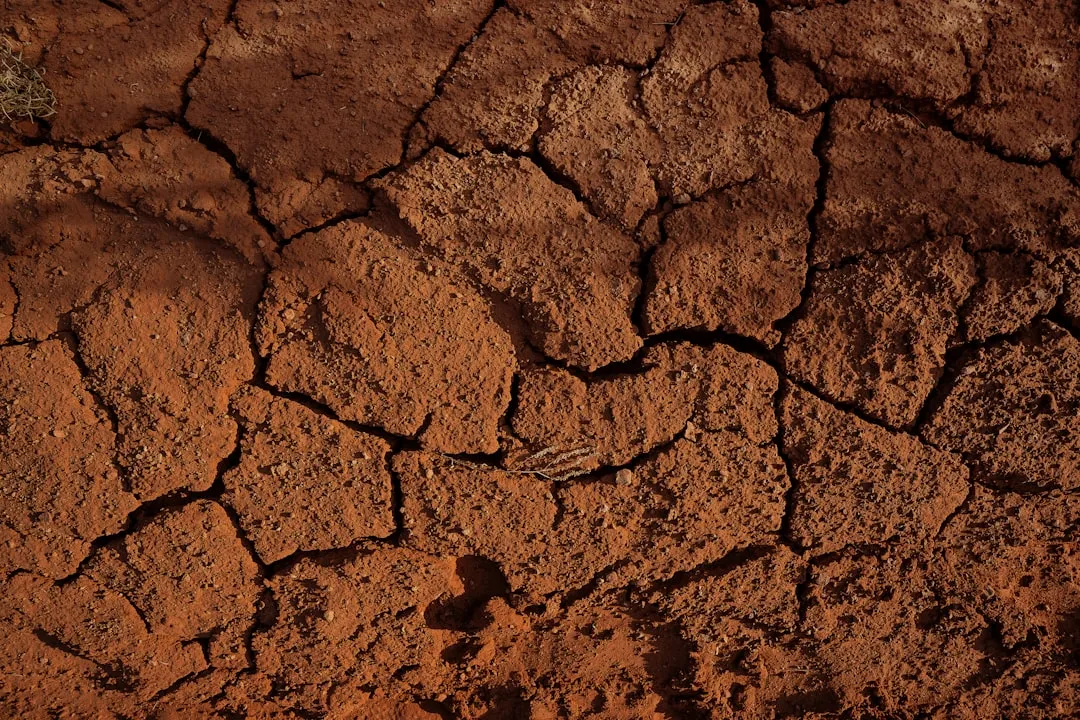
Research has demonstrated that exposure of CCA-treated wood to rainfall resulted in elevated arsenic concentrations in both runoff and soil. Rain, which most vegetable gardens depend on, is precisely what drives this leaching process.
Peer-reviewed research published in science journals found that CCA-treated wood waste mulch leached arsenic, chromium, and copper in significant amounts, with a significant loss of metal compounds from the overall test systems. A further published study noted that there was an unexplained loss of metal compounds from the system that might be attributed to plant uptake, suggesting a previously unidentified risk to both the environment and human health.
How Little CCA-Treated Wood It Takes to Cause a Problem
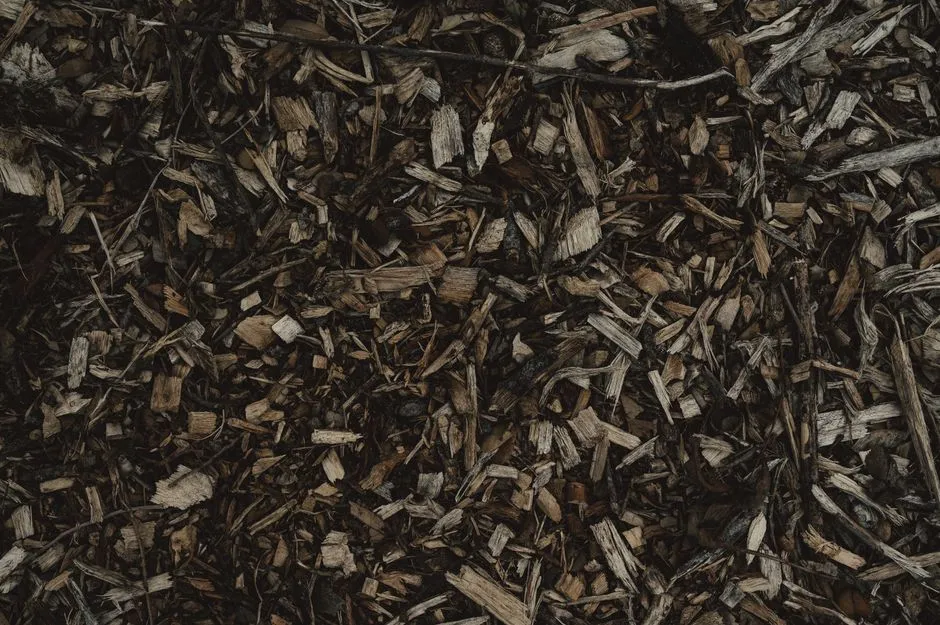
Research using a mass balance approach found that less than one tenth of one percent CCA-treated wood would cause a mulch to exceed Florida’s residential clean soil guideline for arsenic. That is an extraordinarily small contamination threshold. Even trace amounts of old treated lumber blended into a mulch batch can push soil chemistry into unsafe territory.
Other contaminants found in recycled wood used for mulch have included aluminum, lead from paint, and formaldehyde. Creosote-infused utility poles and railroad ties have also been ground up for garden use. While new wood products are currently prohibited from containing CCA or creosote, a seemingly never-ending supply of bad lumber waste is still on the market and could potentially be ground into compost.
Root Crops and Leafy Greens Face a Greater Risk
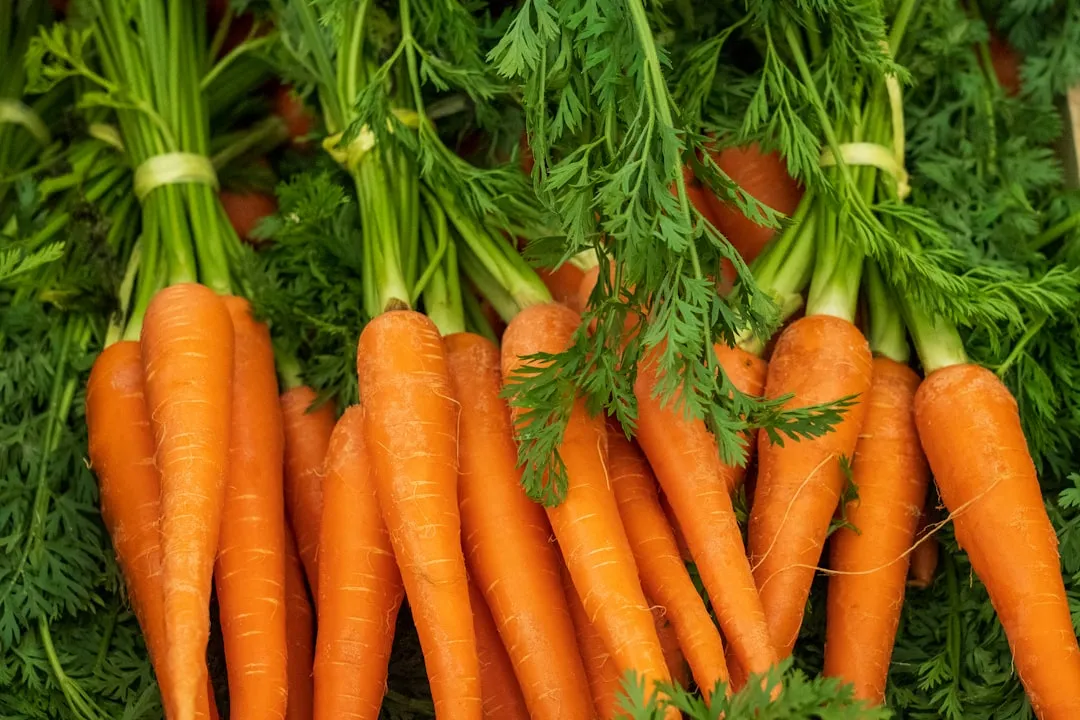
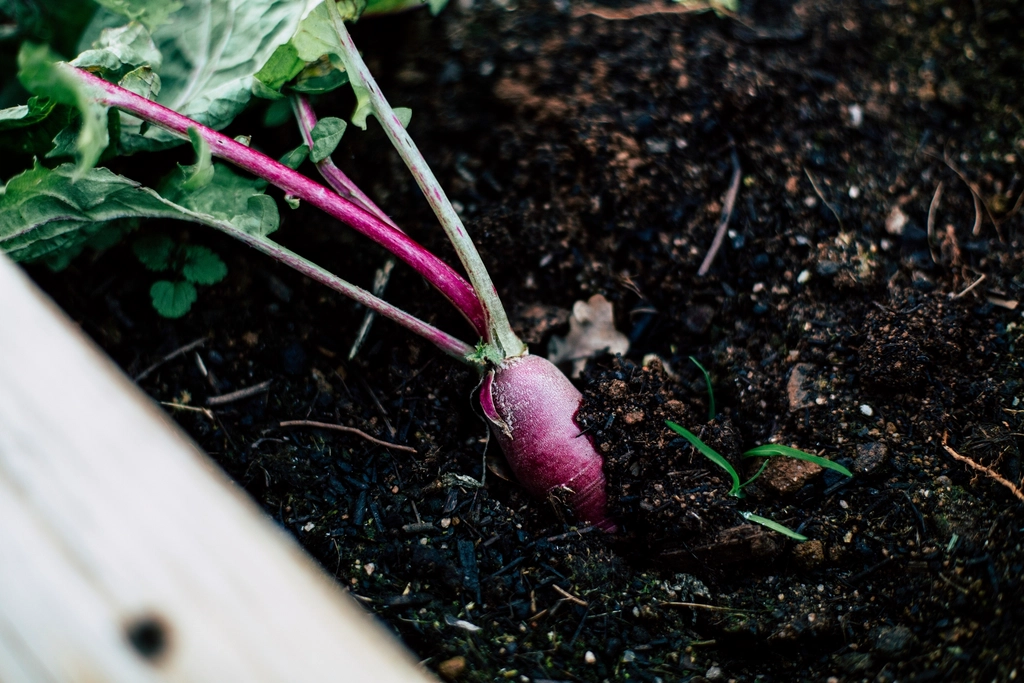
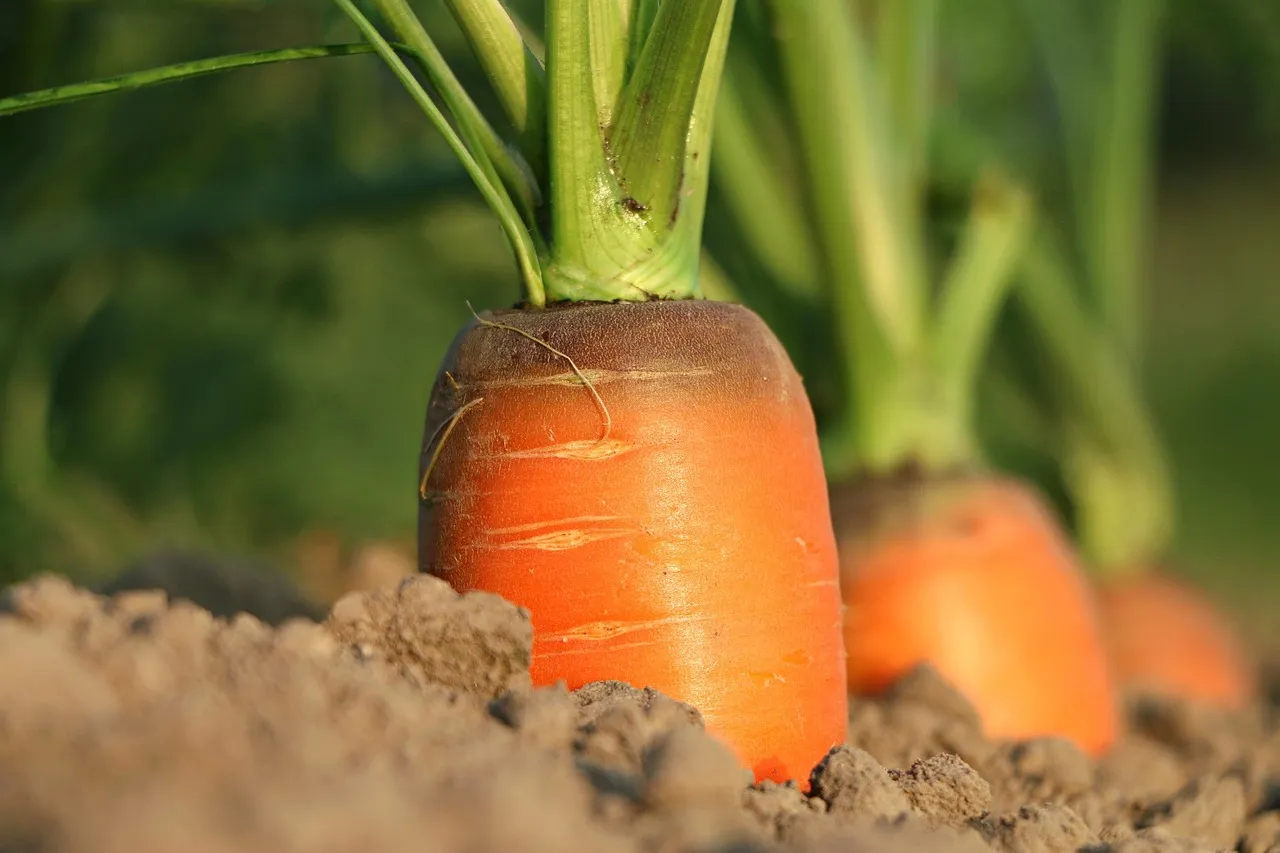
If mulch is made from old pallets or treated wood, it may contain chemicals that can leach into the soil and be absorbed by plants. This is a bigger concern with root crops and leafy greens. Carrots, radishes, beets, and spinach all grow in or very close to the soil layer where mulch residues concentrate.
Root crops and leafy greens grow close to the soil and can absorb more from their surroundings. A tomato plant is somewhat buffered by distance. A carrot has no such protection.
Dyed Mulch and Soil Nitrogen: A Secondary Concern
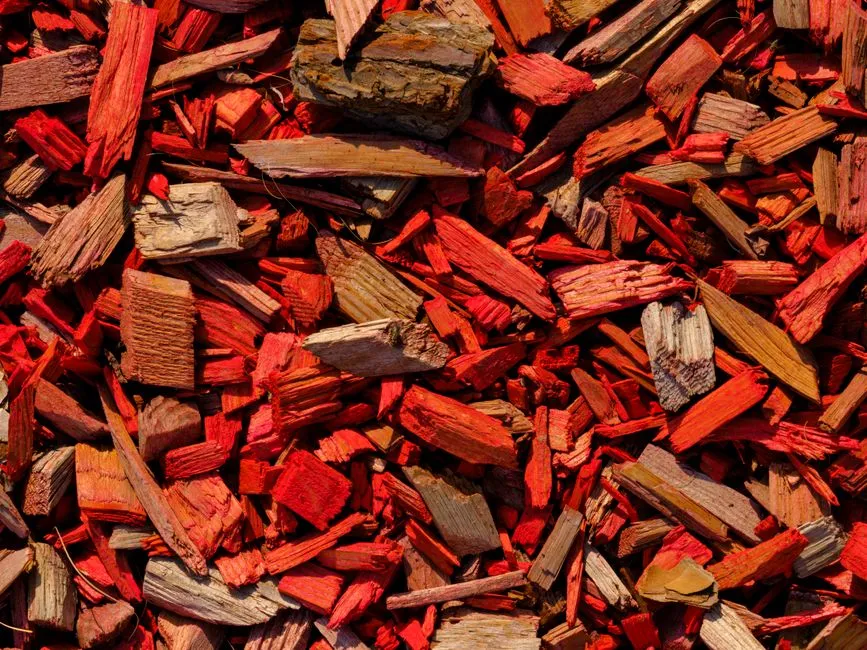
Dyed wood mulch does not break down to enrich the soil the way good mulch should. Instead, it can leach dye along with possible contaminants into the soil, and these wood mulches actually rob the soil of nitrogen by out-competing plants for the nitrogen they need for their own growth.
Organic mulches can influence soil microbial activity and nutrient availability. Mulches with a high carbon-to-nitrogen ratio, such as hardwood bark, ground wood pallets, and sawdust, stimulate microbial growth, which depletes available nitrogen in the soil, potentially causing nitrogen deficiency in plants. Dyed mulches made from recycled wood often fall into this category.
The Warning From Soil Scientists
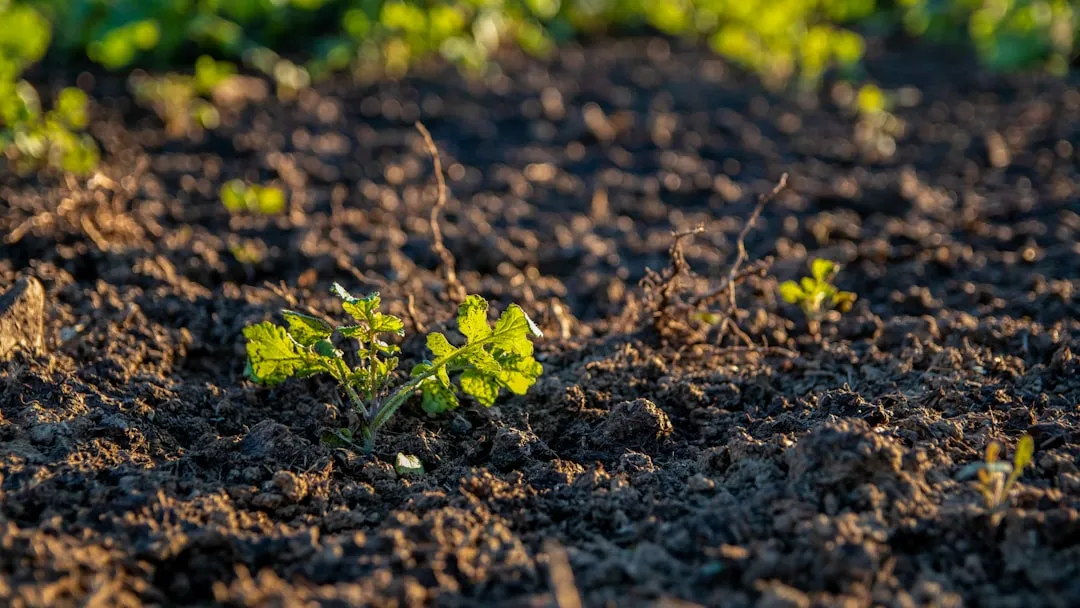
Dr. Harry Hoitink, Professor Emeritus at Ohio State University, warns that dyed mulches are especially harmful when used around young plants and in newer landscapes. Young vegetable seedlings are particularly vulnerable because their root systems are shallow and developing, placing them in close contact with the soil surface where mulch residues accumulate most.
The dyes themselves can leach into the soil, potentially harming beneficial microorganisms and disrupting the soil’s natural balance. This can negatively impact plant growth and overall soil health. A disrupted soil ecosystem takes time to recover, often carrying those effects through an entire growing season.
Regulatory Oversight: There Are Limits to What’s Tested
The situation has improved with the intervention of the Environmental Protection Agency and the oversight of the trade association Mulch and Soil Council. Still, neither agency provides comprehensive farm-to-bag traceability for every mulch product on the market.
The EPA does not regulate mulch dye as a separate product category. However, the individual pigments used in mulch dye fall under existing EPA and FDA guidelines. Iron oxide is listed on the EPA’s Safer Chemical Ingredients List. That covers the colorant but says nothing about what the wood itself may have been treated with before being shredded.
The Mulch and Soil Council has stated that current investigations indicate mulch colorants pose no threat to people, pets, or the environment. The dyes currently used by the mulch and soil industry are similar to those used in cosmetics and other manufacturing industries and pose no known health or environmental risk. Worth noting: that finding refers specifically to the dye, not to the wood base.
Safer Alternatives for the Vegetable Garden
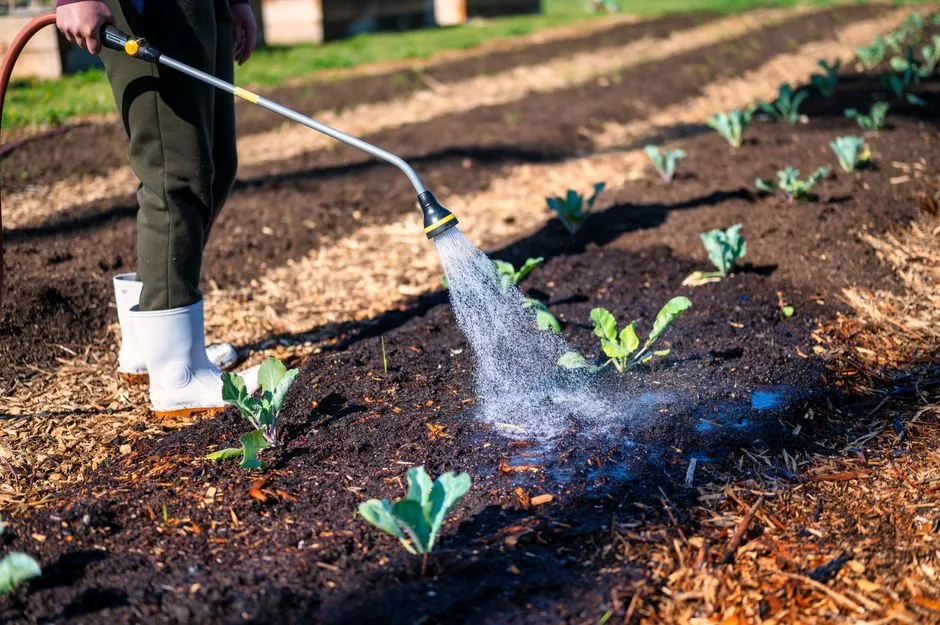
Natural mulch alternatives like pine needles, cedar, cypress, or straw break down faster and enrich your soil with nutrients instead of stealing nitrogen from your plants. These options carry far fewer unknowns when it comes to chemical history.
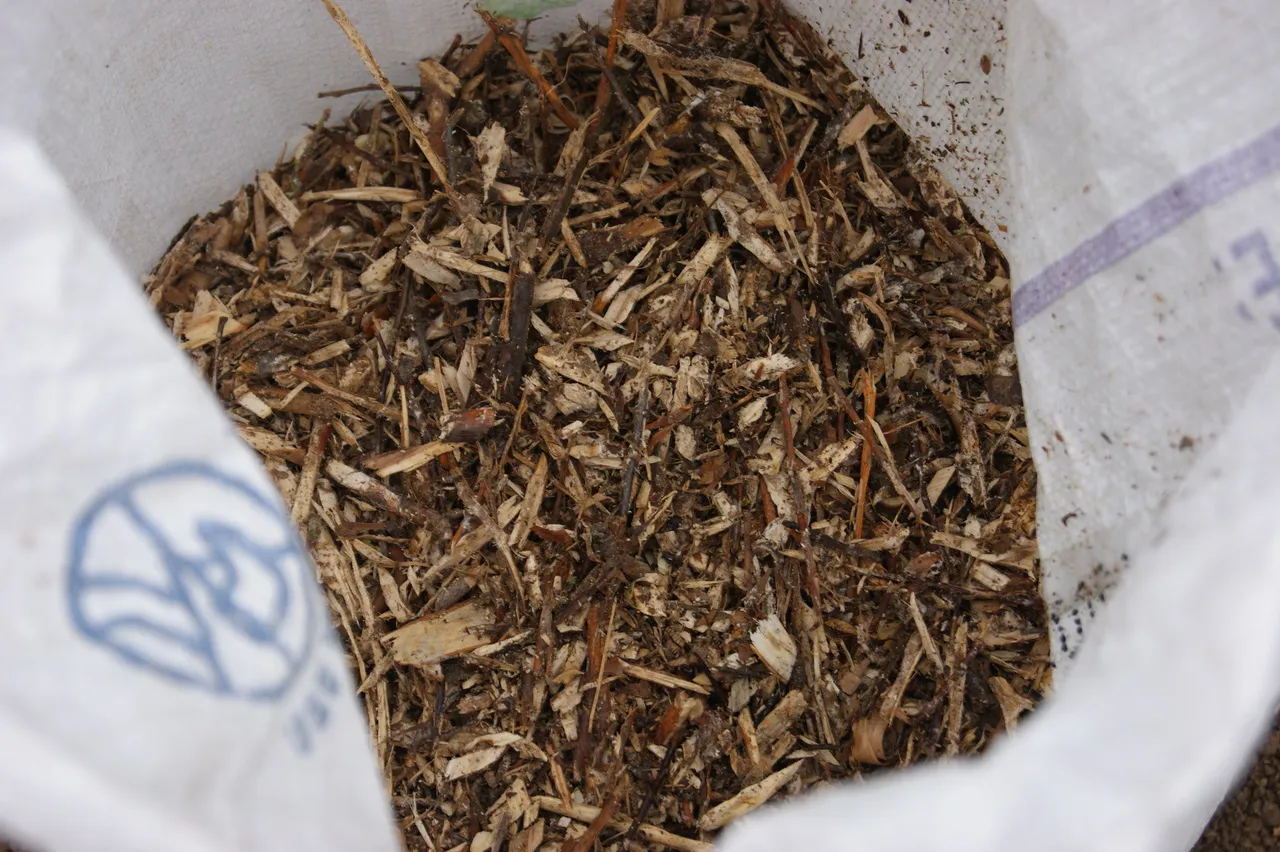
Some bagged mulches, especially those labeled as natural or organic, are fine, particularly composted bark or undyed wood. However, it’s advisable to avoid anything labeled as dyed or recycled wood, especially if it’s not clear what was used in processing. Paint residues, chemical treatments, or treated lumber remnants have no place near food crops.
If you are buying colored mulch, ask the producer where the wood comes from. Mulch made from virgin bark, clean sawmill residuals, or land-clearing debris does not carry CCA risk. Reputable mulch producers test incoming wood for CCA contamination, and many state mulch quality certification programs require this testing.
The Bottom Line for Home Gardeners
The honest answer here is that dyed mulch is not automatically dangerous, but it carries a level of uncertainty that most food gardens don’t need. The dye is largely the least of your worries. The real question is the wood hiding underneath it, and that’s something few bags will tell you clearly.
Dyed mulch may look neat, but it’s not the best choice for areas where you grow food. The color may be safe, but the wood it covers can carry risks. For a vegetable bed, that trade-off simply isn’t worth it when clean, natural alternatives are widely available, often cheaper, and actively beneficial to soil health. The garden you’re tending deserves a mulch whose entire history you can trust.
AI Disclaimer: This article was created with the assistance of AI tools and reviewed by a human editor.