
Most households keep a small stockpile under the sink, in the garden shed, or tucked away near the pool pump. Bleach, ammonia, vinegar, rubbing alcohol, and pool shock all seem harmless sitting in their separate containers. The problem starts the moment people decide to combine them, often with the best intentions, trying to clean harder, disinfect faster, or stretch a product further.
What many people don’t realize is that while these products may share the common goal of cleaning and disinfecting, they don’t always work well together. Mixing them can produce dangerous, and sometimes deadly, results. The danger is not theoretical. It happens in backyards, laundry rooms, and pool areas every week across the country.
Bleach and Ammonia: The Most Dangerous Pair in Your Cleaning Cabinet
Mixing bleach and ammonia produces chloramine gas, a toxic vapor that can cause serious injury or death. Even small amounts of these two common cleaners combined in a sink or bucket can release enough gas to cause breathing problems within seconds.
This is one of the most common accidental poisonings from household chemicals, and it happens because people don’t realize how many everyday products contain one ingredient or the other. Glass cleaners, multi-surface sprays, and floor polishes frequently contain ammonia, while bleach is in dozens of disinfectants and whitening products.
If there is enough ammonia, the combination can also produce hydrazine, which is not only toxic but is a potential explosive. Most people have no idea the reaction can escalate that far from something as routine as cleaning a patio or bathroom floor.
What Chloramine Gas Actually Does to Your Body
When mixed, bleach and ammonia produce toxic gases called chloramines. These gases can cause coughing, shortness of breath, chest pain, nausea, irritation to the eyes, nose and throat, and in some cases severe lung damage, pneumonia, or fluid in the lungs.
Inhaling the toxic material can cause severe lung inflammation. Acute pneumonitis occurs suddenly, but long-term complications from high concentrations can lead to pneumonia, coma, or death. Pulmonary edema is also possible, a condition where fluid fills the lungs, sometimes not becoming apparent until several hours later.
A small space with the door closed is the worst-case scenario. Without airflow, gas concentration rises quickly in a confined space. This is why outdoor or well-ventilated areas matter enormously whenever strong cleaners are in use.
Bleach and Vinegar: A “Natural” Cleaning Mistake

Mixing any weak acetic acid product, such as vinegar or lemon juice, with bleach forms chlorine gas. This gas can harm the skin, mucous membranes, and the respiratory system. Many people reach for vinegar because it feels safer than synthetic chemicals, but that assumption collapses the moment it contacts bleach.
Chlorine gas is a chemical warfare agent introduced during World War I. When it hits a person’s lungs, it generates a noxious mixture of hydrochloric acid, hypochlorous acid, hypochlorite, and other corrosive compounds.
Incidents that create chlorine gas occur more than 2,000 times per year in the United States. That figure reflects how often seemingly routine cleaning decisions escalate into emergency situations.
Bleach and Rubbing Alcohol: The Chloroform Nobody Wants
Household bleach contains sodium hypochlorite, and when this is mixed with ethanol or isopropanol found in common rubbing alcohol, the reaction produces chloroform. Other compounds can also form from this mixture, such as hydrochloric acid, but chloroform is the most well known.
While accidental exposure is unlikely to cause full unconsciousness in open air, it puts you at risk of irritating your eyes, respiratory system, and skin. It can also damage your central nervous system and other organ systems. Chloroform can even be absorbed through the skin.
Long-term exposure can also harm the liver and kidneys. That makes rubbing alcohol and bleach a combination to keep permanently separated, regardless of how small the amounts seem.
Hydrogen Peroxide and Vinegar: Two “Safe” Products That Aren’t Safe Together
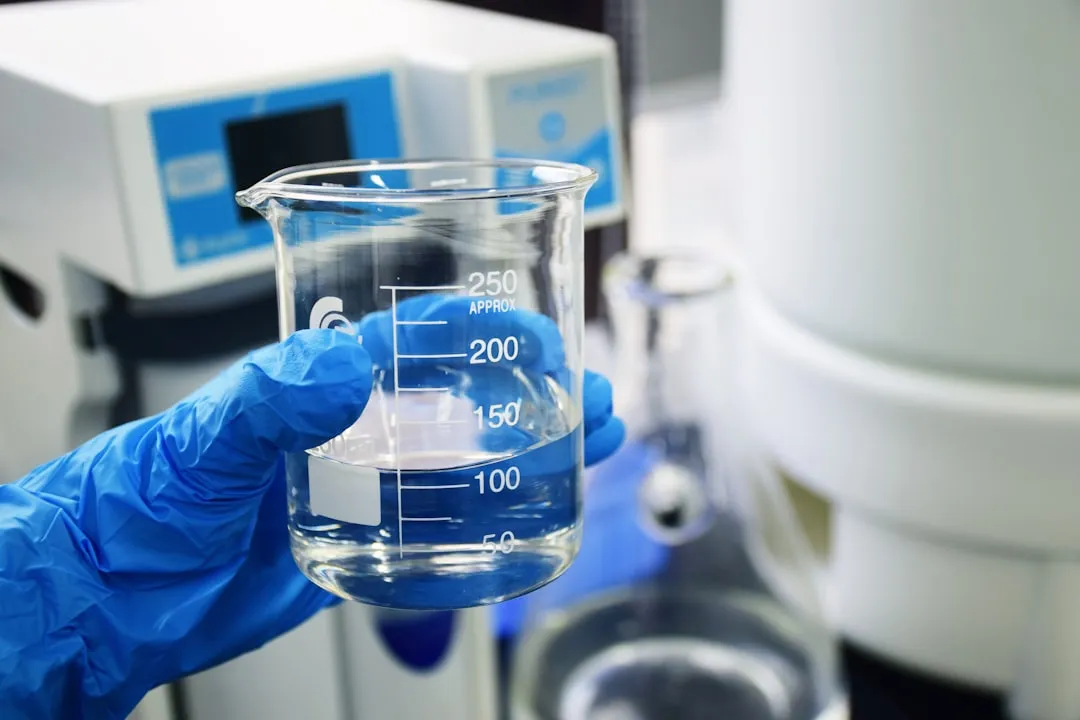
Hydrogen peroxide is a powerful disinfectant and antiseptic. Vinegar, usually a five percent acetic acid solution, is also a common cleaning agent. Grocery stores often use both to clean fruits and countertops. These two products are industrially safe when used one after the other. However, they should not be used at the same time in a household setting. When mixed, they form peroxyacetic acid, a corrosive and toxic substance.
This chemical reaction makes peracetic acid, which is highly corrosive to skin, nails, eyes, and internal tissues. It is an acid strong enough to be used as a medical-grade disinfectant in controlled industrial environments, which gives a sense of just how aggressive it is at home concentrations.
Pool Shock and Muriatic Acid: A Backyard Explosion Waiting to Happen

An especially dangerous mixture of swimming pool chemicals can occur with chlorine and muriatic acid. Adding muriatic acid to pool water helps with reducing pH levels and removing cloudiness. Chlorine kills germs and makes the water healthier for swimming. However, mixing the two could release toxic chlorine gas, which can cause irritation to the membranes of the eyes and mouth. A major exposure at high concentration could cause a fatality.
A Rockland County homeowner mixed calcium hypochlorite pool shock treatment and hydrochloric acid in an aluminum pan. The chemicals reacted and produced hydrogen and chlorine gas, resulting in an explosion. The explosion blew out a window and sent two adults to the hospital with breathing problems.
The CDC estimates roughly 4,500 emergency department visits per year from pool chemical injuries, and investigators found most were preventable with basic handling discipline.
Pool Shock and Trichlor Tablets: Different Chlorines That Don’t Mix
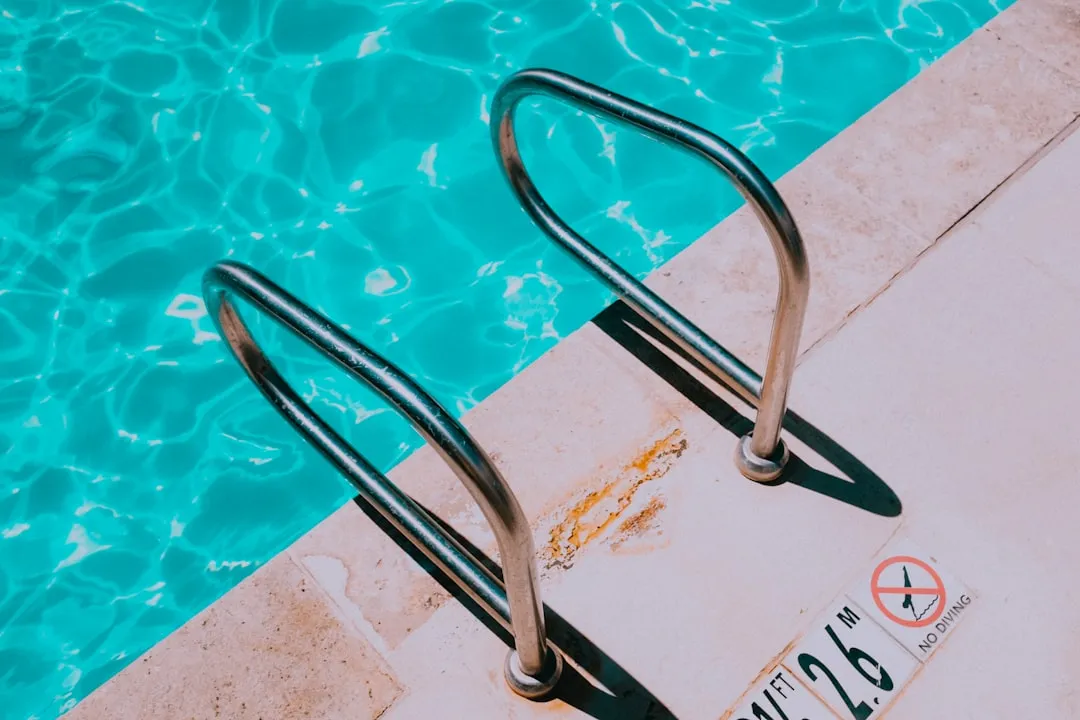
Mixing organic chlorine like trichlor pucks with inorganic chlorine like cal-hypo granular shock in the same bucket or automatic chlorinator can cause a violent, explosive reaction and a chemical fire. Many pool owners keep both on hand without realizing the two types of chlorine are chemically incompatible.
One common and dangerous pool cleaning mistake is directly mixing chlorine shock and trichlor tablets. If you have an automatic chlorine feeder that contains trichlor tablets, never add shock directly to the tablet feeder or skimmer, as it could lead to an explosion or fire. Pouring the shock treatment near the dispenser is also enough to risk an explosion.
Never mix different types of chlorine together. Mixing these incompatible pool chemicals can cause a dangerous chemical fire, explosion, or a release of toxic fumes. The rule is simple: treat each type of chlorine product as its own distinct chemical, not as a variation of the same thing.
The Social Media “Super Cleaner” Trend That Can Seriously Hurt You
One of the most dangerous trends of 2025 was the so-called “Laundry Apothecary” or “Aesthetic Cleaning Cabinet” approach to home cleaning. It involves combining products for visual effect or perceived potency, often with no understanding of what happens chemically when the ingredients meet.
Never mix household cleaners, no matter what you see on social media. That guidance from fire safety officials reflects the reality that online trends have pushed people toward dangerous DIY cleaning experiments, often in enclosed spaces like bathrooms and laundry rooms.
According to the National Safety Council, consumer product-related injuries, including those involving household cleaners, jumped by roughly eighteen percent in 2024 alone. That rise coincides directly with the surge in online cleaning content encouraging people to experiment with product combinations.
Children and Pets: The Most Vulnerable People in the Room
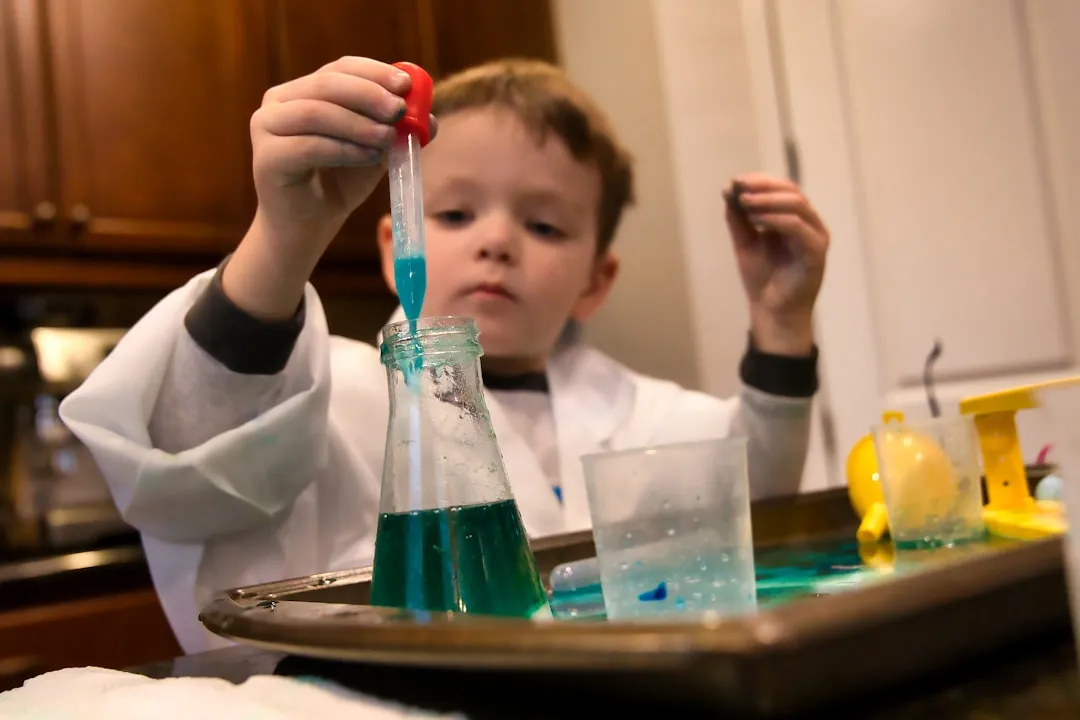
Alabama emergency rooms occasionally treat people for chemical exposures from bleach and other chemicals, often because the products are being mixed together by mistake. According to the Alabama Poison Information Center, cleaning products consistently rank in the top ten substances causing harmful pediatric exposures in Alabama and across the United States.
The CDC’s review of pool chemical injuries found about 4,500 emergency visits per year, with roughly a third of the injured being children, and poisonings spiking when chemicals are opened, mixed, or splashed without protection.
Chemicals should be stored out of reach of children and animals, in a locked cupboard or storage unit if possible, and kept out of direct sunlight and away from sources of heat, sparks, flames, or ignition. That applies to pool areas, garden sheds, and garages just as much as kitchen cabinets.
New Regulations and Changing Formulas Make Label Reading More Important Than Ever

As of 2026, the landscape of household cleaning is changing due to new legislation and safety concerns. Several states, including Maine and Minnesota, implemented bans on the sale of cleaning agents containing forever chemicals known as PFAS. As manufacturers change their formulas to comply with these laws, it is more important than ever to read labels, as new ingredients may have different reactivity profiles.
The EPA also proposed strict bans on 1-bromopropane, a solvent common in aerosol degreasers and spot cleaners, which has been linked to cancer and reproductive harm. Products you bought two years ago may now have reformulated versions sitting on the same shelf with different chemical compositions.
Even new and old versions of the same type of cleaner could have a different chemical makeup. Mixing an old package with a new package could cause concerns. Always think about fresh packaging, fresh types of cleaners, and never mix two unknowns.
What to Do If You Accidentally Mix Chemicals
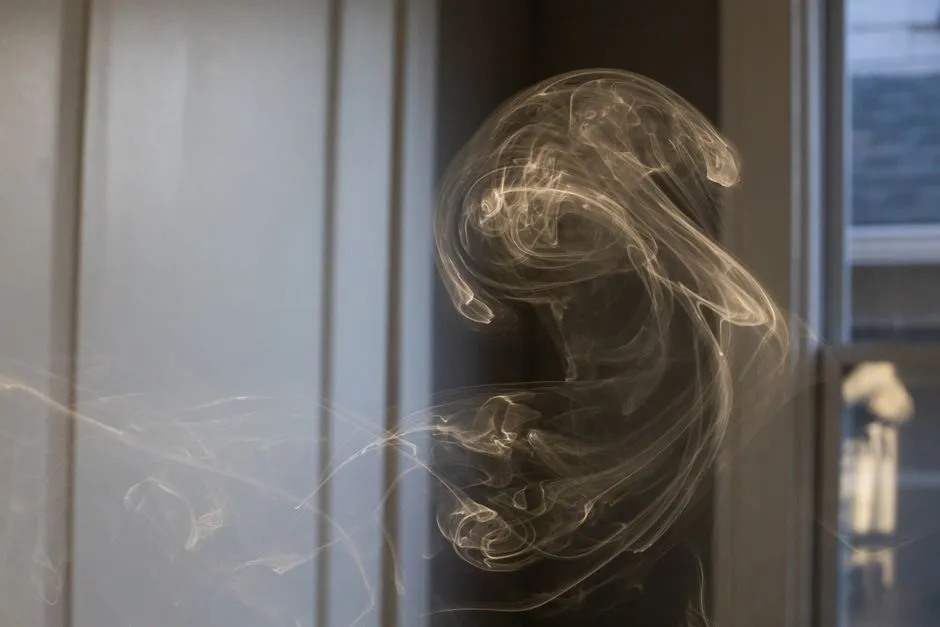
If you’ve been exposed to a mixture of bleach and ammonia or similar chemicals, you need to act quickly. Toxic fumes can overwhelm you within minutes. Speed matters more than almost anything else in these situations.
Move to a safe, well-ventilated area immediately. If you’re having trouble breathing, call 911 or your local emergency services. If you’re able to breathe but have been exposed to fumes, contact your local poison control center at 800-222-1222.
If you encounter someone who has been exposed and is unconscious, move the person into fresh air and call emergency services. When it’s safe to do so, open windows and turn on fans to help dissipate remaining fumes. Never re-enter a space where you know a chemical reaction has occurred without first clearing the air completely.
The Simplest Rule That Protects Everyone
The underlying principle across every dangerous combination on this list is consistent: more is not more when it comes to cleaning products. Experts recommend using only one cleaning product at a time. If a surface requires two different types of treatment, rinse the surface thoroughly with water between applications. This prevents residual chemicals from reacting with the new product.
Never mix chemicals during use or storage, as they may react, resulting in an explosion or other serious incident. The products under your sink were designed to work individually. They were tested individually. They are safe individually. The moment they share a bucket, a spray, or even a damp surface, the chemistry changes in ways manufacturers never intended and never tested for.
Keeping that boundary clear costs nothing and takes no extra time. It’s simply a habit, and one worth building before a sunny Saturday afternoon around the pool or a quick spring clean turns into an emergency.
AI Disclaimer: This article was created with the assistance of AI tools and reviewed by a human editor.