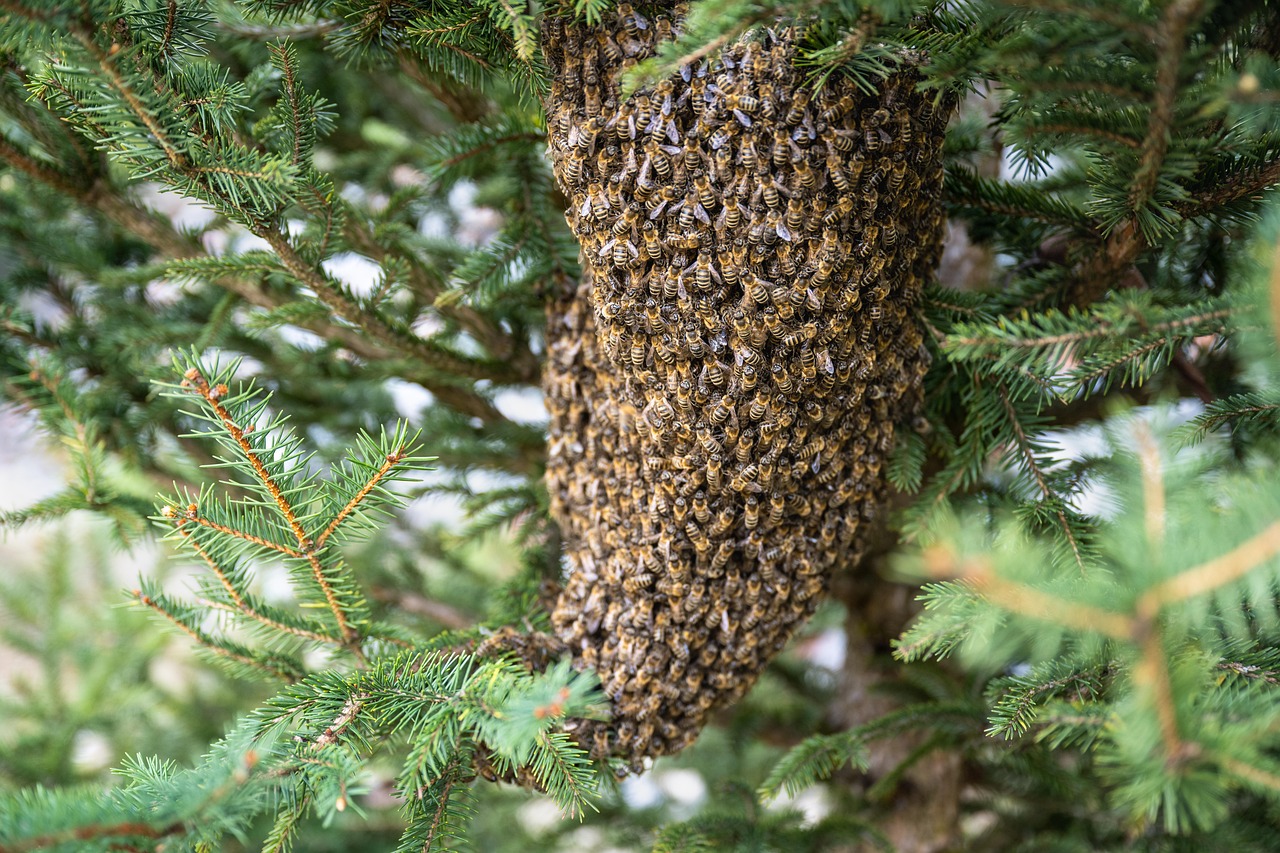

Bees do not wander through a garden randomly, hoping to stumble upon something worth visiting. Their foraging behavior is structured, purposeful, and in some ways surprisingly sophisticated. The strategies they use to zero in on the best flowers involve a mix of social communication, sensory perception, memory management, and even something that resembles a rudimentary form of decision-making.
What makes this genuinely interesting is that much of it has only recently been understood in detail. Research published between 2024 and 2026 has revised ideas that had stood since Darwin’s time and revealed new layers to how bees operate in a world of competing floral options.
The Hive as an Information Hub
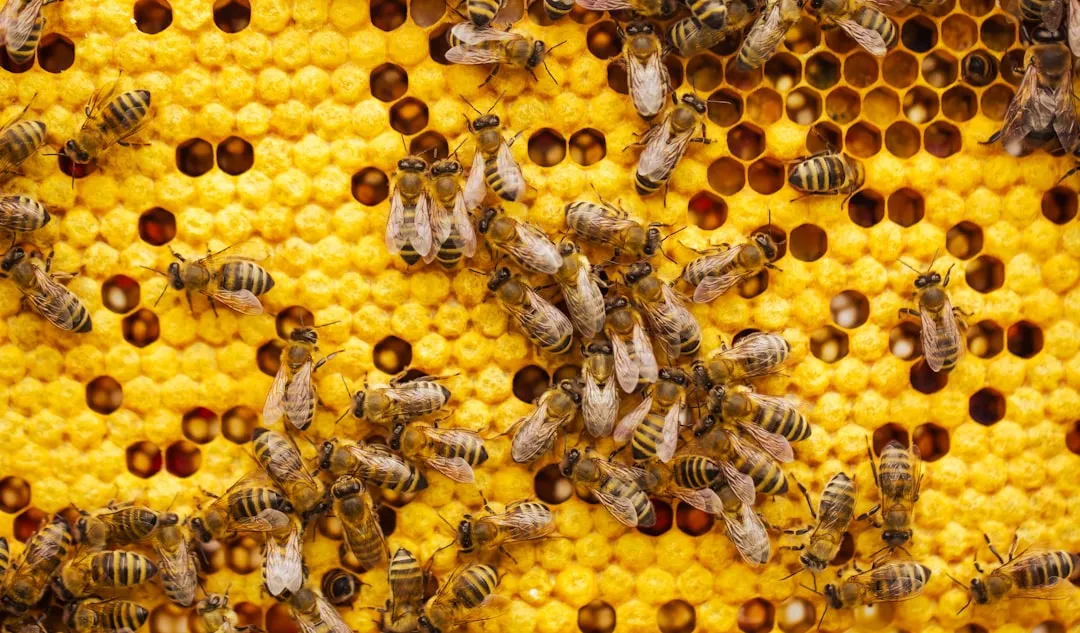
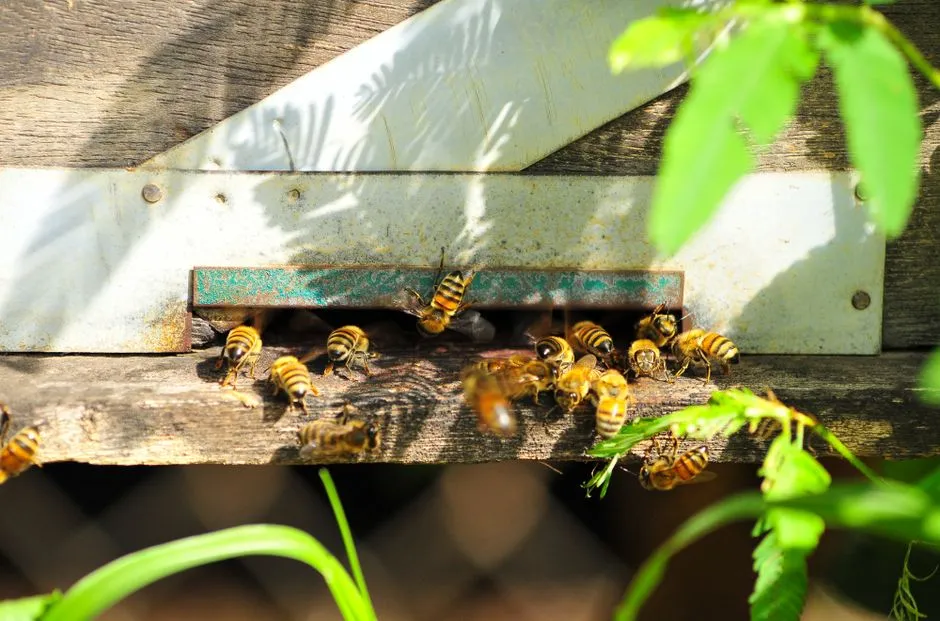
Beehives are information centres, where many individuals wait in the hive for others to bring information back about rich flower patches. This is not passive waiting. Returning foragers broadcast what they know through movement, scent, and sound, and the hive processes that information collectively before sending workers back out.
Bees also communicate other food-related information during these hive visits – they share samples of collected nectar and carry the scents of the flowers they have visited. By interacting with these perfumed foragers, other bees can learn the scent and taste of profitable nectar sources and use this information to guide their foraging outside the hive.
Research at Royal Holloway showed that bees have many means to learn from their nest mates about the best flowers to visit, but it is their unique waggle dance which is prioritised above all else to find the best food sites. The dance is not just a curiosity – it is, effectively, the colony’s primary search engine.
What the Waggle Dance Actually Does
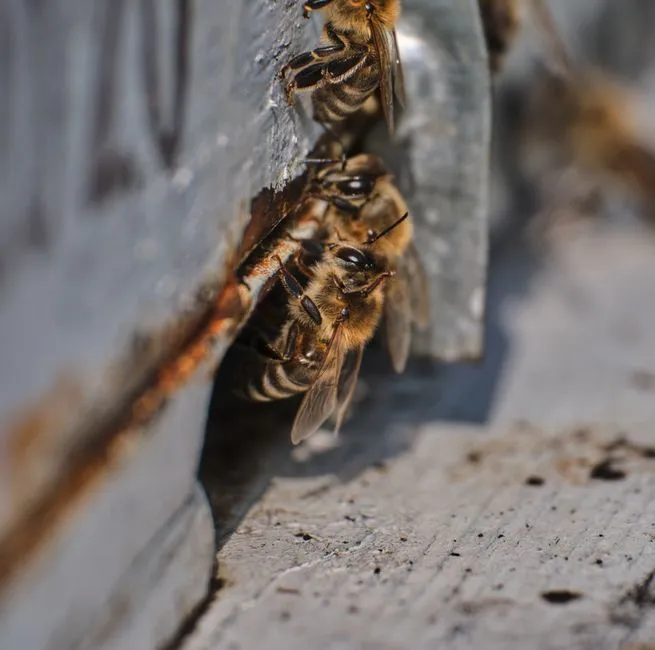
It has long been known that this information can be conveyed through waggle dances that encode the distance and compass direction that other bees should follow, and how bees’ impressive sense of smell can often lead them to flower patches without following a single dance.
The way honeybees communicate distance information is through the duration of the waggle phase of their dance. The longer the waggle run, the farther away the food source is located. Research has shown that the waggle duration primarily corresponds to the effort or energy expended during flight rather than a direct measure of distance. This means that if bees fly against a strong headwind, requiring more energy to reach their destination, they might indicate a longer distance in their dance than the actual linear distance would warrant.
The dance communicates direction, distance and even quality of resources – such as nectar and pollen from flowers – to honeybee nest mates. The more vigorous and sustained the dance, the higher the quality of the source being advertised. It is a live auction of sorts, playing out in the dark interior of the hive.
Young Bees Have to Learn the Dance – and Some Never Get It Quite Right
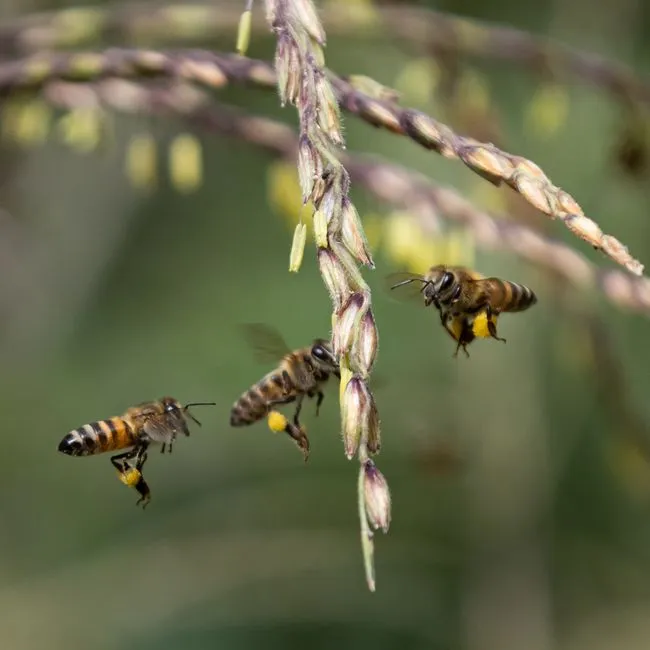
A study published in the journal Science revealed that adult honeybees teach young bees how to dance. This was a genuinely surprising finding. The waggle dance had long been thought to be largely instinctive, but it turns out social learning plays a meaningful role.
Honeybees that attempted to imitate the dance without prior instruction produced “significantly more disordered dances.” Missteps included “larger waggle angle divergence errors” and incorrectly encoded distances. These hiccups improved as the bees gained more waggle experience, but distance encoding errors remained permanent.
That permanence is worth sitting with for a moment. A bee that never had a mentor encodes distance incorrectly for its entire foraging life. The colony’s accuracy depends, at least partly, on a kind of cultural transmission that must be passed from one generation to the next.
How Bees See Flowers That Humans Simply Cannot
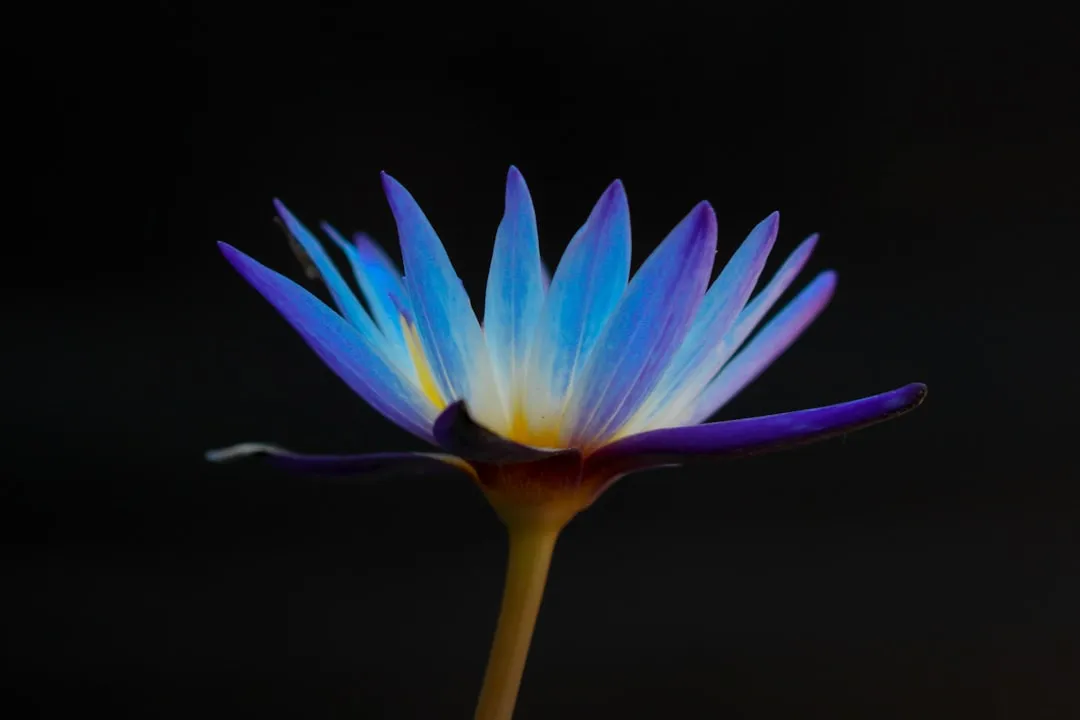
Many flowers contain ultraviolet nectar guides and subtle patterning that are invisible to humans but highly visible to bees. These patterns help guide pollinators toward nectar sources. This is one of the most striking asymmetries between bee perception and human perception of the same garden.
UV patterns originate from UV reflection and absorption in different floral parts and are visible to most pollinators, but invisible to humans. UV patterns can guide pollinators towards a floral reward, such as the centre-outward UV pattern, the so-called UV bull’s eye. That bull’s-eye acts like a landing target, directing the bee straight to where the nectar is concentrated.
Research into pollinator vision shows that bees rely not only on color, but strongly on flower patterns, edge contrast, and spatial cues to locate nectar and pollen. A major study led by the University of Exeter used behavioral testing and bee’s-eye-view simulations to demonstrate that honeybees depend heavily on patterns, not just colors, when identifying flowers.
Close Up vs. Far Away: A Two-Stage Visual System
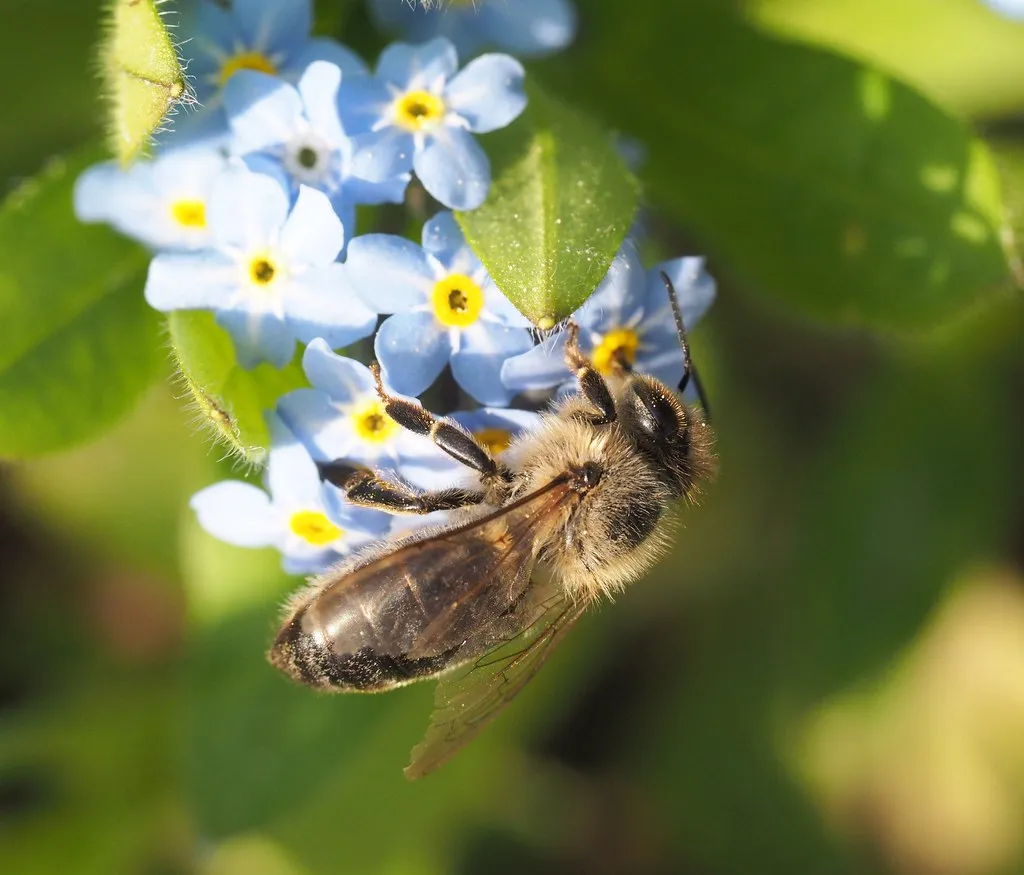
A bee cannot clearly resolve the fine details of a flower until it is within a few centimeters. From a distance, flowers are seen primarily as color patches and contrast boundaries against foliage. The bee, then, uses two distinct visual strategies depending on how close it is to its target.
Previous evidence suggests that honeybees and bumblebees only recognise patterns in the immediate vicinity of flowers and do not use them to control their approach flight over longer distances. That approach is guided by broader color contrast and overall brightness rather than fine detail.
In contrast to the approach and landing phase, there are clear indications that flower patterns guide the third stage of flower interaction: the pollinator’s movement across the flower to the nectary. Bumblebees, which typically walk to the nectary after landing, required less time to find the nectary on realistically sized flowers when patterns were present. The pattern becomes a map only once the bee has already landed.
Flower Constancy: A Strategy, Not a Limitation
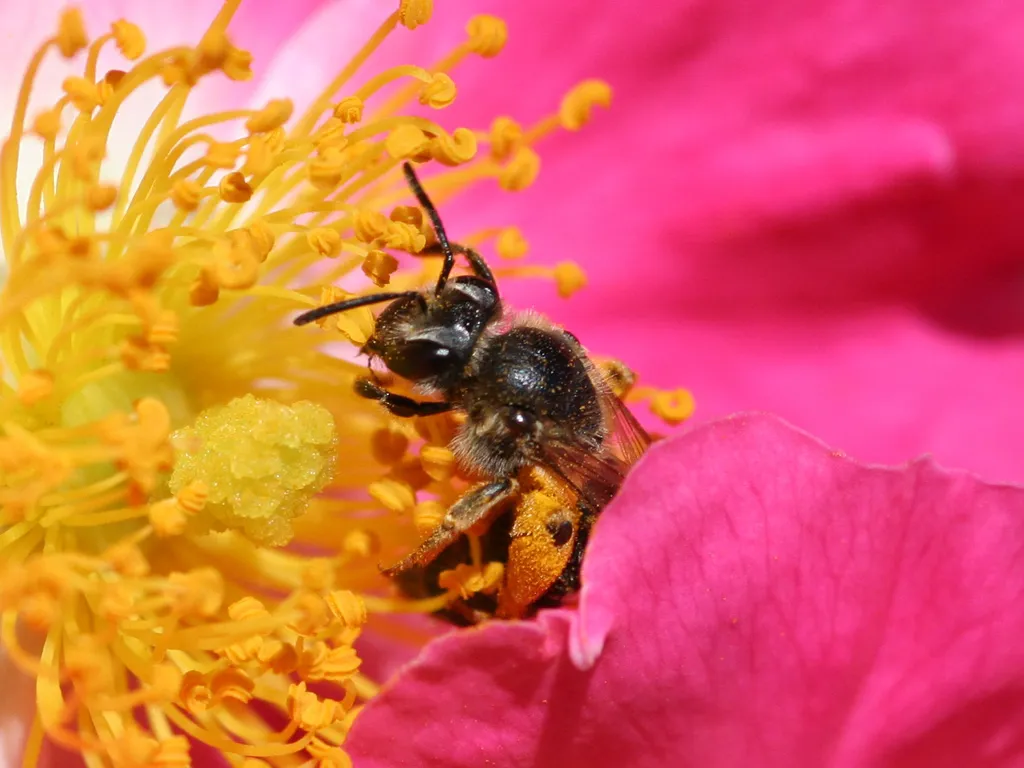
Pollinating insects often exhibit flower constancy – the tendency to make consecutive visits to the same flower species while disregarding others. This behaviour is commonly attributed to the cost of retrieving visual or motor memories from long-term storage while switching between flowers with distinct colours and shapes.
Since Darwin’s time, the phenomenon known as flower constancy has been understood as a passive behavior to reduce the effort of remembering different flower types. However, researchers at the University of Tsukuba have shown via experimentation with bees that this behavior is an active strategy in which bees balance the time required for memory retrieval and moving between flowers, thereby realizing efficient foraging.
Results support the hypothesis that realized flower constancy reflects an optimal foraging strategy rather than a fixed outcome of cognitive limitation. Notably, bees’ constancy increased significantly with greater colour differences only when species were evenly mixed, suggesting a novel perspective: spatial mixing promotes the evolution and maintenance of floral diversity. (Published in Functional Ecology, 2025.)
How Bees Weigh Quality Against Quantity
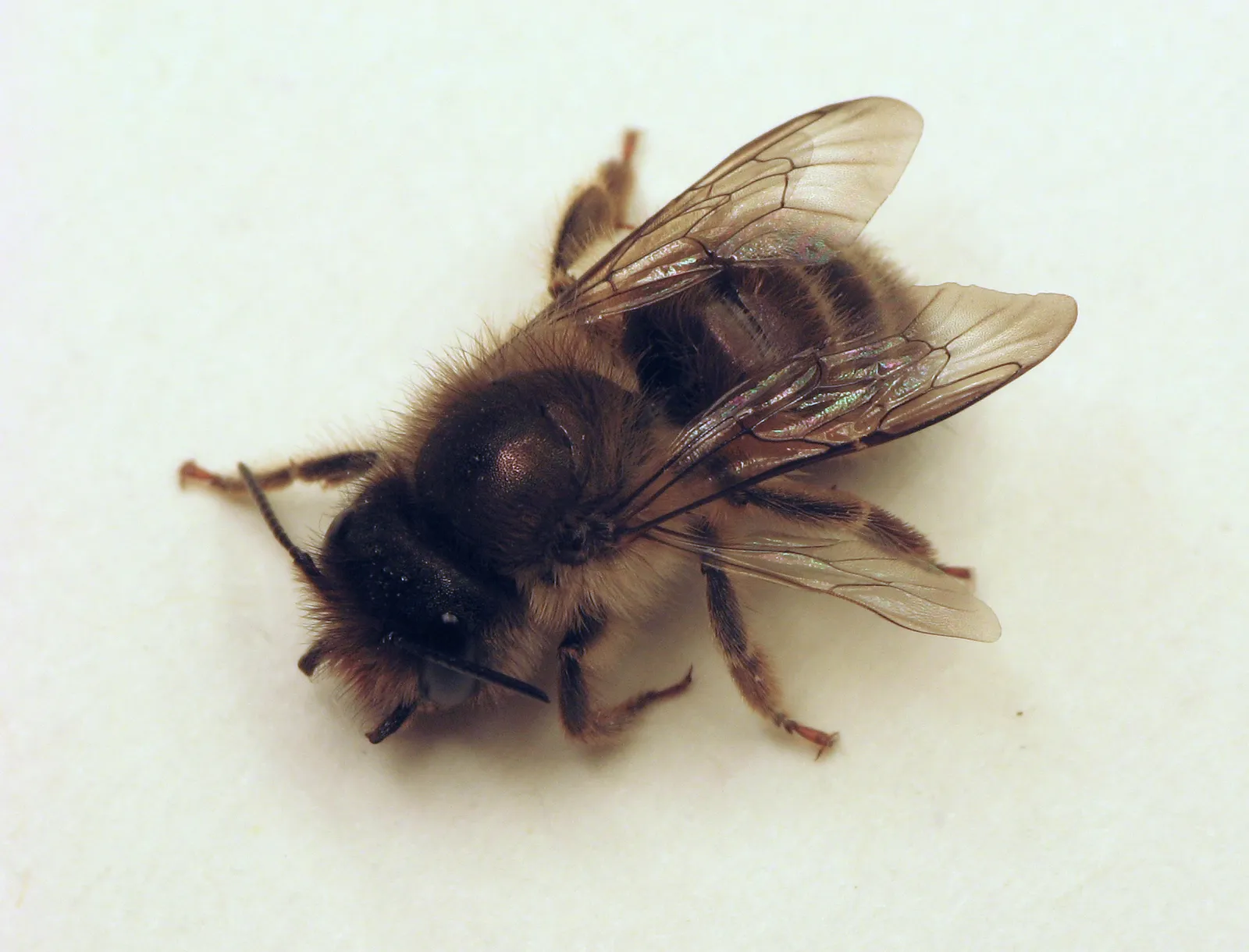
Bee attraction to flowers is mediated by both quantity of resources (the number of available flowers for exploration) and quality of resources (pollen nutritional value), but whether and how bees prioritize these factors is not well understood. A 2024 study from PNAS Nexus attempted to answer exactly that.
Visits from Osmia cornifrons were significantly positively correlated with the number of flowers, while Megachile rotundata visits were significantly positively associated with pollen nutrition, with a preference for plants with higher pollen protein-to-lipid content. Different bee species, in other words, are applying different criteria entirely.
One solitary bee species selects flowering plants based on the number of flowers, prioritizing resource quantity, while another solitary bee species preferentially chooses plants based on the nutritional quality of pollen. The same patch of flowers can look completely different depending on which bee is evaluating it.
Bees Respond More Strongly to Losses Than Gains
Bee foraging decisions are complex cognitive processes, given that foragers need to constantly compare both cues and rewards between alternative floral choices. A 2025 study published in the journal Insects explored whether bees respond differently to rewards going up versus rewards going down.
When reward difference between flower colors was created, a decrease in one of the flower color rewards elicited a stronger behavioral response from foragers than an increase in reward. That asymmetry mirrors patterns of loss aversion documented in vertebrates – something researchers had not expected to find operating at the level of an insect forager.
The perception of phenotypic distance between flowers, as well as the direction of nectar production (increase or decrease), affected honey bees’ accuracy in selecting the correct flower color. Foragers developed flower fidelity to the color offering the higher nectar concentrations. However, learning accuracy was not the same for all differences in reward value, indicating that foragers scale between options, using both color cues and differences in reward quality.
Scent as a Backup Communication Channel
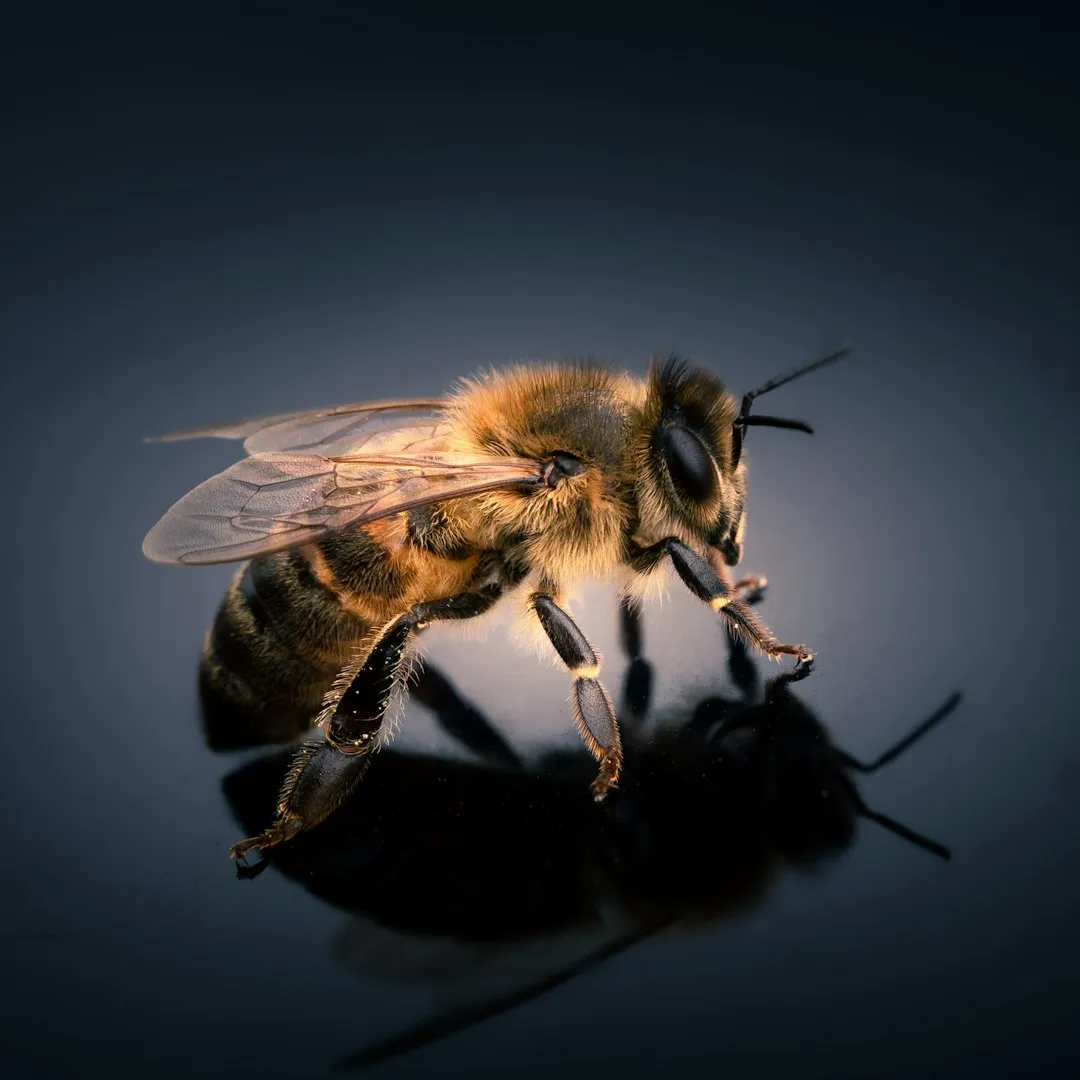
When a food source is close to the hive – roughly within 50 to 100 meters – foragers perform a round dance instead of a waggle dance. The bee turns in tight circles, alternating clockwise and counterclockwise, without a waggle phase. The round dance communicates “there is food nearby” but does not encode precise direction.
Followers rely on the scent of nectar on the dancer’s body to identify the flower species and search the immediate area. This is a clever fallback: when spatial precision is less necessary, scent takes over as the primary guide. The two systems complement each other rather than compete.
Followers attending the dance pick up these odor cues, which help them identify the correct flower species once they reach the area. Even when following a full waggle dance, scent confirmation plays a role in locking on to the right plant once a bee arrives at the general location.
Individual Bees Differ More Than Expected
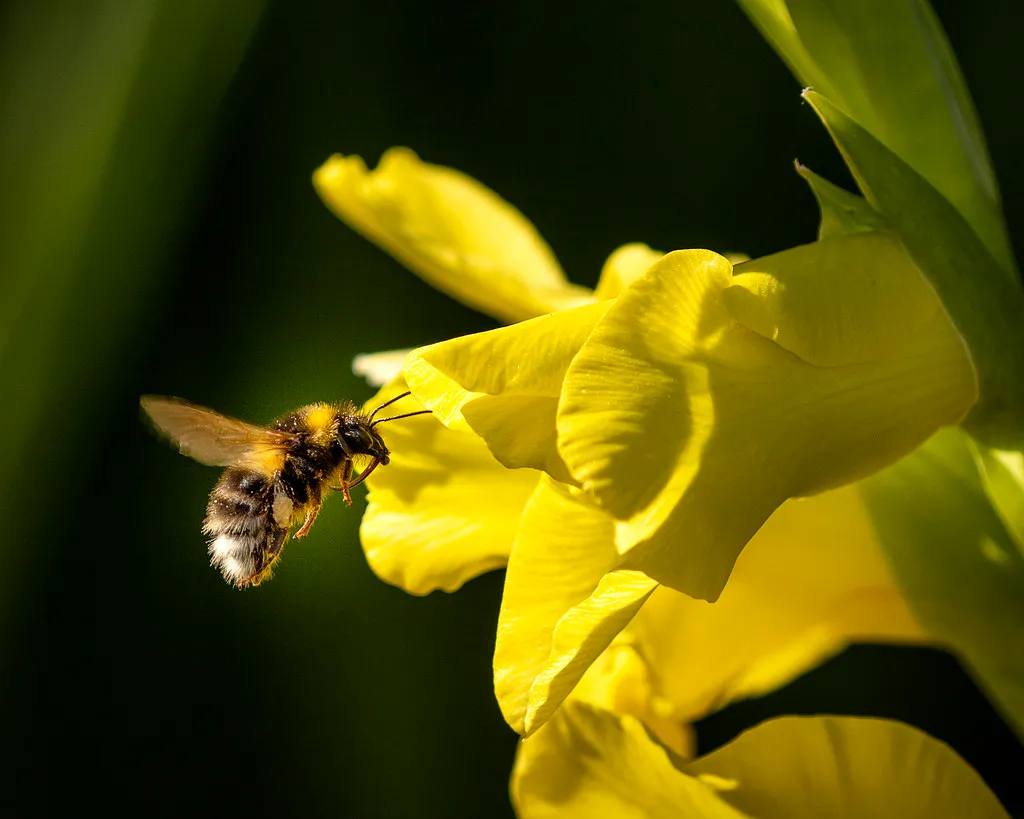
Bee species varied in their foraging behaviors, and for each bee species, researchers tested movement models that differed in how distances and directions were selected. The fine-scale, within-patch movement of bees could not always be explained by a random movement model, and a general model of movement could not be applied to all bee species.
Research published in preprint form in 2024 found that individual bumblebees within the same colony also show measurable variation in how selective they are when choosing flowers. Some bees were tested in a favourable environment, with patches containing alternating high- and low-quality flowers, while others faced a more challenging environment with patches of rewarding flowers alongside unrewarded ones. Their responses to these conditions differed in ways that suggest individual personality-like variation in foraging style.
Flower color fidelity was higher when flower colors were more distinct, but it also made it more difficult for bees to abandon the flower color during reversal learning. Smaller differences in reward quality reduced flower color fidelity and promoted reversal learning. Individual flexibility, it turns out, has real consequences for how quickly a bee can adapt when its preferred flower stops delivering.
The Bigger Picture
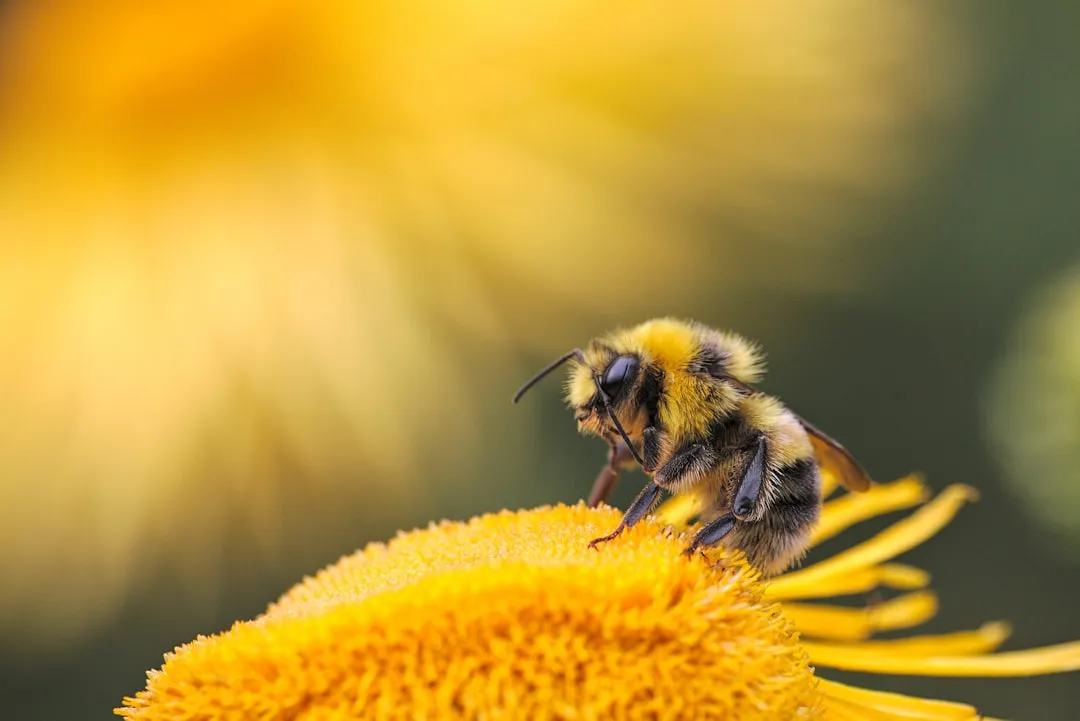
Taken together, what this body of research reveals is a foraging system far more dynamic than a simple instinct-driven search. Bees use dance language, scent cues, UV vision, color memory, and real-time quality assessment simultaneously. They weigh cognitive costs against travel costs, respond more sharply to deteriorating rewards than improving ones, and rely on social learning to calibrate their own communication.
Understanding how bees see flowers is central to pollination biology, plant evolution, and conservation science. Flowers did not evolve to look attractive to humans. Their colors and markings evolved to be detected by insects with very different visual systems. The odd trick bees use to find the best flowers first is not really one trick – it is a layered system refined over millions of years of co-evolution between plant and pollinator.
That system is still being mapped. Each new study tends to add complexity rather than simplify the picture. Which, if you think about it, is exactly what you’d expect from an animal that has been solving the flower problem considerably longer than we’ve been watching.
AI Disclaimer: This article was created with the assistance of AI tools and reviewed by a human editor.