
Most people start thinking about immune health the moment they feel a tickle in their throat. The reality is that what you eat throughout the year shapes how well your body handles threats long before any symptoms arrive. The immune system is a complex collection of organs, cells, tissues, and proteins that together fight off pathogens, the viruses, bacteria, and foreign bodies that cause infection or disease.
Functional foods enriched with bioactive compounds, including vitamins, minerals, polyphenols, probiotics, fatty acids, and amino acids, have gained growing attention due to their ability to modulate immune responses. A 2025 systematic review published in the International Journal of Molecular Sciences analyzed seventy studies on this subject. Evidence from that review indicates that functional ingredients support immune function via antioxidant, anti-inflammatory, and microbiome-mediated pathways.
1. Garlic: The Ancient Defender
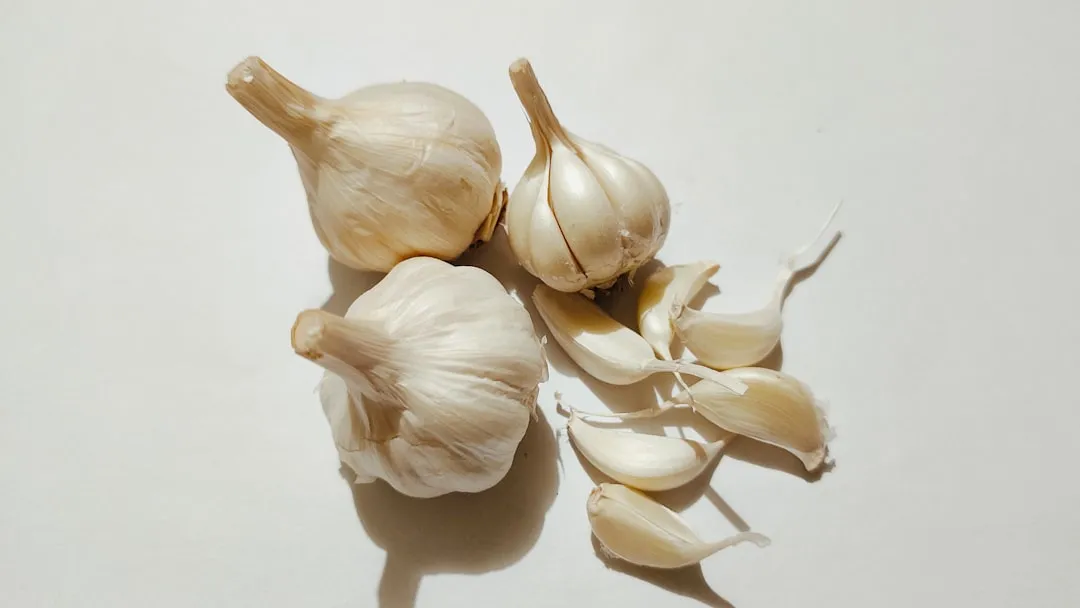
Garlic’s ability to fight infections, improve heart health, and boost the immune system is due to its rich content of bioactive compounds, including allicin, sulfur-containing compounds, and antioxidants. A comprehensive review published in Frontiers in Immunology in June 2024 put the science behind this ancient remedy in sharp focus.
Many in vitro and in vivo studies have reported the sulfur-containing compounds allicin and ajoene for their effective anticancer, anti-diabetic, anti-inflammatory, antioxidant, antimicrobial, immune-boosting, and cardioprotective properties. The mechanism goes deeper than simple antimicrobial activity.
Research indicates that garlic appears to enhance the functioning of the immune system by stimulating certain cell types, such as macrophages, lymphocytes, natural killer cells, dendritic cells, and eosinophils, by mechanisms including modulation of cytokine secretion, immunoglobulin production, phagocytosis, and macrophage activation. Adding fresh or crushed garlic to everyday cooking is one of the simplest ways to put these benefits to work.
2. Citrus Fruits: Vitamin C Powerhouses
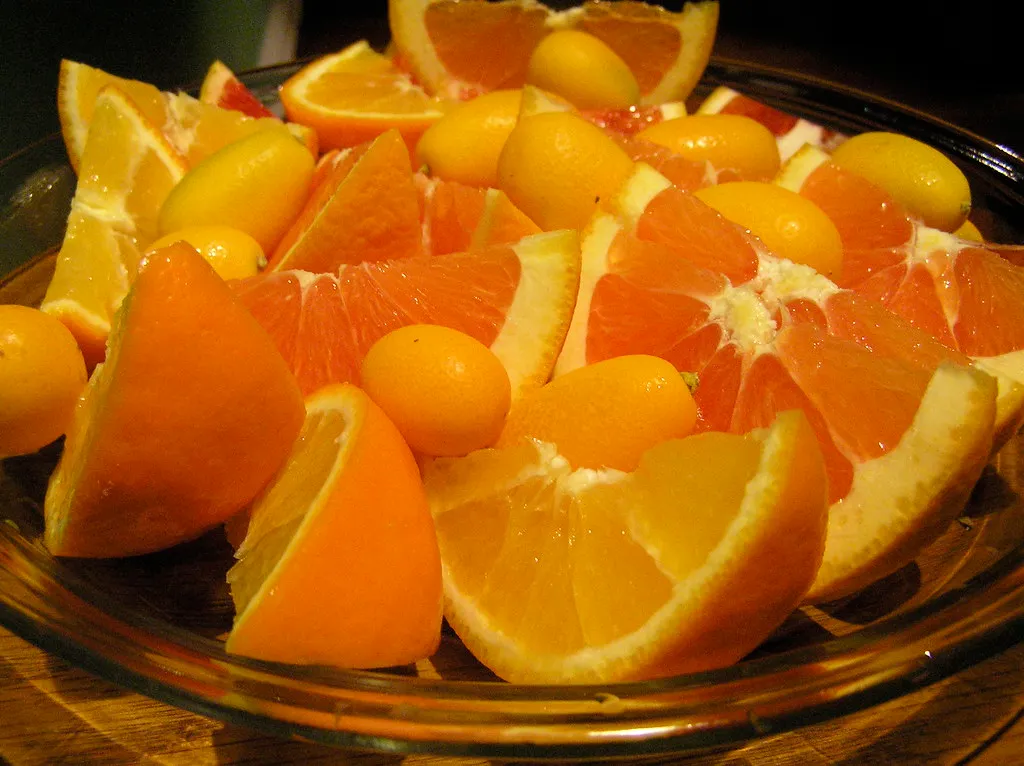
Citrus fruits like oranges, grapefruits, lemons, and limes are perhaps the most well-known immune supporters, and for good reason. These fruits are powerhouses of vitamin C, a water-soluble vitamin that plays multiple roles in immune function.
Vitamin C enhances the production and function of white blood cells, particularly lymphocytes and phagocytes, which help protect against infections. The body doesn’t produce or store vitamin C, making daily intake essential. That last point matters more than people often realize: there is no reserve to draw from.
One medium orange provides approximately 70 mg of vitamin C, nearly meeting the daily requirement for women and providing substantial support for men. Researchers at Tufts University’s Friedman School of Nutrition further confirmed that mounting evidence suggests getting adequate amounts of certain nutrients may help optimize immune function, including improving resistance to infection.
3. Turmeric: The Golden Anti-Inflammatory Spice
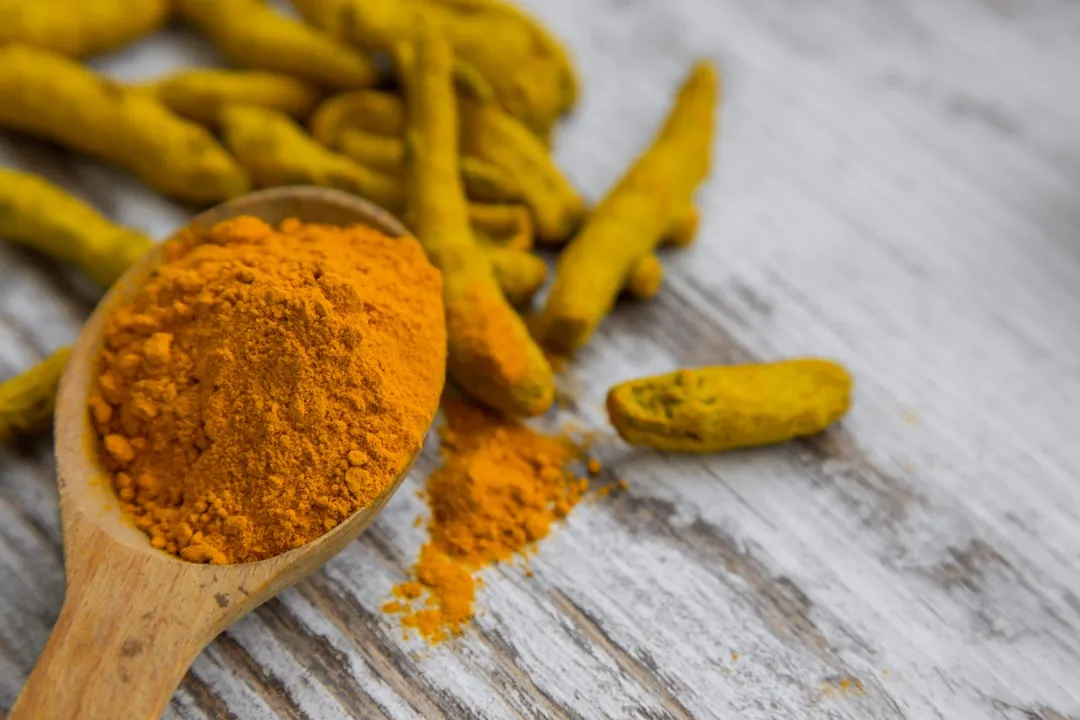
Curcumin, a natural compound derived from the rhizome of the turmeric plant, has garnered significant attention for its health-promoting properties. A 2025 umbrella review published in Frontiers in Pharmacology drew together findings from multiple meta-analyses on its effects.
Studies have found that curcumin has various pharmacological effects, including anti-inflammatory, antioxidant, and immune response modulation. The way it achieves this is fairly specific. Curcumin cooperates with various cells such as macrophages, dendritic cells, B, T, and natural killer cells to modify the body’s defence capacity. It also inhibits inflammatory responses by suppressing different metabolic pathways, reduces the production of inflammatory cytokines, and increases the expression of anti-inflammatory cytokines.
The magic immune-boosting ingredient is curcumin, the compound that gives turmeric its yellow pigment. Curcumin is a polyphenol with anti-inflammatory properties and the ability to boost the amount of antioxidants your cells can make. Pairing turmeric with a small amount of black pepper is widely recommended to improve absorption.
4. Ginger: More Than a Kitchen Staple
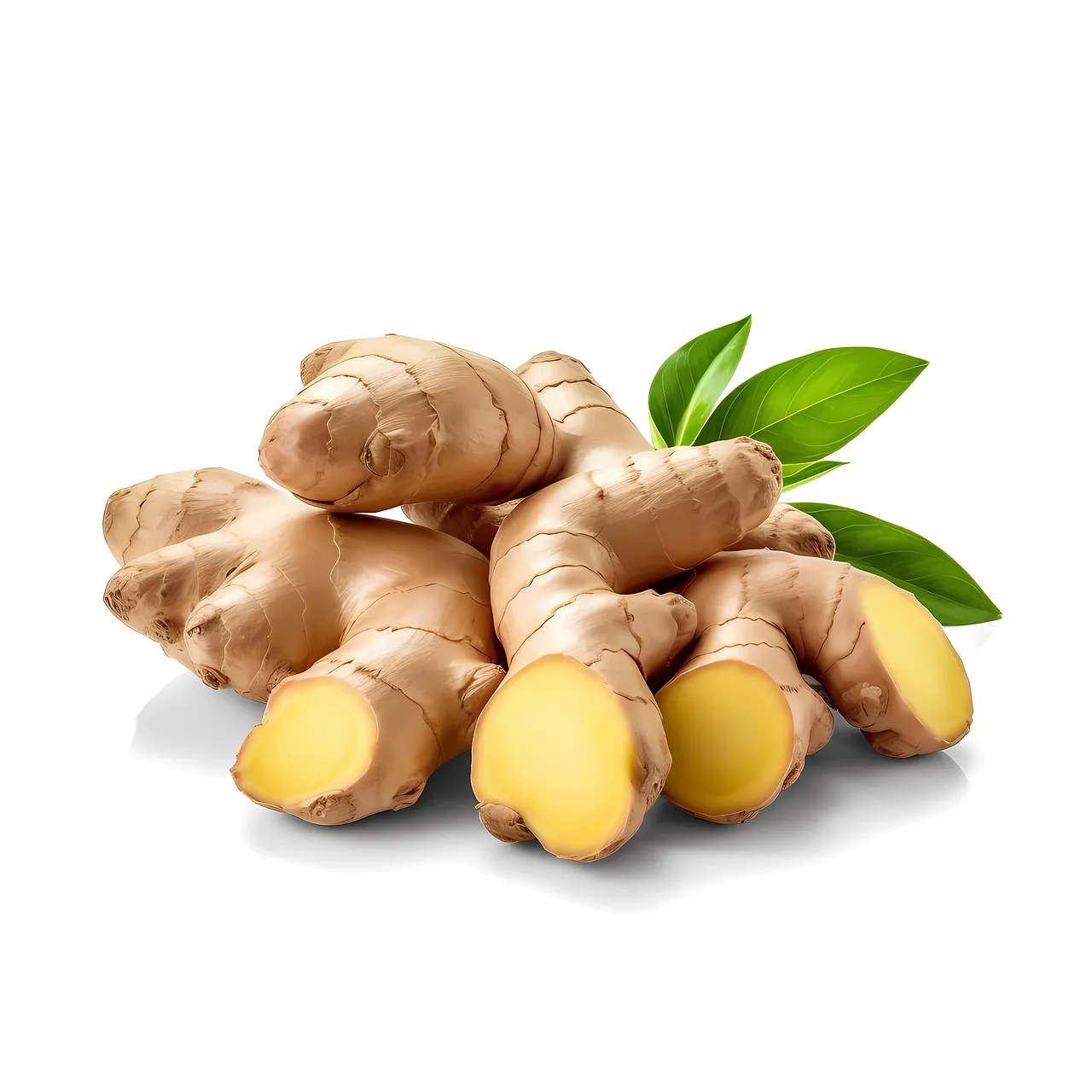
Ginger is one of the most well-known spices and medicinal plants worldwide, used since ancient times to treat a plethora of diseases including cold, gastrointestinal complaints, nausea, and migraine. Modern immunology has started explaining exactly why.
The beneficial effects of ginger can be attributed to the biologically active compounds of its rhizome such as gingerols, shogaols, zingerone, and paradols. Among these compounds, gingerols are the most abundant in fresh roots, and shogaols are the major phenolic compounds of dried ginger.
Over the last two decades, numerous in vitro and in vivo studies demonstrated that the major ginger phenolics are able to influence the function of various immune cells including macrophages, neutrophils, dendritic cells, and T cells. This 2024 review, published in Frontiers in Immunology, represents some of the most current mechanistic research on ginger’s immune effects available.
5. Berries: Small Fruits with Serious Antioxidant Power

Berries support immune health through their vitamin C, antioxidants, and fiber that protect cells and strengthen gut bacteria. Anthocyanins, the compounds that give berries their deep colors, act as powerful antioxidants in the body.
These antioxidants, like anthocyanins, quercetin, and vitamin C, work to fight off harmful free radicals that can weaken the immune system. Berries also contain natural compounds that have anti-inflammatory properties. That dual action, antioxidant and anti-inflammatory, is what makes them particularly useful rather than just nutritionally decent.
The key to using berries for immune support is eating a variety of types consistently, as each berry contains different compounds like vitamin C, anthocyanins, and polyphenols that help strengthen immune resilience in distinct ways. Blueberries, strawberries, raspberries, and blackberries each bring something slightly different to the table.
6. Spinach: The Leafy Green Immune Ally
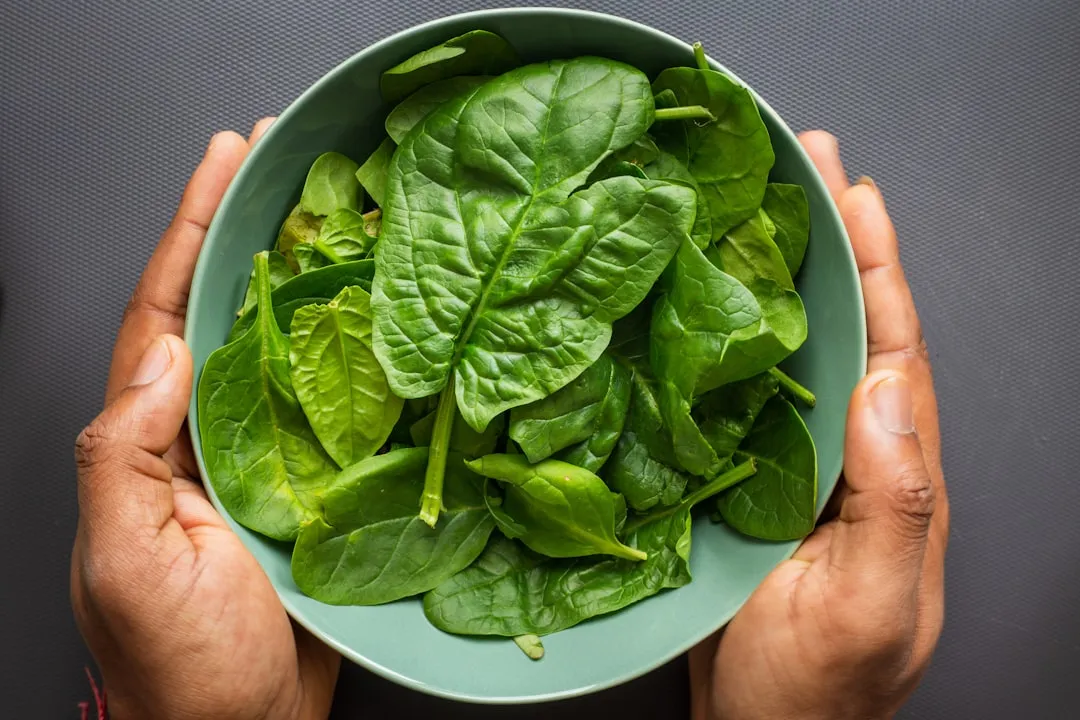
Spinach provides immune support through multiple pathways. It contains high levels of vitamin C, beta-carotene, and numerous antioxidants that may enhance the infection-fighting ability of immune cells. The vitamin A content supports the integrity of skin and mucous membranes, the body’s first line of defense against pathogens.
The folate in spinach also supports the production of new immune cells. That makes it genuinely multi-purpose rather than a one-nutrient food. Leafy greens are among the best sources of antioxidants, which support cellular repair and reduce inflammation. They also contain folate, vitamin B, and fiber, which support a healthy gut where much of your immune function originates.
Like broccoli, spinach retains more nutrients when consumed raw or lightly cooked. Tossing it raw into a salad or blending it into a smoothie preserves the most nutritional value.
7. Yogurt and Fermented Foods: Feeding the Gut-Immune Connection

The probiotics in yogurt and other fermented foods like kefir, sauerkraut, and kimchi support immune function through the gut-immune axis. This connection between gut health and immunity has become one of the more active areas of nutrition research in recent years.
Probiotics may influence the host through several mechanisms, including production of bioactive metabolites, reduction of pathogenic toxins, enhancement of intestinal cell function, and regulation of the immune system. The research community has grown substantially more precise about how this works. Probiotics help restore microbial balance by introducing beneficial bacteria or yeasts, promoting a healthy microbiota, and producing short-chain fatty acids to improve gut barrier function and reduce inflammation.
One of the main reasons many people enjoy yogurt is because it’s a good source of probiotics, or “friendly” bacteria for the gut, and an immune system booster. Providing your body with additional probiotics can help support a healthy microbial balance, which is important for a strong immune defense. Most yogurt also contains protein, calcium, and vitamin D, which are important for overall wellness.
8. Almonds and Seeds: Vitamin E’s Quiet Contribution
Vitamin E is an antioxidant that protects cells, including immune cells, from oxidative damage. Evidence suggests vitamin E supports optimal immune function. Nuts and seeds are among the most reliable everyday sources of this nutrient.
Vitamin E is found naturally in foods like plant oils, especially sunflower, safflower, and wheat germ oil, as well as nuts and seeds. Almonds, cashews, and walnuts are packed with vitamin E, an antioxidant that helps kick free radicals out of the body and creates antibodies that fight the bacteria that make you sick.
Eating a variety of nuts and seeds, like almonds, cashews, walnuts, sunflower, chia, and flaxseeds, is a great way to get antioxidants and immune-supporting nutrients like vitamin E, zinc, and healthy fats. A small handful as a daily snack is enough to make a meaningful contribution to your nutrient intake over time.
A Note on What the Science Actually Says
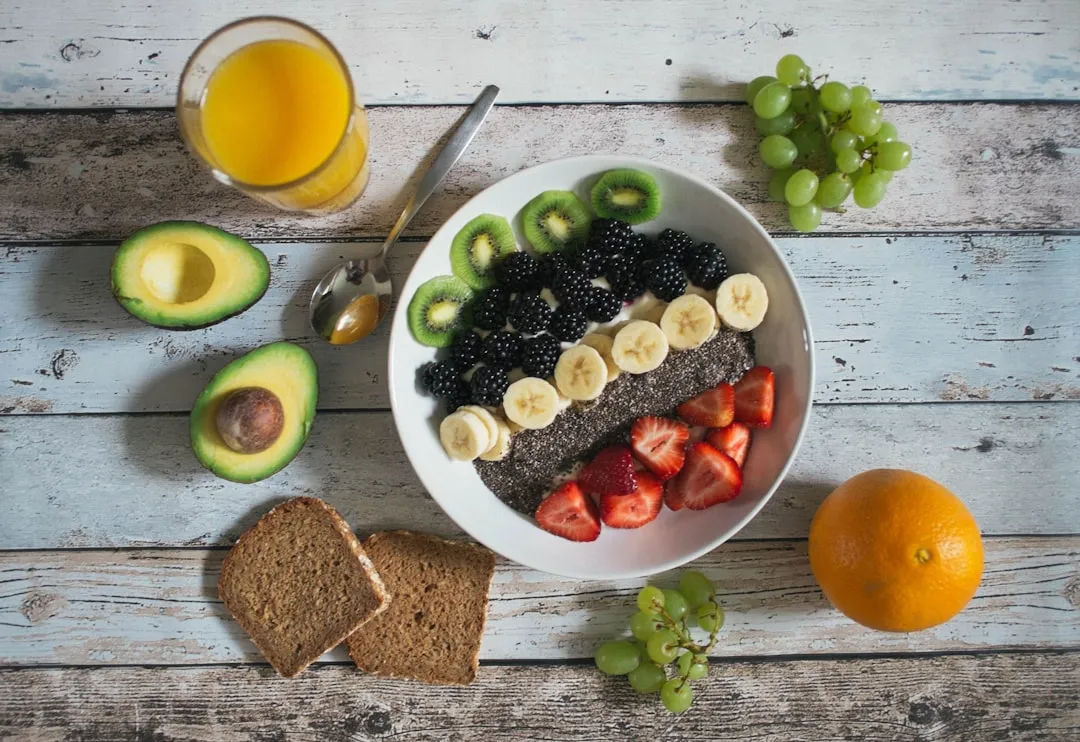
While no single food can boost the immune system on its own, there is an important connection between what a person eats and how their diet can impact immune function. The immune system relies on a balanced diet containing a wide variety of foods to function well. That framing is worth keeping in mind.
Maintaining a healthy immune system requires consuming a balanced diet that provides a variety of macro and micronutrients. By consuming sufficient amounts of water, minerals such as zinc and magnesium, micronutrients, herbs, and foods rich in vitamins C, D, and E, and adopting a healthy lifestyle, one can enhance their health and immunity and prevent infections.
Diets have a significant impact on overall health, influencing everything from mood to the body’s innate immune system function. While many people search for the latest dietary fads, a balanced diet filled with nutrient-rich foods is one of the best and most consistent ways to support a balanced immune response. The eight foods in this article work because they fit that principle rather than standing apart from it.
The Takeaway

None of these foods work as a quick fix, and that’s actually reassuring. The evidence points consistently toward diet as a long-term investment in how well your immune system functions, not a last-minute rescue plan. The foods covered here work through different mechanisms, from antioxidant protection to probiotic gut support to direct immune cell stimulation, which is precisely why variety matters.
Eating a clove of garlic or a handful of blueberries won’t stop a cold already in progress. Eating them regularly throughout the season, as part of a varied, whole-food diet, is where the actual benefit lives. That’s a quieter story than most immune-health headlines tell, but it happens to be the accurate one.
AI Disclaimer: This article was created with the assistance of AI tools and reviewed by a human editor.