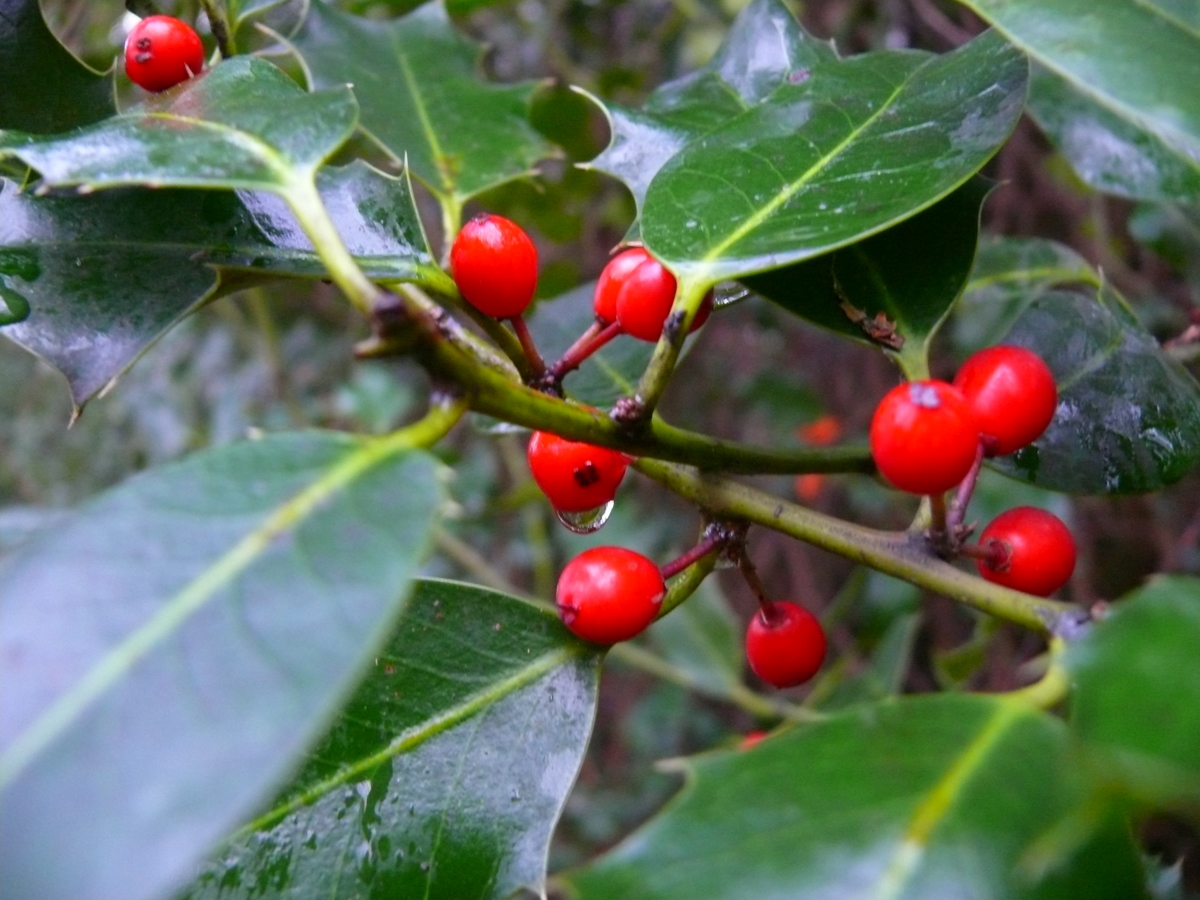

It sits in holiday wreaths, lines suburban garden beds, and brightens front porches through winter with its vivid clusters of red berries. Holly is one of the most beloved ornamental plants in North America. Most people treat it like furniture – familiar, harmless, just part of the seasonal scenery.
The problem is that children do not see furniture. They see small, shiny, candy-colored berries hanging at eye level. And that is exactly where the trouble begins.
A Plant With a Long History Inside Our Homes

Holly has been used in household decoration for centuries, well before anyone fully understood its chemistry. There are two commonly distributed forms of holly in the United States: English holly (Ilex aquifolium) and American holly (Ilex opaca). These shrubs are most commonly used as holiday decorations, although they can be found in gardens. Today, you can find holly wreaths, garlands, and potted plants sold in virtually every garden center and home goods store across the country from October through January.
The most common forms of holly are English holly and American holly. Holly can be a small shrub or a tall evergreen tree which can grow more than 40 feet, and it does not shed leaves in the winter. Its leaves are oval or elliptical, stiff, shiny, and dark green with several sharp spines on each side. Its visual appeal is undeniable. Its toxicity is almost always overlooked.
Why Holly Tops the Poison Control Charts
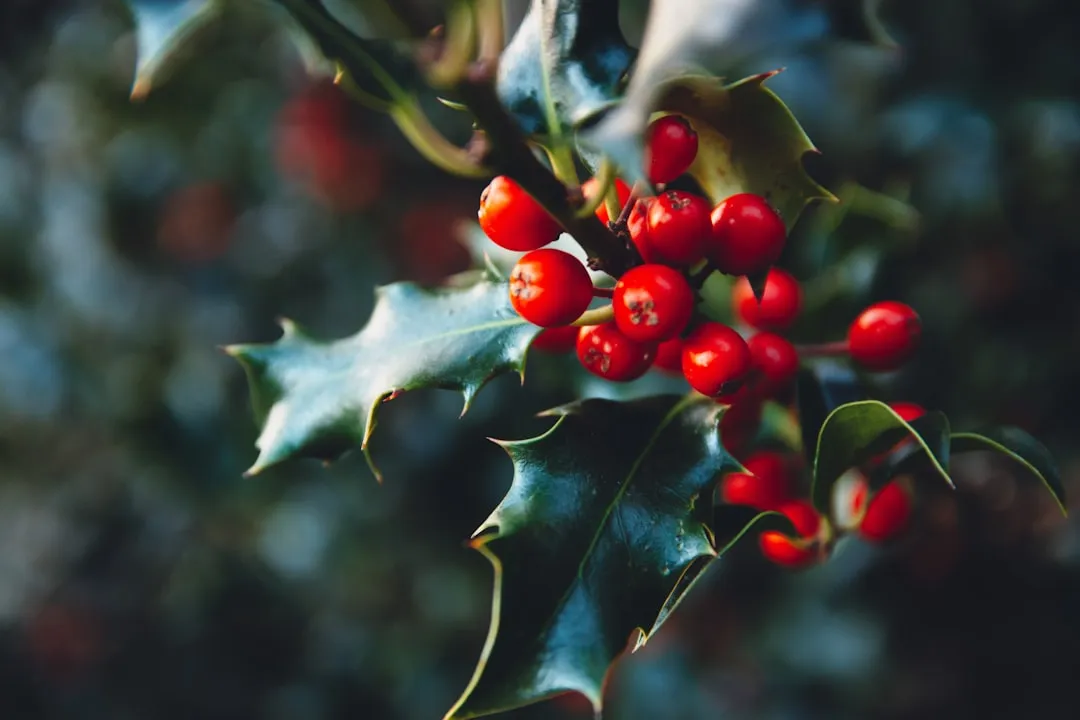
Plant exposures are the fourth most common cause of calls to poison centers. In 2012, US Poison Control Centers reported more than 30,000 toxic plant exposures in children younger than age five. Within that category, holly consistently stands out as a top offender by name.
Holly exposure accounts for the third highest rate of genus-specific human plant exposure calls to poison centers, with 877 calls recorded in a single year. The most common plant ingestions reported in the United States include peace lily, holly, philodendron, and poinsettia. Holly’s repeated appearance near the top of that list is not a coincidence. It is a consequence of its widespread use in homes where small children live and explore.
Who Is Actually at Risk
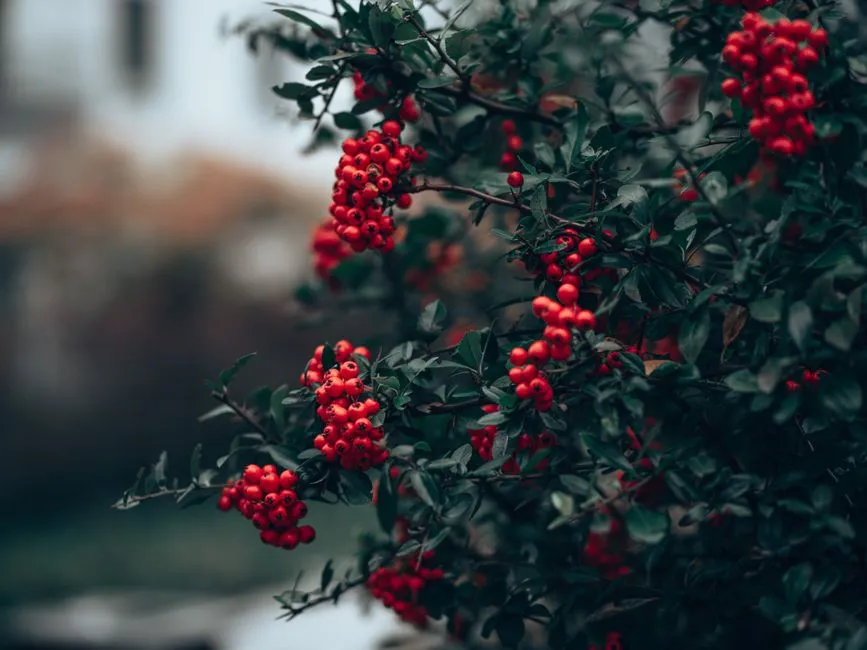
Young children aged one to four years account for over 68% of documented holly berry exposures reported to U.S. poison control centers, according to the AAPCC Annual Report for 2023. This age bracket is also the one least capable of understanding the word “no” when a cluster of bright red berries is dangling in front of them.
In general, plant poisonings in the United States involve young children who have accidentally ingested a small quantity of a poisonous plant. In children younger than six years, roughly 99% of exposures are unintentional. No child chooses to be poisoned. They simply reach for what looks appealing, and holly berries look very appealing.
How Little It Actually Takes
One of the most unsettling facts about holly is how small a dose causes harm in a child. Eating more than three holly berries can cause severe and prolonged nausea, vomiting, and diarrhea, as well as drowsiness. Three berries. That is a handful picked from a wreath hanging on a front door.
In adults, one must eat 20 to 30 berries before becoming symptomatic, whereas children only have to consume five. Children have had symptoms after swallowing as few as two holly berries. The gap between a child’s threshold and an adult’s is dramatic, and it is one reason pediatric cases end up in the ER at a higher rate.
What the Toxins Actually Do
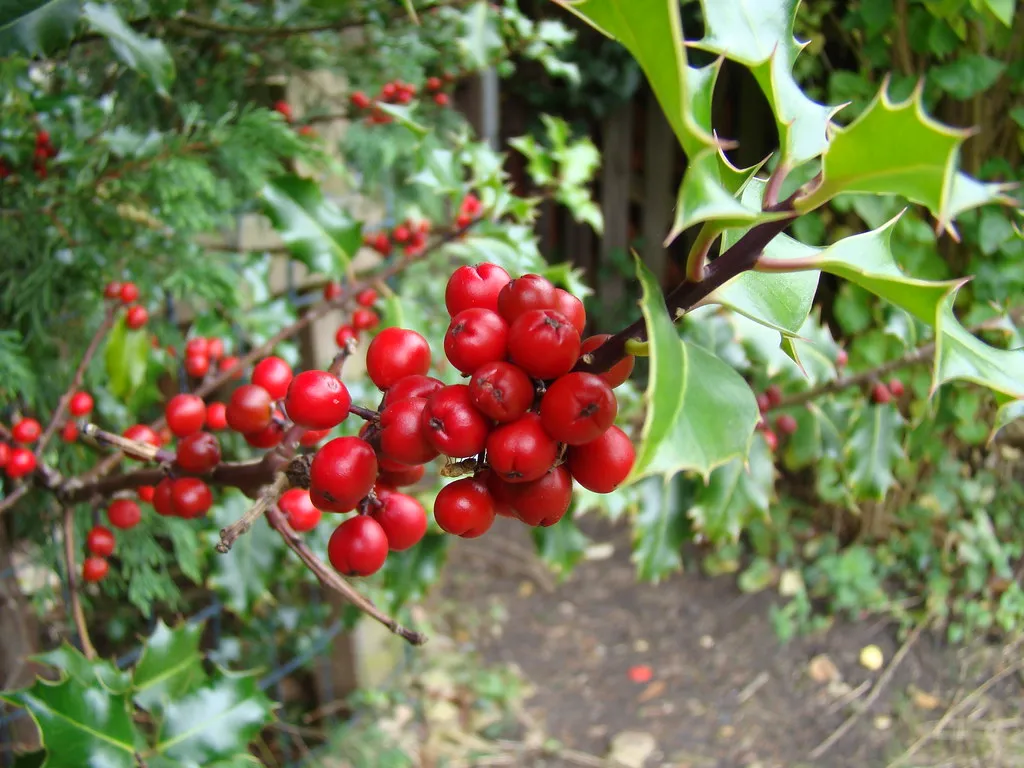
The entire holly plant is poisonous. Saponins, polyphenols, alkaloids such as ilicin, steroids, cyanogens, and methylxanthines such as theobromine are all potentially toxic substances in this plant. The berries carry the highest concentration of these compounds and are also the most accessible part of the plant to a curious toddler.
Holly berries from Ilex species contain saponins and can cause nausea, vomiting, diarrhea, stomach pain, drowsiness, and dehydration in people and pets. Swallowing holly berries can cause nausea and vomiting, occasionally accompanied by diarrhea, and these effects can lead to dehydration. In a toddler, dehydration can escalate quickly, which is why medical evaluation is often recommended even when initial symptoms seem mild.
Not All Holly Is Equal – But All of It Is Dangerous
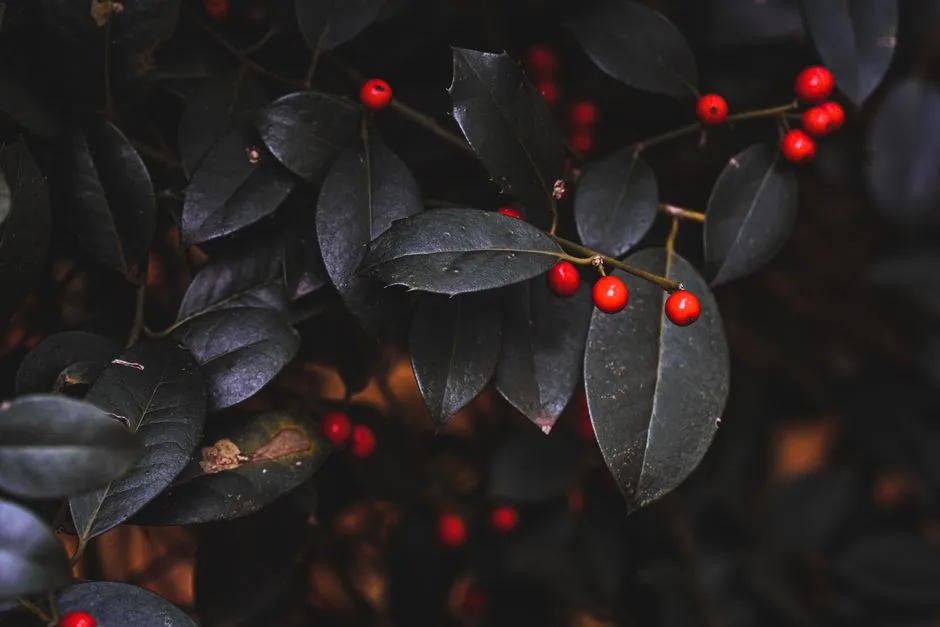
Ilex aquifolium, widely planted in North America and Europe, contains the highest concentration of ilicin in its berries. By contrast, Ilex opaca has slightly lower levels but remains clinically hazardous. The difference in toxicity between varieties is a matter of degree, not safety.
All hollies in the Ilex genus should be treated with caution, including American holly, English holly, blue holly, Japanese holly, inkberry holly, yaupon holly, and winterberry holly. The berry color and leaf shape may differ, but the berries should not be considered edible. Even sterile cultivars bred for ornamental appeal retain full chemical defenses; sterility affects seed development, not toxin production. Many gardeners assume a cultivar bred to look decorative must be safer. That assumption is wrong.
A Real ER Scenario
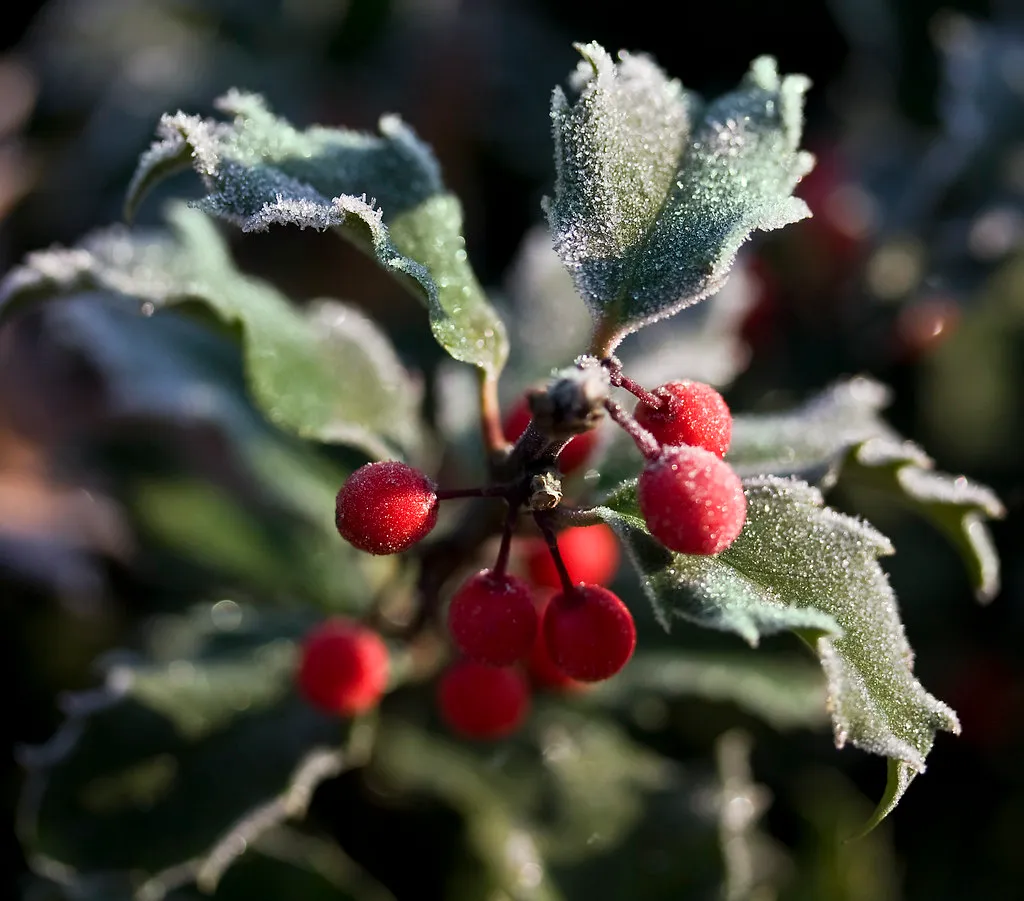
A 13-month-old boy swallowed a few holly berries from a Christmas wreath. His mother thought he ate no more than two berries. This kind of incident is so common that Poison Control publishes it as a documented case study. Most families do not realize the wreath on their door is the hazard.
Poison control has recommended evaluation in the nearest emergency room for cases involving plants containing cardiac glycosides, and in several documented cases the ER called poison specialists who recommended overnight observation on a cardiac monitor. Children have vomited multiple times but shown a normal initial EKG in the emergency room before being admitted overnight. For holly specifically, most cases resolve without hospitalization, but they require careful monitoring that parents cannot provide at home alone.
The Broader Scale of Plant Poisoning in Children
The American Association of Poison Control Centers has continued to report approximately 50,000 telephone calls, or about 8% of incoming calls annually, related to plant exposures, mostly in children. That is a significant volume, and it reflects a persistent public knowledge gap about what is actually growing inside and outside family homes.
Plants are among the top five most frequent poison exposures in children under the age of six. In 2024, 55 US poison centers provided telephone guidance for nearly 2.1 million human poison exposures – roughly one poison exposure reported to US poison centers every 15 seconds. Plant ingestions represent a meaningful slice of that staggering number, and holly sits near the top of the plant-specific list.
What Makes Holly So Uniquely Risky Among Decorative Plants
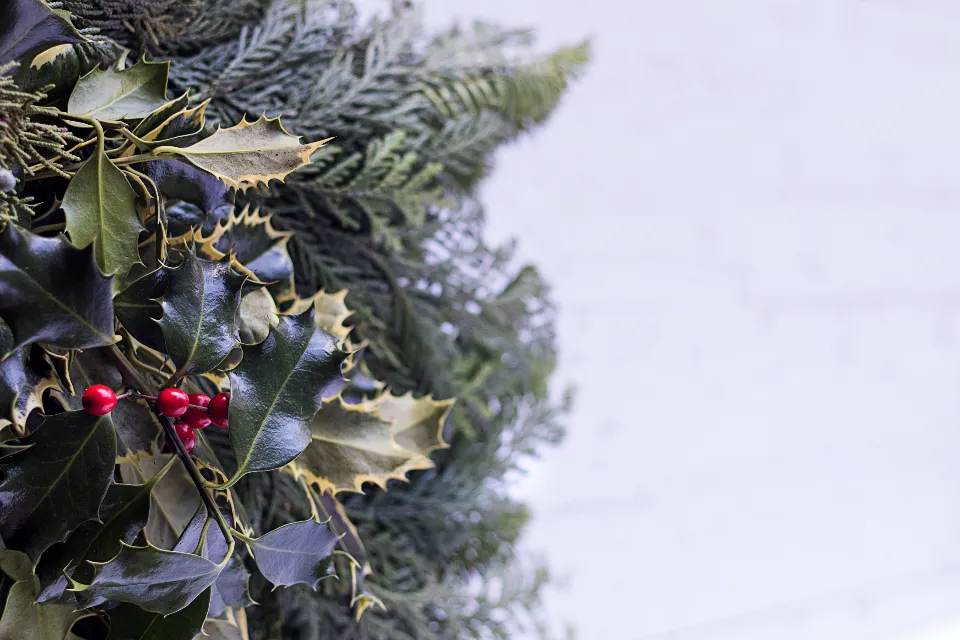
Holly occupies a specific and dangerous niche. It is attractive enough to be used as decoration inside the home, it produces berries that look edible and colorful, and it is genuinely toxic in small amounts. The berries are the most poisonous and most commonly eaten part of holly plants. They are colorful, easy to pick, and can look tempting to children and pets.
Children are natural explorers with a tendency to get into things they should not. Whether it is a colorful berry on a walk or a decorative plant in the living room, kids are constantly putting the world in their mouths. Holly delivers all the visual triggers that prompt that behavior – bright color, small size, easy-to-grab clusters – paired with genuine toxicity. That combination is what makes it stand apart from most other holiday plants.
Prevention: What Families Can Actually Do
Consider using artificial berries for indoor decorations as an alternative to live berries, which may be poisonous. High-quality faux holly, especially silk or molded plastic berries, looks nearly identical to the real thing but eliminates all risk. If using fresh cuttings, place arrangements above five feet and secure stems inside weighted vases or wall-mounted frames. This is a simple and effective fix most families have not considered.
Knowing the name of the plants growing in and near your home is a foundational step that most parents skip. Removing the berries before decorating with fresh holly and watching children closely when they are playing outdoors are both practical steps. If any ingestion is suspected, the national Poison Help hotline at 1-800-222-1222 is available 24 hours a day and can help determine whether an ER visit is necessary.
The Takeaway
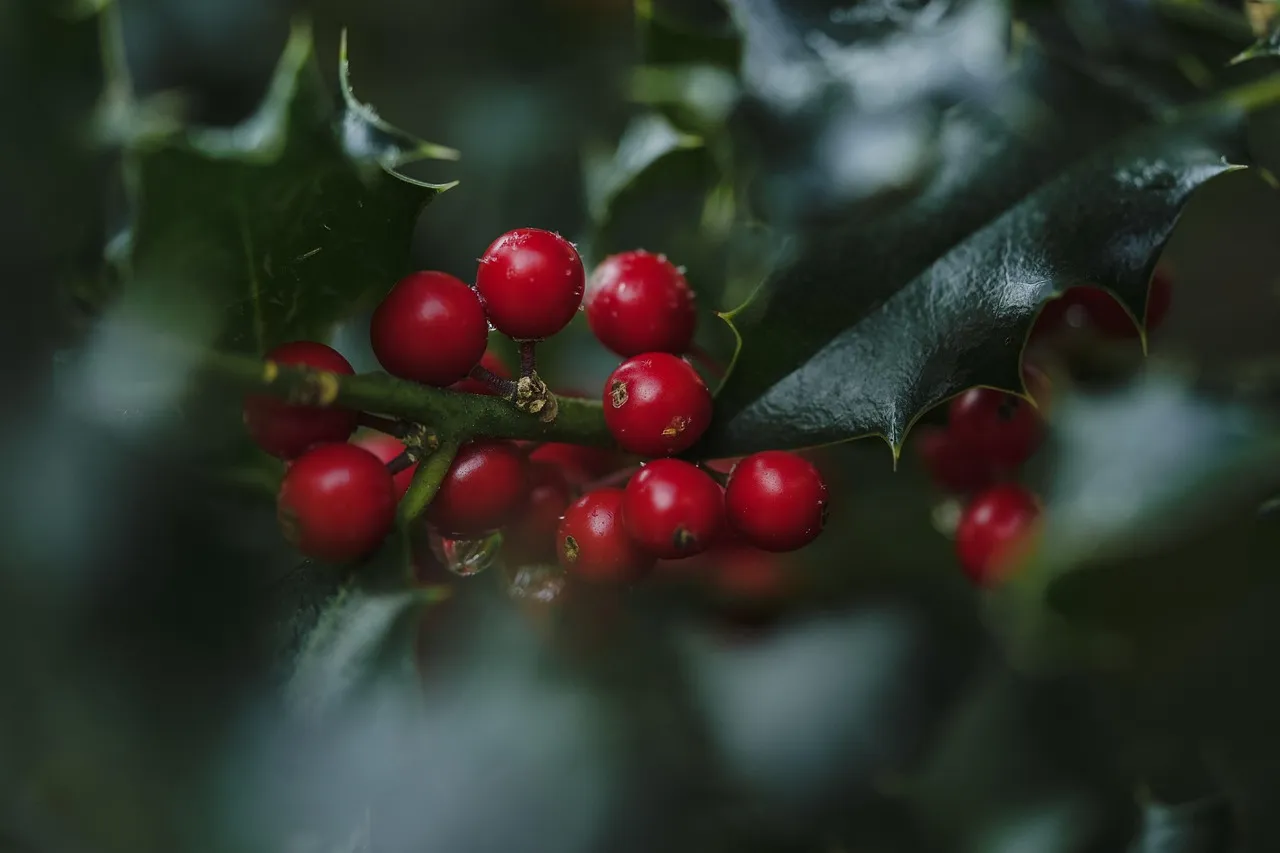
Holly is not inherently sinister. It is a genuinely beautiful plant with a long, legitimate place in human culture. The problem is simply that its danger has never been communicated at scale, leaving most families unaware that the cheerful seasonal decoration on their door or mantle carries a real pediatric risk.
The data from poison control centers is consistent and has been for years. Holly ranks among the top plant-specific sources of calls involving children, the affected age group skews toward toddlers, and it takes very little to cause harm. That combination deserves far more public attention than it receives. Awareness, in this case, is genuinely protective – and it costs nothing.
AI Disclaimer: This article was created with the assistance of AI tools and reviewed by a human editor.