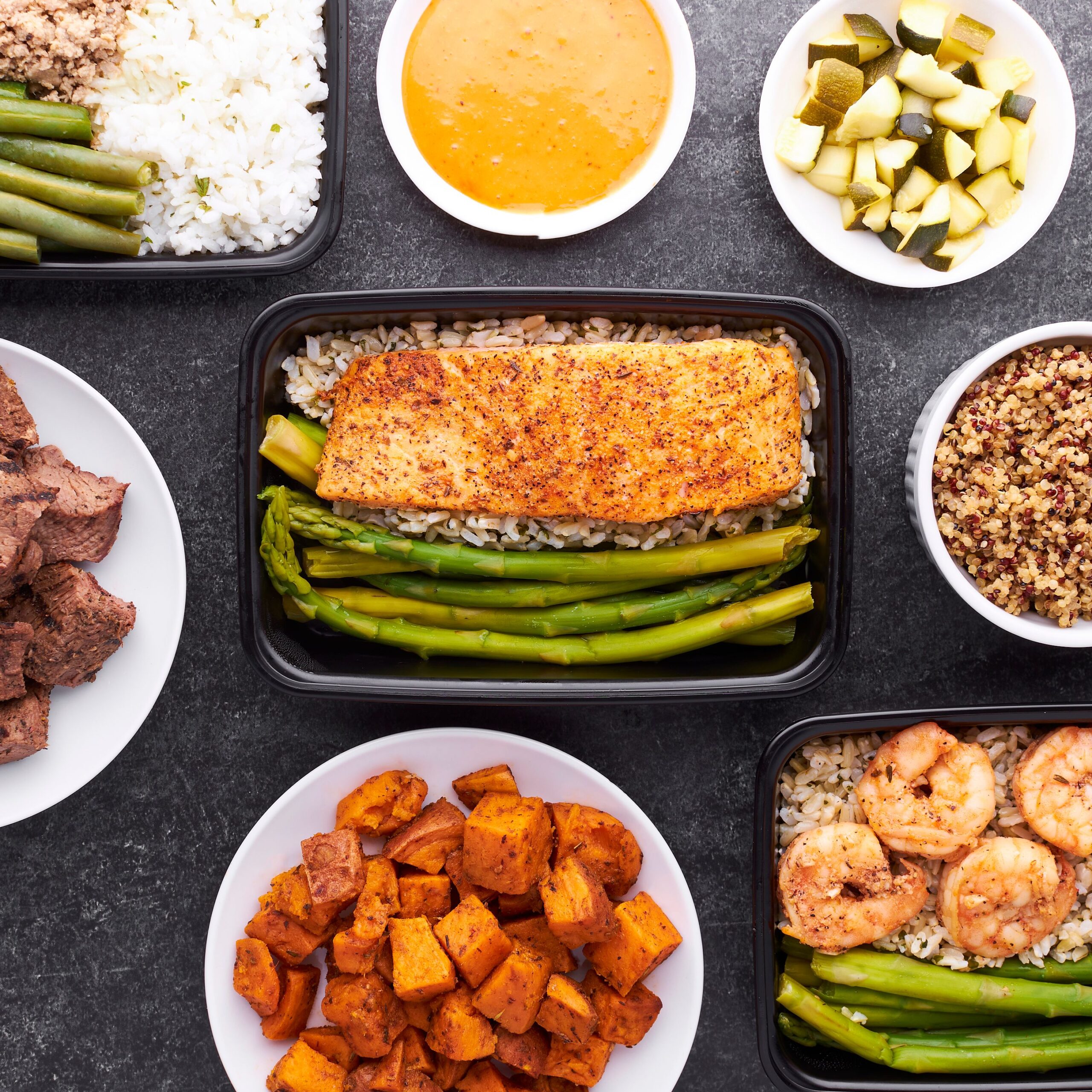

Most people reach for coffee the moment they feel their energy dip. It’s a habit so deeply ingrained that questioning it almost feels strange. While coffee has been used for centuries as the classic pick-me-up, many people find that too much caffeine makes them jittery or leaves them with an energy crash by the end of the day. What’s less discussed is how well certain foods can step in and actually do the job better, with fewer side effects and more sustained results.
Coffee is a stimulant that people should consume in moderation. Too much coffee may lead to energy loss as the body withdraws from the caffeine. The good news is that the right foods can provide fuel that lasts hours longer than a double espresso ever could.
1. Bananas: The Original Energy Bar
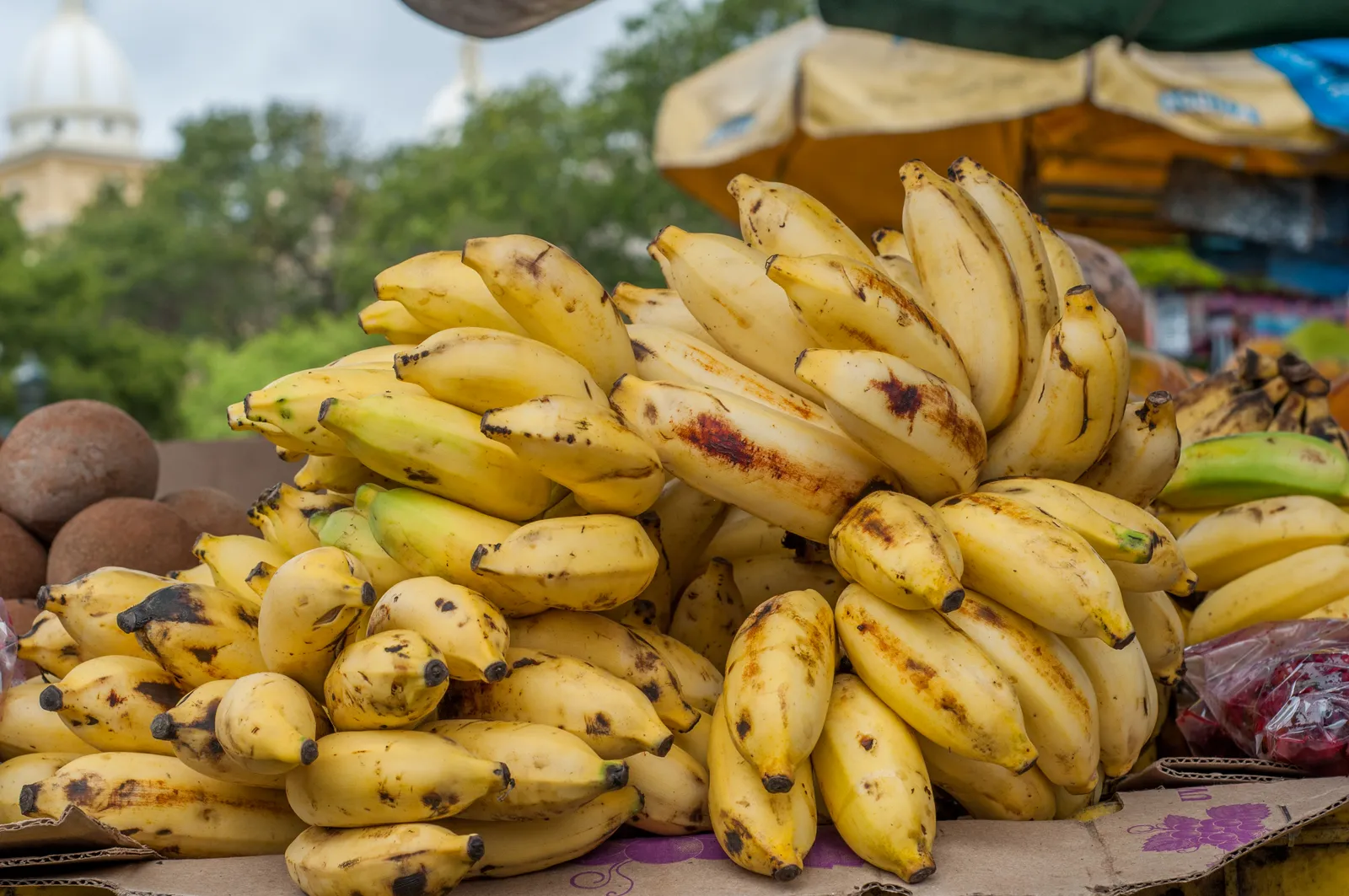
Bananas contain three natural sugars – sucrose, fructose, and glucose – combined with fiber. This blend provides a quick yet steady energy boost without the sudden crashes associated with processed sweets.
A well-known study compared the effect of ingesting bananas versus a six percent carbohydrate drink on 75-km cycling performance, and blood glucose levels and performance did not differ between the banana and carbohydrate drink groups. In other words, a banana held its own against a purpose-built sports drink.
Rich in potassium, bananas help maintain nerve function and improve oxygen flow to the brain, supporting concentration and information recall. Bananas also contain tryptophan, an amino acid the body converts into serotonin, which helps promote relaxation, improve mood, and reduce stress.
2. Oatmeal: The Long-Burning Fuel
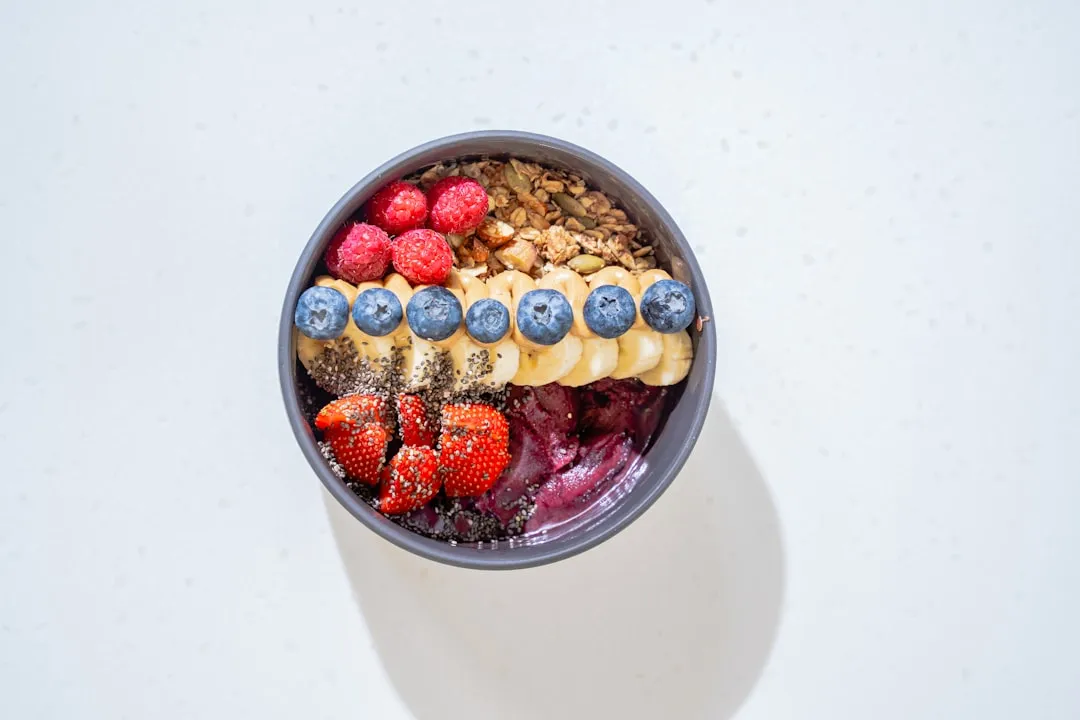
Grabbing a bowl of oatmeal in the morning may boost your energy for hours. Oatmeal contains quality carbohydrates that are stored in the body as glycogen and provide fuel for your brain and muscles. A whole grain cereal, oatmeal also provides soluble fiber, which slows down carbohydrate absorption to help keep your blood sugar levels stabilized.
Oatmeal, being a whole grain, provides long-lasting energy. Rich in beta-glucan, a soluble fiber, when mixed with water, oatmeal turns into a thick paste or gel that delays stomach emptying and promotes better absorption of glucose in your blood, giving you an energy boost.
Oats are also a rich source of iron, manganese, and various B vitamins that further support your energy levels. Unlike coffee, which delivers a fast hit followed by a drop, oats tend to keep things even and steady throughout the morning.
3. Matcha: Calm, Focused Energy Without the Jitters

Matcha is powdered green tea that delivers caffeine plus L-theanine and catechins. It can feel different from coffee because matcha supplies L-theanine alongside caffeine, and L-theanine plus caffeine has been studied for attention and subjective alertness.
A 2024 systematic review and meta-analysis published in Nutrition Reviews, pooling randomized controlled trials of Camellia sinensis bioactive compounds, found small-to-moderate effects favoring the L-theanine plus caffeine combination over placebo for attention switching task accuracy and several other cognitive outcomes.
Matcha’s high L-theanine content elevates alpha brain wave activity, which is associated with a calm yet alert state. These alpha waves reduce mental clutter and promote an optimal state for relaxation and concentration. In simpler terms, increased alpha brain waves help your mind stay clear, focused, and ready to absorb new information.
Matcha contains more L-theanine than many other green teas due to its growing and processing methods. Shade-growing slows photosynthesis and increases amino acid retention, including L-theanine, while reducing harsh flavors.
4. Sweet Potatoes: Complex Carbs That Keep Going

Name a food that gives energy and stamina, and sweet potatoes should be one of the first things to come to mind. They contain carbs that give you energy. A high fiber content helps slow absorption into the body, allowing for sustained energy throughout the day, making sweet potatoes one of the best foods that give you energy.
Rich in complex carbs, sweet potatoes prove to be a brilliant source of energy. Being complex carbohydrates, your body digests them slowly and keeps you energetic for a longer period of time.
They’re also genuinely versatile. Roasted, mashed, or blended into a soup, they deliver that slow-burn energy at any meal. There’s no afternoon crash waiting on the other side.
5. Dark Chocolate: A Science-Backed Pick-Me-Up
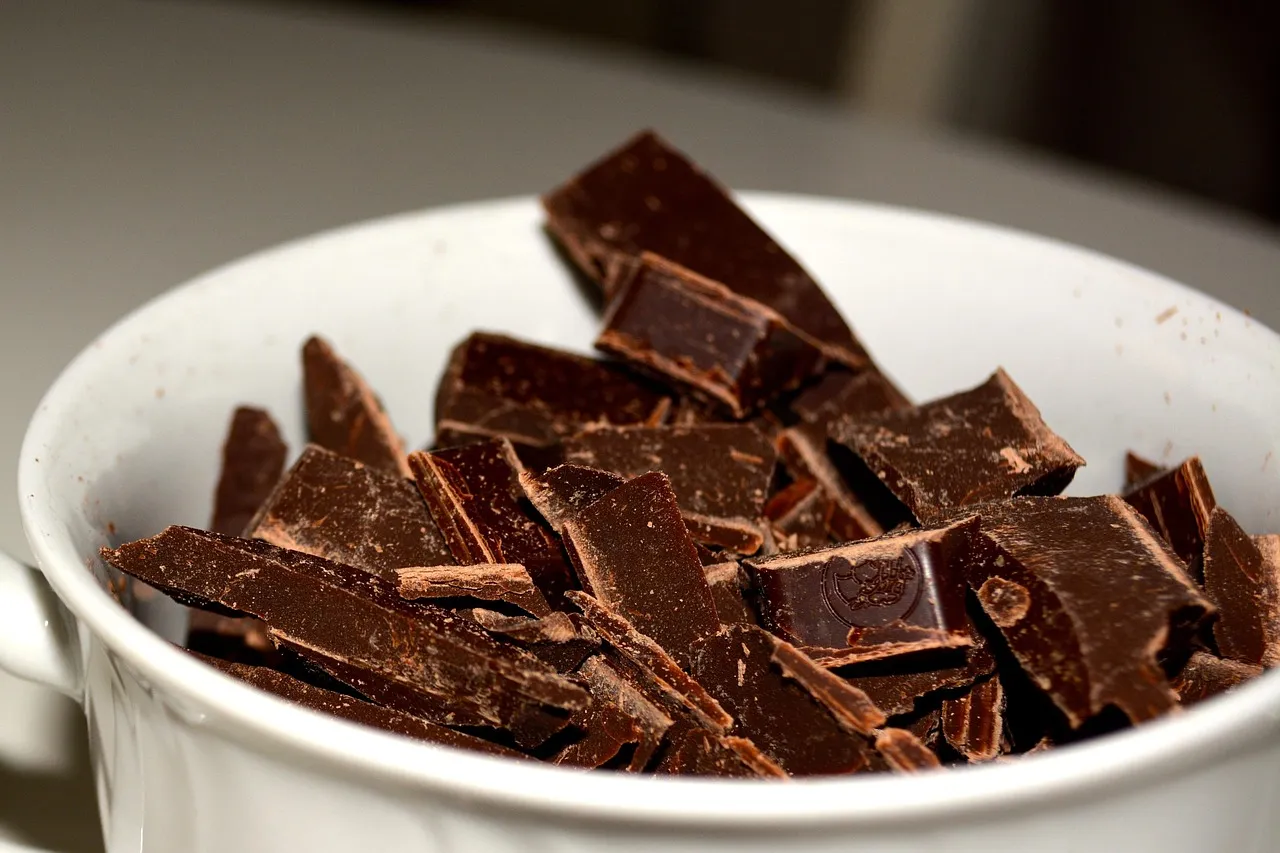
Dark chocolate may be an easy way to increase energy. Rich, dark chocolate usually has much less sugar than milk chocolate. Less sugar means less immediate energy, but more cocoa content means more of the benefits of cocoa, including helpful antioxidants such as flavonoids.
Dark chocolate has a higher cocoa content than milk or white chocolate, and cocoa contains antioxidants known to increase blood flow through the body. Better blood flow means more oxygen reaching working muscles and the brain.
A 2025 randomized, double-blind study used 20 grams per day of 72 percent dark chocolate over 30 days, and found that post-supplementation resting energy expenditure was significantly increased by 3.2 percent in the dark chocolate group. That’s a meaningful finding from a controlled setting, even if more research is needed across wider populations.
6. Leafy Greens: Iron, Magnesium, and Steady Vitality
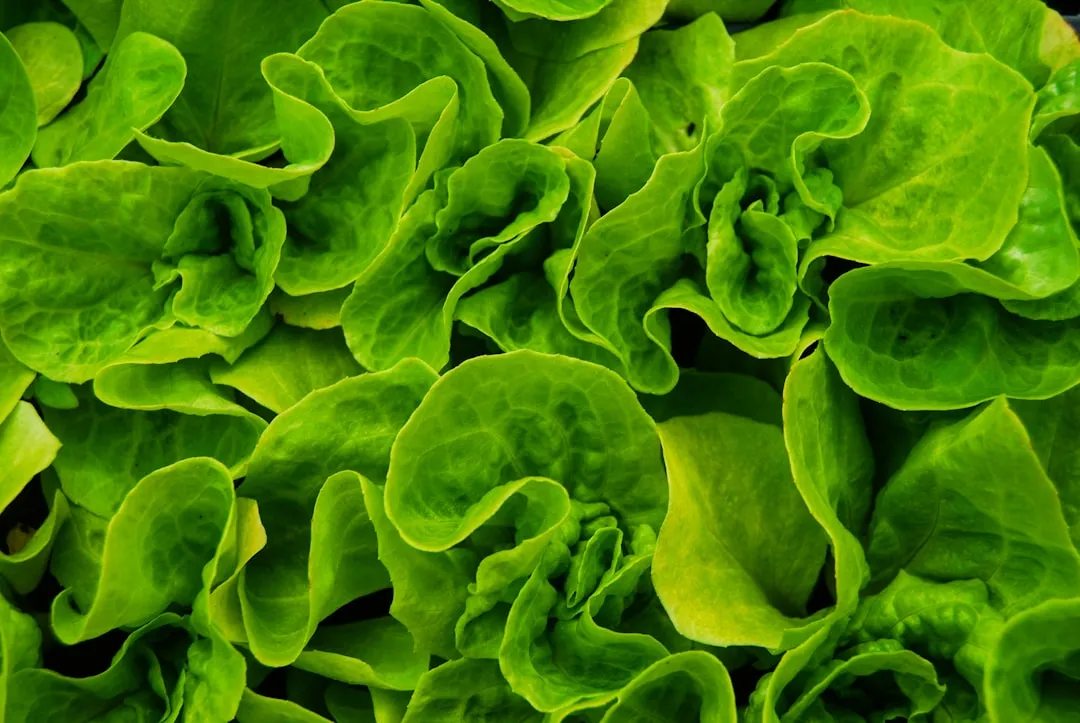
Organic leafy greens such as spinach, kale, and Swiss chard are filled with iron, magnesium, and chlorophyll – elements vital for energy production and blood flow. Regular consumption of these greens can help combat fatigue and boost overall vitality.
Leafy greens support steady energy by supplying essential vitamins and minerals involved in oxygen transport and cellular function. Kale, spinach, collards, and other dark greens are nutrient-dense energy-boosting foods that help your body maintain stamina throughout the day.
Dark, leafy greens such as kale, spinach, and collard greens are nutrient-dense and contain filling proteins, as well as nutrients and antioxidants. The energy they provide isn’t flashy or immediate, but it’s the kind of quiet, consistent support that keeps you running well past 3 PM.
7. Chia Seeds: Ancient Endurance in a Tiny Package
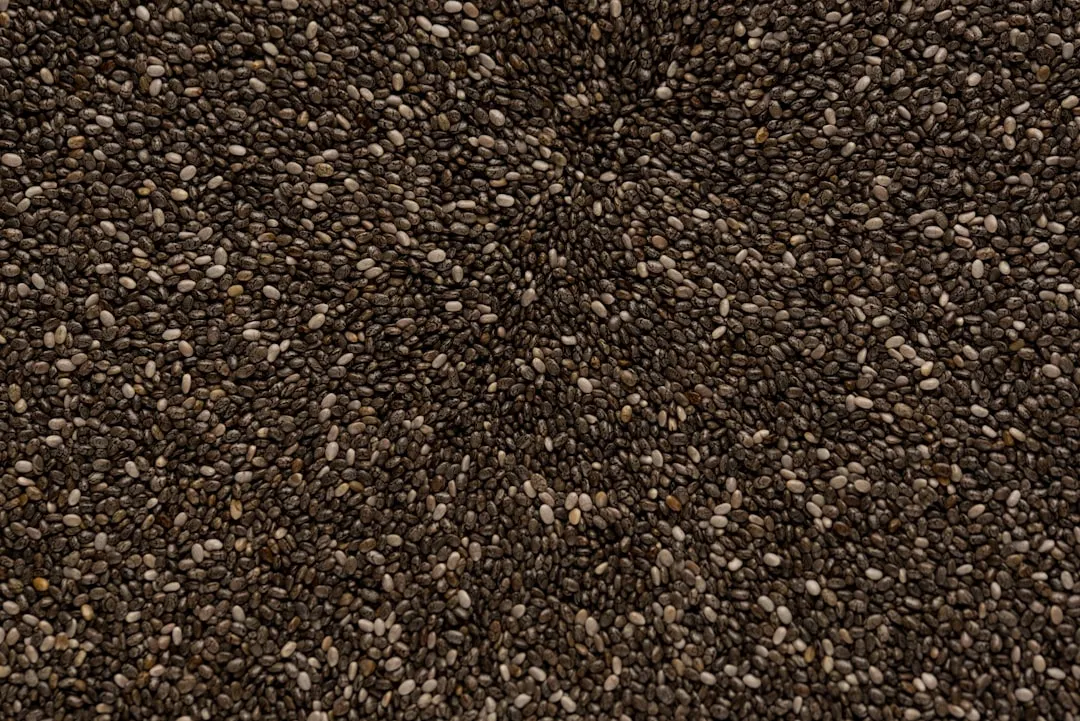
A staple food around since 3500 BC, chia seeds were in the diets of the Aztecs and Mayans. In fact, chia got its name from the Mayan word for “strength,” and they were almost considered to be magical because of their ability to increase stamina and energy over long periods of time.
Their fatigue-fighting powers may come from their nutrient-rich composition – one tablespoon of the seeds contains 5 grams of protein to help keep blood sugar stable, and a good amount of omega-3 fatty acids to help fight inflammation and keep muscles feeling fresh. Chia seeds also offer magnesium, calcium, iron, potassium, and the antioxidant quercetin, which has been shown to help with athletic performance and recovery.
Many seeds, such as chia seeds, are rich sources of fatty acids and fiber, which may translate to more energy. Seeds are also easy to carry and make a great addition to a quick trail mix. Stir them into yogurt, oatmeal, or a smoothie and you’ve quietly upgraded your morning without changing much at all.
Why Your Morning Routine Might Need a Rethink
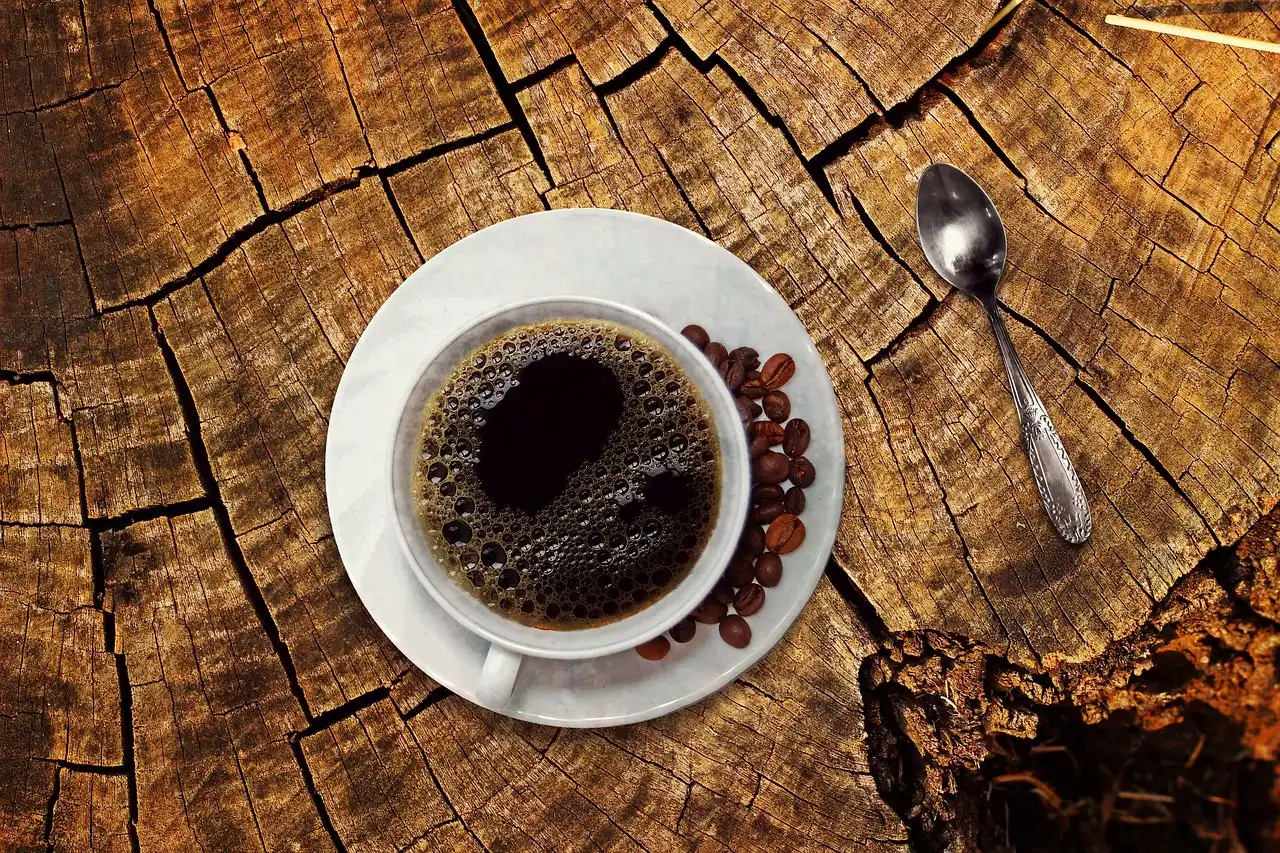
Heavy caffeine use over 400 milligrams can result in insomnia, nervousness, restlessness, irritability, increased heart rate, and muscle tremors. That’s the ceiling many regular coffee drinkers approach on busy days, often without realizing it.
Coffee may offer a much-needed pick-me-up in the morning, but it won’t give you energy that lasts all day. This is why it is essential to eat a healthy breakfast. The foods listed here don’t replace the ritual of a warm morning drink for everyone, but they do fill in the gaps that caffeine leaves behind.
While it’s common to depend on a cup of coffee to start the day, many people are now turning to healthier food alternatives. These foods, including fatty fish, bananas, and eggs, are rich in various nutrients and have been shown to have energizing effects. By incorporating these foods into your daily diet, you can improve your physical and mental performance and enjoy sustained energy levels throughout the day.
How to Actually Use These Foods Day to Day

The simplest approach is to pair a few of these together. Oats with chia seeds and sliced banana is a breakfast that covers complex carbs, fiber, protein, and potassium in one bowl. A small square of dark chocolate in the afternoon, alongside a cup of matcha, covers both the flavonoid angle and the L-theanine focus effect.
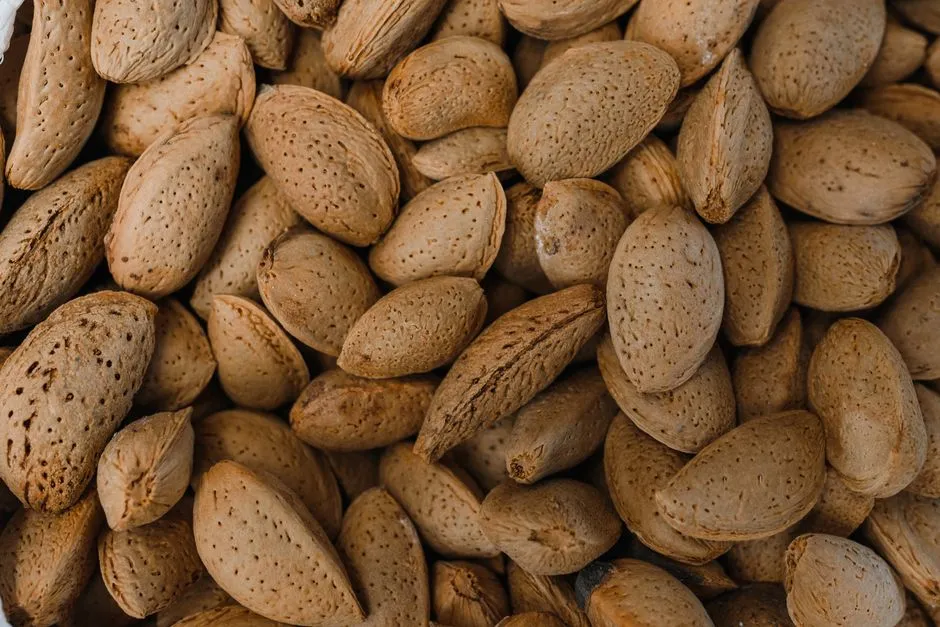
Nuts and seeds such as almonds, walnuts, chia seeds, and flaxseeds are concentrated sources of healthy fats, protein, and fiber. These nutrients work together to provide a steady release of energy, preventing blood sugar spikes and crashes. Keeping a small mix of these at your desk requires zero effort and pays off consistently.
A boost of vitamin C from a citrus fruit can help support normal energy metabolism when you’re feeling run-down. While citrus fruits don’t act as stimulants, their natural sugars and hydration can contribute to a gentle lift without the sharp rise and fall that often follows sweetened coffee drinks. Small, practical additions like this add up over the course of a day.
The Bigger Picture on Food and Energy
A majority of the most popular food science stories of 2025 focused on everyday ingredients like coffee, berries, and green tea, underscoring the importance of learning how daily diets impact our bodies. The research attention is well-placed. These aren’t exotic superfoods requiring a specialty store. They’re accessible, affordable, and genuinely effective.
Studies show that incorporating nuts and seeds into your diet can improve cognitive function and reduce fatigue. Their high magnesium content also plays a role in converting food into energy efficiently. Magnesium is one of the most commonly under-consumed minerals in modern diets, and its role in energy metabolism is often overlooked.
None of this is about demonizing coffee. It’s about understanding that food can do more heavy lifting than most people ask of it, especially when the afternoon slump arrives and another espresso doesn’t quite seem like the answer.
Final Thoughts
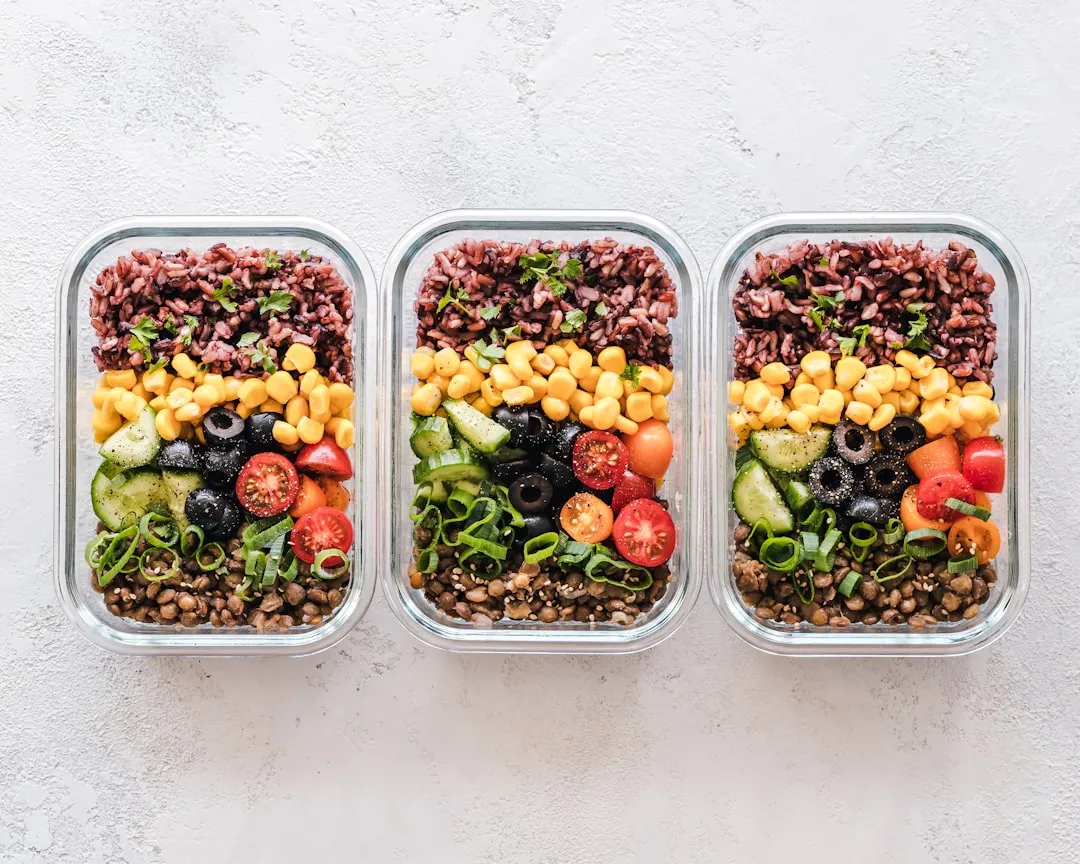
Energy is less about stimulation and more about stable, reliable fuel. The foods covered here don’t hit like a double shot, but they also don’t leave you staring at a wall two hours later wondering where the morning went.
Food is fuel, and it affects your energy levels. Eating the right food throughout the day can help keep your energy levels up in a sustained way, not in the “spike and crash” manner often caused by caffeine and sugar.
Building meals and snacks around even two or three of these foods is a low-effort shift with a noticeable return. The banana before a workout, the matcha at your desk, the oats that carry you through to lunch – each one quietly makes the whole day run a little smoother.
AI Disclaimer: This article was created with the assistance of AI tools and reviewed by a human editor.