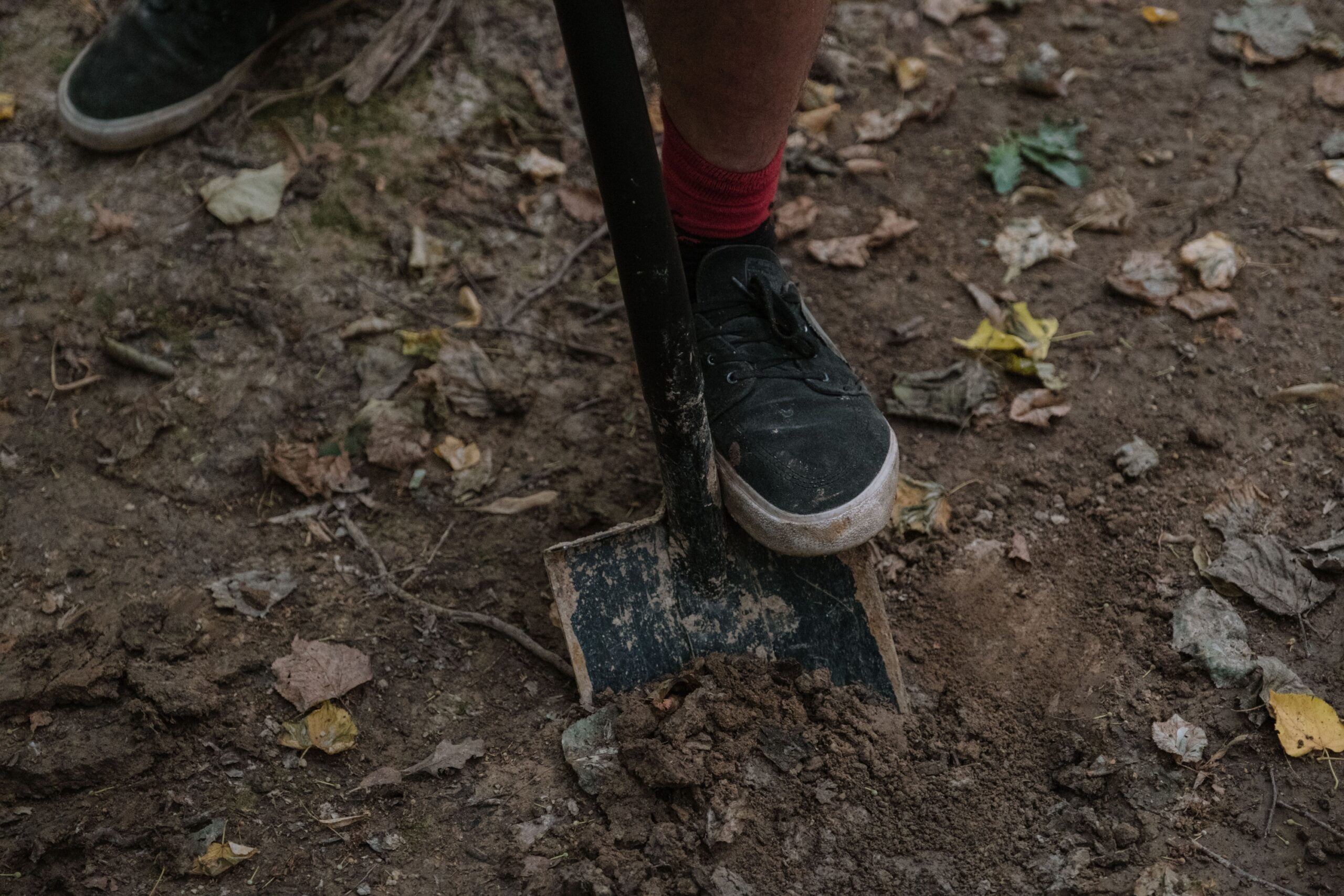

Composting has been practiced for thousands of years, yet the advice passed around in gardening communities still contains some remarkably stubborn errors. Some of these myths have been recycled through books, blogs, and backyard conversations for so long that they feel like established fact.
The reality, backed by university research and environmental science, tells a different story. Many of the rules people follow most religiously turn out to be unnecessary, misleading, or just plain wrong.
1. Your Compost Pile Must Get Hot to Work
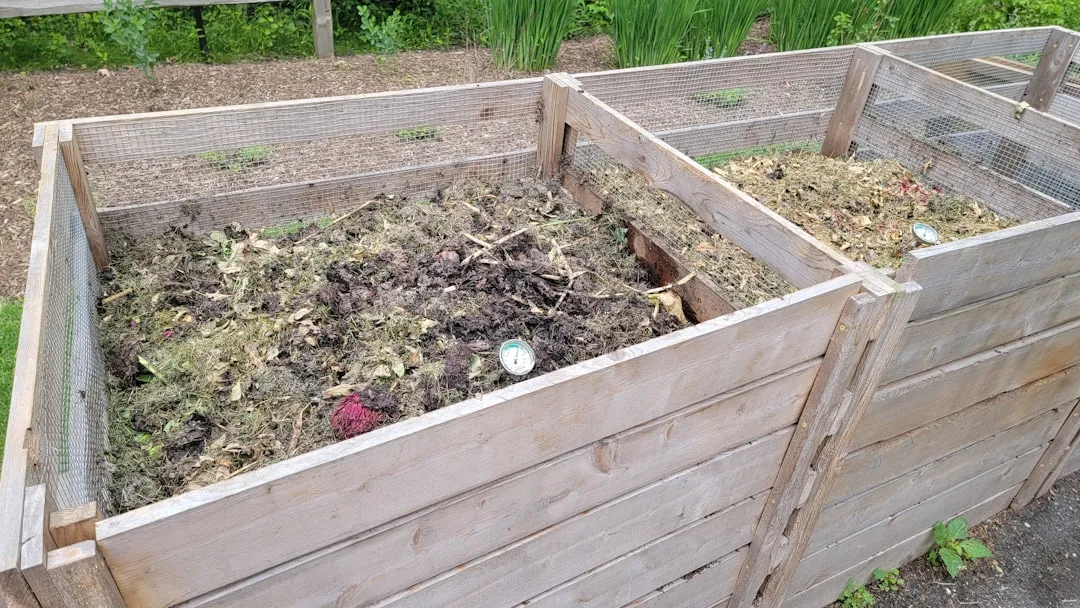
This is probably the most widespread composting belief of the past several decades, and it is also one of the most misleading. Compost does not need to be hot to be effective. Decomposition occurs at a wide range of temperatures. The assumption that a cold pile is a failed pile has discouraged countless people from composting at all.
It is sometimes assumed that composting refers strictly to hot composting, but you can achieve compost without heat. Cold composting simply takes longer. The end product, given enough time and the right inputs, is essentially the same.
In reality, not many backyard compost systems reach thermophilic temperatures. Gardeners who expect intense heat from a small bin or a loosely assembled pile will almost always be disappointed, but their compost is still working.
2. You Can Never Add Too Much Compost
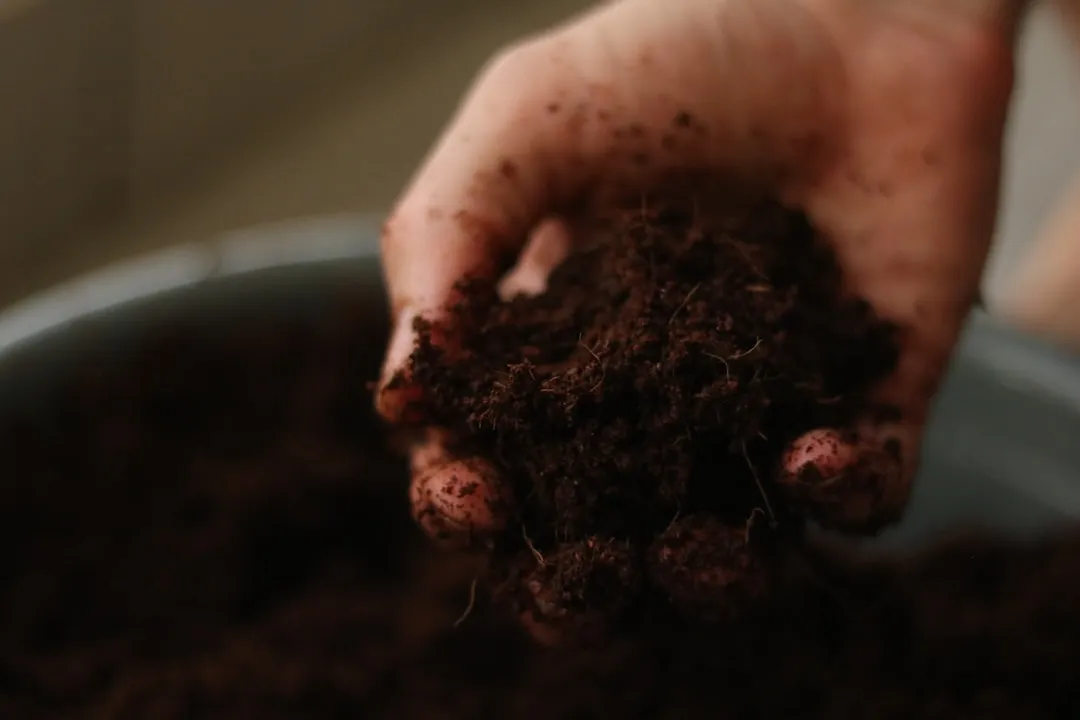
This myth gets repeated as a reassurance to beginners, and it sounds harmless. More of a good thing must be better, right? Not quite. According to Oregon State University Extension horticulturist Brooke Edmunds, while compost improves soil health, too much can create nutrient imbalances. Excess organic matter above eight percent can raise phosphorus to harmful levels and increase soil salts, both of which can stunt plant growth.
Immature or poorly stabilized compost poses risks of phytotoxicity, ammonia toxicity, and nitrogen immobilization. Excessive application rates are associated with nutrient imbalances, increased salinity, nitrate leaching, phosphorus runoff, and cumulative contaminant loading.
The takeaway is straightforward: more is not always better. Mature, well-made compost applied at sensible rates consistently benefits the soil. Applied recklessly, it can work against you.
3. Compost Piles Need to Be Turned Every Week
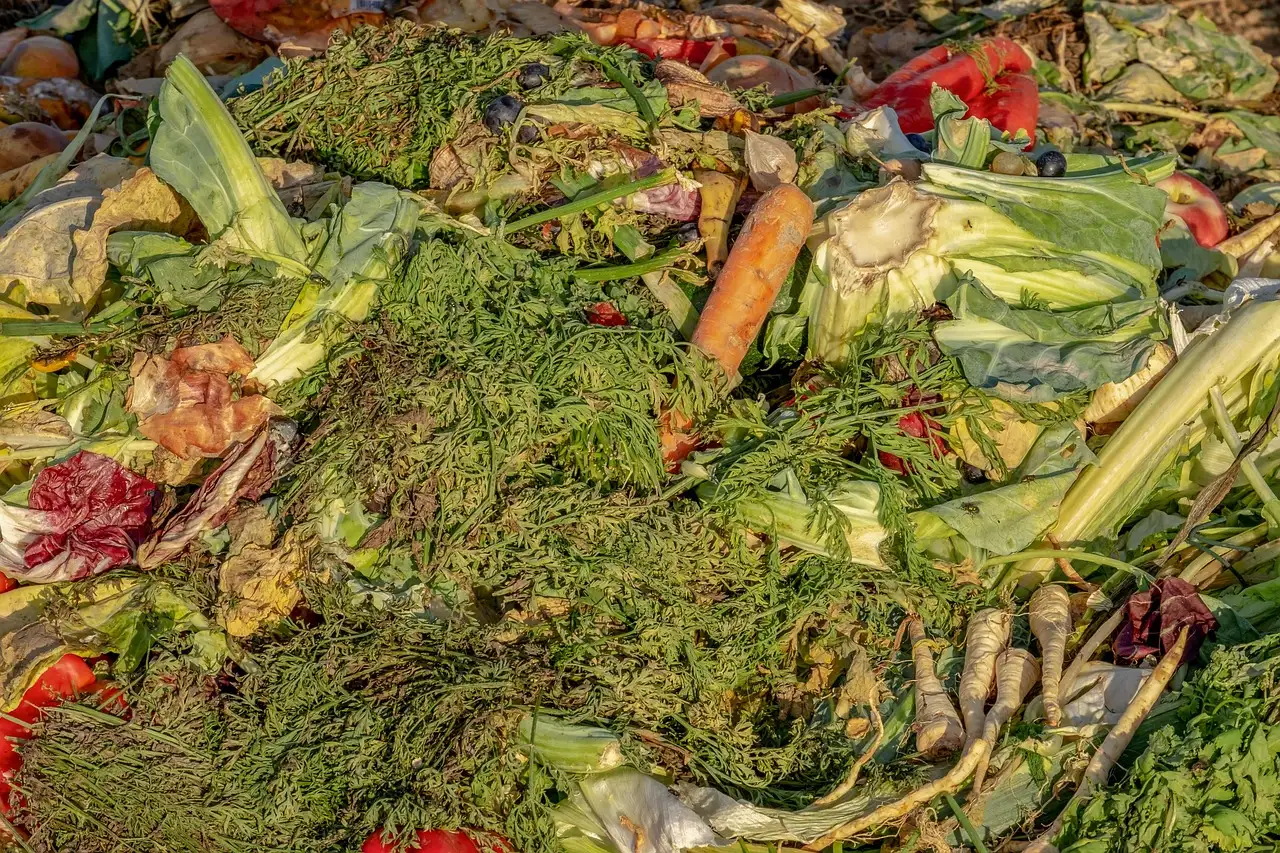
The image of a dedicated composter out every Sunday with a pitchfork has become the unofficial standard of doing it “right.” But the science does not really support the obligation. Aeration in compost piles is essential to good decomposition, but depending on regular physical turning to get oxygen in and carbon dioxide out makes way too much work. Adding aerating material into the pile as it is built is the best and easiest way to ensure good airflow.
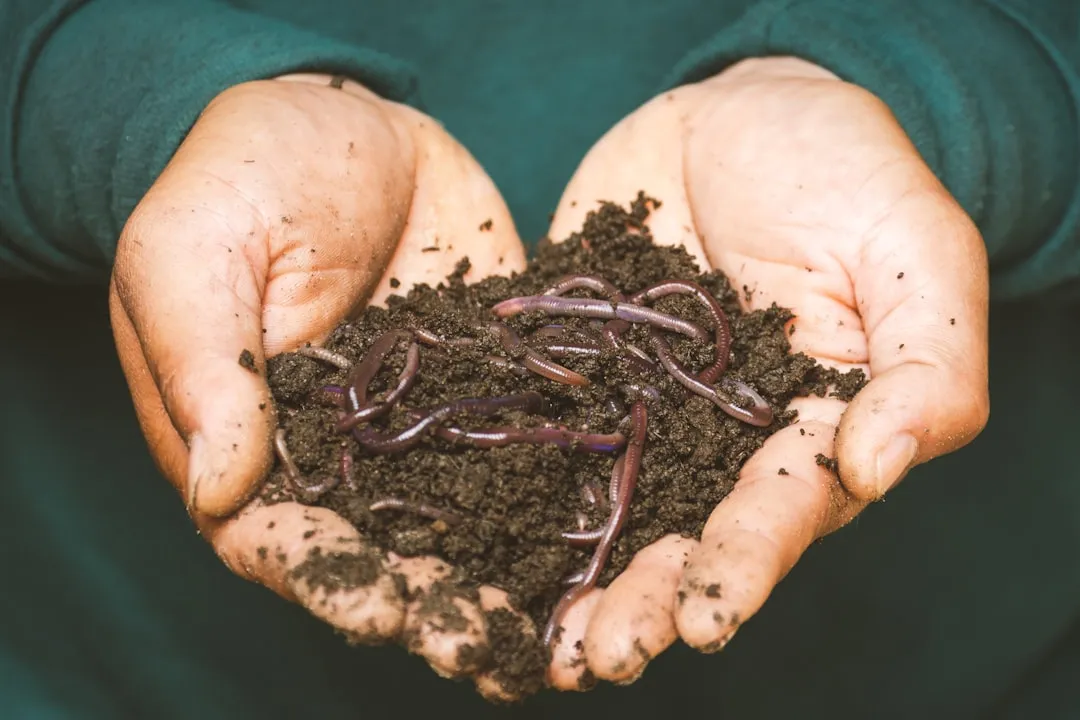
Some composting programs turn hot composts only twice. In cool composts, a healthy worm population will do the lion’s share of the turning work. Worms are, in many respects, more efficient aerators than a person with a pitchfork.
4. A Smelly Pile Means Something Has Gone Wrong
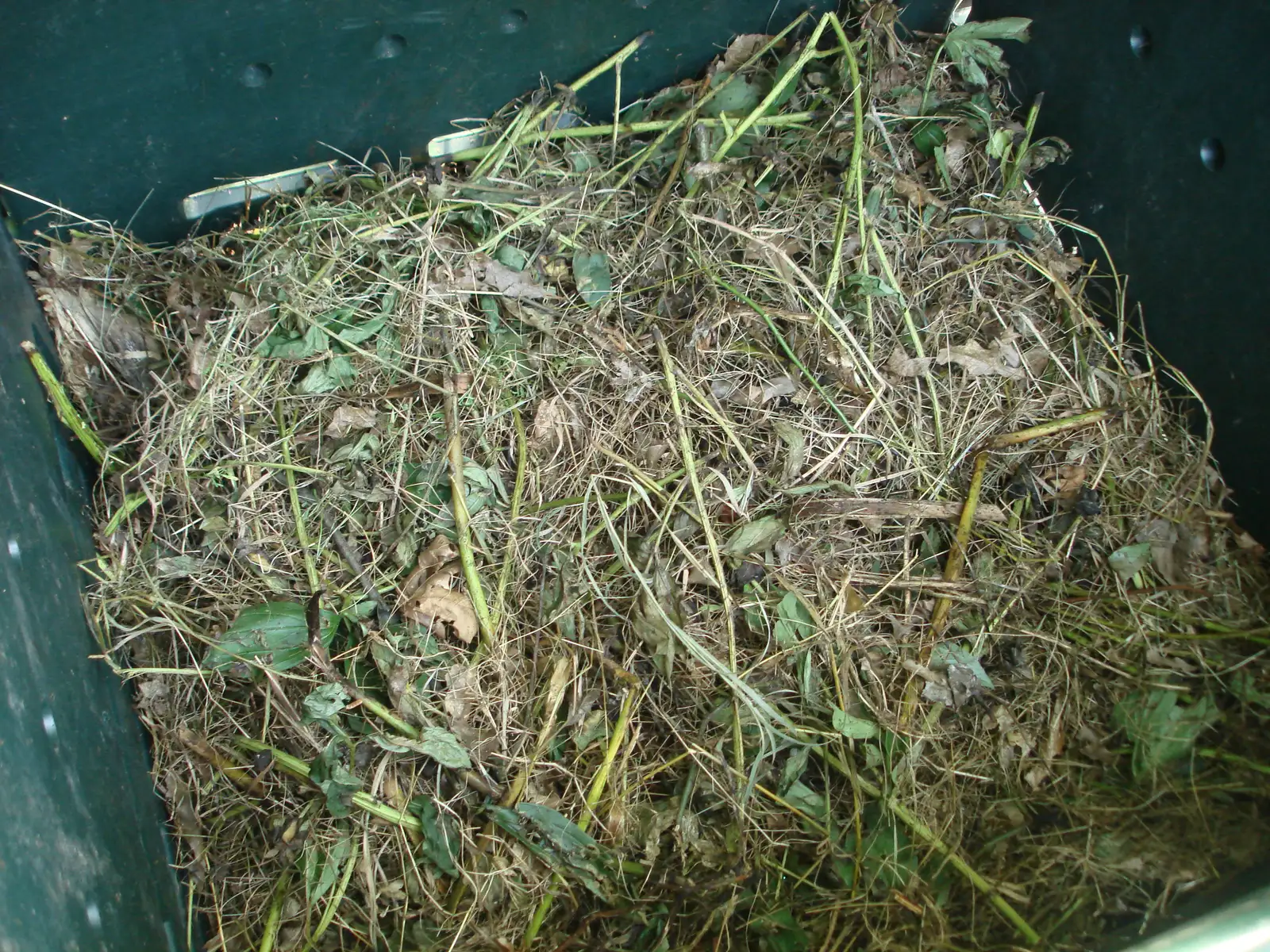
The smell myth keeps more people from starting than almost anything else. The fear of creating a neighborhood nuisance is real, but it is largely unfounded when a pile is managed even reasonably well. Compost has an odor only when it is too wet or there is too much nitrogen. These are fixable conditions, not inevitable ones.
Some people avoid compost piles because they smell bad. The truth is they smell bad when they are not cared for properly. Compost piles need to be roughly three feet square, with material that is at least half brown dead organic matter mixed with an equal part of fresh green material, and moistened to the consistency of a wet sponge.
Compost piles are often assumed to smell bad, but they can have a pleasant earthy scent with proper management. The smell issue, in most cases, is fully within the composter’s control.
5. Composting Produces Dangerous Amounts of Methane
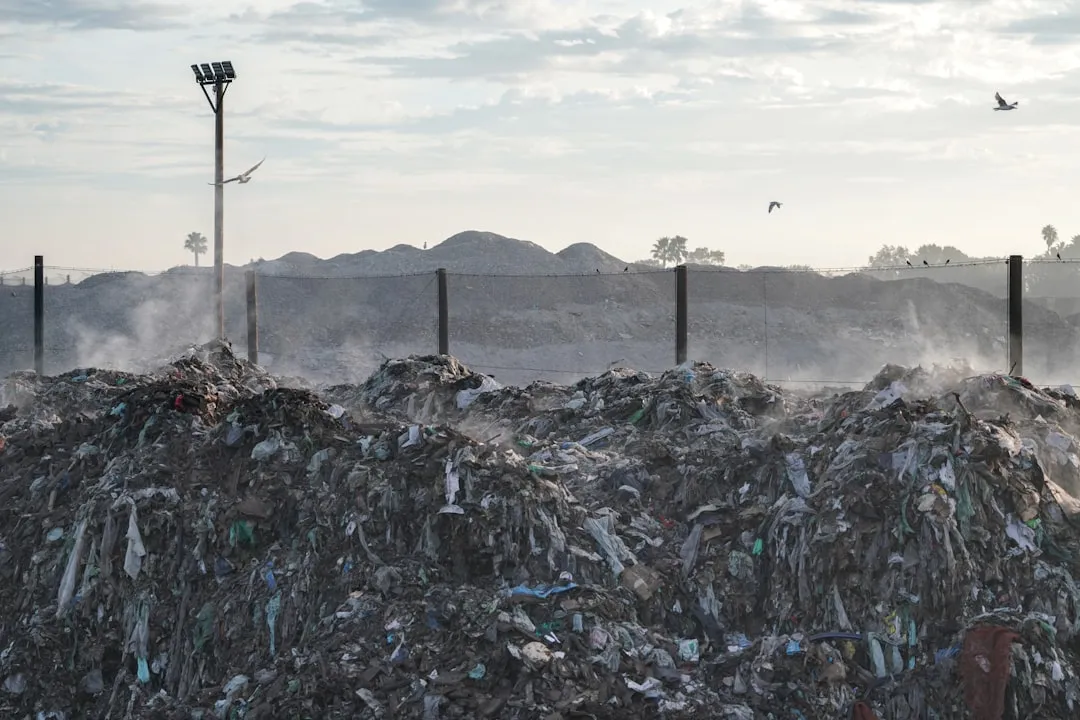
Some people have convinced themselves that composting is environmentally problematic because decomposing organic matter releases greenhouse gases. This concern misunderstands the basic chemistry involved. A well-maintained backyard compost pile that is turned regularly and kept aerated produces only trace amounts of methane. The oxygen introduced through turning suppresses the methane-producing microbes that thrive in anaerobic conditions.
Research published in Scientific Reports found that composting emissions were between roughly a third and more than four fifths lower than equivalent landfilling fluxes. The results suggest that food waste composting can help mitigate emissions. The comparison to landfilling is stark and important.
When food and other organic materials decompose in a landfill where anaerobic conditions are present, bacteria break down the materials and generate methane. Municipal solid waste landfills are the third largest source of human-related methane emissions in the U.S., accounting for approximately fourteen percent of methane emissions in 2022, with wasted food responsible for fifty-eight percent of landfill methane emissions, according to the EPA.
6. Pine Needles Will Acidify Your Compost and Ruin It
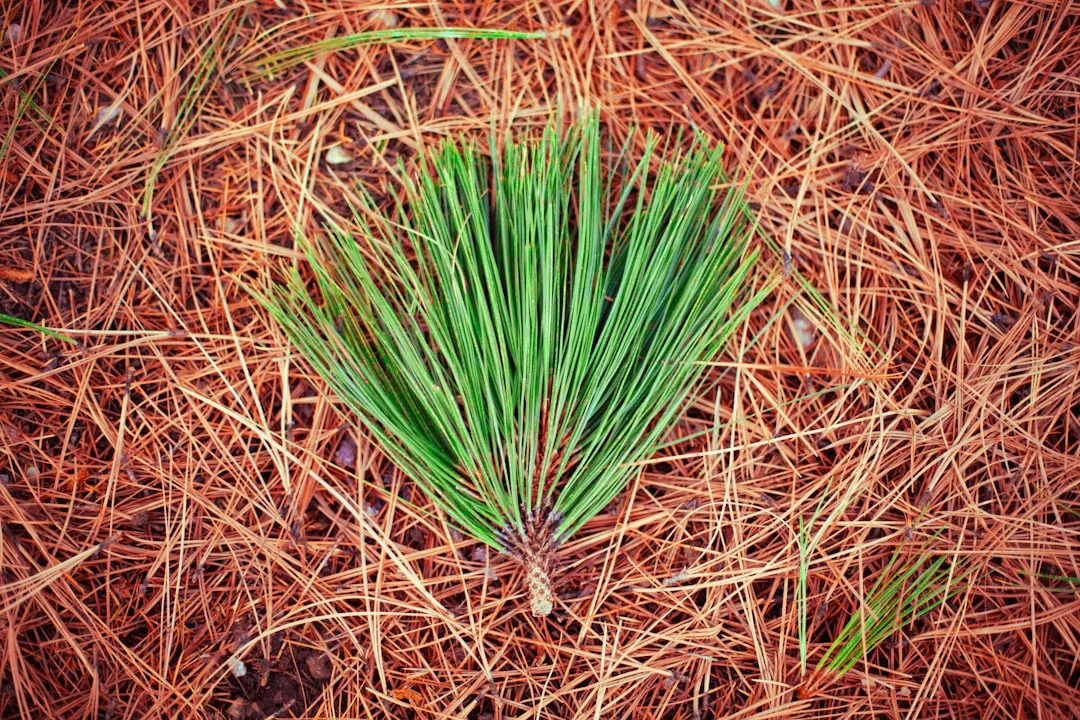
This myth has kept gardeners bagging up pine needles for the trash for years, which is a real loss of useful organic material. Pine needles are not acidic once they are on the ground and are only slightly acidic when green. The fear of them wrecking a pile’s pH is largely unfounded.
An experiment done at the Washington State University Spokane County Extension Office found that shredded pine needle compost in various states of decomposition had a neutral pH of seven. That is about as neutral as garden soil gets.
Pine needles must decompose in nature since the ground under pine trees has only a thin layer of needles. If they decompose in nature, they will decompose in a compost pile. Simple observation, confirmed by research.
7. You Need Special Ingredients or a Complex Recipe
The amount of conflicting advice about compost ratios, activators, starter cultures, and “recipes” can make the whole process feel like a chemistry exam. Most of it is unnecessary. Although complex compost recipes exist, you can easily create high-quality compost by layering a variety of moist ingredients like kitchen scraps and dry ingredients like dried leaves.
There is no right or wrong way to compost. You do not need three bins or even a bin at all. You can compost hot or cold, or carry out warm composting somewhere between the extremes. The flexibility here is much greater than most guides suggest.
Carbon provides the energy source for soil microorganisms, while nitrogen is essential for protein synthesis and plant growth. A balanced carbon-to-nitrogen ratio ensures that organic matter decomposes efficiently and releases nutrients at a rate that supports healthy soil ecosystems. You do not need a lab to figure this out, just a rough mix of dry brown material and wet green material.
8. Finished Compost Is Ready in Two Weeks
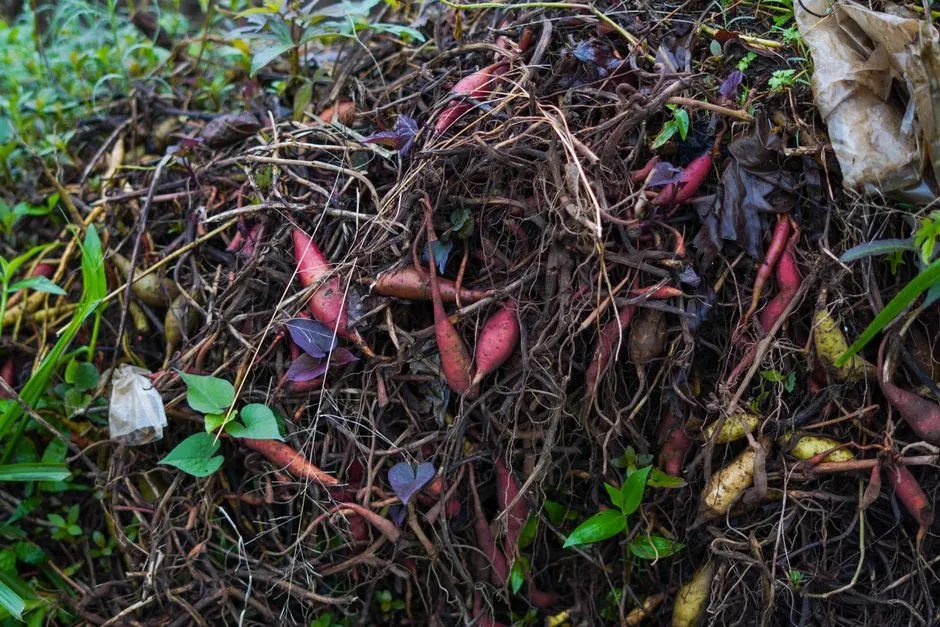
Compost tumbler manufacturers and some online guides have pushed the idea that properly managed compost can be ready in two weeks. This claim has created endless frustration and a lot of prematurely applied, still-active material. Manufacturers of compost tumblers claim that you can make compost in two weeks, and that is just not realistic. Compost tumblers do work but not as well as a large compost pile.
You can process food scraps in a hot compost in two weeks and make them safe to handle, but that is hardly the same as finished compost. Even with a hot and fast start, finishing compost well requires time for fungi and worms to do their work. Five to six months to get finished compost is still considered fantastic, and well worth the wait.
9. Adding More Nitrogen Will Always Heat Up a Sluggish Pile
When a pile goes cold or sluggish, the default advice is almost always to add more nitrogen-rich material. It is often the wrong call. The advice that a pile not heating up needs more nitrogen is a myth. Consider a bucket of kitchen scraps dumped weekly into a wet, heavy, stinky bin. That compost will not be hot, yet it is very high in nitrogen, and adding more nitrogen-rich material will just make things worse.
Occasionally it will be a lack of nitrogen that is stopping a compost from getting hot, such as in a carbon-rich mulch pile. However, as a blanket rule for heating up cool piles, the nitrogen advice is going to be wrong more often than it is right.
Compost needs air, moisture, volume, and the proper carbon-to-nitrogen ratio to get hot. Nitrogen is just one of those four factors, and often the least likely to be the problem.
10. Composting at Home Makes No Real Environmental Difference
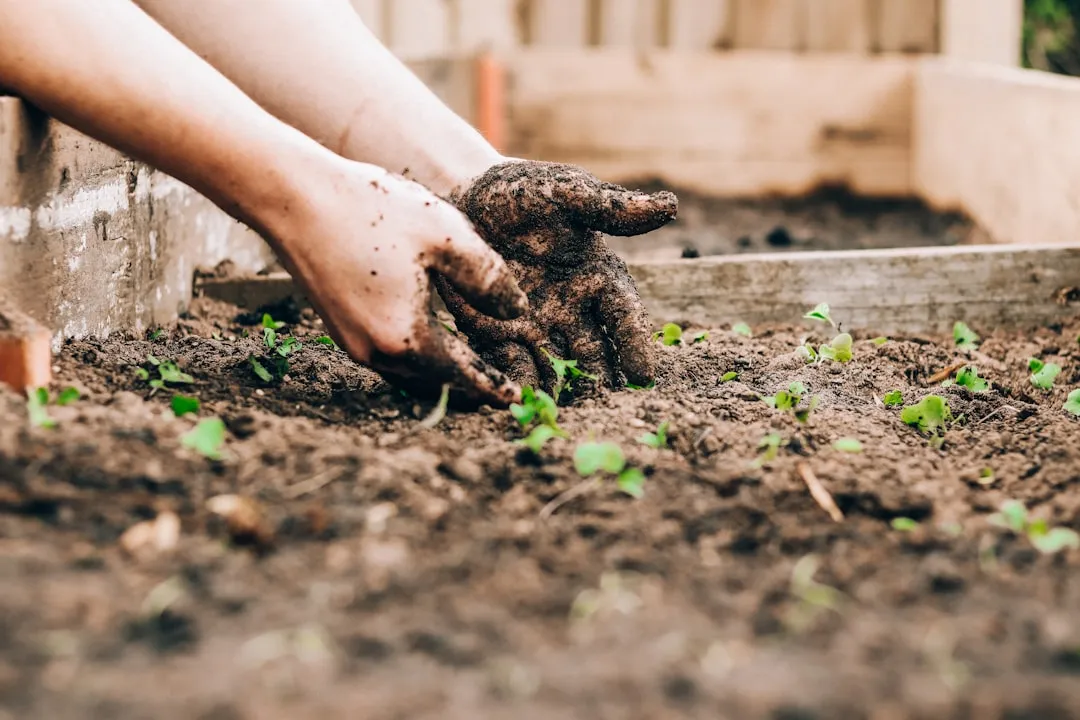
It is easy to feel like the actions of a single household are too small to matter in the face of industrial-scale waste. With composting, the data pushes back on that fatalism. ReFED’s 2024 analysis shows that twenty-three million tons of surplus food were sent to landfill in 2024, releasing over 600,000 metric tons of methane. The scale of the problem is large precisely because it is made up of millions of individual decisions.
EPA research indicates that diverting food waste from landfill reduces the methane generation potential by roughly a third. That is a meaningful figure, and it does not require industrial infrastructure to contribute to it.
San Francisco made composting mandatory in 2009 and has since reduced the amount of trash sent to landfills by eighty percent, composting 255,500 tons of organic material each year. Cities that have taken composting seriously have seen results that are genuinely difficult to argue with. Individual participation, at scale, adds up.
What the Science Actually Tells Us
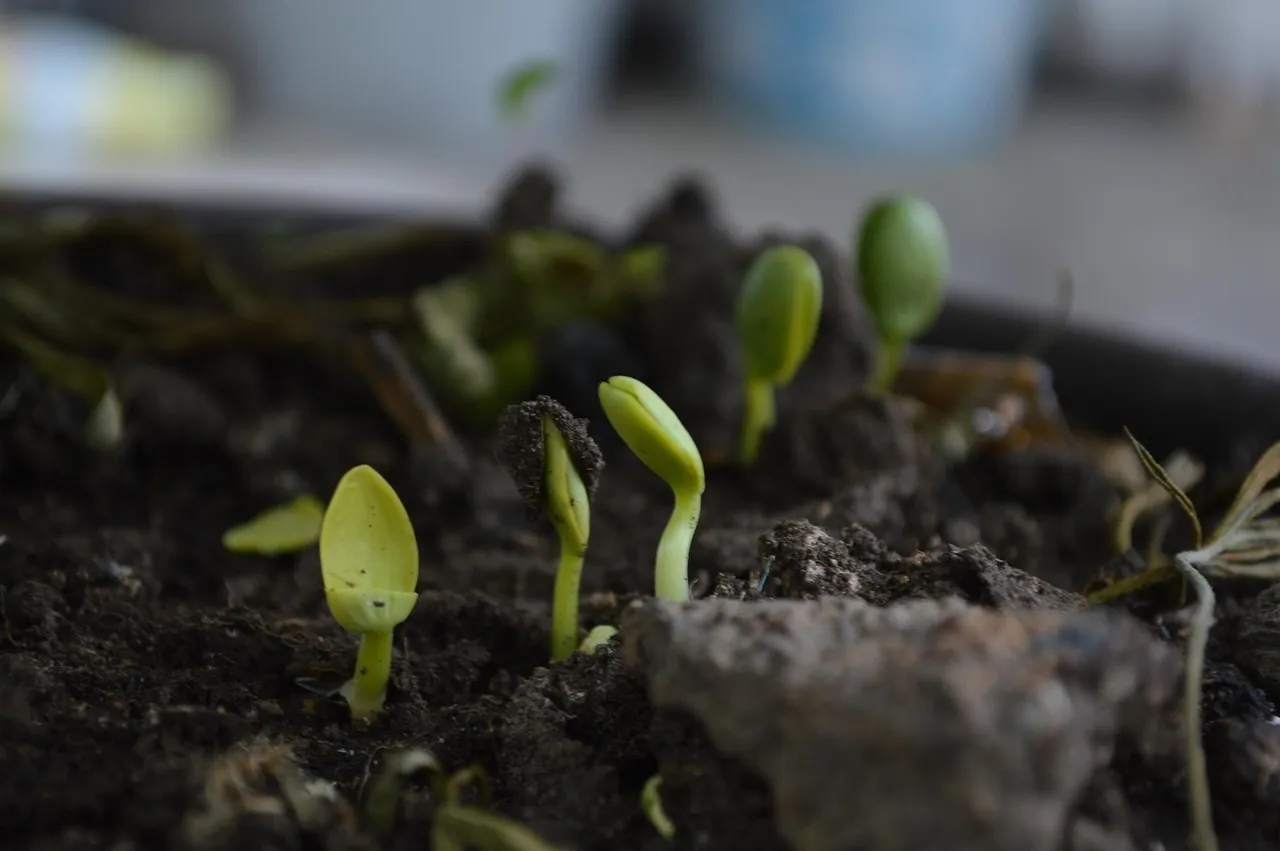
Strip away the outdated rules and what remains is a process that is far more forgiving than its reputation suggests. Evidence demonstrates that mature, stable composts consistently improve soil health, including aggregation, water-holding capacity, soil organic carbon, and nutrient availability, while boosting crop yield and establishment. That holds true whether the pile got hot or not, whether it was turned obsessively or left mostly alone.
One-time compost application to degraded rangelands can sequester soil carbon and improve soil health, depending on site conditions and other factors. The benefits extend well beyond the backyard garden.
The myths have persisted not because composting is hard, but because confident, simplified rules tend to spread faster than nuanced ones. Getting the facts right does not make composting more complicated. If anything, it makes it considerably easier.
AI Disclaimer: This article was created with the assistance of AI tools and reviewed by a human editor.