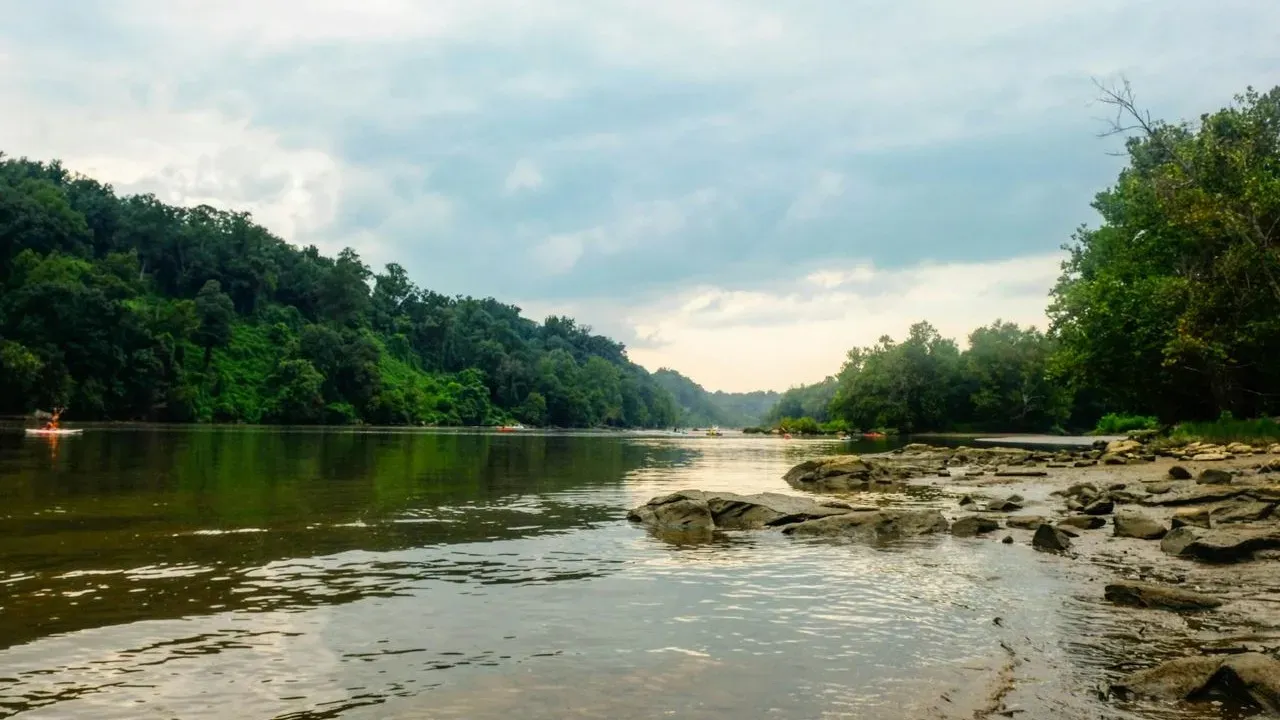

Washington, D.C. – Torrential downpours and flash flooding swept through parts of the region in recent days, yet the Potomac River’s flow stayed well below normal levels. Water suppliers have now started daily drought monitoring, a step that often signals the approach of watering restrictions for residents. The disconnect between visible rain and river conditions stems from where the precipitation actually fell.
Where the Rain Fell Matters Most
Michael Nardolilli, executive director of the Interstate Commission on the Potomac River Basin, noted that most of the recent accumulations occurred downstream from the key intake points used by local utilities. Gardens and lawns in many neighborhoods may rebound quickly, but the upstream watershed that feeds drinking water supplies received far less relief. The three primary suppliers serving the area are WSSC Water, the Washington Aqueduct, and Fairfax Water. This geographic mismatch means surface runoff did little to replenish the main stem of the river. Officials track conditions at the U.S. Geological Survey gauge at Point of Rocks, Maryland, where daily monitoring begins once flow drops below 2,000 cubic feet per second.
River Levels Remain Critically Low
Current readings show the river at 1,720 cubic feet per second. That figure sits roughly 1,000 cubic feet per second below the long-term median for August 3, based on more than 130 years of data. Nardolilli emphasized that the low reading reflects actual river conditions rather than any gauge issue. Summer already marks a naturally low-flow period, and conditions typically worsen further into fall. Additional rain is forecast this week, yet experts do not expect it to raise levels enough to end the daily monitoring.
Implications for Home Gardeners
Low river flow directly influences the region’s drinking water supply, which in turn can trigger limits on outdoor water use. Home gardeners often feel these restrictions first through rules on lawn irrigation, car washing, and filling pools. Early preparation helps protect plants without violating future limits. Key steps gardeners can take now include:
– Mulching beds to retain soil moisture longer.
– Watering deeply but infrequently at the base of plants during early morning hours.
– Collecting rainwater in barrels where local rules allow.
– Choosing drought-tolerant varieties for new plantings.
– Checking soil moisture before turning on sprinklers.
Staying Ahead of Potential Limits
Utilities have not yet imposed mandatory restrictions, but the start of daily monitoring serves as an early warning. Residents who adjust habits proactively can reduce stress on both their gardens and the shared water supply. The situation underscores how even dramatic local storms may leave broader watershed conditions unchanged. Continued vigilance through the coming weeks will determine whether conditions improve or whether formal conservation measures become necessary.
AI Disclaimer: This article was created with the assistance of AI tools and reviewed by a human editor.