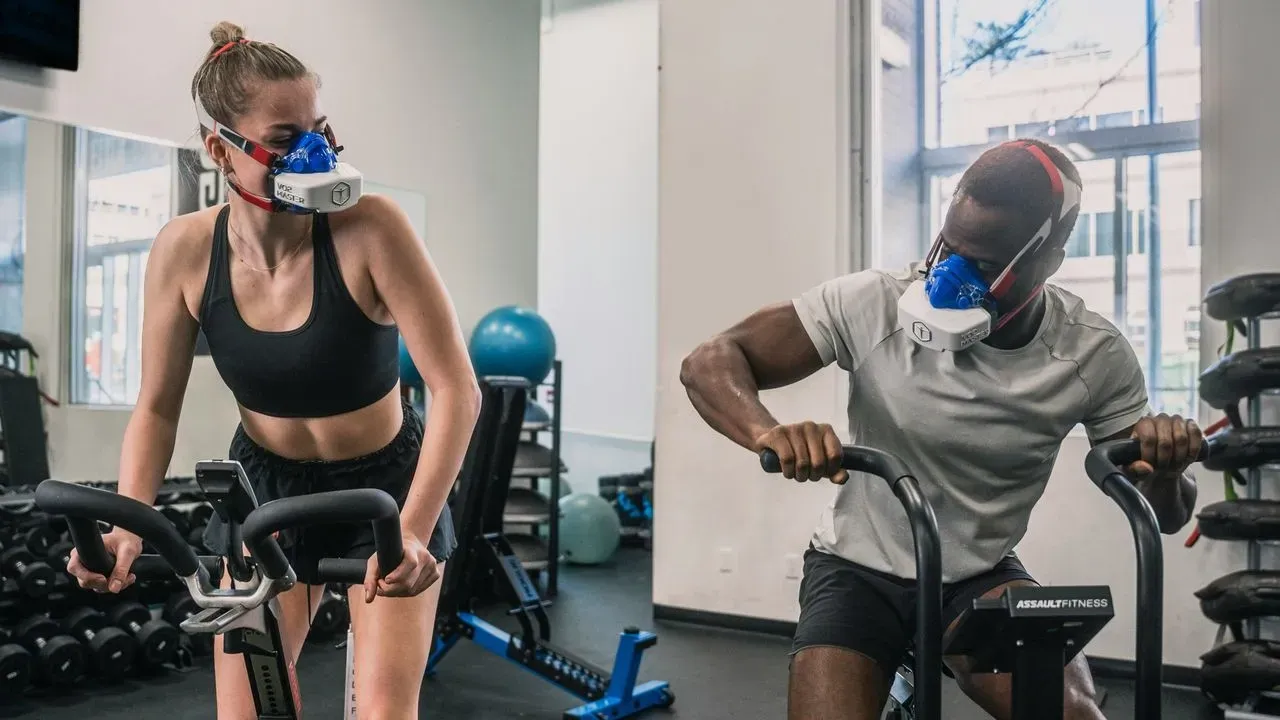

Many adults spend years monitoring weight, blood pressure, or cholesterol while overlooking a single measure of aerobic capacity. That measure, known as VO2 max, tracks how efficiently the body uses oxygen during effort. Research consistently shows it offers a clearer window into long-term survival than several well-known risk factors.
What VO2 Max Actually Measures
VO2 max reflects the maximum volume of oxygen the body can consume and utilize during intense activity. It serves as a direct gauge of cardiorespiratory fitness rather than a snapshot of appearance or isolated lab values. Higher readings indicate stronger heart, lung, and muscle performance under demand. This capacity declines naturally with age, yet it responds readily to consistent movement. Even modest gains can shift an individual from lower to higher fitness categories. The metric applies across activity levels, from daily walkers to regular exercisers.
Why It Surpasses Familiar Health Risks
Large-scale studies place low VO2 max ahead of smoking, obesity, high blood pressure, and type 2 diabetes as a predictor of earlier mortality. One analysis of more than 122,000 people found that the least-fit group faced substantially elevated death risk compared with the fittest group, exceeding the hazards tied to those other factors.[1] Additional reviews confirm the pattern. Low fitness carried greater relative risk than current smoking or diagnosed hypertension in multiple cohorts. Individuals who maintained higher aerobic capacity often showed lower overall mortality even when other markers were present.
Simple Ways to Track Progress
Modern devices provide accessible estimates without clinical equipment. Many smartwatches and fitness trackers calculate VO2 max during outdoor runs, brisk walks, or cycling sessions by analyzing heart-rate response and pace. Laboratory treadmill tests remain the gold standard for precision when greater accuracy is desired. Regular monitoring reveals trends over weeks and months. Users can note changes after adding new activities or increasing duration. Re-testing every two to three months helps confirm whether efforts are moving the number in the desired direction.
Effective Methods to Raise the Reading
Aerobic exercise forms the foundation for improvement. Steady, moderate efforts such as brisk walking, cycling, or gardening tasks performed at a sustained pace build baseline capacity over time. Adding variety prevents plateaus and encourages continued adaptation. High-intensity intervals offer faster gains for those already active. Short bursts of harder effort followed by recovery periods train the body to process oxygen more efficiently.
Beginners can start with shorter sessions and build gradually while listening to their bodies. Weight management also plays a supporting role. Because VO2 max is often expressed relative to body weight, gradual fat loss can produce noticeable lifts in the score even without dramatic changes in training volume. Outdoor routines that combine movement with daily life, such as extended garden work or neighborhood walks, integrate these benefits naturally.
Putting the Metric Into Perspective
Focusing on VO2 max shifts attention from isolated numbers on a scale or chart toward functional capacity that supports independence and daily enjoyment. Small, consistent steps outdoors accumulate into meaningful shifts. The evidence points to aerobic fitness as a practical lever available to most people regardless of starting point.
AI Disclaimer: This article was created with the assistance of AI tools and reviewed by a human editor.