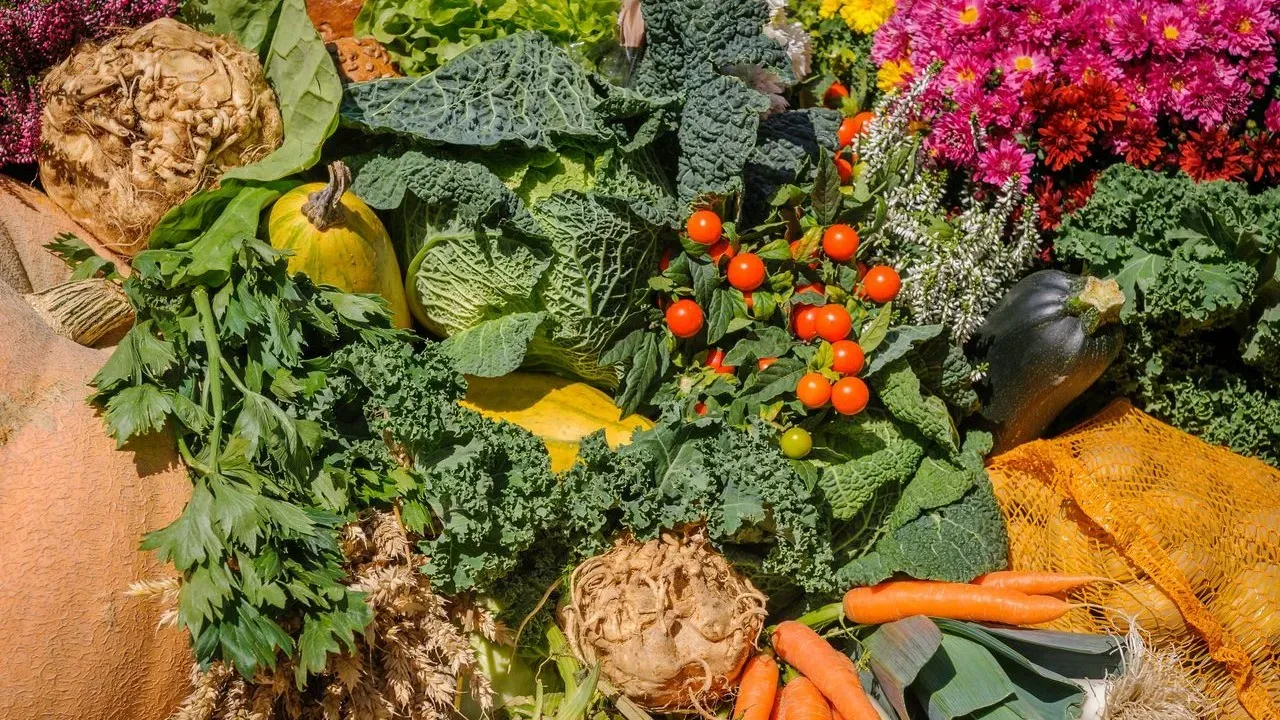

As summer heat lingers across much of the country in early August, a quieter but decisive period is already underway for home gardeners. The weeks ahead represent the primary chance to establish cool-season crops that will mature after temperatures ease. Missing this interval often means a thinner or nonexistent harvest later in the year.
Why the Calendar Matters More Than Many Realize
Vegetable gardens follow two distinct cycles in most climates. Spring and summer plantings favor heat-tolerant varieties, while the fall window favors those that improve with light frosts. Gardeners who treat the two seasons interchangeably frequently discover that their intended crops either bolt or fail to size up before cold weather sets in.
The practical consequence is straightforward: families counting on fresh produce from their own plots can face reduced yields or none at all. Local markets and community-supported agriculture programs also feel the ripple when home production drops. The timeline is unforgiving because soil temperatures must still support germination, yet daylight hours are already shortening.
Crops That Reward Precise Timing
Carrots, cabbage, and collards stand out among the vegetables suited to this transition. Each develops best when started while the ground remains warm enough for quick sprouting but before prolonged heat stresses young plants. These varieties tolerate, and in some cases benefit from, the cooler nights that arrive later.
Carrots develop sweeter roots after light frosts. Cabbage heads form more reliably when daytime temperatures moderate. Collards continue producing tender leaves well into winter in milder regions. Together they offer a mix of root, head, and leafy greens that extend the garden’s output beyond the usual summer staples.
Stakeholders Who Feel the Effects
Home gardeners bear the most immediate impact. Those who plant on schedule can harvest steadily through late fall and, in some areas, into winter. Those who delay often find themselves purchasing the same vegetables they could have grown.
Small-scale producers who sell at farmers’ markets also plan around this window. A successful fall patch can offset the slower summer months and help maintain year-round income. Community gardens and school plots likewise depend on the same narrow period to keep beds productive for participants.
Forward Planning That Pays Off
Successful gardeners begin by noting average first-frost dates for their area and counting backward to determine sowing or transplant dates. Soil preparation and variety selection follow from that calculation rather than from a fixed calendar date. The result is a more reliable return on the effort invested in the plot.
Those who approach the season with this measured outlook tend to report steadier harvests and fewer disappointments. The window itself remains short, yet it consistently delivers when respected.
AI Disclaimer: This article was created with the assistance of AI tools and reviewed by a human editor.