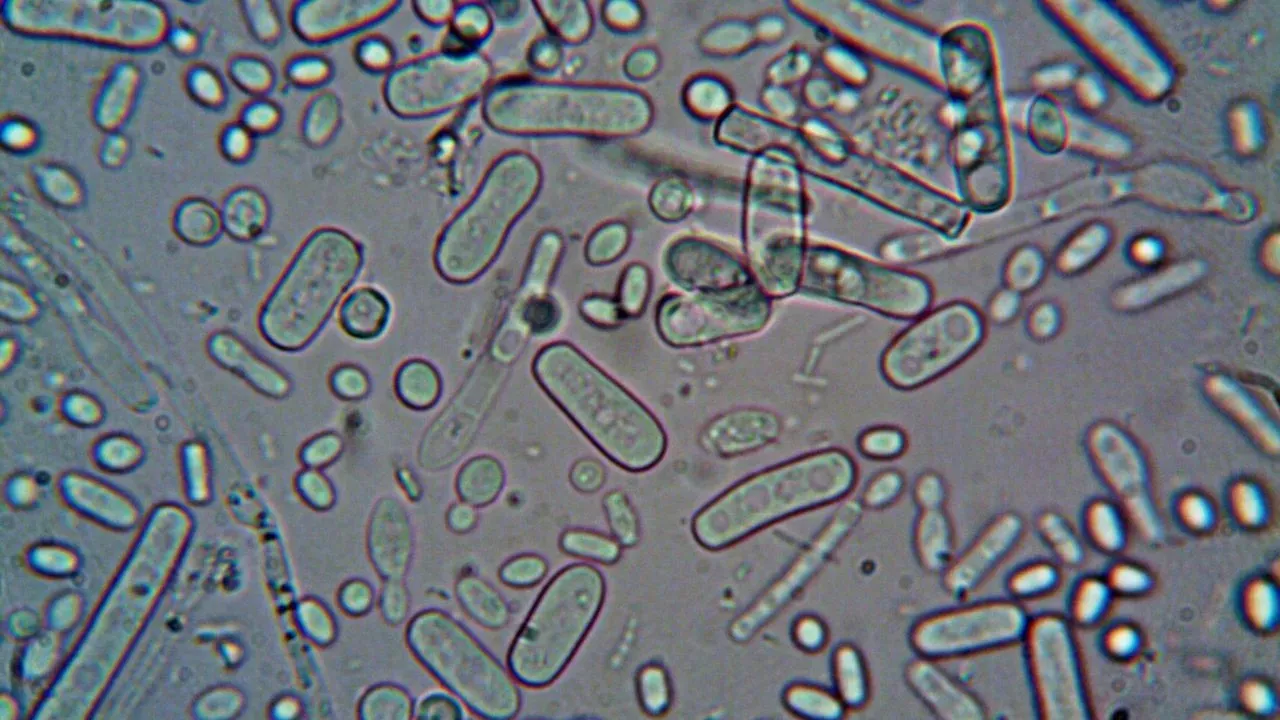

Health officials continue to monitor the spread of a particularly stubborn fungal pathogen that has now been identified across a wide swath of the country. Fresh surveillance figures released by the Centers for Disease Control and Prevention indicate that Candida auris has established a presence in 23 states, underscoring how challenging containment efforts remain even years after its initial detection in the United States. The organism’s ability to resist multiple antifungal medications and persist in healthcare environments has kept it on public-health radar screens throughout 2026.
Why the Latest Numbers Matter
The newest CDC data arrives at a time when hospitals and long-term care facilities are still refining infection-control practices that were tested during earlier outbreaks. Candida auris is not a concern for the general public in the way a seasonal respiratory virus might be, yet its presence in more states signals that transmission chains are proving resilient. Public-health experts view each new geographic foothold as a reminder that standard precautions must be applied consistently and early.
The fungus spreads most readily among patients who already face serious underlying conditions or who require invasive medical devices. Because it can colonize skin without causing immediate symptoms, carriers may unknowingly move it from one facility to another. That silent carriage is precisely what makes routine screening and rapid laboratory identification so important in limiting further expansion.
Characteristics That Set Candida auris Apart
Unlike many other yeasts, Candida auris frequently withstands the antifungal drugs that clinicians would normally turn to first. This multidrug resistance narrows treatment options and raises the stakes when an infection does take hold in vulnerable individuals. The CDC has long classified the organism as an urgent antimicrobial-resistance threat for these reasons.
Its environmental hardiness adds another layer of difficulty. The fungus can survive on surfaces in healthcare settings for weeks, resisting some of the disinfectants that work against other pathogens. Facilities that have successfully interrupted transmission have done so through meticulous cleaning protocols, dedicated equipment, and strict isolation measures for affected patients.
Current Response and Containment Strategies
State and local health departments are working closely with the CDC to track new detections and to support facilities that report cases. Enhanced surveillance, including both clinical infections and colonization screening, helps authorities understand where the organism is moving and how quickly. When clusters appear, rapid investigation often reveals gaps in infection prevention that can be closed before wider spread occurs.
Education campaigns aimed at healthcare workers emphasize the need for heightened suspicion whenever a patient with risk factors develops an unexplained infection. Prompt notification of infection-control teams and public-health authorities remains a cornerstone of the response. These layered efforts have contained outbreaks in some regions, even as the national footprint continues to grow.
What Matters Now
Continued vigilance in every healthcare setting that cares for high-risk patients is essential. Early detection paired with rigorous infection-control measures offers the best chance of slowing further geographic expansion this year and beyond.The pattern observed so far suggests that Candida auris will remain a fixture of antimicrobial-resistance discussions for the foreseeable future.
While the immediate risk to healthy people stays low, the expanding map of affected states serves as a practical signal that existing strategies must be sustained and, where possible, strengthened.
AI Disclaimer: This article was created with the assistance of AI tools and reviewed by a human editor.