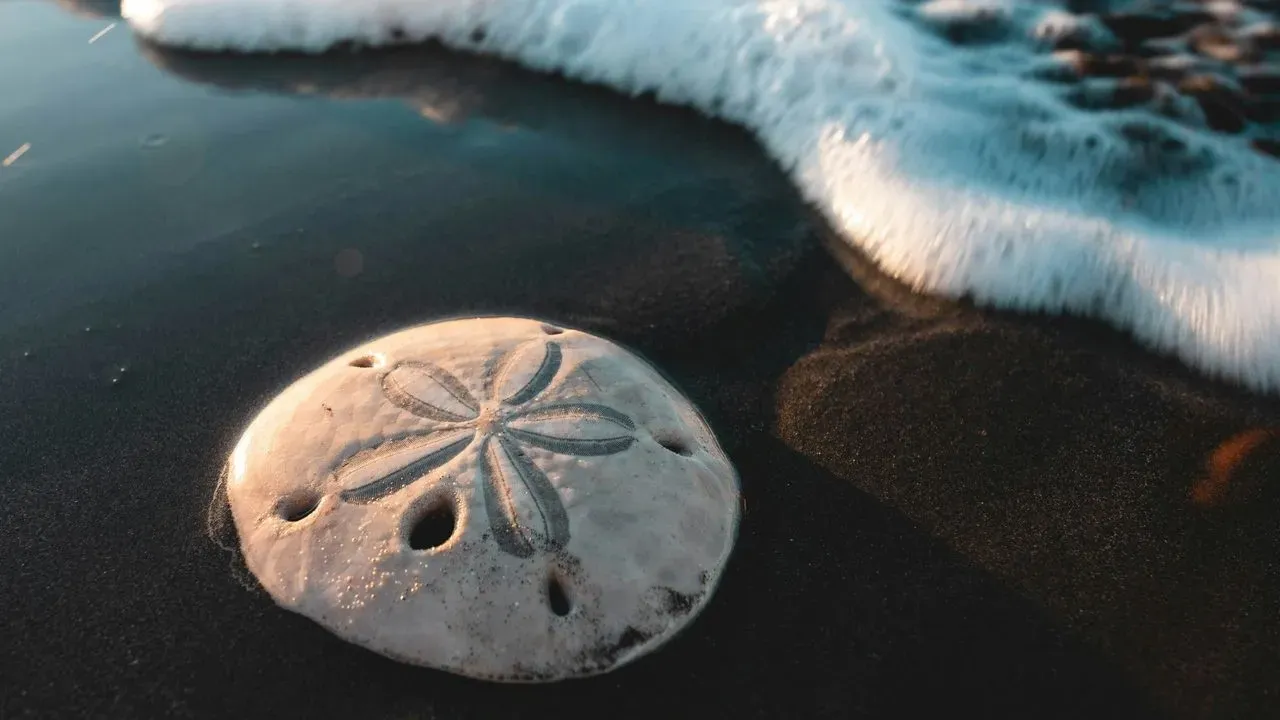

Florida beaches hold more than empty shells after a storm. Walkers often collect what look like flat, bleached coins, yet many of these finds are the remains of living animals that once moved across the seafloor. Naturalist Kristen Williams, known as the Seashell Mermaid, leads small groups on careful searches that reveal the difference between a discarded skeleton and an animal still at work beneath the sand.
Searching the Shore with a Local Expert
Williams meets visitors on quiet stretches of Florida coastline where gentle waves leave fresh deposits. She shows participants how to spot the faint outlines of sand dollars that have not yet been bleached white by sun and salt. The process requires patience and a light touch so living specimens can be observed briefly and returned to the water. Participants learn to distinguish the thin, flexible bodies of active sand dollars from the rigid, empty tests that wash up after storms. Williams explains the habits of these echinoderms, including how they burrow and feed on tiny particles in the sediment. The outings turn a casual beach walk into a closer look at coastal life that most visitors overlook.
Close Relatives of Sea Stars and Urchins
Sand dollars belong to the same group as sea stars and sea urchins. All three share a five-part body plan and a water-vascular system that helps them move and capture food. The flat shape of a sand dollar is simply an adaptation for life on sandy bottoms rather than a sign that it is something entirely different. When alive, the animal is covered with fine spines and tube feet that help it glide just below the surface. Once the soft parts decay, only the hard test remains, which is what most people recognize as a beach souvenir. This connection to better-known sea creatures helps explain why sand dollars play a quiet but steady role in keeping shallow marine sediments healthy.
Lessons from the Steinhart Aquarium
At the California Academy of Sciences in San Francisco, staff at the Steinhart Aquarium maintain living sand dollars in controlled tanks. Visitors can watch the animals move and feed in conditions that mimic their natural habitat. The displays highlight how the creatures respond to changes in water flow and light. Aquarium biologists note that sand dollars serve as indicators of sediment quality in nearshore waters. Their presence or absence can reflect broader conditions in the coastal environment. The exhibits give land-bound observers a rare chance to see the animals in motion rather than as static souvenirs.
Respecting What the Beach Leaves Behind
The growing interest in these animals encourages beachgoers to pause before collecting. Many now choose to photograph a find and leave it in place, especially when the specimen still shows signs of life. Simple habits like this help preserve the living population that supports the sandy ecosystem. Williams continues to guide seasonal walks that combine observation with gentle handling. Her approach shows that a familiar beach object can open a window onto marine life that remains largely hidden from view. The same shoreline that offers shells also shelters a community of animals worth noticing before they disappear beneath the next tide.
AI Disclaimer: This article was created with the assistance of AI tools and reviewed by a human editor.