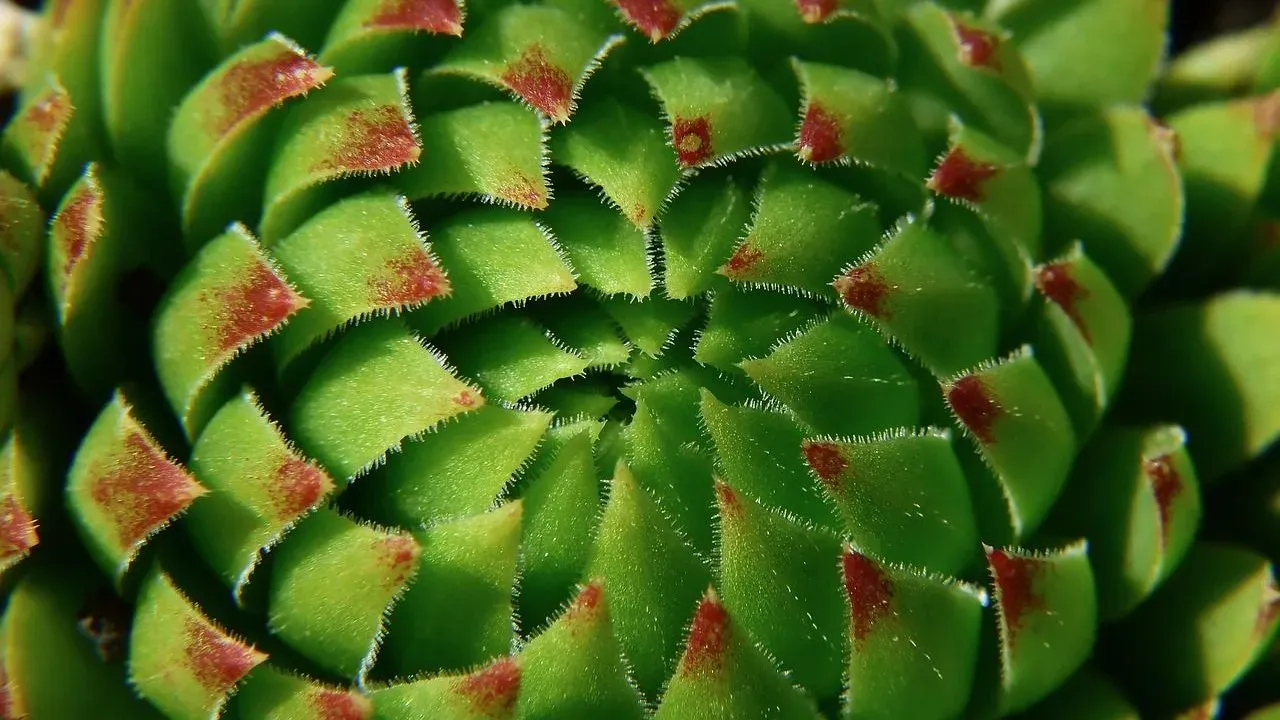

Succulents have surged in popularity as low-maintenance houseplants and garden additions, yet a select group commands prices that reach hundreds or even thousands of dollars. These specimens stand apart because of slow growth rates, limited availability in cultivation, and distinctive traits such as unusual shapes or variegated patterns. Collectors prize them for the challenge of acquisition and the satisfaction of owning something truly uncommon.
Factors Behind the High Prices
Several elements combine to drive up the cost of certain succulents. Slow maturation means years can pass before a plant reaches a desirable size, limiting supply. Propagation difficulties further restrict numbers available to the market. Geographic origins in remote regions also play a role, as do features like pebble-like forms or striking spines that appeal to enthusiasts seeking visual impact.
Rarity in the wild or in cultivation adds another layer of value. Plants that resist easy reproduction or require specific conditions often remain scarce even among dedicated growers. This scarcity turns individual specimens into status symbols within collector circles.
Notable Specimens and Their Origins
Several varieties illustrate why certain succulents attract serious attention. The Little Jewel from Mexico features thick leaves edged in pink that deepen with age, giving it a gem-like quality prized by hobbyists. The Baseball Plant from South Africa forms a rounded, ridged shape reminiscent of its namesake and grows slowly to just a few inches across.From Madagascar comes the Plover Eggs succulent, whose spotted, egg-shaped leaves create an unusual texture.
The Seven Star Cactus of Mexico displays pointed stems that give it a distinctive silhouette. Other examples include the tree-like Aloe Helenae, which can reach twelve feet, and the endangered Parodia rechensis from Brazil, whose protected status heightens demand. These plants often share traits such as compact forms or vivid seasonal blooms, yet each carries its own cultivation challenges that reinforce their market position.
General Care Considerations
Successful cultivation of these higher-value plants follows many of the same principles applied to more common succulents. Well-draining soil and containers that prevent water accumulation remain essential. Most prefer bright light and temperatures between 65 and 75 degrees Fahrenheit, with moderate humidity levels. Watering should be infrequent and adjusted to the individual species, allowing soil to dry thoroughly between applications.
Reputable sources can provide precise guidance for each variety, since requirements vary. With consistent attention, these plants can thrive for years and retain their appeal as living investments. Collectors often emphasize patience and research before purchase. Verifying seller credentials helps ensure healthy specimens reach new owners ready to meet their needs.
AI Disclaimer: This article was created with the assistance of AI tools and reviewed by a human editor.