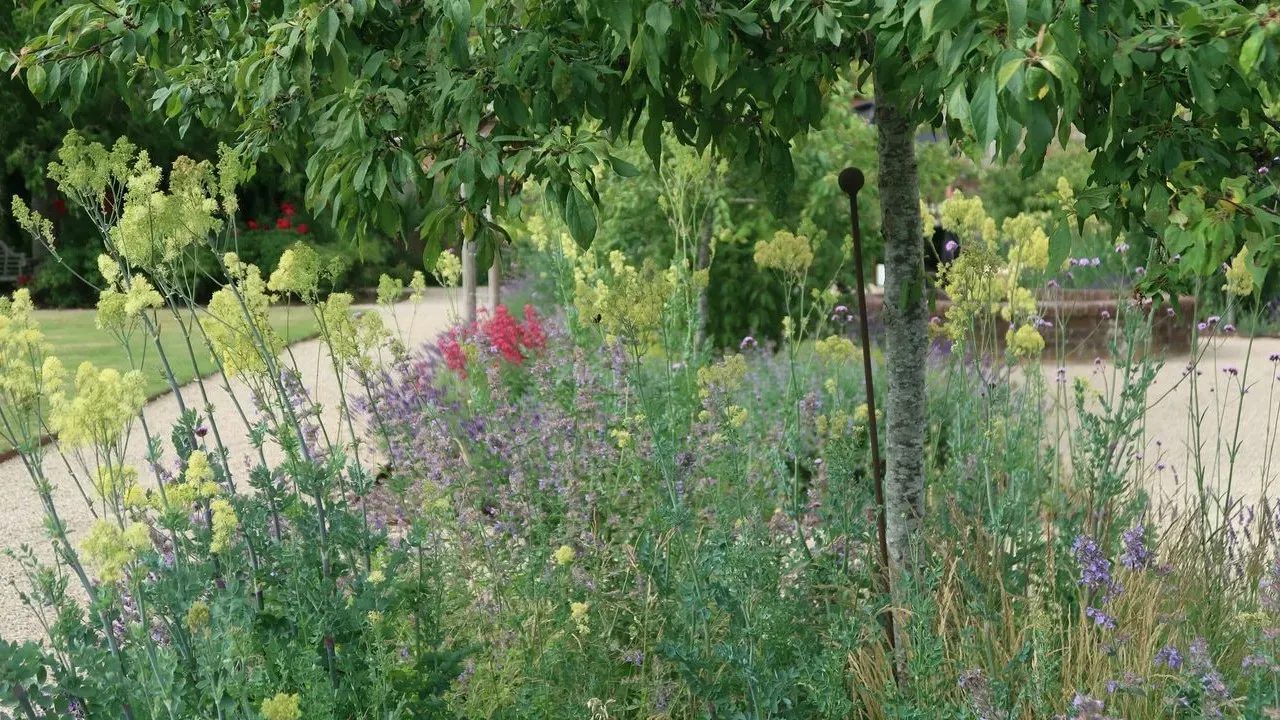

Across many American neighborhoods, the familiar stretch of green lawn is giving way to lower, more varied plantings that require far less intervention. This shift reflects broader concerns about water use, maintenance demands, and support for local wildlife in regions where turfgrass struggles to thrive without heavy inputs. The change is gradual yet noticeable, as property owners seek landscapes that align better with local conditions and long-term sustainability goals.
Why Traditional Lawns Are Losing Ground
Monoculture lawns became the standard decades ago, yet they often demand constant mowing, watering, and chemical treatments, especially in climates where grass does not grow naturally. Homeowners now face rising costs for irrigation and upkeep, alongside growing awareness of how these practices affect soil health and pollinator populations. The result is a quiet reevaluation of what a yard should provide, moving away from uniform green surfaces toward plantings that perform multiple roles without constant attention.
Environmental considerations play a central role. Lawns can contribute to erosion on slopes and offer little habitat for bees or butterflies. In contrast, the move toward alternatives addresses these limitations directly, appealing to families and communities looking for practical improvements rather than cosmetic uniformity.
Clear Advantages Over Turfgrass
Groundcovers deliver several measurable benefits once established. They suppress weeds through dense growth, reduce the need for frequent watering, and provide nectar sources for pollinators when flowering varieties are selected. Their deeper root systems also help stabilize soil, particularly on uneven terrain where turf tends to thin out.
Artificial turf presents its own set of drawbacks that many are now weighing. The material can trap heat, limit microbial activity in the soil beneath, and still allow weed growth from dropped seeds. Replacement every decade or so adds to long-term expense, while living groundcovers improve soil quality over time and maintain a more natural appearance.
Selecting Plants That Fit the Site
Successful transitions begin with an assessment of sunlight exposure, soil moisture, and existing features such as tree roots. Matching plants to these conditions avoids common failures and speeds establishment. Popular choices include clover for areas with foot traffic from children or pets, creeping thyme for its fragrance and durability, and varieties such as barrenwort, hardy geraniums, and sedum for varied textures and seasonal interest.
Some homeowners retain a modest grass section for active play while converting the remainder. This hybrid approach allows gradual expansion of groundcovers as family needs evolve, reducing disruption during the changeover.
Methods for Converting Existing Lawns
Complete removal is rarely necessary at the outset. One widely used technique, often called sheet mulching or lasagna gardening, involves mowing the existing turf short, layering overlapping sheets of newspaper, moistening the surface, and topping it with a thick layer of quality compost. The materials break down over a season, creating workable soil for new plantings by the following spring.
Alternative approaches include renting equipment to lift and remove sod or carefully turning sections by hand. These options can be more labor-intensive and risk bringing buried weed seeds to the surface. Once the area is prepared, plugs or seeds can be introduced, with plugs offering faster coverage on slopes and seeds providing cost-effective variety when mixed with sand for even distribution.
Establishment Practices and Long-Term Outlook
Spacing plugs six to twelve inches apart and incorporating starter amendments helps roots develop with minimal shock. Between plantings, a layer of shredded leaves or pine needles protects bare soil from weeds and erosion until coverage fills in. Seeds require consistent moisture in the early weeks, followed by spot reseeding where needed.
Common missteps include placing sun-loving selections in shade or expecting rapid spread in the first year, when energy goes primarily into root development. Proper soil preparation beforehand prevents compaction issues that hinder growth. With attention to these details, groundcovers typically reward the initial effort with reduced maintenance and improved ecological function for years afterward.
The broader trend points to landscapes that serve both practical and environmental purposes more effectively than uniform turf ever could. As more homeowners adopt these methods, the character of residential yards continues to evolve toward greater resilience and variety.
AI Disclaimer: This article was created with the assistance of AI tools and reviewed by a human editor.