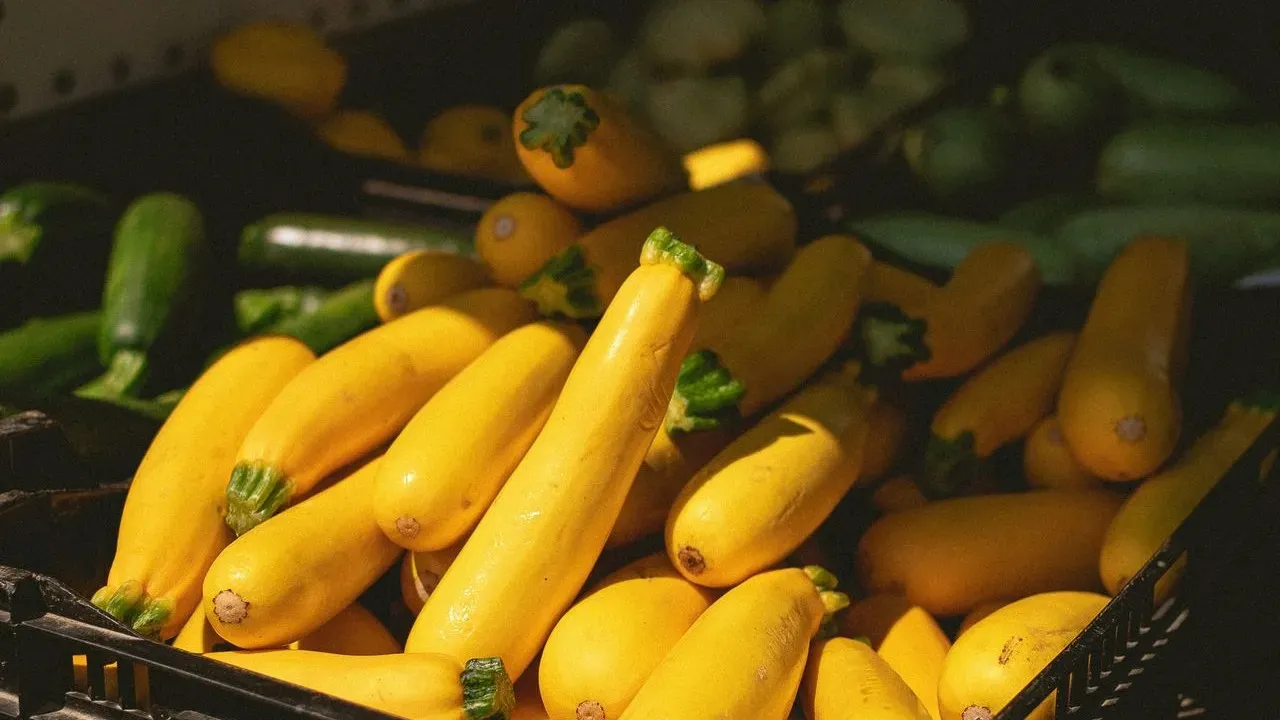

Zucchini plants frequently deliver far more produce than most households can consume within weeks of the first harvest. What begins as a welcome addition to meals quickly turns into a familiar challenge for home gardeners across many regions. Experienced growers have developed straightforward approaches to both limit waste and make the most of the abundance.
The Scale of the Summer Harvest
By mid to late summer, a single zucchini plant can yield dozens of fruits if conditions remain favorable. Many gardeners report reaching a point where daily picking becomes routine, yet the supply still outpaces demand. This pattern repeats reliably each season in temperate growing zones, turning an initial thrill into a practical management task.
The issue stems from the plant’s vigorous growth habit and its tendency to set fruit continuously under warm conditions. Without intervention, the result is a steady stream of produce that requires immediate attention to avoid spoilage or loss of quality.
Adjusting Cultivation for Better Control
Timing plays a key role in moderating output. In cooler climates such as Zone 5B, delaying planting until late June helps plants avoid early-season pests like vine borers that can otherwise reduce yields unpredictably. This shift also aligns the main harvest window with peak summer demand.
Direct sowing after the last frost produces stronger plants because zucchini roots resent disturbance. Seeds placed straight into prepared beds establish quickly and develop robust systems suited to the full growing season. Regular soil enrichment with organic fertilizers supports continued production without exhausting bed nutrients by late summer.
Even with these steps, there comes a moment when further harvesting no longer makes sense. At that stage, allowing remaining fruits to remain on the plant and eventually composting them prevents unnecessary effort while returning nutrients to the soil.
Fast Skillet Preparations That Preserve Texture
One reliable method involves slicing zucchini and cooking it in a hot skillet with oil. The slices are added in a single layer and left undisturbed until they develop color on one side. Garlic is introduced only after browning occurs, followed by a final seasoning of salt. This sequence prevents excess moisture release and keeps the pieces firm rather than soggy.
Smaller fruits picked at an earlier stage consistently deliver superior flavor and texture. Daily checks allow gardeners to harvest at the ideal size before the vegetables grow oversized and develop a milder taste.
Creative Dishes That Extend the Harvest
Shredded zucchini combines well with corn, onion, egg, cheese, and a simple flour mixture to form fritters. The batter is fried until golden and served with a chipotle mayonnaise. Retaining the natural moisture in the zucchini contributes to a tender interior while the exterior crisps nicely.
Roasting strips of zucchini at high heat until caramelized brings out deeper flavor notes. Blending the roasted pieces with tahini, Greek yogurt or mayonnaise, feta, dill, and garlic produces a versatile dip suitable for crackers, vegetables, or sandwiches. The high-heat step transforms the mild vegetable into something more complex.
For a sweet option, grated zucchini with the skin left on adds moisture to a standard loaf cake batter. Orange zest and cardamom provide aromatic contrast, while a sprinkle of turbinado sugar on top creates a crunchy crust during baking. The result is a moist, spiced cake that uses the surplus without tasting like a typical vegetable bread.
Putting the Surplus to Good Use
These techniques allow gardeners to move beyond repeated plain preparations and instead incorporate zucchini into varied meals throughout the week. The approaches emphasize simplicity and rely on ingredients already common in many kitchens. Even after trying several recipes, many households still find value in sharing extras with neighbors or community members.
Ultimately, the goal remains enjoyment of the season’s bounty rather than frustration over excess. Thoughtful timing in the garden combined with flexible kitchen methods turns the annual surge into an opportunity for consistent, satisfying meals.
AI Disclaimer: This article was created with the assistance of AI tools and reviewed by a human editor.