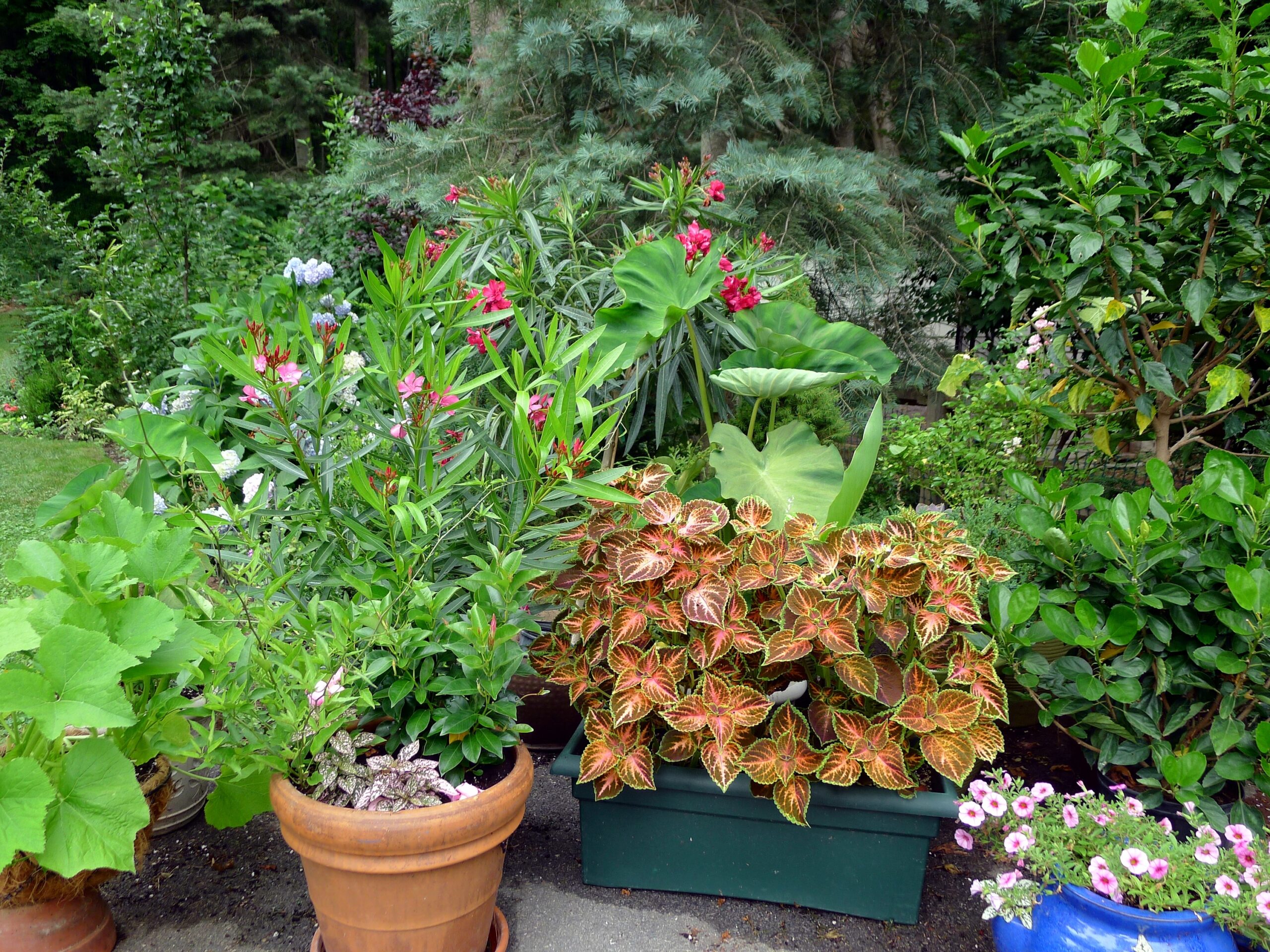

Renting and gardening have always felt like an uneasy pairing. You invest time, money, and care into something green and growing, and then your lease ends and you leave it all behind. It doesn’t have to work that way. A well-planned portable garden moves with you, from one apartment balcony to the next patio, from a first-floor unit to a shared backyard, carrying every rooted memory along for the ride.
The numbers behind renting tell an interesting story. The number of rental households in the U.S. rose to a new record high of 46.1 million in 2025, an increase of 898,000 in a single year. That’s a lot of people living in spaces they don’t own. With the United Nations projecting that nearly seven in ten people globally will live in urban areas by 2050, the demand for space-efficient, portable growing solutions is only going to grow. For anyone in a rental, building a garden you can actually keep is both practical and, as it turns out, deeply worthwhile.
Why Renters Are Leading the Container Garden Revolution
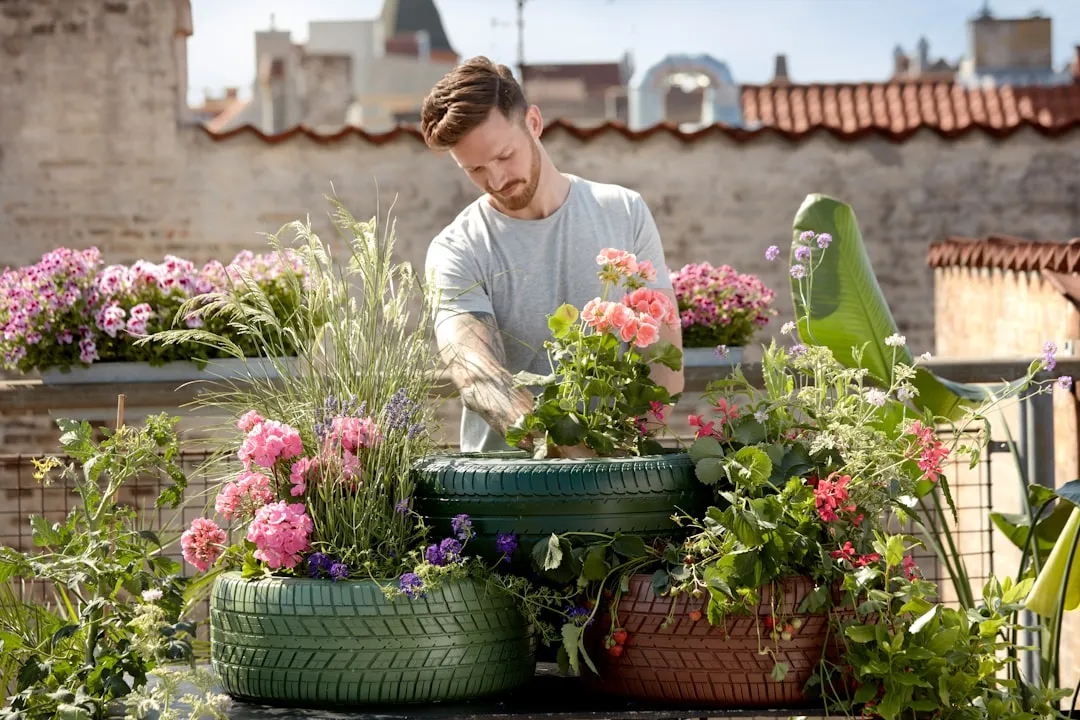
Something quietly significant has shifted in who’s actually buying seeds. According to the National Gardening Association, renters out-purchase homeowners in vegetable seed and herb seed, a clear signal of where small-space, container-driven demand is showing up first. That’s not a fluke. It reflects a genuine lifestyle shift toward portable, committed growing.
Container gardening is the number one preferred method for gardeners between the ages of 34 and 45. Many of those gardeners are renters navigating limited outdoor space. Container gardening offers flexibility that appeals directly to renters and homeowners with small yards, patios, or balconies.
Container gardening reshapes apartment living by turning unused corners into productive and calming spaces, while renters gain fresh ingredients, improved air quality, and a stronger connection to daily routines. The movement is real, and it’s growing fast.
Read Your Lease Before You Plant a Single Seed
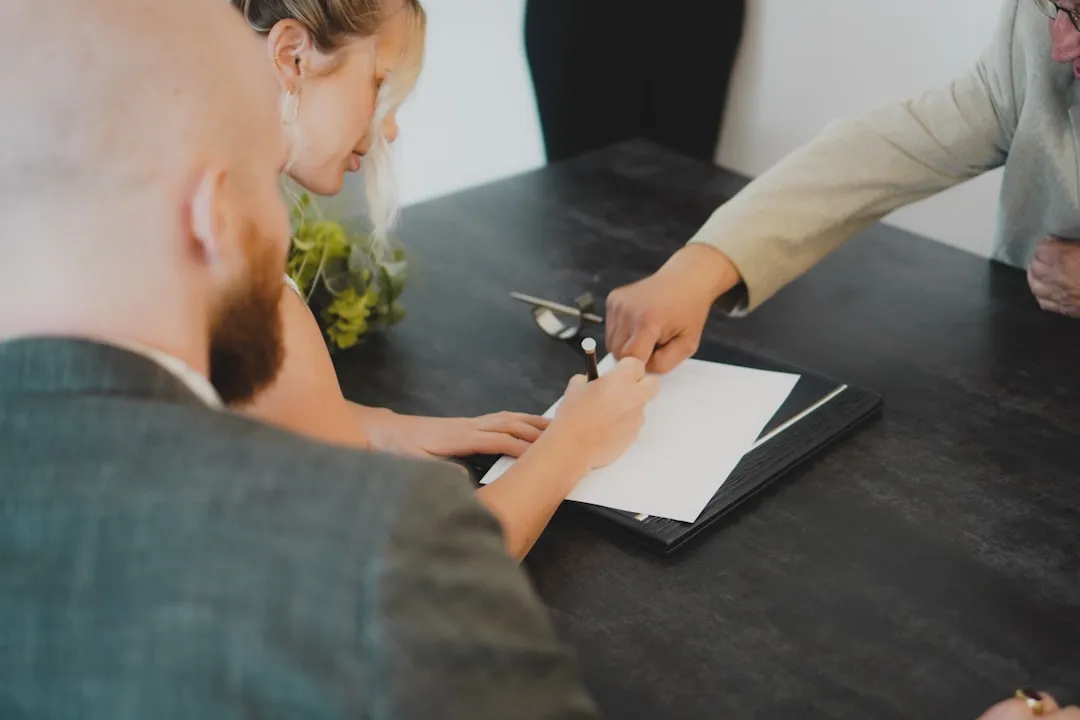
The very first step has nothing to do with soil or sunlight. Before jumping into portable garden ideas, renters should carefully review what is and isn’t allowed in their rental agreement. Some landlords have restrictions on balcony weight loads, drilling into walls, or placing heavy planters on wooden decking.
Taking “before” photos is also a practical move, giving you a reference point for returning the garden area to its original condition and serving as proof of how things looked when you moved in. This protects your security deposit and keeps the relationship with your landlord straightforward.
If a clause is vague, ask in writing. A quick email to your landlord asking whether container gardening on the patio is permitted creates a paper trail that benefits everyone. Most landlords are fine with containers. It’s permanent structures and ground disturbance that typically create problems.
Choose the Right Containers from the Start
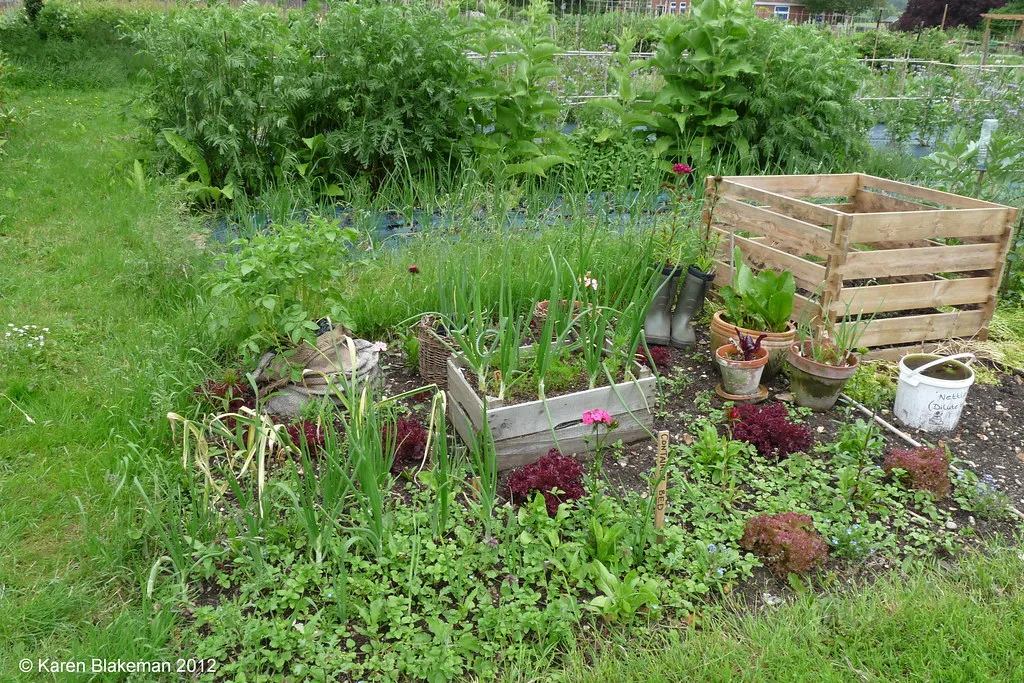
Containers are the cornerstone of renter-friendly gardening. They’re portable, adaptable, and can accommodate almost any type of plant, from vibrant flowers to fresh herbs and even vegetables, without the commitment of permanent landscaping.
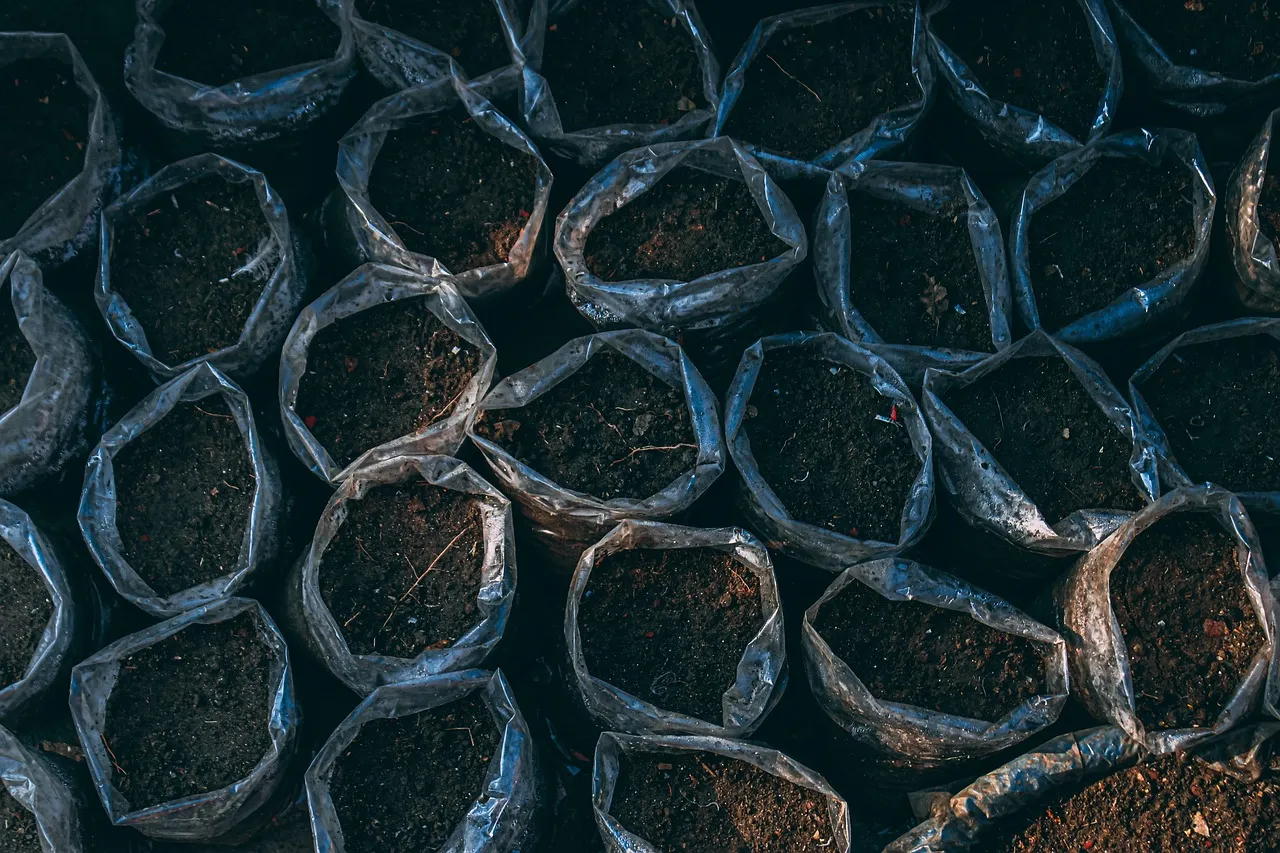
Opting for lightweight pots with adequate drainage holes is a smart baseline choice. The size and growth habits of your plants should guide your container selection, since larger plants need more root room. Fabric grow bags have become popular precisely because they’re lightweight, collapsible, and surprisingly effective at producing healthy root systems.
Practical tips include using lightweight planters with false bottoms, choosing compact perennials for longer-lasting displays, and investing in a dolly or heavy-duty pot mover to make rearranging and eventual moving much easier. These small decisions at the start save real effort when moving day arrives.
The Best Plants for a Garden That Travels Well
Elevated planters, hanging baskets, and window boxes provide an ideal portable setting. Vegetables, herbs, flowers, and even compact varieties of trees can all be grown successfully in containers. The variety available to a renter-gardener is genuinely wide.
Dwarf fruit trees like citrus and figs can be grown in pots, though choosing a container large enough to support their root systems directly affects both the canopy and any potential harvest. Herbs like basil, mint, rosemary, and chives are even more forgiving and among the easiest plants to relocate.
Gardening experts recommend starting small with crops like lettuce, spinach, kale, mustard greens, beets, radishes, and herbs, all of which perform reliably in containers and produce enough to make the effort feel worthwhile within weeks. Compact tomato varieties and peppers also thrive in pots given adequate sun.
Potting Mix, Soil, and the Freedom from Bad Ground
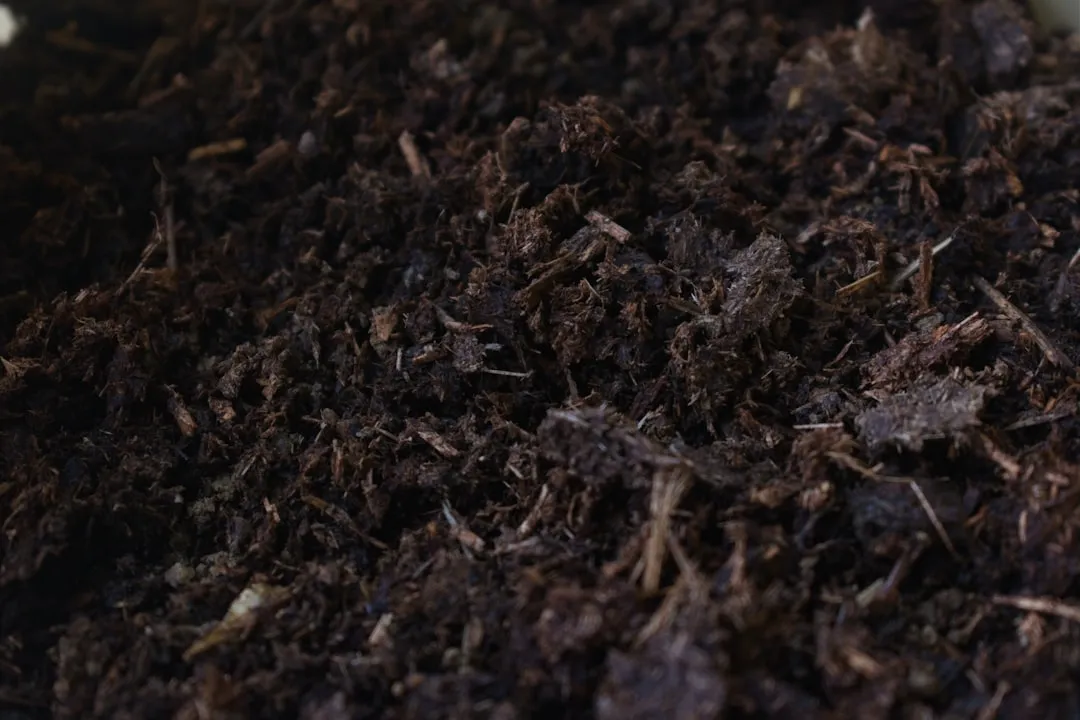
One underrated advantage of container gardening is something renters rarely think about at first. Instead of being at the mercy of whatever compacted or depleted soil is in a landlord’s yard, renters can fill containers with a high-quality potting mix of their own choosing. That control over the growing medium is a genuine advantage.
Using fresh potting mix ensures plants get the nutrients they need, and checking moisture levels regularly matters because soil in containers tends to dry out more quickly than ground soil or raised beds. Watering rhythm is one of the first things new container gardeners need to calibrate.
Avoid using regular garden soil in pots. It compacts too easily in containers and drains poorly. Purpose-made potting mixes stay looser, breathe better, and give roots room to spread. Many experienced container gardeners also add slow-release fertilizer granules at planting time to reduce how often they need to feed throughout the season.
Vertical and Wall Gardening Without Drilling a Single Hole
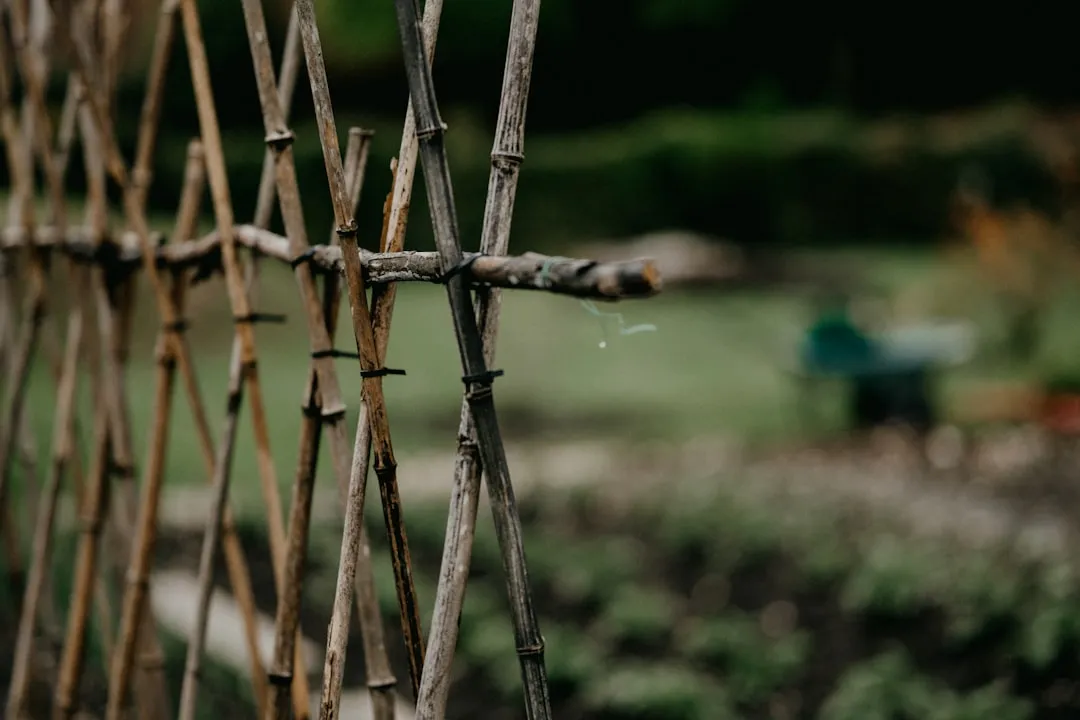
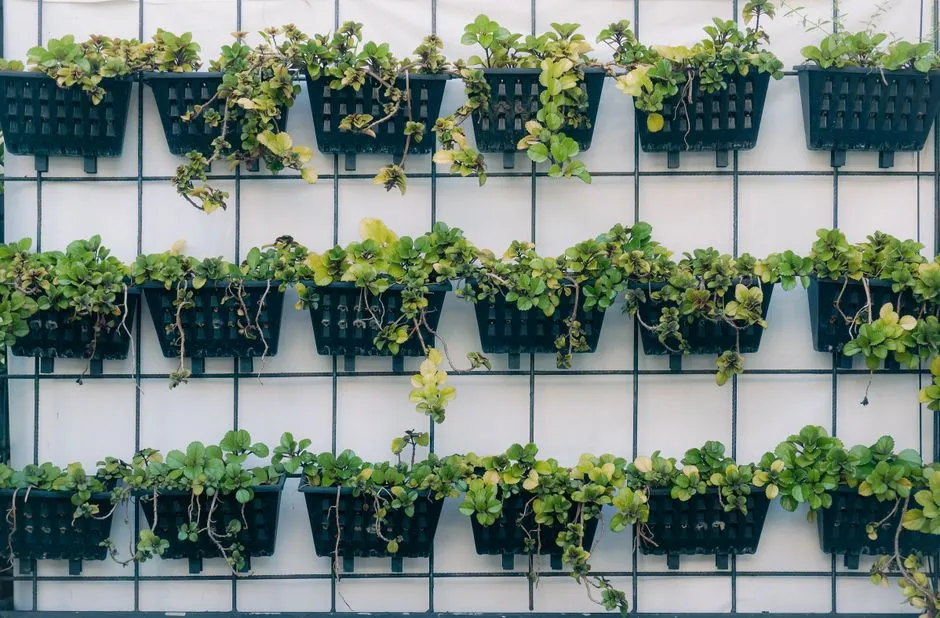
Beyond containers alone, options like vertical gardening with no-drill freestanding trellises and portable greenhouses open up a wide range of non-permanent gardening solutions for renters. These approaches stack growing space upward rather than spreading it out, which matters enormously on a narrow balcony or small patio.
Freestanding shelving units, tiered plant stands, and ladder-style planters are all available without any permanent installation. They can hold a surprising amount of greenery and create visual depth in a small outdoor space. The key is choosing units that are stable, weather-resistant, and easy to disassemble.
The best part about non-permanent gardening approaches is they can be done on a budget, allowing renters to build an abundant garden without breaking the bank and take everything with them when the rental agreement ends. That’s the whole point of a garden you truly own.
Growing Your Own Food Actually Saves Money
With grocery prices still climbing, this matters more than it once did. According to survey data, Americans who grew food gardens in 2024 estimated saving an average of $875 over the year. Even a modest container setup with a few tomato plants and an herb collection can meaningfully offset what you’d spend at the store.
Among people planning food gardens in 2025, two in three said they were motivated by the desire for high-quality produce, while more than half were explicitly trying to lower their grocery bills. The financial case is straightforward. Overall food prices in 2025 were predicted to increase faster than the historical average rate of growth, with all food prices forecast to rise around three to four percent.
A survey from 2025 found that roughly seven in ten Americans planned to grow a food garden that year, with urban gardeners embracing raised beds and container gardens at particularly high rates. Renters are a meaningful part of that trend, not just bystanders to it.
The Mental Health Case for a Portable Garden
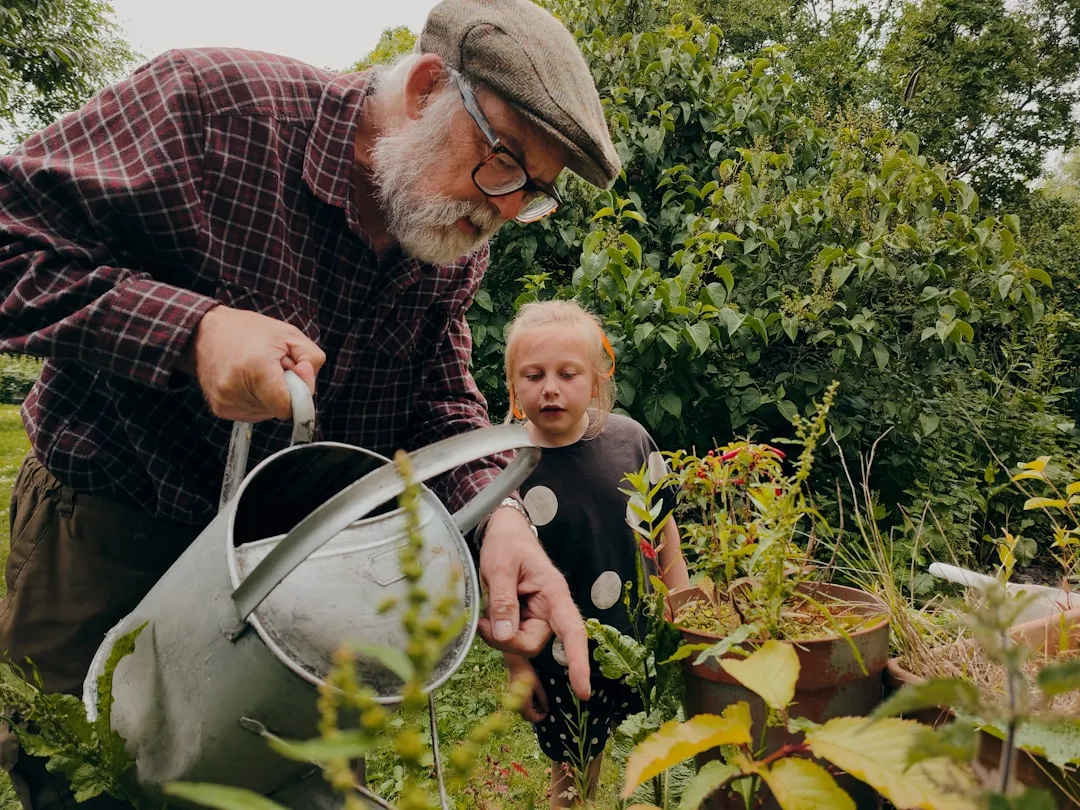
This part tends to surprise people who think of gardening purely in practical terms. Research shows that gardening can reduce stress and anxiety. Being outdoors and tending to plants fosters mindfulness and can create a sense of accomplishment, especially when you see the literal fruits of your labor.
Recent research shows gardening could play a bigger role in mental health treatment than many people realize, including a therapeutic approach known as Social and Therapeutic Horticulture, which uses activities like planting seeds, potting, and weeding to help people manage symptoms of depression and anxiety.
Aspects that positively influenced wellbeing included creating a sense of belonging, connecting with nature, and personal change through meaningful engagement. Participants in gardening interventions reported reduced isolation and improved mood as the main benefits. Even a few pots on a windowsill can count.
Watering Smarter When You’re Renting a Small Space
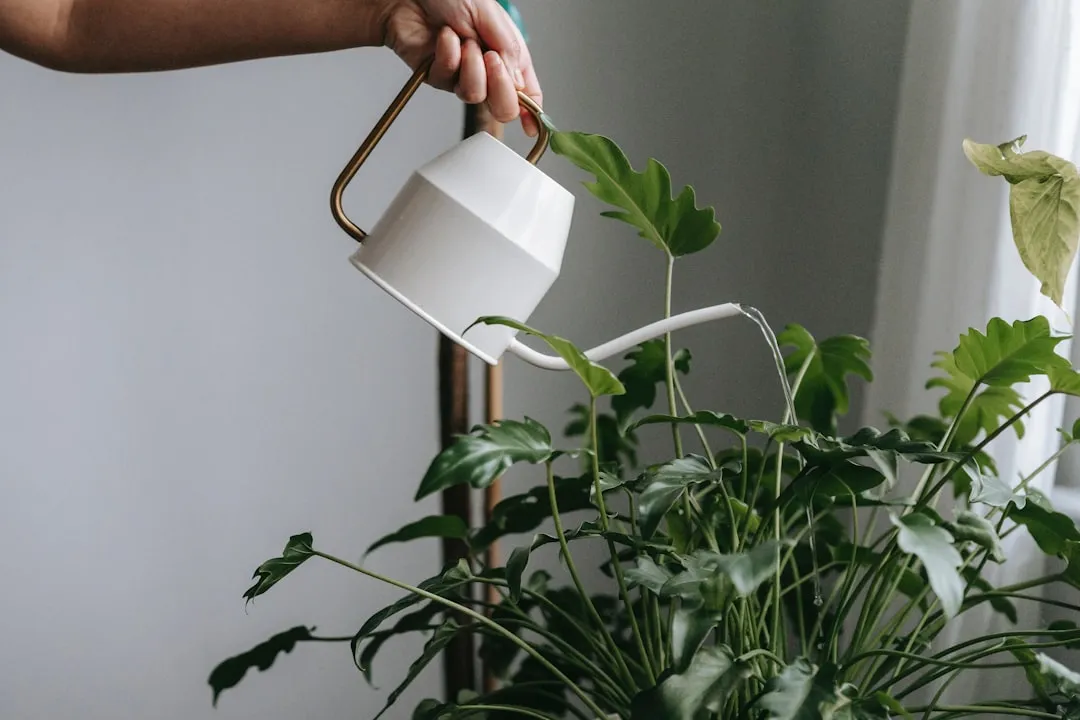
Reducing water costs in container gardening is possible through self-watering planters, which prevent evaporation and allow plants to draw only what they need. These are particularly useful for renters who travel or work long hours and can’t always maintain a daily watering schedule.
The EPA’s WaterSense program promotes water-efficient landscaping practices that encourage container gardening systems with precise irrigation control, and this initiative has driven real innovation in self-watering planters and smart irrigation technologies. Drip irrigation kits designed for balcony containers are widely available and easy to set up without any permanent installation.
Grouping containers closely together also helps. Plants in clusters shade each other’s soil slightly, slowing moisture evaporation and reducing how often each pot needs attention. It’s a small trick, but it makes a noticeable difference over a dry summer week.
Planning the Move: How to Actually Take Your Garden With You
Moving a container garden requires a little planning, but it’s very doable. The key is timing. If you know your move date in advance, stop repotting or starting new seeds in the two weeks before. Let plants consolidate, water them the day before, and wrap larger pots in burlap or breathable fabric to protect foliage during transport.
The ability to relocate plants based on seasonal requirements or changing living situations provides practical advantages that traditional gardening simply cannot match. This is the whole philosophy behind a renter’s garden. You’re not building something fixed. You’re building something alive that grows with you.
Move containers in the vehicle cab or a climate-controlled space when possible, especially in extreme heat or cold. Smaller pots can travel in open crates or padded boxes. Label each container with its plant name and sun requirements so setup at your new place is faster and more deliberate from day one.
The Takeaway
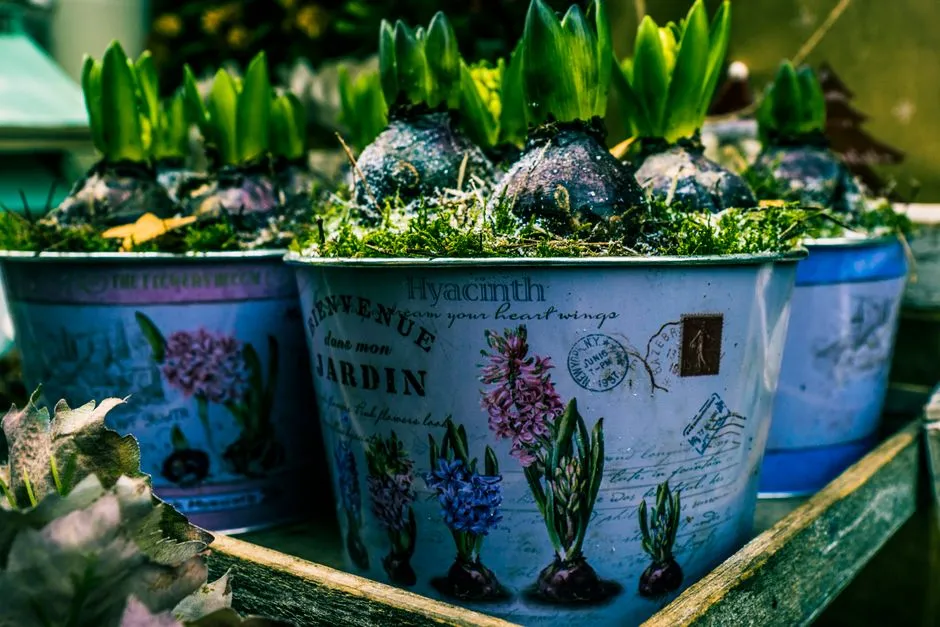
Renting doesn’t mean giving up on the idea of a garden. It means building one thoughtfully, with mobility in mind from the very first pot you fill. The flexibility of containers allows constant rearranging, and even small harvests create a strong sense of accomplishment while reducing reliance on store-bought produce. This approach fits modern rental life because it stays simple, portable, and adaptable.
The renter’s garden isn’t a compromise. In some ways it’s more intentional than a traditional one. Every plant was chosen carefully. Every pot was carried with purpose. When you eventually move on, your garden comes with you, already rooted, already yours.
AI Disclaimer: This article was created with the assistance of AI tools and reviewed by a human editor.