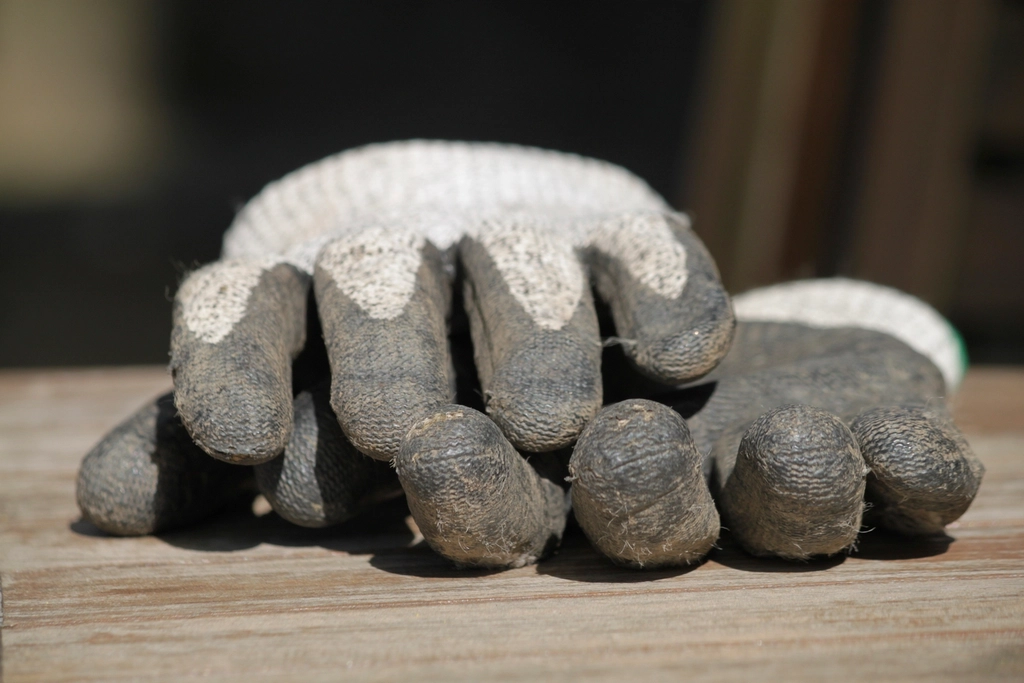

Most gardeners reach for their gloves before digging in, feeling covered and protected. It’s a reasonable instinct. The problem is that the glove itself, used the wrong way, stored carelessly, or chosen poorly, can quietly become the thing that puts you at risk rather than keeping you safe.
Soil is not as benign as it looks. It’s a living ecosystem, and not everything living in it is friendly. Understanding what’s really happening inside your gloves, and in the soil they touch, is worth a few minutes of anyone’s time.
The False Security of Wearing Any Glove
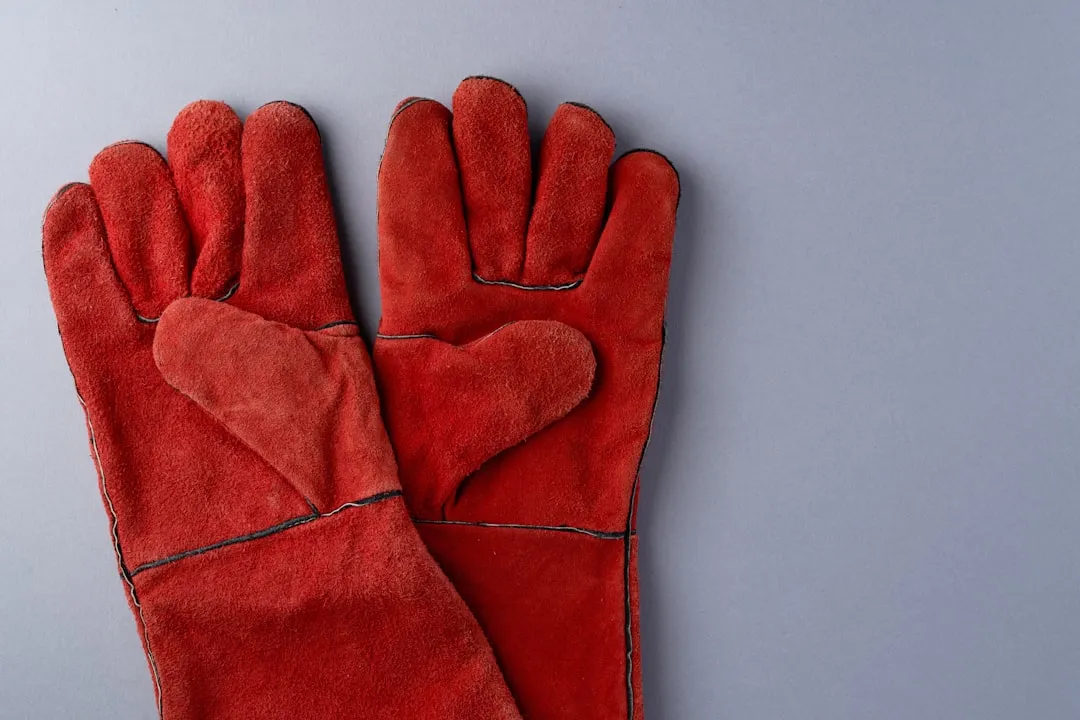
There’s a common assumption that any glove is better than no glove, and while that’s mostly true, the material matters more than most people realize. Bacteria can enter through the tiniest cuts in the skin, and gloves with nylon liners or rubber coatings offer significantly more protection than canvas gloves. Canvas gloves are popular, lightweight, and easy to find, but their porous weave offers almost no barrier against microbial transfer.
Ordinary gloves may fail under extended exposure to corrosive or infectious materials, potentially resulting in severe health risks, contamination, or accidents. The gap between perceived protection and actual protection is where most garden-related infections begin. Picking the right glove for the right job is genuinely the first line of defense.
What’s Actually Living in Your Garden Soil
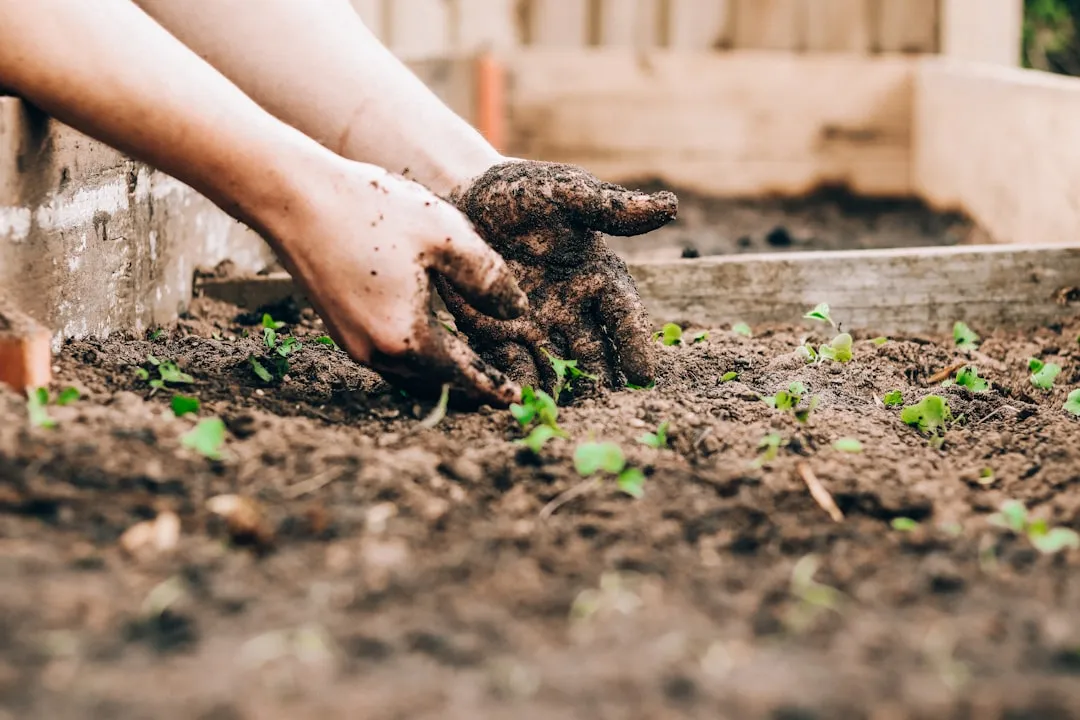
With bare hands in soil, gardeners can come into contact with things not obvious to the eye, including Clostridium tetani (which causes tetanus infections), Clostridium botulinum (which causes botulism), anthrax, Staphylococcus aureus, Escherichia coli, and Listeria. That’s a striking list for something that looks like harmless dirt.
These pathogens aren’t commonly found in all soil, but they are present in some, and animal droppings and animal remains are the source of several of them. Gardens amended with manure are particularly high-risk environments. Bacteria such as E. coli, Salmonella, Campylobacter jejuni, and Listeria monocytogenes are often present in gardens as a result of using cow, horse, chicken, or other animal manure.
The Never-Washed Glove Problem
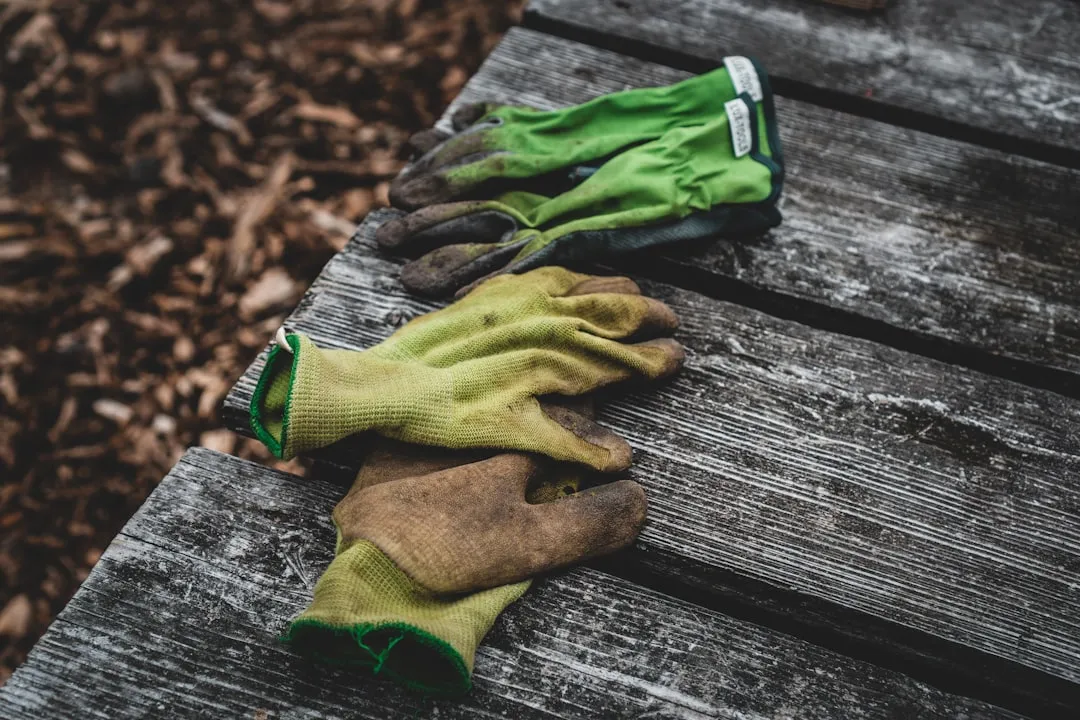
Most gardeners never wash their gloves. They hang them up, tuck them into a shed or pot, and reach for them the next session without a second thought. Research published in Letters in Applied Microbiology found that Legionella longbeachae was detected on fourteen percent of gardening gloves tested. That’s not a trivial number for a pathogen capable of causing serious respiratory illness.
Viable organisms were recovered from between a quarter and half of inoculated cotton, leather, and polyurethane-coated gloves after eight hours, though not from rubber gloves. This means the bacteria can survive on the glove surface long after a gardening session ends. Gardening gloves and masks may act as a vector for transmission of Legionella during gardening, and washing gardening gloves promptly could reduce that risk.
Potting Mix Is a Specific Danger Zone
Legionella longbeachae is found in soil and compost. In 2016 there were 29 confirmed cases of legionellosis in New Zealand, including a Wellington man who picked up the bug from handling potting mix. Potting mix is handled by enormous numbers of home gardeners every spring, often without any protective thought beyond avoiding the soil getting under their fingernails.
In New Zealand and Australia, Legionella longbeachae from potting mix accounts for approximately half of reported cases of Legionnaires’ disease. The bacteria is usually inhaled, so wearing a dust mask when handling potting soil and dampening the soil to prevent dust are both recommended practices. A glove alone won’t stop an airborne threat.
Tetanus: The Classic Risk That Hasn’t Gone Away
The most common and historically well-known infection linked to gardening is tetanus, caused by Clostridium tetani, which lives in soil and manure. Infections occur through contamination of cuts and scrapes caused by things in contact with the soil, such as garden tools or rose thorns. Tetanus is not some archaic concern from a pre-vaccine era. It still circulates in soil worldwide.
Symptoms include weakness, stiffness and cramps, with toxins leading to muscular paralysis and difficulty chewing and swallowing, which is why it’s called lockjaw. Besides wearing gloves, gardeners should be up to date on tetanus boosters, as Clostridium tetani bacteria live in the soil and enter the body through breaks in the skin. A clean glove and a current booster together offer far better protection than either alone.
The Reuse Mistake: When Your Glove Carries Yesterday’s Risk
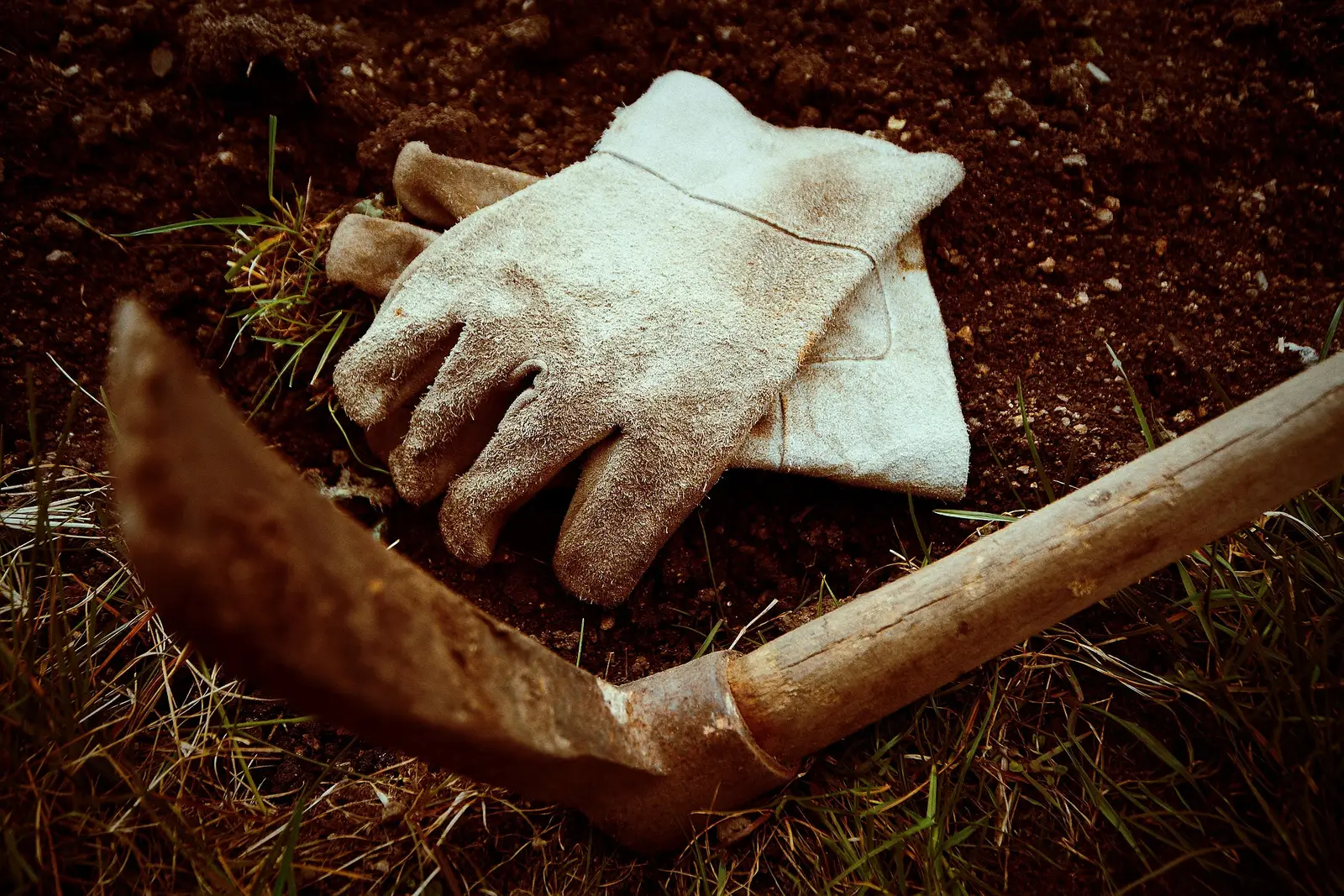
Reusing disposable gloves, which are intended for single use, can significantly increase the risk of cross-contamination. Even if gloves appear clean, they may harbor invisible pathogens that can be spread to new surfaces. Most garden gloves aren’t technically disposable, but the principle applies directly to the habit of reaching for the same pair, session after session, without ever cleaning them.
Cross-contamination occurs when bacteria from one surface are transferred to another. If you touch contaminated objects while wearing gloves and then touch other surfaces, you risk spreading bacteria. Being mindful of what you touch and avoiding unnecessary contact with potential sources of bacteria is key. This extends to your face, phone, and kitchen, all surfaces that commonly get touched mid-garden session.
Toxoplasma and the Cat Feces Connection
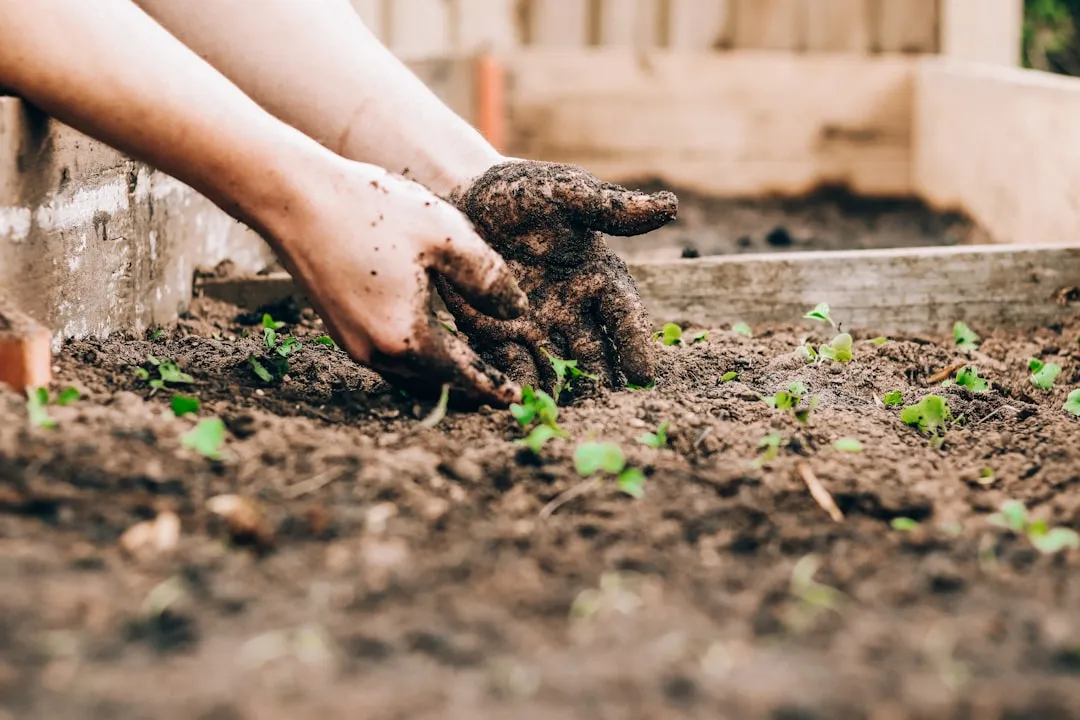
Toxoplasmosis is caused by Toxoplasma gondii, a microscopic parasite commonly found in soil contaminated with cat feces. Outdoor cats, especially those who hunt, are natural hosts for the parasite, and when they use the garden as their litter box, the eggs of the parasite can linger in the soil for months. Gloves that are pulled on without thinking provide no protection if the outer surface is already contaminated from a previous session.
While most healthy adults who come into contact with T. gondii may experience mild or no symptoms, the infection can be serious for people with weakened immune systems and particularly risky for pregnant women, as it can harm the developing baby. To reduce the risk of exposure to Toxoplasma gondii, pregnant women should always wear gloves when gardening.
Sporotrichosis: The Infection Hidden in Rose Thorns and Soil
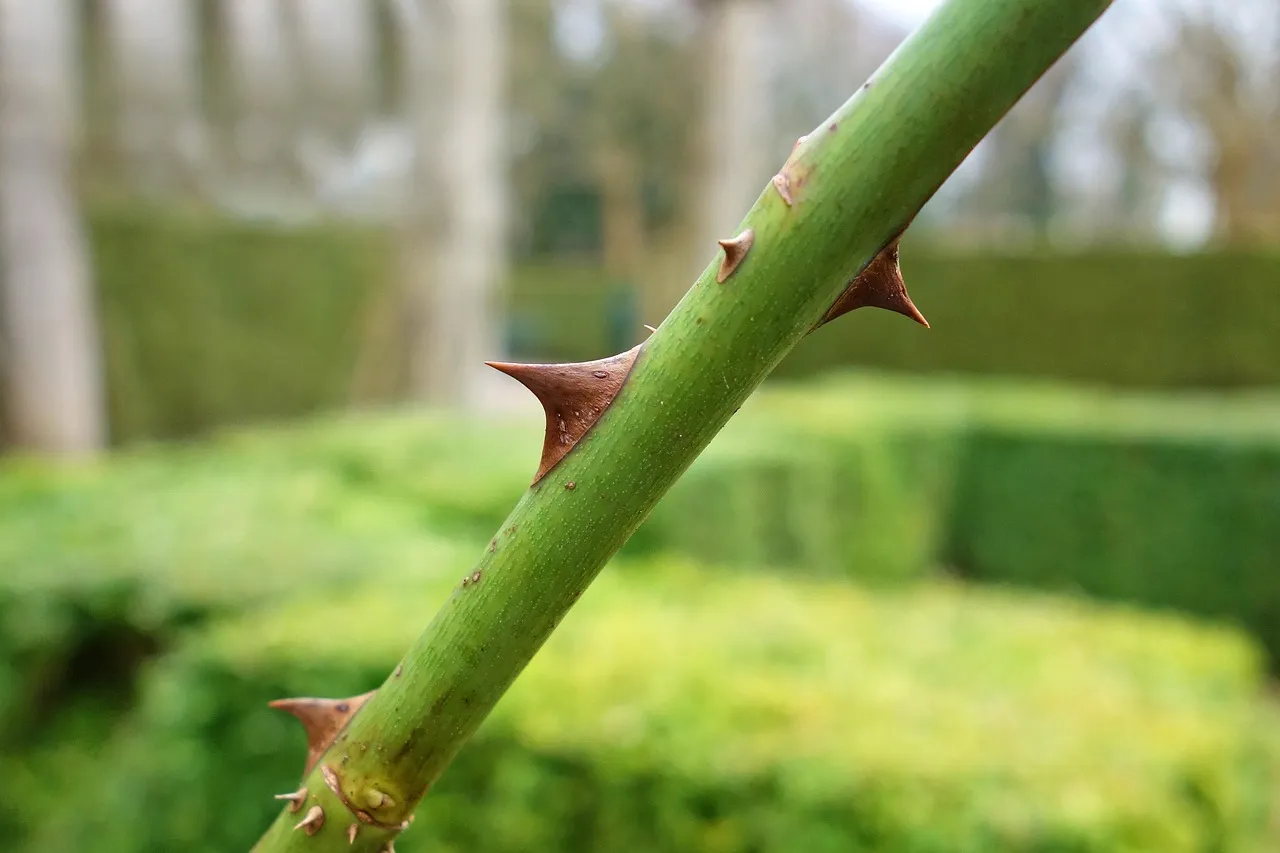
Sporotrichosis is an infection that happens when the fungus Sporothrix schenckii gets into a cut or break in the skin. It causes bumps, sores, or thickened skin where the infection takes hold and, rarely, it can also infect the lungs, bones, or brain. It’s sometimes dismissed as uncommon, but anyone handling thorny plants, sphagnum moss, or baled hay contaminated with this fungus is at increased risk, and outbreaks have occurred among nursery workers, rose gardeners, and greenhouse workers.
The most common route of infection with Sporothrix schenckii is via the skin through small cuts, scratches, or punctures from thorns, barbs, pine needles, or wires. A worn or thin glove that allows thorn penetration offers no meaningful protection against this specific threat. Wearing thick, protective gloves when gardening, farming, or handling plants like roses and moss is the primary recommended precaution.
Bacteria on Your Skin After Gardening: What Research Shows
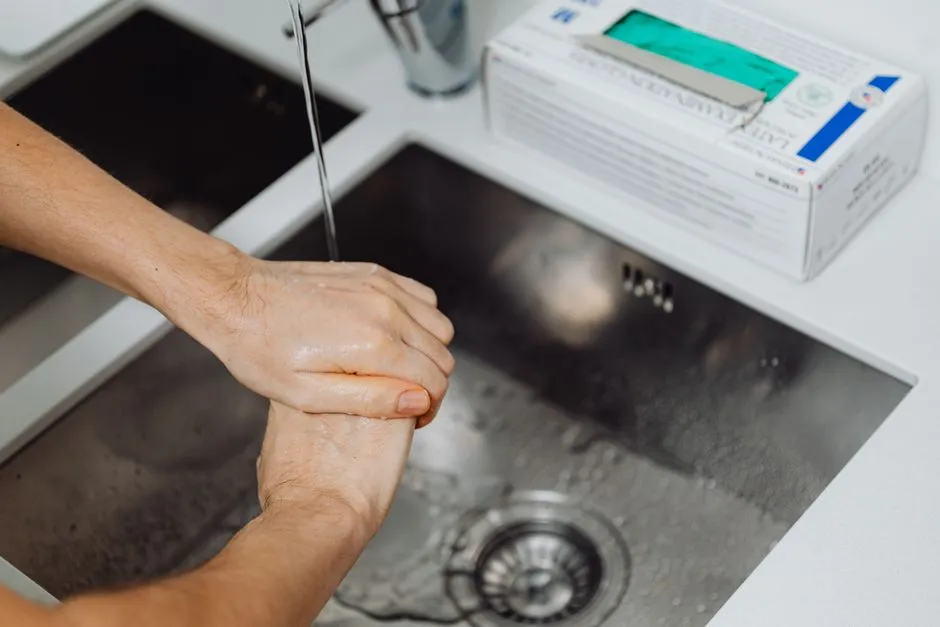
A study funded by the USDA National Institute of Food and Agriculture investigated exactly what happens to your skin microbiome during garden work. Researchers found that the number of bacteria shared between skin and garden soil increased immediately after gardening for most study participants. However, the imprint of garden soil largely disappeared within twelve hours, likely due to hand washing.
The key phrase there is “likely due to hand washing.” Not wearing gloves. Always washing hands after working in the garden, even if gloves were worn, is a practice consistently recommended by horticulture experts. Gloves reduce the load of bacteria transferred, but they don’t eliminate it entirely, especially if the gloves have small perforations or are made of fabric.
The Sepsis Risk Nobody Mentions

Most garden infection conversations stop at rashes and mild illness. The more serious end of the risk spectrum is rarely discussed. Bacterial infections can lead to sepsis, where the bacteria enter the blood and rapidly grow, causing the body to respond with an inflammatory reaction that leads to septic shock, organ failure, and, if not treated quickly enough, death. This is not a remote possibility reserved for people with severe immune problems. A deep cut from a contaminated tool or thorn, left untreated, can escalate.
Gardening naturally involves significant hand-to-soil contact through digging, planting, weeding, and harvesting, and even small cuts, hangnails, or scrapes can provide an entry point for bacteria or parasites present in the soil. The combination of physical abrasion and microbial exposure is constant in garden work. Gloves reduce the risk of injury and of opening the door to dangerous pathogens, and contaminated soil where animal excrement or sharp objects are present is among the riskiest environments.
How to Actually Protect Yourself
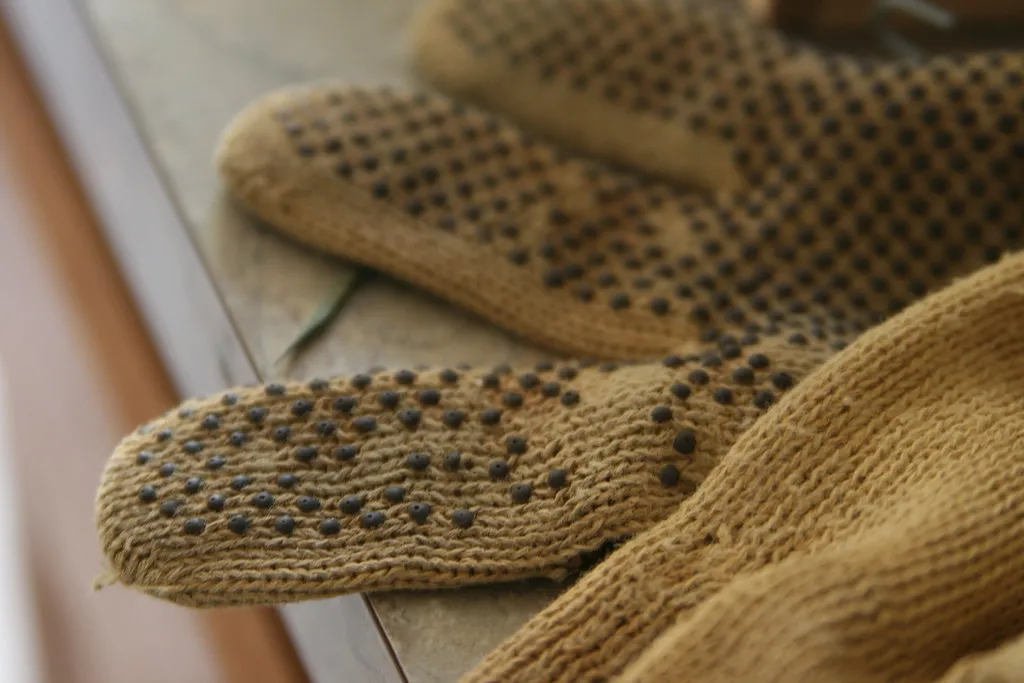
The fix isn’t complicated, but it does require a small shift in habit. Gloves with nylon liners or rubber coatings offer more protection than canvas gloves, and you should always wash hands after working in the garden even if gloves were worn. Having more than one pair and laundering them with your gardening clothes is also a practical step.
Gardeners should not use manure in their garden unless it has been heat-treated for sterilization, and in addition to wearing gloves, they should be up to date on tetanus boosters as Clostridium tetani bacteria live in the soil and enter the body through breaks in the skin. For potting mix specifically, it should be handled with gloves while wearing a dust mask. These are small adjustments that close most of the meaningful gaps.
The Takeaway
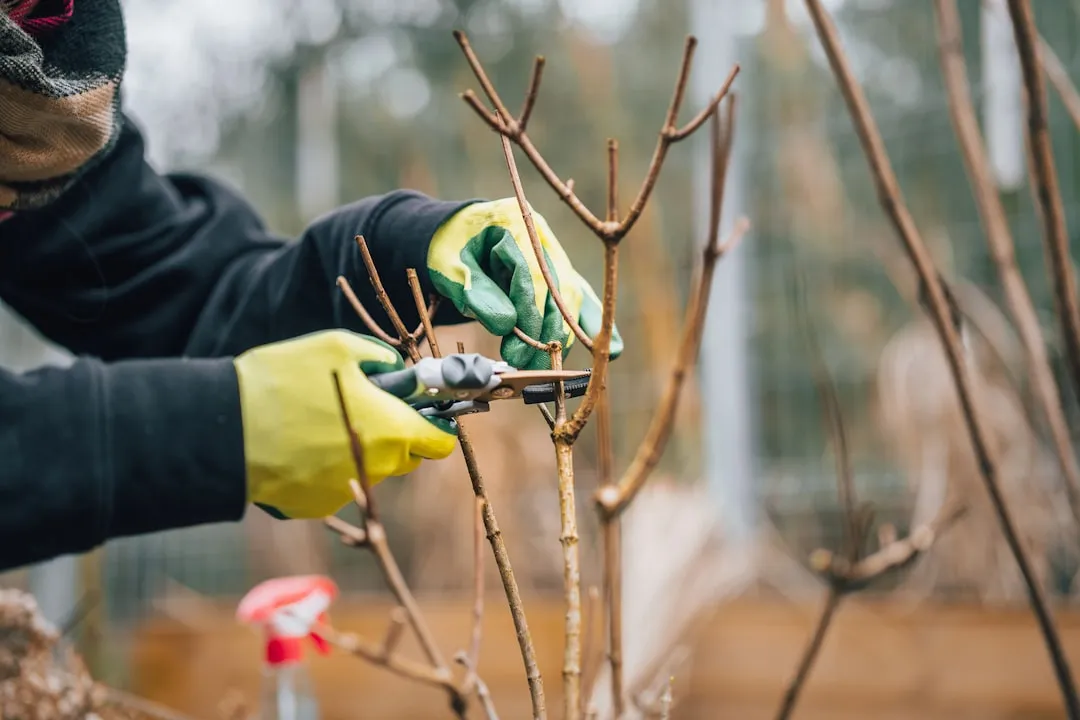
The garden glove mistake isn’t simply going without gloves. It’s reaching for the same unwashed pair, trusting that any glove is enough, ignoring the specific risks of certain materials like compost and manure, and then skipping the hand wash at the end because the gloves were on anyway. Each of those habits, on its own, seems minor. Together, they add up to a real and unnecessary exposure.
Your garden doesn’t need to feel like a hazardous zone. The soil is genuinely full of life, most of it beneficial. A bit of awareness about the small number of pathogens that can cause harm, combined with the right gloves, a wash cycle, and a tetanus booster, is all it takes to keep that afternoon of weeding exactly what it should be.
AI Disclaimer: This article was created with the assistance of AI tools and reviewed by a human editor.