
Most people think of fertilizer as something sitting quietly in a barn or shed, waiting for spring. The reality is that improper storage of certain fertilizer types creates conditions that have caused some of the deadliest industrial accidents in recorded history. The line between a manageable stockpile and a catastrophic fire risk often comes down to a few straightforward decisions that get overlooked.
The Chemistry That Makes Fertilizer Dangerous

The key ingredient that makes certain fertilizers dangerous is ammonium nitrate, a nitrogen-rich compound that doubles as a cheap industrial explosive used in mining and quarrying worldwide. The molecule contains both a fuel component (ammonium) and an oxidizer (nitrate) in one package. At temperatures above 260°C (500°F), ammonium nitrate undergoes a runaway decomposition reaction, and if the material is confined in a sealed space or contaminated with other substances, this reaction can accelerate into a full explosion.
Under abnormal conditions, ammonium nitrate-based fertilizers can give rise to certain hazards, the main ones being the enhancement of fire, thermal decomposition with release of toxic fumes, and under extreme conditions, explosion. Uncontaminated fertilizer-grade ammonium nitrate cannot be exploded by impact, by heat, or by fire alone, but its explosivity depends on what the material is mixed with and how much carbonaceous material is present.
Storing Next to Combustible Materials
When stored with combustibles, ammonium nitrate will strongly enhance the progression of fire. Storers should always keep fertilizers away from combustible materials, including hay and fuel oil. Safety data sheets are clear that fertilizers should be stored away from combustible materials, extremely high temperatures, compressed flammable gases, pyrophoric materials, corrosive materials, and flammable and combustible liquids.
Even trace amounts of combustible materials or residual by-products can accelerate decomposition when exposed to elevated temperatures. Storing flammable or combustible materials like hay, straw, pesticides, and fertilizer together with machinery or close to electrical equipment or a heat source is an established risk factor.
The Danger of Poorly Ventilated Storage Spaces
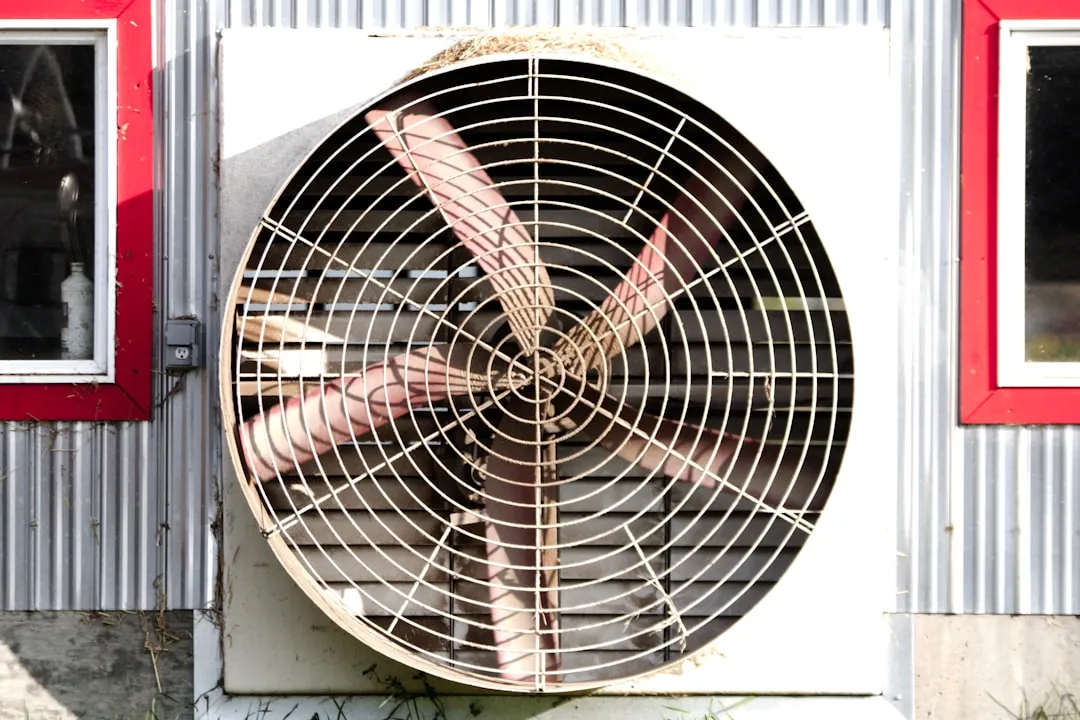
Fertilizers are highly sensitive to environmental conditions, particularly temperature and humidity, and fertilizers stored in regions with hot summers or fluctuating temperatures face a greater risk of degradation. Storage facilities should be well-ventilated to prevent heat accumulation, with controlled humidity to reduce the risk of caking or premature reactions. All buildings storing fertilizer should have adequate provisions for ventilation to help dissipate heat and discharge fumes in a fire or decomposition event.
During storage, fertilizer production may be at risk of fire or even explosion from overheating because of scorching weather, internal stuffiness, and other factors. Sealed sheds with no airflow in summer months can quietly push internal temperatures into dangerous ranges before anyone notices anything is wrong.
Wood Sheds and Unprotected Structures

Although storing fertilizer in a shed provides minimal protection, most wood sheds and prefabricated utility buildings aren’t impervious from leaks and moisture. Safely maintaining fertilizers in a steel-welded and lockable chemical storage warehouse is the best method for hazard mitigation and proper inventorying. The storage structure itself should preferably be a single-use building constructed of not-readily combustible material such as concrete, brick, or steel.
The West Fertilizer Company building that exploded in West, Texas in 2013 dated from 1962 and was of unprotected wood-frame construction, and a fire erupted in a seed storage room adjacent to the ammonium nitrate storage areas. That detail alone tells you how quickly an unprotected structure can become the very fuel that starts the chain reaction.
What Happened in West, Texas
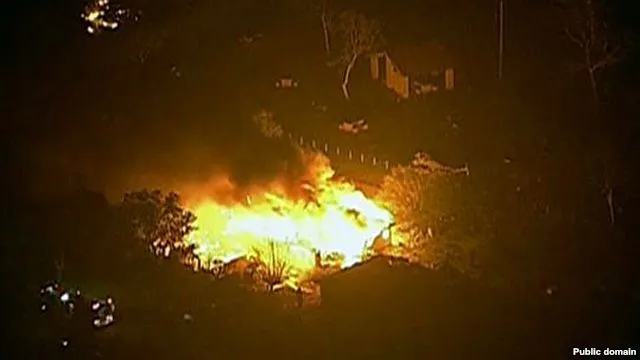
On April 17, 2013, an explosion and fire at the West Fertilizer facility in West, Texas, resulted in at least 14 fatalities, 226 injuries, and widespread community damage, after large quantities of ammonium nitrate fertilizer exploded following a fire at the storage and distribution facility. The building had no alarm system nor fire sprinkler protection, and the fire department was notified only when a man walking his dog in a nearby park saw smoke rising from the building.
The U.S. Chemical Safety Board stated the fire and explosion was preventable, and that it resulted from a company’s failure to take the necessary steps to avert a preventable fire and from the inability of federal, state, and local regulatory agencies to identify a serious hazard and correct it. The U.S. EPA estimated that around 13,000 facilities similar to West Fertilizer posed threats to communities throughout the United States.
The Beirut Explosion and What It Proves
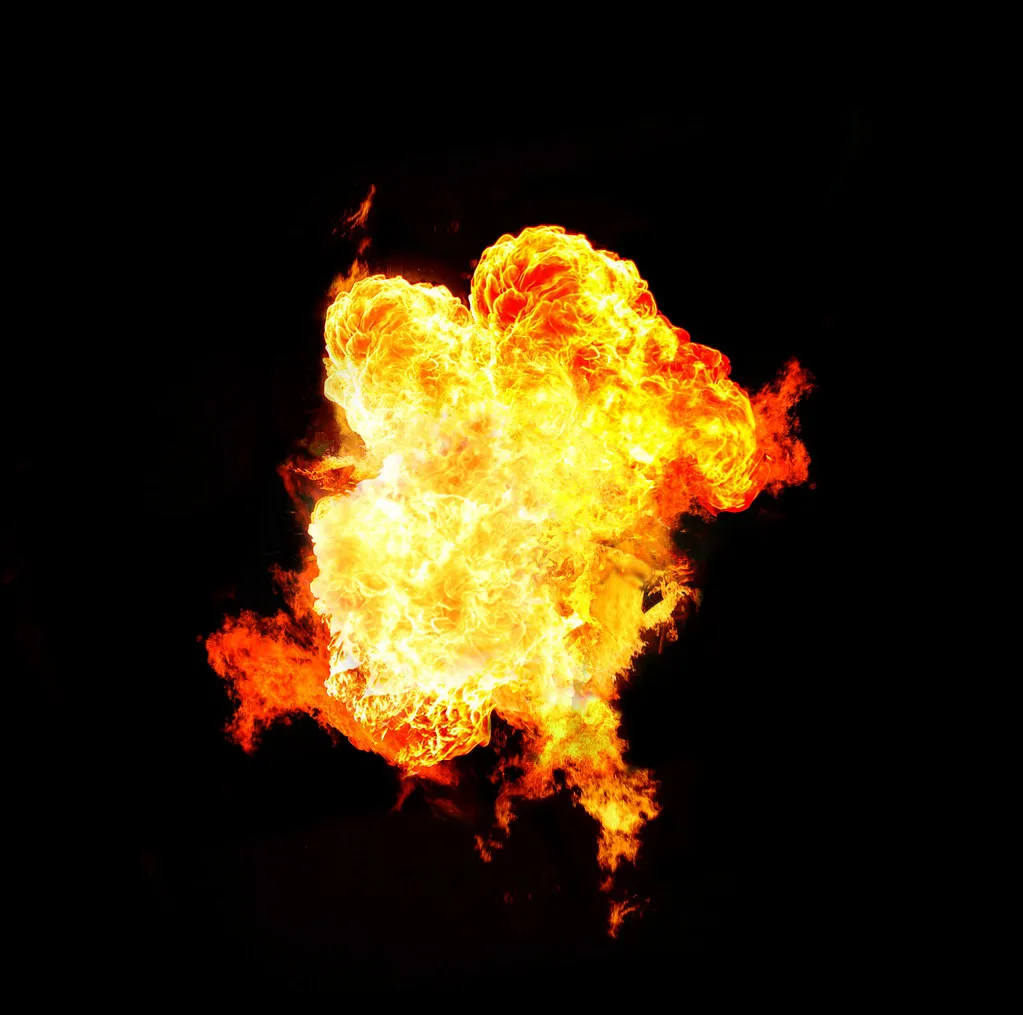
One of the largest non-nuclear explosions in history was caused by the improper storage of 2,750 tons of ammonium nitrate in a port warehouse, which detonated after a fire broke out nearby. The blast killed over 200 people and injured approximately 7,000, and left nearly half a million people homeless, highlighting the catastrophic consequences of government neglect and improper safety measures.
Port authorities and customs workers had repeatedly warned government officials that the fertilizer was at risk of combusting and that an explosion would cause severe damage to the city, yet no action was taken. The Beirut disaster stands as one of the starkest modern proofs that ignoring fertilizer storage warnings is never a small oversight.
Self-Sustaining Decomposition: The Hidden Risk
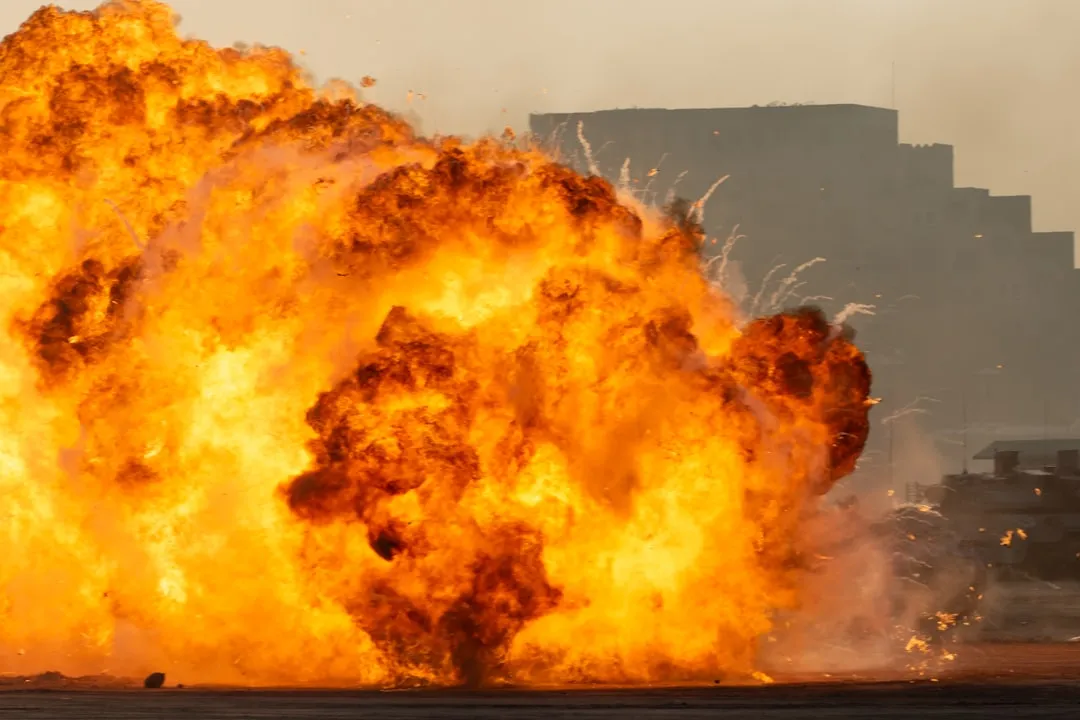
Some ammonium nitrate-based NPK fertilizers exhibit characteristics of self-sustaining decomposition, which can be initiated by accidental heating above 120°C over time, and such decomposition will continue after the heat source has been eliminated, making it very difficult to extinguish. Ammonium nitrate may undergo detonation if heated under confinement causing pressure buildup and/or if subjected to strong shocks, and when sensitized or during decomposition it may become unstable and explosive.
Explosions of stored ammonium nitrate are rare events, but they are recurrent, catastrophic, and preventable. The unpredictability of self-sustaining decomposition is part of what makes it so dangerous: a fire you think you have handled can reignite long after you believe it is out.
Mixing Incompatible Chemicals in the Same Space

Risks in storage areas include combustion of oxidizing compounds in fertilizer, such as nitrates, caused by fire or another disaster event, as well as the accumulation of outdated materials leading to excessive quantities and unnecessary elevated risk. Segregation of incompatible products, such as separating ammonium nitrate from organic or flammable substances, is a critical best practice. Horticulturalists and agricultural handlers should store fertilizers away from other dangerous chemicals and incompatible materials, including acids, oxidizers, metals, and organic materials.
Many agricultural chemicals release toxic fumes with little or no warning when exposed to fire. A fire in a warehouse or farm storage area where agricultural chemicals are stored may create a great hazard to firefighters, inhabitants, and livestock, because the possibility of poisoning is added to the usual fire hazards.
Fire Is the Common Factor in Nearly Every Disaster
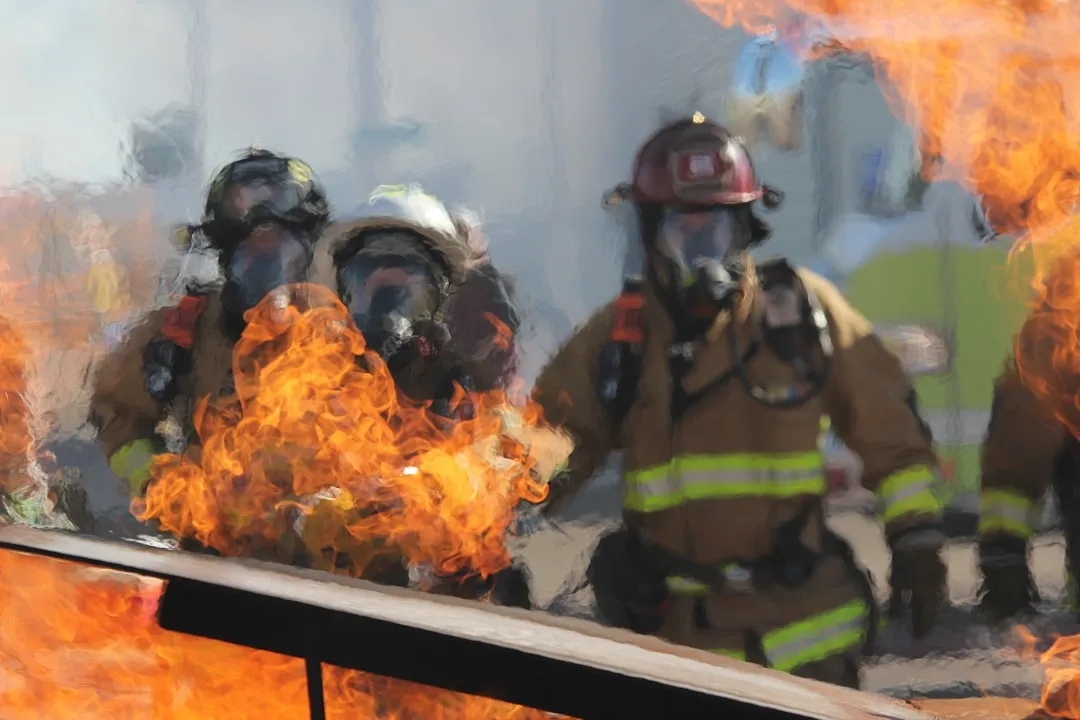
A review of past accidents found that for explosions of ammonium nitrate in storage or transportation, every single disaster had one common causative factor: an uncontrollable fire. Although modern ammonium nitrate fertilizers complying with current standards are not considered as explosive material per se, the latent risk of accidental detonation under specific conditions remains a real issue that cannot be completely ruled out.
In a fire involving ammonium nitrate, water flooding is the only recommended approach, and you should never attempt to smother the fire by sealing off or closing a compartment or building’s doors. Fire is the second-leading cause of loss at farms, grower-packer facilities, and other agribusinesses. These two facts together suggest that the agricultural setting is one of the most common places where the wrong response to a fire can turn a manageable situation into something far worse.
What Proper Storage Actually Looks Like
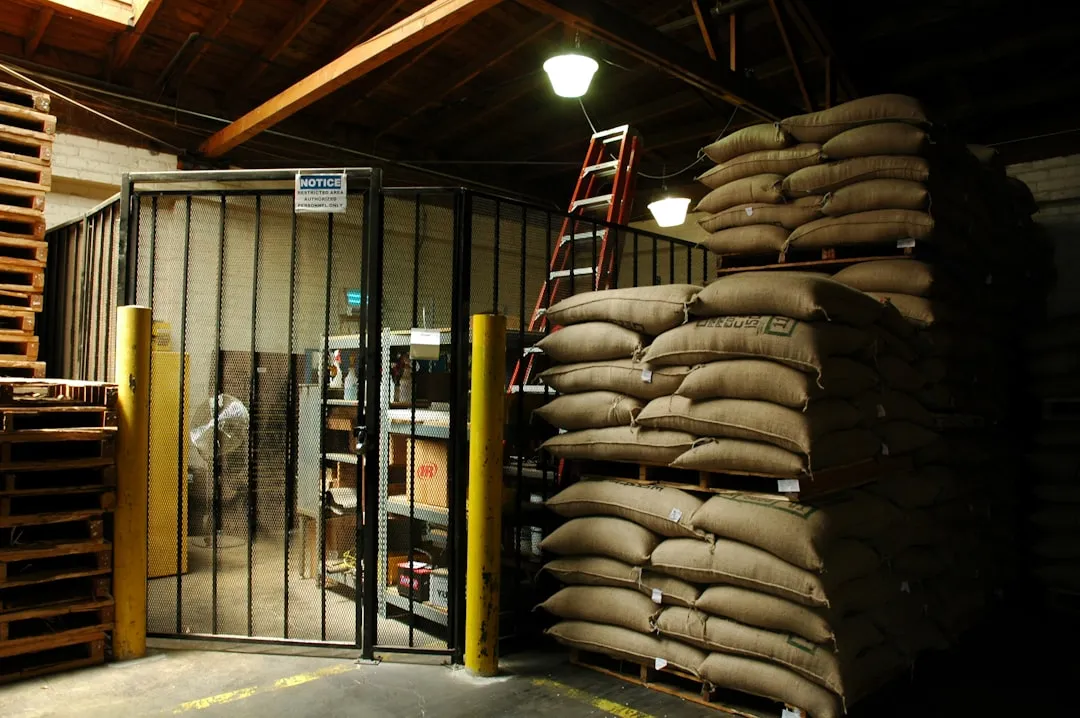
The least amount of risk involves having a building or area dedicated to fertilizer storage, separated from offices, surface water, neighboring dwellings and bodies of water, separate from pesticides, and protected from extreme heat and flooding. Ammonium nitrate storage buildings should not be within 50 feet of a combustible building unless other risk mitigations are approved by the relevant authority. Labels on the windows and doors of the building give firefighters information about fertilizers and other products present during an emergency response to a fire or a spill.
Clear labeling, organized stacking, and accessible fire-fighting equipment all further enhance warehouse safety. Fertilizer handlers should consult the manufacturer’s material safety data sheets for chemical properties, incompatible substances, fire-fighting measures, and general storage guidelines before storage.
The Takeaway
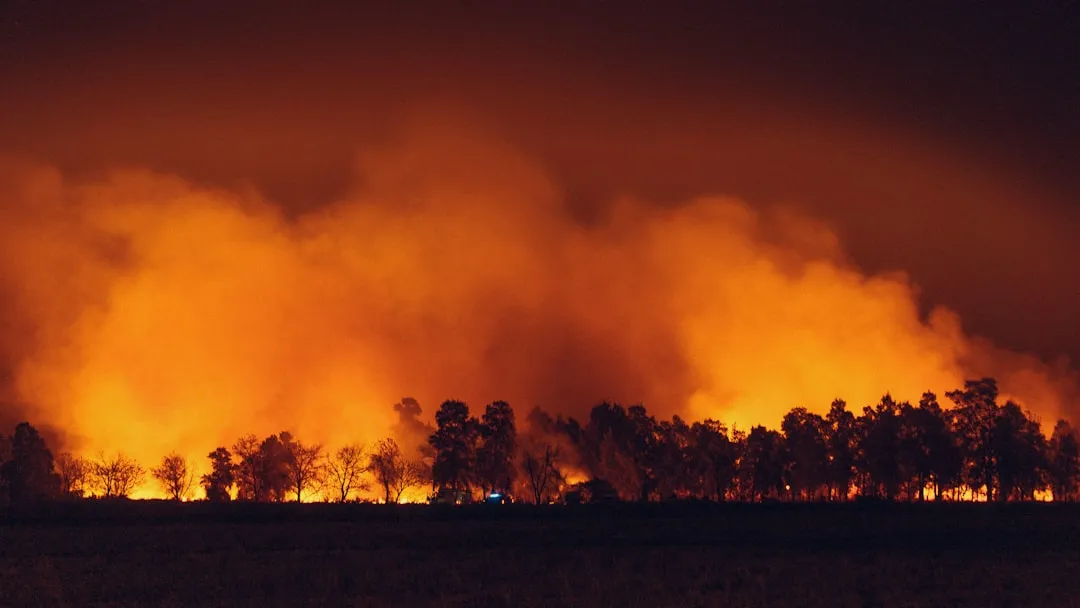
The pattern running through every major fertilizer fire and explosion is the same: ordinary rules were ignored, and ordinary materials became extraordinary hazards. Both handling, storing, and transporting fertilizers in large quantities can be a source of serious safety concerns for people and the environment, as confirmed by reviews of past accidents. The science has been well understood for decades, and the disasters have repeated with grim consistency. What is needed is not more knowledge, it is the discipline to act on what is already known before an incident forces the point.
AI Disclaimer: This article was created with the assistance of AI tools and reviewed by a human editor.