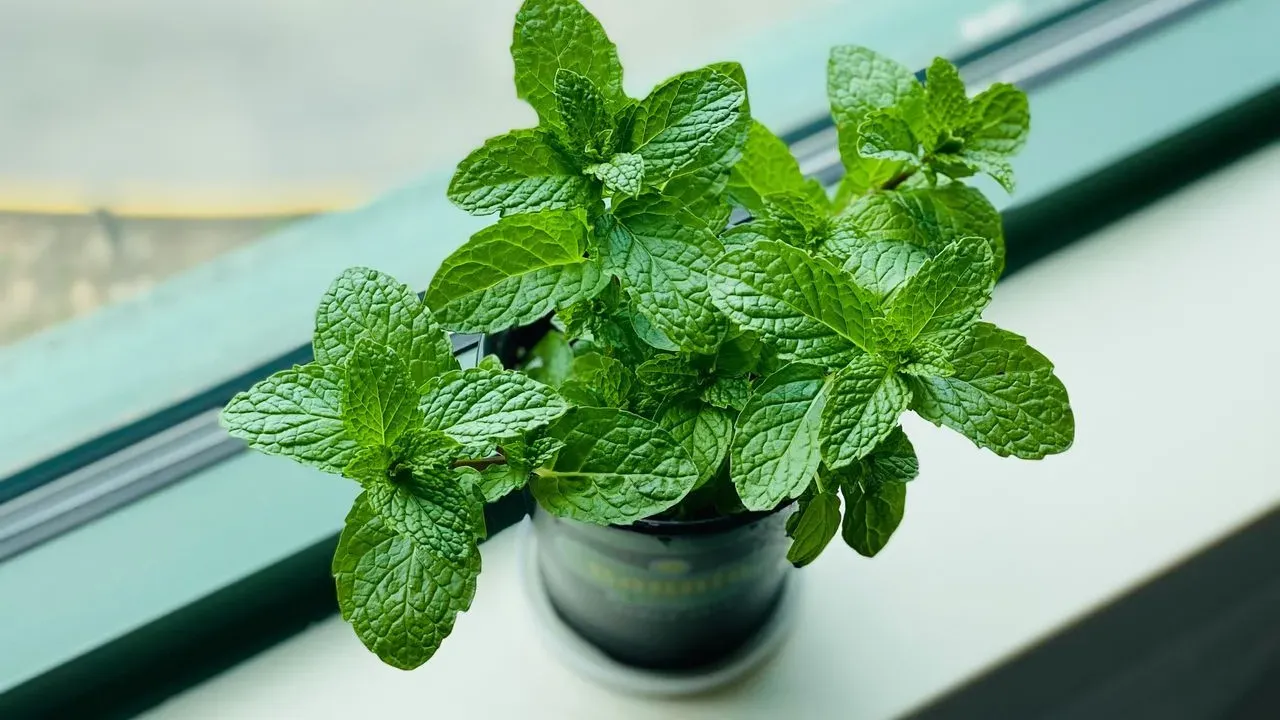

Gardeners across many regions face ongoing challenges from deer that browse on flowers, vegetables, and shrubs, often undoing months of work in a single night. Finding reliable ways to protect plantings without constant expense or effort remains a priority for homeowners and small-scale growers alike. One group of familiar herbs offers a practical option because deer generally steer clear of their strong scents. These plants belong to the mint family and include several varieties already common in home kitchens and gardens.
Why the Mint Family Works as a Deterrent
Deer rely heavily on their sense of smell when choosing what to eat, and the intense aromatic compounds in mint-family plants appear to discourage them. The essential oils that give these herbs their distinctive flavors and fragrances create an odor profile that most deer find unappealing. This natural aversion can reduce browsing pressure on nearby plants without requiring additional barriers or chemical treatments. Many gardeners report fewer deer visits once these herbs are established in strategic locations.
Because the effect stems from the plants’ own chemistry rather than added repellents, the protection lasts as long as the herbs remain healthy and growing. Regular harvesting for cooking actually helps maintain the plants’ vigor and scent production. This approach fits well into existing garden routines and avoids the recurring costs associated with commercial deer deterrents.
Key Members of the Mint Family That Help
Several widely available herbs share the same botanical family and the same deer-repelling trait. The list includes thyme, oregano, rosemary, summer savory, hyssop, lavender, peppermint, and spearmint. Each brings its own growth habit and culinary uses while contributing to the overall protective effect when planted together or near vulnerable beds.
These herbs range from low-growing ground covers to taller shrubs, allowing gardeners to choose varieties that match their space and design needs. Peppermint and spearmint spread readily and can fill gaps quickly, while rosemary and lavender add structure and evergreen interest in milder climates. All remain productive for cooking throughout the growing season.
Practical Steps for Adding Them to the Garden
Plant the herbs in well-drained soil with adequate sunlight, matching each variety’s specific preferences for spacing and moisture. Position clusters near the edges of vegetable plots or flower borders where deer typically enter. Because many mint-family plants tolerate some drought once established, they require less frequent watering than more tender annuals.
Combine them with other garden elements such as fencing or motion-activated lights for layered protection. Harvest leaves regularly to encourage bushier growth and stronger scent release. In colder areas, bring potted specimens indoors or provide winter mulch to ensure the plants return the following spring.
Extra Advantages Beyond Deer Control
Beyond keeping deer away, these herbs support pollinators by producing flowers that attract bees and butterflies during bloom periods. The same aromatic qualities that deter deer make the plants useful companions for vegetables that benefit from increased insect activity. Many gardeners also value the dual purpose of having fresh seasonings close at hand while the plants serve a protective role.
Over time, a well-planned grouping of mint-family herbs can reduce the need for other interventions and lower overall maintenance demands. Homeowners who integrate these plants often notice steadier garden yields and fewer losses to wildlife.
For many gardeners, the shift toward these reliable herbs represents a straightforward adjustment that delivers consistent results season after season. The approach aligns with everyday cooking needs while addressing a persistent outdoor challenge in a low-effort way.
AI Disclaimer: This article was created with the assistance of AI tools and reviewed by a human editor.