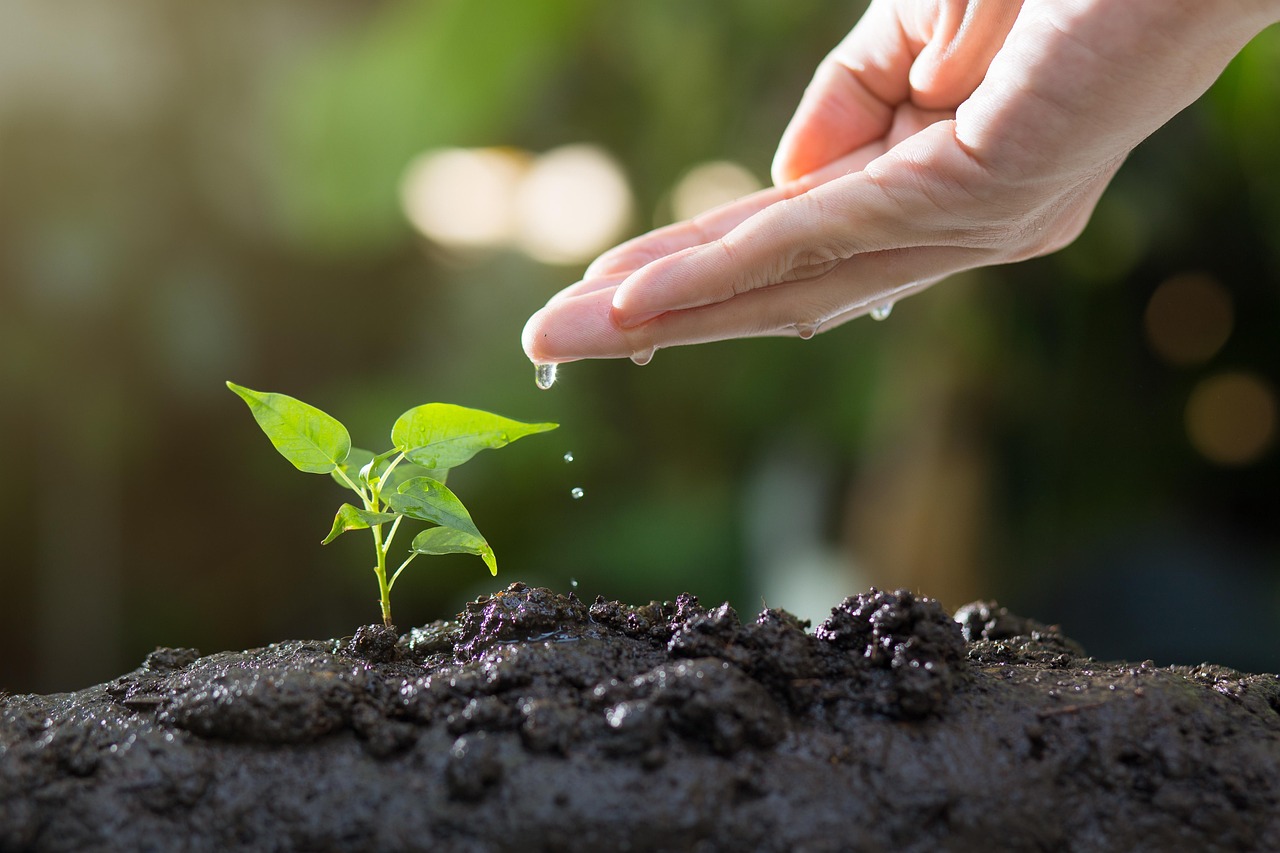

Gardeners have always been a superstitious lot. For centuries, people planted by the moon, whispered to their roses, buried fish under their corn, and surrounded their vegetables with bright marigolds – not because they understood the chemistry involved, but because it seemed to work. These weren’t random acts of faith. Many of them were quiet observations passed from one generation to the next, refined through seasons of trial and error.
It turns out, a surprising number of these folk practices hold up when you put them under a microscope. Not all of them, and not always in the way people imagined – but the core instincts behind some of gardening’s oldest superstitions have a firm grounding in modern plant biology, soil science, and ecology.
1. Talking to Your Plants Makes Them Grow

This one has been the butt of jokes for decades, but the science behind it is more credible than most people expect. According to Penn State’s head of horticulture, Rich Marini, “there is evidence that plants respond to sound,” and since plants react readily to a host of environmental stimuli, his guess is that vibration from sound is causing a genuine response.
Plants weren’t “listening” in any conscious sense – but they were responding physically to the vibration of sound waves. Researchers identified specific genes, like rbcS and ald, that were activated under sound stimulation, with the vibrations triggering a mild stress response that caused plants to bolster certain growth functions. This phenomenon is called mechanotransduction – the process by which cells convert mechanical stimuli into chemical activity.
Human voices typically produce sound in the range of 85 to 255 Hz, and research has found that plants show the most significant responses to sound frequencies in the range of 100 to 1,000 Hz – a range that substantially overlaps with the frequency content of human speech. So the old grandmother who talked to her tomatoes wasn’t foolish. She was, in a roundabout way, providing her plants with a mild vibrational stimulus.
When Primrose plants were exposed to the sound of a buzzing bee, they started to produce more sweet nectar in their flowers to encourage pollinators. Another study showed that plants could detect running water in nearby pipes and soil, and responded by growing roots toward the vibrations. The picture that emerges is of plants far more attuned to their physical environment than anyone suspected.
2. Planting Marigolds to Protect Your Vegetables
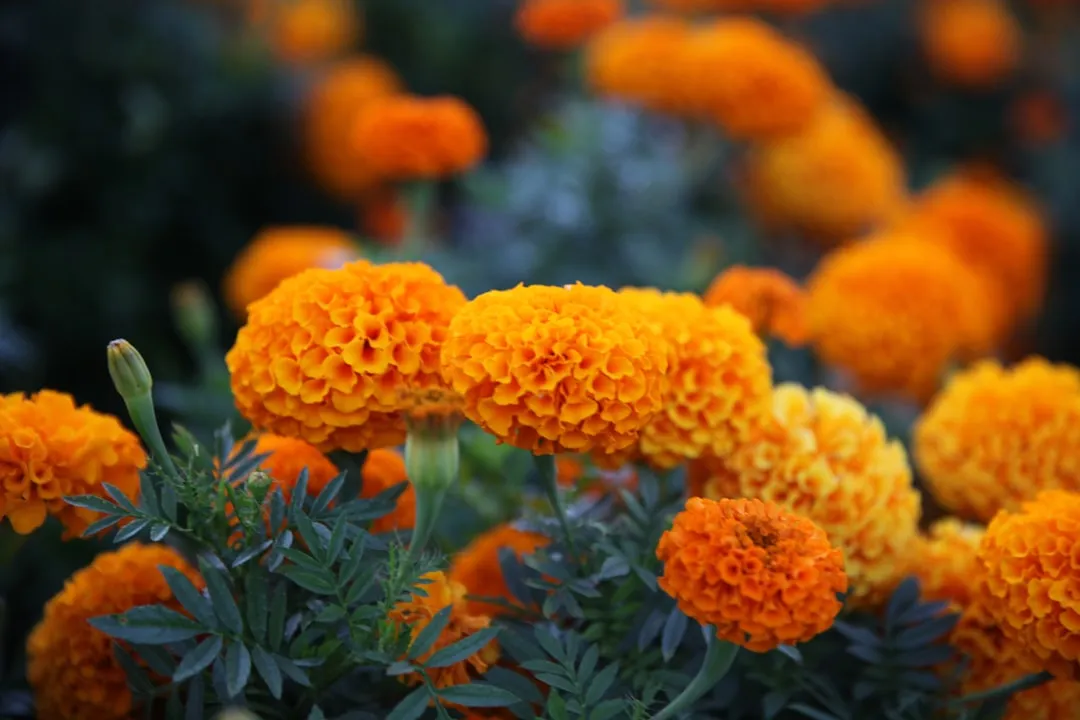
Old-time gardeners planted marigolds around their vegetable beds and swore the pests stayed away. The truth behind this belief is real – but it comes with important nuance. French marigolds (Tagetes patula) produce alpha-terthienyl, described as one of the most toxic naturally occurring compounds ever identified against plant-parasitic nematodes, with field trials documenting up to 99% suppression of root-knot nematodes when grown as cover crops.
Marigold roots release this toxic chemical, and its presence inhibits the hatching of nematode eggs, thereby controlling the nematode population by interrupting its life cycle. One drawback is that the benefit isn’t realized until the following year, and the marigolds must be planted at least two months before the vegetable crop at the same location.
Research from Newcastle University published in PLOS ONE also confirmed that marigolds emit limonene, a volatile compound that measurably repels whiteflies from tomatoes. However, the broader claim that marigolds universally repel all garden pests above ground remains largely unsupported by peer-reviewed evidence. The folk wisdom wasn’t wrong – it was just incomplete.
3. The Three Sisters: Corn, Beans, and Squash Belong Together
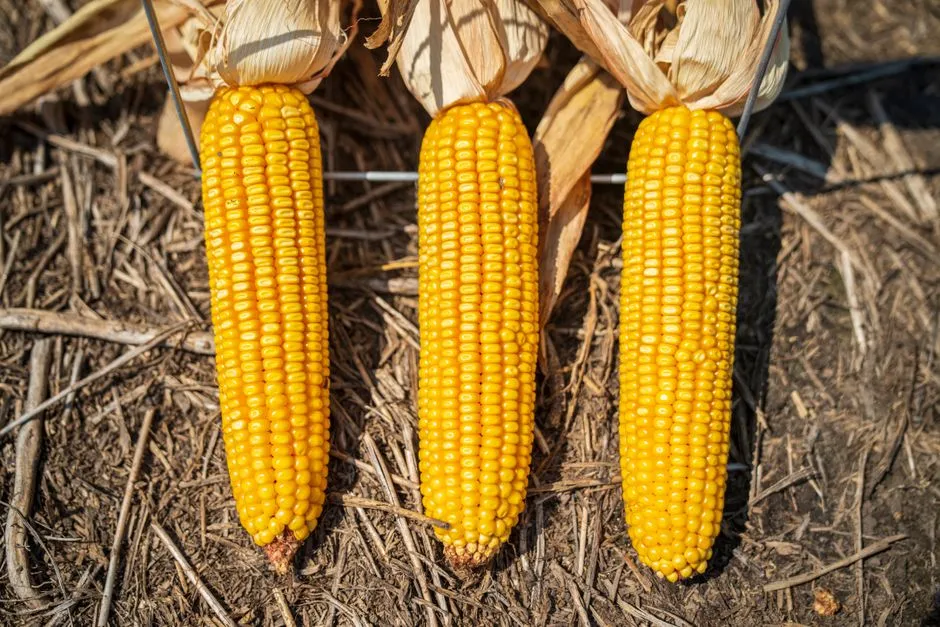
Native American farming traditions held that corn, beans, and squash should always be grown together. For generations this was seen as cultural practice rather than science. The technique combines the three crops in a symbiotic relationship: corn provides a natural trellis for beans to climb, beans fix nitrogen to nourish the corn and squash, and squash spreads along the ground shading the soil and suppressing weeds.
After one year of a formal Three Sisters intercropping experiment, researchers found it increased short-term soil respiration by 24%, decreased salt-extractable nitrate by 54%, and increased the soil microbial biomass carbon-to-nitrogen ratio by 32% compared to the average of monoculture crops. Those are measurable, meaningful improvements – not folklore.
Key to understanding this system is that plants actively affect each other, doing so through fungal associations, chemical messaging, and allelopathy. They also share resources, attract pest predators, and improve each other’s nutrient availability and absorption. What Indigenous farmers understood intuitively, soil scientists are now describing in precise molecular terms.
4. Burying Fish in the Garden Feeds Your Crops

The old practice of burying a fish beneath a planting mound sounds more like a superstition than a farming technique. One of the most ingenious fertilization methods practiced by Native Americans involved the use of fish and bones, where tribes would place a small fish in each mound along with the seeds, allowing the decomposing fish to provide essential nutrients like nitrogen, phosphorus, and calcium to growing plants.
As the fish slowly breaks down and decomposes, it releases three essential nutrients for plant growth – nitrogen, phosphorus, and potassium. Using a whole fish also delivers trace minerals of calcium, magnesium, and other sources of nourishment. Research from Indonesia’s Master Program of Environmental Science found that fish heads contain roughly 8.3% nitrogen, 4.8% phosphorus, and 1.6% potassium – a respectable natural fertilizer by any measure.
Fish fertilizer must be processed by living organisms in the soil to make nutrients readily available to plants, including earthworms, insects, mycorrhizae, and naturally present bacteria. All these microorganisms benefit from the fish, meaning the practice does more than feed a specific plant – it also improves the soil around it. The ancestors had it right, even if they explained it differently.
5. Companion Planting Works: Some Plants Simply Belong Together
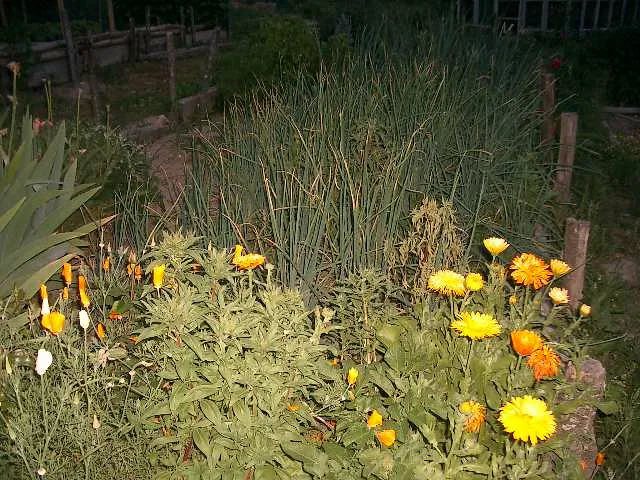
The broader idea that certain plants help their neighbors thrive has roots in nearly every gardening culture on earth. The latest research on companion planting goes far beyond random recommendations or traditional lore, revealing a need to look at gardens as ecosystems where plants interact with each other to create a healthy, biodiverse place.
Studies show that marigolds intercropped with kale can dramatically reduce aphid populations by attracting predatory syrphid flies and parasitic wasps. Ecological science has repeatedly shown that more biodiversity creates greater resilience against insects, pathogens, and climatic threats. These aren’t vague observations – they reflect documented, repeatable outcomes.
Studies show some plants produce allelochemicals that influence the growth of nearby species, and plant volatiles can repel pests or attract their natural predators. Marigolds release compounds that deter nematodes and some insect pests, while root exudates from certain plants can even alter soil microbial communities. Still, the science is honest about its limits: whether companion plants are successful depends on many factors, including how much of a benefit is realized, the region where it will or won’t work, and the proximity of plants to each other.
6. Plants Can Sense and Respond to the World Around Them

Underlying many of these superstitions is a deeper, older intuition: that plants are not passive objects. They were treated as living beings that notice, respond, and communicate. In recent years, botanists have been gathering more and more evidence that plants are not just passive green decorations – they respond to touch, communicate with each other using chemical signals, and send distress signals when they are injured.
Recent evidence supports the notion that naturally occurring and artificially generated sound waves contribute to plant robustness, and new information is emerging about the responses of plants to sound and the associated downstream signaling pathways. The picture of a plant as a silent, unresponsive thing has been quietly dismantled over the past two decades.
Sound vibration, an external mechanical force, has been proven to modulate plant growth and development, similar to the effects of rain, wind, and other physical vibration. What old gardeners observed at an intuitive level – that care and attention seemed to make a difference – may have had more biological grounding than they ever knew.
7. Planting in Polycultures Confuses Pests
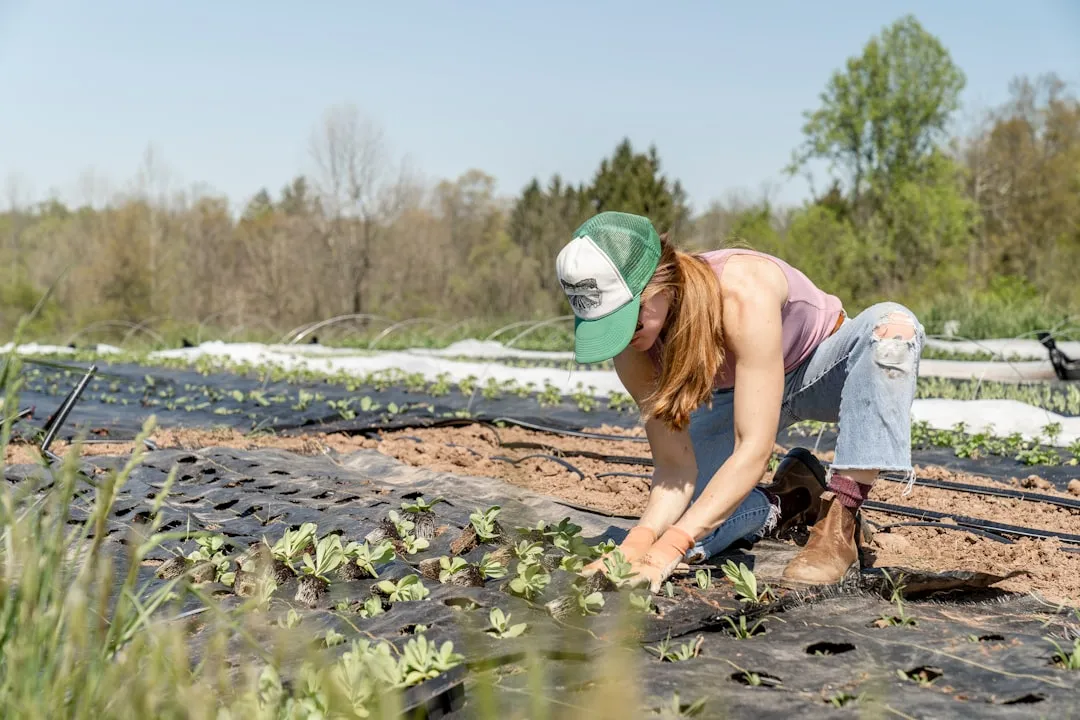
One persistent piece of garden lore held that mixing crops up in a bed was better than growing neat rows of a single vegetable. The recommendation was often explained in mystical or vague terms, but the actual mechanism is now well understood. Researchers determined that crops surrounded with other plants were more camouflaged from pests compared to crops surrounded by bare soil, and taller companions such as corn, sunflowers, sorghum, sesame, and millet have been used successfully as physical barriers to block pests from accessing targeted crops.
In contrast to polycultures, gardens containing a large diversity of species make life very easy for pests when compared to monocultures. The logic is simple once you see it: a pest specialized in eating one plant has a much harder time if that plant is scattered throughout a mixed bed rather than arranged in clean, easy-to-locate rows.
Certain aromatic plants such as marigold planted with main crops reduce the number of eggs laid by cabbage root fly and onion fly, both belonging to the anthomyiid genus Delia, and by lygaeus bugs. This kind of specific, species-level evidence is what transforms a vague gardening folk belief into something closer to a management strategy.
8. Treating Soil Well Was Always the Foundation
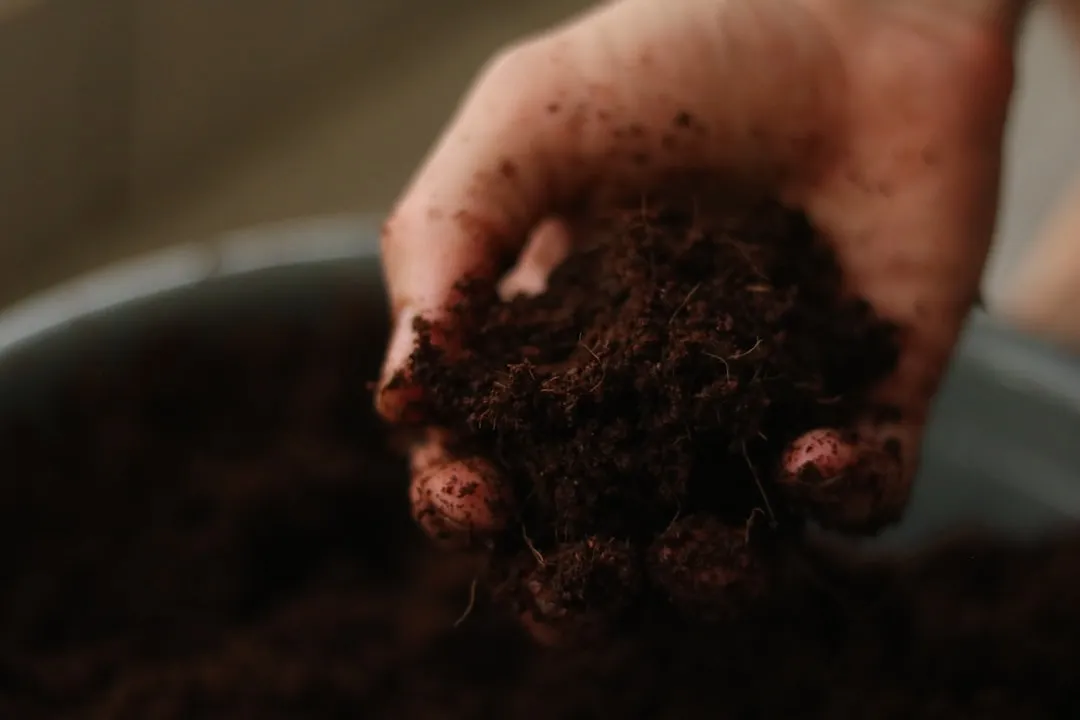
Older gardening traditions often included practices that seemed almost ceremonial: adding organic matter, building mounds, working in fish scraps, and leaving beds to rest. Bones from game animals were crushed and worked into the soil, releasing minerals slowly over time. The bones would break down gradually, providing a long-lasting source of phosphorus and calcium that helped strengthen plant stems and promote healthy root development.
Fish fertilizer breaks down differently in the soil than synthetic alternatives – it must be processed by living organisms such as earthworms, insects, mycorrhizae, and naturally present bacteria to make nutrients available to plants. This biological complexity is precisely what modern regenerative agriculture has returned to, after decades of synthetic shortcuts.
The underlying insight – that the soil itself is alive and must be fed – was never really a superstition. It was practical knowledge that lacked a vocabulary, waiting for science to catch up and give it one.
9. Biodiversity in the Garden Is Its Own Kind of Medicine
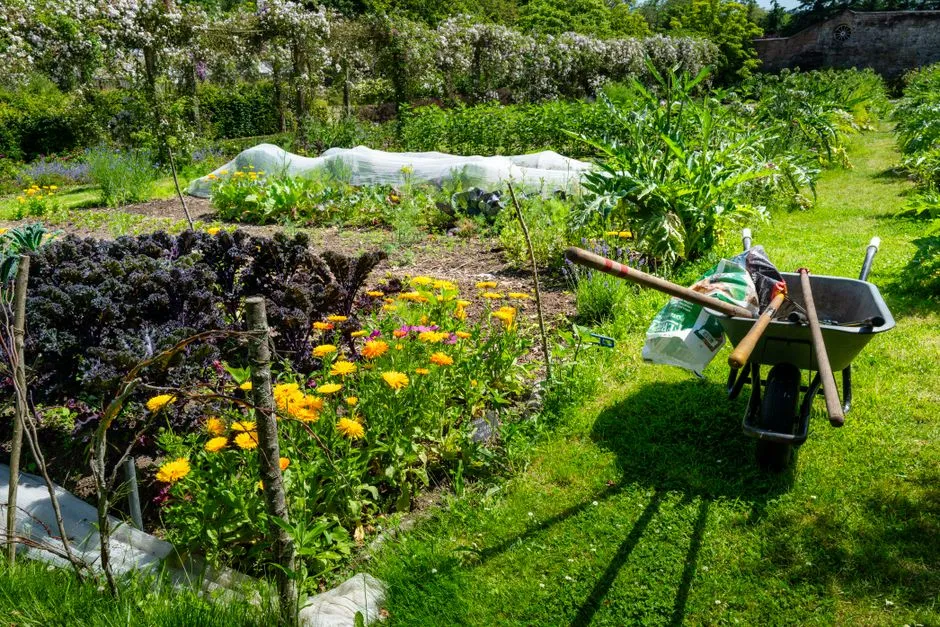
Many traditional gardens looked chaotic to modern eyes: flowers mixed with vegetables, herbs tucked between fruit trees, weeds tolerated in corners. This wasn’t neglect. It reflected a deep practical understanding that variety in the garden was protective. Ecological science has repeatedly shown that more biodiversity creates greater resilience against insects, pathogens, and climatic threats.
Sweet alyssum planted near lettuce attracts parasitic wasps that prey on lettuce-eating caterpillars, and this pairing has reduced pest damage in field trials. These aren’t exotic interventions – they’re the kind of simple combinations that observant gardeners stumbled onto long before controlled trials were a concept.
Companion planting may not be an exact science yet, but there is proven science behind it, and a growing body of research shows that it has its place in agriculture. It can help bolster the home garden through biological pest control, protection, support, and the sharing of soil resources. The old instinct to plant with variety wasn’t mysticism. It was ecology.
10. The Lunar Calendar Gardening Tradition: Real Influence or Wishful Thinking?
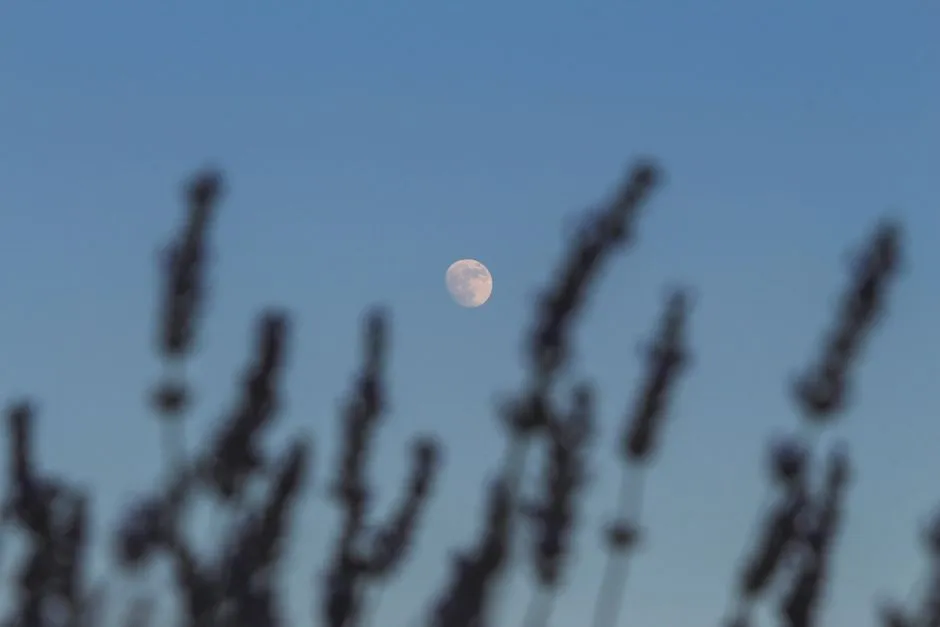
Planting by the moon is one of the oldest gardening traditions in the world, embedded in almanacs and passed down across cultures for centuries. The claim was that the moon’s phase governed germination, growth, and harvest. Believers held that the phase of the moon and the constellation of the zodiac where the moon appeared at night were critical to how well a garden produced, and this belief was passed down from ancestors who subscribed to the notion wholeheartedly.
Several scientific studies have been carried out on the subject, following the different beliefs of different cultures. On the whole, none have shown conclusive results as to the moon’s influence on agricultural plantations. That’s an honest verdict – not a dismissal of traditional knowledge, but a recognition that the evidence simply hasn’t materialized in controlled studies.
What the lunar calendar may have done, more practically, is serve as a reliable scheduling system. Tying planting dates to observable celestial events gave farmers a consistent rhythm across years and generations. The moon didn’t help the seeds germinate – but the calendar kept the planting consistent, which absolutely does.
The Takeaway
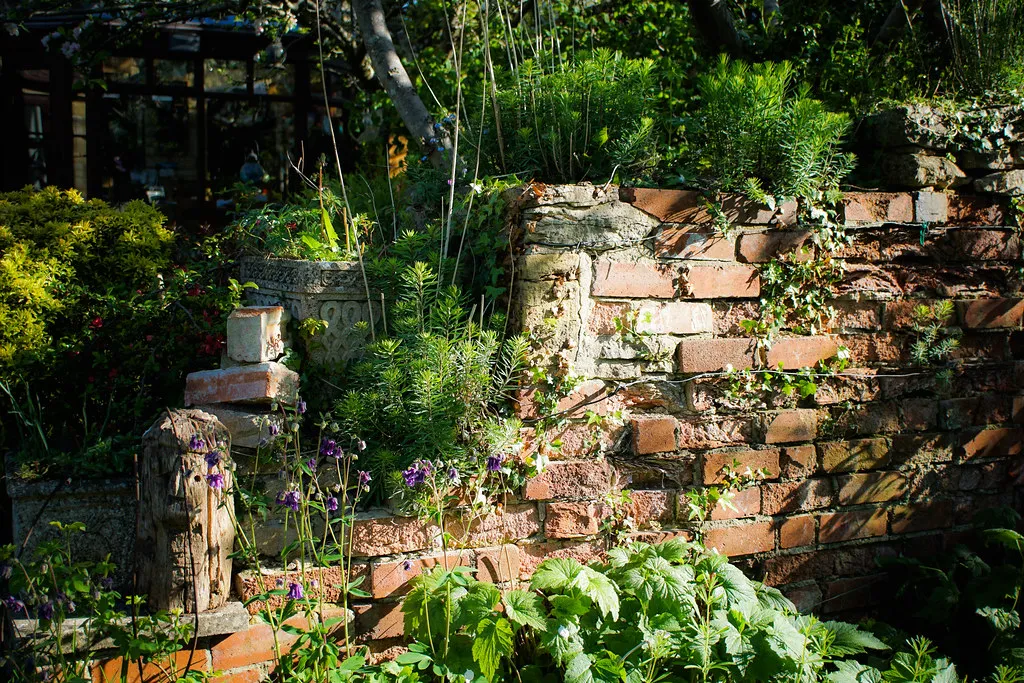
What makes these old-school garden beliefs so interesting isn’t that they were magical. It’s that many of them were quietly correct for the wrong reasons – or correct in ways that the people practicing them had no language to explain. The fish in the mound was chemistry. The marigold border was biochemistry. The mixed planting was ecology. The whispered words to a seedling were, at some level, vibration.
Modern science has largely caught up to what experienced gardeners observed across centuries of careful attention. When you grow up around gardening activities, you’re sure to internalize a few old wives’ tales, and some of them are backed up by science – passed along from one generation to the next with reason and explanation quietly embedded in the practice itself.
The lesson isn’t to abandon scientific thinking. It’s to stay curious about old practices rather than dismissing them outright. Sometimes tradition is just data without a spreadsheet.
AI Disclaimer: This article was created with the assistance of AI tools and reviewed by a human editor.