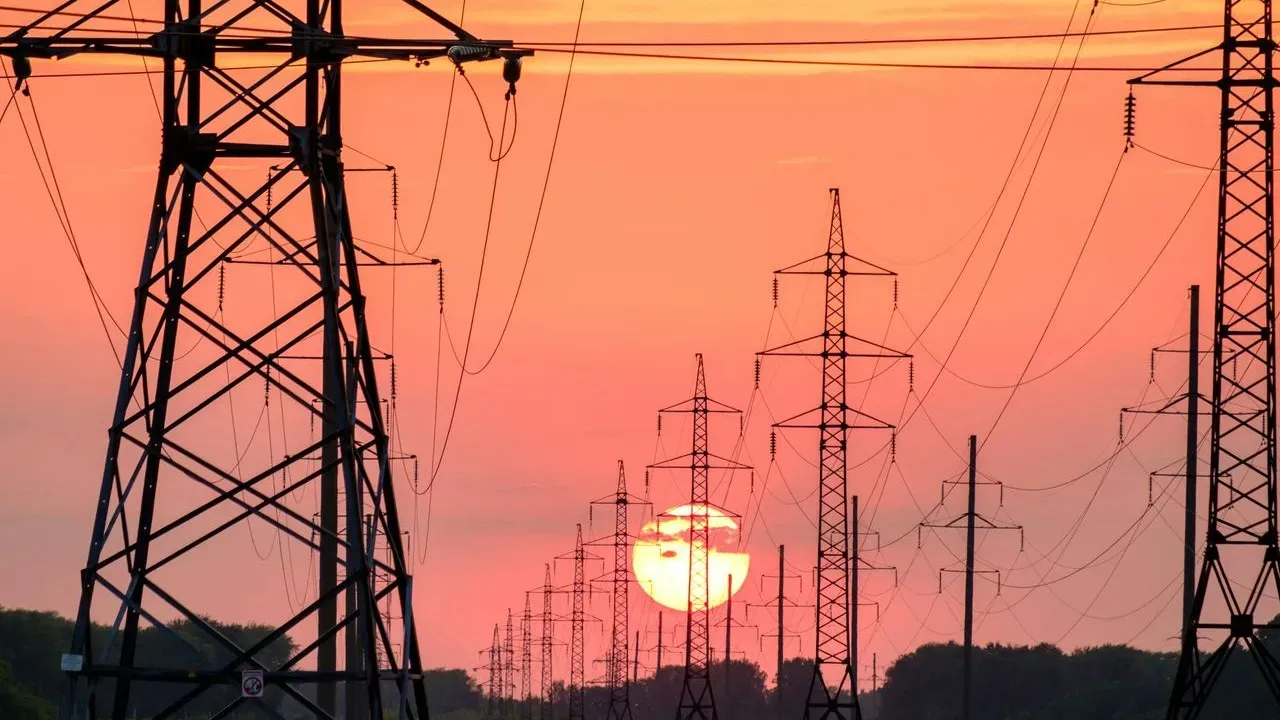

The Department of Energy has issued an emergency electricity order covering 17 states, including Texas, as forecasters warn of intense summer heat expected to arrive this weekend. The move aims to safeguard the power grid during what could become a prolonged stretch of high temperatures and heavy electricity demand. For gardeners, the alert signals more than just uncomfortable days ahead. It points to possible strains on water systems and irrigation that rely on stable electricity supplies.
Why the Order Matters Now
Extreme heat drives up air conditioning use and strains transmission lines across wide regions. When demand spikes, utilities sometimes face difficult choices about where to direct limited power. The federal order gives the Energy Department authority to prioritize electricity delivery to critical infrastructure, which can include water treatment and pumping stations that support residential areas.
Gardeners who depend on electric pumps for wells, drip systems, or automatic sprinklers may notice changes in water pressure or availability during peak afternoon hours. Even short disruptions can leave plants vulnerable when temperatures climb into ranges that accelerate moisture loss from soil and leaves.
Watering Under Grid Pressure
Many home irrigation setups run on timers or sensors tied to the electrical grid. If utilities implement rolling adjustments or conservation measures, those systems could operate less reliably. Hand watering becomes the fallback, yet it requires more time and attention during the hottest part of the day when evaporation rates are highest.
Early morning or late evening sessions remain the most efficient. Deep, infrequent watering encourages roots to grow farther into the soil, helping plants withstand heat better than frequent shallow applications. Mulch layers around beds and containers also slow surface evaporation and keep soil temperatures more stable.
Protecting Plants from Added Stress
Heat stress shows up first in wilting, scorched leaf edges, and slowed growth. Vegetables such as tomatoes and peppers, along with many flowering perennials, suffer quickly when both air and soil temperatures rise together. Providing temporary shade with lightweight cloth or repositioning container plants can reduce direct sun exposure during the worst hours.
Established trees and shrubs generally fare better than new plantings, yet even mature specimens benefit from extra moisture at the root zone. Checking soil moisture several inches down with a simple probe or finger test helps avoid both underwatering and wasteful overwatering.
Practical Steps Before the Weekend
- Inspect timers and pumps for any signs of wear that could fail during high-demand periods.
- Fill rain barrels or other storage containers in advance if local rules allow.
- Group container plants in sheltered spots where they can share humidity and receive consistent care.
- Have a manual watering plan ready, including extra hoses or buckets if electric systems go offline.
Gardeners who stay ahead of these variables can keep landscapes healthier even when the grid faces unusual pressure. The current alert serves as a reminder that outdoor spaces and energy systems are more connected than they often appear.
AI Disclaimer: This article was created with the assistance of AI tools and reviewed by a human editor.