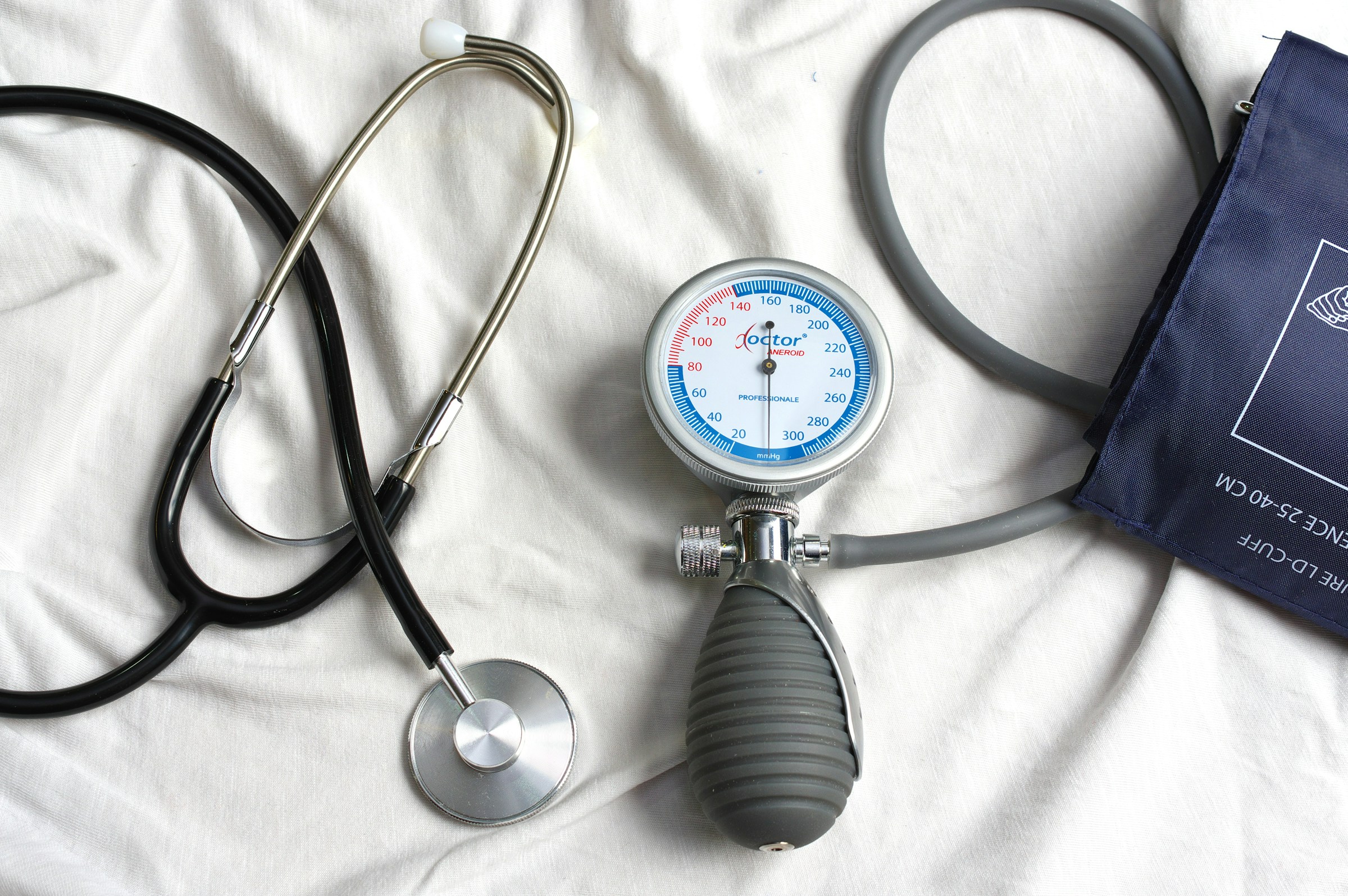

High blood pressure affects a staggering number of adults worldwide, and many people don’t realize just how much everyday food choices can influence it. According to the American Heart Association’s 2025 guidelines, lifestyle changes including diet are now recommended as a first-line treatment for elevated blood pressure and stage 1 hypertension. That’s a meaningful shift, and it reflects how seriously researchers now take the food-pressure connection.
The DASH eating plan has been proven in clinical trials to reduce blood pressure across multiple categories, and U.S. News and World Report ranked it the number one diet for high blood pressure for the eighth consecutive year in 2025. Within that framework, six specific foods stand out for the quality and consistency of their supporting evidence.
1. Beetroot: The Nitrate Powerhouse
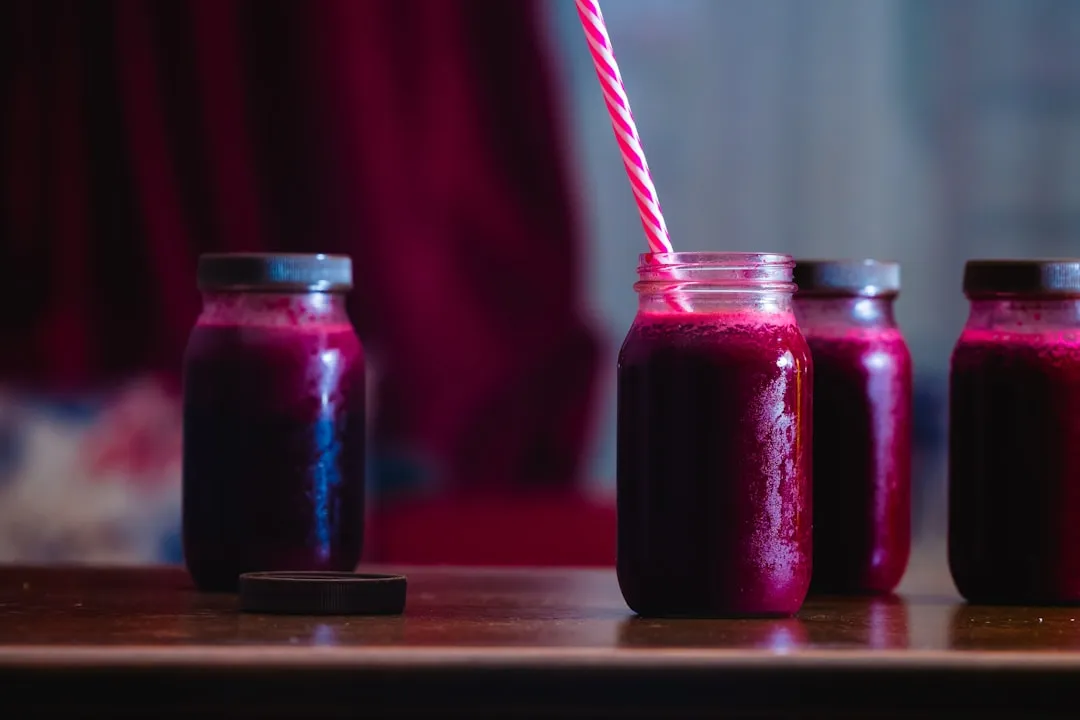
Beetroot may be the most well-studied single food in the context of blood pressure. Beetroot juice contains high concentrations of dietary nitrates, which the body converts into nitric oxide, a molecule that signals blood vessels to widen. A meta-analysis of studies in people with hypertension found that beetroot juice significantly lowers systolic blood pressure, with effects lasting up to 90 days of daily use.
In a controlled trial of 68 hypertensive patients, nitrate-replete beetroot juice reduced systolic blood pressure by a mean of 9.0 mmHg after four weeks, compared to just 0.1 mmHg in the nitrate-depleted control group. That’s a clinically meaningful difference, and it arrived within a single month.
Beetroot juice reduces blood pressure by increasing nitric oxide-mediated vasodilation, a mechanism that has been confirmed across multiple randomized controlled trials. For people looking for a straightforward dietary addition, beetroot juice remains one of the most evidence-backed options available.
2. Garlic: A Kitchen Staple With Measurable Effects
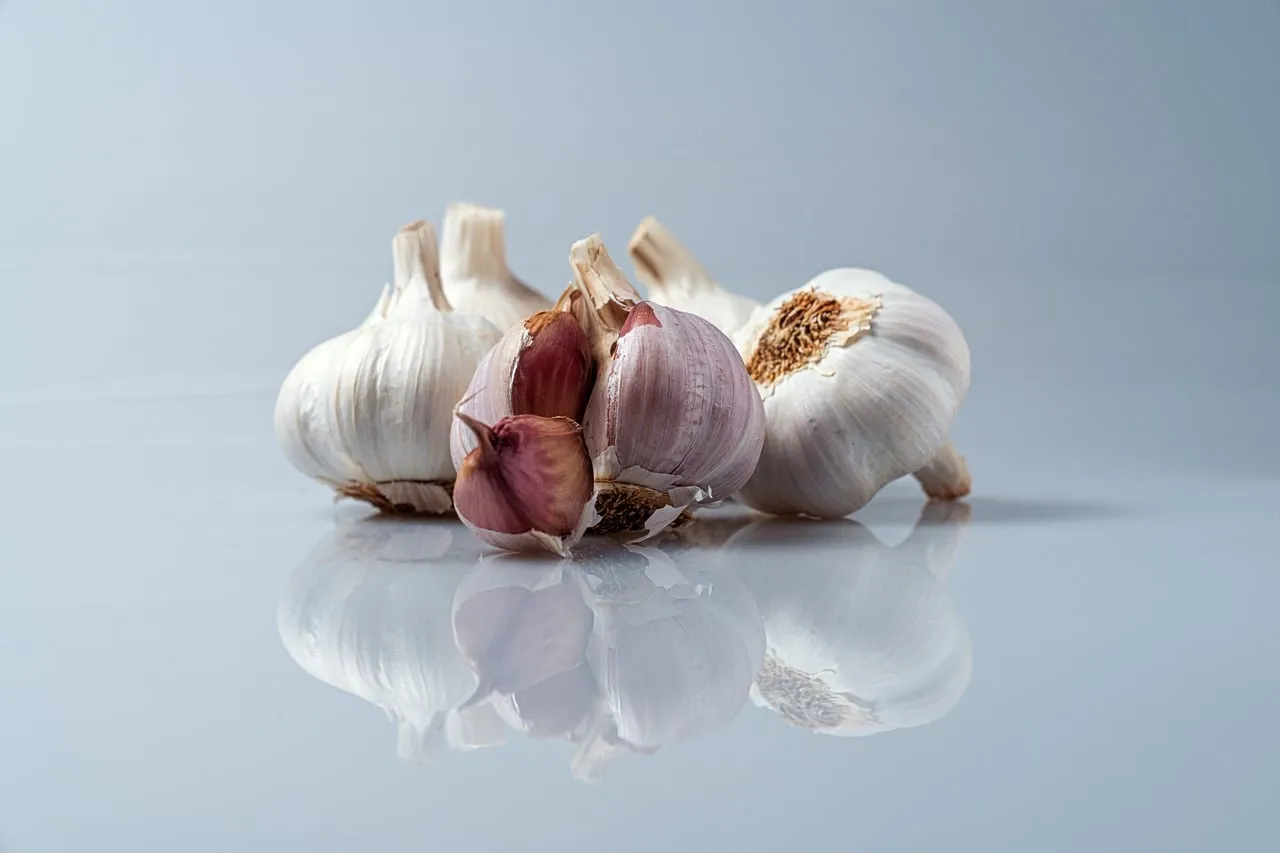
Garlic has one of the stronger evidence bases among individual foods. A meta-analysis of nine trials covering more than 500 participants found that garlic consumption lowered systolic blood pressure by an average of 4.2 mmHg and diastolic by 3.1 mmHg compared to controls. Those numbers may sound modest, but even small reductions in blood pressure translate to meaningful reductions in cardiovascular risk over time.
A 2024 research review published in Nutrients confirmed that garlic has antioxidant and anti-inflammatory properties, helps dilate blood vessels, and supports vascular functioning, with research indicating it can lower systolic blood pressure by as much as eight points and diastolic by five or six.
The active compounds form when garlic is crushed or chopped, triggering an enzyme reaction. Letting minced garlic sit for about ten minutes before cooking preserves more of these compounds, since heat can deactivate the enzyme responsible. It’s a small technique that makes a real difference.
3. Blueberries: Color That Does Real Work
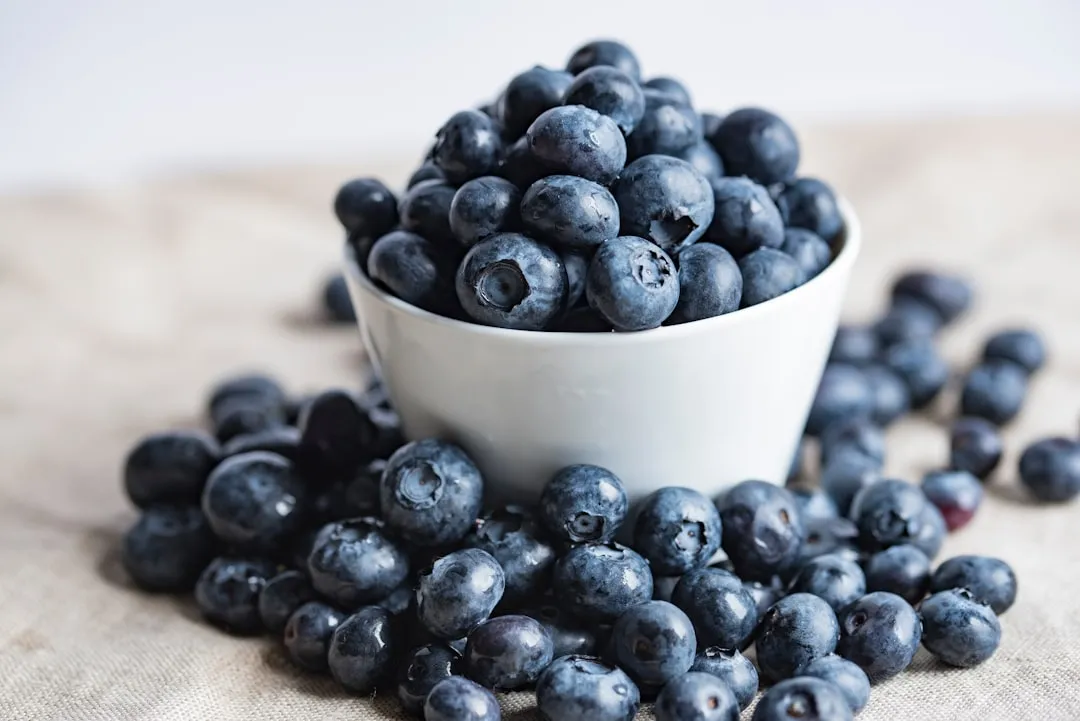
Blueberries, strawberries, raspberries, and blackberries are packed with anthocyanins, the antioxidant pigments that give berries their color. These compounds do more than look appealing; they actively influence how blood vessels function.
Berries enhance endothelial function by increasing the bioavailability of nitric oxide, a potent vasodilator that relaxes blood vessels, improves blood flow, and reduces blood pressure. Research showed that consuming 200 grams of blueberries a day for 40 days led to a measurable blood pressure drop, though positive effects were visible as early as two hours after initial consumption.
Over the course of one month, blood pressure was reduced by 5 mmHg in participants consuming a blueberry drink, which is similar to what is commonly seen in studies using blood pressure-lowering medication. A 2025 systematic review and meta-analysis drawing on studies from PubMed, CENTRAL, Embase, and Scopus through May 2025 continued to evaluate berry supplementation in adults with elevated blood pressure, reflecting the growing research interest in this area.
4. Leafy Greens: Potassium and Nitrates Together
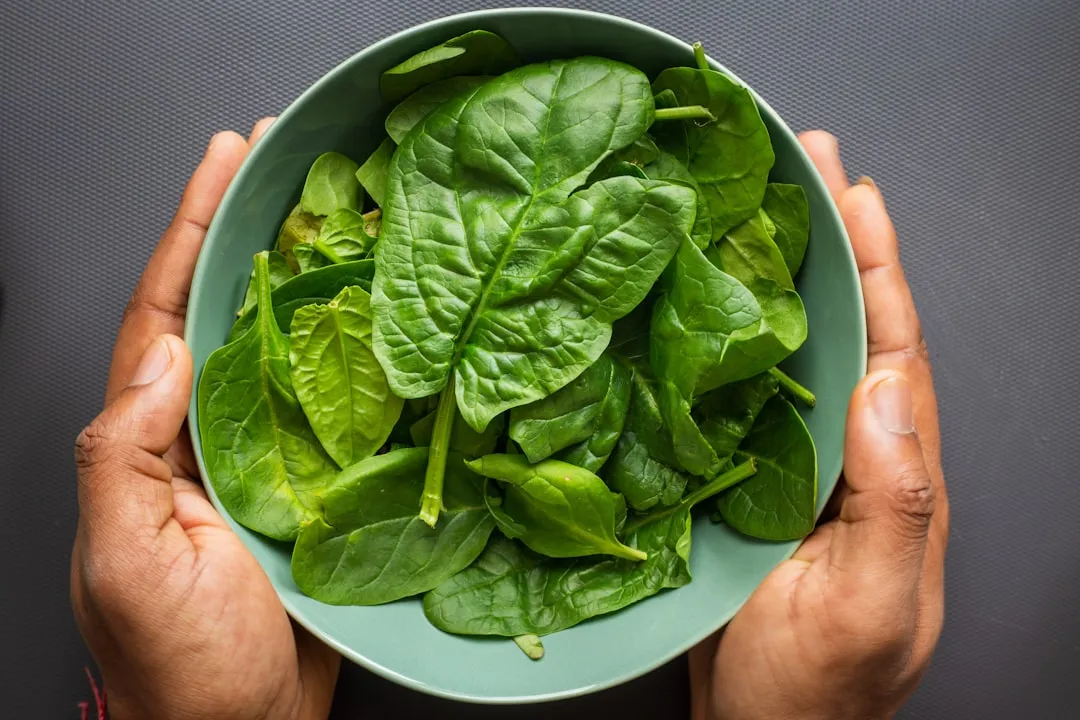
Vegetables are packed with potassium, magnesium, fiber, and nitrates that all work together to lower blood pressure by relaxing blood vessels, reducing inflammation, and improving blood flow. Spinach, kale, and Swiss chard are particularly useful because they deliver several of these mechanisms at once.
One cup of cooked Swiss chard, for example, provides 150 mg of magnesium and 961 mg of potassium. Spinach contains high amounts of potassium, magnesium, and folate. Potassium helps the body balance sodium levels, which directly lowers blood pressure. According to the National Institutes of Health, clinical trials consistently show that increased potassium intake reduces blood pressure, with the greatest effects in people with hypertension.
Foods like spinach, kale, and lettuce are excellent sources of dietary nitrate. Researchers showed that women who consumed more nitrates, especially from vegetables, reported roughly a quarter fewer cardiovascular disease-related complications such as stroke. These findings came from a 15-year Australian study published in the journal Nutrients.
5. Fermented Dairy: Yogurt and Kefir
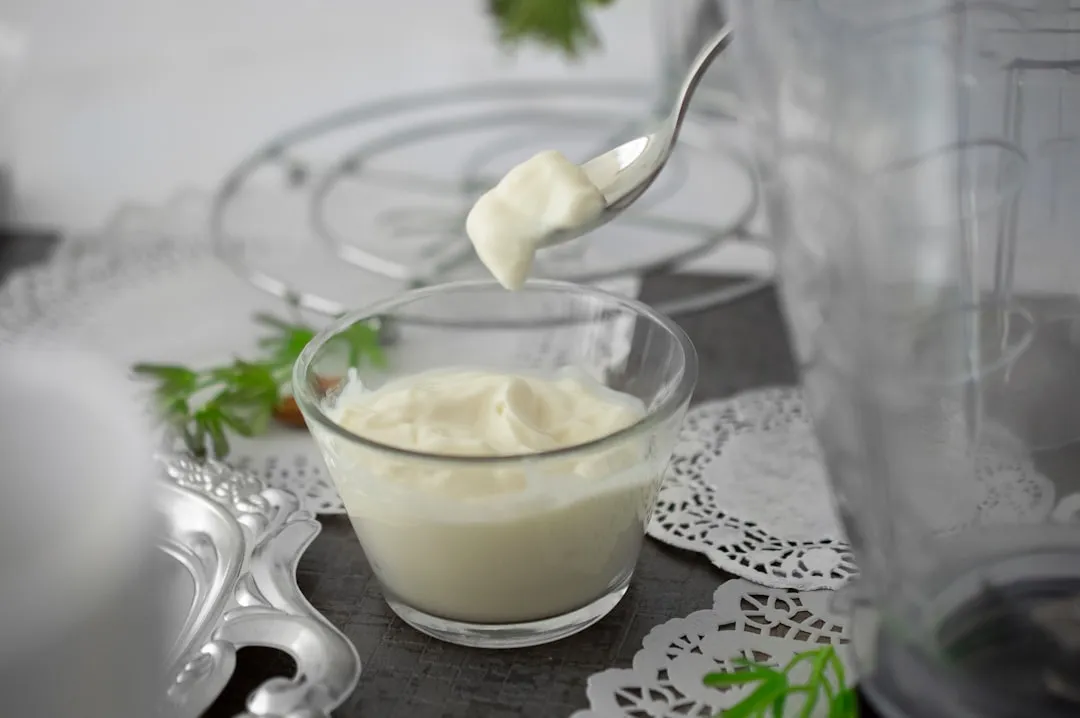
Yogurt and kefir contain proteins that, during fermentation, break down into small peptides capable of blocking the same enzyme that common blood pressure medications target. This isn’t a fringe theory; it’s a mechanism that parallels how an entire class of prescription drugs works.
Yogurt is a nutrient-dense dairy product packed with potassium and calcium. A 2017 review of 28 studies found that consuming three servings of dairy per day was linked with a meaningfully lower likelihood of high blood pressure. Products fermented with specific Lactobacillus cultures produce more blood-pressure-lowering peptides than standard yogurt, and kefir, which contains a broader range of bacterial strains, is a reasonable option for this purpose.
While the European Food Safety Authority considers the evidence insufficient for formal health claims, fermented dairy is widely recommended as part of a nonpharmacological approach to managing blood pressure because it carries essentially no risk of side effects. That combination of plausibility and safety makes it worth including regularly.
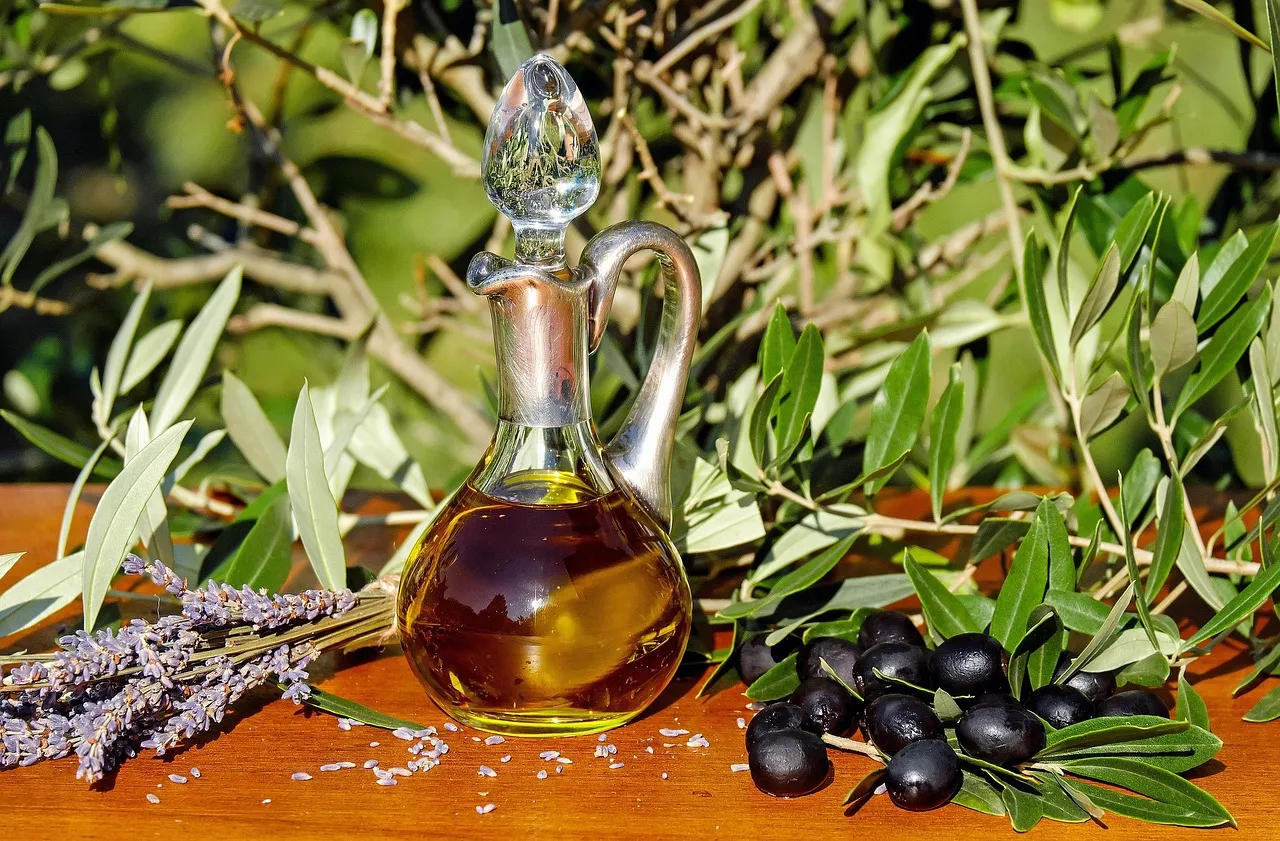
6. Extra Virgin Olive Oil: The Mediterranean Staple

Recent evidence suggests that extra virgin olive oil lowers blood pressure and reduces the risk of developing hypertension partly due to its minor phenolic components. This is distinct from the oil’s better-known monounsaturated fat content, which also contributes to cardiovascular health through separate pathways.
Olive leaves and the oil derived from them are rich in polyphenolic compounds, with oleuropein being the most abundant. Oleuropein and its principal metabolite, hydroxytyrosol, exhibit antioxidant, anti-hypertensive, and anti-inflammatory effects. Polyphenol-rich olive extracts have been proposed to lower blood pressure by reducing oxidative stress and enhancing nitric oxide production.
In human studies, oleuropein has been shown to reduce the vascular stiffness index, indicating beneficial effects on arterial elasticity and vascular function. Swapping refined cooking oils for extra virgin olive oil is one of the lowest-effort changes a person can make with a meaningful upside for cardiovascular health.
How the DASH Framework Ties These Foods Together
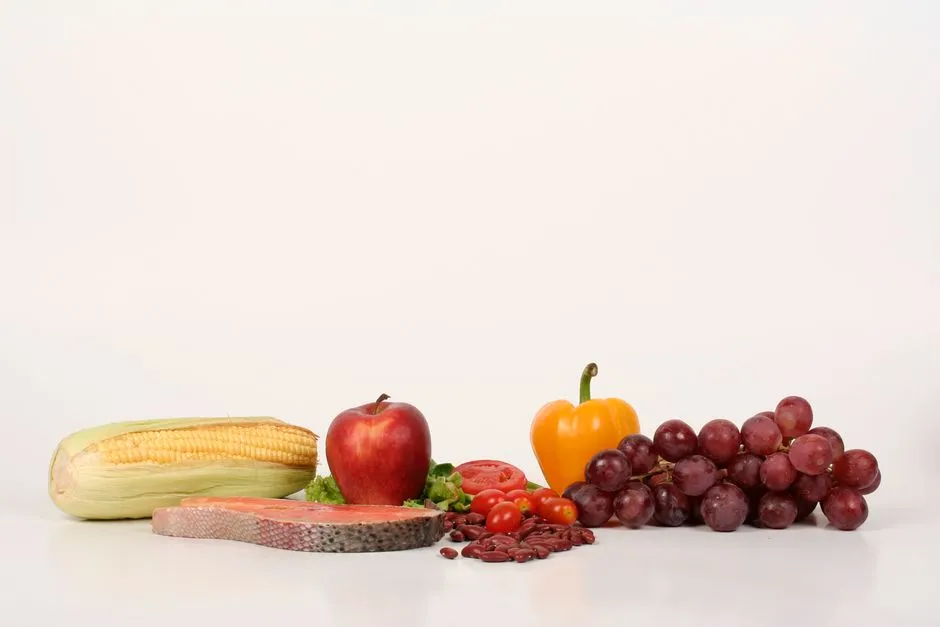
Foods in the DASH diet are rich in potassium, calcium, and magnesium. The plan focuses on vegetables, fruits, and whole grains, and includes fat-free or low-fat dairy products, fish, poultry, beans, and nuts. Each of the six foods covered in this article fits naturally within that structure.
The reason this matters is that no single food works in isolation. Blood pressure is a system-level outcome, shaped by the cumulative effect of what’s on your plate across weeks and months, not just one meal. The foods above share a common quality: they each target one or more of the mechanisms, whether nitric oxide production, potassium-sodium balance, or arterial stiffness, that collectively determine blood pressure.
How Quickly Can You Expect Results?
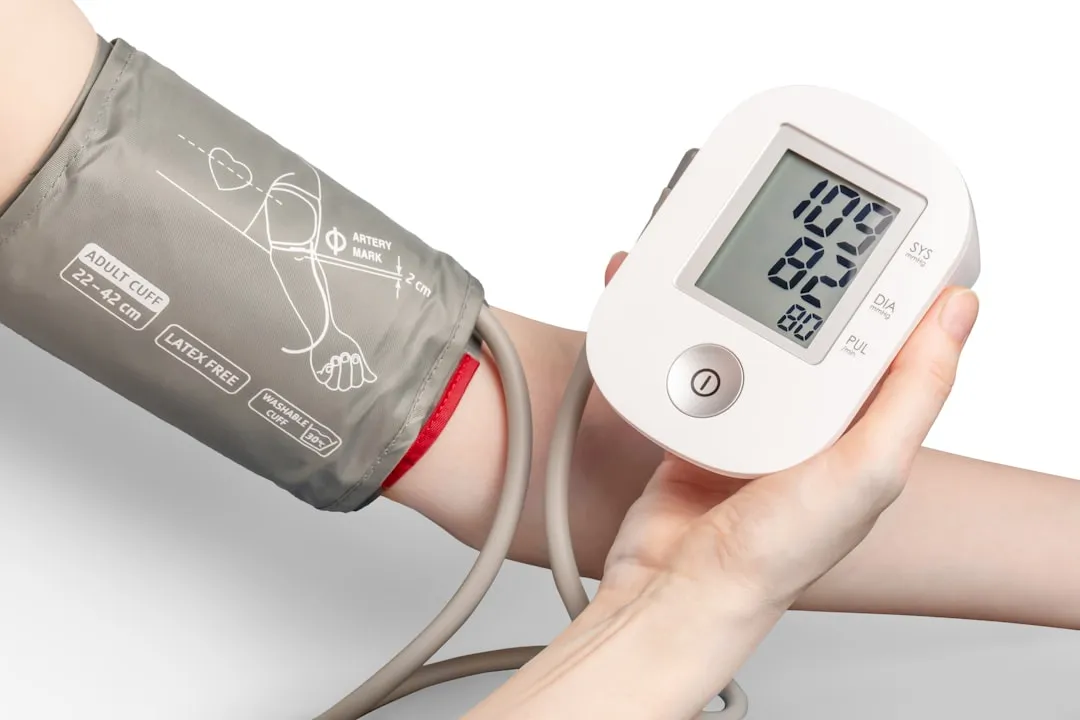
The science is clear that certain foods can lower blood pressure naturally, often within just a few weeks. Beetroot juice trials have shown measurable changes within four weeks, while blueberry studies have recorded early vascular improvements within hours of consumption, followed by sustained reductions over one month. Individual results depend on baseline blood pressure, overall diet quality, and consistency.
It’s worth being realistic. Dietary changes work best as part of a broader approach that includes physical activity and, where necessary, medical supervision. People already on blood pressure medication should consult a healthcare provider before making significant dietary changes, since food and medication can interact in ways that require monitoring.
What the Evidence Does and Doesn’t Say

Most studies on individual foods use concentrated doses, extracts, or supplemental forms that may be stronger than everyday serving sizes. Most garlic studies, for instance, used concentrated garlic preparations, so the effect from a clove or two in your dinner may be smaller than trial results suggest. The same caution applies to beetroot juice consumed in large trial doses versus a small weekly serving.
That said, the direction of the evidence is consistent and encouraging across all six foods covered here. None of them carry meaningful health risks when consumed as part of a regular diet. Watching sodium intake is important, but it’s only one part of the equation. Filling your plate with blood pressure-friendly foods is among the most practical ways to reduce the risk of heart attack, stroke, and related complications.
Practical Tips for Getting Started
Adding all six foods at once isn’t necessary or realistic for most people. A gradual approach tends to stick better. Start by substituting refined oil with extra virgin olive oil, adding a handful of berries to breakfast, and building leafy greens into at least one meal per day. From there, incorporating garlic into regular cooking and swapping a daily snack for plain yogurt or kefir covers most of the ground.
Beetroot juice, though slightly more niche, is widely available and can be consumed a few times per week. Evidence suggests effects from beetroot juice last up to 90 days of daily use, meaning consistent intake rather than occasional consumption is what drives the benefit. The pattern matters more than perfection on any given day.
The Takeaway

Managing blood pressure through food isn’t a new idea, but the evidence behind it has become considerably sharper in recent years. Beetroot, garlic, blueberries, leafy greens, fermented dairy, and extra virgin olive oil each have plausible mechanisms and clinical data to support their role in reducing blood pressure, some more robustly than others, but none based on speculation.
The most honest framing is this: no food replaces medical care when blood pressure is seriously elevated. What these six foods offer is a genuinely evidence-informed foundation for everyday choices that, accumulated over weeks and months, can move the numbers in the right direction without side effects. That’s a useful thing, and it’s available at most grocery stores.
AI Disclaimer: This article was created with the assistance of AI tools and reviewed by a human editor.