

Most conversations about blood sugar management start with the same advice: cut the carbs. While reducing refined carbohydrates does help, it’s not the only lever worth pulling. There’s a growing body of research suggesting that certain foods, eaten alongside carbs rather than instead of them, can meaningfully soften how the body responds to glucose. The mechanism isn’t magic. It’s biology: fiber, protein, healthy fats, and specific plant compounds all interact with the digestive process in ways that slow sugar absorption and improve insulin sensitivity.
Factors such as body weight, activity, stress, and genetics all play a role in regulating blood sugar, but following a healthy diet is critical for blood sugar management. The six foods below are backed by clinical evidence, not just nutritional tradition. They work not by eliminating carbs from your plate, but by changing what happens to those carbs once they enter your body.
1. Oats: The Beta-Glucan Advantage
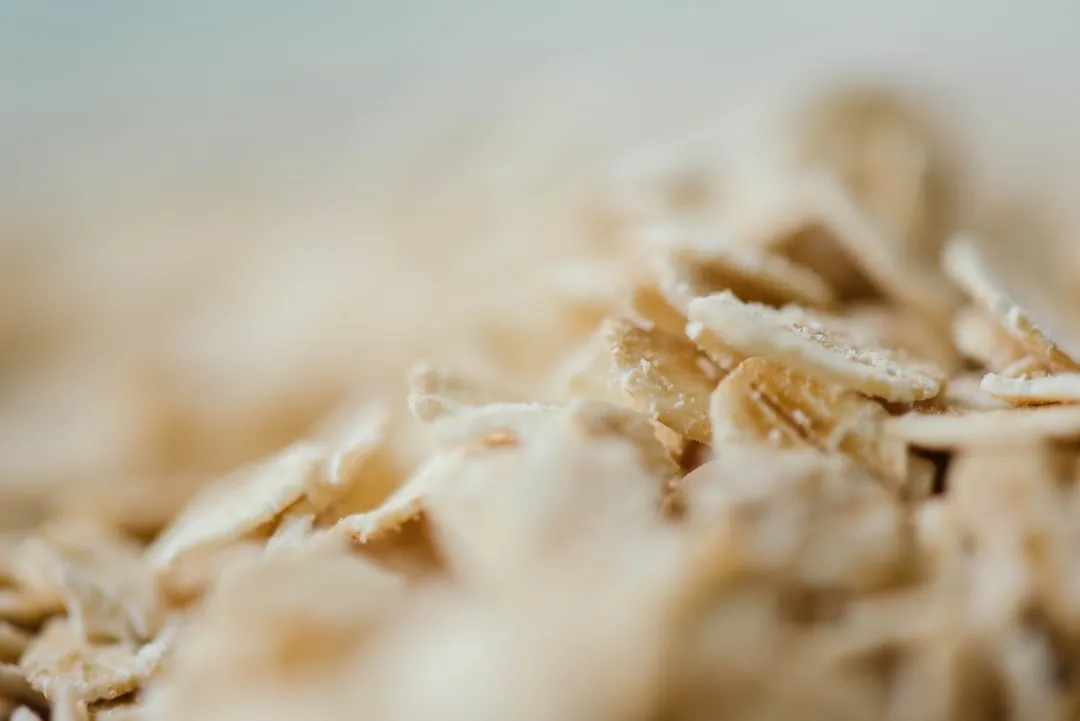
Oats are probably the most well-researched grain when it comes to blood sugar control, and the key compound behind their reputation is a soluble fiber called beta-glucan. Oat beta-glucans lower postprandial blood glucose by increasing gastrointestinal viscosity, delaying gastric emptying, and slowing glucose absorption. In other words, they physically slow the passage of sugars into the bloodstream.
A 2025 randomized dose-response study published in Food & Function confirmed that oat beta-glucans consumed at breakfast improve glucose tolerance both acutely and after a subsequent lunch, with the European Food Safety Authority recommending a minimum intake of 4 grams of oat beta-glucans per 30 grams of available carbohydrates for a significant reduction in glycemic response.
Steel-cut oats may be the best choice because they are digested more slowly and have the least impact on blood sugar. This matters because not all oats behave the same way. The more minimally processed they are, the more intact that beta-glucan fiber remains. If you’re eating oatmeal regularly but choosing instant varieties, you may be leaving much of their benefit on the table.
2. Legumes: Low-GI Powerhouses That Work Long-Term
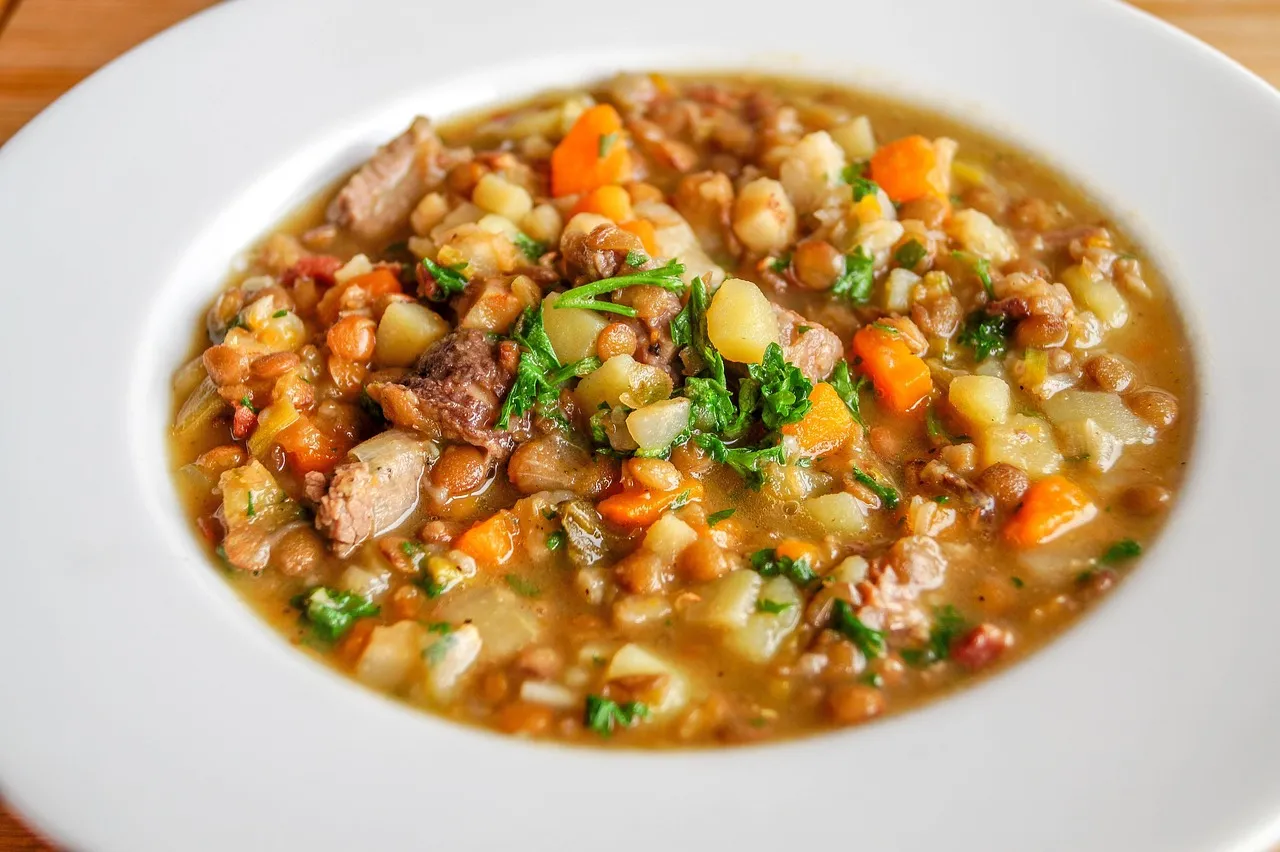
Legumes are rich in dietary fiber, plant proteins, micronutrients, and bioactive compounds, offering a sustainable and affordable addition to the diet. That combination of fiber and protein is precisely why beans, lentils, and chickpeas slow glucose absorption so effectively. They’re still a carbohydrate source, but they behave very differently from bread or white rice.
A meta-analysis of 11 trials reported that consuming up to half a cup of legumes per day for more than four weeks significantly reduces fasting blood glucose and insulin levels. A further meta-analysis of 19 randomized controlled trials found that when legumes were included in a lower GI diet, they lowered HbA1c significantly for up to 52 weeks in both diabetic and non-diabetic individuals.
Legumes are considered a low glycemic index food, effective at reducing the postprandial glucose and insulin response compared to other carbohydrate-containing foods, such as rice or potatoes. A recent 2025 meta-analysis specifically on chickpeas, published in the journal Nutrition & Dietetics, found that chickpea consumption significantly reduced postprandial glucose compared to carbohydrate-matched controls. Swapping even one meal a day to include a legume source can create measurable change over time.
3. Berries: Polyphenols That Improve Insulin Sensitivity
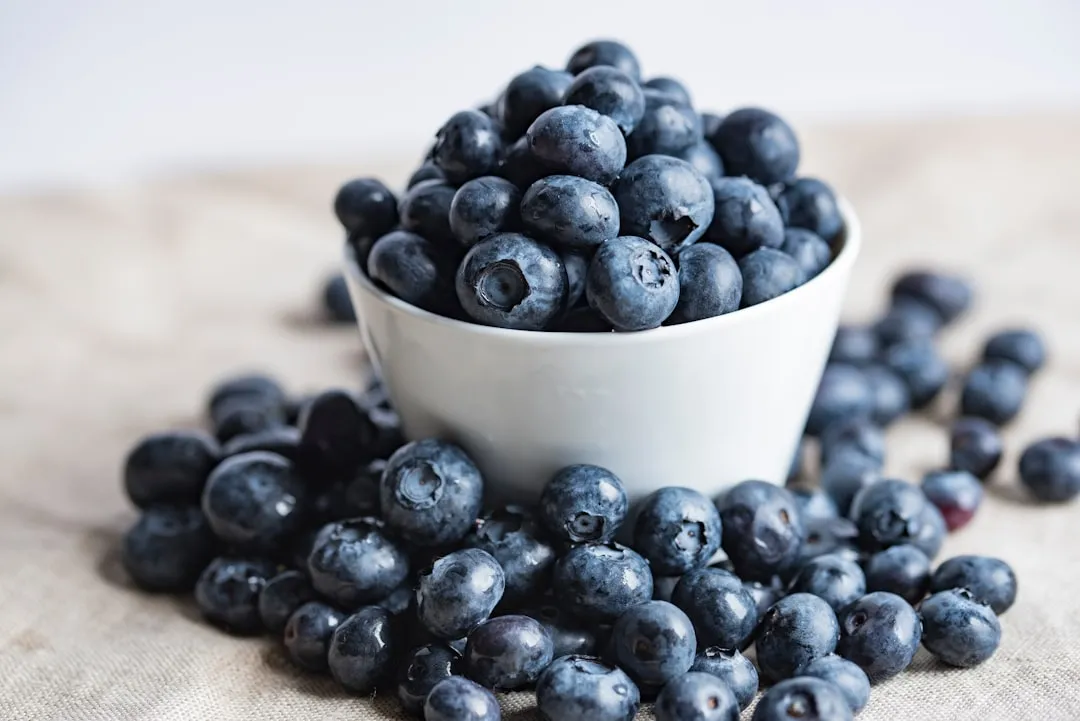
Studies have shown that strawberries, blueberries, and blackberries may benefit blood sugar management by enhancing insulin sensitivity and improving glucose clearance from the blood. What sets berries apart from other fruit is their anthocyanin content, a class of polyphenols that appears to influence how efficiently cells respond to insulin.
A randomized clinical trial found that a six-week dietary intervention with polyphenols from strawberries and cranberries improved insulin sensitivity in overweight and obese non-diabetic, insulin-resistant adults. That’s a meaningful result, particularly because the participants weren’t asked to change anything else about their diet.
Berries are an excellent choice due to their antioxidant properties and low glycemic index, which means they don’t cause a spike in blood sugar levels. This makes them one of the few sweet foods that actively support rather than undermine glucose control. Adding a handful to yogurt, oatmeal, or a salad is a low-effort, high-return habit.
4. Leafy Green Vegetables: Fiber, Magnesium, and More
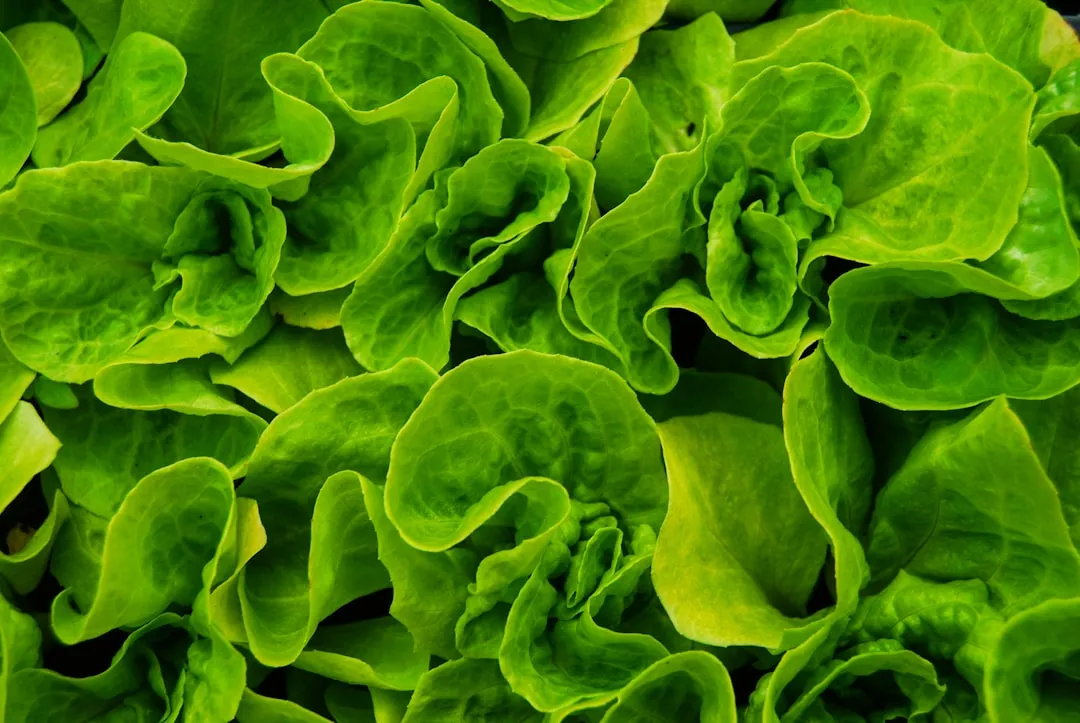
Leafy greens are high in fiber and nutrients such as magnesium and vitamin A, and these nutrients can help lower blood sugar. Magnesium in particular plays a role in insulin signaling, and many people with type 2 diabetes are deficient in it. Spinach, kale, and collard greens deliver it in meaningful amounts.
A 2024 study published in the Journal of Clinical Endocrinology & Metabolism found that intake of leafy green vegetables was linked to improved diabetes measures. The relationship held even when accounting for other dietary and lifestyle variables, suggesting leafy greens contribute something distinct to glucose regulation beyond just being low in calories.
Leafy greens such as romaine, kale, and spinach, along with non-starchy vegetables like peppers, tomatoes, and onions, are high in fiber, low in calories, and nutrient-rich. Eating them early in a meal means you feel full faster and are less likely to overeat carbs. Meal sequencing, specifically eating vegetables before starches, has become a practical recommendation gaining traction among dietitians for exactly this reason.
5. Nuts and Seeds: Slowing the Sugar Rush
Research has shown that eating nuts may be an effective way to help regulate blood sugar levels. The mechanism is fairly straightforward. All nuts are high in protein and healthy fats, and healthy fats slow the digestive system and the rush of sugar from the gut to the bloodstream. When eaten alongside a carbohydrate-containing meal, they act as a kind of natural buffer.
Incorporating nuts and seeds, especially chia and flaxseed, into your diet is a great way to help manage and support healthy blood sugar levels. They are packed with omega-3s, polyphenols, protein, and healthy fats. Seeds are an especially practical option for people with nut allergies, and they can be stirred into almost anything without changing the flavor of a meal.
Low-salt nuts of any kind, as well as nut butters processed without added sugar, are recommended options. Seeds such as chia, flax, pumpkin, sunflower, and sesame are another great choice, especially for people with nut allergies. The combination of fat, protein, and fiber in seeds makes them one of the most metabolically efficient snacks available. A small portion with a meal can visibly flatten post-meal glucose curves over time.
6. Apple Cider Vinegar: A Condiment With Clinical Backing

Apple cider vinegar sits in an unusual category. It is not a food in the traditional sense, but it functions as one in the context of meals, and the research behind it is specific enough to be worth taking seriously. The acetic acid in apple cider vinegar reduces certain enzymes in the stomach, and a study reported that apple cider vinegar can improve insulin sensitivity after meals.
A GRADE-assessed systematic review and dose-response meta-analysis published in Frontiers in Nutrition in January 2025 specifically examined ACV’s effects on glycemic control in type 2 diabetes patients. The databases were searched through November 2024, covering all controlled trials investigating apple cider vinegar’s effects on glycemic factors. The review noted that evidence provides some conflicting results, so it is worth approaching ACV as a supportive tool rather than a treatment.
Drinking around 4 teaspoons of apple cider vinegar in about one-third of a cup of water before eating may help reduce a post-meal spike in blood sugar. This is a small, practical intervention that fits easily into a meal routine. Drizzling it over a salad or stirring it into water before a carb-heavy meal are among the simplest ways to apply what the research suggests, without overhauling your diet.
Why Meal Composition Matters More Than Carb Elimination

Whole grains such as whole wheat bread, brown rice, oats, and quinoa are an excellent source of fiber. Fiber acts like an outer shell covering carbs, and that shell has to be broken down, so there is a slight delay in the flow of sugars into the bloodstream. This concept extends beyond grains to every food on this list. The common thread is slowing digestion, not avoiding it.
Proteins are important for blood sugar control because they help slow down digestion, which prevents post-meal blood sugar surges. They can also help eliminate overeating and promote healthier body composition, two important aspects for healthy blood sugar levels. When these foods are combined at meals, their individual effects can compound.
Aiming to eat equal-sized portions of protein and carbohydrates helps ensure you are getting enough protein to counteract the carbs. This kind of plate balance is both evidence-based and practical, and it does not require calorie counting or carb tracking. It requires only thinking about what you are eating alongside the carbohydrate, not instead of it.
The Role of Fiber Across All Six Foods
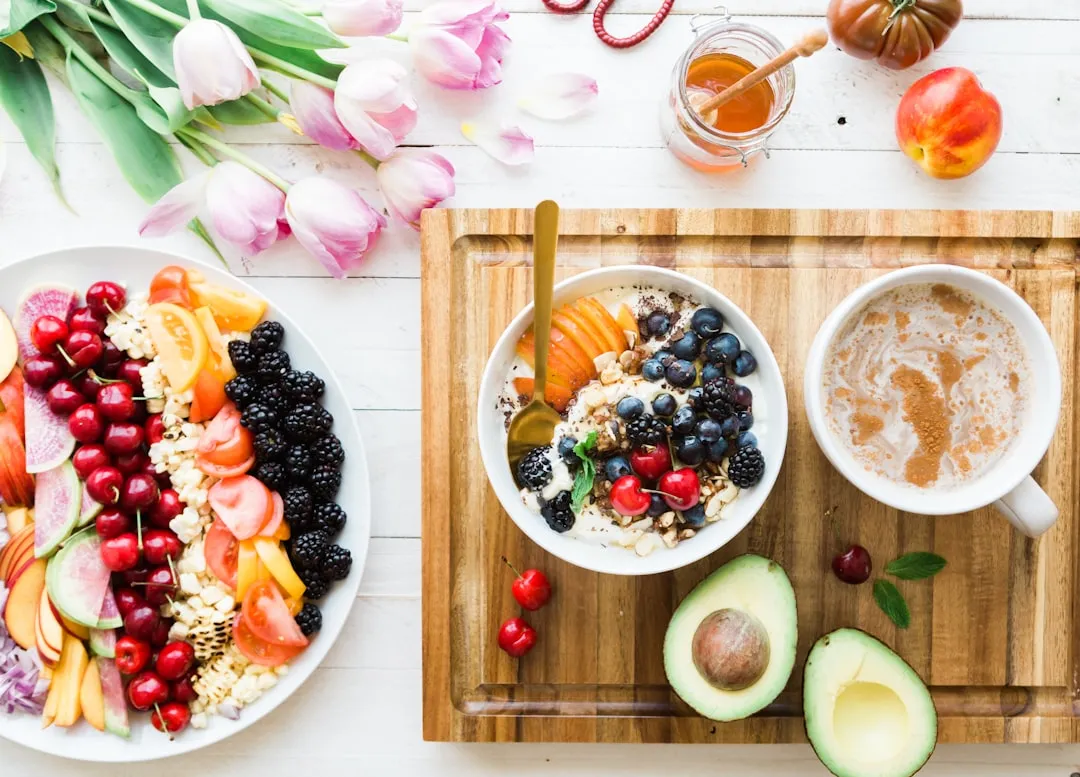
One thread connects almost everything on this list: dietary fiber. Foods rich in fiber, such as fruits, vegetables, whole grains, and legumes, help slow down the digestion process and absorption of sugar into the bloodstream. This is not a peripheral detail. It is the core mechanism behind most of what makes these foods effective.
Increasing dietary fiber intake is an important strategy to reduce the risk of postprandial hyperglycemia. Most adults in developed countries fall significantly short of recommended daily fiber targets, which makes the foods on this list doubly valuable. They fill a gap that most people already have, while simultaneously addressing blood sugar regulation.
Complex carbohydrates break down slowly, providing a sustained energy release that helps maintain stable blood glucose levels. The goal is not to fear carbohydrates, but to choose ones that carry fiber with them, and to build meals around the other five foods that slow the whole process down. That is a more sustainable and arguably more effective approach for most people than elimination alone.
How to Actually Use This Information
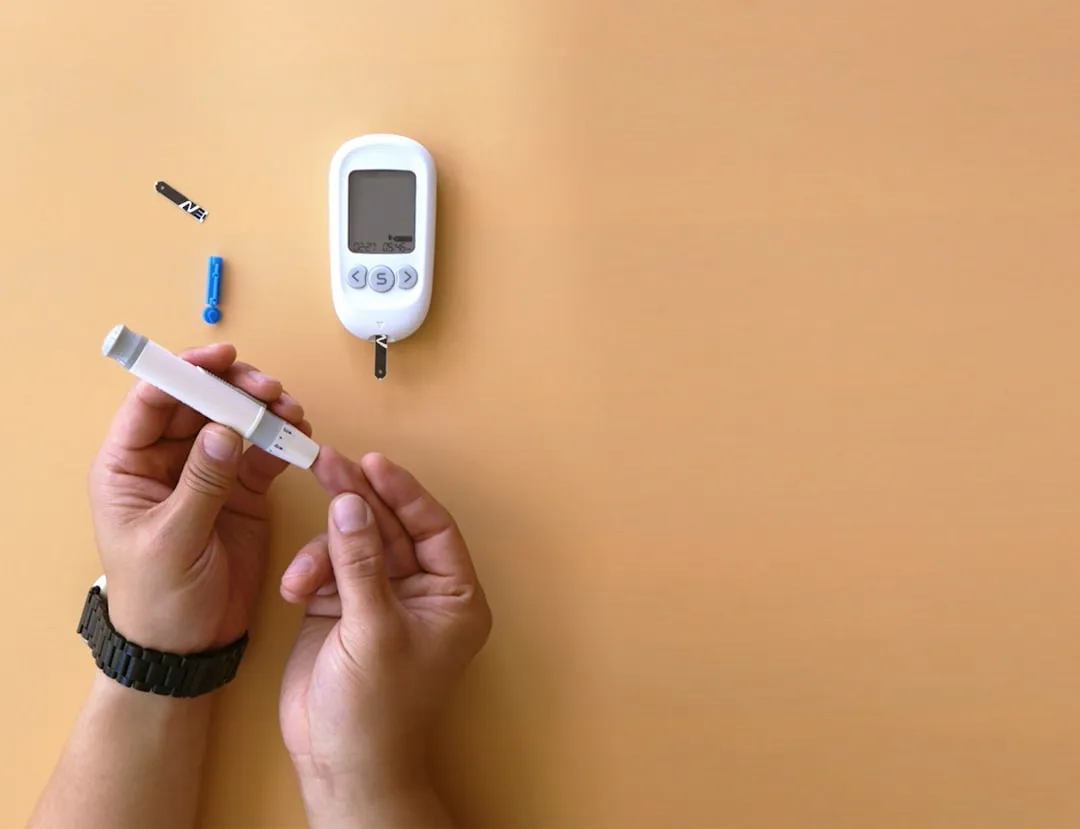
Understanding which foods help is only part of the equation. The practical question is how to actually build them into daily eating without it feeling like a project. Fortunately, none of the six foods on this list require specialty products or elaborate preparation. Oats for breakfast, a handful of berries stirred in, a legume added to lunch, leafy greens at dinner, and a small portion of nuts as a snack covers most of the list in a single day.
When looking to lower blood sugar, two of the most important types of foods to focus on are fiber and lean protein. This principle gives structure to what might otherwise feel like a long, overwhelming list of dietary guidance. If a meal has both fiber and protein, it is likely already working in your favor at the metabolic level.
Berries, avocados, citrus fruits, and apples can all be beneficial for blood sugar management due to their fiber, vitamin, and plant compound composition. Layering these alongside the six core foods creates variety without complication. The aim is a plate that naturally moderates its own sugar impact, meal by meal, day by day.
What the Science Still Doesn’t Know

It would be misleading to present any of these foods as a complete solution. Blood sugar regulation is genuinely complex, and individual responses to food vary significantly based on gut microbiome composition, genetics, activity levels, sleep quality, and baseline metabolic health. What works reliably at the population level in clinical trials may produce different results for a specific individual.
Further high-quality studies are still needed to confirm findings in this area, as much of the current evidence is of low to very low certainty in specific contexts. This is an honest caveat worth keeping in mind, particularly when the research involves newer areas like gut microbiota. The fundamentals, fiber, protein, and whole foods, are well established. The finer mechanistic details are still being worked out.
Although factors such as body weight, activity, stress, and genetics all play a role in regulating blood sugar, following a healthy diet remains critical for blood sugar management. These six foods are not a substitute for medical guidance in cases of diabetes or prediabetes. They are, however, grounded and practical additions to an overall approach that prioritizes metabolic health without requiring radical dietary restriction.
Final Thoughts

The idea that you have to eliminate carbs to control blood sugar is only one way of framing the problem. A more complete picture includes the foods that change how carbs behave once they enter the body. Oats, legumes, berries, leafy greens, nuts, and apple cider vinegar all have meaningful clinical evidence supporting their role in moderating glucose responses, and none of them require you to give up the foods you enjoy.
What the research consistently points toward is not a single superfood or a strict elimination protocol, but a way of building meals that naturally slow digestion, support insulin sensitivity, and reduce the overall glycemic impact of eating. These six foods, used consistently and in combination, represent that approach in practical, accessible form. The carbs can stay on the plate. It’s everything alongside them that makes the real difference.
AI Disclaimer: This article was created with the assistance of AI tools and reviewed by a human editor.