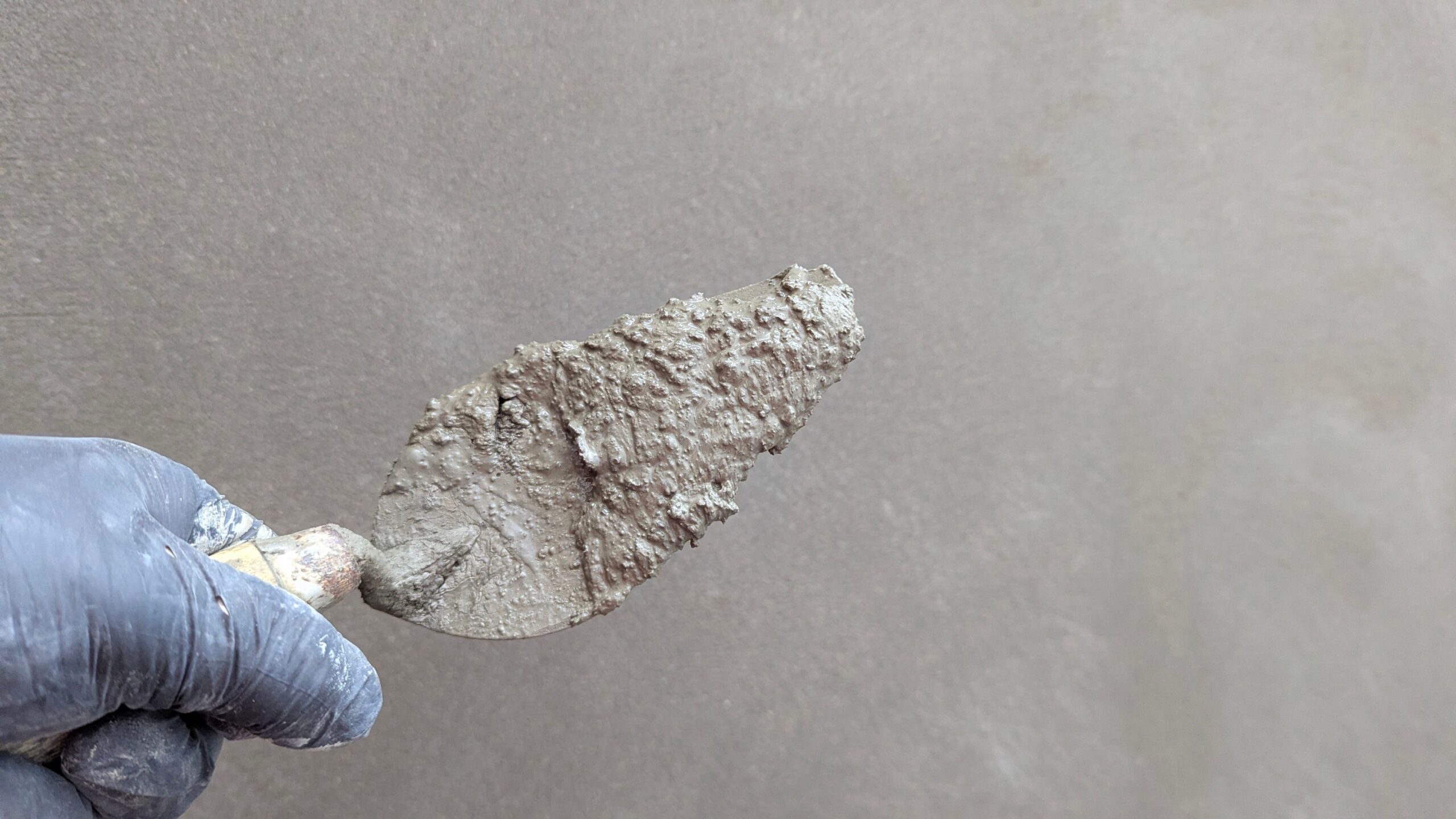

Most people look at a rusty old trowel and see a problem. Something to bin, or at best, something to scrub down and stick back in the corner. What they don’t see is that some of those forgotten tools are quietly generating real interest among collectors, with certain examples fetching prices that would genuinely surprise the average gardener.
It’s a niche that has grown steadily over the last decade. Collecting antique garden tools has become a quietly popular hobby, blending history with practical craftsmanship. The appeal isn’t hard to understand: these were objects made to last, built by hand in eras when longevity mattered more than price point.
Why Old Tools Are Becoming Collectible
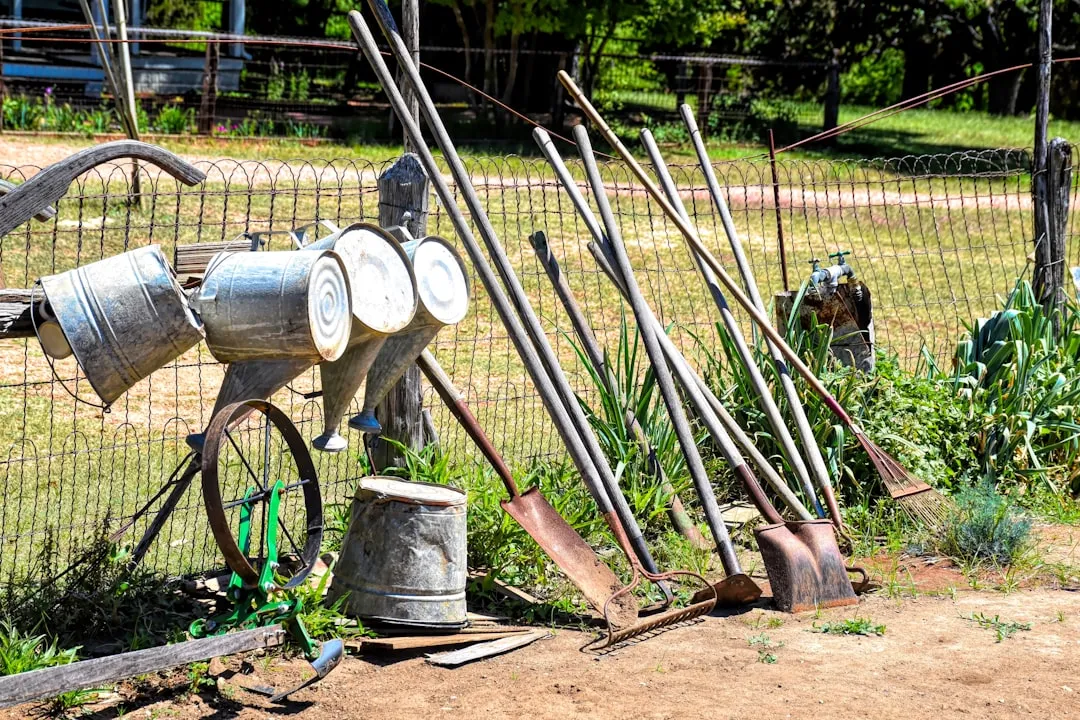
Old gardening tools are easy to overlook, especially when they’re mixed in with other worn-out items in a shed or garage. For collectors, though, some of these pieces stand out because they were well-made, practical, and built to last.
Many vintage garden tools were made with solid wood handles, sturdy metal parts, and simple details that are harder to find today. Over time, certain pieces have become collectible not just for their appearance, but also for their quality, usefulness, and age.
What makes the tools unique, and collectible, is the way function has dictated form, resulting in not only ingenious shapes, but artistic ones. That’s a combination that tends to hold value across generations.
The Trowel as a Category Worth Knowing
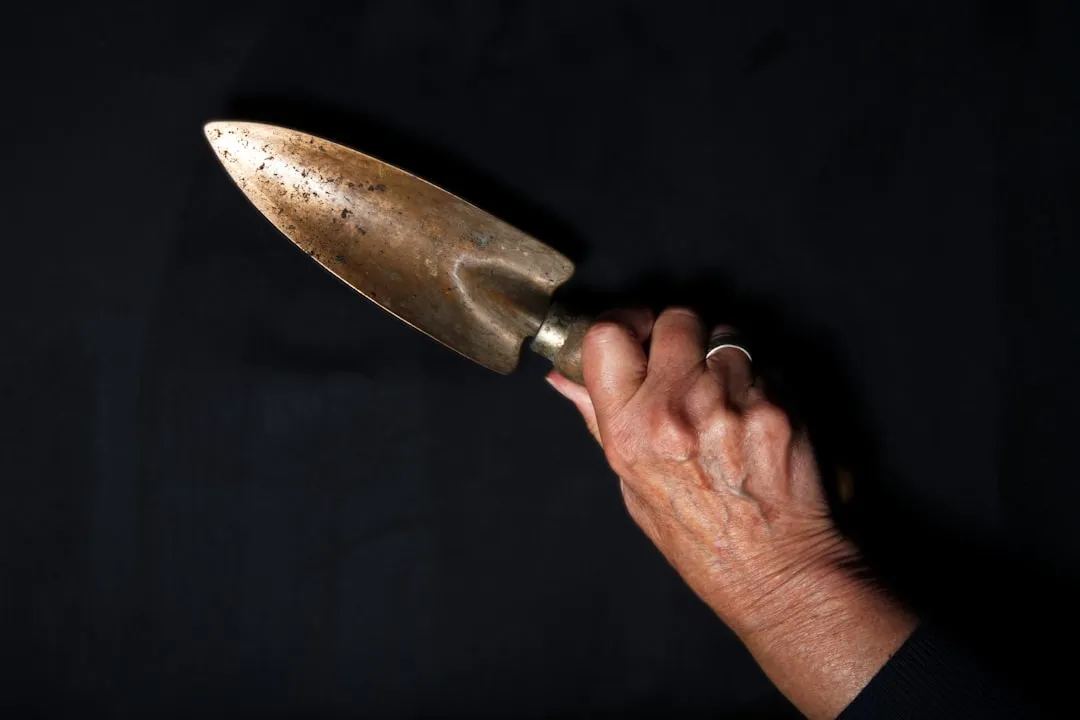
Vintage hand trowels are among the most common and collectible vintage gardening tools available. Pre-1950s trowels often feature brass or nickel-plated blades resistant to corrosion and staining.
Older tools from the late 1800s and early 1900s are the most desirable among serious collectors. A trowel from that era isn’t just a garden implement. It’s a small piece of manufacturing history, often representing a level of material quality that simply doesn’t exist in mass production today.
Vintage gardening tools offer a rare combination of superior craftsmanship, lasting durability, historical charm, and eco-friendly sustainability that modern tools cannot match.
What Rust Actually Tells You
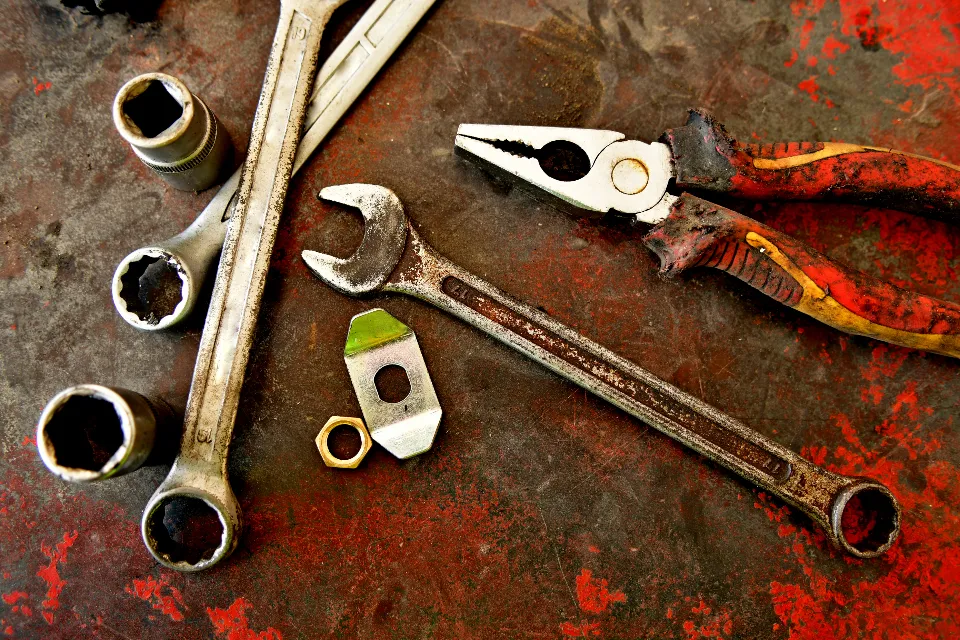
Surface rust tends to make people assume the worst. In the collector world, that assumption is often wrong. Even if a tool has some surface rust, it can still have value if the metal is solid and the original handle is still attached.
Always check blade condition first; look for deep pitting, cracks, or warping that cannot be corrected through basic restoration. Minor surface rust is acceptable and easily removed, but structural damage to blades is irreversible.
There’s a meaningful difference between a tool that looks rough and a tool that is structurally compromised. Learning to tell those apart is essentially the first skill in this hobby.
The Brands That Actually Matter
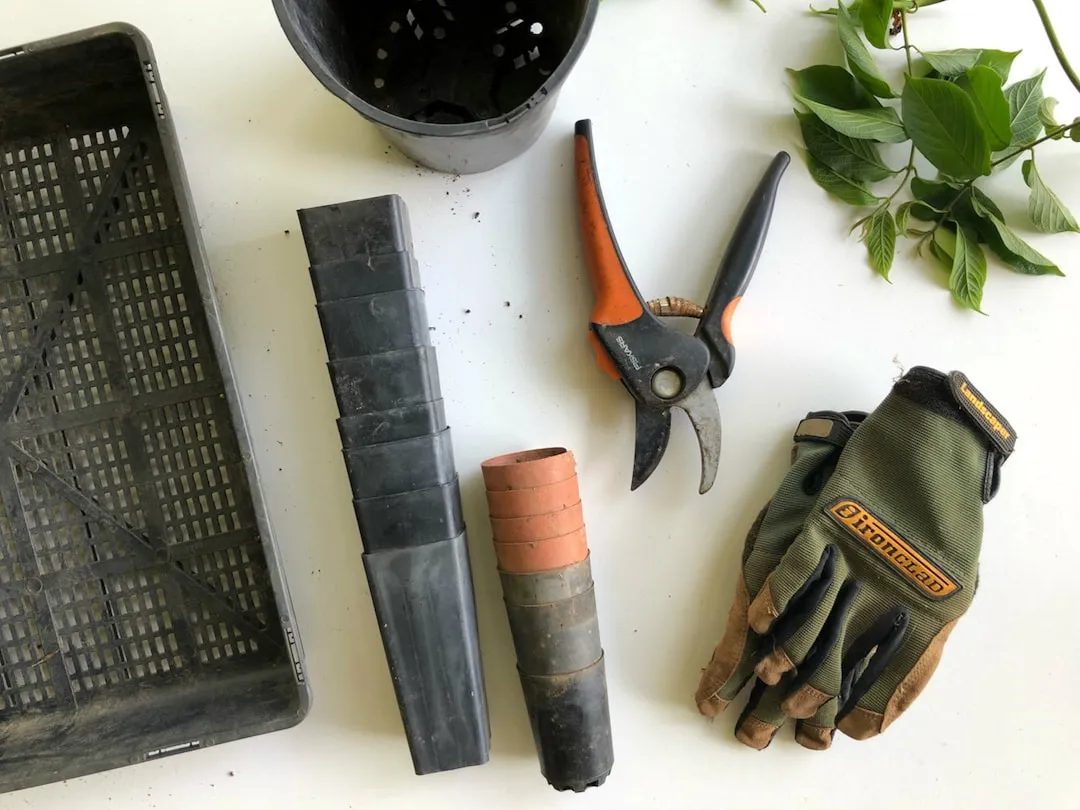
Spear and Jackson, Burgon and Ball, Union Fork and Hoe, early Fiskars, and pre-1970 German and American manufacturers are the most collectible brands available. Finding a name stamp from one of these makers changes the conversation entirely.
Spear and Jackson is a British manufacturer and supplier of gardening tools, hand tools, and precision instruments, headquartered in Sheffield. The company traces its origins to 1760, when Alexander Spear and John Love established a tool-making partnership in Sheffield.
Today Spear and Jackson operates in more than 100 countries and continues to be linked with Sheffield’s long tradition of tool-making. Vintage examples bearing the original Sheffield markings carry a heritage weight that modern production simply can’t replicate.
How to Read the Marks on an Old Tool
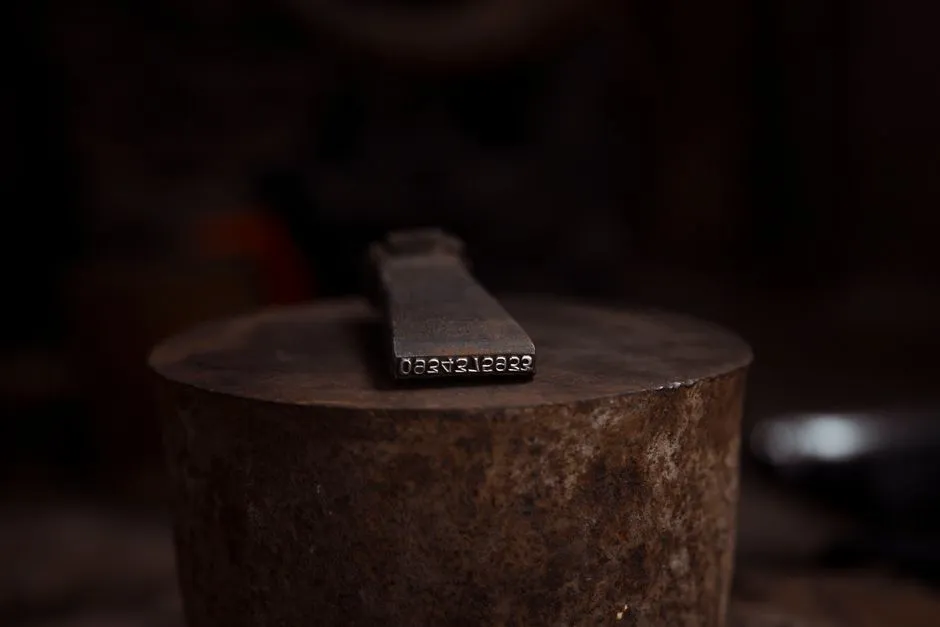
Turning a trowel over and checking the metal near the blade socket is always the right first move. If you find an old tool, it is always worth turning it over and checking for markings. A maker’s name, a patent number, or even a city of origin can all dramatically shift what something is worth.
In the 19th and early 20th centuries, garden tool catalogs listed hundreds of task-specific tools, including dibbers, mattocks, potato hoes, onion hoes, daisy grubbers, claws, weeders, forcers, and straighteners. Each of those categories had its own manufacturers, and each manufacturer had its own marks.
Hand-forged tools often have a solid feel, simple construction, and small details like hammer marks or old wooden handles that make them stand out from newer versions. Those physical details are themselves a form of evidence that can confirm age.
The Original Handle Question
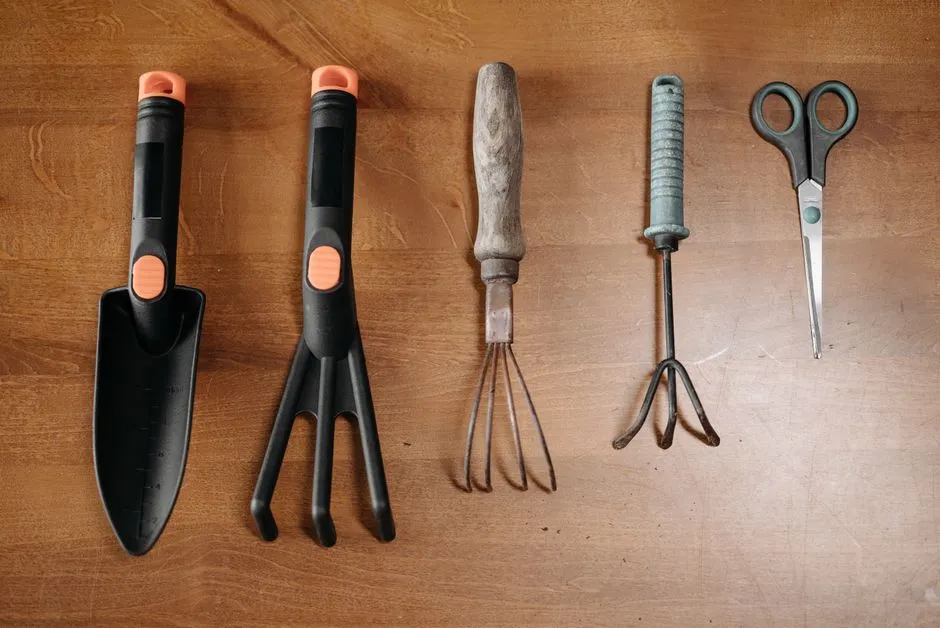
One detail collectors consistently return to is whether the handle is original. It sounds minor, but it isn’t. A tool with its original handle is typically worth more to collectors than one with a replacement handle, even if the replacement is high quality.
Inspect wooden handles for rot, cracks, woodworm holes, and loose ferrule connections at the blade junction. Check that the blade sits straight and firmly attached to the handle without wobbling.
A clean, intact original handle on a pre-1950 trowel is a genuine selling point. Many restorers replace handles with high-quality wood and do beautiful work, but the collector market tends to reward originality above restoration quality.
What You Can Actually Expect to Sell For
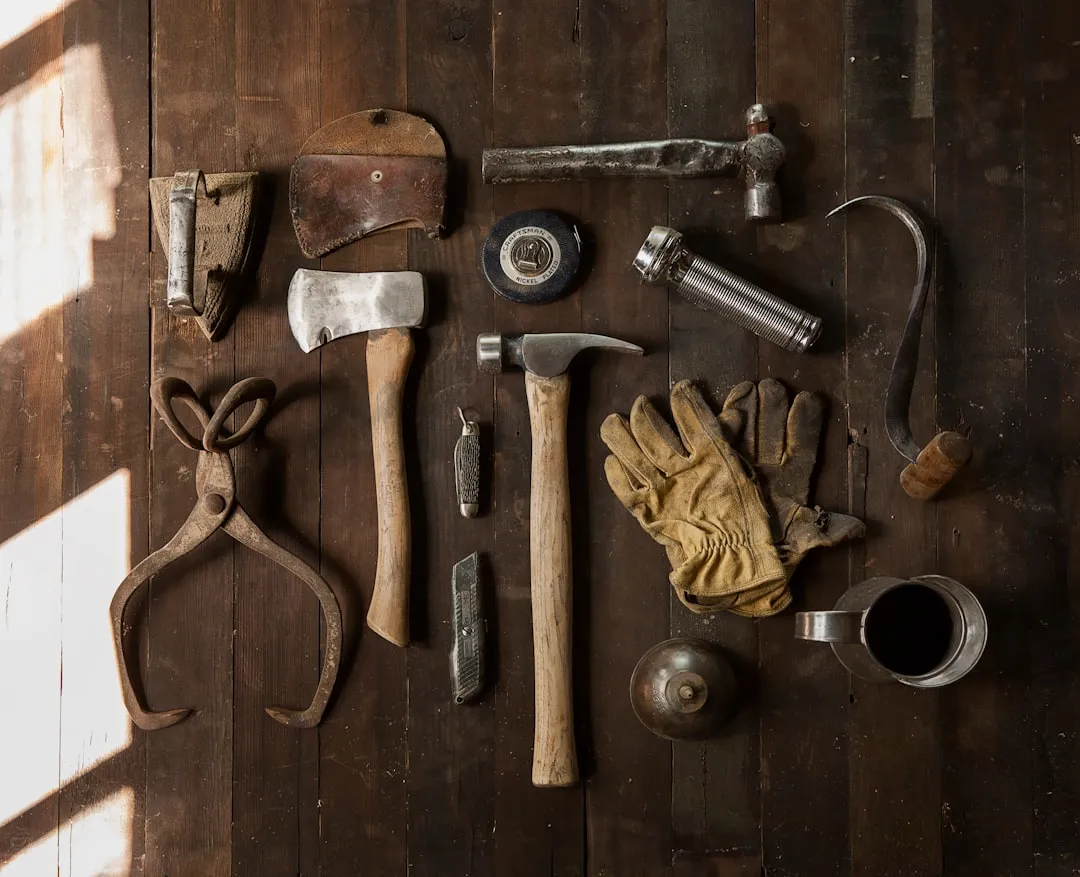
Pricing in this space covers a wide range, and being realistic matters. Prices range from fifteen dollars for basic trowels to over two hundred dollars for rare, mint-condition pre-1900 specialty tools from respected manufacturers.
The middle ground is where most transactions happen. On average, you’re more likely to find tools comfortably nestled in the ten to fifteen dollar range at online retailers like Etsy and eBay. It is very unlikely to find antique or vintage tools worth more than fifty dollars at market for most examples.
That said, the right brand combined with original features and good condition can move a piece well above those averages. Rare pre-1900 examples from documented makers are a different market altogether.
Where Collectors Are Shopping in 2026
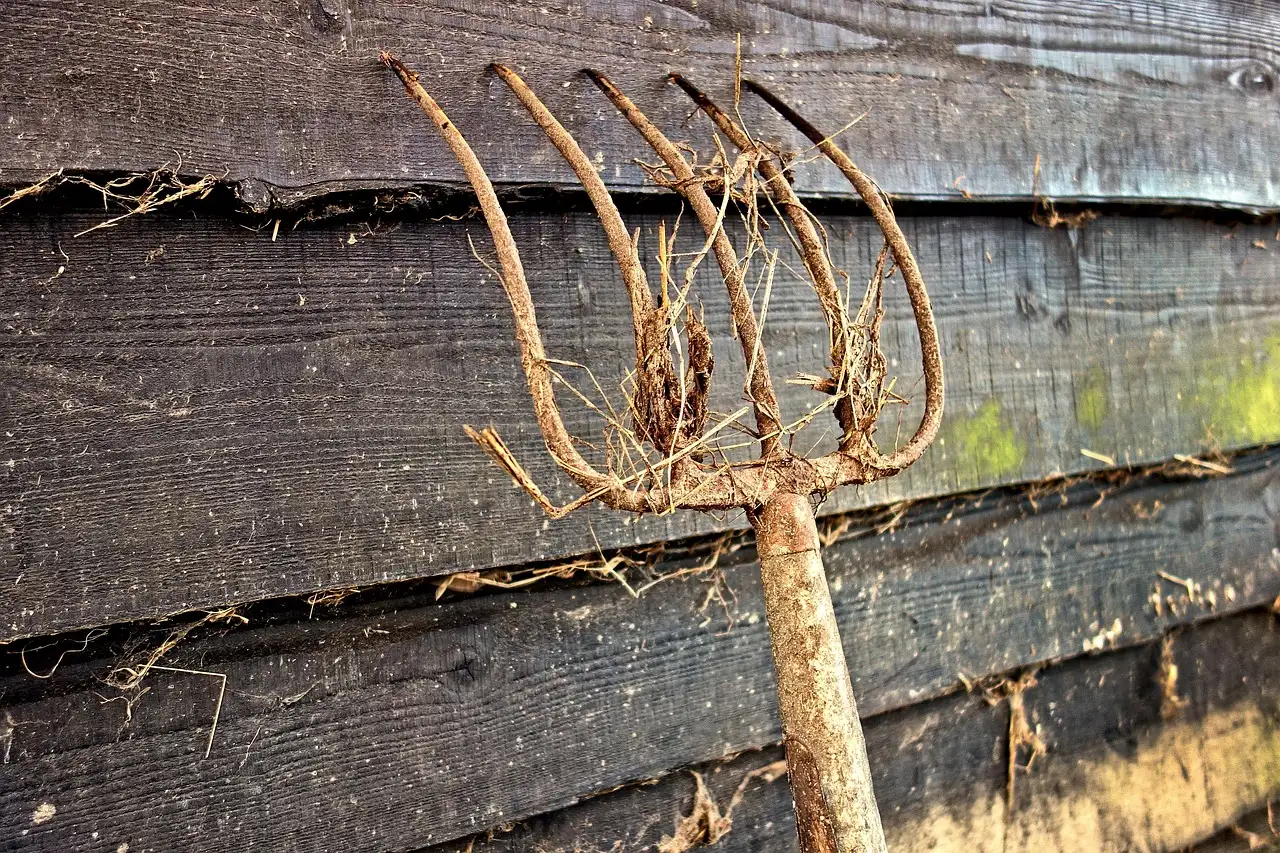
Estate sales, flea markets, Etsy, eBay, antique fairs, and local Facebook Marketplace listings are the best sources for vintage gardening tools. The online market has expanded this hobby considerably, connecting sellers in rural areas with buyers who know exactly what they’re looking at.
Collectors usually look for pieces like hand trowels, dibbers, border forks, and small cultivators that are still in decent shape. These categories show up consistently across platforms, and the competition for quality examples has increased noticeably over the past few years.
If you’re selling rather than buying, photographing the blade socket, any visible stamps, the handle connection, and the overall profile of the tool will give serious buyers what they need to assess it quickly.
How to Clean Without Destroying Value
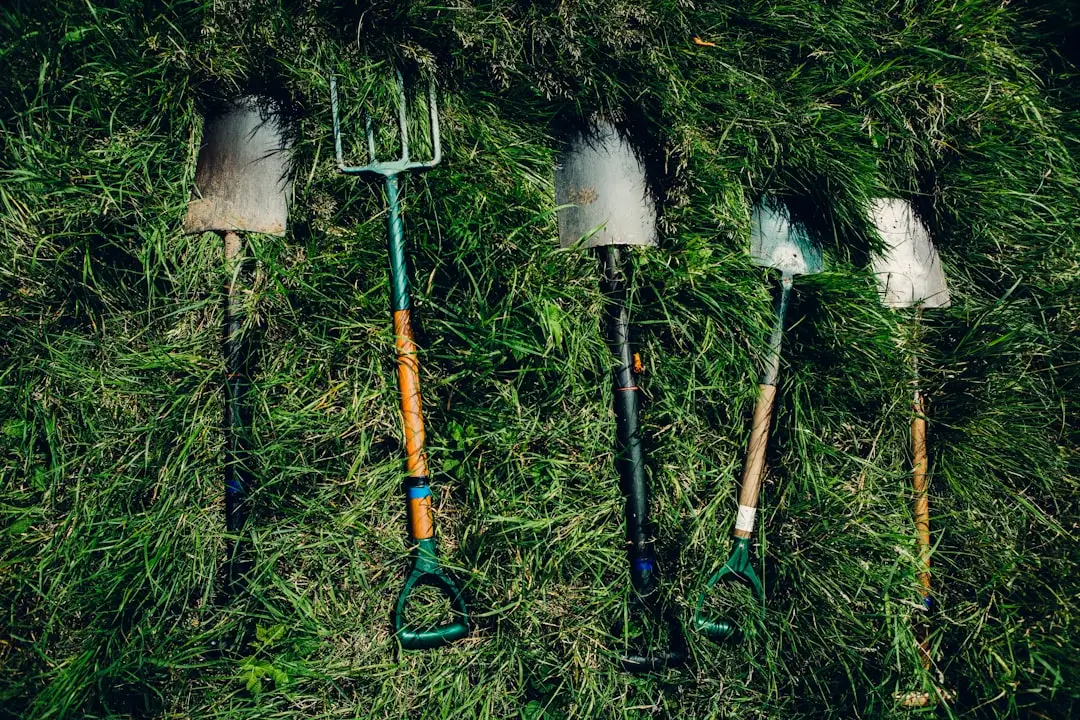
The instinct to aggressively clean or repaint an old tool before selling it is understandable, but it’s often a mistake. Over-restoration can remove the very surface evidence that collectors use to verify age and authenticity.
Soak rusted metal in white vinegar overnight, then scrub with a wire brush and apply linseed oil to prevent future corrosion and moisture damage. This approach removes active rust without stripping the patina that gives an old tool its character.
Most vintage gardening tools work excellently in modern gardens after basic cleaning, rust removal, handle oiling, and blade sharpening restoration steps. For tools intended for use rather than display, a more thorough restoration makes sense, but know which category your trowel belongs to before you start.
Storing and Displaying a Vintage Tool Collection

A dry, well-ventilated garden shed or tool room provides the ideal storage environment for maintaining the condition and longevity of any vintage gardening tool collection. Humidity is the primary enemy once active rust has been dealt with.
Vintage gardening tools are manually operated garden implements manufactured before the 1980s using superior hand-forged steel and hardwood construction. Many vintage tools use higher quality carbon steel and solid wood handles, offering superior durability, sharpness, and balance than modern alternatives.
Wall-mounted displays using original tool hooks are popular among collectors because they keep handles off the ground, allow airflow, and let the tools speak for themselves visually. A well-curated wall of old garden tools is, in its own way, a kind of material history exhibit.
The Takeaway
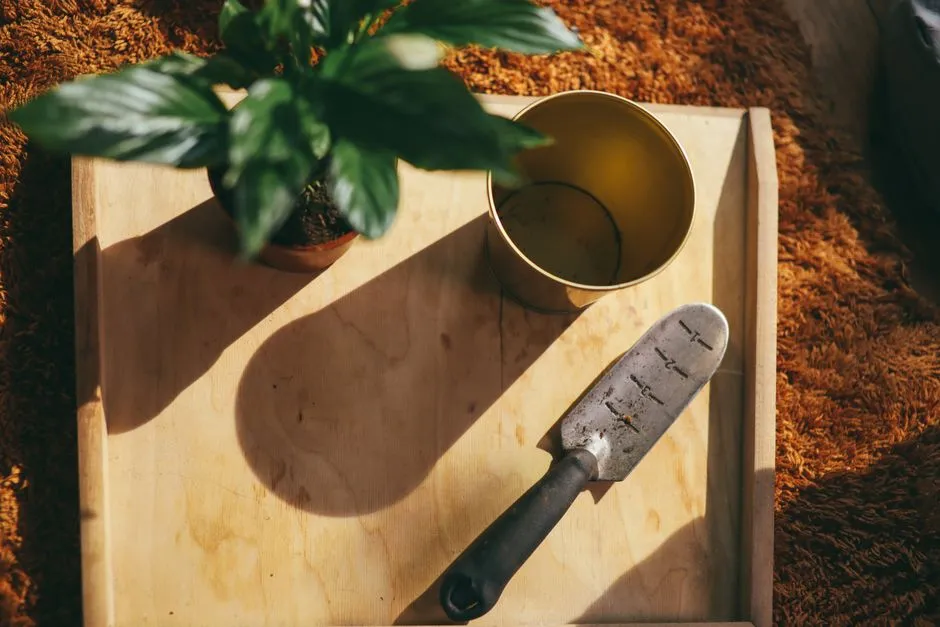
The rusty trowel leaning against your shed wall probably isn’t worth a fortune. Most aren’t. The honest reality of this collecting category is that common examples sell modestly, while genuinely rare, branded, original-condition pieces can genuinely surprise you.
The skill is in knowing the difference, and that starts with something as simple as turning the tool over and looking at what’s stamped into the metal near the blade. Many genuine antiques are unmarked, and this doesn’t mean they’re not valuable or authentic. Use style, construction, materials, and provenance to identify and value unmarked pieces.
What makes this particular corner of the antiques world appealing is that the barrier to entry is low. You don’t need expertise in silverware or porcelain. You need a keen eye, a magnifying glass, and a willingness to take a closer look at the things everyone else walks past.
AI Disclaimer: This article was created with the assistance of AI tools and reviewed by a human editor.