
Plenty of garden upgrades look great in a showroom or on a renovation inspiration board. The reality once they’re installed in your own backyard can be a very different story. There are expensive garden design choices and so-called “upgrades” that turn out to be landscaping mistakes, wasting an awful lot of cash.
The tricky part is that most of these projects feel completely justified at the time of purchase. They’re trendy, they promise to transform your outdoor space, and they come with confident contractor quotes. Before you commit several thousand dollars to a garden feature you might regret, it’s worth asking a harder question: does this actually deliver value?
1. Inground Swimming Pools

Few garden additions carry as much emotional appeal as a private pool. The promise of summer gatherings and year-round relaxation is hard to argue with. The financial reality, though, is considerably less glamorous.
According to the National Association of Realtors’ Remodeling Impact Report, the average inground pool installation costs around $90,000 and recovers roughly 56% of that cost at resale. That’s a meaningful gap between what you spend and what you get back.
While a pool can increase a home’s price, the increase is usually not enough to cover the cost of building and maintaining it. Inground pools tend to perform better than above-ground pools, but they still underperform many other home upgrades in terms of resale value.
Maintenance is expensive, usually in the $3,000 to $6,000 range per year. Insurance costs and safety fears deter buyers in many markets. In colder climates, the picture gets worse. Pools can actually drop a property’s value by around 7% in cold areas, according to the National Association of Realtors.
2. Elaborate Outdoor Kitchens in the Wrong Climate

Outdoor kitchens are genuinely popular right now. According to a 2024 Houzz study, over 60% of homeowners remodeling their kitchens also consider outdoor cooking areas. The enthusiasm is real, but so is the spending.
Outdoor kitchens aren’t cheap. Depending on the size, materials, and appliances you choose, an outdoor kitchen can cost anywhere from $10,000 to well over $50,000. The return depends heavily on where you live.
If you’re in a place like Florida or California, where outdoor cooking is possible year-round, buyers place a premium on outdoor kitchens. In colder northern climates, the same feature sits unused for five or six months of the year and impresses far fewer buyers. Outdoor kitchens may seem like a fun upgrade, but they often don’t provide a good return on investment, and not all buyers are willing to pay extra for cooking outdoors.
3. Artificial Grass as a Budget Solution
Artificial turf is often pitched as the low-maintenance, cost-saving answer to a struggling lawn. The initial appeal is obvious. The upfront price, however, is anything but modest.
On average, you pay around $6,365 to install artificial turf compared to about $653 to install real sod on a 500-square-foot yard. That’s a significant difference before you’ve even considered the variables of quality and installation complexity.
In regions where natural grass is the norm, some buyers prefer real grass and may discount the value of artificial turf. There are also practical downsides that don’t show up in the brochure. Turf can get hot in extreme heat, although infill helps keep the material cooler, and cheaper brands may not look very natural.
Artificial grass is low maintenance, not zero maintenance. Your required mowings will go from around 40 per year to zero, but it will still need to be cleared of leaves and debris if you have trees nearby. For someone buying turf specifically to escape yard work, that’s a nuance worth knowing upfront.
4. Large Decorative Water Features and Fountains
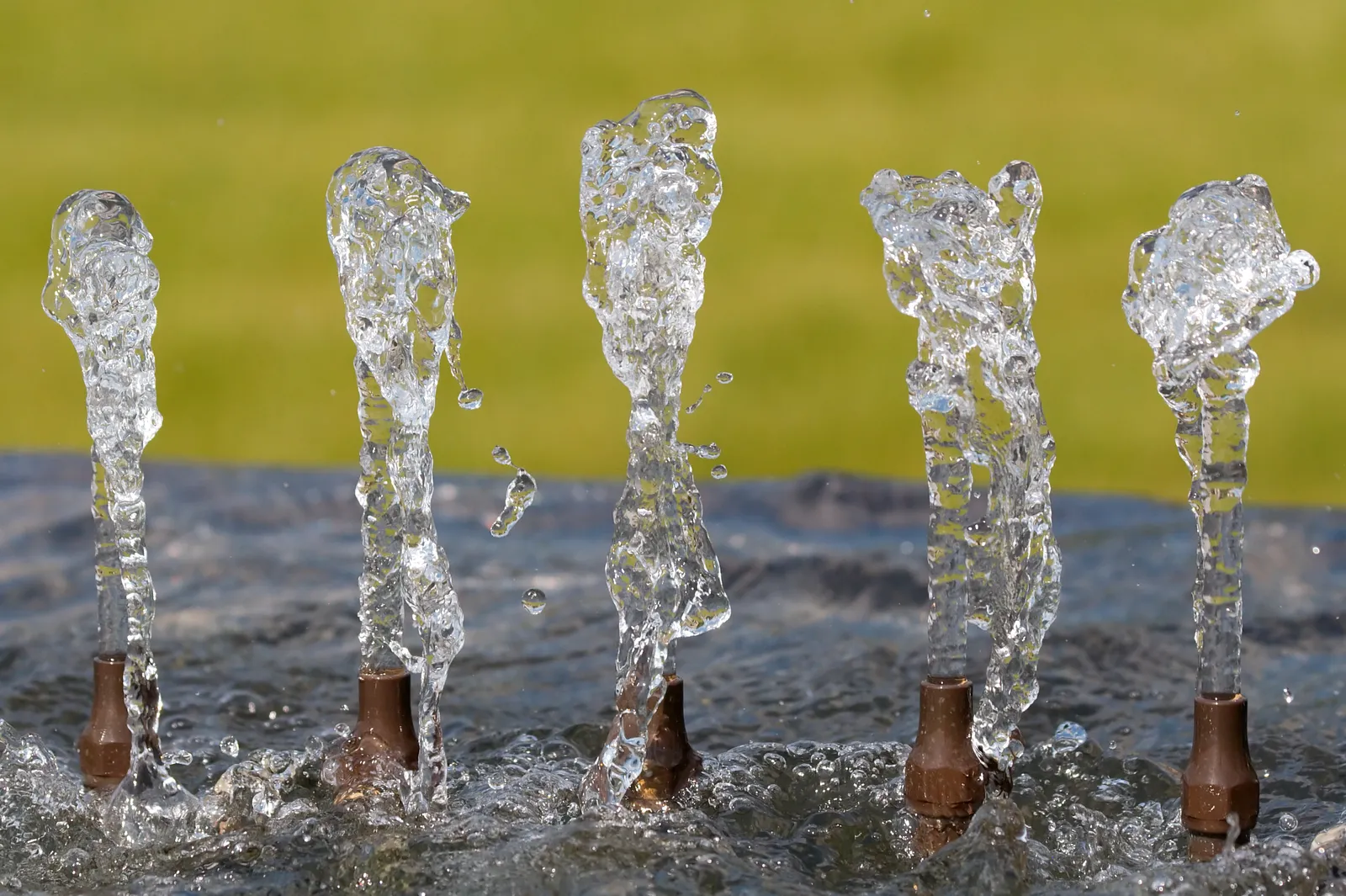
A garden fountain or ornamental pond sounds peaceful, and in the right setting, it genuinely can be. The ongoing costs of owning one, though, tend to catch people off guard.
Most homeowners spend an average of $2,847 on water fountain installation, with costs ranging from $150 to $12,000. Larger and more architectural installations push well beyond that. According to Angi’s cost data, most homeowners spend between $3,700 and $14,500 on pond fountain installations, with an average of $7,400 once the fountain, electrical work, and professional labor are included.
Once it’s in, the bills keep coming. Annual maintenance costs range from $100 to $500 when performed by the homeowner, covering cleaning supplies and water treatments, while hiring a professional service costs $200 to $800 per year.
Routine tasks include removing debris, controlling algae growth, and treating the water to prevent scale or buildup. Seasonal chores such as winterizing and restarting in spring are crucial in colder climates. What starts as a charming garden focal point can easily become one of the more demanding maintenance commitments in your entire yard.
5. Oversized Timber Decking
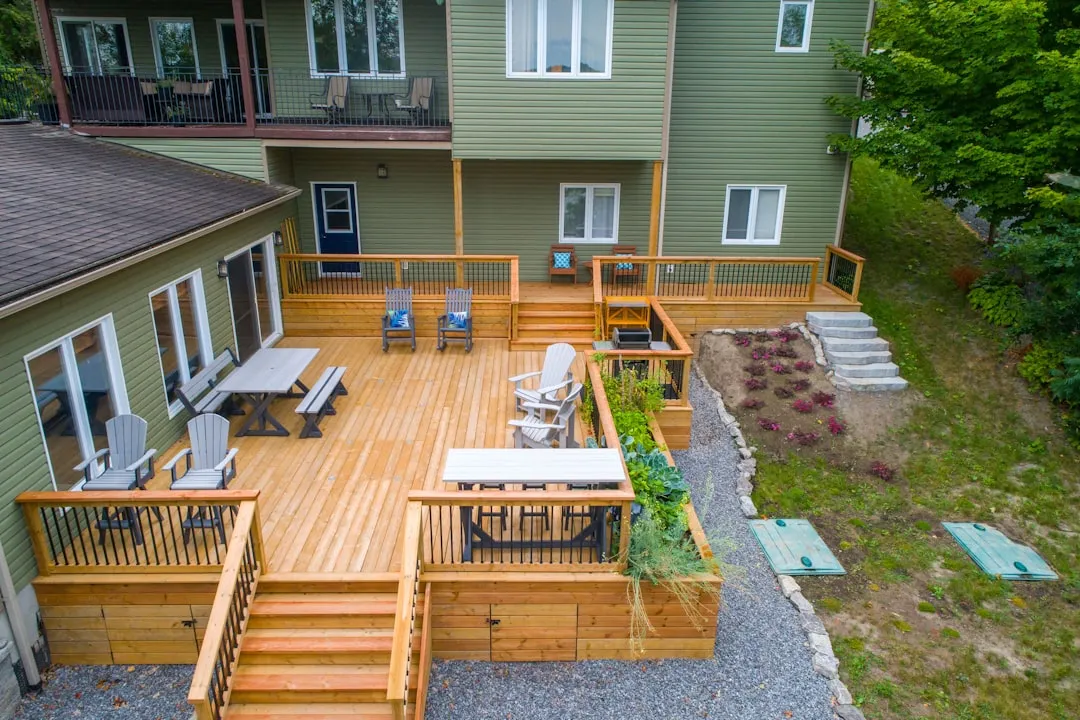
Decking has been a popular garden addition for decades, and a well-designed deck absolutely adds usable space and visual appeal. The problem arises when decking is installed at excessive scale, taking over the garden rather than complementing it.
When entering a garden covered in large areas of decking, designers often note what an expensive waste of space it can create. Timber decking requires ongoing treatment, especially in climates with wet winters, and the cost of upkeep is rarely factored into the original budget.
Elaborate landscaping and bold cosmetics are losing their reselling power in 2026, and such overhauls can very well outweigh the added property value. A deck that covers the entire lawn leaves no room for planting beds, lawn games, or natural green space, all of which are things that buyers consistently value. Bigger is not always better when it comes to hard landscaping.
6. Luxury Garden Landscaping Overhauls
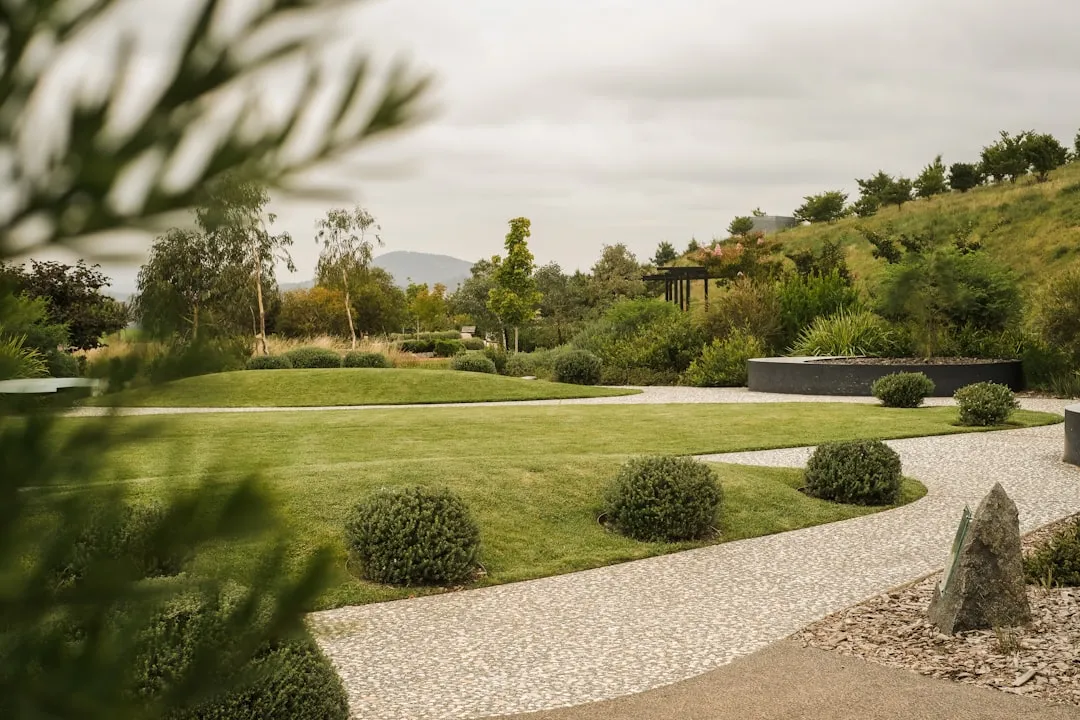
A full luxury garden renovation feels like the ultimate outdoor investment. The reality, from a financial perspective, is that it tends to impress the current owners far more than future buyers.
Estimated costs for luxury garden renovations range from $15,000 to $50,000, and garden materials are more expensive for luxury landscaping. It may not appeal to buyers who want an easy-to-maintain lawn or no plants at all.
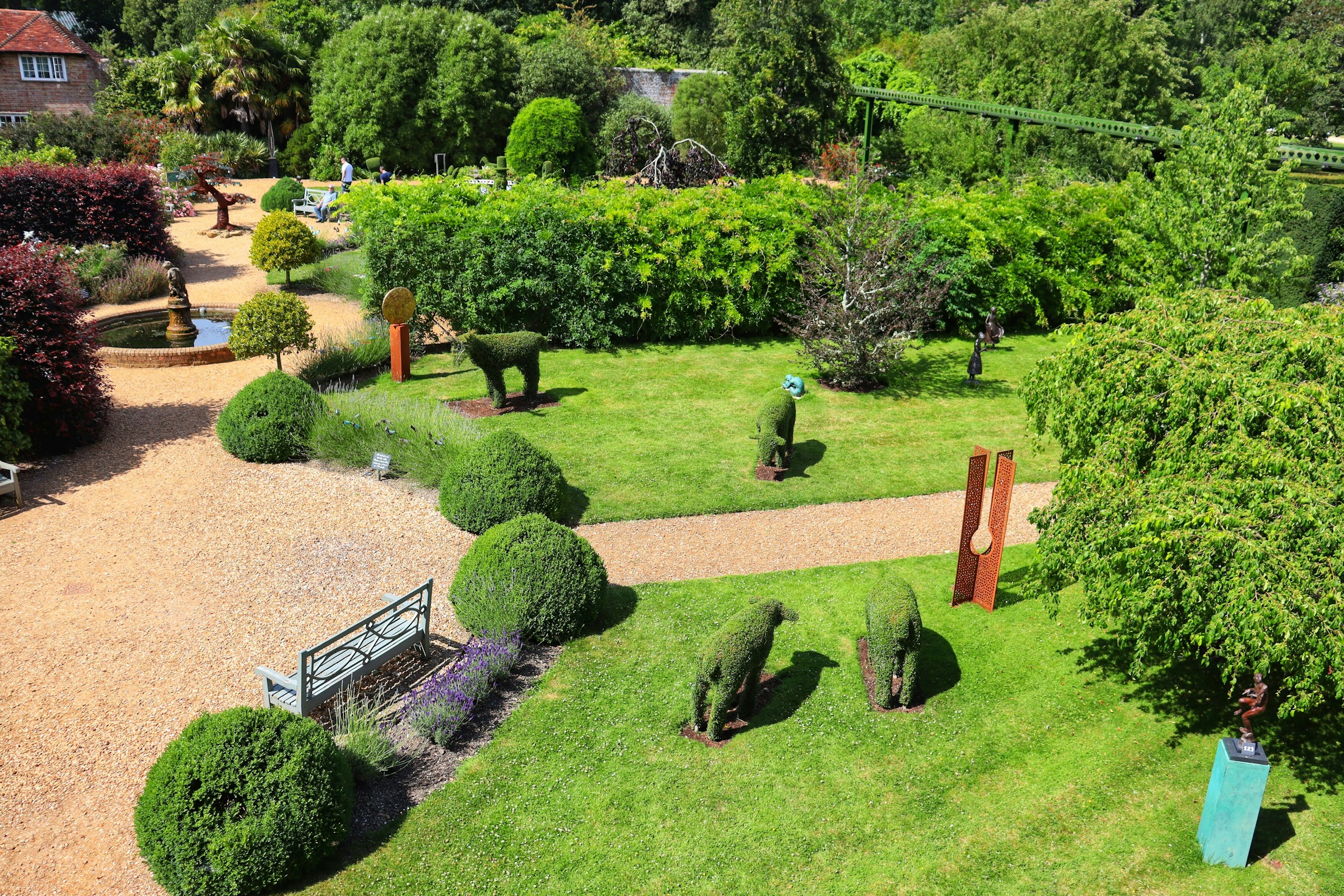
A luxury garden is something money can’t avoid buying, but it’s not appealing to someone who either doesn’t like gardening or doesn’t want the bother of paying for gardeners to maintain it. Highly curated planting schemes, bespoke topiary, and designer hard landscaping tend to read as high-maintenance obligations to many potential buyers.
Beautiful gardens can boost curb appeal, but high-maintenance landscapes can be off-putting to potential buyers who don’t want the ongoing upkeep. Keeping landscaping simple and manageable is a smarter long-term approach. The nuance here is not that gardens don’t matter. It’s that personalised luxury gardens often reflect the owner’s taste more than they reflect broadly appealing value.
The Takeaway
None of these features are inherently bad. A pool in the right climate, a modest deck, or a well-placed water feature can all add genuine enjoyment to a home. The problem is the gap between what they cost and what they return, financially and practically.
Throwing money at a garden does not make a masterpiece. It is about skill, patience, care, and process. That’s a reminder worth holding onto before signing any contractor estimate.
The smartest garden investments tend to be the quieter ones: good soil, healthy planting, considered structure, and features that future owners can actually use. Restraint in the garden, perhaps more than anywhere else in the home, is often the most valuable upgrade of all.
AI Disclaimer: This article was created with the assistance of AI tools and reviewed by a human editor.