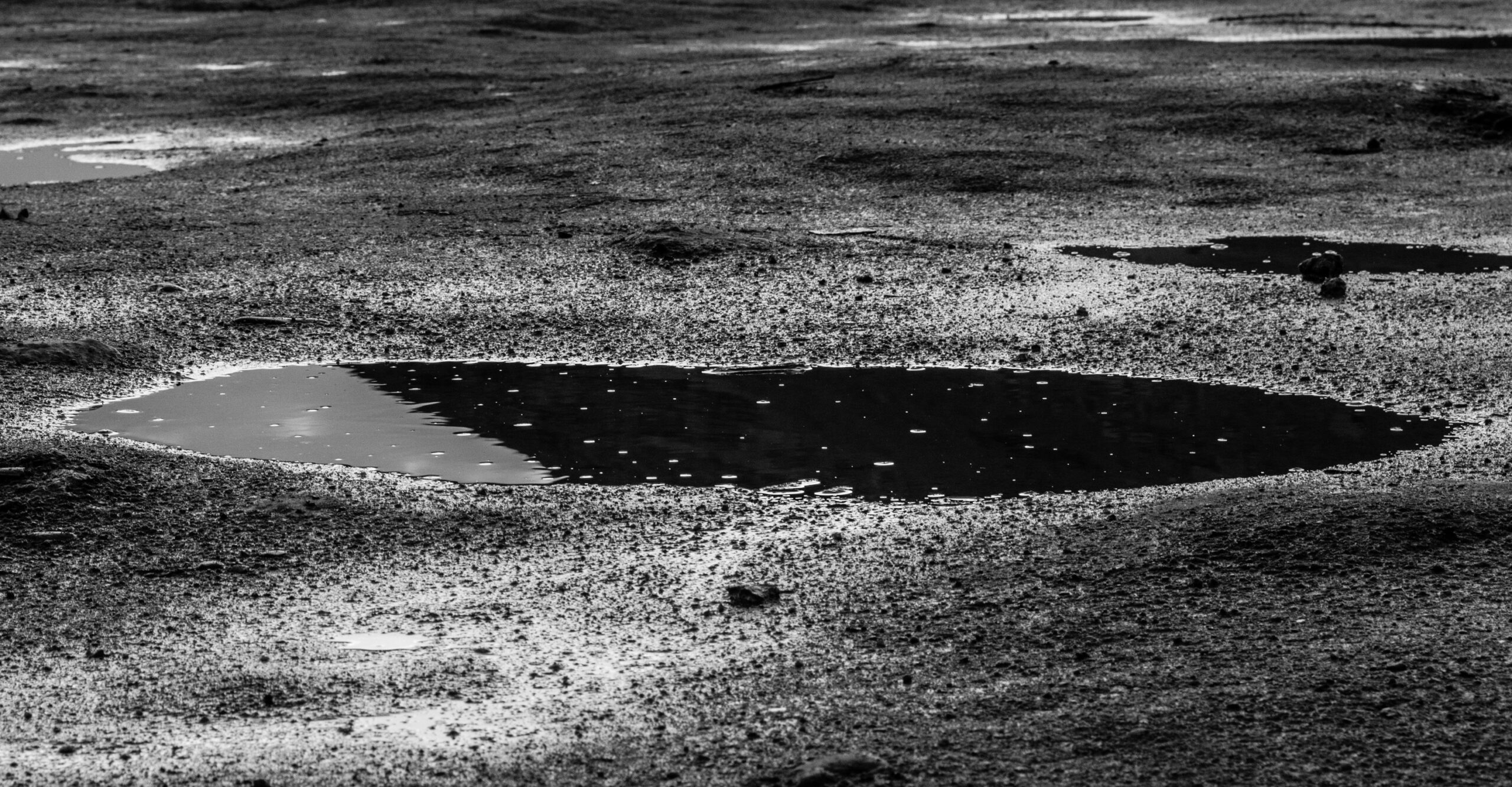

Most gardeners notice the puddles first. Rain falls, water collects in shallow discs across the lawn, and a day later it’s still sitting there. It looks like a minor inconvenience, maybe just bad luck from a heavier-than-usual storm. In reality, that persistent standing water is one of the most reliable indicators that something more serious has gone wrong beneath the surface.
Puddling is not just an aesthetic nuisance. It’s a symptom, a habit the soil develops when its internal structure has degraded to the point that water simply has nowhere to go. Understanding why it happens, and what it tells you, can save your plants, your lawn, and a lot of guesswork.
What Puddling Actually Looks Like
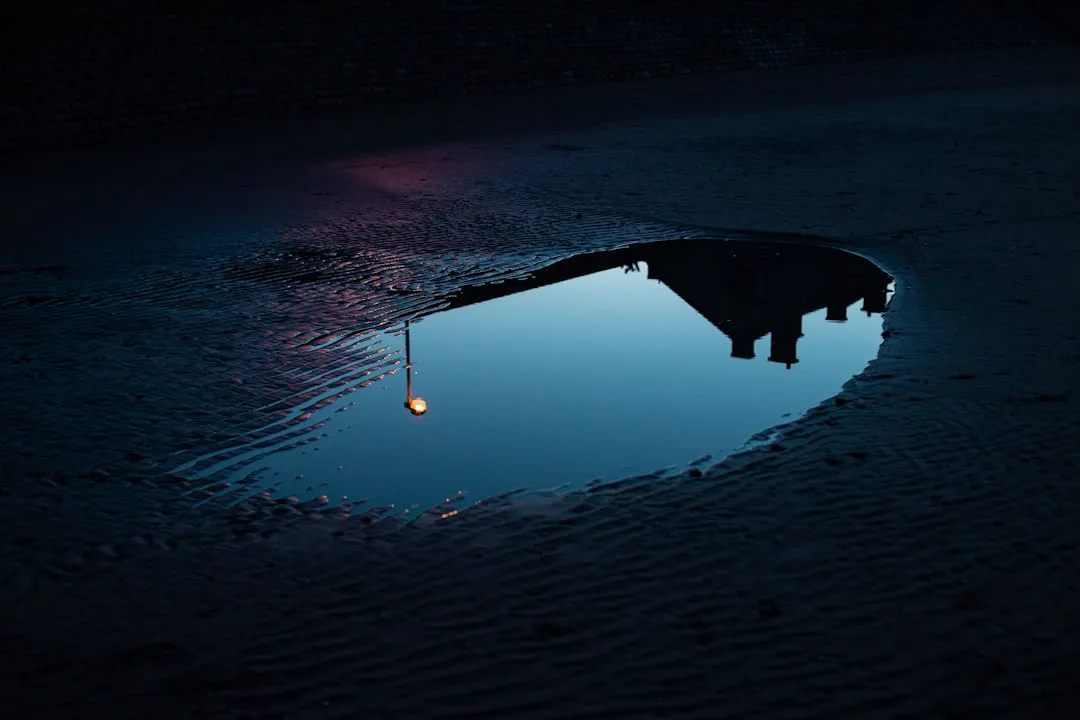
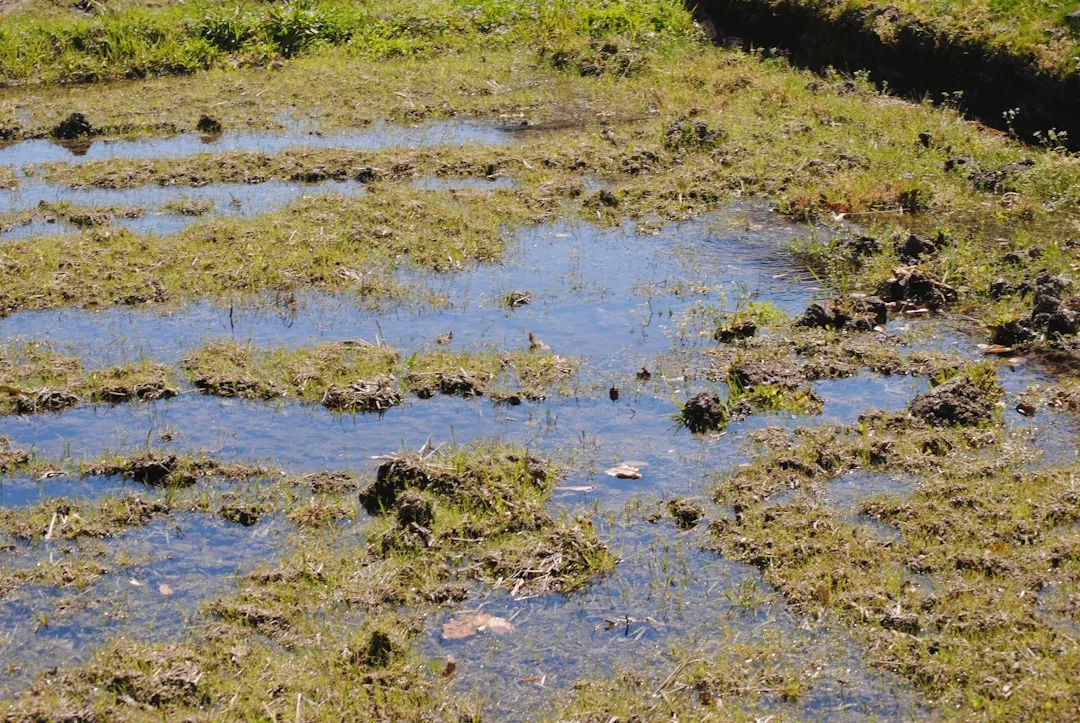
The most obvious sign of yard drainage problems is water pooling long after a rainstorm or after your irrigation system runs. The key word here is “long after.” A brief puddle that clears up within a few hours is often just surface runoff finding its level.
While minor puddles are common after heavy rain, they should evaporate or drain within a day or two. If they linger or appear after light rain, it may indicate that your soil isn’t draining effectively. That shift from occasional pooling to routine, predictable puddling after even modest rainfall is the habit worth paying attention to.
The Soil Structure Behind the Problem
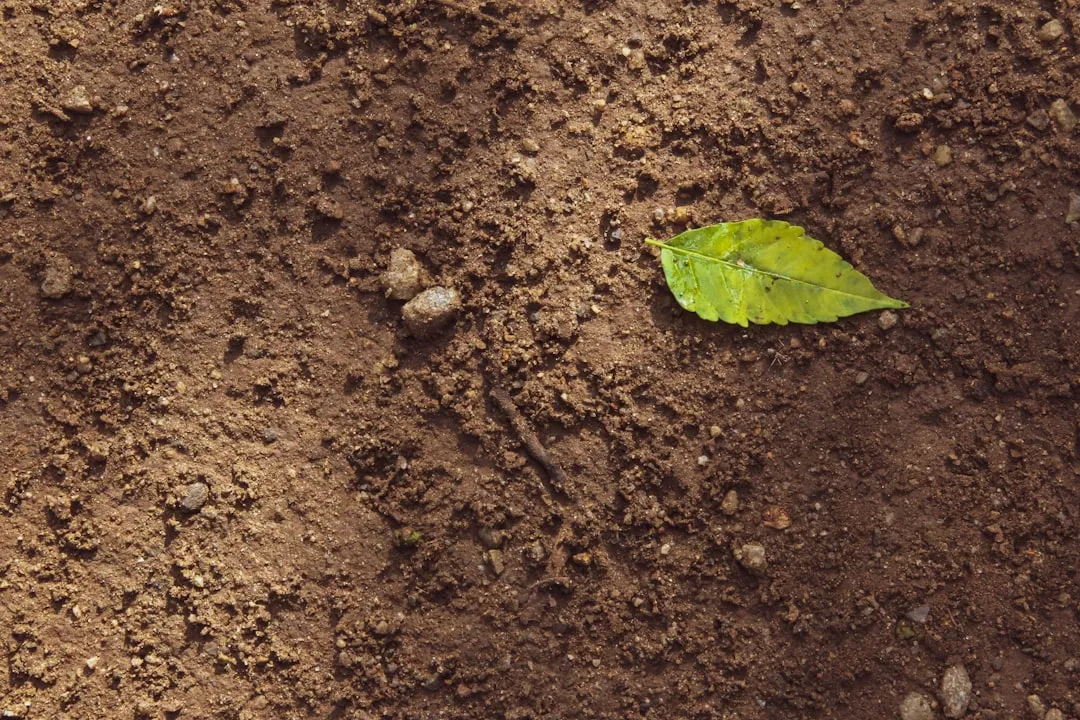
Soil compaction occurs when soil particles are pressed together, reducing pore space between them. Heavily compacted soils contain few large pores, less total pore volume, and consequently a greater density. A compacted soil has a reduced rate of both water infiltration and drainage, because large pores more effectively move water downward through the soil than smaller pores.
Highly productive, well-aggregated agricultural soils tend to consist of about 50% solids and about 50% pore space, with an equal distribution of macropores and micropores in this pore space. When compaction collapses those pores, water has no structural pathway downward. It simply pools where it lands.
Clay Soil and Its Particular Stubbornness
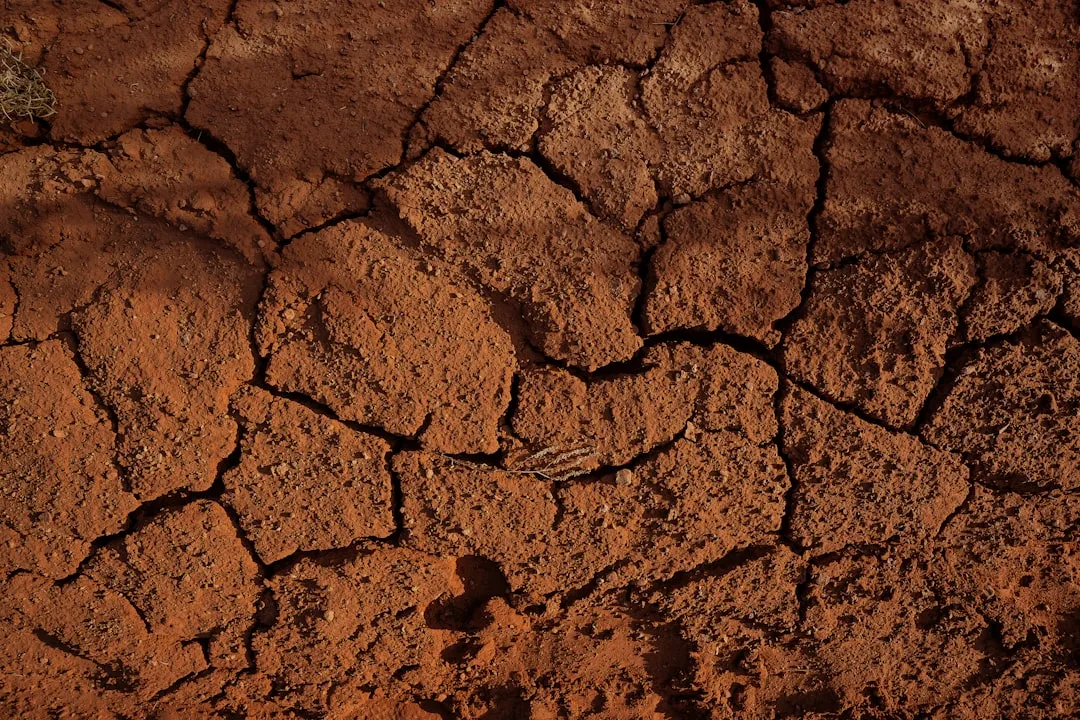
While clay is nutrient-rich, too much of it can cause poor drainage due to its tiny particle size and water retention properties. Clay particles bind together tightly and leave very little room for water to pass through, especially when the soil is already saturated.
Heavy clay soil tends to lack the aggregated structure that promotes good drainage, and without the formation of clumps or “aggregates,” excess water struggles to find channels and air pockets through which it can drain away. Heavy clay soils are slowly permeable and, without drainage, can waterlog for long periods, particularly in areas of high rainfall.
The Role of Compaction from Traffic and Machinery
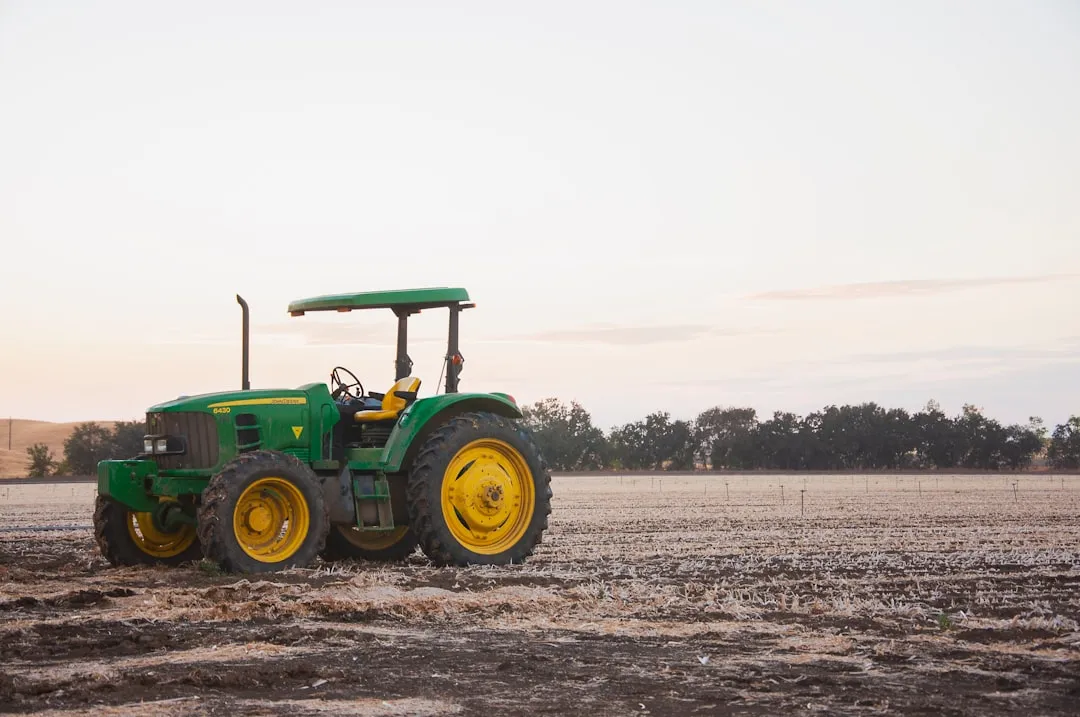
External pressure due to the use of heavy machinery and inappropriate soil management can lead to the compaction of subsoil, creating impermeable layers within the soil that restrict water and nutrient cycles. This is a widespread issue in both agricultural and residential settings.
Indiscriminate driving of tractors and other farm machines across a field can lead to compaction of many sections of the field. Establishing paths for movement requires planning and discipline, but will eventually lead to less compaction. In a home garden, the same principle applies to foot traffic, especially when the soil is wet.
Reading the Color of the Soil as a Clue
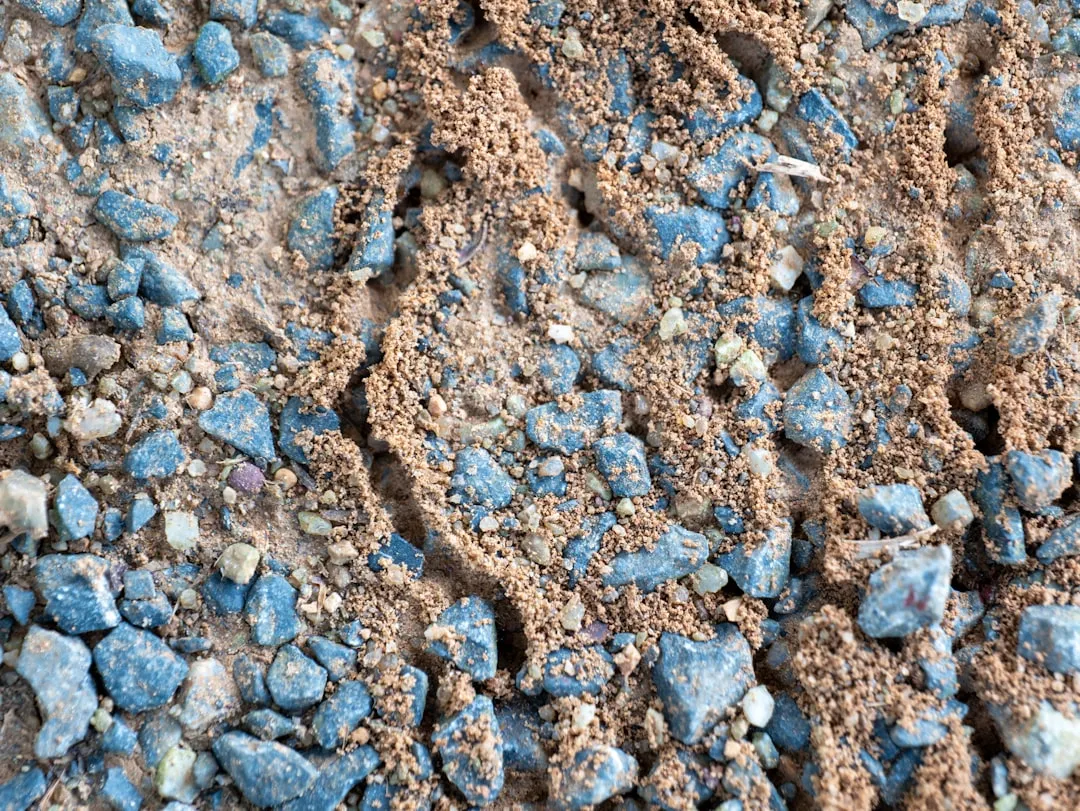
The color of the soil indicates poorly drained or compacted soils. Well-drained soils may be brown or reddish. Blue-gray soils have very little oxygen, because the soil’s naturally occurring iron has not had sufficient oxygen for it to turn a red color. Blue-gray and white soils are almost always very poorly drained.
Digging even a shovel’s depth into a waterlogged area and spotting that bluish-gray tinge is a fairly definitive signal. It tells you the drainage problem has been ongoing long enough to alter the soil’s basic chemistry. This is not a new issue needing a quick fix. It’s a structural one that requires a longer-term approach.
What the Plants Are Telling You
Excess moisture can lead to root rot, a condition where roots decay due to too much water, causing plants to wither or die. Watch for yellowing grass, which shows stress from a lack of oxygen due to waterlogged soil. Many gardeners misread this as underwatering and make things significantly worse by adding more water.
Soil saturated with water from too much rain, applying too much water, or poor drainage contains very little oxygen. Without oxygen, the leaves wilt because plants cannot absorb the water even when it is abundant. The appearance of drought symptoms increases the temptation to add more water, which compounds the problem of saturated soil.
The Quick Squeeze Test Anyone Can Do

Take a handful of damp soil and squeeze it in the palm of your hand. If it retains its ball-like shape after you release pressure, it is likely heavy with too much clay and requires additional organic additives. This takes about ten seconds and gives you a reasonable read on the soil’s composition before you do anything else.
There is also a simple surface-hardness check. A hard, crusty surface that resists penetration of a screwdriver or metal rod is a reliable sign that compaction has set in near the top of the soil profile. These small field tests are practical starting points before committing to any larger intervention.
How to Confirm It with a Percolation Test
A soil percolation test provides valuable insights into your yard’s drainage capabilities. It reveals how quickly water moves through your soil, indicating whether you have well-draining soil, poorly-draining soil, or something in between. The test itself requires nothing beyond a shovel, a ruler, and some water.
The ideal soil drainage is around two inches per hour, with readings between one and three inches generally acceptable for garden plants with average drainage needs. If the rate is less than one inch per hour, your drainage is too slow, and you’ll need to improve drainage or choose plants tolerant of wet soil. This first soak can take a while, sometimes up to a full day, so patience is required.
The Organic Matter Factor That Most People Overlook
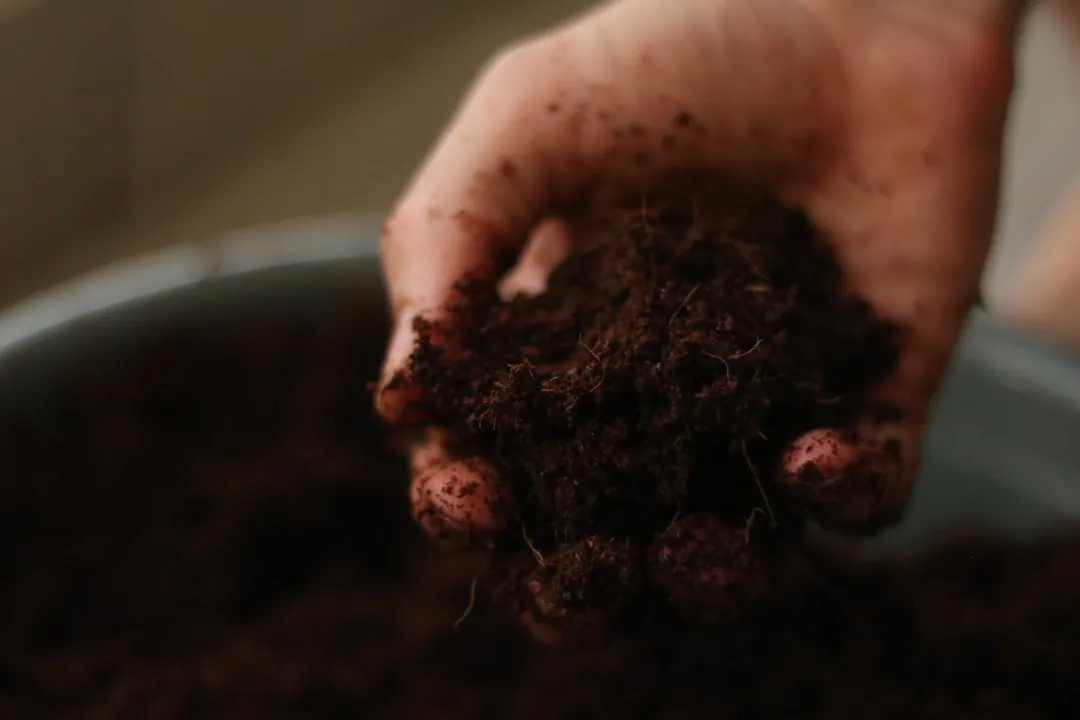
There has been a general reduction in organic matter levels in arable soils over the past 70 years. This makes them more susceptible to waterlogging and more in need of drainage. Organic matter is what gives soil its sponge-like quality, and its gradual loss is one of the quieter reasons why more gardens and fields are developing persistent puddling problems over time.
Adding organic material is the single best way to improve clay soil drainage. Organic matter such as compost, aged manure, or shredded leaves loosens the heavy soil, improves soil structure, and encourages beneficial microorganisms that create natural pore space. Effective clay soil improvement requires adding organic matter of two to four inches annually.
What Not to Do When Puddling Appears
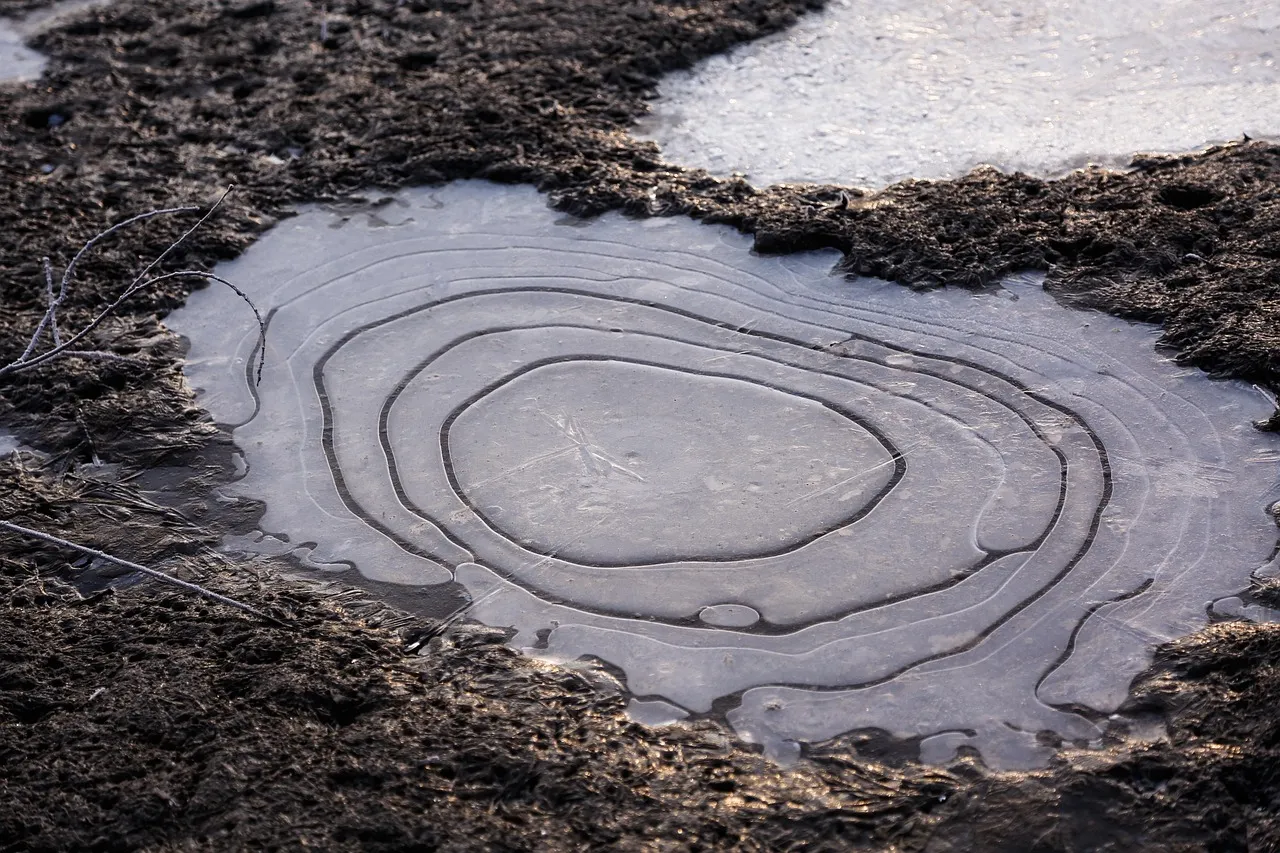
Do not add sand to heavy soils to deal with a poorly drained site. Contrary to logic, adding sand to heavy soils actually slows the drainage. This counterintuitive finding catches many gardeners off guard, especially since sand on its own drains beautifully. Mixed into clay without enough volume to shift the soil’s texture, it creates a cement-like consistency.
Poor drainage not only kills plants, it also provides a breeding ground for insects, produces mold and other organic allergens, and can cause major structural damage to your home if left unchecked. Ignoring the puddling habit once it becomes consistent is rarely a neutral decision. The underlying compaction or clay saturation generally worsens without some form of intervention.
Practical Steps Toward Better Drainage
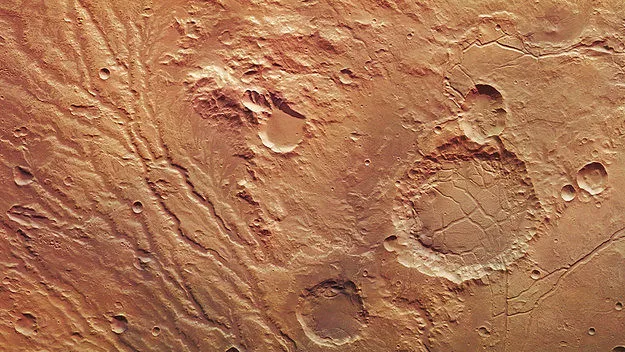
Compost, well-rotted manure, and other organic materials enhance soil structure, creating pore spaces for improved drainage. These amendments should be worked into the soil, focusing on areas where drainage is a particular concern. Over time, organic matter also encourages beneficial microbial activity, contributing to a healthier soil ecosystem.
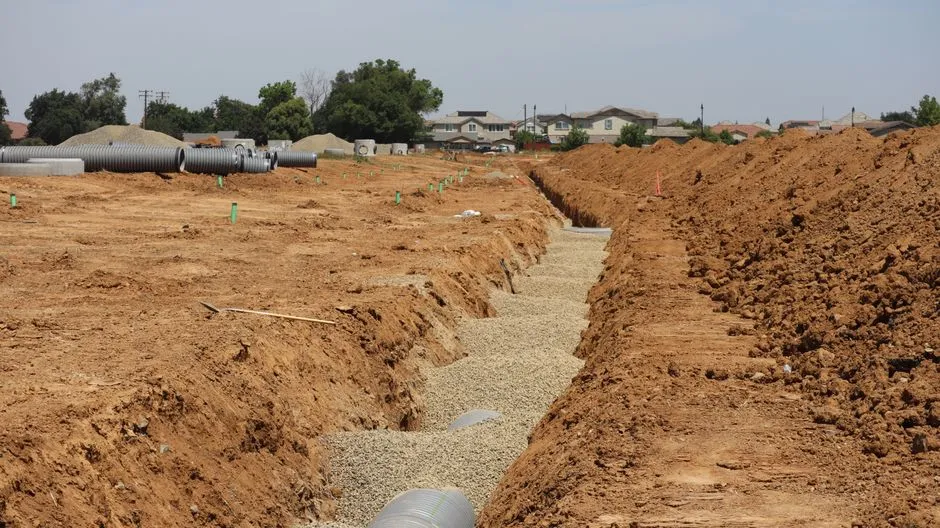
Gypsum (calcium sulfate) is known for its ability to break up compacted clay soil. It works by replacing sodium with calcium, which helps clay particles clump together into larger aggregates, creating channels within the soil and improving drainage. For more persistent cases, French drain systems consist of perforated pipes buried in trenches filled with gravel, which efficiently channel excess water away from the root zone, preventing waterlogging.
The Takeaway
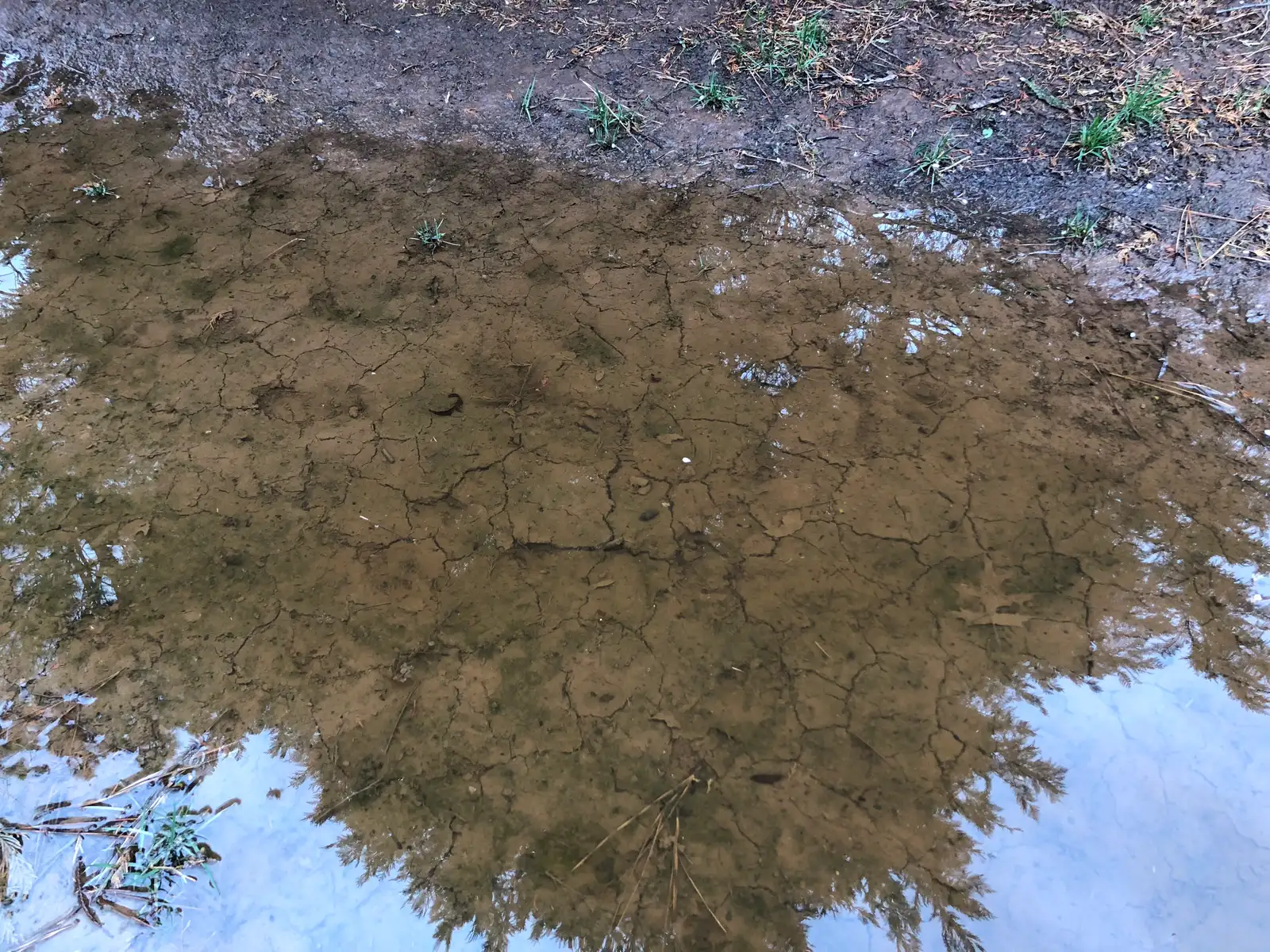
Puddling is the soil’s way of flagging a problem it can no longer solve on its own. Whether the culprit is heavy clay, years of foot traffic, lost organic matter, or a deeper hardpan layer, the signal is the same: water is accumulating because the structural pathways that once carried it downward have broken down.
The good news is that most drainage problems respond to consistent, patient intervention. Organic amendments, smarter traffic patterns, aeration, and where needed, a simple drainage system can restore a soil’s ability to move water the way it’s supposed to. Catching the puddling habit early, before root systems suffer and soil chemistry shifts, is what makes the difference between a straightforward fix and a long recovery.
AI Disclaimer: This article was created with the assistance of AI tools and reviewed by a human editor.