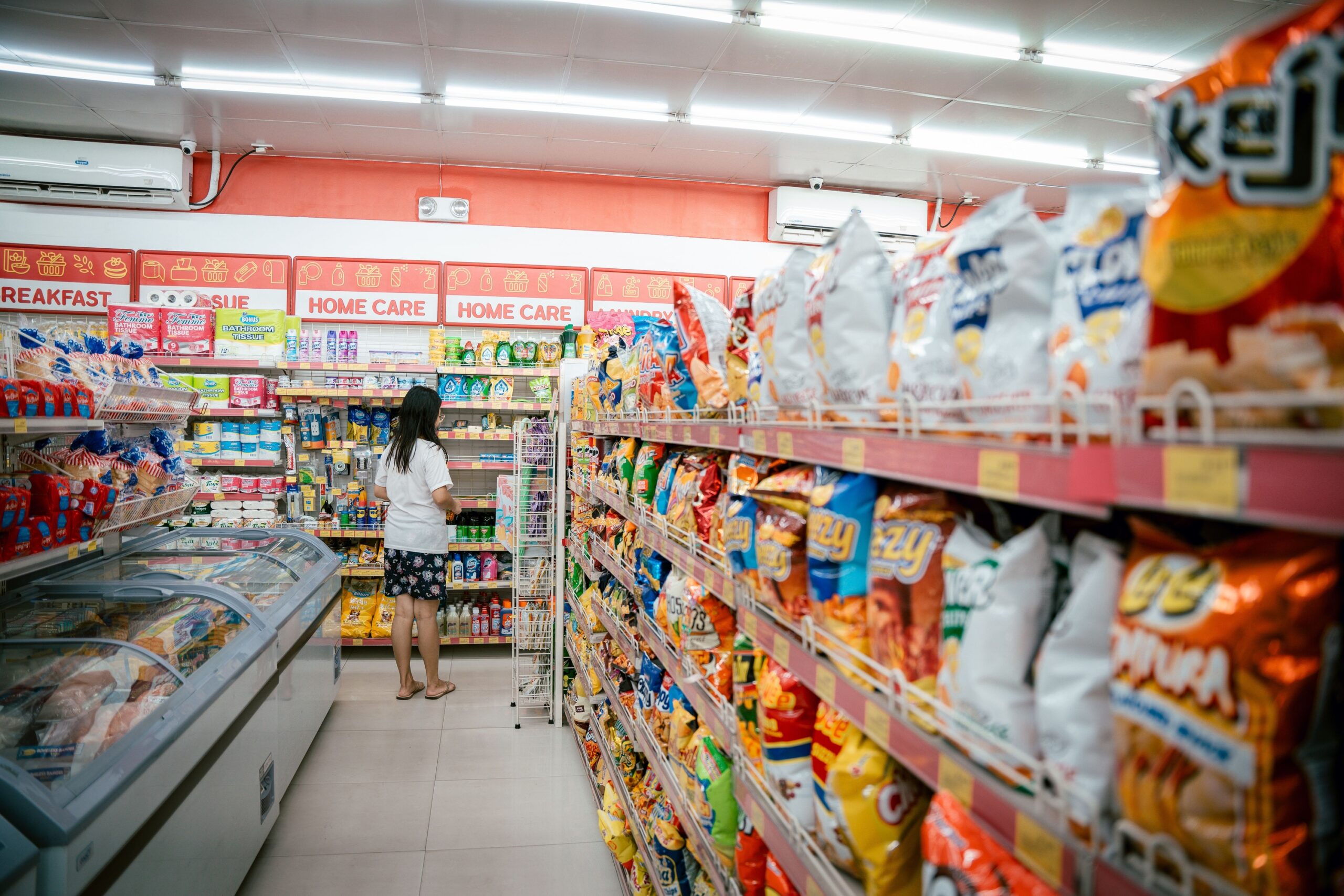

They look innocent on the shelf. Cheerful packaging, reassuring words like “natural,” “whole grain,” or “high protein,” and a price point that says “responsible choice.” Yet a growing body of research is revealing that some of the most popular everyday snacks fall squarely into the category of ultra-processed foods, regardless of how they’re marketed.
Ultra-processed food now accounts for nearly sixty percent of U.S. adults’ calorie consumption, and among American children, that portion climbs close to seventy percent. The snacks that health-conscious people tend to reach for first are often the ones most worth scrutinizing.
What “Ultra-Processed” Actually Means

The term gets thrown around a lot, but it has a precise scientific definition. Ultra-processed foods are industrial formulations typically made from five or more ingredients, containing substances you would never find in a home kitchen, such as hydrogenated oils, high-fructose corn syrup, protein isolates, maltodextrin, and modified starches.
The NOVA classification system was developed by Professor Carlos Monteiro and his research team at the University of São Paulo, Brazil. Monteiro’s original argument was that nutrition science was focusing too much on individual nutrients and missing something crucial: the degree of industrial processing a food undergoes before it reaches your plate.
Being “processed” isn’t automatically bad. Pasteurized milk, frozen vegetables, and canned beans are processed, but they still look and act like the original food. Ultra-processed items are different: they’re engineered products that often don’t have a simple kitchen equivalent.
Why the Research Is Alarming Right Now

A 2024 review of 45 meta-analyses, covering nearly ten million study participants, found “convincing” evidence that a diet high in ultra-processed foods raises the risk of death from cardiovascular disease by roughly half and the risk of anxiety by nearly half as well. It also found “highly suggestive” evidence that greater consumption increases the risk of obesity by over half, Type 2 diabetes by forty percent, and depression by twenty percent.
Research shows UPFs account for more than half of the calories adults in the United States consume. A 2024 umbrella-review study found a strong correlation between UPFs and no fewer than 32 different health parameters spanning mortality, cancer, and mental, respiratory, cardiovascular, gastrointestinal, and metabolic health outcomes.
Growing evidence has linked ultra-processed food consumption to chronic disease risk. In 2025, this field reached a turning point, with experimental, clinical, and epidemiological studies converging to clarify the underlying mechanisms. A 2025 randomized controlled trial showed harmful effects of UPFs on weight gain and metabolic health, regardless of excessive caloric intake.
Snack #1: Flavored Yogurt
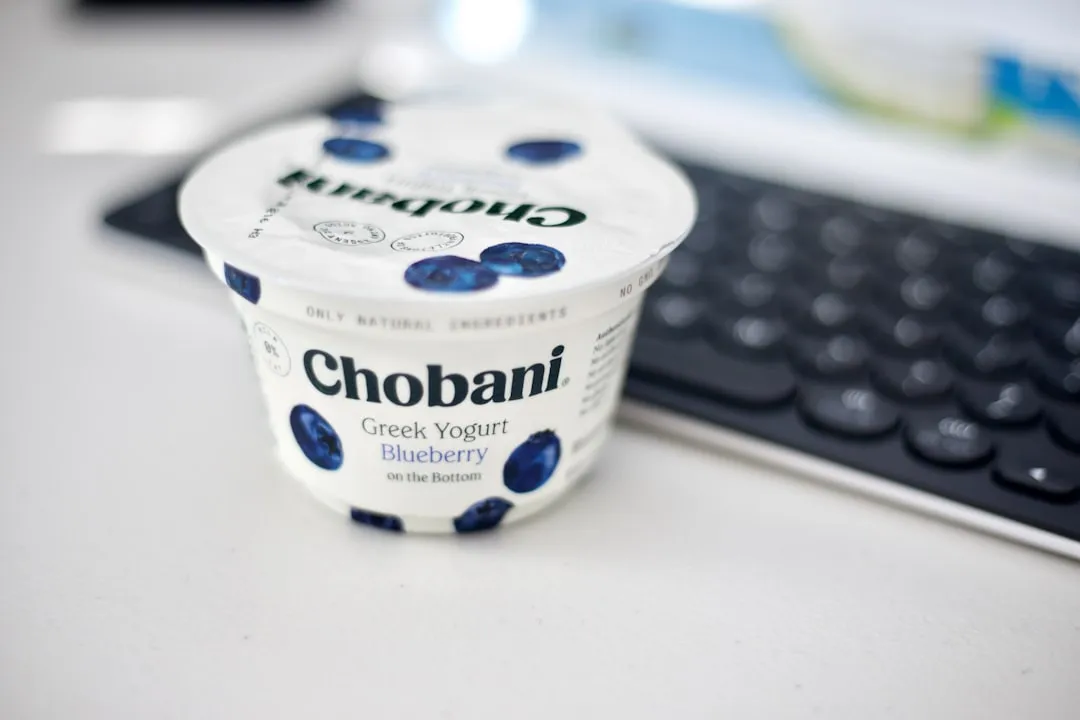
This one surprises people most. Yogurt has a long-standing reputation as a wholesome, gut-friendly food, and plain yogurt genuinely earns that reputation. The flavored version in your fridge, however, is a different product entirely.
Plain yogurt, made from milk and cultures, sits in NOVA Group 1. Most flavored yogurts, including strawberry, vanilla, and fruit-on-the-bottom varieties, contain modified starch, artificial sweeteners, flavoring agents, and coloring that make them ultra-processed.
If yogurt is plain milk cultured with live bacteria and minimal added ingredients, it likely stays in Group 1 or Group 3. If it contains sweeteners, thickeners, flavor additives, and shelf-stable packaging, it falls into Group 4, the ultra-processed category. The label may say “probiotic” or “with real fruit,” but those claims don’t override the industrial additives that come along for the ride.
What Makes Flavored Yogurt a Problem

Flavored yogurt frequently contains heavy doses of artificial flavors and thickeners. Popular varieties pack high amounts of added sugar that can rival sweet desserts while offering relatively little satiating protein. Consuming excess sugar regularly increases the risk of weight gain and high blood pressure.
Recent evidence suggests that both food additive sweeteners and emulsifiers used in modern food systems may disrupt the gut microbiota and host-microbial interactions, impacting intestinal homeostasis and metabolic health. So the very product people buy for gut health can, in its flavored and industrialized form, work against that goal.
Snack #2: Granola Bars
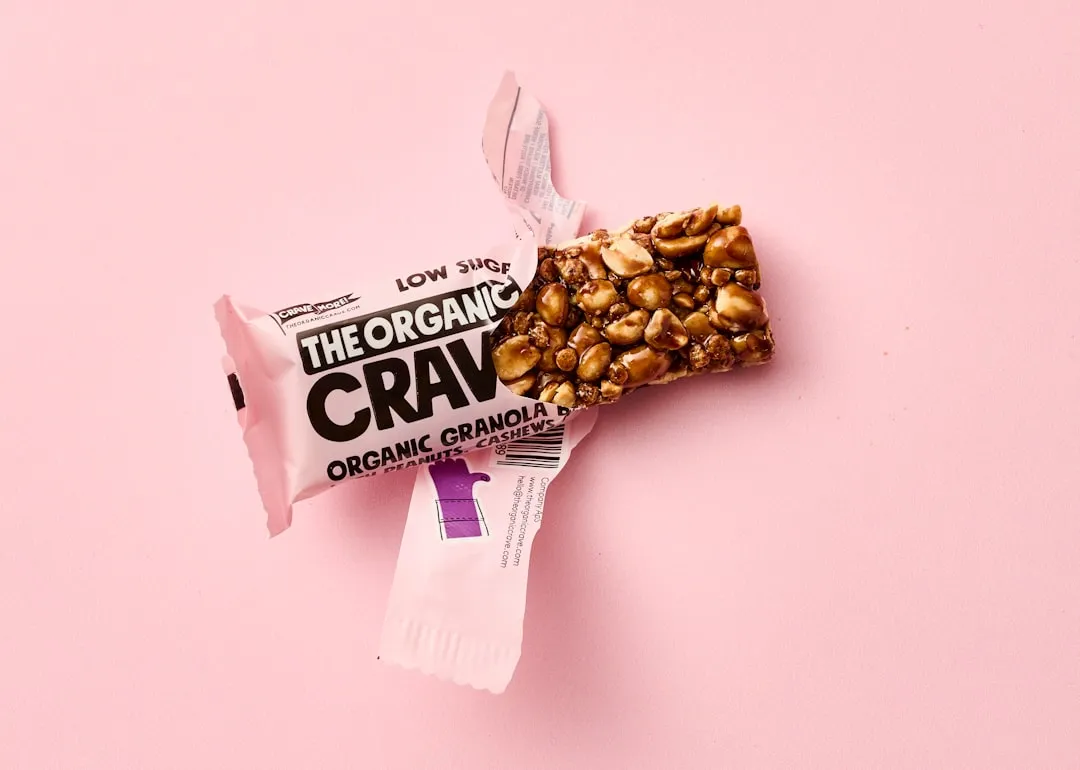
Granola bars occupy a curious space in the snack aisle. They signal wholesome eating: oats, nuts, maybe a bit of honey or dried fruit. The imagery on the packaging often evokes hiking trails and farmers markets. The ingredient list tells a different story.
Granola bars and breakfast bars typically contain protein isolates, invert sugar, natural flavors, and emulsifiers, placing most commercial varieties firmly in NOVA Group 4. That “natural flavors” listing, in particular, is an industrial additive category, not an indication that real fruit or spice made it into the bar.
Granola bars and protein bars are commonly loaded with refined grains, artificial sweeteners, and high levels of sodium and sugar, offering empty calories instead of sustained energy. The fiber and satiety that oats can provide in their whole form gets partially undermined when the bar is held together with glucose syrups and emulsifying agents.
The Label Tricks That Keep Granola Bars Selling
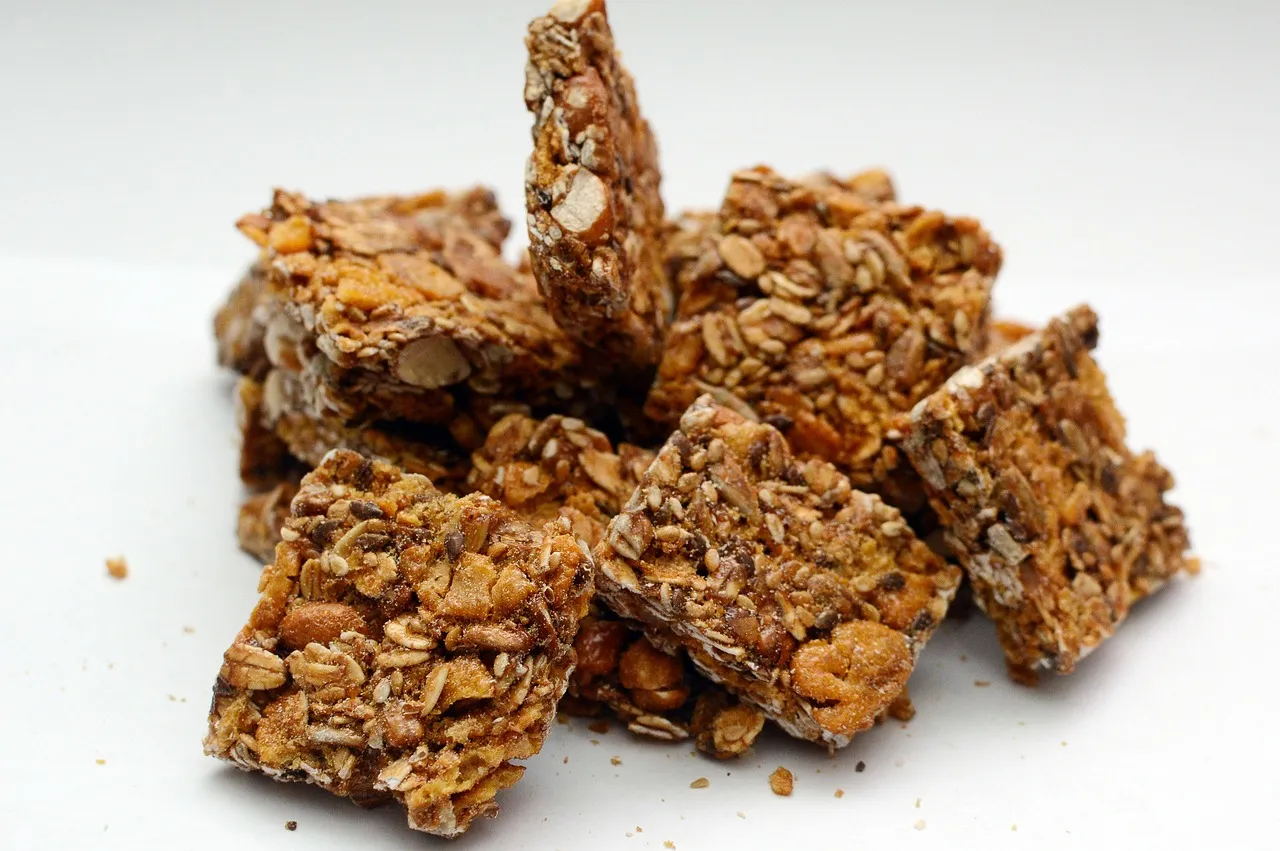
Granola bars, flavored yogurts, whole-grain cereals, and veggie chips all commonly land in NOVA Group 4. The packaging says “natural,” “whole grain,” “made with real fruit,” or “heart healthy.” Flip them over and read the ingredient list. If you see ingredients you can’t pronounce, substances that sound like chemistry, or a list longer than ten items, you’re likely holding an ultra-processed product.
Packages with earthy colors and promises of “all-natural” goodness can make you think you’re making a healthy choice. Many products marketed as wholesome hide a heavily manufactured reality. This gap between perception and formulation is exactly why nutritionists keep flagging granola bars as a category worth reading carefully.
Snack #3: Protein Bars

Protein bars have arguably been the fastest-growing snack category of the past decade. A 2024 study found that roughly three quarters of those surveyed had consumed a high-protein processed food. The appeal is easy to understand: convenient, filling, hits a protein target. The problem is what has to go into a bar to make all of that happen in a shelf-stable, chewy package.
Protein bars are designed to hit specific targets: a protein number, a texture, a sweetness level, and a long shelf life. That combination pushes brands toward extracted proteins, binders, and additives that keep the bar chewy and stable.
Examining the ingredient list is essential for understanding what you’re actually eating. Many bars contain a blend of protein isolates such as soy protein isolate and whey protein isolate, alongside sweeteners including high-fructose corn syrup and artificial sweeteners, refined flours, hydrogenated vegetable oils, and a range of emulsifiers, stabilizers, artificial flavors, and colors.
Protein Bars and Gut Health: What the Research Says

The vast majority of protein powders, drinks, and bars contain refined sources of protein along with several food additives such as sweeteners and emulsifiers, meaning they are all ultra-processed and may have a negative impact on the gut.
Ultra-processed foods have become dietary staples in many developed countries. A major constituent of these foods is a variety of synthetic chemical additives, used to improve texture, preservation, and aesthetics. Evidence is mounting that these synthetic chemicals may have harmful health impacts. Studies have linked certain additives to conditions such as attention deficit hyperactivity disorder, cancer, and obesity, while emerging evidence suggests that emulsifiers, artificial sweeteners, colorants, and preservatives may disrupt intestinal homeostasis.
Ultra-processed foods and food additives have become ubiquitous in the modern human diet. There is increasing evidence of an association between diets rich in UPFs and gut disease, including inflammatory bowel disease, colorectal cancer, and irritable bowel syndrome. Food additives found in many UPFs have themselves been shown to affect gut health, with evidence that some emulsifiers, sweeteners, colors, and nanoparticles affect the gut microbiome, intestinal permeability, and intestinal inflammation.
How to Spot a Better Version

The good news is that none of these three snack categories has to be off-limits. The issue is not yogurt, oat bars, or protein snacks in principle. It’s the formulation. A bar made from nuts, oats, dried fruit, cocoa, and salt often passes the test. A bar built around isolates, syrups, and flavor systems often doesn’t.
Switching to plain Greek yogurt and sweetening it naturally using fresh berries or a small drizzle of honey removes industrial additives and provides a more substantial protein source. The same logic applies across the board: the closer an ingredient list looks to something you could assemble in a kitchen, the further it sits from Group 4.
Research shows that higher intake of ultra-processed foods is associated with obesity, type 2 diabetes, and other chronic conditions. While not every single ultra-processed food is toxic, leaning heavily on these foods means missing out on the nutrient density and quality that comes from less-processed alternatives. It ultimately comes down to balance and your overall eating pattern.
The Policy Conversation Is Catching Up
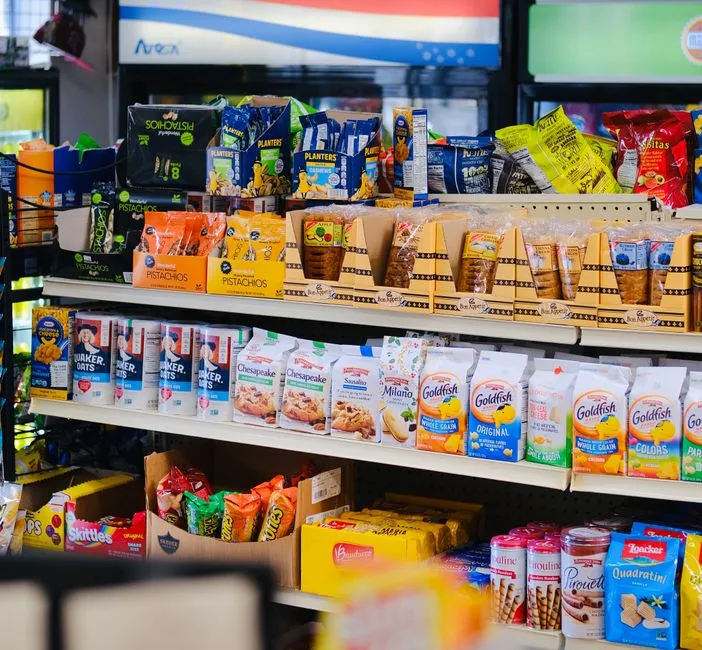
Regulators are paying attention. A uniform definition of ultra-processed foods is being pursued to allow for consistency in research and policy. Alongside this effort, the FDA and National Institutes of Health are investing in high-quality research to answer remaining questions about the health impacts of ultra-processed foods through a newly announced Nutrition Regulatory Science Program.
A major three-paper series in The Lancet found that ultra-processed foods are rapidly replacing fresh and minimally processed meals around the world, with the evidence linking rising UPF intake to poorer diet quality and higher risks of multiple chronic diseases.
Nearly half of consumers and roughly seventy percent of nutritionists say they plan to reduce added sugars and sugar alcohols, while nearly half of nutritionists specifically want to reduce their consumption of ultra-processed foods. That shift in professional awareness is starting to filter down to the advice people actually receive.
The Takeaway
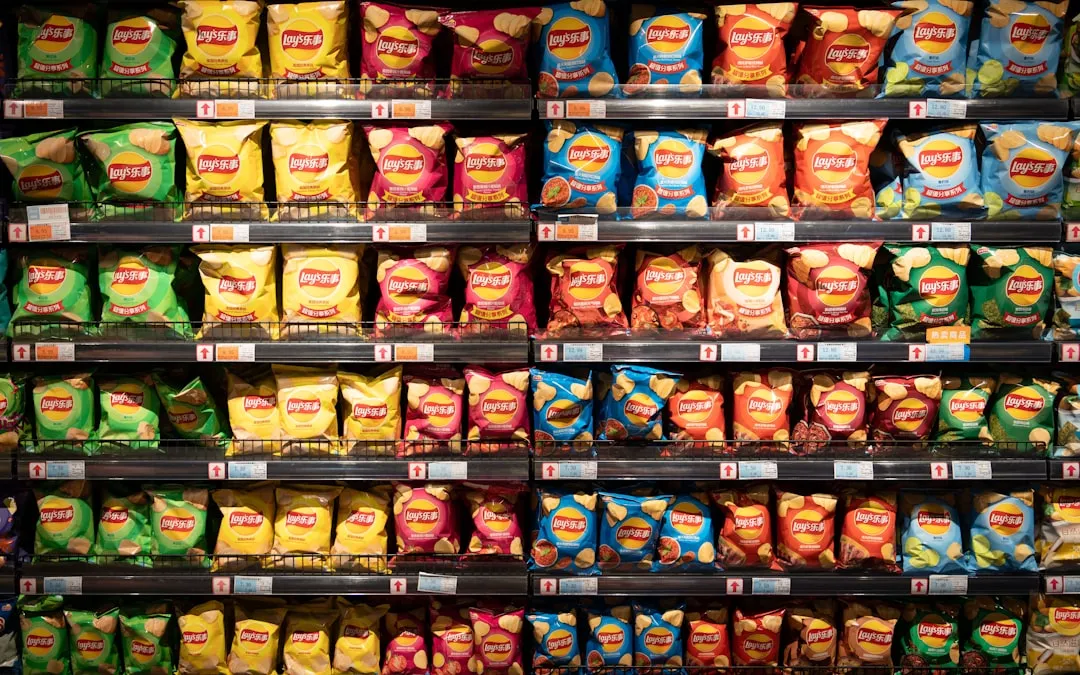
The three snacks at the center of this conversation, flavored yogurt, granola bars, and protein bars, are not inherently bad ideas. They represent categories where the whole-food version and the ultra-processed version wear almost identical packaging. The gap between them is written in the ingredient list, not on the front of the label.
Reading that list takes about thirty seconds. What you learn in those thirty seconds can be genuinely useful, not as a reason for anxiety about every food choice, but as a basis for making slightly more informed ones more consistently.
The broader research is clear that habitual heavy reliance on ultra-processed foods carries measurable risks. The more specific takeaway is simpler: a snack that looks healthy and a snack that is minimally processed are not always the same thing, and knowing the difference is worth the effort.
AI Disclaimer: This article was created with the assistance of AI tools and reviewed by a human editor.