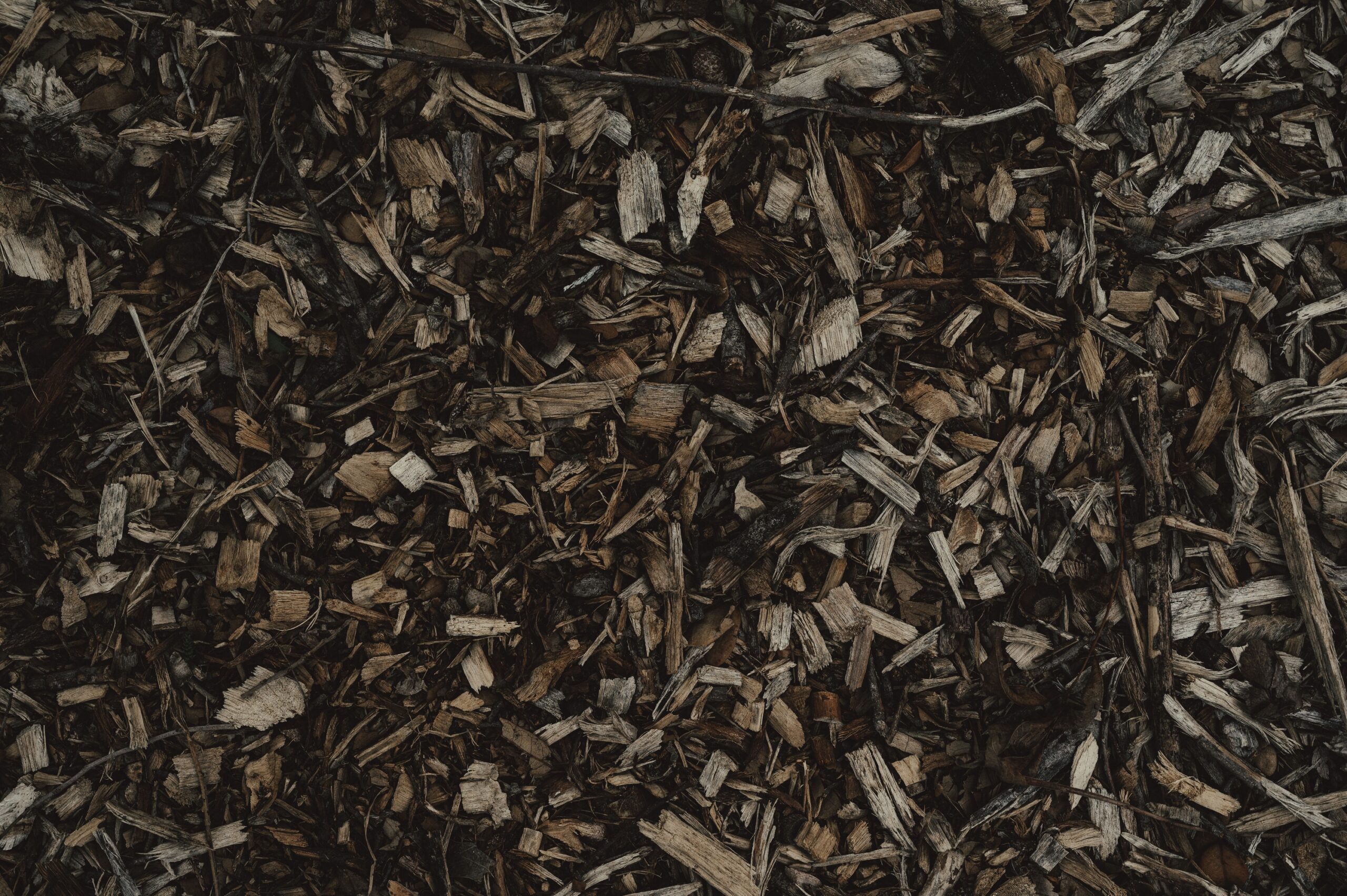

Walk through almost any suburban neighborhood and you’ll spot them everywhere: neat little cone-shaped mounds of mulch pressed up against tree trunks, sometimes a foot high or more. They look orderly. They look intentional. To most homeowners, they look like good gardening.
They’re not. The practice, widely known as a “mulch volcano,” is one of the most persistently damaging mistakes in residential tree care, and unlike a pest infestation or a drought, it happens slowly enough that most people never connect the damage to the cause. By the time the tree shows visible symptoms, years of irreversible harm may already have been done.
What a Mulch Volcano Actually Is
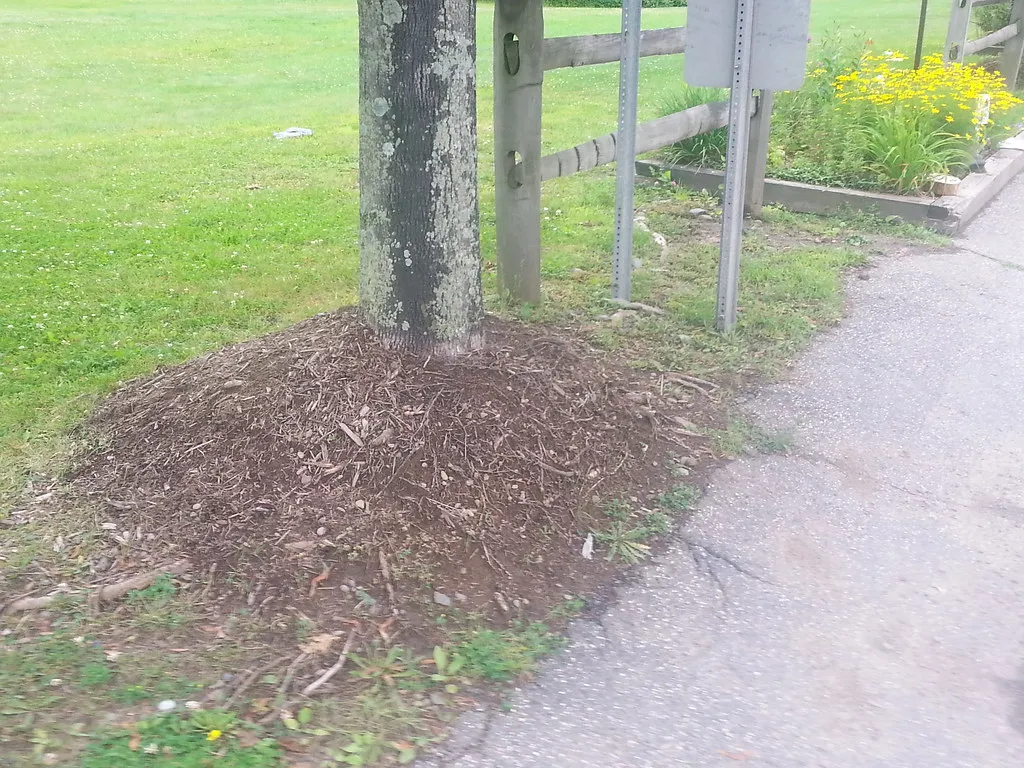
A mulch volcano, also sometimes known as a mulch mound, mulch pyramid, or a mulch shield, is a circular volcano-shaped pile of mulch above ground level formed up to the trunk of a tree. It refers to the practice of piling mulch in a cone or volcano-like shape directly against a tree trunk, sometimes reaching 6 to 12 inches high.
Mulch volcanoes are often created with good intention, since tree mulching adds nutrients to the soil, aids in water retention, helps the tree outcompete other plants for resources, and protects the tree from trunk damage by lawn mowers and string trimmers. The problem isn’t the mulch itself. It’s where it ends up.
Trees are not designed to have their trunks buried in organic material. When mulch touches the bark, it sets off a chain reaction that can weaken or even kill the tree over time.
How the Bark Gets Destroyed
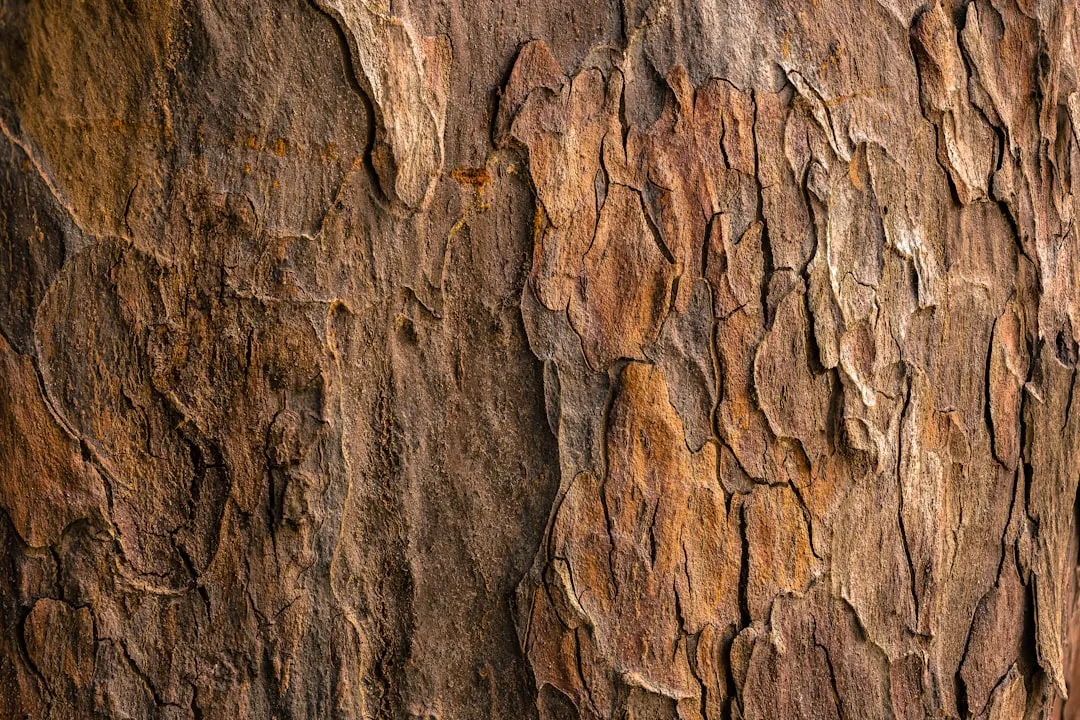
Tree bark is dead, dry tissue that protects trees from a wide range of challenges such as dehydration, oxidation, and direct access by plant pests and pathogens to the living tissue beneath. Mulch piled against tree trunks can retain water, elevating the moisture content of the bark and making it susceptible to decay.
Mammoth piles of mulch surrounding a trunk keep bark constantly moist, fostering decay. Over time the bark rots, exposing the conductive tissue beneath to decay as well. This negatively impacts the trunk’s function to move water upward and sugars downward, and compromises the structural integrity of the tree.
Mulch piled against a tree can encourage disease and decay because it never lets the tree trunk get the proper amount of air or sun, preventing it from drying out as it needs to. This moist and unhealthy environment can eventually lead to insect problems, fungal growth, and eventually cracks in the bark.
The Girdling Root Trap
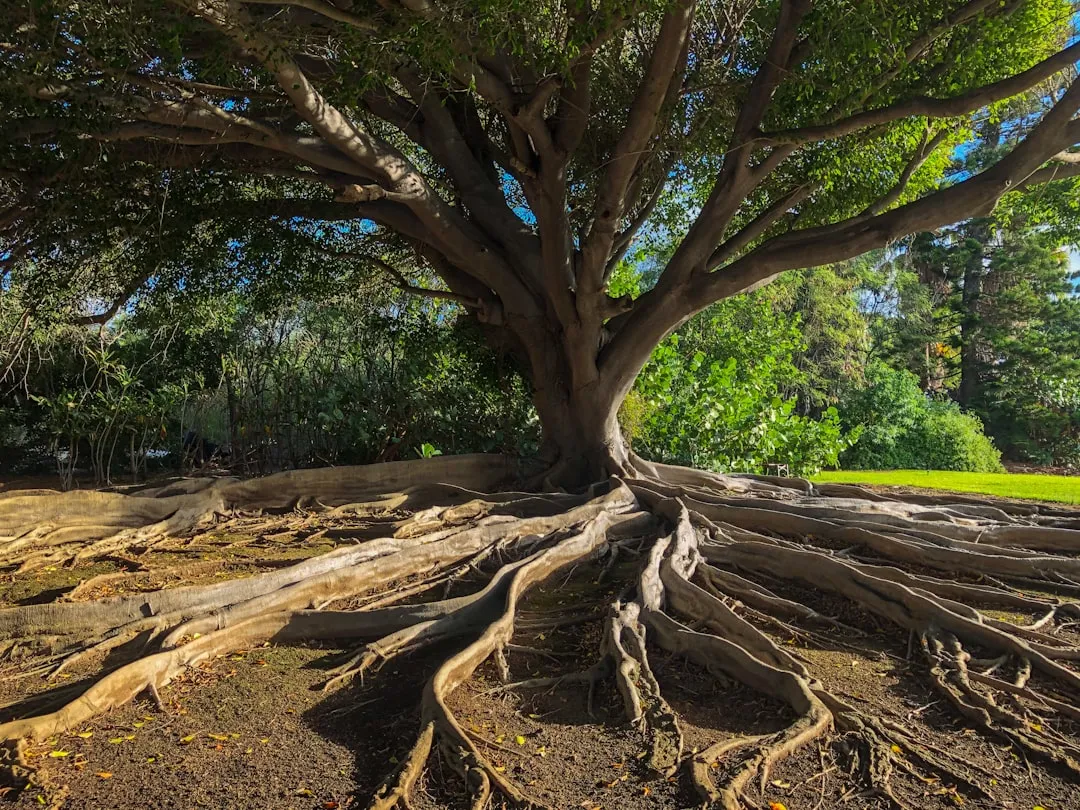
Although bark mulch may at first appear light and airy, it ultimately becomes compacted as it degrades, interfering with oxygen reaching tree root cells. Trees respond by growing a secondary root system into the mulch, the same response seen in trees planted too deep in the soil.
Excess mulch encourages shallow roots to grow upward into the moist material. Over time, these roots circle the trunk in a process called girdling roots, slowly strangling the tree and restricting water and nutrient flow.
Symptoms of stem girdling roots include flat sides directly above the compression zone. This is a non-reversible condition and can eventually lead to a loss in structural integrity provided by the cylinder-within-cylinder morphological structure of tree stems. In other words, trees break and fall over. Research from the University of Minnesota found that over 80 percent of trees with severe girdling roots showed significant decline within 10 years.
The Internal Heat Problem Few People Know About
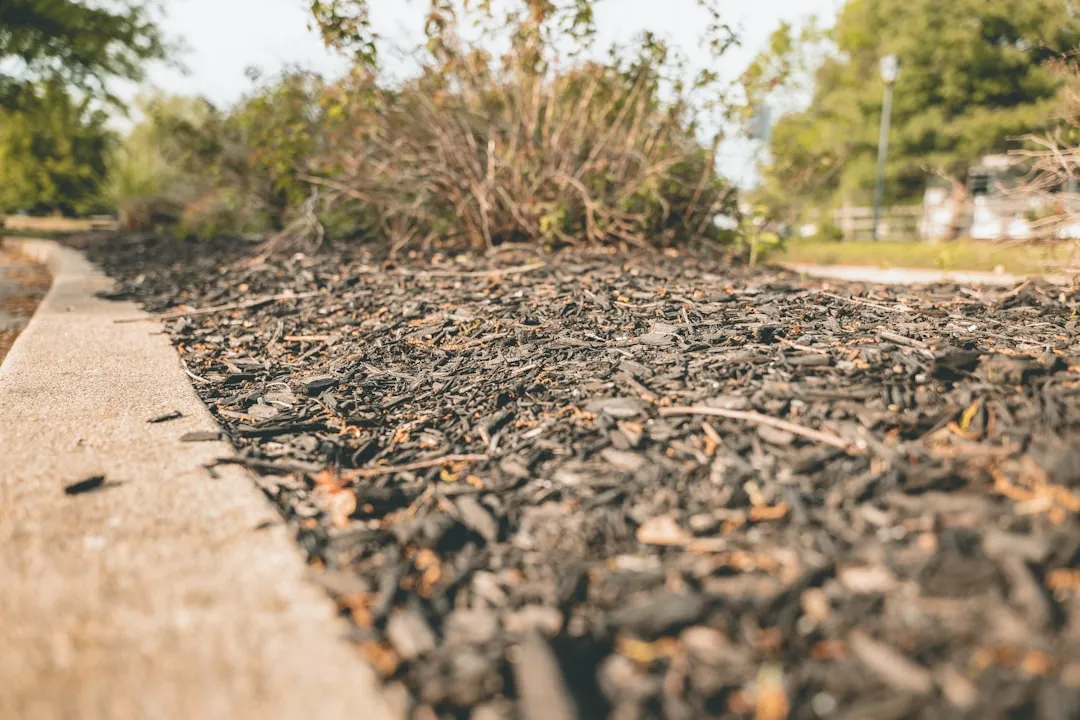
Temperatures within mulch piles may reach as high as 140 degrees Fahrenheit. This high heat may directly kill the inner bark and phloem of young trees, or delay the natural hardening-off period that plants must go through in preparation for winter.
This often goes unnoticed until the following spring when the tree doesn’t leaf out. It’s one of the more counterintuitive aspects of the problem: the very material people use to protect their trees from temperature stress can generate damaging heat right at the trunk.
Young and recently transplanted trees are particularly vulnerable, since their bark and vascular systems haven’t fully hardened. The internal heat from decomposing mulch can effectively cook the tissue it was meant to protect.
Fungal Disease Gets a Welcome Mat

Mounded mulch and excessive ground cover can trap moisture against the tree’s bark. Stem tissues are not intended to remain moist. Excess moisture promotes the growth of fungal pathogens and disease.
A volcano pile holds far too much water directly against the trunk and root crown. This perpetually soggy environment is the perfect breeding ground for fungal and bacterial diseases that cause root rot. These pathogens thrive in low-oxygen, high-moisture conditions and can quickly infect and destroy a tree’s root system.
Too much mulch or ground cover can also conceal signs of an issue like the fruiting structures associated with root decay fungi. By the time those signs are visible, significant internal damage is usually already present.
Rodents Move In and Trees Pay the Price

Placing piles of mulch adjacent to tree trunks can also kill plants by providing cover and habitat for chewing rodents such as small mice and meadow voles. With lots of cover from predators, the rodents will usually live under the warm mulch in the winter and chew on the tender and nutritious inner bark to get at the sugars.
Rodents like voles and mice love to tunnel through volcano mulch, where they are protected from predators and the elements. They often chew on the tender bark at the base of the tree, girdling it and causing severe damage. Insects, such as borers and ants, also find the moist, decaying wood an attractive place to nest.
This chewing off of the bark many times goes unnoticed until the following spring or summer when the tree doesn’t look good. If the chewing is extensive or goes around the whole tree, there is little that can be done to save the tree.
The Trees Most at Risk
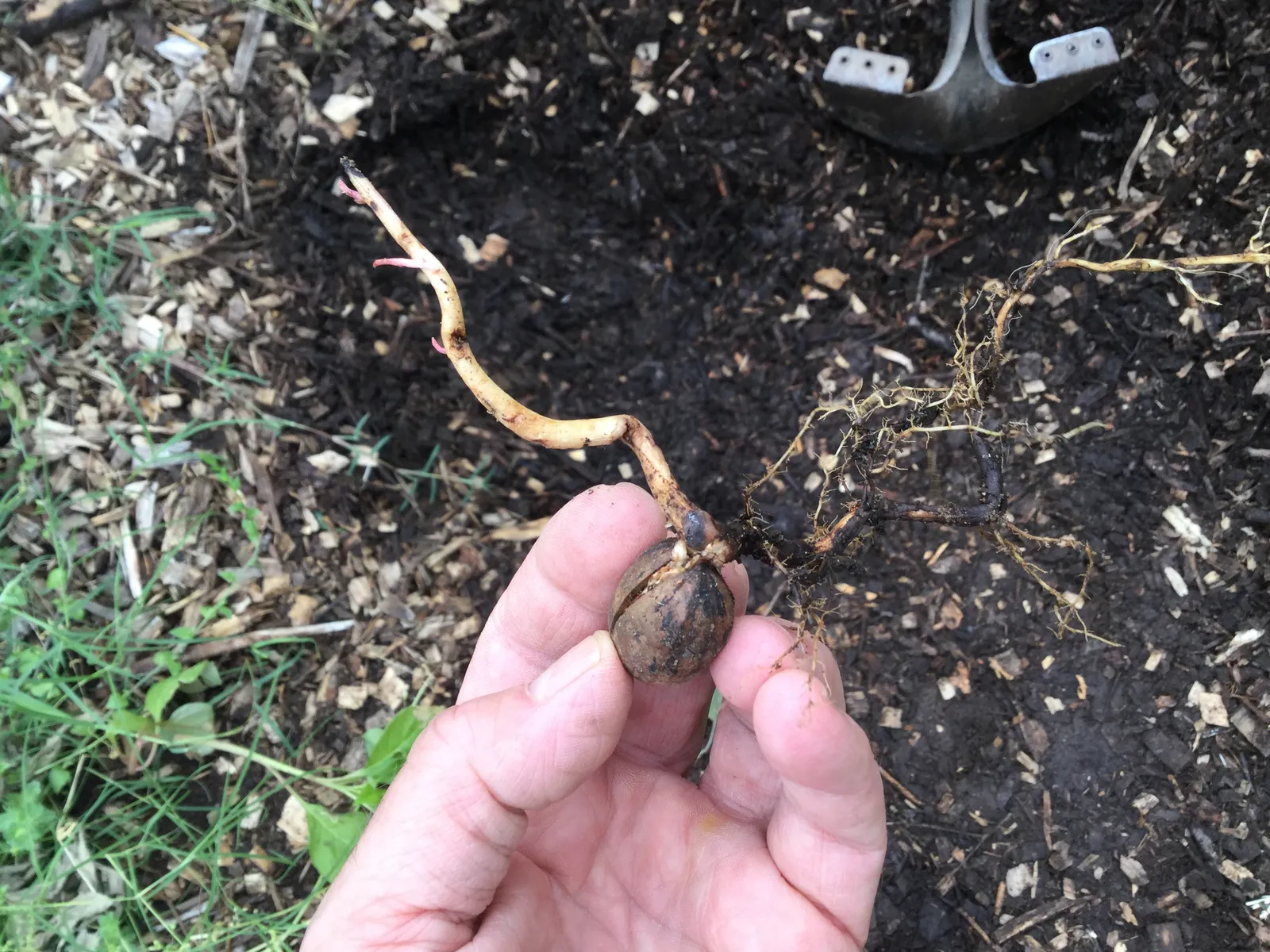
Excessive mulching may not kill a tree immediately, but it will result in a slow decline and death. Over-mulching is a leading cause of death of azaleas and rhododendrons, dogwood, boxwood, mountain laurel, holly, cherry trees, ash, birch, linden, spruce, and many other landscape plants.
This is a broad list. Most of the trees people plant in front yards, along driveways, and in commercial landscapes appear on it. The issue isn’t confined to one species or region; it’s been documented in trees across the country, in climates ranging from the humid southeast to the midwest and the Pacific Northwest.
The bark mulch eventually decayed to reveal heavily mulch-modified tree root systems. Volcano mulch-induced changes to a tree’s root system can remain throughout the life of a tree.
How Slow the Damage Really Is
It is most important to remember that the problems caused from yearly over-mulching are not immediate, but progress slowly with time. That slow timeline is part of what makes the practice so hard to recognize and challenge. A tree that was volcano-mulched when it was planted may not show serious symptoms for five to ten years.
Volcano mulching causes bark decay, root suffocation, girdling roots, and fungal disease entry, often killing trees slowly over three to ten years. The gap between cause and effect is long enough that most property owners, and even some landscapers, never make the connection.
Volcano mulching is known to be detrimental to tree health and can lead to bark decay, root suffocation, and increased susceptibility to pests and diseases. Despite widespread agreement among arborists and forestry experts about its negative impacts, there has been a surprising lack of comprehensive scientific research on the subject.
What the Science and Research Now Confirm
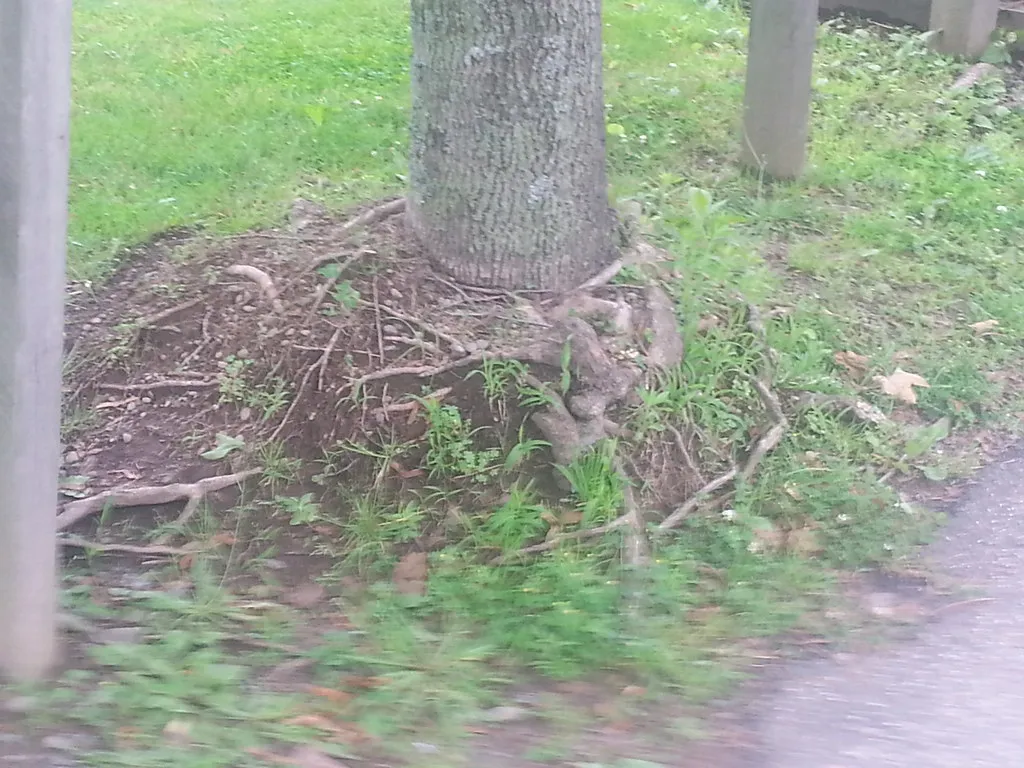
To fill this knowledge gap, Casey Trees and partner Bartlett Tree Research Laboratories have teamed up to conduct long-term scientific trials on the effects of volcano mulching. At the Casey Tree Farm, a dedicated research field with 100 trees, 50 Yoshino cherries and 50 tulip poplars, has been established. These trees are receiving various soil amendment and care treatments, some with a specific focus on volcano mulching practices.
While further research should determine the effects of mulch depth beyond 10 centimeters (4 inches) on tree physiology, there are often negative side effects reported for exceeding that depth, but few negative effects reported for mulch depths within the 5 to 10 centimeter (2 to 4 inch) range.
One study found that one-third of the trees examined had problematic encircling or stem girdling roots. Additional research on container-grown trees revealed that trees with volcano mulch exhibited more wound-related discoloration, suggesting this mulching practice may increase vulnerability to damage.
The Right Way to Mulch a Tree
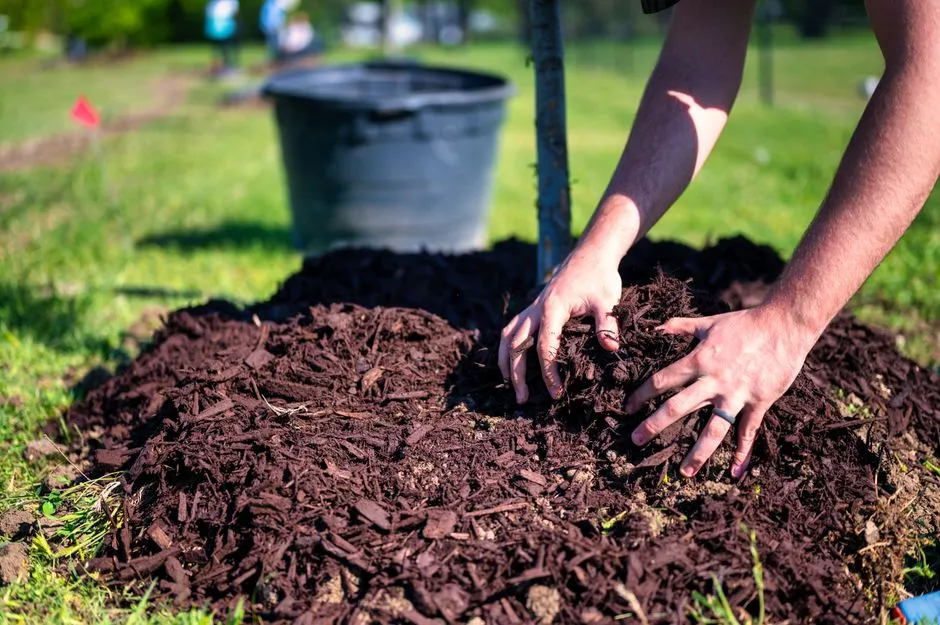
The 3-3-3 rule is the simplest framework for correct tree mulching: 3 inches deep, 3 feet out from the trunk minimum, and 3 to 6 inches of clear gap at the trunk base. The shape should look like a flat donut, not a cone. Keeping mulch away from the bark is the single most important step.
The root flare, also called the root collar, is where the trunk visibly widens as it meets the primary roots. This area must stay completely above the mulch line at all times. The International Society of Arboriculture advises that if mulch is too deep, piled against the trunk, or the wrong material, it can cause significant harm to trees.
A rule of thumb is to maintain mulch 3 to 5 inches away from the stems of young plants or shrubs, and 8 to 12 inches away from mature tree trunks. Organic mulches such as shredded hardwood, pine bark, or leaf compost work best for most residential trees. Rubber mulch or dyed products near the trunk can introduce unnecessary chemicals.
How to Fix a Mulch Volcano That Already Exists
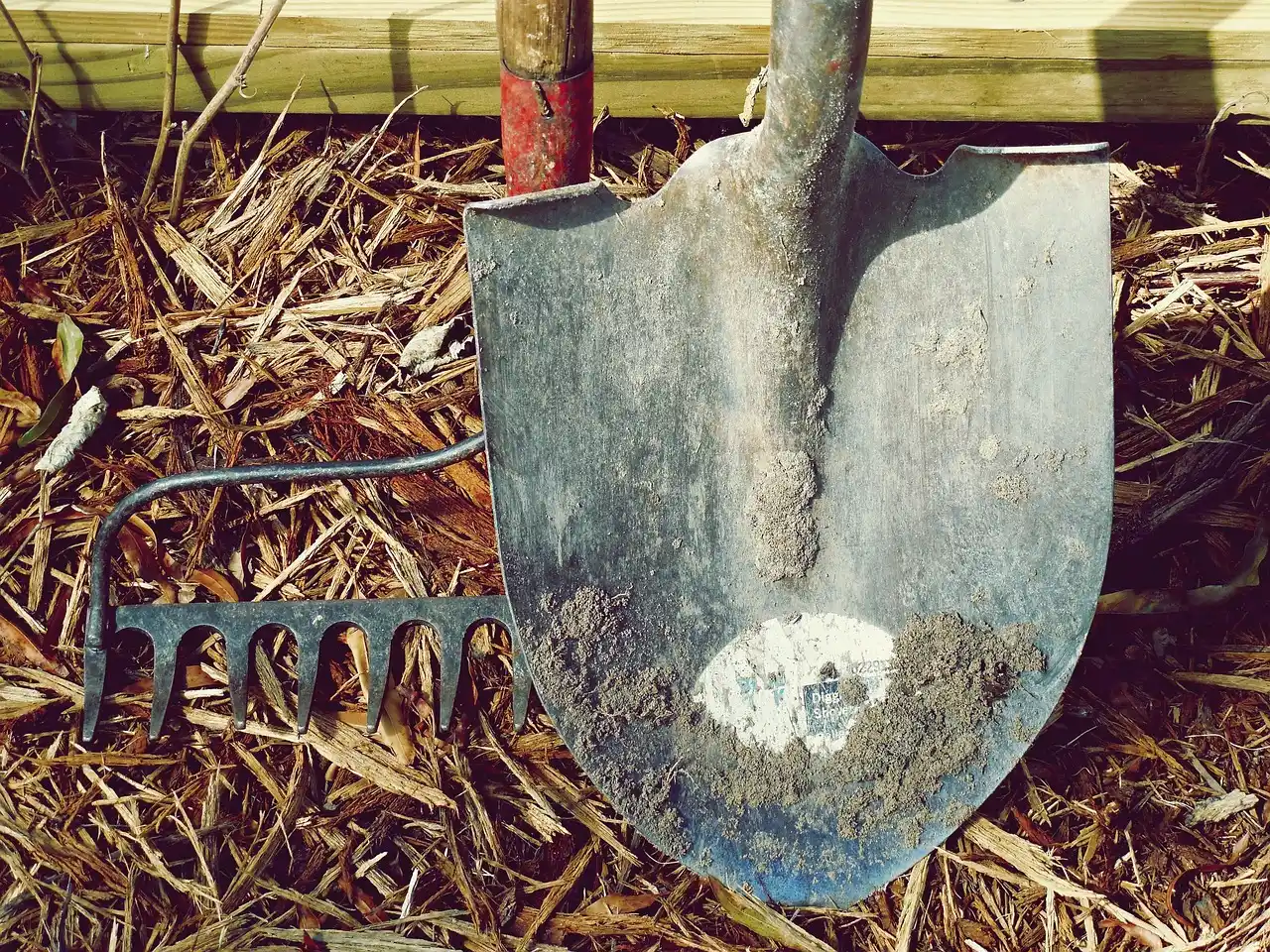
The mulch must be removed down to the soil line. Care must be given to removing secondary roots found during excavation, especially those encircling the trunk. In mild cases, this can be done carefully with hand tools by a knowledgeable gardener.
Rake mulch away from the trunk and reapply properly. For long-standing volcanoes, root collar excavation may be needed. If roots are buried more than 6 inches deep, a certified arborist should be contacted. An air spade, a compressed air tool, removes compacted soil without cutting roots and is the correct professional solution for severely buried root flares.
Research shows that an amazing number of plants have rapidly improved in color and vigor within months of root collar excavations. The damage is serious, but catching it early enough still leaves room for meaningful recovery.
The Takeaway
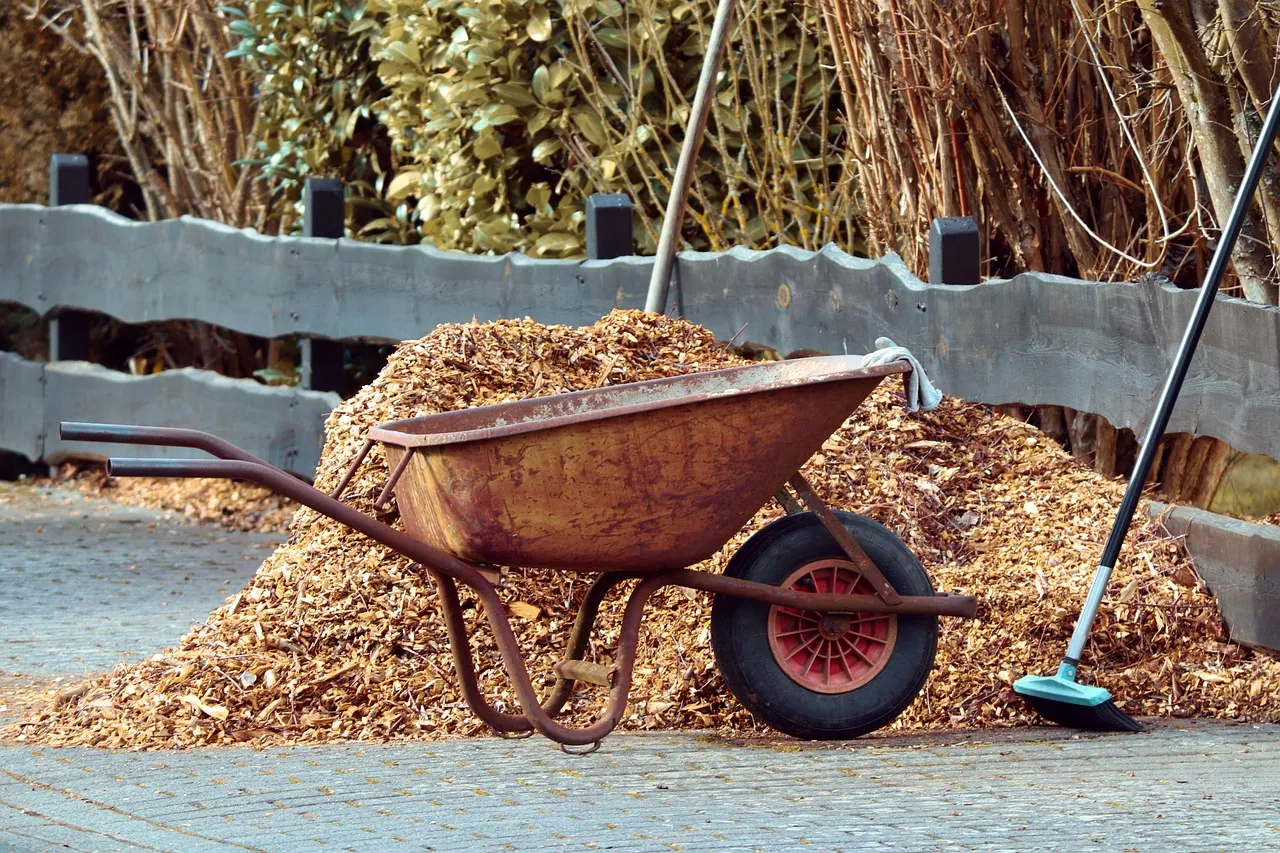
The mulch volcano problem is unusual because it’s entirely self-inflicted and entirely preventable. No pest, no drought, no disease organism needs to be involved. A single well-intentioned landscaping decision, repeated season after season, does the work quietly over years.
Many property owners create these mulch volcanoes thinking they’re helping their trees, when in fact they’re doing just the opposite. This silent killer affects thousands of trees annually, but with proper knowledge and techniques, it’s entirely preventable. The fix, in most cases, requires nothing more than a rake and a willingness to leave a few inches of trunk exposed to air and light. The trees will do the rest.
AI Disclaimer: This article was created with the assistance of AI tools and reviewed by a human editor.